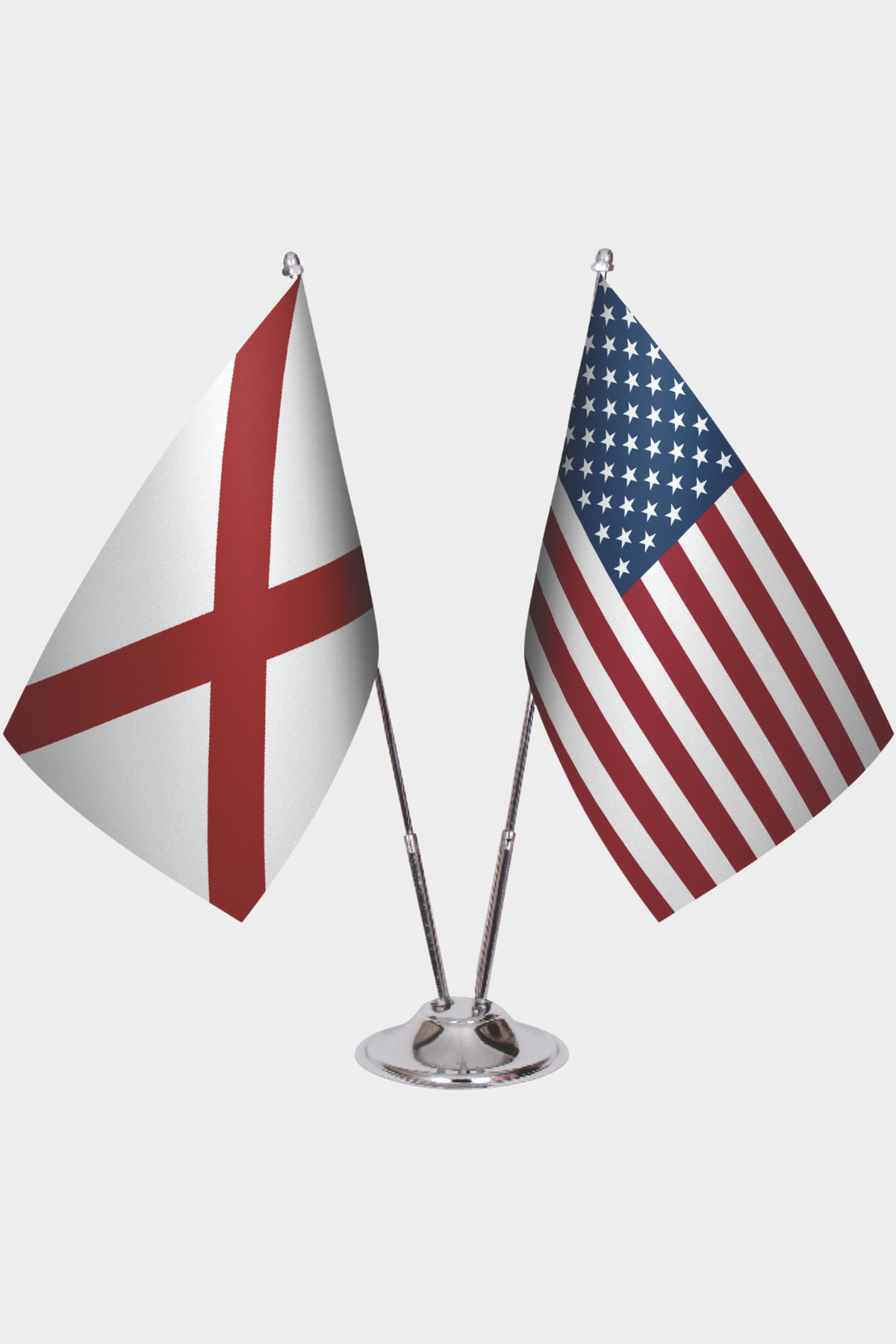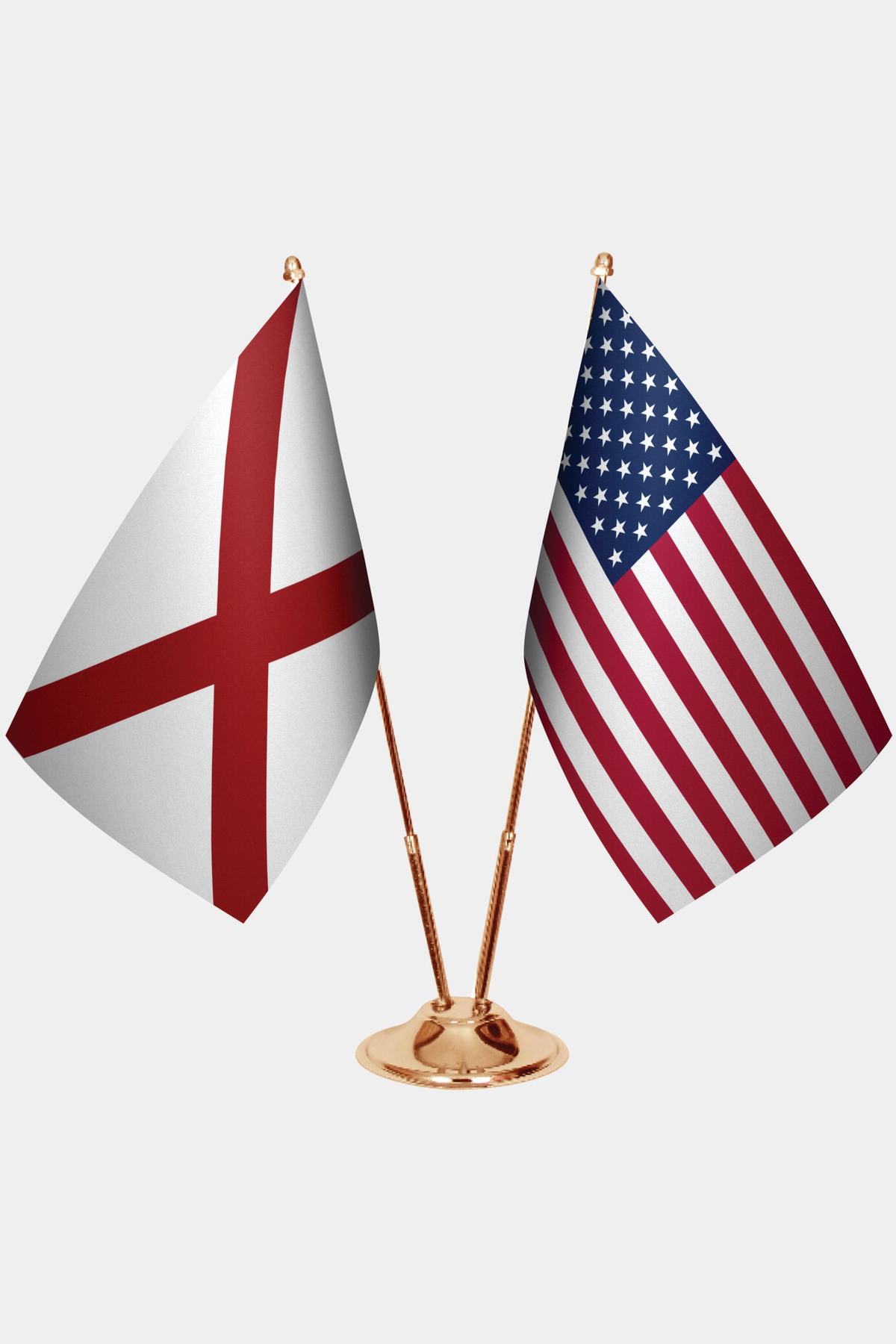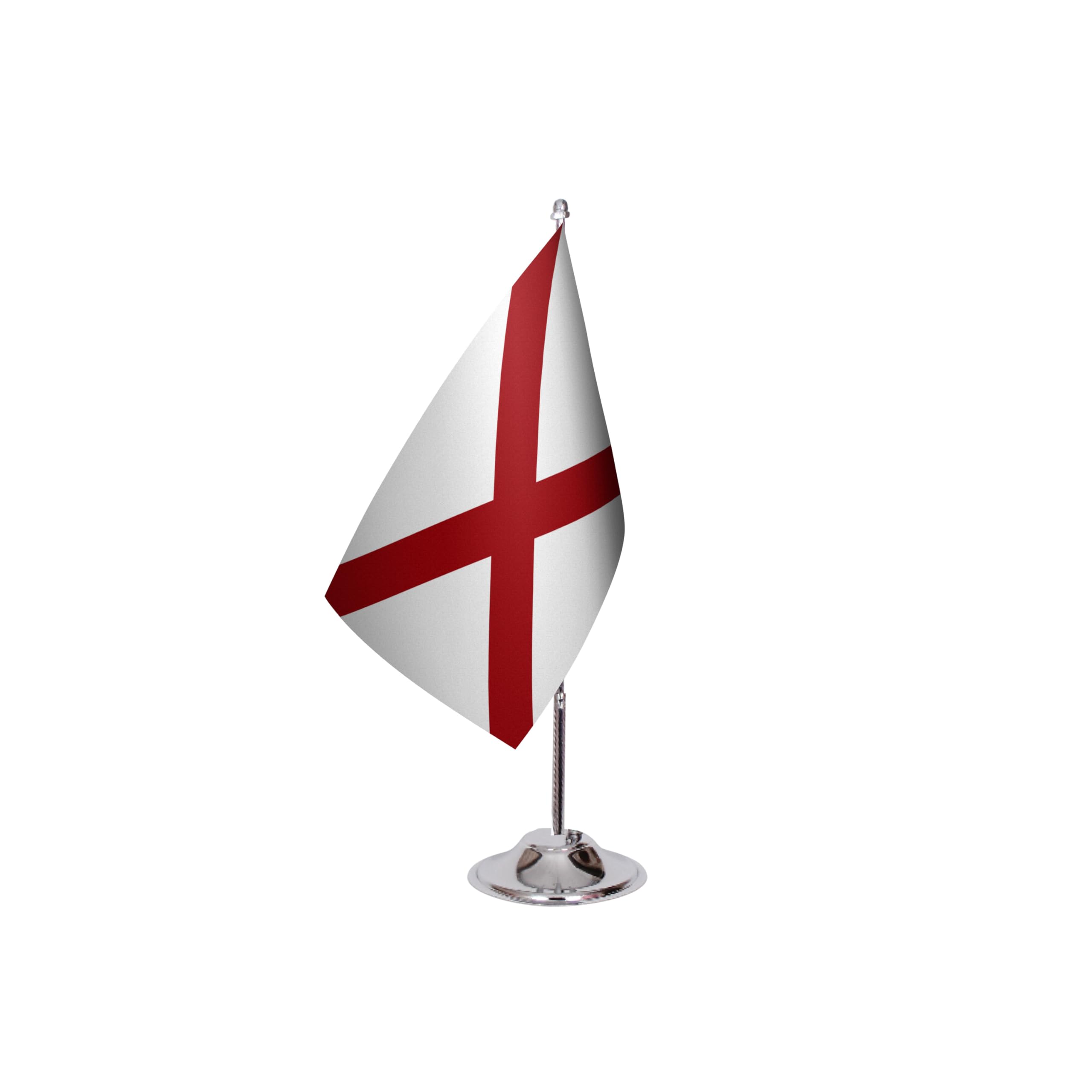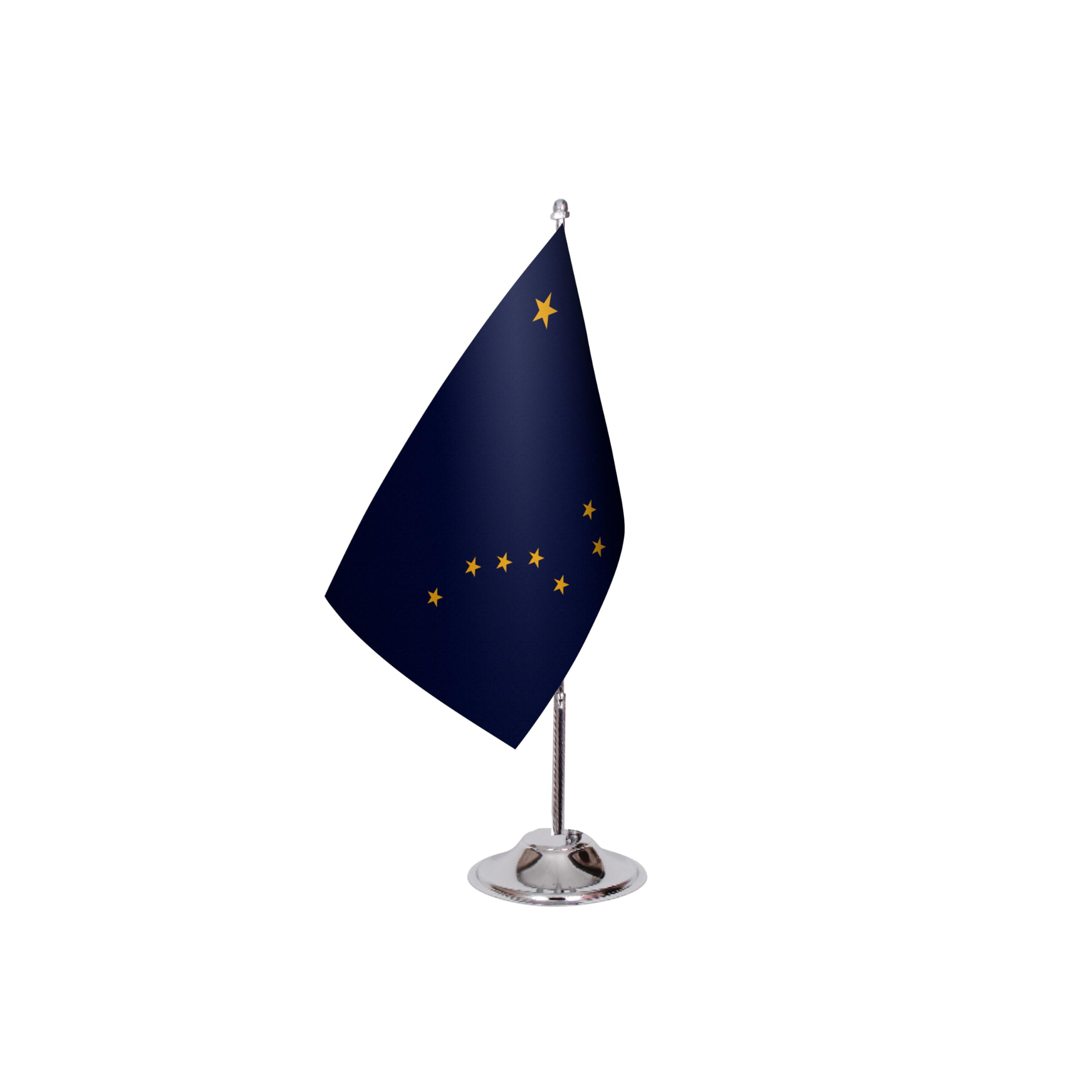









A flag pole kit bundles the pole, flag, and all hardware into one ready-to-display package, while buying parts separately lets you mix and match components for a custom setup — and for most homeowners and businesses, a complete Wall-Mounted Telescopic Flagpole Set is the faster, lower-risk choice. Understanding which path suits your situation comes down to four factors: installation complexity, the flag size you need, how often you'll move the display, and whether you need replacement parts over time. This guide walks through both options with the same detail we apply when helping corporate buyers outfit entire campuses and homeowners mount their first flag.
Quick Verdict: Which Option Suits Whom
A complete flag and pole kit is the right call for the vast majority of buyers — anyone who wants a guaranteed size match between pole and flag, a single shipment, and no sourcing risk. Buying parts separately makes sense primarily when you already own one component (flag or pole) and only need the other, or when you're building a custom-height or non-standard installation that no kit covers.
The hidden cost of buying separately is compatibility research. Flagpoles are rated for specific flag sizes — a general rule of thumb is that the flag's fly length (horizontal dimension) should be roughly one-quarter of the pole height, per longstanding display guidance echoed in US Flag Code etiquette publications. Get that ratio wrong and the flag either swamps the pole visually or flutters so high it looks miniature. Kits eliminate that guesswork entirely because the manufacturer has already matched the components. If you are still weighing total project costs, our detailed breakdown in How Much a Residential Flagpole Costs covers every line item from hardware to installation labor.
Strengths and Weaknesses of Buying a Complete Flag Pole Kit
A complete flag pole and flag kit wins on convenience, compatibility, and installation speed — three factors that matter most to first-time buyers and anyone working to a deadline. Every component has been tested together, so you're not cross-referencing load ratings or sleeve sizes at 10 pm the night before a holiday display.
 The United States Wall-Mounted Telescopic Flagpole Set is a strong example of what a well-engineered kit delivers: the pole, mounting bracket, and flag ship together and are sized to work as a unit from day one. The telescopic design means you can adjust display height without tools, which is particularly useful on facades where the bracket position is fixed by masonry. Installation typically takes under 30 minutes with basic hand tools, compared to the multi-step research and sourcing process of building a comparable setup from separate components. For homeowners, HOA-compliant displays, and corporate lobbies that need a clean, professional result without an installation contractor, this type of all-in-one kit is the most efficient path. The wall-mount form factor also keeps the pole close to the building, reducing wind leverage and extending hardware life compared to ground-socket poles of the same length.
Strengths of complete kits:
- Flag and pole are pre-matched for the correct size ratio
- All hardware (brackets, clips, finial) included — no separate sourcing
- Single shipment reduces lead time and freight coordination
- Manufacturer warranties often cover the full set, not individual components
- Ideal for standard residential displays (3 ft × 5 ft or 4 ft × 6 ft flags)
Weaknesses of complete kits:
- Less flexibility if you need a non-standard flag size or pole height
- Replacing only one worn component still requires ordering a full kit if parts aren't sold individually
- May include a flag style or material you already own
Strengths and Weaknesses of Buying Parts Separately
Buying flagpole parts individually offers maximum customization and is the smarter long-term strategy once you already have a working pole or a specific flag — but it demands more research up front and greater attention to compatibility. For experienced displayers, facility managers, and bulk buyers outfitting multiple locations, the part-by-part approach often yields a more precisely tailored result.
 Choosing a base is one of the most consequential individual decisions in a custom setup. The 15 kg Rubber Base is engineered for freestanding outdoor poles where permanent ground installation isn't possible — trade shows, sidewalk displays, temporary event setups, or interior lobbies with polished floors that can't be drilled. At 15 kg (33 lbs), the rubber construction provides enough ballast to resist moderate wind without the sharp-edge risk of steel alternatives, while the non-marking surface protects flooring finishes. If you're sourcing parts individually, selecting the correct base for your pole diameter and intended environment is step one, because an underpowered base is the single most common cause of flagpole tip-overs. For permanent outdoor placements where the ground is soft or uneven, a heavier filled-base solution like the 19 LT Plastic Base — fillable with water or sand to increase ballast — offers a different weight-to-portability tradeoff worth evaluating alongside your specific site conditions.
Strengths of buying parts separately:
- Replace only the component that wears out, reducing long-term material waste
- Mix pole height, base type, and flag material independently for the exact result needed
- Better suited for non-standard heights (above 25 ft / 7.6 m) not covered by kit formats
- Allows upgrading individual components (e.g., switching to a heavier base in a high-wind location)
Weaknesses of buying parts separately:
- Requires compatibility research — pole diameter, flag sleeve width, finial thread size must all align
- Multiple shipments can extend lead time and increase freight cost
- Easy to mismatch flag size to pole height without manufacturer guidance
- Warranty coverage may be fragmented across different product lines
Choosing by Use Case: Outdoor, High-Wind, and Ceremonial Applications
The right choice between a kit and separate parts depends heavily on where and how the flag will fly — a residential front-yard display, a coastal business in a high-wind corridor, and an indoor ceremonial installation each demand different combinations of pole, flag, base, and hardware. Matching the product format to the use case is more important than any single feature.
For standard outdoor residential use, a complete wall-mounted kit is almost always the best answer. The US Flag Code (4 USC § 6) encourages proper display proportions, and kits built around a 3 ft × 5 ft (91 cm × 152 cm) or 4 ft × 6 ft (122 cm × 183 cm) American flag are already sized to those norms. For high-wind locations (coastal zones, open plains, rooftop installations), you'll want to pay close attention to pole material and base weight regardless of whether you buy a kit or build a custom setup — our guide on Fiberglass Flagpole Sizes and Wind Ratings explains how to match pole flex ratings to average wind speeds in your area. For indoor ceremonial displays (offices, courtrooms, places of worship), a freestanding pole with a weighted base — bought separately from a flag that matches your ceiling height — often produces a more dignified result than a kit sized for outdoor dimensions. Browse the full Flag Accessories collection for individual hardware components suited to these specialized setups.

Wall-Mounted Telescopic Flagpole Sets
Pre-matched pole, flag, and hardware sets designed for residential and commercial wall mounting — the fastest path from unboxing to a correct, code-appropriate display.
Browse Collection →Lifespan and Total Cost Compared
Over a typical 2-to-5-year display cycle, a complete kit is often the lower total-cost option for buyers who start from scratch, while the part-by-part approach pays off for buyers who already own a durable pole and only need to replace the flag or the base. Understanding what drives cost — not just the initial outlay — is the key to making the right decision.
Flags are consumable. Outdoor nylon or polyester flags typically last 6 months to 2 years depending on UV exposure, average wind speed, and how many hours per day they fly. Poles and bases, by contrast, can last a decade or more if maintained correctly (see our practical guide on Flagpole Maintenance and Halyard Replacement for inspection intervals and hardware care tips). This asymmetry is the core argument for eventually buying parts separately: once you own a quality pole, replacing only the flag — the part that actually wears — is more economical than buying a new kit each cycle. However, for first-time buyers, the compatibility and convenience value of a complete kit more than justifies starting there. What drives the cost difference between products is material quality (aluminum vs. fiberglass vs. steel), flag fabric weight and UV treatment (80% UV-resistant coatings extend life significantly), and base ballast method (water-fill vs. sand-fill vs. solid rubber). The Poles & Holders collection lists individual pole options with their specifications so you can evaluate material differences directly.
What does a flag pole kit typically include? +
Is a flag pole and flag kit easier to install than buying parts separately? +
What size flag comes with a standard flag pole kit for a house? +
Can I use any flag with any flagpole, or do they need to match? +
How long does a flag pole kit last compared to individually sourced parts? +
What type of base should I choose when building a flagpole setup from separate parts? +
Is a wall-mounted flag pole kit suitable for all house types? +
Whether you're starting fresh with a complete Wall-Mounted Telescopic Flagpole Set or building a custom setup piece by piece, the most important step is confirming that every component — pole, flag, base, and hardware — is sized and rated to work together under your local wind and weather conditions. For individual components, the Poles & Holders collection and the Flag Accessories collection let you source each element with full specifications visible before purchase. Bulk pricing is available for corporate orders — contact us directly for multi-unit quotes on kits or component sets for commercial, institutional, or government installations.