

The standard China flag sizes range from 4 × 6 in (10 × 15 cm) handheld versions to large 10 × 15 ft (305 × 457 cm) outdoor banners, all built on a fixed 2:3 width-to-length ratio — and the precise positions of the five yellow stars are legally defined by the Chinese government down to fractions of the flag's width. Whether you need a desk flag, an embassy display, or a full outdoor pole flag, our Asian Countries Flags collection covers every format with correctly reproduced star geometry.
What the Standard China Flag Sizes Are and Where Each One Gets Used
China's national standard GB 12779 defines five official size grades — labeled 1 through 5 — with the largest at approximately 288 × 192 cm (roughly 9.4 × 6.3 ft) and the smallest at 96 × 64 cm (about 38 × 25 in). The 2:3 ratio (height to length) is mandatory across every grade, so a flag that is 3 ft tall must be 4.5 ft wide — no exceptions. Outside China, manufacturers follow the same ratio but use US standard measurements: the most popular outdoor sizes are 2 × 3 ft (61 × 91 cm), 3 × 5 ft (91 × 152 cm), 4 × 6 ft (122 × 183 cm), and 5 × 8 ft (152 × 244 cm). Desk and table flags typically run 4 × 6 in (10 × 15 cm) on a fixed stand, while handheld stick flags for events are commonly 6 × 9 in (15 × 23 cm) or 8 × 12 in (20 × 30 cm). Indoor ceremonial flags — the kind mounted on a pole inside an embassy or boardroom — are usually 3 × 5 ft or 4 × 6 ft so they remain visible without overpowering the room.
How to Choose the Right Size Based on Your Space, Pole Height and Viewing Distance
A simple rule of thumb used by flag professionals is that flag length should equal one-quarter to one-third of pole height — so a 20 ft (6 m) pole calls for a 6–7 ft (1.8–2.1 m) flag. At close viewing distances of under 30 ft (9 m), a 3 × 5 ft flag reads clearly; beyond 100 ft (30 m), anything smaller than 5 × 8 ft will make the five stars hard to distinguish. For indoor meeting rooms and office lobbies, 3 × 5 ft strikes the right balance between presence and proportion — large enough to identify all five stars without crowding the space. Outdoor plazas, government buildings, or multi-flag arrays at trade venues generally benefit from 4 × 6 ft or larger, particularly because the small four stars surrounding the large central star need a minimum surface area to be legible. If you are unsure, err slightly larger: a flag that is proportionally too small looks lost on its pole, while one that is slightly oversized still reads as dignified and intentional.
 For high-traffic outdoor settings — sports stadiums, corporate campuses, convention centers, or embassy exteriors — the China Outdoor Flag is crafted from 110g Raschel knitted polyester, a fabric weight chosen specifically for outdoor endurance. This medium-heavy knitted polyester allows wind to pass through the weave while keeping colors saturated, which is critical for the deep Pantone 485 red and the precise gold of the five stars. Under normal outdoor conditions with average wind exposure, a quality Raschel polyester flag lasts 6 months to 2 years depending on climate and UV intensity. The flag is also 80% UV resistant, which prevents the red field from fading to a washed-out orange — a common problem with cheaper materials that use direct-dye printing without heat-fixing. If your display location gets strong direct sun for most of the day, choosing the right fabric weight, like 110g Raschel, is as important as choosing the right size.
What the Correct Pole-Height-to-Flag-Size Ratio Looks Like in Practice
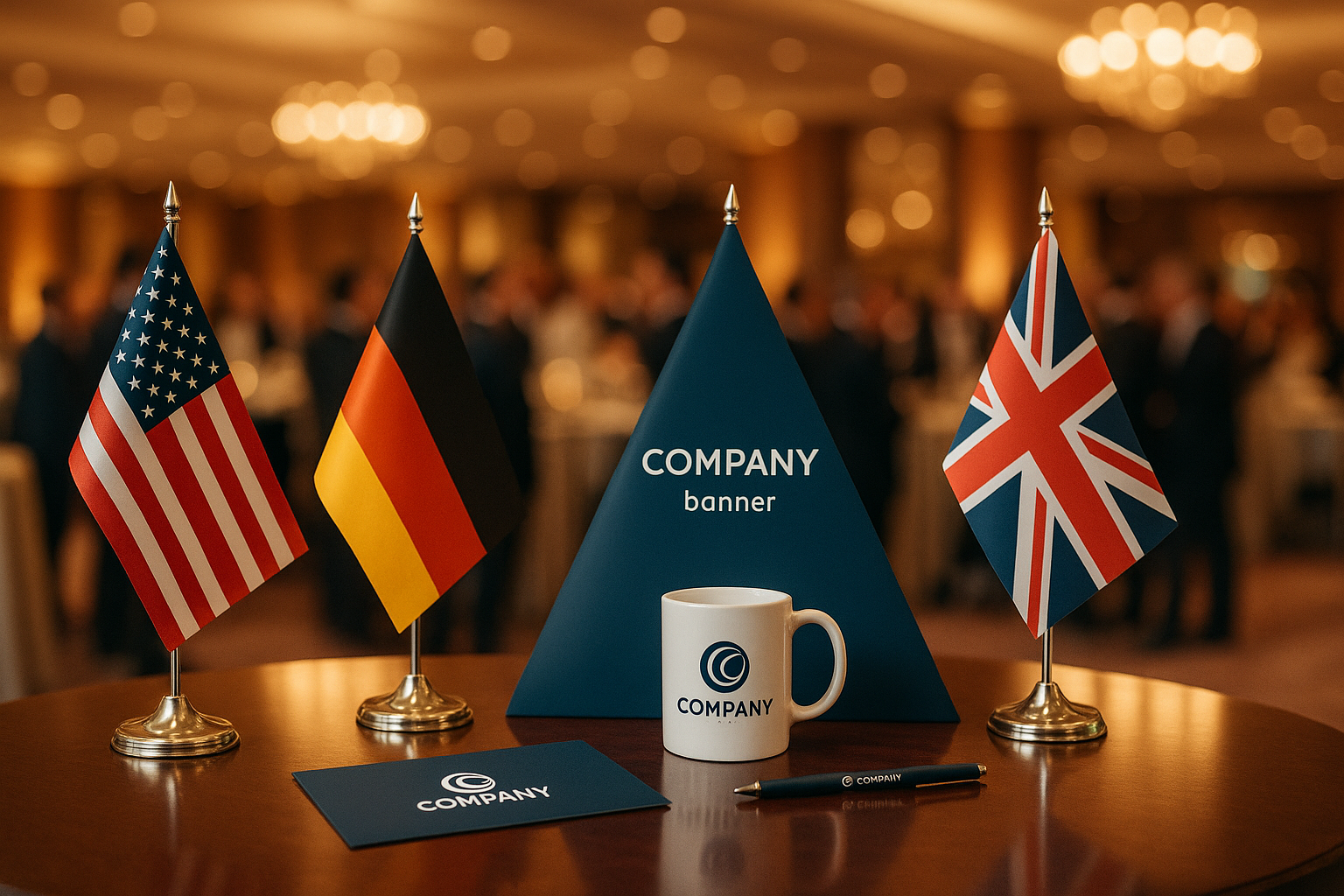
The internationally accepted guideline — and the one used by most government and diplomatic installations — sets flag length at 25–33% of pole height. A 15 ft (4.6 m) residential or commercial pole looks best with a 3 × 5 ft flag; a 25 ft (7.6 m) institutional pole typically pairs with a 4 × 6 ft flag; a 40 ft (12.2 m) commercial or civic pole warrants a 6 × 10 ft flag. Going below 25% makes the flag look like a small ornament atop a large stick, while exceeding 40% can cause the flag to wrap around the pole or tear at the header in strong wind. For multi-flag installations where the Chinese flag flies alongside other national flags — a common setup at trade expos, international hotels, or consulates — all flags must be the same size and flown at the same height per international protocol, so choose a size that works for every flag in the array. This protocol point is covered in depth in our article on placing the Chinese flag at business meetings, which also addresses positioning when flying alongside a US flag indoors.
How Indoor, Outdoor and Desk China Flag Sizes Compare Side by Side
Indoor, outdoor, and desk flags serve completely different display functions, and sizing conventions differ accordingly. Indoor ceremonial flags — the type used in embassies, government offices, and formal meeting rooms — are almost always 3 × 5 ft (91 × 152 cm) or 4 × 6 ft (122 × 183 cm), mounted on a floor-standing pole with an ornamental finial. Because they are viewed at close range in controlled lighting, the satin fabric used for indoor flags catches ambient light and makes the gold stars appear richer and more dimensional than on outdoor polyester. The China Official Indoor Flag uses double-layer satin with high-definition sublimation printing and is mounted on a chrome or gold metal pole, making it the right choice for embassy-grade or institutional display.
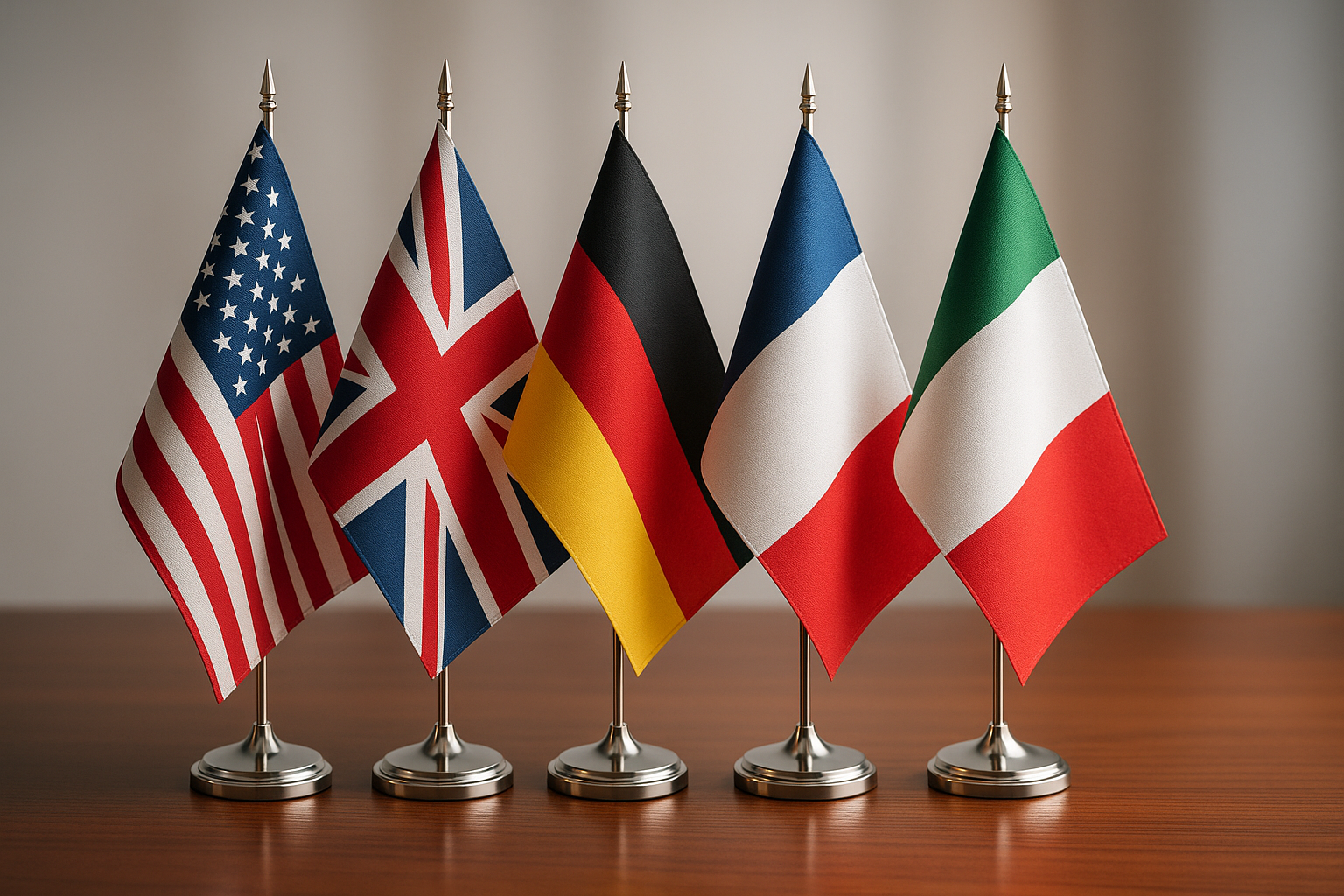
 Outdoor pole flags are sized for distance viewing and wind movement, so they need enough surface area for the star arrangement to be legible from 50 ft (15 m) or more — which is why the 3 × 5 ft size is a minimum for most outdoor poles, with 4 × 6 ft being the most common commercial choice. Desk flags, by contrast, are purely decorative and informational: the standard 4 × 6 in (10 × 15 cm) size on a fixed base sits comfortably on a conference table or reception desk and is sized for arm's-length identification, not for wind movement. Handheld event flags — typically 6 × 9 in (15 × 23 cm) or similar — are designed for single-use or short-duration display at parades, sports matches, and cultural festivals, where portability matters more than longevity. For these event applications, the China Handheld Flag, made from 90g Raschel polyester on a stick, provides vibrant color reproduction that holds up for a full day of waving without the colors bleeding or the material stretching out of shape.
Where Exactly the Five Stars Sit on the China Flag
The positions of the five stars are not approximate — they are specified in millimeter-precise fractions of the flag's width and height under Chinese national standard GB 12779. The flag is divided into four quadrants; the star canton occupies the upper-left quadrant (the hoist quarter). The large star's center sits at a point one-quarter of the flag's length from the hoist edge and one-quarter of the flag's height from the top edge — expressed as fractions, that is 5/16 along the width and 5/16 down from the top when measured from the fly end, but most simply described as centered in the upper hoist quarter. The four smaller stars are arranged in an arc to the right and around the large star, with each small star having one point aimed directly at the center of the large star — this is the detail that distinguishes a correctly reproduced flag from a poorly printed one. The diameter of the large star is 3/10 of the canton's width; each small star's diameter is 1/10 of the same measurement. If you have ever seen a China flag where the small stars appear randomly scattered or face the wrong direction, that flag fails the official specification. High-definition dye-sublimation printing, as used on our indoor and outdoor flags, reproduces these angular relationships precisely because the design is printed as a single continuous image rather than stitched or screened in multiple passes.

Asian Countries Flags
A complete selection of correctly reproduced national flags from across Asia — from handheld event sizes to full outdoor pole formats — in durable Raschel polyester and premium satin.
Browse Collection →Sizing Mistakes People Make When Buying or Displaying a China Flag
The most common sizing mistake is choosing a flag that is too small for the pole — usually because the buyer focuses on price per unit rather than visual proportion. A 2 × 3 ft flag on a 20 ft (6 m) pole looks almost comically undersized and also makes the five-star arrangement invisible from any meaningful distance. A second frequent mistake is buying a flag sized for outdoor poles and trying to use it indoors on a floor stand: an oversized flag will drag on the floor or bunch against the pole, distorting the star positions and creating an undignified display. Indoor ceremonial flags need to be sized to the pole set — most floor-standing indoor pole sets are designed for 3 × 5 ft or 4 × 6 ft flags, so always match the flag to the hardware. A third mistake specific to the China flag is accepting a reproduction where the small stars are simply rotated symmetrically rather than angled toward the large star — this is a print accuracy issue, not a size issue, but it is worth checking when purchasing. For comparison with how other countries handle similar dual-proportioned designs, our article on the Indonesia vs Monaco flag size difference shows how small ratio changes create entirely different display outcomes. Finally, never conflate the handheld stick flag size (which is designed for grip and portability) with a desk flag size — they may look similar in photos but the mounting hardware, weight, and intended viewing distance are completely different.
 For events where you need large quantities of small flags — cultural festivals, Lunar New Year parades, international sports gatherings, or trade show giveaways — the handheld format is the right choice, and quantity planning matters as much as size selection. The China Handheld Flag is printed on 90g Raschel polyester, which gives it enough body to hold its shape when waved without being so stiff that it cracks or creases. Because handheld flags are typically viewed at arm's length to 10 ft (3 m), the five-star design only needs to be readable at close range — the stick format is not meant for distant identification. Where many buyers go wrong is ordering handheld flags in a size that is too large for practical waving; a flag that is too heavy or too wide on its stick becomes unwieldy, especially for children or in tight crowd situations. Stick flags in the 6 × 9 in to 8 × 12 in range represent the practical maximum for comfortable waving, and anything beyond that starts to function more as a small pole flag than a true handheld.
Getting China flag sizing right is ultimately about matching three variables simultaneously: the display setting, the viewing distance, and the physical hardware. A flag chosen for all three will look proportional, make the five stars legible, and represent Chinese heritage with the accuracy it deserves. For corporate or institutional buyers, bulk pricing is available on outdoor, indoor, and handheld formats — explore the full range in our Country Indoor Flags collection for ceremonial options, or browse the broader Asian Countries Flags collection for every size and format of the China flag. Bulk pricing is available for corporate orders, diplomatic procurement, and event organizers requiring multiple units.


