







Matching your flag to the right pole height is one of the most overlooked details in flag display — yet it determines whether your setup looks sharp and professional or awkward and undersized. The universal rule is that a flag's fly length (its horizontal width) should equal one-quarter to one-third of the pole's total height, giving you a visually balanced, code-compliant display every time.
Why Flag Pole Height Ratio Matters More Than You Think
The flag pole height ratio is the single most important factor in achieving a display that looks intentional and respectful rather than thrown together. When a flag is too small for its pole, it appears lost in the air; when it is too large, it wraps around the pole, tears faster, and may violate local ordinances or HOA guidelines. The US Flag Code (4 USC §§ 1–10) does not specify exact dimensional ratios, but it does emphasize that the flag must be displayed in a manner that honors its dignity — and a wildly mismatched flag-to-pole ratio undermines that standard in a very visible way. Beyond aesthetics, the right ratio also extends the life of your flag: a flag sized correctly for its pole experiences more even wind load distribution, reducing stress on the header and grommets. Getting the proportion right from the start saves you money on replacements and keeps your display looking professional season after season.
The Universal Flag Pole Size Formula Explained
The standard flag size guide used by flag industry professionals follows a straightforward formula: flag fly length = pole height ÷ 4 (minimum) to pole height ÷ 3 (maximum). This means on a 20 ft (6.1 m) pole, you should fly a flag with a fly length between 5 ft and 6 ft 8 in (1.5–2.0 m). The flag's hoist (the vertical dimension attached to the pole) is typically set at two-thirds of the fly length, following the standard 2:3 aspect ratio used for American flags and most national flags recognized under FIAV (Fédération Internationale des Associations Vexillologiques) standards. For example, a 5 ft fly flag would have a hoist of approximately 3 ft 4 in (1.0 m), giving you a 3×5 ft finished flag — the most popular size in North America. Understanding this formula lets you work in either direction: you can start with the flag size you already own and calculate the correct pole height, or start with your pole and find the right flag dimensions.
Pole Flag Sizing Chart: Quick Reference by Pole Height
Pole flag sizing becomes much easier when you have a reliable reference chart in front of you. The table below covers the most common residential, commercial, and institutional pole heights used across the United States, along with the recommended flag sizes that fall within the one-quarter to one-third ratio range.
- 6 ft (1.8 m) pole: 2×3 ft (0.6×0.9 m) flag — ideal for indoor display stands and small desk mounts
- 10 ft (3.0 m) pole: 2.5×4 ft or 3×4 ft (0.75×1.2 m or 0.9×1.2 m) flag — suitable for small yard poles and parade staffs
- 15 ft (4.6 m) pole: 3×5 ft (0.9×1.5 m) flag — the most common residential size pairing
- 20 ft (6.1 m) pole: 4×6 ft or 5×8 ft (1.2×1.8 m or 1.5×2.4 m) flag — standard for commercial properties and schools
- 25 ft (7.6 m) pole: 5×8 ft (1.5×2.4 m) flag — frequently used at car dealerships and government buildings
- 30 ft (9.1 m) pole: 6×10 ft (1.8×3.0 m) flag — municipal and light commercial standard
- 40 ft (12.2 m) pole: 8×12 ft (2.4×3.7 m) flag — heavy commercial and institutional use
- 50 ft (15.2 m) pole: 10×15 ft (3.0×4.6 m) flag — large commercial complexes, stadiums, and military installations
- 60 ft (18.3 m) pole: 12×18 ft (3.7×5.5 m) flag — major civic and corporate campuses
- 80–100 ft (24.4–30.5 m) pole: 20×30 ft or 25×40 ft (6.1×9.1 m or 7.6×12.2 m) flag — monument poles and landmark installations
These pairings assume a single flag flown at the top of the pole. If you are flying two flags simultaneously on a tandem halyard system, each flag should be sized as if it were alone on a pole two-thirds the total height, to avoid crowding and ensure both remain clearly visible. Always round up to the next standard flag size rather than down — a slightly larger flag almost always looks better than one that appears undersized, provided you stay within the one-third maximum fly-length guideline.
Residential vs. Commercial Flag Pole Height Considerations
Residential and commercial installations operate under very different scale requirements, and the flag size guide must be adjusted accordingly. For a typical suburban home with a 15–20 ft (4.6–6.1 m) in-ground pole, a 3×5 ft (0.9×1.5 m) flag is almost universally appropriate and satisfies most HOA rules that cap flag size at one-third of pole height. Commercial properties, on the other hand, typically start at 25 ft (7.6 m) poles and scale up quickly — a 30 ft (9.1 m) pole at a retail entrance almost always demands at least a 5×8 ft (1.5×2.4 m) flag to remain visible from the road and create the desired visual impact. Municipal codes in many US cities actually mandate minimum flag sizes for commercial flagpoles as part of permit requirements, so checking local zoning ordinances before purchasing is strongly recommended. Wind load is another factor that differs dramatically between settings: a residential 3×5 ft flag in a moderate breeze generates far less stress on its hardware than a 10×15 ft commercial flag in a coastal environment, where wind speeds regularly exceed 30 mph (48 km/h). For high-wind locations, drop one size below the maximum ratio recommendation and invest in a heavier-weight nylon or polyester fabric rated for at least 80% UV resistance and tested to withstand sustained winds of 50+ mph (80+ km/h).
Flagpoles & Accessories Collection
Browse residential and commercial flagpoles in every standard height, along with the hardware and accessories you need for a perfectly proportioned, long-lasting display.
Browse Collection →Special Situations That Change the Standard Flag Pole Height Ratio
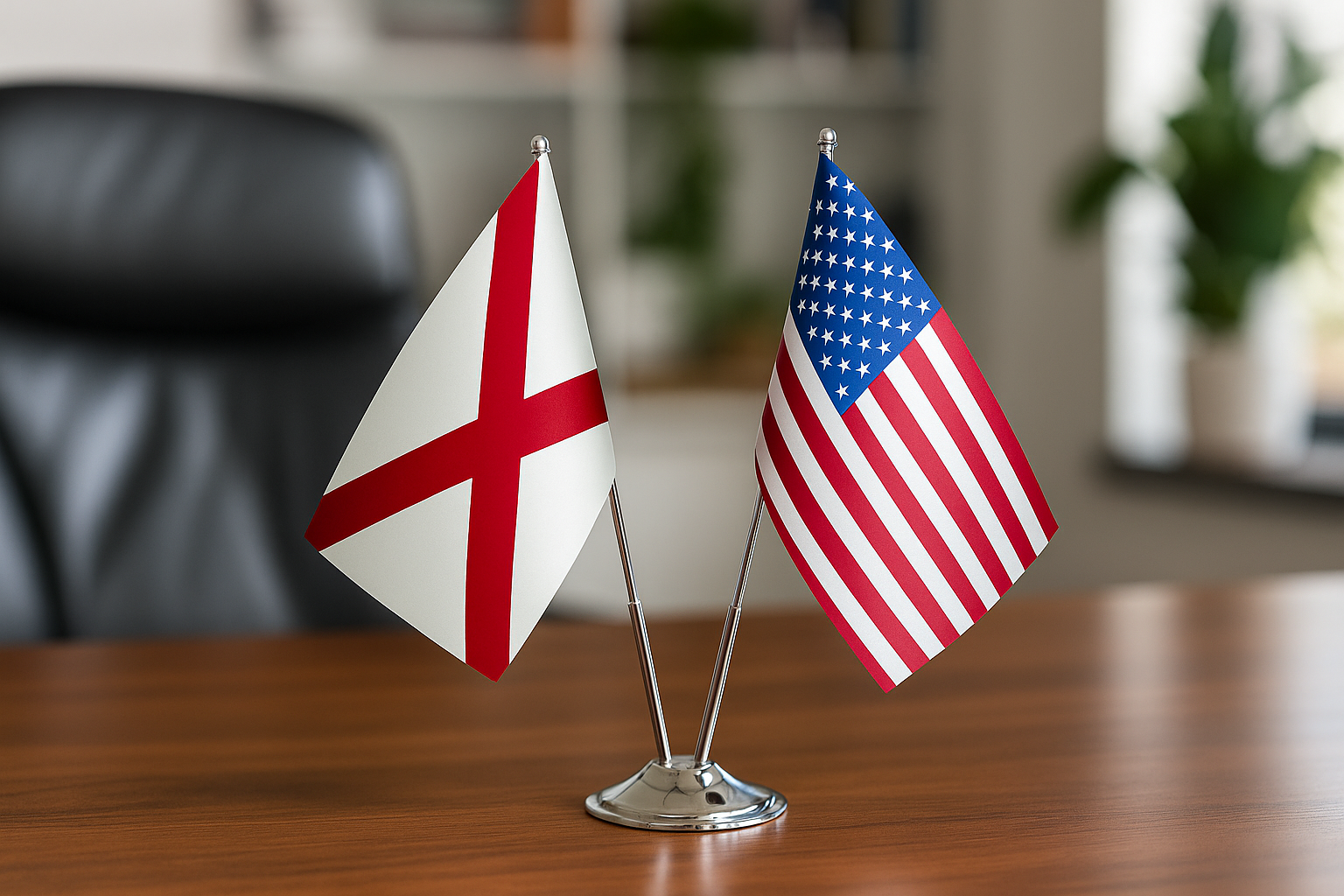
Certain display scenarios require you to deviate from the standard one-quarter to one-third flag pole height ratio, and knowing when to adjust prevents costly mistakes. Angled wall-mount brackets, for instance, typically call for a flag one size smaller than what the pole length alone would suggest, because the flag hangs at an angle and the effective visible area is reduced. Nautical and marine applications follow their own sizing conventions: the US Power Squadrons recommend that a stern ensign measure approximately one inch of fly per foot of overall boat length, a formula that prioritizes visual recognition over architectural proportion. Military and government installations often follow DoD Instruction 1005.6, which specifies exact flag sizes for different flagpole height categories used on federal property — these specifications take precedence over the general commercial ratio guidelines. Indoor ceremonial poles used in government offices, courtrooms, and places of worship are typically 8–9 ft (2.4–2.7 m) tall and pair with a 4×6 ft (1.2×1.8 m) or 3×5 ft (0.9×1.5 m) flag, keeping the fly length at roughly half the pole height to account for the confined viewing distance in interior spaces. Finally, when flying multiple national flags on separate poles side by side — as required by protocol when a foreign national flag is displayed alongside the US flag — all poles should be equal in height and all flags equal in size, per international diplomatic etiquette and 4 USC § 7(g).
How to Measure Your Existing Pole and Choose the Right Flag Size
If you already have a flagpole installed and need to find the correct flag size, the measurement process is simple and takes less than ten minutes. Start by measuring the total pole height from ground level to the very top of the finial (the ornamental ball or eagle at the summit) — this full measurement is what drives your flag size calculation, not the above-grade height alone if part of the pole is buried. Once you have the total height in feet, divide by 4 to get your minimum recommended fly length and divide by 3 to get your maximum recommended fly length; choose a standard commercial flag size that falls within that range. For example, a pole measuring 18 ft (5.5 m) from finial to ground yields a fly-length range of 4.5–6 ft (1.4–1.8 m), making a 4×6 ft (1.2×1.8 m) flag the ideal choice. You should also check your halyard system and snap hooks at this stage — a flag larger than what the hardware was designed for will wear out the rope and snap hooks significantly faster, especially in high-UV coastal or desert climates where hardware degradation accelerates. If your pole is an adjustable or telescoping model, always calculate the ratio based on the fully extended height, since that is the height at which the flag will most commonly be displayed. Explore the full range of pole heights and compatible hardware in the Flagpoles and Accessories collection to find hardware that matches both your pole dimensions and your flag size requirements.
Flag Material, Weight, and Longevity in Relation to Pole Sizing
Choosing the right flag material is inseparable from getting the pole flag sizing correct, because the wrong fabric on the wrong size pole accelerates wear dramatically. A lightweight 2-ply knitted polyester flag — typically weighing around 2.5 oz per square yard — is well suited to residential poles up to 20 ft (6.1 m) in low-to-moderate wind areas, offering a lifespan of 6 months to 1 year in outdoor conditions. Heavier 200-denier nylon or 300-denier polyester is recommended for commercial poles of 25 ft (7.6 m) and above, where larger flag surface areas translate directly into higher wind loads that would shred lighter fabrics within weeks. UV resistance is a critical spec: look for flags rated at 80% or higher UV resistance, since a flag flying at 30 ft (9.1 m) or above receives significantly more direct sunlight than one at ground level and will fade or degrade faster without proper treatment. Embroidered or appliquéd flags carry more weight than printed flags of the same size and require sturdier hardware — if you are upgrading from a printed to an embroidered flag, verify that your existing snap hooks and halyard are rated for the additional load. With proper sizing, quality materials, and routine inspection every 30–60 days, a commercial-grade flag on a correctly matched pole should deliver a lifespan of 1 to 2 years even in demanding outdoor environments. For bulk flag orders where consistent sizing and quality across multiple poles is essential, Asya Bayrak's flagpole and accessory solutions provide the hardware standardization that large-scale installations require.
What is the standard flag size for a 20 ft flagpole? +
How do I calculate the correct flag size for any pole height? +
Does the US Flag Code specify a required flag-to-pole size ratio? +
What flag size should I use on a 30 ft commercial flagpole? +
Can I fly two flags on the same pole, and how does that affect sizing? +
What is the best flag material for a tall outdoor commercial pole? +
How often should I replace a flag on an outdoor pole? +
Getting the flag pole height ratio right is not just about aesthetics — it is about displaying your flag with the respect, visibility, and durability it deserves. Whether you are outfitting a single residential yard pole or standardizing flag sizing across a multi-location commercial portfolio, the one-quarter to one-third fly-length formula gives you a reliable, universally accepted starting point. For the hardware to support those flags correctly at every height, explore the full Flagpoles and Accessories collection at Asya Bayrak, where you will find residential and commercial poles, snap hooks, halyards, and finials engineered to work together as a complete system. Every pole in the collection is matched with sizing guidance so you never have to guess what flag goes with what hardware. Need to equip multiple sites at once? Bulk pricing is available for corporate, government, and institutional orders — contact the Asya Bayrak team directly to discuss your project requirements and get a custom quote that covers poles, flags, and accessories in a single order.