





Flagpole etiquette in the United States is governed primarily by the US Flag Code (4 USC §§ 1–10), a federal law that defines exactly how the flag should be displayed, in what order of precedence, and under what conditions it must be lowered or retired. Whether you are setting up a flagpole and accessories for a private residence, a school, or a commercial building, understanding these rules protects you from unintentional disrespect — and, for government entities, potential legal liability. The Flag Code does not impose criminal penalties on civilians for most violations, but it remains the authoritative national standard that courts, military branches, and federal agencies follow. What follows is a practical, section-by-section breakdown of every display rule that applies to flag poles for houses and institutions alike.
The Legal Foundation: US Flag Code 4 USC §§ 1–10
The US Flag Code is the binding federal statute that establishes all official rules for displaying the American flag — it was first codified in 1942 and has been amended several times since. Section 1 defines the flag itself; Sections 2 through 10 cover display positions, prohibited uses, and the pledge. The Code applies to every context where the flag is flown — from a single-pole flag pole for a house to a multi-pole government plaza — and its guidance is referenced by the Department of Defense, the Veterans of Foreign Wars, and state-level legislation nationwide. Importantly, the Code is descriptive rather than exclusively punitive for civilians: it tells you what is proper, and intentional violations can result in reputational and contractual consequences for businesses and institutions even when criminal penalties do not apply. Any institution that contracts with the federal government or receives federal funding is expected to comply fully, making knowledge of §§ 1–10 essential for property managers, school administrators, and corporate facilities teams.
Correct Display Positions and Order of Precedence
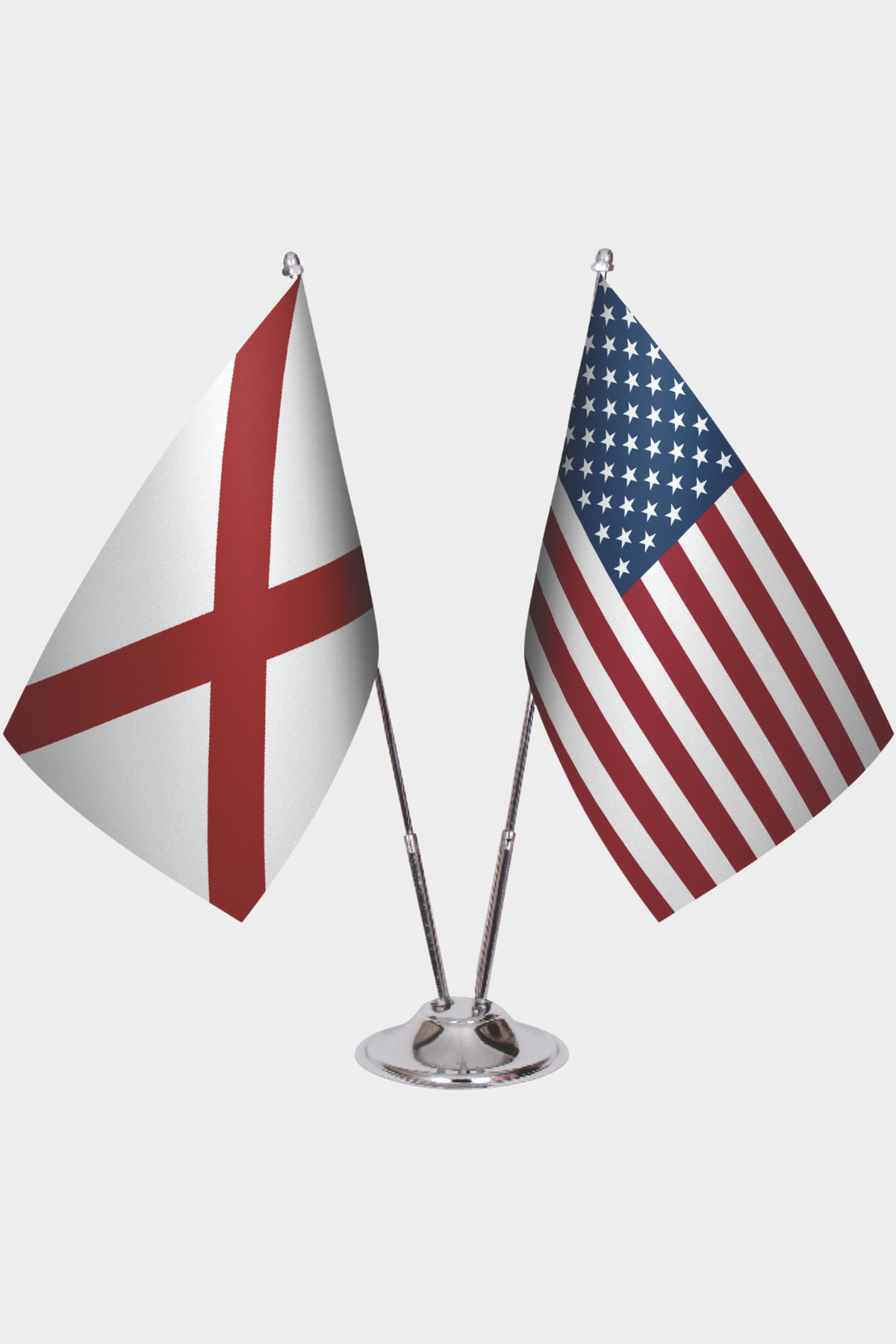
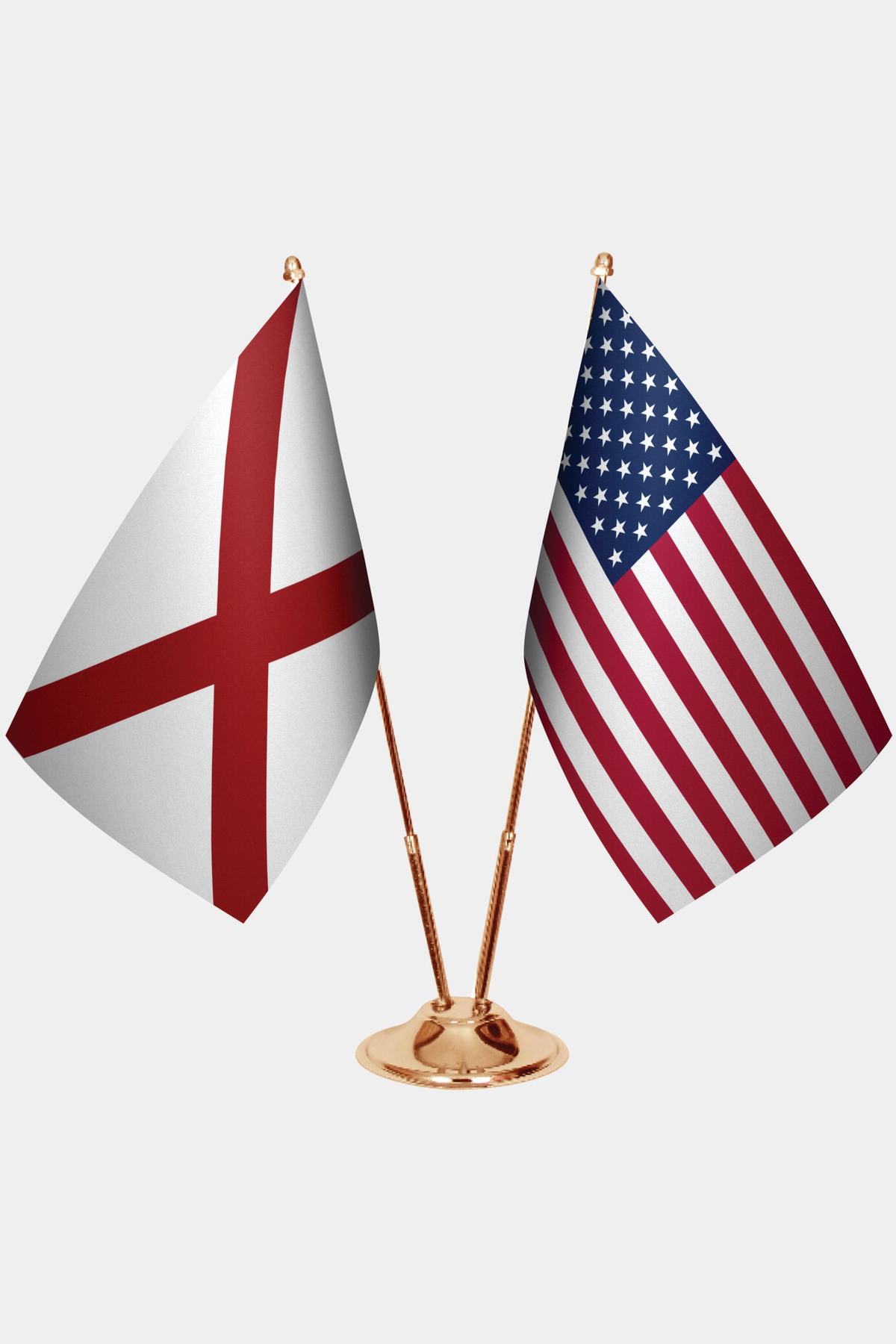
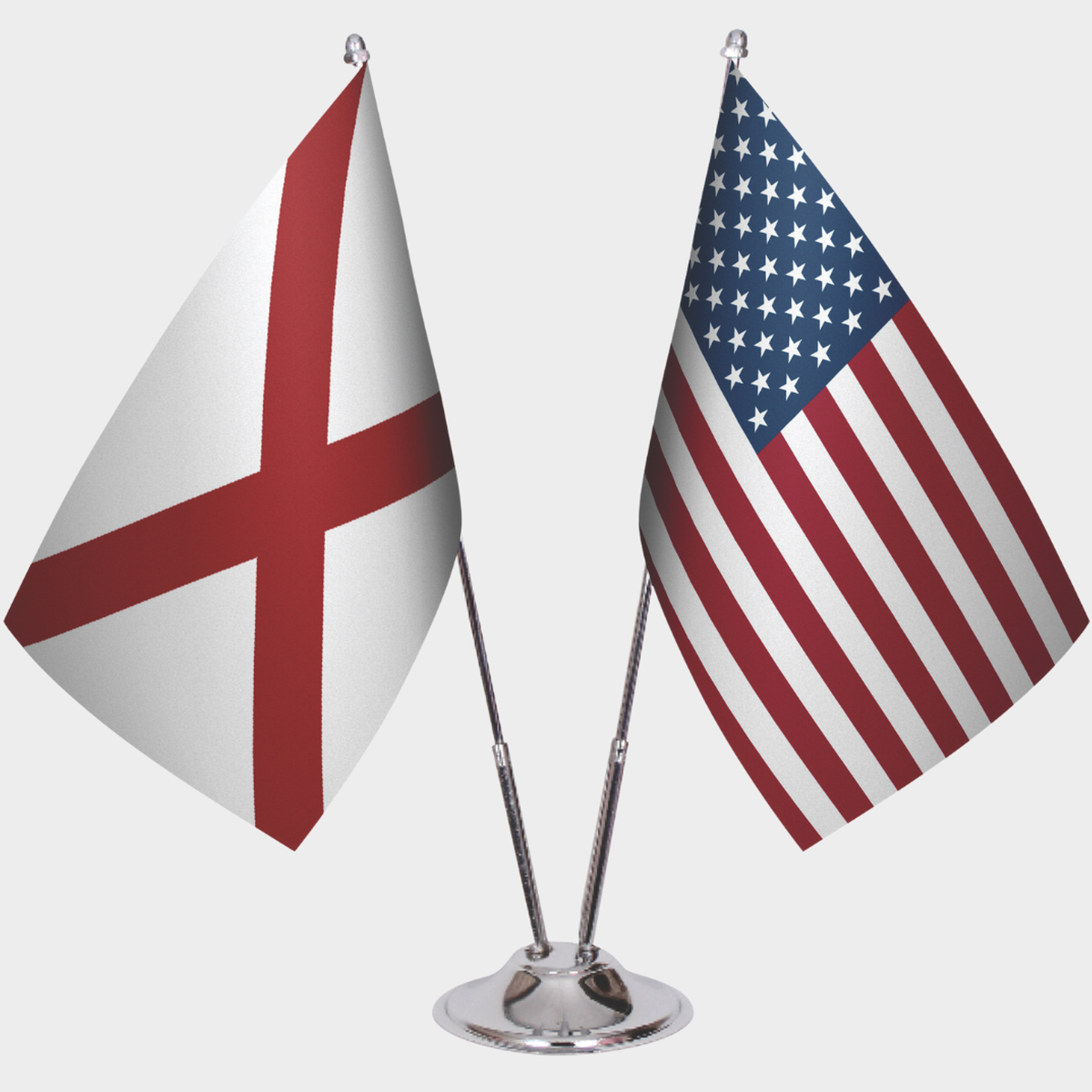
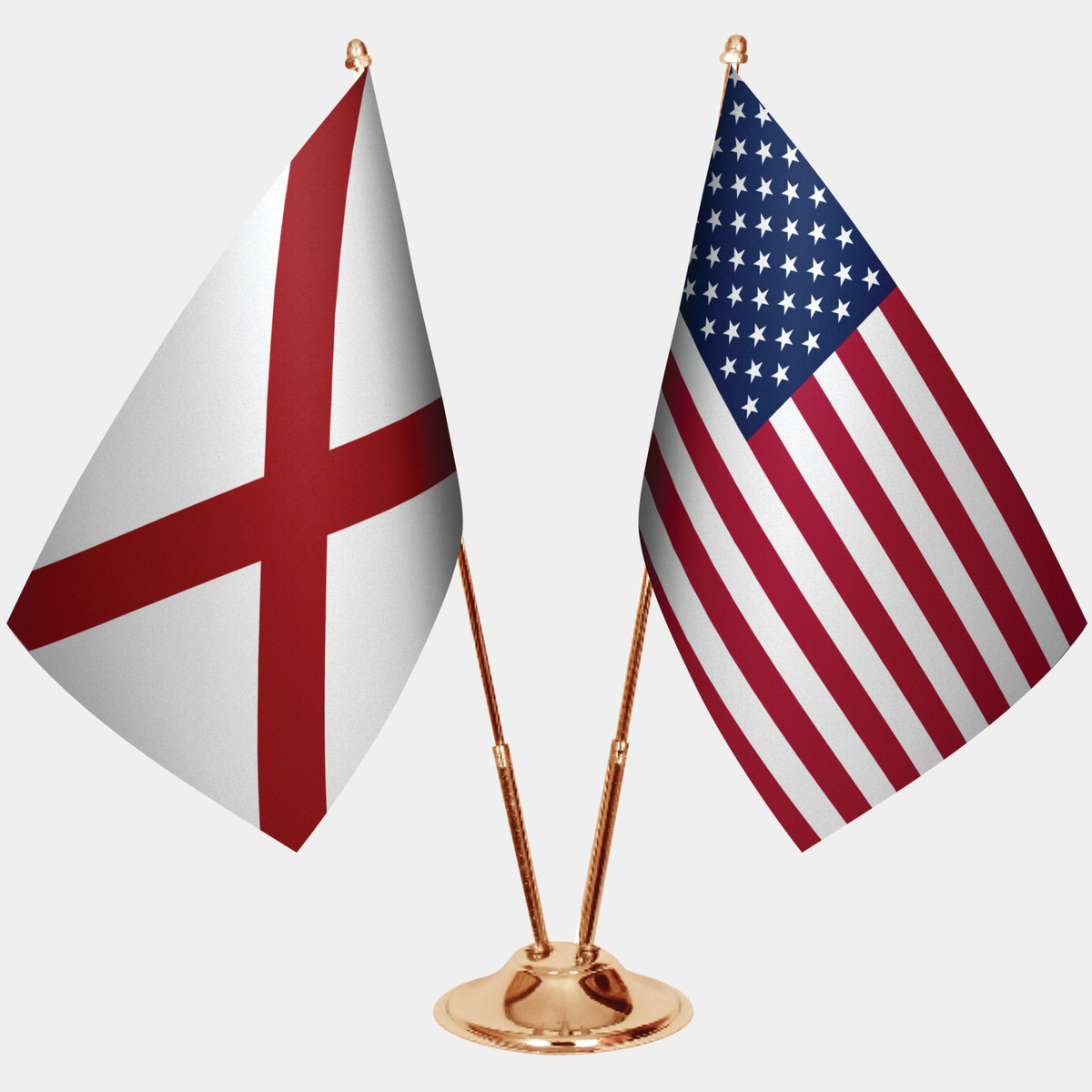
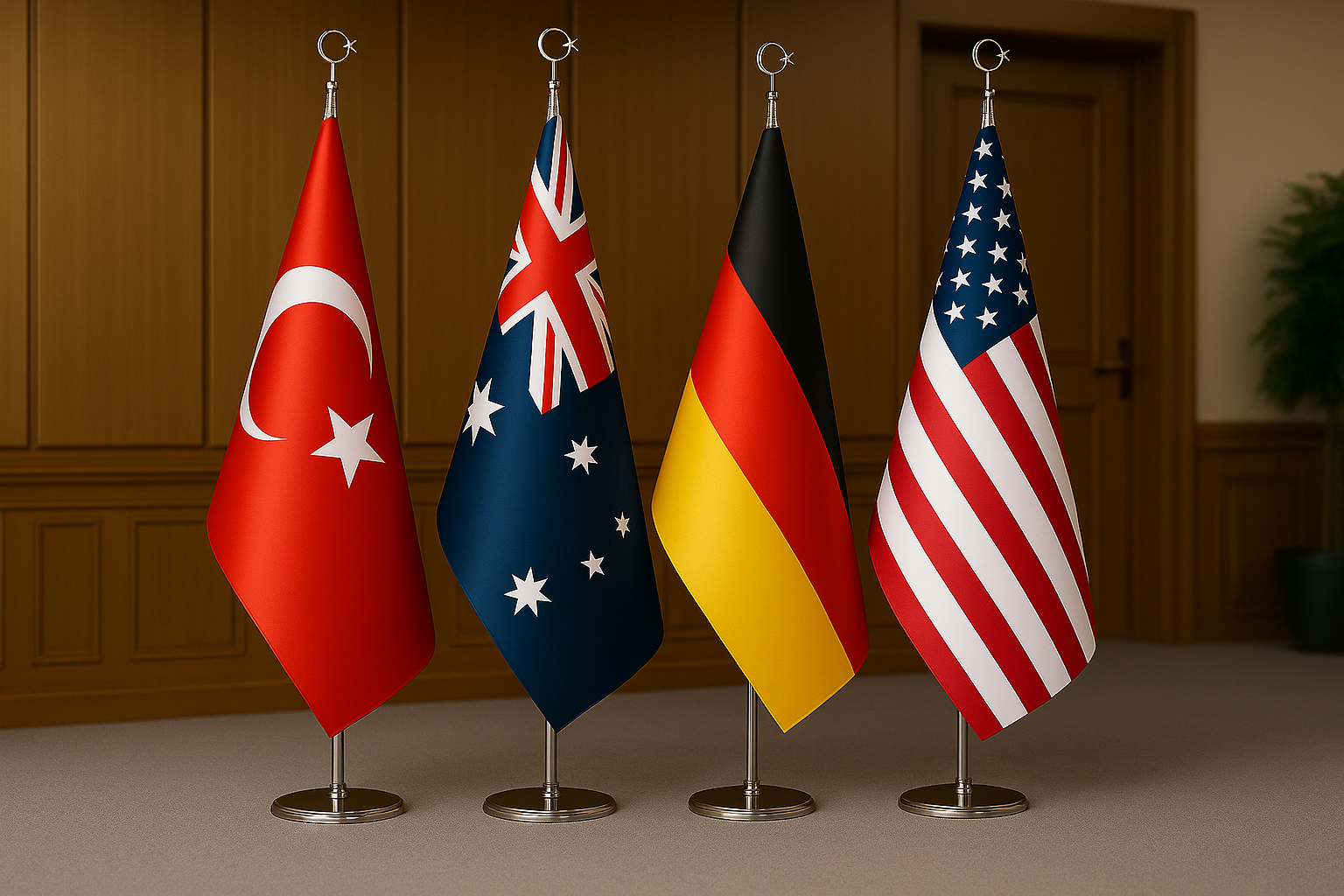
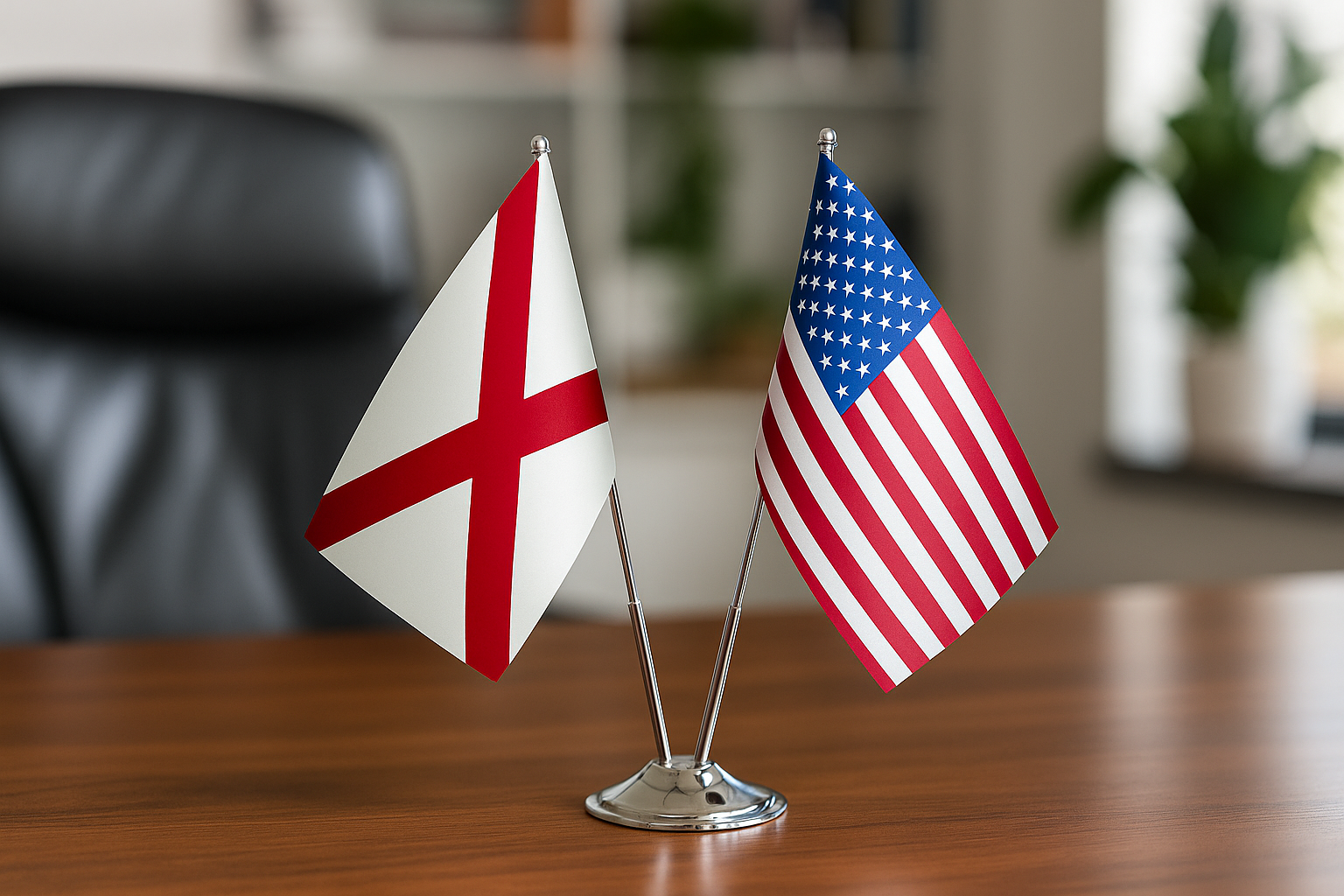
When multiple flags share a flagpole grouping, the US flag always occupies the position of highest honor — typically the tallest or central pole, or the rightmost position from the viewer's perspective. The Flag Code (4 USC § 7) is explicit: no flag, pennant, or banner may be placed above the US flag or to its right when displayed on the same level. On a single flagpole, only one flag should be flown at the peak; state flags, military branch flags, and organizational flags must fly on separate poles at equal or lower height, never on the same halyard above or below the US flag (with the narrow exception of a church pennant flown above during naval chapel services, as recognized by the Navy). When flags are displayed on a horizontal wall or across a stage, the US flag's own right — the viewer's left — is the position of honor. For angled house-mounted poles, the flag's union (the blue canton with stars) must face away from the building toward the street: this is the correct orientation for a flag pole on a house under 4 USC § 6(b). International protocol under FIAV (Fédération internationale des associations vexillologiques) standards mirrors the US Code in placing the host nation's flag at the superior position, a standard observed at all United Nations and diplomatic venues.
What the Flag Code Prohibits
Section 8 of the Flag Code lists more than a dozen specific prohibitions — violations that are surprisingly common among well-meaning flag owners. The flag must never be used as apparel, bedding, or drapery (§ 8d); it must not be embroidered on cushions or handkerchiefs (§ 8i); and it must never be used for advertising purposes or printed on paper napkins or boxes that will be discarded (§ 8j). From a flagpole perspective, the most operationally relevant prohibitions are: the flag must never touch the ground or the floor (§ 8b) — this makes proper halyard tension and pole height critical; it must never be displayed with the union down except as a signal of dire distress (§ 8a); and it must never be flown in weather that would damage it unless an all-weather (nylon or polyester) flag is used (§ 6c). A torn, frayed, or faded flag must be retired properly — traditionally by burning in a dignified ceremony — and should not continue to fly. These prohibitions reinforce why choosing the right pole hardware and flag material matters practically, not just aesthetically.
 Keeping the flag off the ground starts with a stable, correctly sized base. A wobbly or undersized base allows the pole to tilt, which can cause the flag to sag and contact the ground — a direct violation of § 8b. The Iron Base from Asya Bayrak is engineered for permanent outdoor installations where the pole must remain absolutely vertical regardless of wind load. Its heavy cast-iron construction resists lateral movement in gusts up to the sustained wind speeds typical of open residential lots, and its flat base plate distributes weight evenly on hard surfaces including concrete pads and pavers. For institutions that need to demonstrate ongoing compliance with the Flag Code, a secure base is the single most important mechanical safeguard — not a cosmetic choice. Pair it with a quality halyard and snap hooks to ensure the flag rides at full peak during display hours.
Half-Staff and Ceremonial Display Rules
Half-staff protocol is one of the most publicly visible and frequently misunderstood aspects of the Flag Code. Only the President of the United States or the Governor of a state has the authority to order the flag flown at half-staff (4 USC § 7m); private citizens and businesses may honor the custom voluntarily when a presidential or gubernatorial proclamation has been issued, but they cannot unilaterally declare a half-staff period. When lowering to half-staff, the correct procedure is to first raise the flag briskly to the peak (full-staff) and then lower it to the half-staff position — the midpoint of the pole. When retrieving it at the end of the day, it must again be raised to the peak before being lowered and retired. Recurring designated half-staff days include Memorial Day (half-staff until noon, then full-staff), Patriots Day (September 11), and Pearl Harbor Remembrance Day (December 7). The flag must be raised and lowered by hand on ceremonial occasions; motorized flagpole systems must allow for this override. For residential poles, the practical implication is that a telescoping or hinged design that allows the owner to reach the halyard and snap hook is a functional requirement for compliance.
 Ceremonial events — Veterans Day parades, Memorial Day observances, ribbon-cutting ceremonies — often require temporary pole setups that can be repositioned quickly and still comply with the Flag Code's stability requirements. The 15 kg Rubber Base is purpose-built for these situations: its dense rubber construction provides 33 lbs (15 kg) of ballast without anchoring to the ground, making it legal for use on public sidewalks and event floors where drilling is prohibited. The non-slip bottom surface keeps the pole vertical on smooth concrete and polished indoor surfaces, directly supporting the § 8b requirement that the flag never contact the ground. Unlike sand-fill bases that can shift if bumped, the solid rubber mass maintains its center of gravity consistently throughout an event. For municipalities and event planners managing multiple simultaneous flag displays at memorial ceremonies, this type of base allows rapid setup and teardown without compromising Code compliance.
Illumination, All-Weather Flying, and Daily Display Hours
The Flag Code provides two conditions under which the flag may be flown continuously without being lowered at sunset: it must be properly illuminated at night (4 USC § 6a), or it must be made of all-weather material (§ 6c). Illumination means the flag is lit so that it is clearly visible — a ground-mounted spotlight aimed at the flag face, or a pole-top solar light, satisfies this requirement. All-weather flags are typically woven from 200-denier nylon or solution-dyed polyester, both of which are 80–90% UV-resistant and rated for continuous outdoor exposure of 6 months to 2 years depending on climate severity. During daylight hours only (sunrise to sunset), a standard embroidered or printed flag may be flown without illumination. On federal buildings and grounds, display is mandatory on all days; for residential and commercial flag poles, display on all federal holidays is customary but not legally compelled for private parties. Flags displayed from a house-mounted angled pole bracket (the most common flag pole for house setup) are considered to be "on display" from the moment they are attached and visible from the street, so the illumination rule applies if left up after dark.
A Practical Compliance Checklist for Institutions and Homeowners
A simple checklist prevents the most common Flag Code violations and helps institutions demonstrate due diligence during inspections or public events. The items below consolidate §§ 1–10 into actionable steps that apply whether you are managing a single flag pole with flag for a private home or a dozen poles at a corporate campus.
- Pole height and flag ratio: The flag's fly length should be 25–33% of the pole height. A 20 ft (6.1 m) pole flies a 3×5 ft (0.9×1.5 m) flag; a 25 ft (7.6 m) pole flies a 4×6 ft (1.2×1.8 m) flag. See our detailed guide on how tall a flagpole should be for sizing tables.
- Union orientation: The blue canton must face up on a vertical display and to the observer's left on a horizontal wall display.
- Ground clearance: The flag must never touch the ground — verify halyard length and snap hook placement at full-staff and half-staff positions.
- Weather inspection: Remove cotton or printed flags before storms; replace with all-weather nylon or polyester if 24-hour display is needed.
- Illumination: Install a ground spotlight or solar pole-top light if the flag remains up after sunset.
- Half-staff response: Monitor presidential and gubernatorial proclamations; designate a staff member responsible for raising/lowering on announced days.
- Retirement protocol: Inspect flags monthly; retire torn, faded, or frayed flags by dignified burning through a veterans' organization or fire department ceremony.
- Order of precedence: On multi-pole arrays, confirm the US flag flies at the peak or from the highest/central pole.
- Prohibited uses audit: Review any branded or promotional material that incorporates the flag image for § 8 compliance.

Flagpoles & Accessories
The complete range of poles, bases, wall mounts, and hardware needed to display any flag in full compliance with the US Flag Code.
Browse Collection →Choosing the Right Flagpole Setup for Your Property
Matching the flagpole type to the installation context is as important as following the Flag Code itself — an improperly secured pole is a safety hazard and a compliance risk. For permanent residential front-yard installations, an in-ground sleeve with a 20–25 ft (6.1–7.6 m) aluminum or fiberglass pole is the gold standard; for house-mounted display, an angled bracket from the Wall-Mounted Telescopic Flagpole Sets collection provides a Code-compliant, union-forward mounting without ground excavation. For beach events, outdoor markets, or soft-surface ceremonies, the Beach Flag Pole is designed to spike directly into sand or soft soil, keeping the display vertical and the flag clear of the ground. Base selection — whether iron, rubber, or sand — should be guided by surface type, wind exposure, and whether the installation is permanent or temporary; our article on flagpole base types covers every scenario in detail. For buyers weighing telescoping versus fixed-height poles, the Poles & Holders collection includes both options with specifications matched to standard flag sizes.
What size flag should I use with my flagpole? +
Can I display flags and flag poles in my front yard without a permit? +
How do I correctly attach a flag to a flag pole? +
What is the best type of flag pole for a house? +
Do flag poles for home use need to be illuminated at night? +
How does a telescoping flag pole work, and is it Flag Code compliant? +
Can I fly a state or military flag on the same pole as the US flag? +
How often should I replace my flag and inspect my flagpole hardware? +
Displaying the flag correctly is both a legal obligation and a public statement of respect — and it starts with the right equipment properly installed. For permanent residential and commercial installations, explore the full Flagpoles & Accessories collection for poles, bases, wall brackets, and hardware that meet Code requirements out of the box. If you are choosing between mounting styles, the Wall-Mounted Telescopic Flagpole Sets offer a straightforward solution for house-mounted display with the correct union orientation built into the bracket angle. For event and promotional setups where portability matters, the Poles & Holders collection covers everything from beach spikes to rubber-base indoor stands. Bulk pricing is available for corporate, municipal, and institutional orders — contact us directly to discuss volume requirements and custom configurations.