
On United Nations Day — October 24 — institutions, diplomatic missions, and international organizations worldwide are expected to fly the UN flag according to established protocol. Displaying the UN flag from our desk flags collection correctly signals respect for international law and the principles of global cooperation the United Nations was founded to uphold. Whether you are managing a government building, a university, or a corporate boardroom hosting international partners, understanding the exact rules governing the UN flag matters — both legally and symbolically.
What the US Flag Code and UN Flag Resolution Say About Flying the UN Flag
The authority to fly the UN flag in the United States rests on two overlapping frameworks: the US Flag Code (4 USC §§ 1–10) and United Nations General Assembly Resolution 167 (III), adopted in 1947, which established the official UN flag specifications and authorized its display. The US Flag Code does not prohibit flying the UN flag; it simply governs the order of precedence and conduct when the US flag is displayed alongside any other flag. Importantly, Presidential Proclamation 2948 (1949) specifically authorized flying the UN flag on UN Day, October 24, making it one of very few non-national flags with explicit presidential sanction for US public display.
UN General Assembly Resolution 167 (III) specifies that the official UN flag is United Nations blue (Pantone 279) with the UN emblem — a world map in polar azimuthal equidistant projection encircled by two olive branches — centered in white on both faces. The flag's proportions are 2:3, a standard ratio shared with many national flags. Any flag displayed as the "UN flag" must conform to these specifications; deviations in color, emblem placement, or proportion do not constitute an official display and may be seen as disrespectful to the institution.
How the UN Flag Ranks in the Order of Precedence on United Nations Day
When the UN flag is flown alongside the US flag, the US flag always holds the position of honor — which is the flag's own right (the viewer's left) at the same or greater height than any other flag displayed. This is the clear and non-negotiable rule of 4 USC § 7(g): no flag may be placed to the right of, or higher than, the US national flag on American soil except in extraordinary diplomatic contexts within UN facilities themselves. On United Nations Day, many American institutions choose to fly the UN flag at equal height but to the left of the US flag, which is both legally compliant and visually appropriate.
When multiple flags are displayed in a row — for example, the US flag, the UN flag, and a state flag — the US flag occupies the center position of honor if there is an odd number of flags, or the far right position (viewer's left) if there is an even number. The UN flag should be placed in the next most prominent position. State flags rank below both the US national flag and, on UN Day specifically, the UN flag in most institutional interpretations, though no federal statute mandates a fixed rank for the UN flag relative to state flags beyond requiring the US flag's precedence.
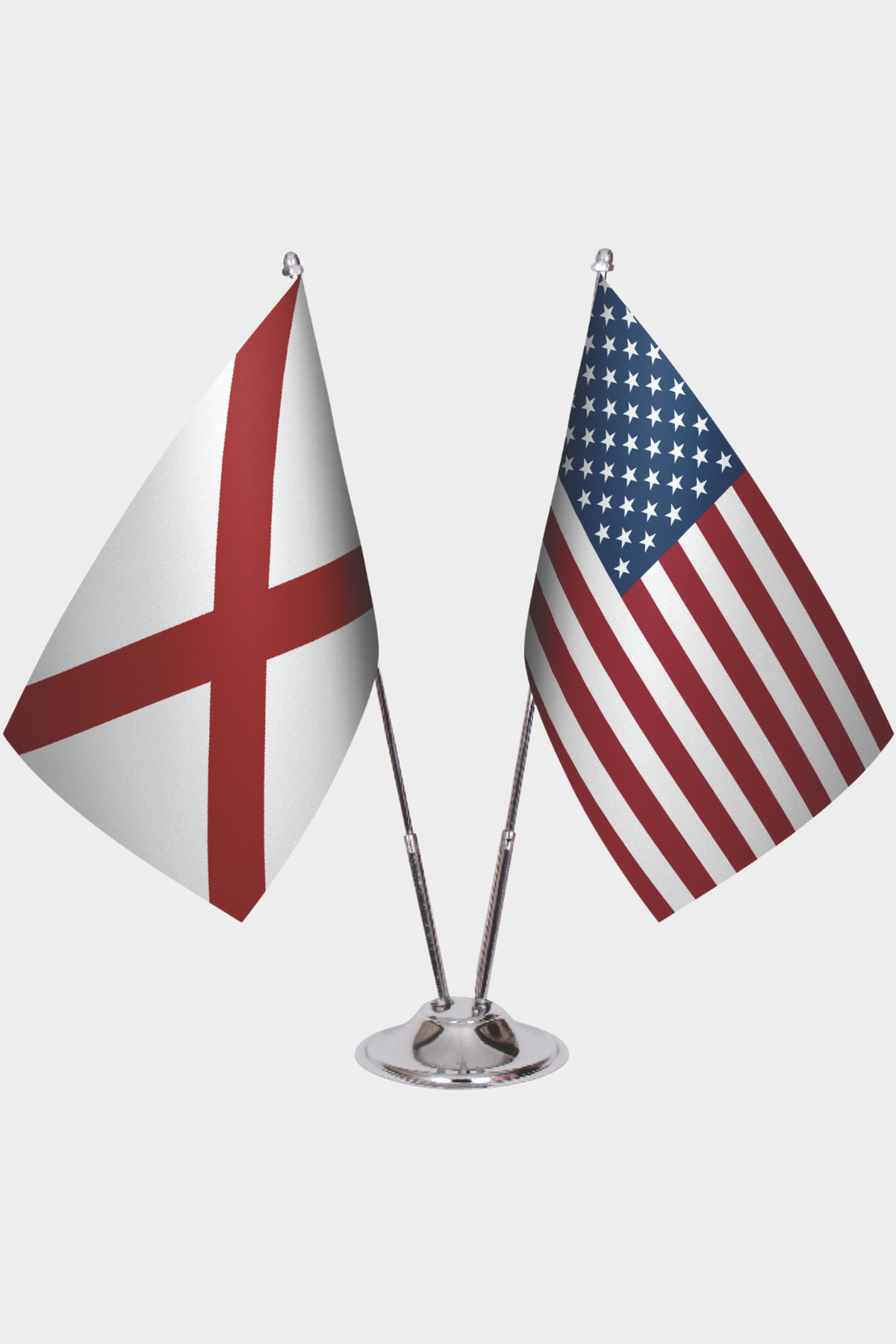
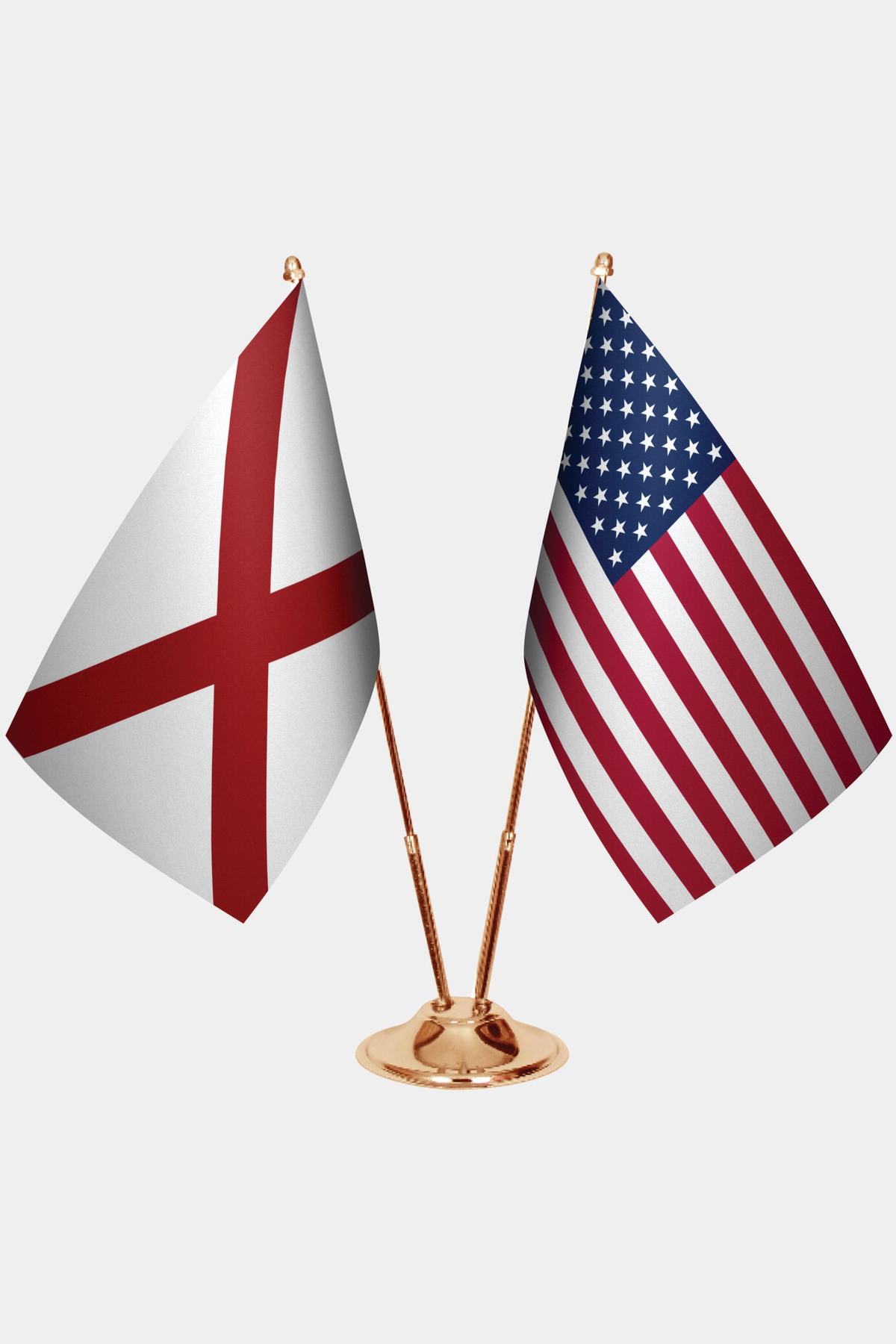
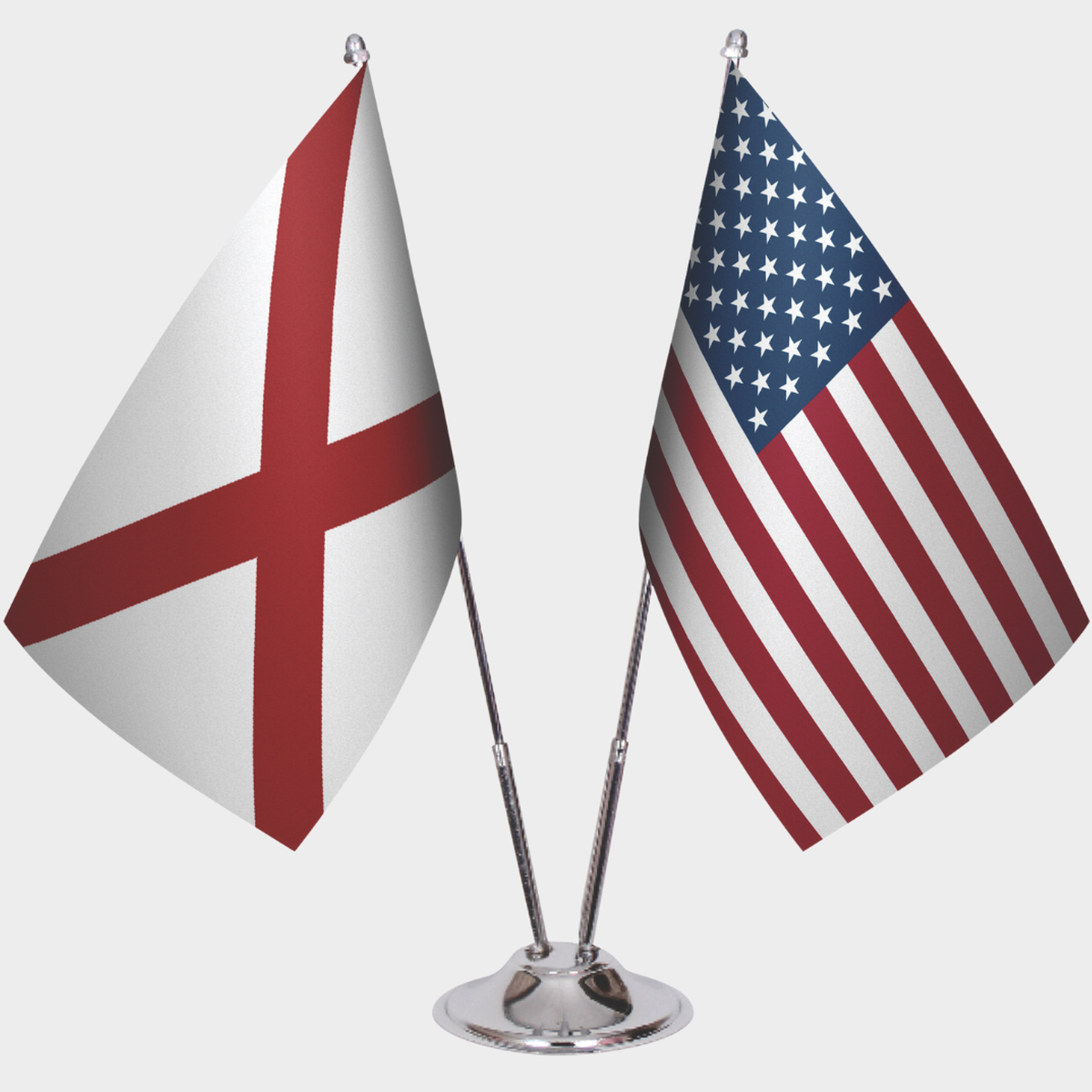
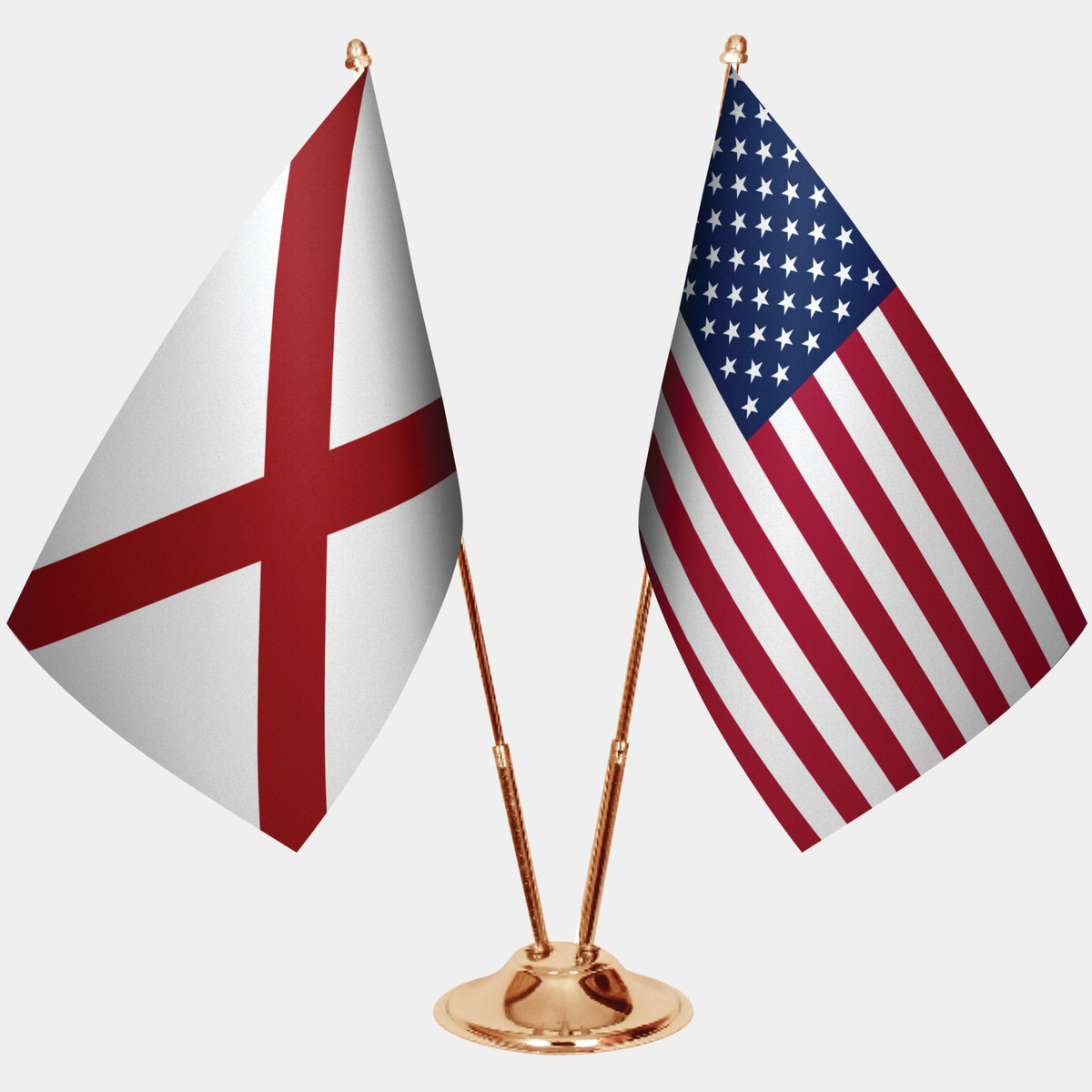
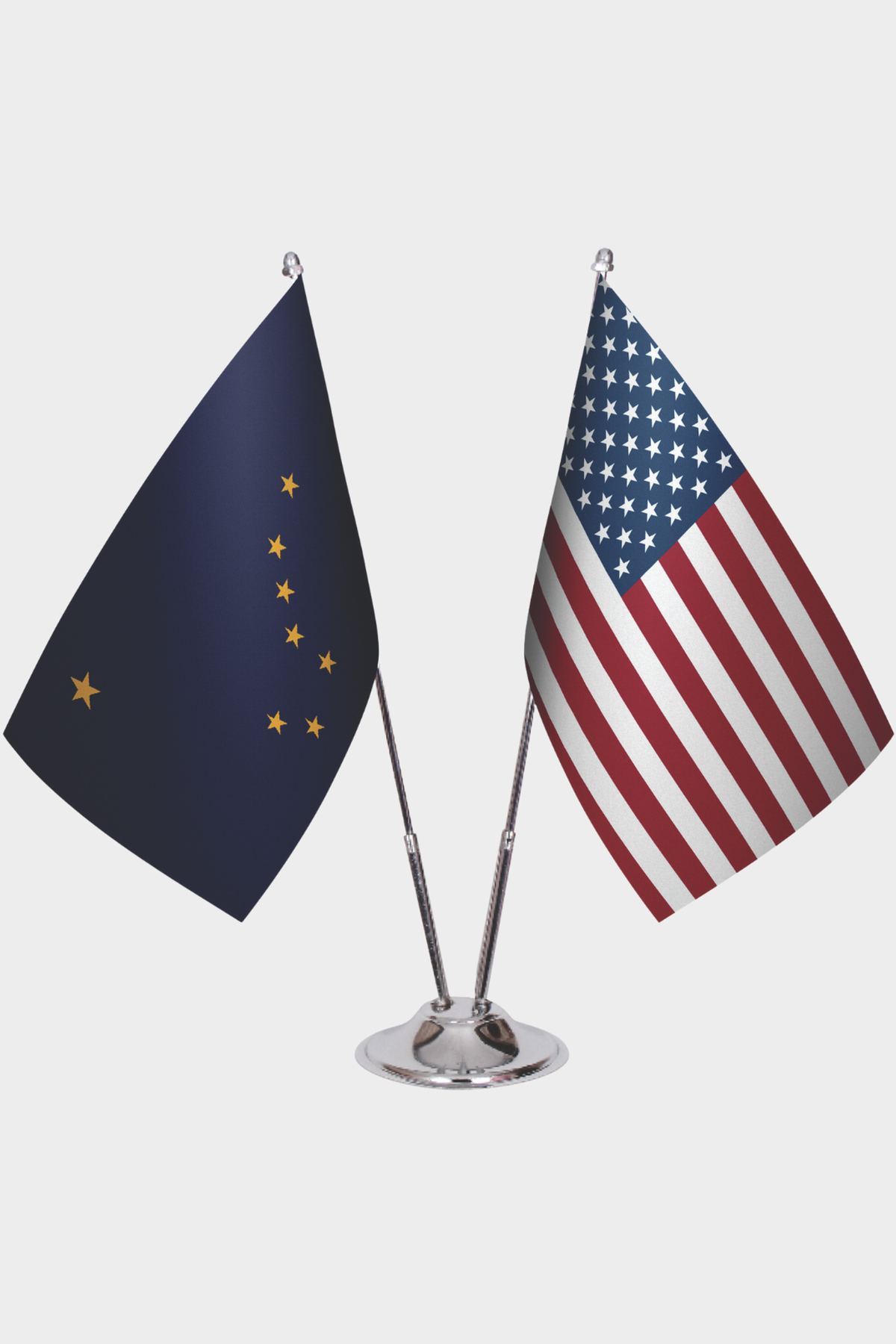
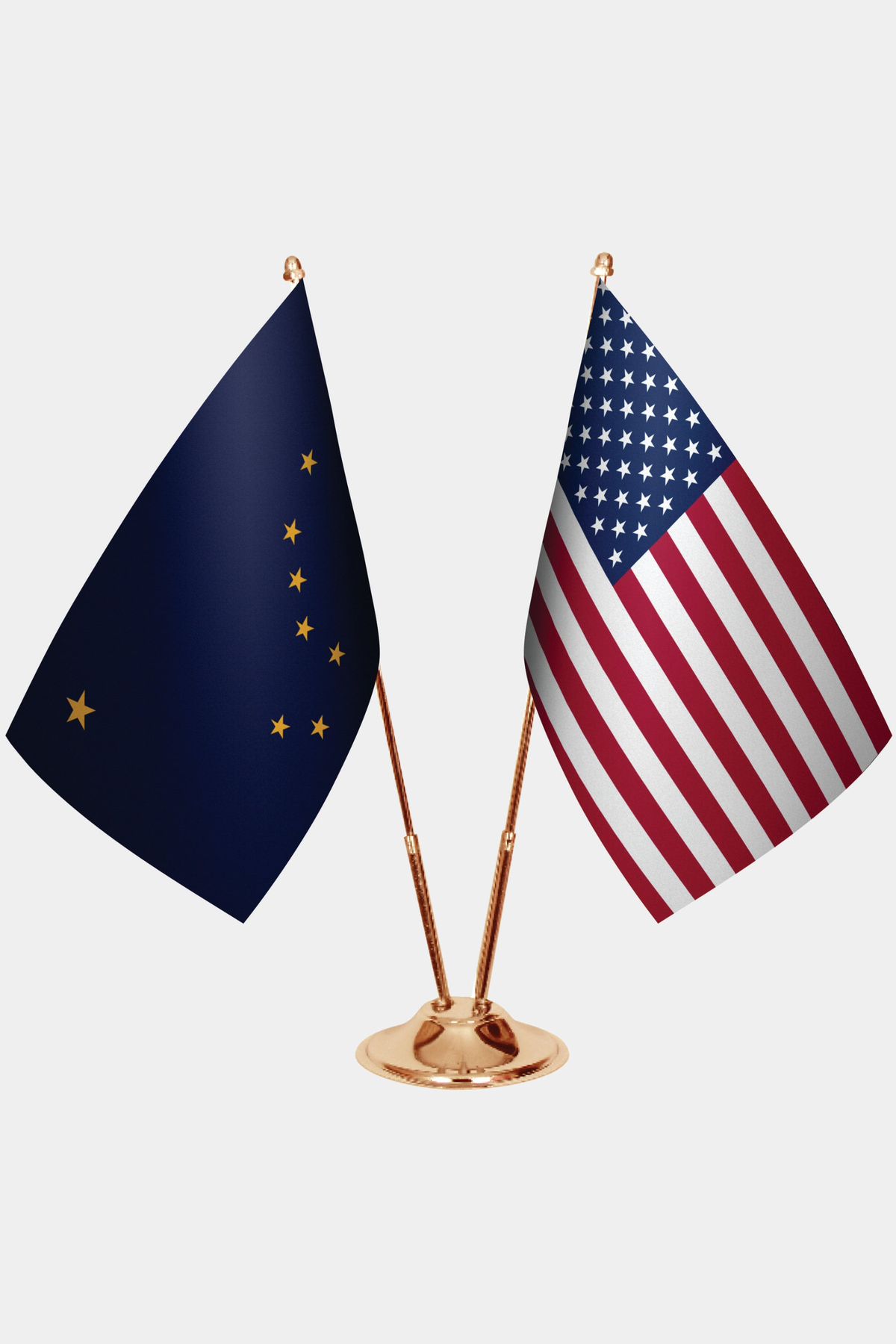
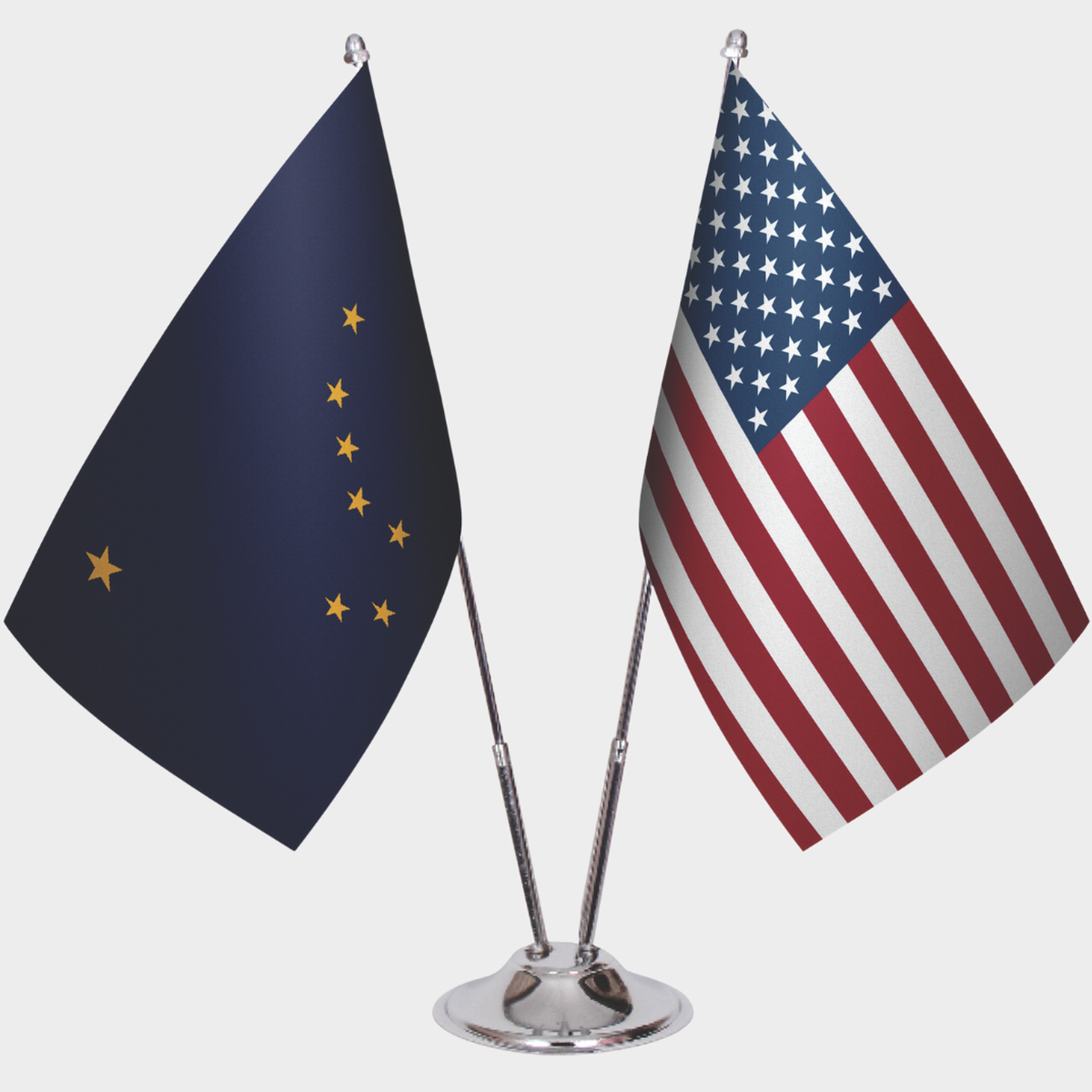
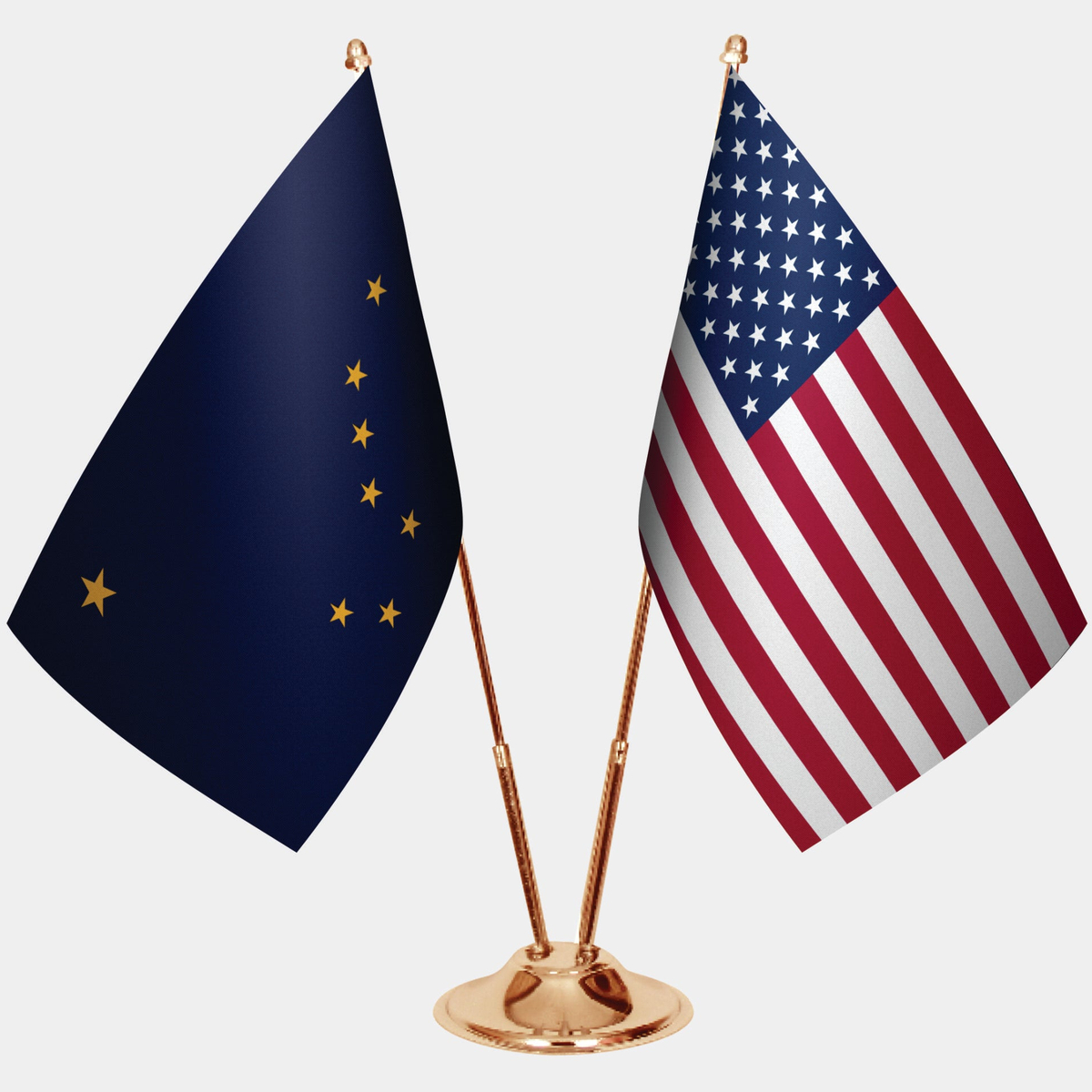
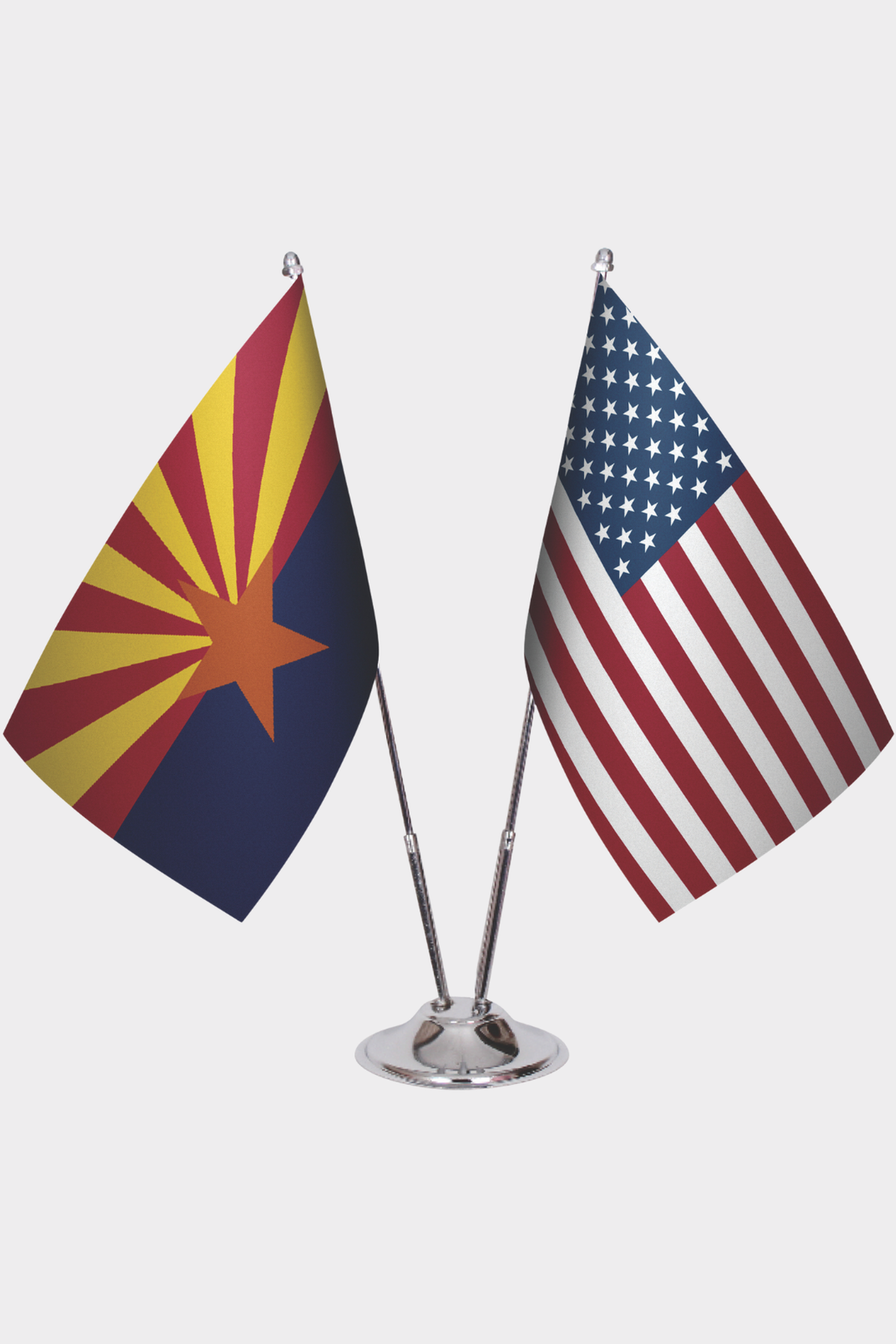
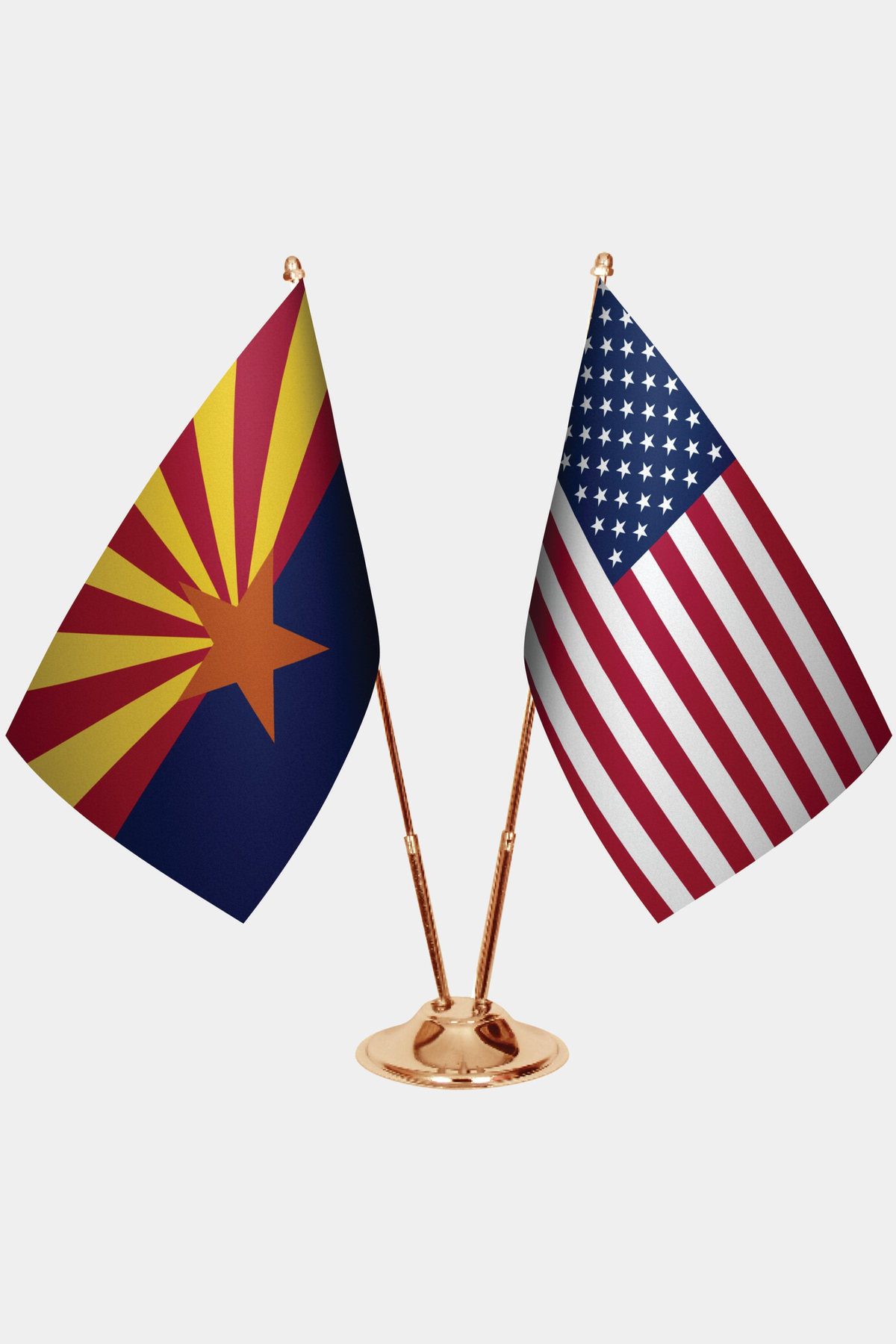
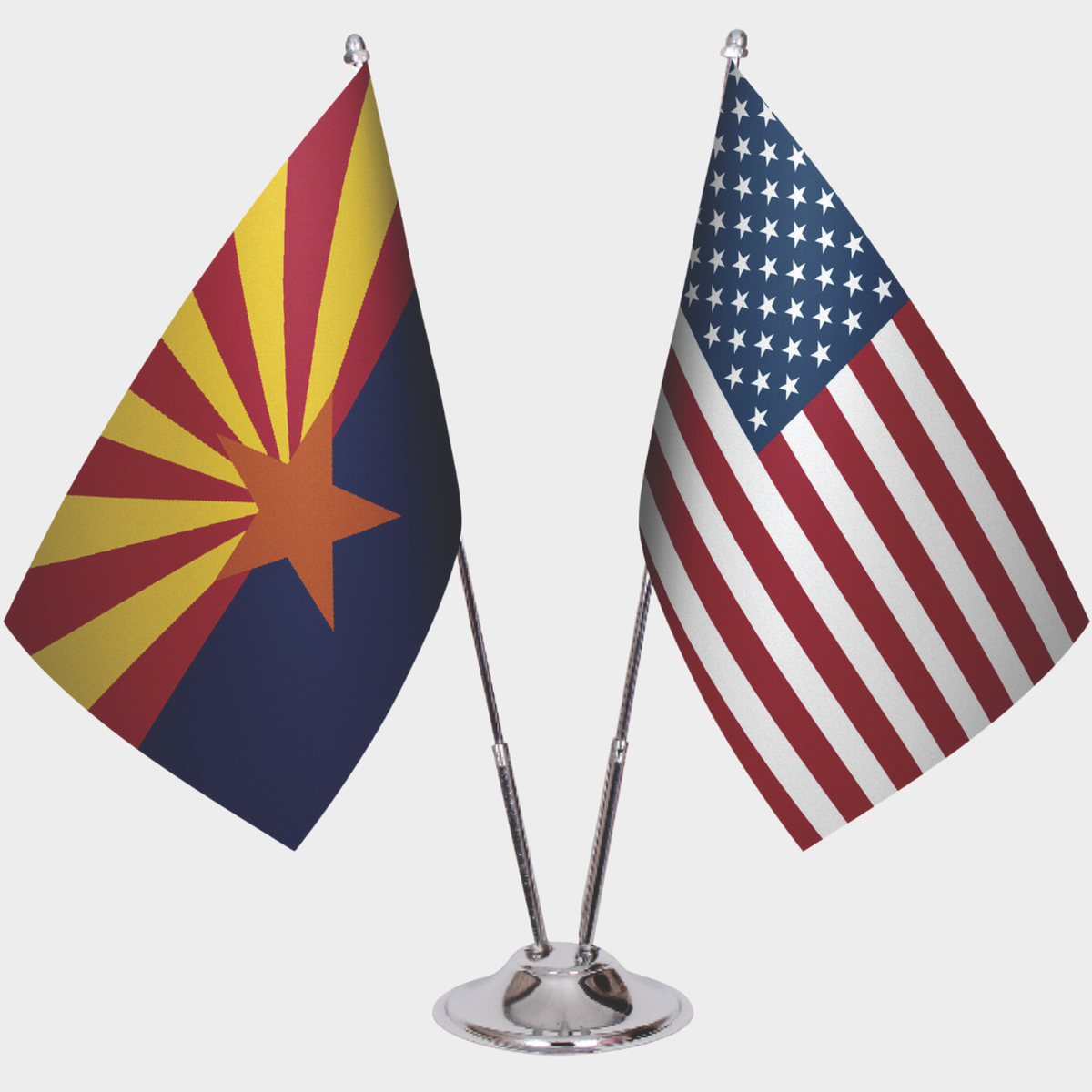
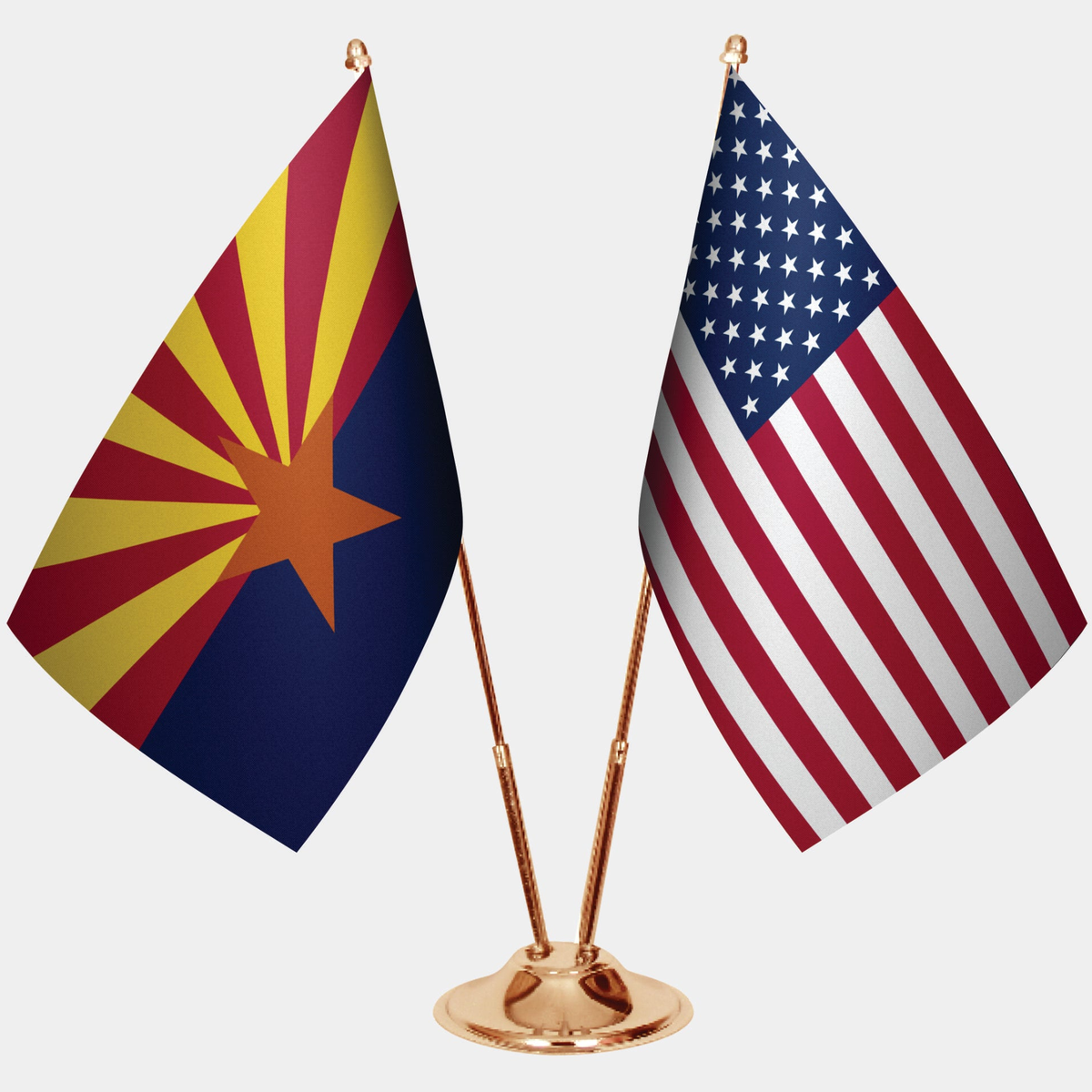
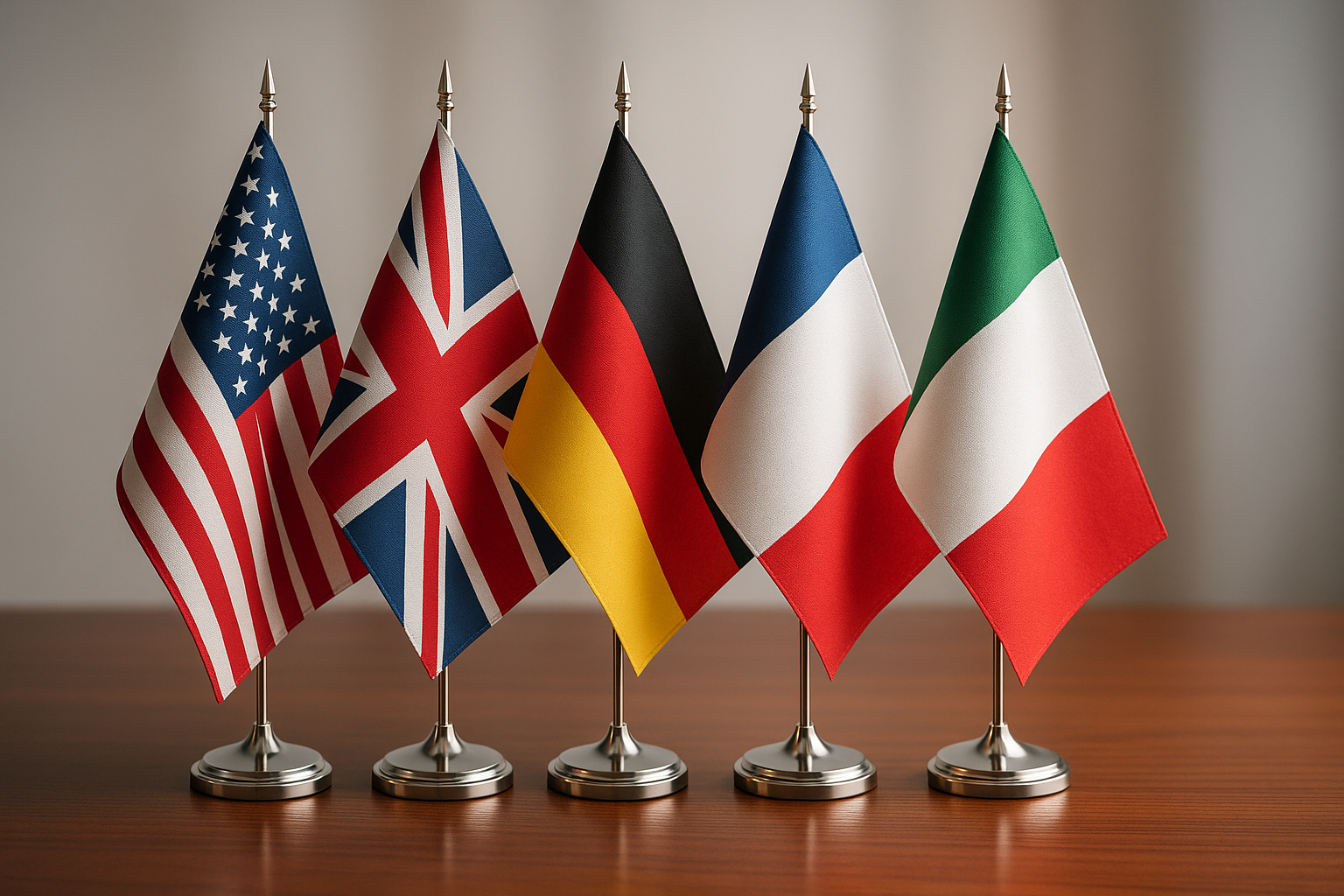
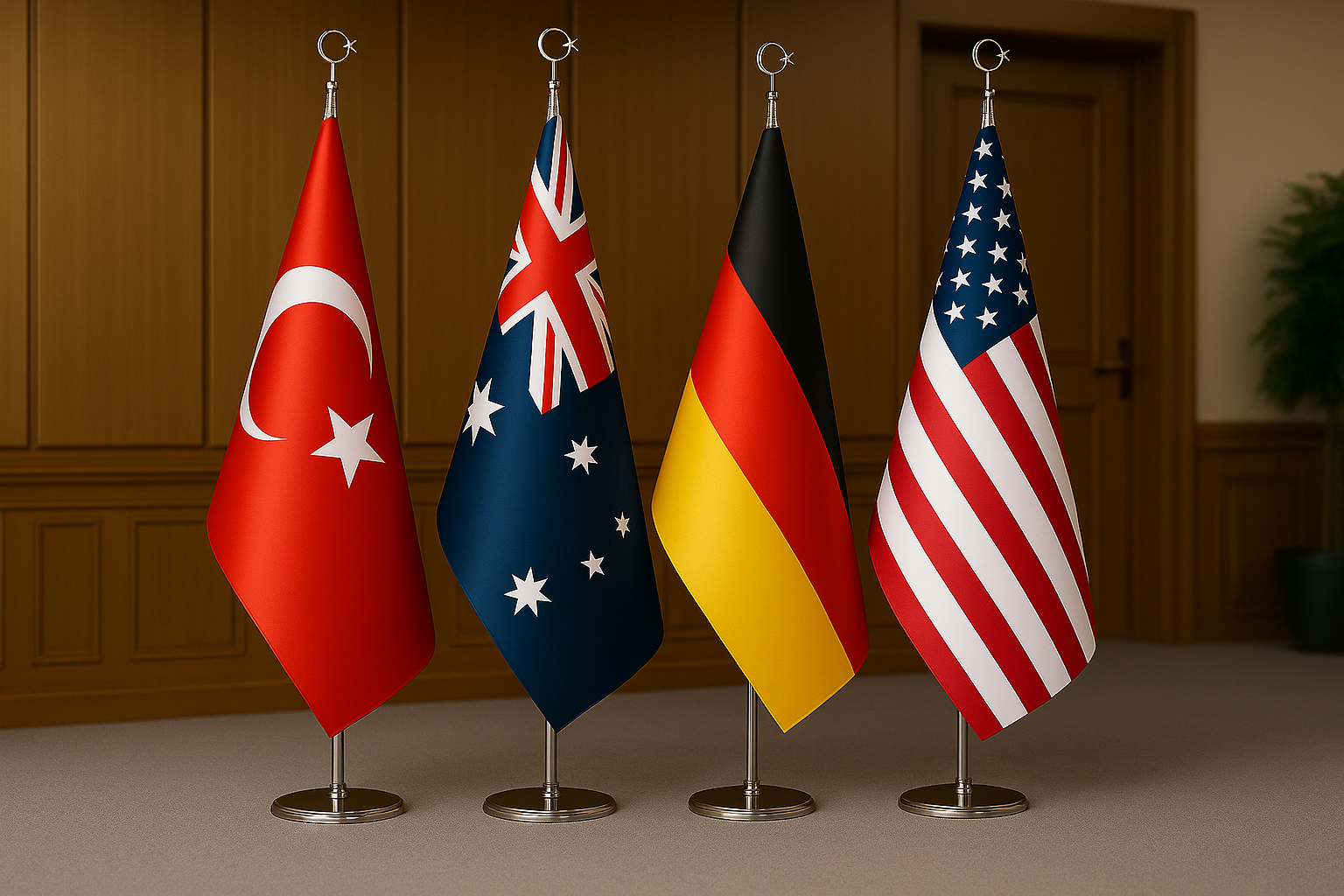
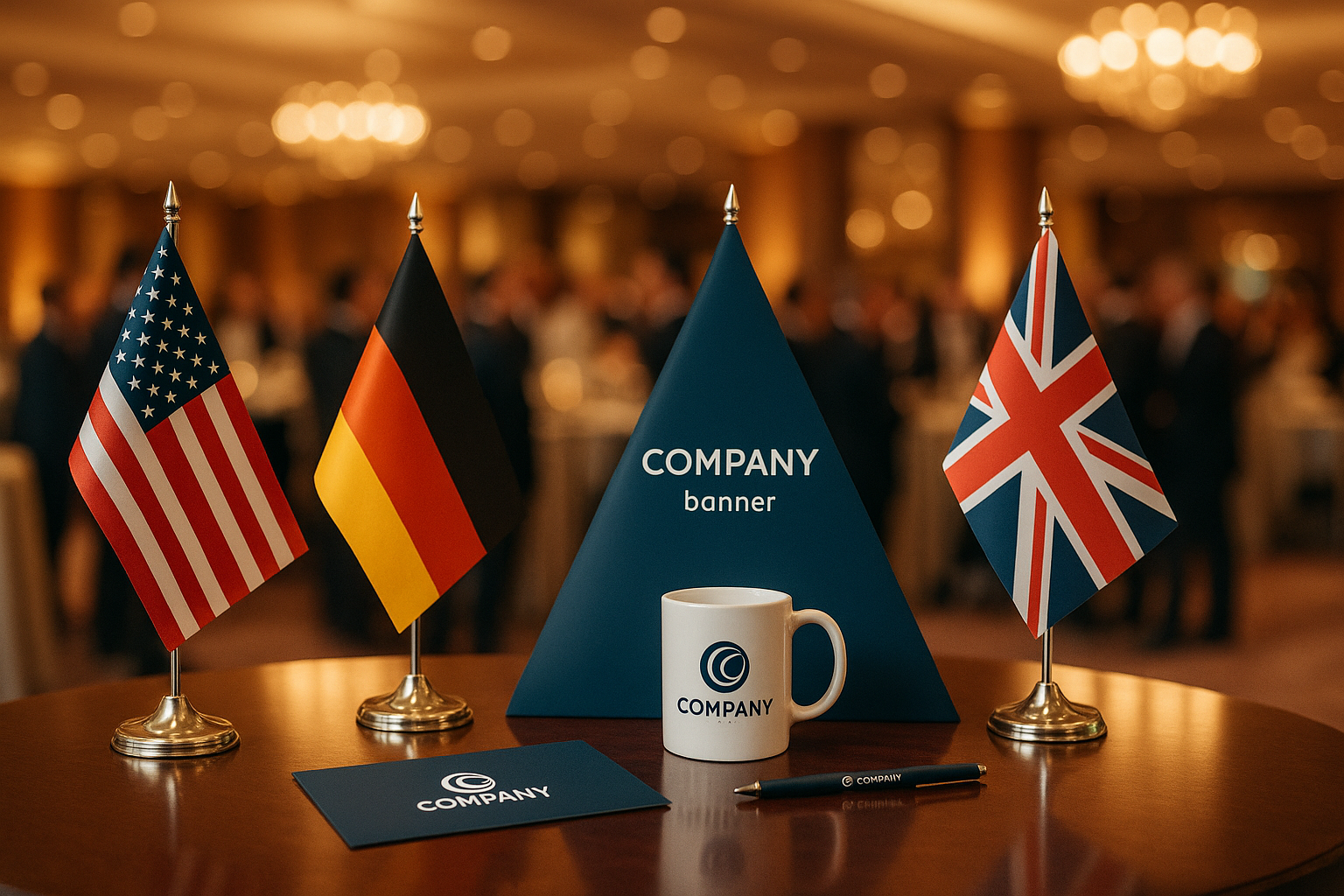
 For conference rooms and executive offices hosting UN Day events, desk-level display is just as governed by precedence rules as outdoor flagpoles are. The Luxury Chrome & Gold Desk Flag Stand accommodates multi-flag table configurations, allowing institutions to place a UN desk flag alongside a US desk flag in the correct left-right order of precedence without the complexity of outdoor pole installation. Every variant in this specialty desk flag range is built to commercial-grade standards, with premium satin fabric and precise printing that renders the UN's distinctive light blue and white emblem accurately. Using a weighted, stable base, these stands present flags at a consistent, professional angle appropriate for diplomatic and institutional settings. For institutions that display flags for visiting delegations from multiple member states, the multi-flag table set configuration makes it straightforward to honor every protocol requirement simultaneously.
What Is Actually Prohibited When Displaying the UN Flag in the United States
The most common violations when flying the UN flag fall into three categories: precedence errors, condition errors, and specification errors. Under 4 USC § 7, it is prohibited to display any flag above the US flag or in a position of superior honor to it on US soil — placing a UN flag at a higher elevation, or to the right of a US flag, violates this provision directly. Many well-intentioned institutions make this error by centering the UN flag on a single prominent pole and placing the US flag to the side, not realizing that the US flag must be centered or positioned to the right of all other flags from the audience's perspective.
Condition-based violations are equally important. The US Flag Code at § 8(k) states that a flag that is torn, faded, or otherwise in poor condition should not be displayed. This principle applies by institutional custom to UN flags as well — flying a frayed or color-faded UN flag on the organization's own commemorative day is widely regarded as contrary to the dignity the occasion demands. Specification errors include displaying a flag with a non-standard shade of blue, an incorrectly proportioned emblem, or an emblem that omits the olive branches — all of which fail to represent the UN accurately. Because the UN flag's Pantone 279 blue is highly specific, dye-sublimation or screen-printed flags sourced without attention to color accuracy frequently produce a flag that looks correct to a casual observer but does not meet official standards.
Half-Staff and Ceremonial Rules That Apply on UN Day
The UN flag is not subject to US half-staff orders issued by the President or state governors — those orders apply specifically to the US national flag and, by extension, state flags on government buildings. On UN Day, the UN flag should be flown at full staff unless the United Nations Secretary-General has issued a specific directive ordering UN flags to half-staff at UN premises worldwide. Understanding this distinction is essential: a well-meaning institution that lowers its UN flag in response to a US presidential half-staff proclamation is technically applying a rule that does not govern the UN flag, though there is no legal penalty for doing so.
It is worth noting that certain national flags, by their own laws and traditions, are never lowered to half-mast under any circumstances — a nuance discussed in depth in our article on why the Saudi flag is never lowered to half-mast. The UN flag does not carry this absolute restriction, but its lowering remains under UN rather than US authority. Ceremonially, the UN flag should be raised briskly and lowered slowly and ceremoniously, consistent with the general flag etiquette codified in US Flag Code § 6, which reflects a universal standard of respect regardless of which flag is being honored.
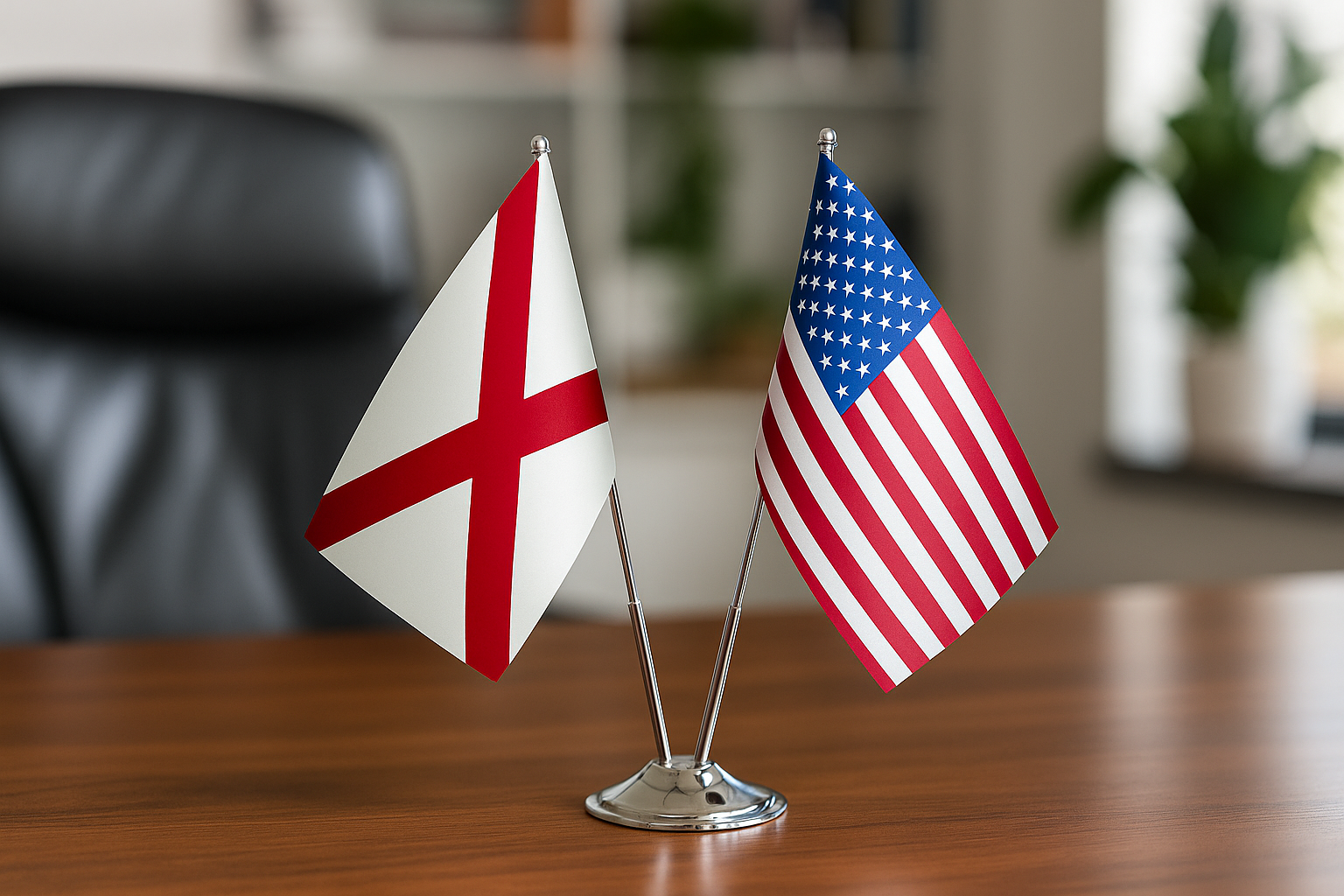
 When setting up a ceremonial desk display for UN Day, many organizations pair a UN flag with the national flag of the host country — in this case the United States — to visibly reinforce the order of precedence in miniature. The USA Desk Flag, mounted on a chrome metal pole with a weighted base and available in silver chrome or gold finish, is purpose-built for exactly this kind of paired institutional display. Featuring the iconic red and white stripes with the blue canton bearing fifty white stars, it is produced to official-grade color specifications so that when it stands beside a UN desk flag, both flags accurately represent their respective institutions. The weighted base ensures stability on conference tables and lecterns even when air conditioning or open windows introduce mild air movement. Displaying the two flags in correct left-to-right order — US flag to the right from the viewer's perspective, UN flag to the left — immediately communicates institutional awareness of international protocol to any visiting delegate or observer.
A Practical Protocol Checklist for Institutions Flying the UN Flag on October 24
Before raising your UN flag on United Nations Day, work through this institutional checklist to ensure full compliance with both US Flag Code requirements and UN flag specifications. A systematic approach prevents the most common errors and protects your organization from the reputational cost of a visible protocol mistake during a high-visibility commemorative event.
- Verify flag specifications: Confirm the UN flag is Pantone 279 blue, proportion 2:3, with the full emblem (polar map + olive branches) centered and printed identically on both faces.
- Inspect flag condition: Replace any flag showing fading (especially the blue field), fraying at the fly end, or damaged grommets. A lifespan of 6 months to 2 years is typical for outdoor flags depending on exposure conditions.
- Check pole heights: All flagpoles must be at equal height. No flag may fly higher than the US flag.
- Confirm order of precedence: US flag to the marching right (audience's left) in all outdoor and indoor multi-flag arrangements.
- Review indoor display rules: When the UN flag is carried in a procession alongside the US flag, the US flag is always to the marching right of the UN flag (4 USC § 7(c)).
- Check for UN Secretariat directives: Verify whether the UN Secretary-General has issued any special ceremonial instruction for the current UN Day before raising or lowering flags.
- Desk and table displays: Apply the same left-right precedence in miniature — US desk flag to the right from the viewer's perspective, UN desk flag to its left.
- Lighting: Per 4 USC § 6(a), flags displayed outdoors at night must be properly illuminated. This applies to both the US and UN flags.

Desk Flags Collection
Official-grade desk flags for every nation and international organization — precision-printed, professionally mounted, and built to meet institutional display standards on UN Day and beyond.
Browse Collection →How Meeting Rooms and Conference Settings Should Handle Multi-Flag Displays
In conference and meeting room settings — where UN Day is often marked with formal gatherings of diplomats, educators, or international business partners — the multi-flag table arrangement is the most common display format, and it carries its own specific protocol demands. The same order-of-precedence principle applies at desk scale: the US flag occupies the position of honor (the table's right side from the audience's perspective), and the UN flag is placed immediately to its left. For guidance on placing a second country's flag correctly in a bilateral meeting context, our article on placing the Chinese flag at business meetings provides a directly applicable framework that transfers to UN Day multi-flag settings.
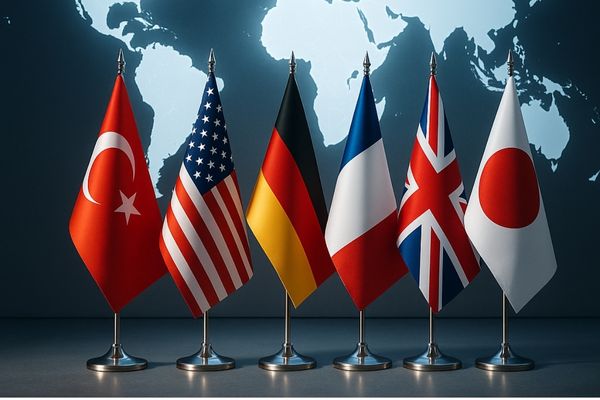
When three or more flags are displayed on a table, the US flag anchors the arrangement from the far right (viewer's left), the UN flag takes the next most prominent position (immediately to the US flag's left), and any state, organizational, or additional national flags fill remaining positions in descending order of precedence. The Country Desk Flags collection provides official-grade desk flags for UN member states, making it straightforward to assemble a complete, protocol-compliant table display representing any delegation present at a UN Day event. Flags should be displayed at consistent heights, and — as with outdoor displays — should be in pristine condition before the event begins.
What does the UN flag actually look like, and are there official specifications? +
Can the UN flag be flown on US government buildings on UN Day? +
What is the correct size for a UN flag displayed alongside a US flag? +
Does the UN flag of the United Nations Organisation differ from country to country? +
Should the UN flag be lowered to half-staff during a US presidential half-staff proclamation? +
Is it appropriate to display a UN flag year-round, or only on UN Day? +
What is the best way to display a UN flag indoors at a school or office event? +
Flying the UN flag correctly on United Nations Day is a meaningful act of institutional protocol that signals genuine respect for both US law and international standards. Whether you need a full outdoor display or a desk-level arrangement for a conference or classroom, the Desk Flags collection offers official-grade options built to the color and construction standards that protocol demands. Pair a United Nations Desk Flag — featuring the correct Pantone 279 blue and full emblem on a chrome metal pole with weighted base — with a USA Desk Flag in matching finish to create a precedence-compliant display ready for any UN Day event. Bulk pricing is available for corporate, institutional, and government orders requiring multiple flag sets across departments or locations.