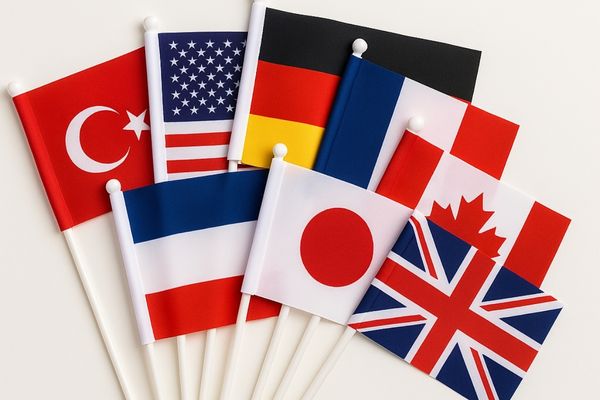
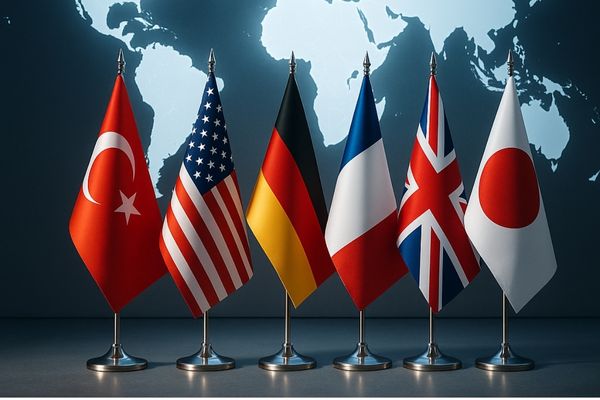
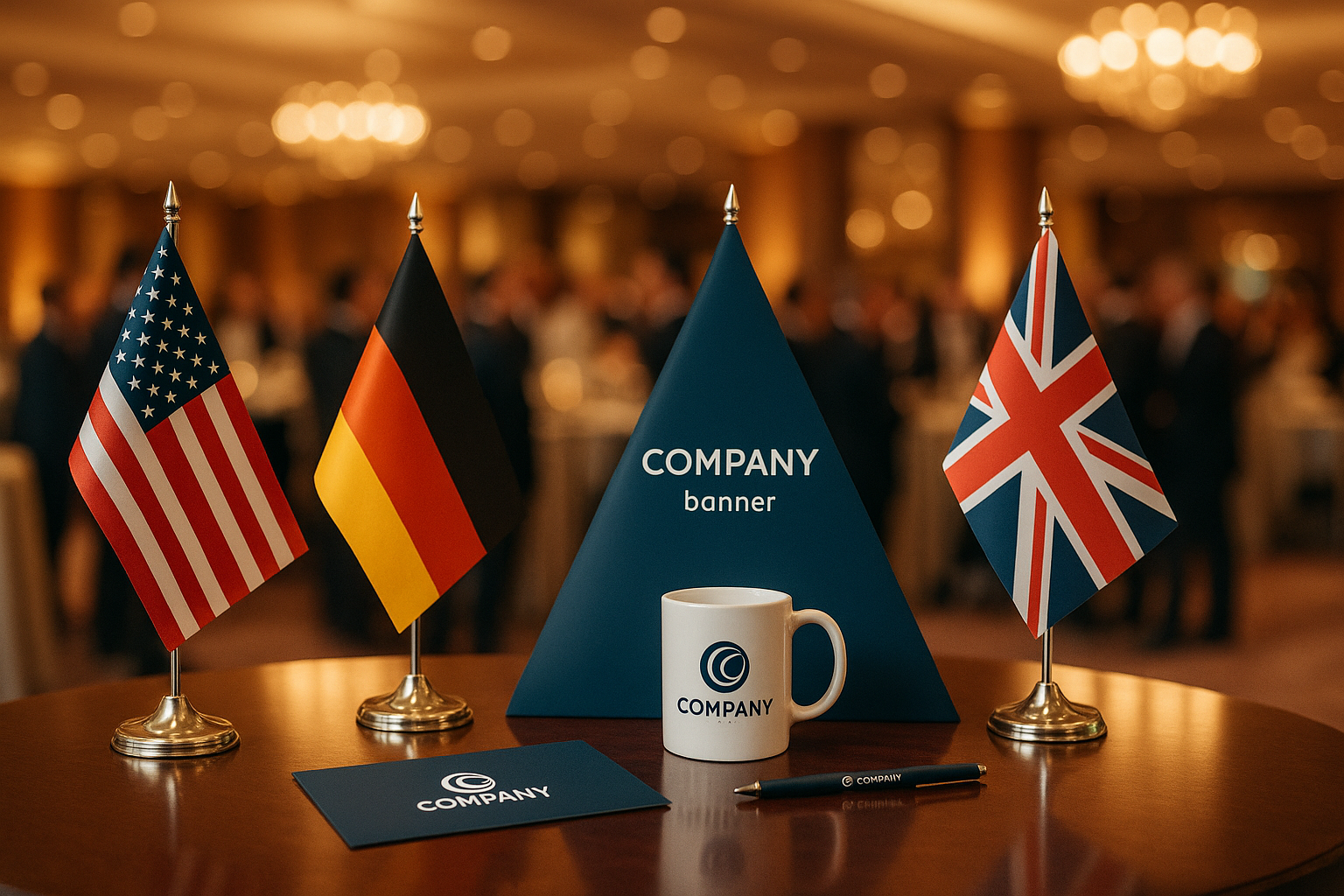

When the EU flag is displayed alongside national flags, the European Union flag holds equal ceremonial status to member-state flags and is never placed in a position of superiority over any national flag — a principle established by the European Parliament's own display guidelines and reinforced by the flag protocols of individual EU member states. Whether you are a hotel manager in Brussels, an embassy official in Washington, or an event planner coordinating a pan-European summit, understanding these rules prevents diplomatic missteps and ensures a respectful, legally compliant display. For institutions and businesses sourcing quality EU and national flags together, the European Countries Flags collection covers the full range of member-state flags you will need alongside the EU flag.
What the European Union Flag Code Actually Says About Display
The EU flag does not have a single codified "flag code" equivalent to the US Flag Code (4 USC §§ 1-10), but the European Parliament and the Council of the European Union have published binding administrative guidelines — most recently consolidated in the 2012 Interinstitutional Style Guide and the European Parliament's flag protocol circular — that govern how the EU flag must be displayed at all official EU institutions and events. These guidelines carry the weight of institutional regulation, and member states are expected to apply them at any event involving EU representation. The core rule is straightforward: the EU flag is a symbol of the supranational union itself, not a state, and it therefore does not outrank the national flag of any member state. If you want a deeper look at the flag's design origins and what the twelve gold stars on the blue field represent, the article on the twelve stars on the European Union flag covers that history in full.
How Order of Precedence Works When the EU Flag Stands with National Flags
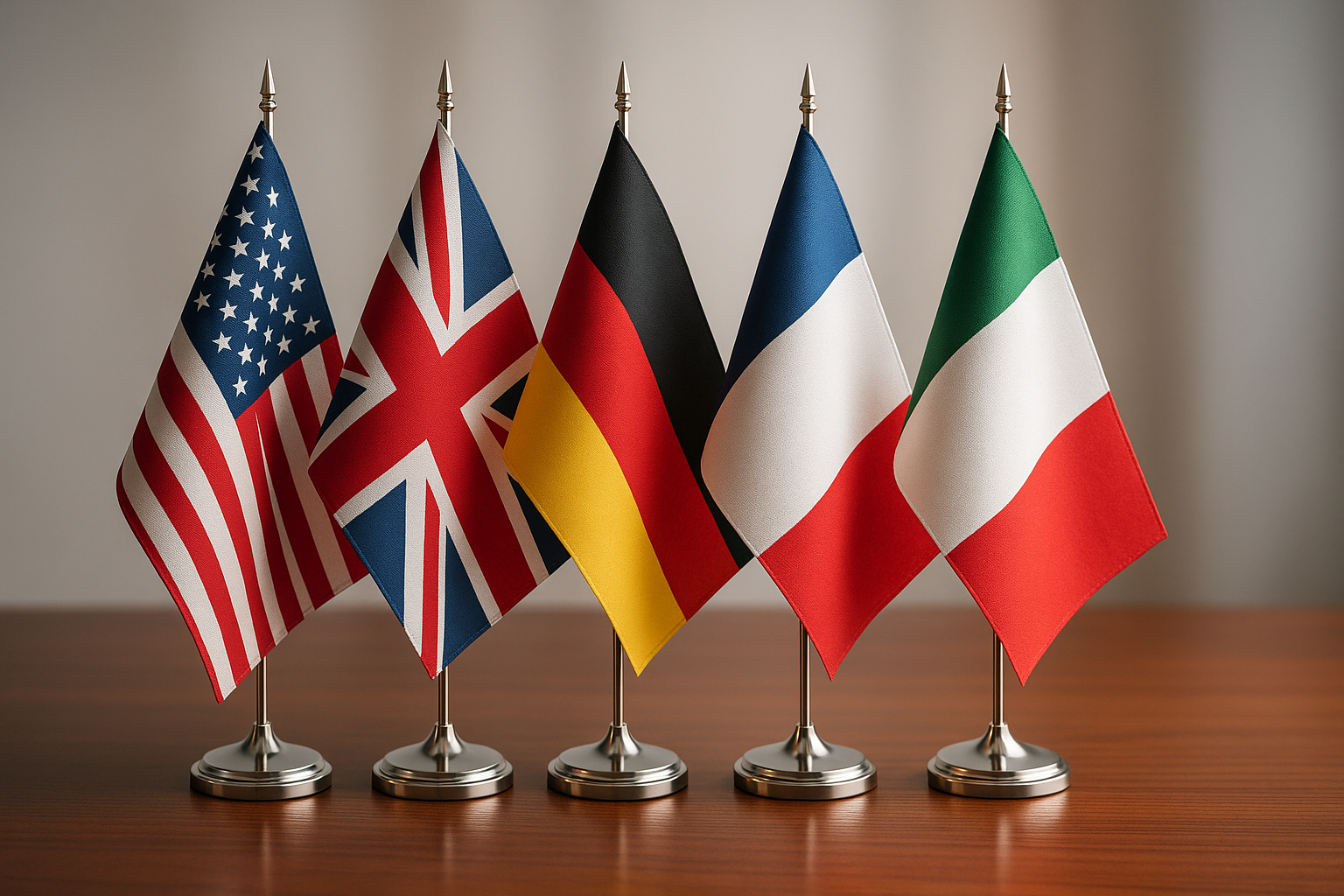
When the EU flag is displayed in a row with national flags, it is placed at the far left of the row as seen by the viewer facing the display — which is the position of honor in European ceremonial tradition, equivalent to the "marching right" position used in military protocol. This is the most important practical rule to know. The national flags of member states then follow in alphabetical order according to the name of each country in its own official language — so Germany (Deutschland) comes before Greece (Elláda) in German and Greek alphabetical ordering respectively. This alphabetical-in-native-language sequence is used at all formal EU summits, European Parliament sessions, and Council meetings, and it is the standard your institution should replicate.
When only one national flag is displayed alongside the EU flag — the most common scenario for an embassy lobby, a hotel entrance, or a corporate boardroom — the EU flag stands to the left of the national flag from the viewer's perspective, giving the host nation's flag the secondary position on the right. If three flags are displayed, the EU flag takes the center position of honor, flanked by the two national flags. This three-flag arrangement is frequently seen at diplomatic receptions and bilateral trade events. The rule changes when a non-EU country's flag is also present: in that case, strict diplomatic equality applies and the EU flag takes the leftmost position again, with all other flags arranged alphabetically.
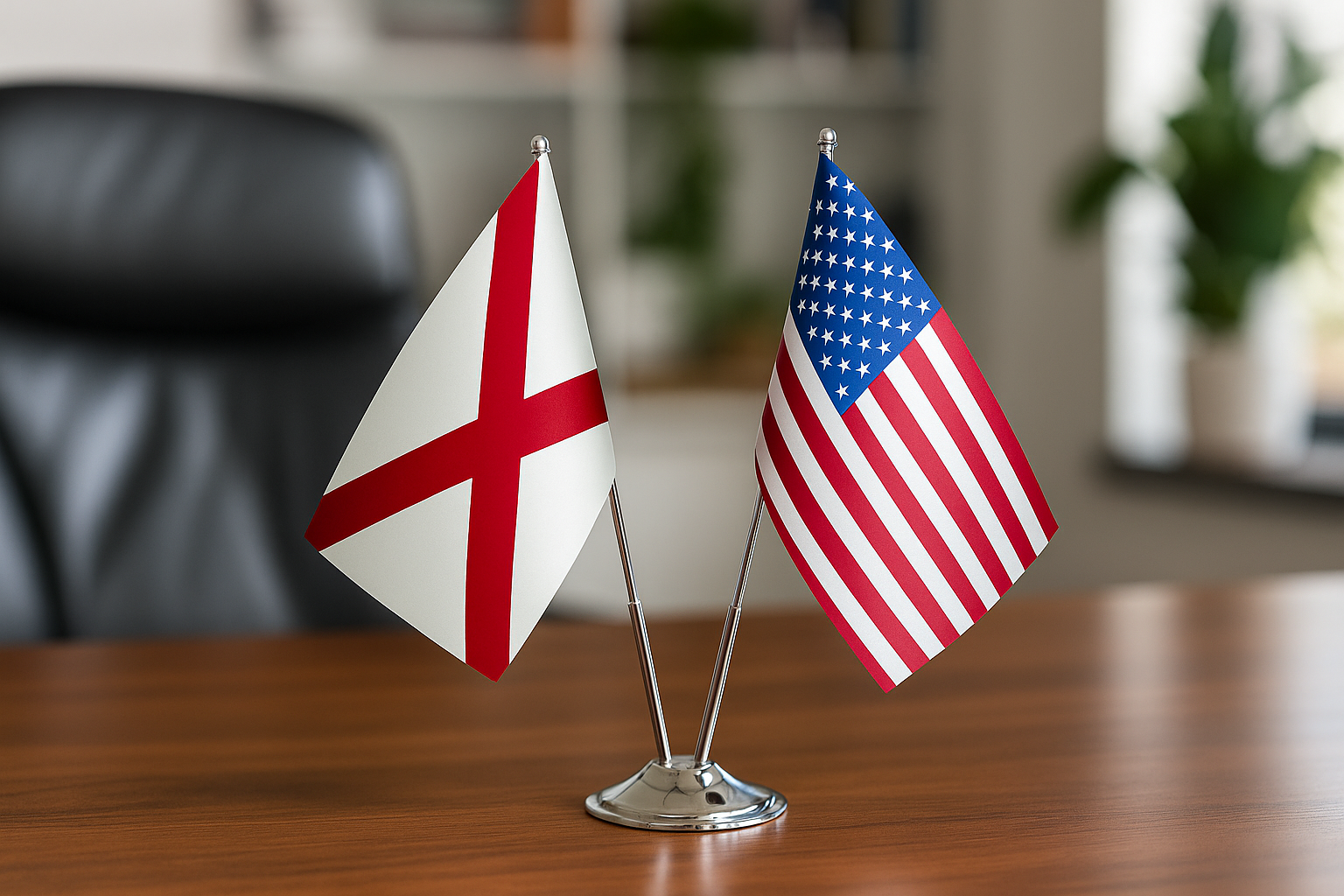
 For conference rooms, reception desks, and executive offices where a small-scale display is needed, the European Union Desk Flag delivers the correct official look without requiring a full flagpole installation. It features the iconic blue field with the circle of twelve gold stars, mounted on a chrome metal pole with a weighted base — available in Silver Chrome or Gold finish. These desk flags are ideal for meeting rooms where the EU flag must sit alongside the desk flag of a member state, and they pair directly with the broader Country Desk Flags collection so you can source both the EU and national desk flags from one place. Placing them correctly on a conference table — EU flag to the viewer's left, national flag to the right — is all that is required to meet standard protocol for a two-flag indoor arrangement.
What Is Prohibited When Displaying the EU Flag Alongside Other Flags
The most serious display errors involve placing the EU flag in a position that either subordinates it to a national flag or — equally problematic — elevates it above one. Neither is permitted under EU institutional guidelines. Placing the EU flag on a noticeably shorter pole than surrounding national flags, or flying it at half-staff while national flags remain at full staff (or vice versa without a specific EU mourning declaration), violates the equality principle at the heart of EU flag protocol. The EU flag must always be flown at the same height as the national flags alongside it, on poles of equal height.
Other prohibited practices include: displaying the EU flag in a torn, faded, or soiled condition (a rule shared with virtually every national flag code, including the US Flag Code's section on flag condition under 4 USC § 8); using the EU flag as a tablecloth, draping it over furniture, or printing it on disposable items in a manner that implies disrespect; and displaying it illuminated at night without a proper light source, since the European Parliament's guidelines specify that outdoor EU flags flown after dark must be properly lit. Institutions in EU member states should also note that several countries — including France, Germany, and Belgium — have their own national regulations reinforcing these EU guidelines at the domestic level.
Half-Staff and Mourning Protocols for the EU Flag
The EU flag is flown at half-staff only upon an official decision by the President of the European Parliament or the President of the European Council, and never unilaterally by a member state acting alone at an EU institution's building. This is a critical distinction that trips up even experienced protocol officers. When a EU member state declares a national day of mourning, that country lowers its own national flag at its own government buildings, but the EU flag at those same buildings is lowered only if the European Parliament or Council issues a parallel EU-level mourning decision. At non-governmental buildings — hotels, corporate headquarters, private event venues — the host organization has more discretion and may choose to follow the national mourning declaration for the EU flag as well, but this is customary rather than obligatory.
The mechanical rule for half-staff is identical across EU practice and mirrors the US Flag Code's guidance (4 USC § 7(m)): the flag is first raised to the peak of the pole and then ceremonially lowered to the half-staff position, which is defined as one flag-width below the top of the pole. At the end of the day or the mourning period, the flag must again be raised to the peak before being lowered entirely for retirement. When multiple flags are on display during a mourning period, all flags must be lowered equally — you cannot lower only the EU flag while leaving national flags at full staff, nor the reverse.
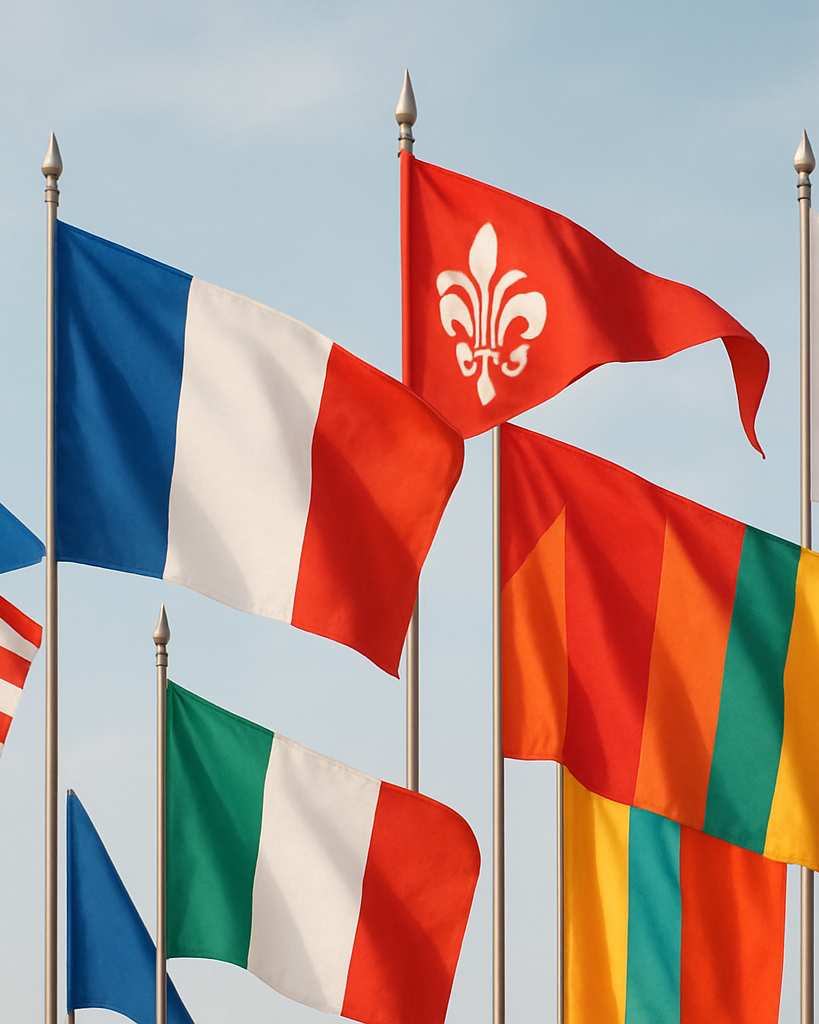
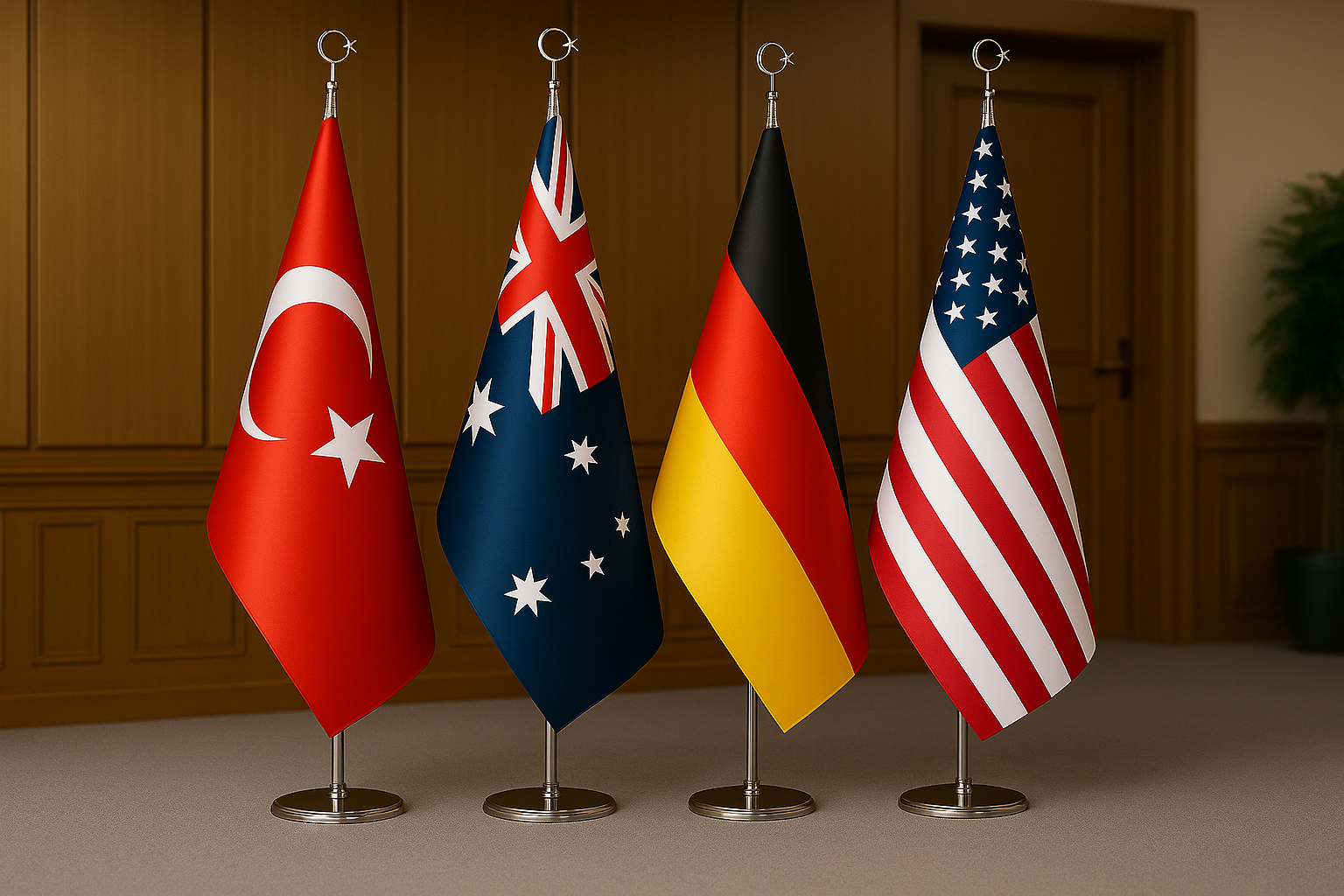
 For outdoor permanent installations where the EU flag will be displayed alongside national flags at embassies, corporate campuses, hotels, or event venues, the Outdoor Vertical European Union Flag is engineered for high-traffic exterior environments where both visibility and durability are essential. Flying the EU flag outdoors on equal-height poles next to member-state flags is the most visible expression of the equality principle — and the quality of the flag itself matters, because a faded or torn EU flag next to crisp national flags creates a de facto appearance of subordination. Proper outdoor flags should be inspected regularly and replaced when they show significant wear, in keeping with the condition standards referenced in EU protocol guidance. For the complete range of European national flags needed to complete a multi-flag outdoor installation, the European Countries Flags collection is the most practical single source.
A Practical Protocol Checklist for Institutions and Event Planners
Following EU flag protocol in a real-world setting comes down to six verifiable checkpoints that any facilities manager or event coordinator can apply before an event. Run through this list before every multi-flag display involving the EU flag, and you will satisfy both EU institutional guidelines and the national flag regulations of all member states.
- Pole height equality: All flagpoles in the display must be identical in height. If using indoor stands, confirm all bases and pole lengths match before the event.
- Correct position of the EU flag: Viewer's far left for a row of flags; center for a three-flag group of EU plus two national flags; left when paired one-to-one with a single national flag.
- Alphabetical ordering of national flags: Use the name of each country in its own official language for the alphabetical sequence, not the English name.
- Flag condition inspection: Inspect every flag for fading, fraying, or soiling before display. Replace any flag that shows significant wear — this applies to the EU flag and all national flags equally.
- Lighting for after-dark display: Ensure a dedicated light source illuminates outdoor EU flags displayed at night. Unlit flags after dark are a protocol violation under EU display guidance.
- Half-staff authorization: Do not lower the EU flag to half-staff without an official EU-level mourning declaration, even during a national day of mourning in the host country.
- Flag dimensions: Flags in the same display should share consistent proportions. The EU flag's official ratio is 1:1.5 (height to width), and national flags should match this ratio or be displayed at a size that creates visual parity.
For events involving the EU flag alongside flags from non-member European countries — such as Norway, Switzerland, or the United Kingdom post-Brexit — diplomatic equality rules apply instead of EU protocol, and you should consult the specific bilateral flag guidance for those countries. A related scenario worth understanding is how sub-national flags are handled in a multi-flag display; the article on flying the Welsh Dragon alongside the Union Flag offers a useful case study in balancing national and regional flag precedence that applies analogous logic.

European Countries Flags
The complete source for EU and European national flags — everything you need to build a protocol-compliant multi-flag display for any institution or event.
Browse Collection →Does the EU flag take precedence over all national flags in a display? +
In what order do you arrange EU flags and national flags in a long row? +
Where do I find accurate flags for every European country by name? +
Can I display the EU flag at half-staff during a national day of mourning? +
Is the EU flag still flown in the United Kingdom after Brexit? +
What size should the EU flag be compared to the national flags next to it? +
Can I use the EU flag at public events like sports competitions or parades? +
Getting EU flag display right is a matter of institutional credibility as much as protocol compliance. Whether you are equipping a corporate headquarters, an embassy lobby, a hotel entrance, or an event venue, starting with accurate, correctly proportioned flags is the non-negotiable first step. The European Countries Flags collection gives you the full range of member-state flags alongside the EU flag itself. For smaller indoor settings, the European Union Desk Flag on a chrome pole is a clean, professional solution for conference tables and reception areas, and the European Union Handheld Flag serves parades, sporting events, and public celebrations. Bulk pricing is available for corporate, diplomatic, and institutional orders — contact Asya Bayrak directly for volume quotes.