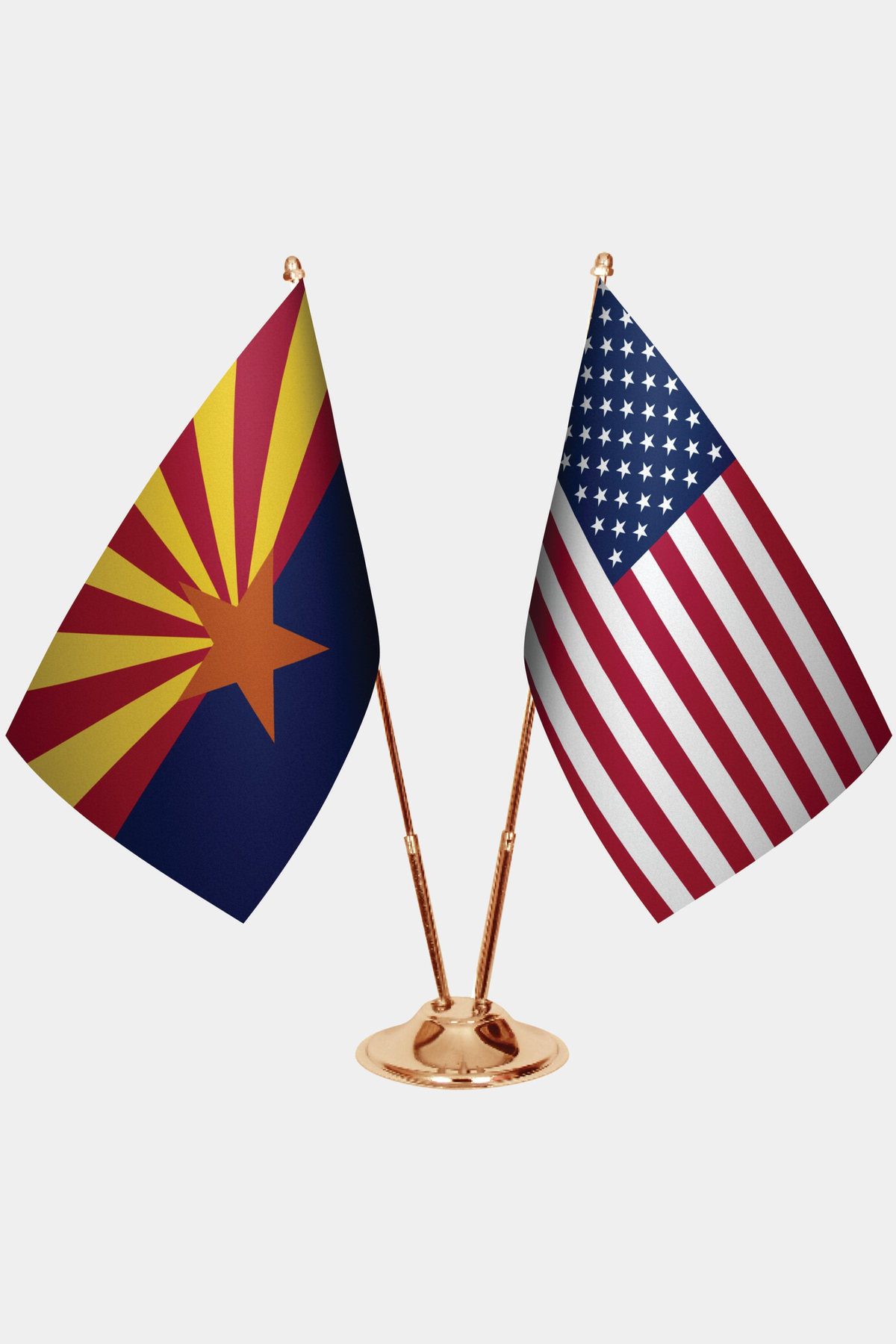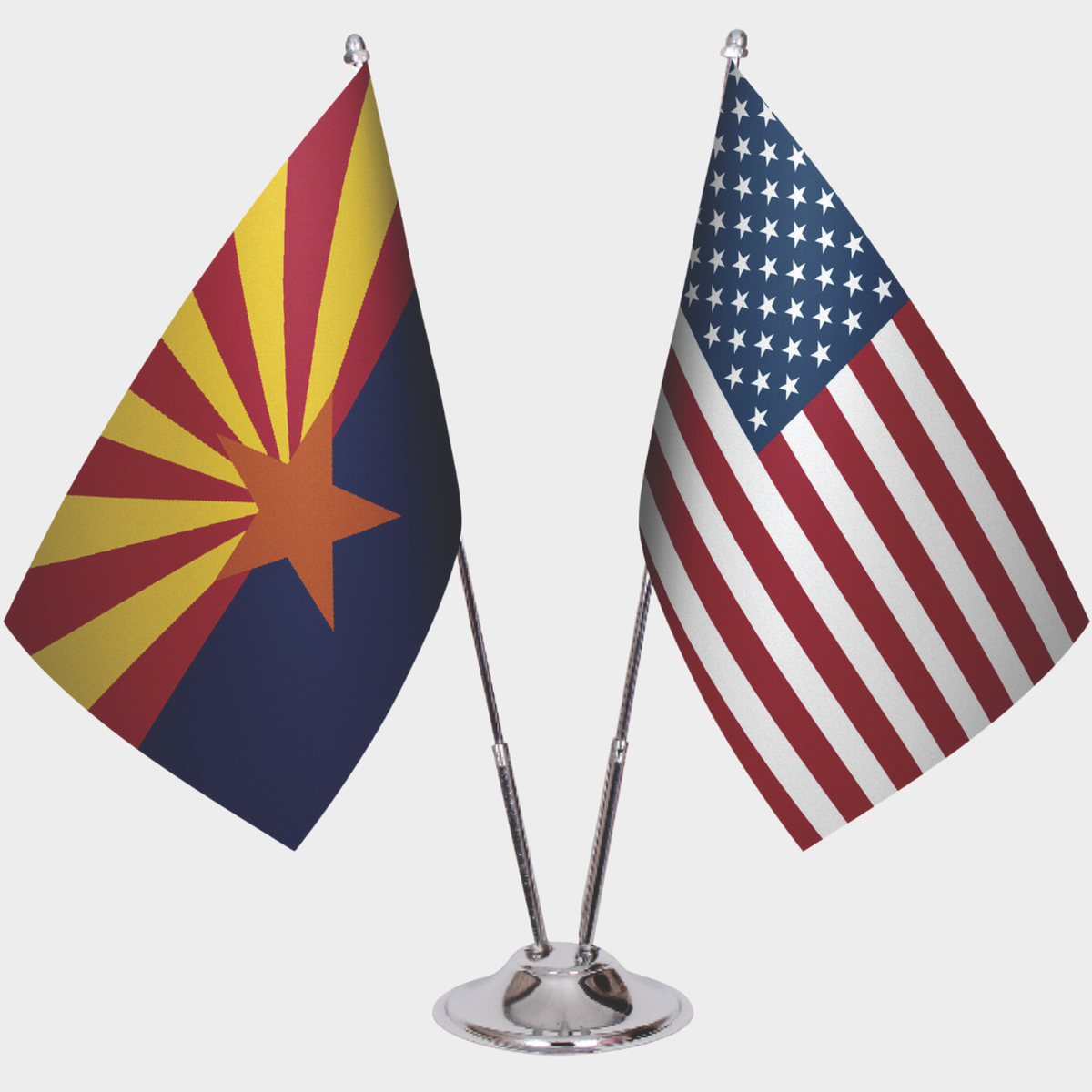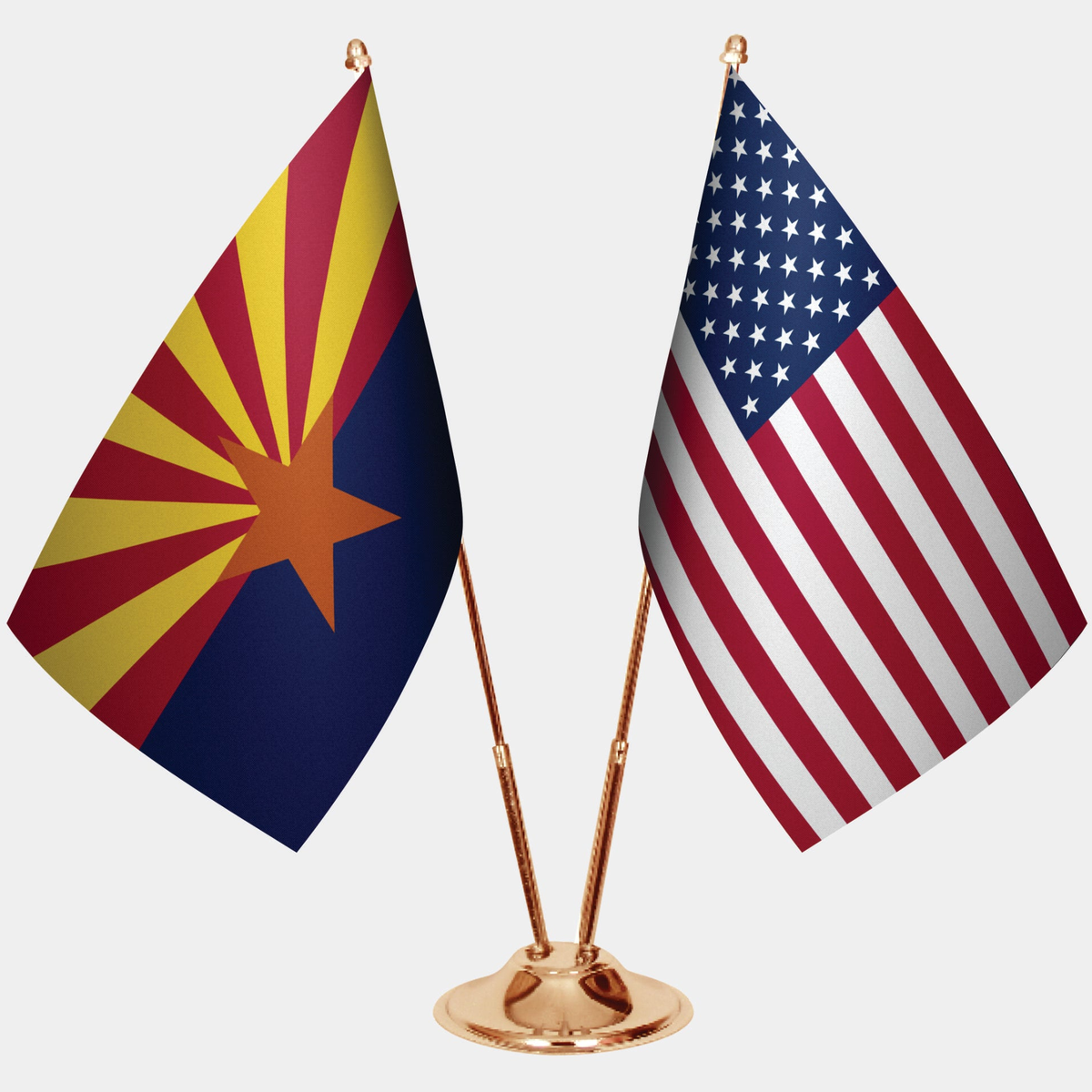









The best way to store pennant strings and fabric bunting without tangles is to coil them in wide loops, secure each loop with a velcro tie, and keep them flat in a labeled bin — never stuff them into a bag or wrap them around a pole. Whether you're working with a short decorative string or a commercial pennant flags collection that runs 164 ft (50 m) across a lot, the method you use at takedown determines how quickly you can redeploy — and whether the flags survive another season. Done right, quality polyester pennants can deliver 6 months to 2 years of outdoor life; done wrong, knots, creases, and moisture cut that figure in half.
Can you wash pennant flags, and what's the right way to do it?
Yes, most fabric bunting and pennant flags made from polyester can be hand-washed or machine-washed on a gentle cycle in cold water, but always check the manufacturer's guidance first. Heat is the main enemy: a hot dryer or direct iron contact can shrink the fabric, distort grommets, and cause printed colors to crack or fade — the same UV and heat degradation that shortens outdoor lifespan applies indoors when you use the wrong settings.
 For polyester pennants — the material used in the Premium American Flag Pennant — fill a basin with cool water and a small amount of mild detergent, submerge the string loosely, and agitate gently by hand. Avoid wringing or twisting the cord, because that is exactly how tight knots form before the pennant even goes back into storage. Rinse thoroughly with cool water until no soap residue remains, then hang the entire string over a clothesline or a wide railing — never bunch it — and allow it to air-dry fully before folding. A damp pennant stored in a sealed container will develop mildew within days, and mildew staining on polyester is effectively permanent. If you need to remove a stubborn stain from an individual panel, a soft-bristle toothbrush with diluted dish soap works well; just keep it off the cord where possible to avoid weakening the nylon or cotton braid that holds everything together.
Machine washing is acceptable for most commercial-grade polyester bunting, but place the string inside a mesh laundry bag to prevent the cord from snagging on the drum. Use the delicate cycle, cold water, and half the normal detergent dose. Skip the spin cycle if your machine allows it — a full spin at high RPM creates exactly the kind of tight coiling and stress on attachment points that leads to fraying over time. Never machine-wash pennants that have metal grommets unless the manufacturer explicitly says it is safe, because even stainless grommets can leave rust-colored marks on neighboring fabric panels during a long wash cycle.
How to store pennant strings so they never knot again
The single most effective storage method is the large-loop coil: hold one end of the string, walk backward while forming 18–24 in (45–60 cm) diameter loops, then secure the bundle with two or three velcro cable ties spaced evenly along the coil. This approach — borrowed from professional rigging and theatrical production — keeps the cord's natural twist direction intact so it unrolls in one smooth motion at the next deployment rather than tightening into a rat's nest.
 Long commercial strings like the USA Rectangular Flag Bunting 164 ft benefit from a two-person takedown: one person walks the string down as the other loops it, keeping consistent tension so no section goes slack and tangles before it is coiled. Once the coil is secured, label a tag with the string's length, color, and the event it was last used for — this saves significant time when you are pulling supplies for a similar event six months later. Store each labeled coil inside a flat, rigid-sided bin rather than a cloth bag; bags compress under other stored items and crush the flags into permanent creases. A 12 × 18 × 4 in (30 × 46 × 10 cm) clear plastic storage bin fits a 50 ft (15 m) string comfortably and lets you see contents at a glance. For longer runs of flags and bunting, stackable bins with locking lids are worth the small investment, since they protect against both physical crushing and pests that can damage natural-fiber cordage over a long storage season.
One storage technique that causes immediate problems is wrapping the string around a cardboard tube or a wooden dowel. It seems tidy, but the tight radius creates a permanent kink in the cord at every wrap point, and polyester panels crease along the wrap line in ways that do not fully release even after re-hanging. If you need the string on a spool for space reasons, use a large-diameter reel — at minimum 10 in (25 cm) across — and leave the reel in an open position rather than capped, so any residual moisture can escape.
What actually shortens the life of your pennants faster than normal wear
Three factors destroy pennant strings faster than simple age: sustained UV exposure without a break, abrasive contact with rough surfaces during strong wind events, and moisture trapped against the fabric in storage. Each one compounds the others — a sun-weakened polyester panel that is also slightly damp when stored will show significant color loss and structural breakdown within a single off-season.
UV degradation is measurable and largely predictable. Most commercial polyester bunting carries an 80% UV resistance rating, which means 20% of UV energy still reaches the dye and fiber over time. In climates with strong sun — such as the Southwest United States — a string left up continuously will show noticeable fading in 3–4 months. Rotating flags indoors during the brightest part of the year and re-hanging them in fall extends total lifespan significantly. Wind causes mechanical damage through a different mechanism: constant flutter flexes the fabric at the attachment point hundreds of thousands of times per season, eventually causing micro-tears that grow into frayed edges. Reinforced header tape and bartacked attachment points — features found on heavier commercial pennants — slow this process considerably but do not eliminate it. Pollution and airborne particulates contribute as well; exhaust residue and fine grit act as a mild abrasive that accelerates fiber breakdown, which is why pennants used near high-traffic roadways or car lots tend to wear faster than those used at a garden party. For a full comparison of how different pennant shapes handle outdoor exposure differently, see Swallowtail and Straight-Cut Pennants Compared.
When is a pennant string too worn to keep using?
Replace a pennant string when more than 20% of its panels show fraying at edges, fading beyond recognition, or tears larger than 1 in (2.5 cm) — at that point the damaged panels distract from rather than enhance the display. A single compromised panel is repairable; a string where every third flag is visibly degraded signals that the entire run has reached the end of its functional life.
Inspect the cord itself as part of every seasonal check. Run your fingers along the full length and feel for brittle sections, significant thinning, or spots where the braid has separated. A fraying cord that snaps mid-event can send flags sailing into traffic or a crowd, which is both a safety issue and a liability concern for commercial operators. Grommets should rotate freely and show no rust or cracking in the eyelet. Header tape — the reinforcing strip along the top of each panel — should remain firmly bonded; if it is peeling away, UV adhesive breakdown has set in and the panel will fail at the attachment point under the next strong wind. Keeping a simple inspection log (date, condition notes, any replacements made) helps you predict replacement cycles accurately, which is especially useful for businesses managing dozens of strings across multiple locations. For guidance on how indoor mounting affects wear patterns differently from outdoor use, the article on how to hang pennant flags indoors covers inspection and maintenance in that specific context.
How to retire a worn pennant string properly
Unlike the American flag, which is governed by US Flag Code (4 USC §§ 1-10) and retired through dignified burning ceremonies, decorative fabric bunting and pennant strings carry no legal disposal requirements — but responsible disposal still matters, especially for strings bearing patriotic imagery. The practical and respectful approach is to cut patriotic panels from the cord and surrender them to a local American Legion post or VFW chapter that holds regular flag retirement ceremonies; most posts accept any American flag imagery regardless of the item's original format.
Non-patriotic polyester pennant panels are technically recyclable as textile waste in many municipalities. Contact your local recycling facility about their textile acceptance policy before assuming curbside pickup applies — many do not. Some school booster programs and community theater groups will accept worn but still-intact pennant strings for indoor craft projects or low-stakes decorating where appearance is not critical. The cord itself — typically nylon or cotton braid — can be cut free from the panels and composted if it is natural fiber, or disposed of with general waste if synthetic. Whatever path you choose, avoid cutting and bagging worn synthetic pennants as single-use waste without first checking reuse options; a string that is too worn for a commercial car lot may be perfectly suitable for a children's classroom display or a backyard party.

String Pennants Collection
Ready-to-hang pennant strings in patriotic and decorative styles — built for commercial durability and sized for everything from storefronts to grand openings.
Browse Collection →What is the best way to store pennant flags without them getting tangled? +
Can pennant flags be washed in a washing machine? +
How long do fabric bunting and pennant strings typically last? +
What material are most bunting flags made from, and does it affect storage? +
How do I know when a pennant flag string needs to be replaced rather than repaired? +
Do pennant flags with patriotic designs need a special retirement process? +
What is the difference between pennant flags and bunting? +
Proper storage is the simplest investment you can make in the longevity of your pennant strings — and it costs nothing beyond a few velcro ties and a labeled bin. If you are outfitting a commercial location and want strings built to survive repeated deployments, the USA Triangular Flag Bunting 164 ft and the USA Rectangular Flag Bunting 164 ft are built with reinforced attachment points designed to hold up through proper wash-and-store cycles. For a broader look at what to expect from seasonal storage across all bunting types, the guide on how to store bunting between seasons covers material-specific considerations in more detail. Browse the full Pennant Flags collection to find the right string for your next event or permanent installation — bulk pricing is available for corporate, municipal, and dealership orders.