

A logo printed custom flag can be safely machine-washed on a gentle, cold-water cycle — but a few key steps before and after the wash are what actually protect the print and extend the flag's usable life. If you're managing corporate branding outdoors, understanding proper flag care is just as important as choosing the right product from our Corporate Flags collection in the first place. Flags exposed to wind, UV radiation, and urban pollution accumulate grime faster than most people expect, and incorrect cleaning is one of the leading causes of premature print fade and fabric breakdown. This guide walks you through washing, storage, what actually damages custom flags, when to retire them, and how to do so properly.
Can You Wash a Logo Printed Flag, and How Should You Do It?
Yes, most logo-printed flags made from Raschel knitted polyester or satin can be machine-washed — provided you use cold water (below 86°F / 30°C), a gentle cycle, and a mild, pH-neutral detergent. Heat is the primary enemy of digitally printed and dye-sublimation printed flags: hot water causes the polyester fibers to relax, which distorts the weave and causes colors to bleed or crack over time. Before washing, turn the flag inside-out and place it in a mesh laundry bag to protect the printed surface from abrasion against the drum. Never use bleach, fabric softeners, or any cleaning product that contains optical brighteners — these agents attack the inks used in direct printing and dye-sublimation, stripping color noticeably after just two or three washes. For lightly soiled flags, spot cleaning with a damp cloth and mild soap is preferable to a full wash cycle because it limits the mechanical and chemical stress on the fabric. Wringing or twisting a wet flag is another common mistake: instead, gently press out excess water and lay the flag flat or hang it on a smooth rod to air-dry in shade, never in direct sunlight while wet, since UV exposure combined with moisture accelerates dye breakdown significantly.
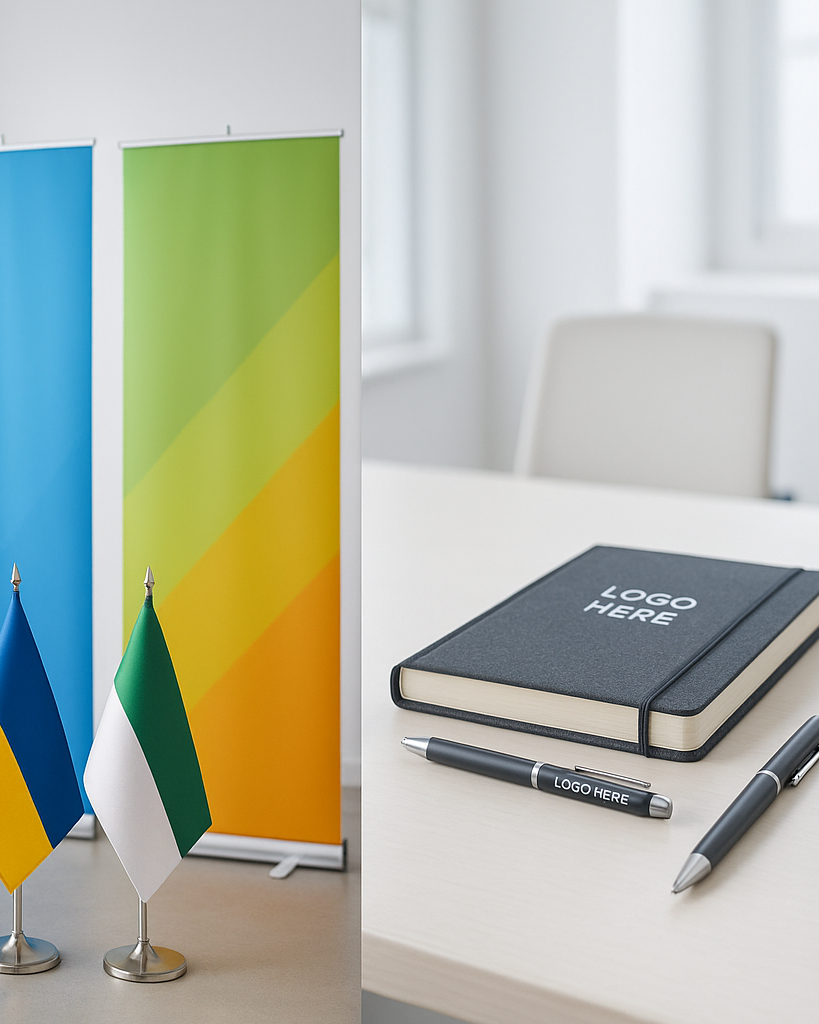
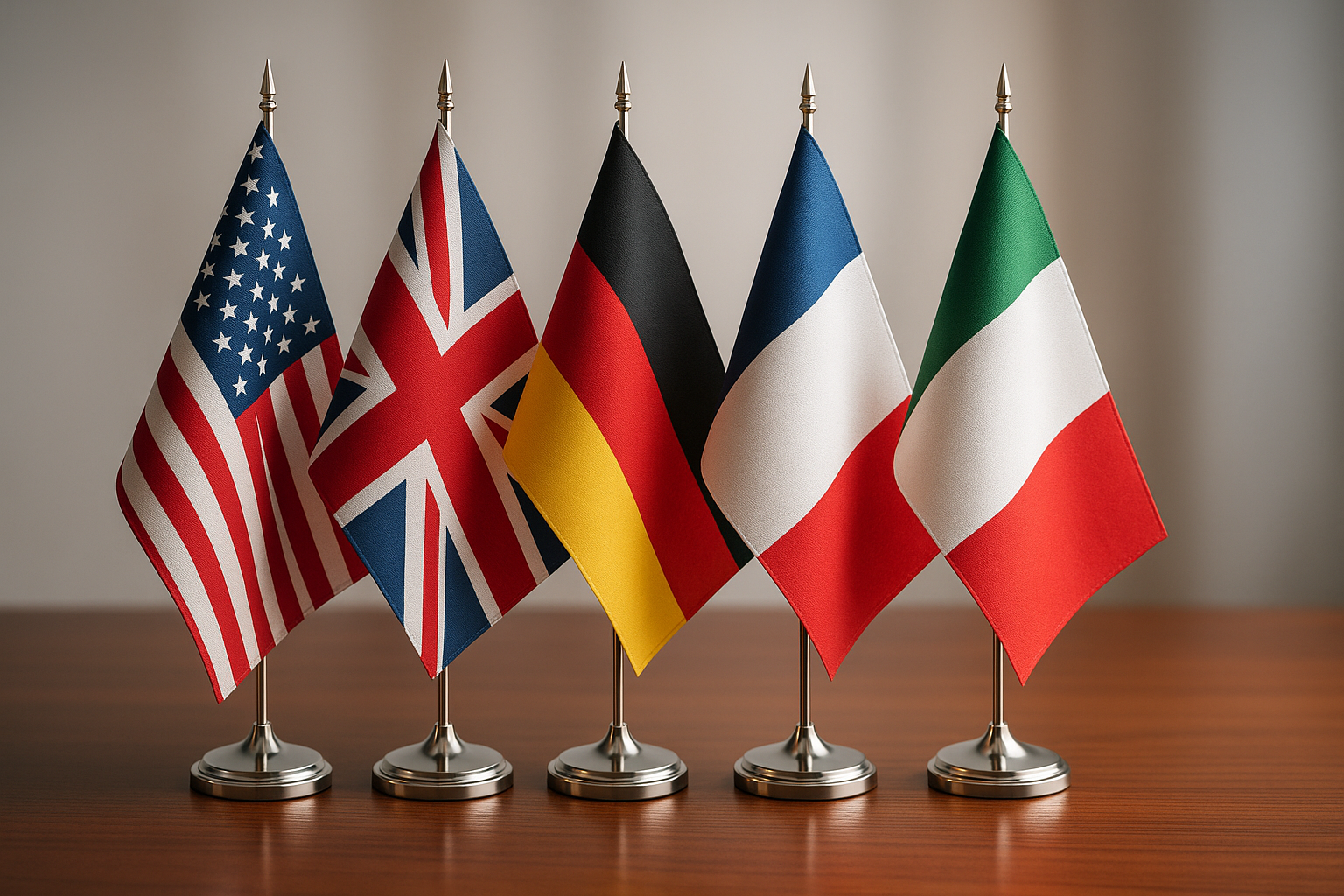
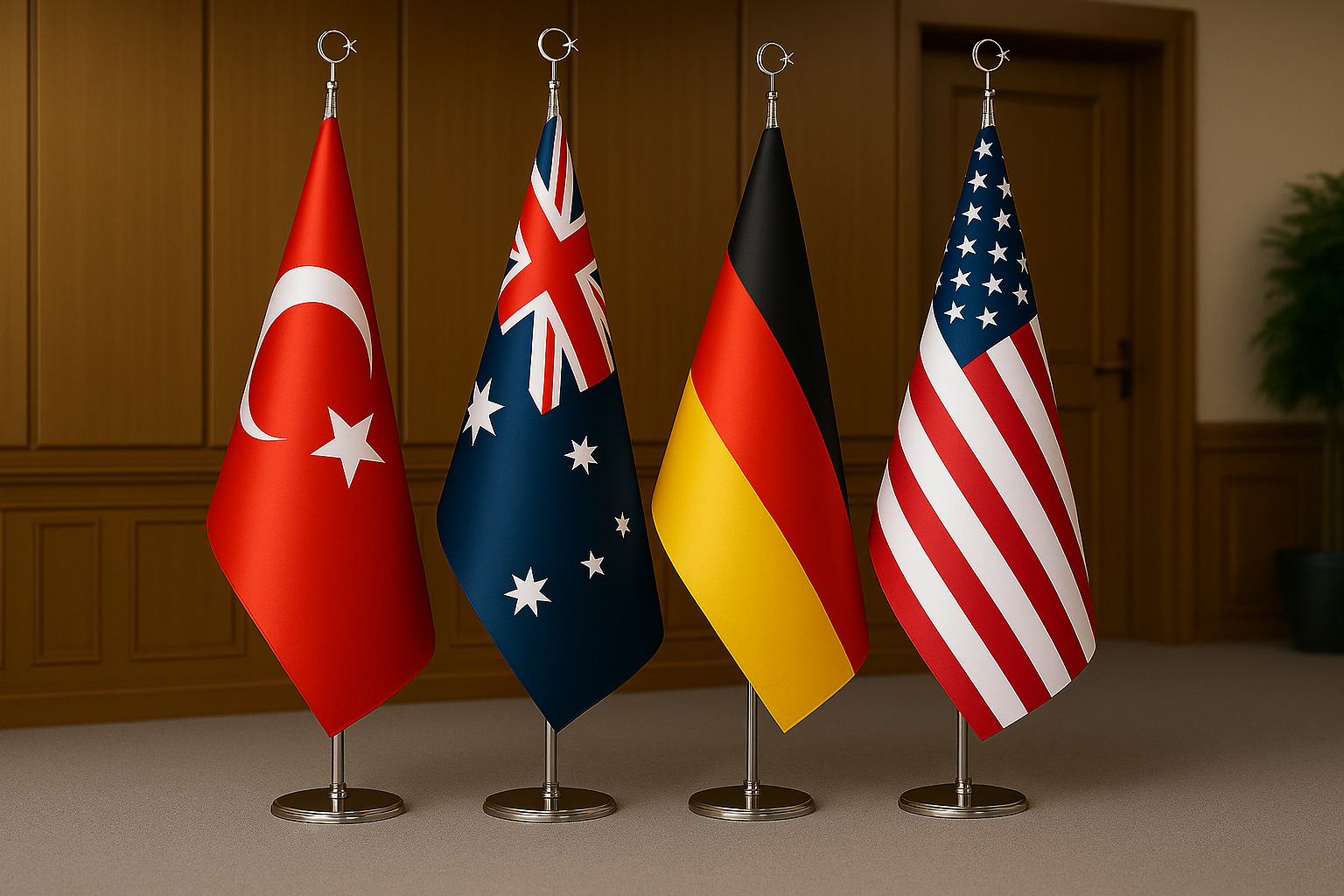
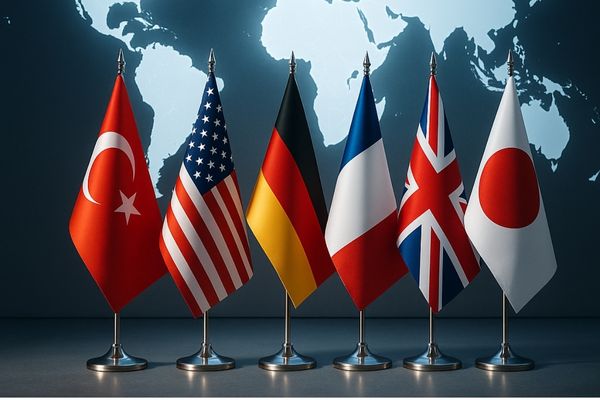
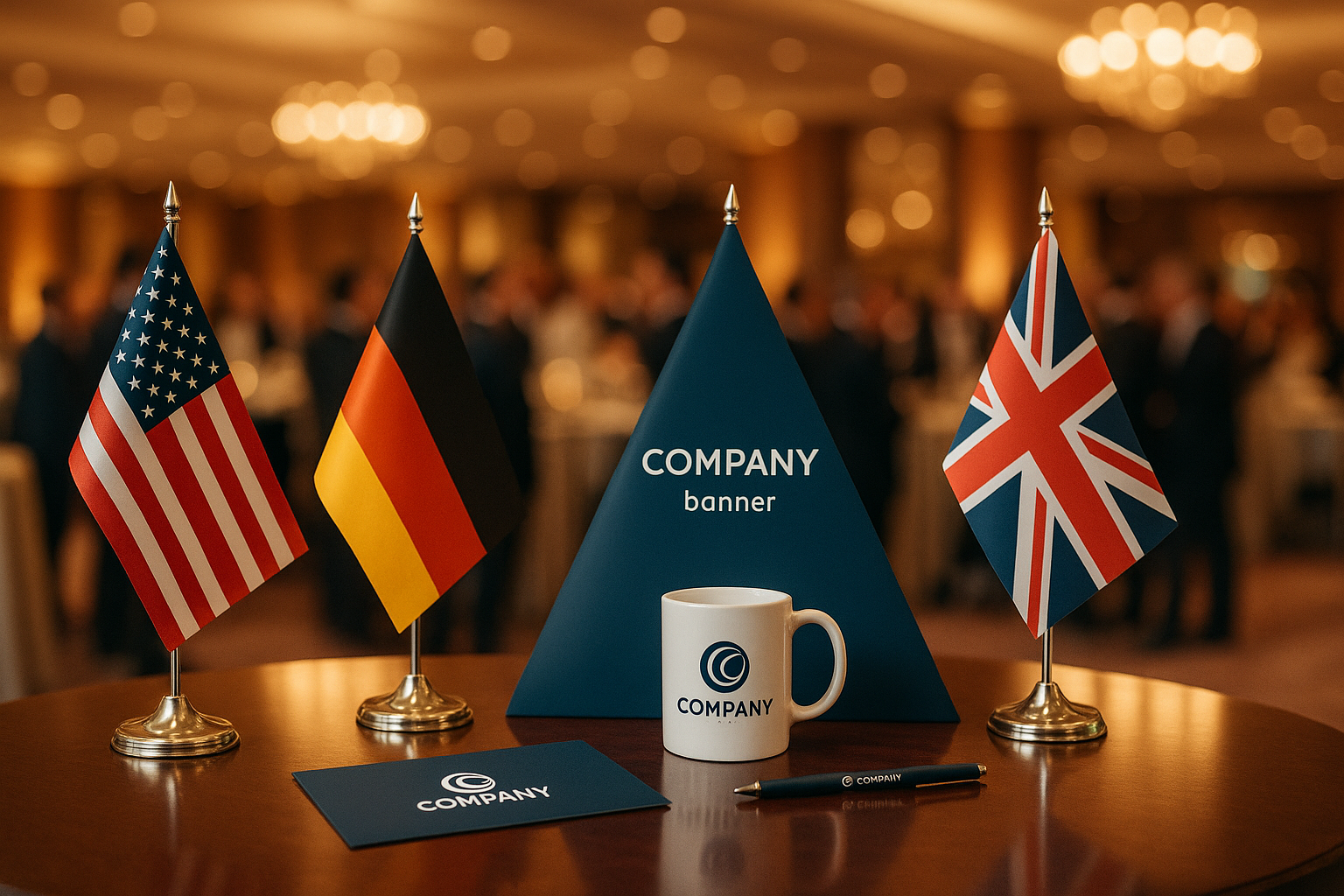
 Flags used in formal indoor environments, like our Chrome Pole Official Flag with Logo, are built from double-layer satin fabric — a material that is particularly sensitive to mechanical agitation. For satin flags, hand-washing in a basin of cold water with a tiny amount of pH-neutral soap is the safest approach; submerge the flag, gently agitate by hand for 60–90 seconds, rinse thoroughly with cool water, and never rub the printed surface directly. Because satin is woven rather than knitted, it is less forgiving of stretching when wet, so handle it with particular care during the rinse and drying phases. Drying satin flags flat on a clean, dry towel — rolling the towel gently to absorb moisture before unrolling and re-hanging — produces the best result without distorting the fabric. Ironing is generally not recommended on printed areas; if the flag needs de-wrinkling, use a steamer held at least 4 inches (10 cm) from the surface, or place a pressing cloth between the iron and the flag and use the lowest heat setting with no steam directly on the print.
How to Store a Custom Flag So It Stays in Good Condition
Store custom flags clean, completely dry, loosely rolled (not folded), and in a breathable cotton bag away from direct light and moisture — this single habit alone can double a flag's service life. Folding a damp or even slightly moist flag creates the ideal conditions for mildew and mold, both of which cause permanent staining and fabric degradation that no amount of washing will reverse. Rolling is preferred over folding because sharp creases in polyester and satin eventually become permanent stress lines that weaken the fiber over time, and on printed flags those crease lines become visible as faded or cracked stripes running across the logo. Store flags horizontally in a cool, dry location — a temperature-stable indoor space between 50°F and 75°F (10°C–24°C) is ideal — and avoid plastic bags or sealed containers that trap humidity. If you are rotating flags seasonally (a common practice for outdoor corporate programs), label each roll with the installation date, last-cleaned date, and location so you can track wear cycles accurately. UV-transparent storage boxes and direct window light are silent flag killers during storage: even indirect daily UV exposure through a window degrades dye-sublimation inks measurably over a storage season.
What Actually Shortens the Life of a Logo Printed Flag
The three primary life-shortening forces on outdoor custom flags are UV radiation, mechanical stress from wind, and airborne pollution — and in most real-world deployments, all three act simultaneously. UV radiation is the most relentless: continuous outdoor exposure bleaches dye-sublimation and direct-print inks progressively, with noticeable fading typically appearing within 4–6 months in high-UV climates without any UV-protective treatment applied. Raschel knitted polyester — the fabric Asya Bayrak uses in outdoor pole flags — is inherently more UV-resistant than woven alternatives because the knit structure distributes tension across a wider fiber network, but no polyester is fully immune to long-term sun exposure. Wind is the second major factor: a flag in constant high wind is essentially being repeatedly flexed and snapped thousands of times per day, and this cyclical mechanical fatigue causes the fabric to fray at the fly end and along seam lines first. Narrow hemming or insufficient reinforcement at stress points accelerates this process considerably, which is why edge reinforcement and quality stitching matter as much as fabric choice. Airborne pollution in urban and industrial environments deposits fine particulate matter and acidic compounds onto flag surfaces; these particles work into the fiber weave and, when combined with moisture, act as mild abrasives and chemical agents that attack both the fabric and the inks with every gust of wind. Flying a flag continuously, 24 hours a day, compounds all three stresses — standard flag protocol (and common sense) recommends lowering flags during severe weather and at night to substantially extend their service intervals.
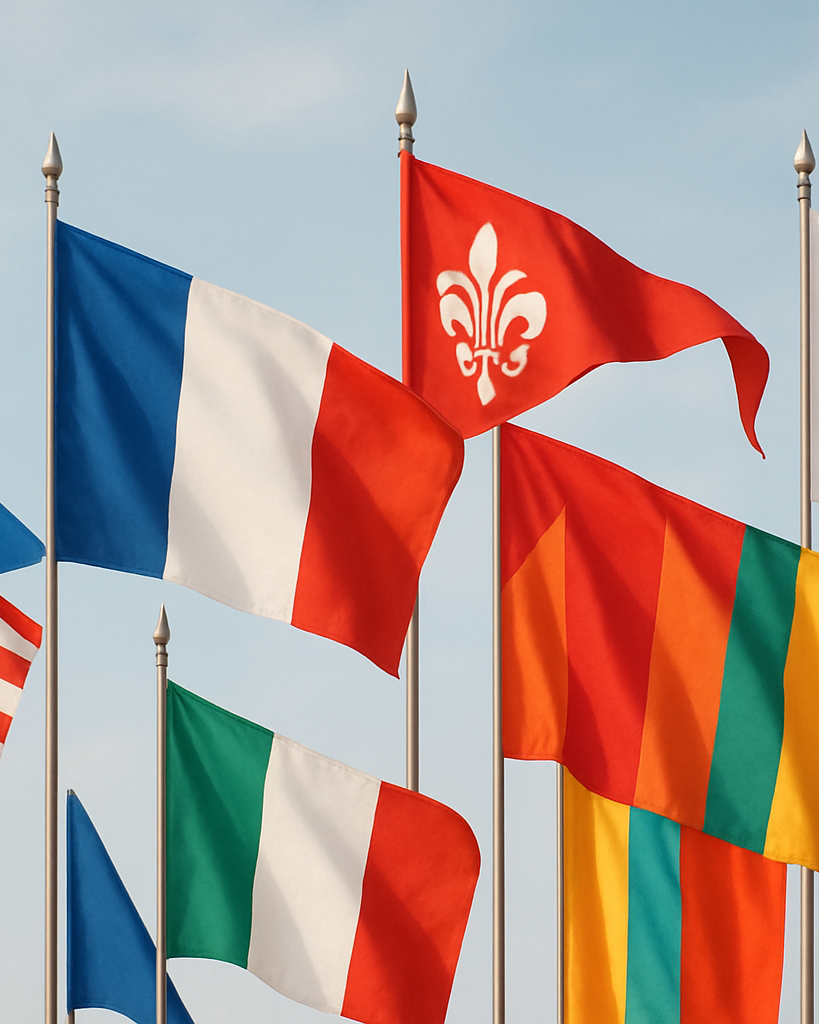
 For high-exposure outdoor installations, our Logo Printed Pole Flag is produced using Raschel knitted polyester with UV-stable digital printing and heat-fixing, which gives it strong resistance to the kind of continuous outdoor exposure that rapidly degrades less robust materials. Even so, the flag's installed position matters: flags mounted at building corners or in wind-tunnel corridors between structures experience dramatically higher mechanical fatigue than those in open, moderately exposed positions. Lowering the flag during storms, cleaning it every 4–8 weeks depending on environment, and inspecting the fly end and header monthly gives you the most accurate picture of actual wear. For organisations managing flags across multiple sites, our guide on corporate flag programs covers rotation schedules, multi-location consistency, and when to plan replacement orders.

Corporate Flags Collection
Custom logo-printed flags engineered for long-term outdoor and indoor corporate display — built to withstand real-world conditions while keeping your brand sharp.
Browse Collection →When Is a Logo Printed Flag Actually Due for Replacement?
A logo-printed flag should be replaced when any of these conditions appear: visible color fade that makes the logo look indistinct at normal viewing distance, fraying or unraveling along the fly end exceeding 1 inch (2.5 cm), tears or holes of any size in the printed area, or header damage that makes secure attachment impossible. Under typical outdoor conditions, a well-maintained Raschel polyester custom flag lasts 6 months to 2 years depending on climate, exposure intensity, and how consistently it is lowered during adverse weather. Satin flags used indoors — such as the double-layer chrome pole office flag — have significantly longer service lives when cared for correctly, often 3–5 years, because they are shielded from UV, wind, and pollution. A faded or frayed flag does real damage to brand perception: research consistently shows that branded environments with deteriorating signage are associated with declining professionalism in observers' minds, even when the effect is subconscious. For corporate programmes using customisable flags across multiple buildings or events, the practical approach is to set a fixed review schedule — typically every 6 months outdoors, annually indoors — and photograph each flag on inspection day so you have a clear visual record of wear progression. If you are comparing single-sided versus double-sided constructions in terms of which lasts longer under comparable conditions, the sibling article on single-sided and double-sided custom flags covers lifespan and total cost of ownership in detail.
How to Retire a Worn Custom Flag Properly
When a custom flag reaches the end of its service life, it should be retired respectfully and disposed of responsibly — the US Flag Code (4 USC §§ 1–10) governs the retirement of the American flag specifically, but its guidance on dignified disposal reflects a broader principle worth applying to any organisational flag. For corporate logo flags, the most practical retirement approach is to cut the flag into pieces before disposal so that it cannot be mistaken for a flag still in service, then dispose of it in accordance with your local waste management guidelines — many communities now have textile recycling programs that accept synthetic polyester. Some organisations hold internal retirement ceremonies for long-serving corporate flags, particularly those used at flagship locations or significant events; this practice reinforces the brand identity attached to the flag and treats it as the genuine symbol it represents rather than disposable signage. If the flag includes embroidered elements or metal hardware (such as the chrome pole components of an office flag), separate these materials before disposal as they may be recyclable through different streams. Organisations with sustainability commitments should note that polyester flags are not biodegradable, making textile recycling the environmentally preferable option over landfill disposal. Document each retirement in your flag maintenance log alongside the installation and last-inspection dates — this record is invaluable when planning future replacement orders and understanding the true lifespan you are achieving under your specific conditions.
Frequently Asked Questions About Washing and Caring for Custom Flags
Can I put a custom flag in the dryer after washing it? +
How often should I wash an outdoor logo printed flag? +
What detergent is safe to use on a custom printed flag? +
How long do custom flags typically last outdoors? +
What should I look for when choosing a custom flag maker? +
Can I order a fully customisable flag with any logo or design? +
Does washing a flag void its quality or affect the print permanently? +
Is there a minimum order quantity for custom flags? +
Maintaining a logo-printed flag correctly is a straightforward routine once you understand the specific vulnerabilities of printed polyester and satin — cold wash, air dry, store clean and rolled, inspect monthly, retire when the brand identity is compromised. For organisations ready to order replacement flags or expand a corporate flag program, the Logo Printed Pole Flags collection covers standard outdoor pole formats, while the Vertical Pole Flag offers a commanding alternative for institutional facades and corporate entrances. For formal interior environments requiring executive-level presentation, the Chrome Pole Official Flag with Logo is the product to specify. Bulk pricing is available for corporate orders — contact us directly with your location count and size requirements for a tailored quote.


