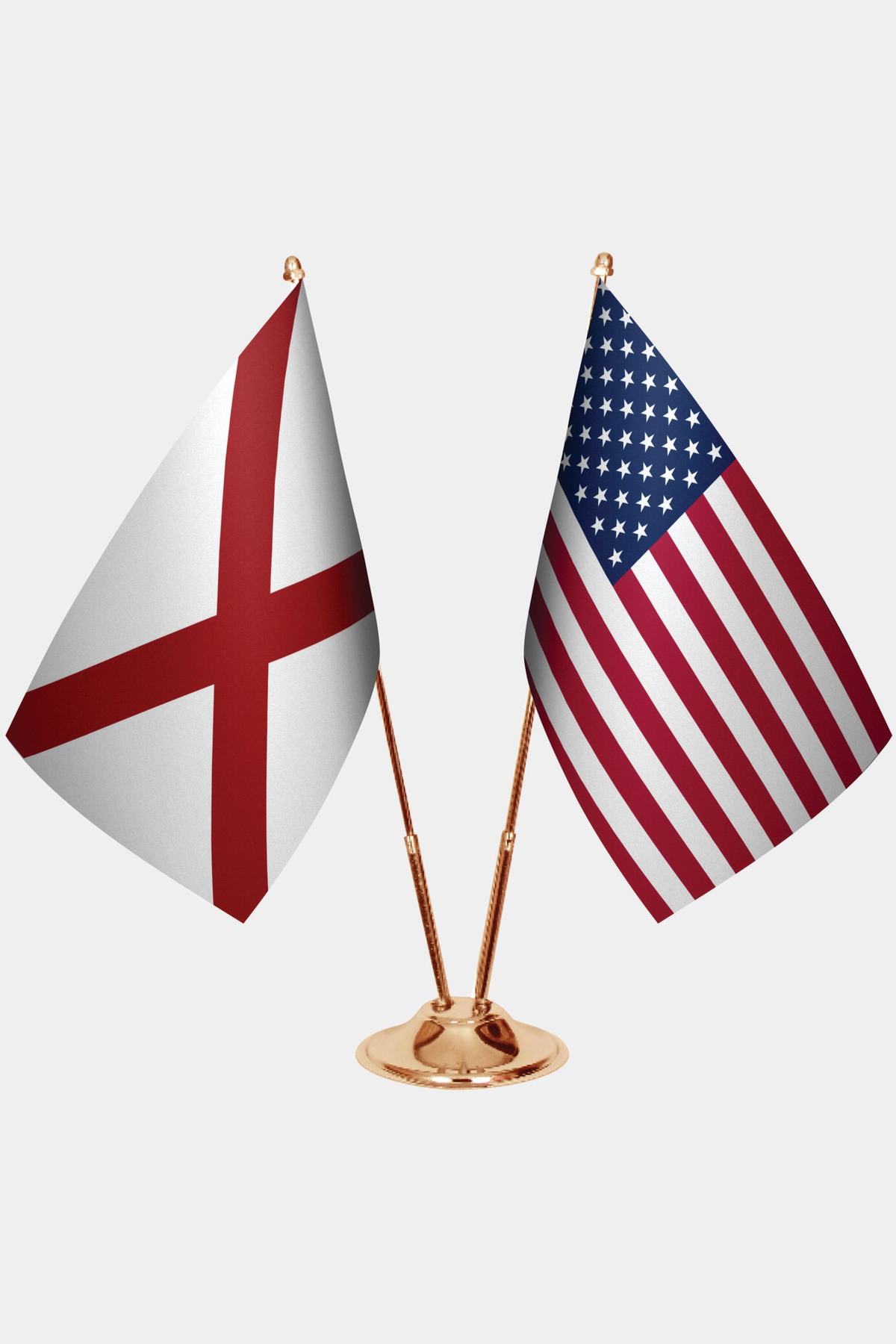









For most homeowners, a wall-mounted flagpole is the faster, lower-maintenance choice, while an in-ground flagpole delivers maximum visual impact and flies a larger flag. The right answer depends on your property type, how often you want to maintain the setup, and whether you need a permanent or flexible installation. Browse the full range of options in the Wall-Mounted Telescopic Flagpole Sets collection to see how a wall-mount might serve your home before committing to a concrete pour.
Which pole type is right for your home — the quick verdict
If you own your home, have open yard space, and want to fly a large flag visible from the street, an in-ground residential flagpole is the better long-term option. If you rent, live in a townhouse, have limited yard space, or simply want a flag displayed within a weekend without any digging, a wall-mounted telescopic pole wins on nearly every practical count.
In-ground poles are a permanent infrastructure decision — they require digging a hole typically 2–4 ft (60–120 cm) deep, setting a ground sleeve in concrete, and waiting for the cure before flying. Wall-mounted poles, by contrast, attach to an exterior wall with a bracket and can be installed by one person in under an hour. Neither system is universally superior; the best residential flagpole is always the one matched to your specific situation.
What in-ground flagpoles do well — and where they fall short
In-ground flagpoles excel at scale and permanence, supporting poles from 15 ft (4.6 m) to 25 ft (7.6 m) or taller, with flag sizes ranging from 3×5 ft (0.9×1.5 m) up to 5×8 ft (1.5×2.4 m) or larger for residential use. That height puts your flag above rooflines and tree canopy, making it visible from a distance — something no wall bracket can replicate.
The weaknesses are just as real, however. Installation requires excavation, concrete, a ground sleeve, and often a local permit review depending on your municipality or HOA rules. The US Flag Code (4 USC §§ 1–10) does not dictate pole height for private residences, but many local ordinances cap in-ground residential flagpoles at 20–25 ft (6–7.6 m) without a variance. Maintenance is ongoing: the external halyard (rope) exposed to weather degrades roughly every 1–3 years, the truck and pulley at the top require periodic inspection, and in freeze-thaw climates the ground sleeve can shift over time. If you ever move, the pole stays with the property — it is not a portable investment.
Wind load is also a factor that many homeowners underestimate. A 20 ft (6 m) aluminum pole in sustained winds above 50 mph (80 km/h) exerts significant lateral force on its concrete footing. Properly engineered installations account for this, but DIY projects sometimes do not, leading to poles that lean or fail during storms.
What wall-mounted flagpoles do well — and where they fall short
 Wall-mounted telescopic flagpoles shine in flexibility and ease of use. The United States Wall-Mounted Telescopic Flagpole Set is a complete kit — it includes a durable aluminum telescopic pole, a sturdy wall bracket, and a United States flag, giving you everything needed for a professional display on any exterior wall without sourcing parts separately. Installation typically involves drilling just four to six anchor points into masonry, brick, or wood siding, which most homeowners can accomplish with a standard drill in under an hour. The telescopic design means you can retract the pole when severe weather is forecast or when you are storing the flag for seasonal display, a flexibility in-ground poles simply cannot offer. For renters or condo owners where permanent ground modifications are prohibited, a wall-mounted system is often the only compliant route to residential flag display, and the bracket holes are small enough to patch cleanly when you move.
The honest limitations of wall-mounted poles: maximum pole length is typically 6–8 ft (1.8–2.4 m) for residential brackets, limiting flag size to 3×5 ft (0.9×1.5 m) — adequate for a front porch but not visible from a long distance. The flag also hangs at an angle determined by the bracket, which means it drapes or wraps around the pole in calm conditions rather than flying freely on all sides the way it would from a tall freestanding pole. Wind direction matters too — a flag mounted on the north-facing wall of a house will fly best when wind comes from the south, and may press flat against the wall when wind reverses. For step-by-step installation guidance, the article on how to mount a flag holder on a wall covers bracket types, anchor hardware, and optimal placement height.
Choosing by use case — outdoor display, high wind, and ceremonial settings
 The right pole type depends heavily on how and where you are flying. For a suburban front yard with an open lawn and no HOA restrictions, an in-ground pole with a 3×5 ft (0.9×1.5 m) or 4×6 ft (1.2×1.8 m) flag is the most visually impactful choice. Pair it with a premium Raschel fabric USA Outdoor Flag — crafted from 110g Raschel knitted polyester — which is designed to handle continuous outdoor exposure while maintaining vibrant color in both sun and rain. For a townhouse, porch, garage wall, or any structure where ground installation is impractical, a wall-mounted telescopic set is the practical answer that still delivers a dignified display. In high-wind coastal or plains environments, a shorter wall-mounted pole actually reduces risk: you can retract or remove the flag during storm events rather than leaving it whipping on a fixed in-ground mast at 20 ft (6 m) where stress on the halyard and flag fabric accumulates rapidly.
For ceremonial settings — a veteran's home, a patriotic holiday display, or a front-entry presentation — wall-mounted poles at the correct height (flag bottom typically at least 8 ft / 2.4 m above grade per common courteous practice) can look equally formal. If you need a freestanding indoor or event-area display without any wall or ground mounting, a 15 kg Rubber Base offers a practical solution: this 50×50 cm (20×20 in) free-standing base provides substantial floor-level weight to keep a flagpole stable at fairs, storefronts, showrooms, and event spaces where neither wall drilling nor ground installation is possible. For understanding how vertical flag orientations interact with different pole configurations, the guide on vertical flag sizes and pole options provides useful context on sizing ratios and mounting approaches.

Wall-Mounted Telescopic Flagpole Sets
Complete kits with aluminum telescopic poles, wall brackets, and flags — everything you need to display your flag professionally on any exterior wall, no digging required.
Browse Collection →How lifespan and total ownership cost compare between the two systems
In-ground flagpoles, when properly installed with a quality aluminum or fiberglass shaft, last 20–30 years or more structurally. The pole itself is rarely the failure point — it is the consumable components (halyard rope, snap hooks, truck pulley, and the flag itself) that cycle through replacements. A quality outdoor flag flown daily typically lasts 6 months to 2 years depending on wind exposure, UV intensity, and fabric weight. Wall-mounted aluminum telescopic poles have a shorter structural lifespan in the 5–15 year range depending on bracket quality and exposure, but their lower initial investment and zero installation labor means the total ownership picture is more nuanced than pole longevity alone suggests.
The key cost drivers for in-ground poles are installation labor, concrete, permits (where required), and ongoing halyard replacement. Wall-mounted systems trade those ground-level costs for bracket hardware and the occasional pole or flag replacement. For homeowners who move every few years, the wall-mounted system's portability — you take it with you — represents real retained value. For a homeowner planning to stay long-term in a single-family home with yard space, the in-ground pole's permanence and display scale justify the larger upfront commitment. Neither system has a universally lower total cost; it depends on installation conditions, local labor rates, and how frequently you replace the flag.
Flag fabric selection affects cost on both systems equally. Heavier woven nylon or Raschel knit polyester flags rated at 80% UV resistance will outlast lighter printed flags significantly in outdoor conditions, reducing your flag replacement frequency regardless of which pole type you choose. The Flag Accessories collection includes additional hardware that extends the life of any flagpole setup.
FAQ
What is the best flag pole for a house if I have limited yard space? +
How deep does an in-ground flagpole need to be set in concrete? +
Do I need a permit to install a residential flagpole in my yard? +
Can I fly my flag at night without a light on a residential flagpole? +
What size flag should I use on a residential flagpole? +
How long does a residential flagpole last before needing replacement? +
Is a wall-mounted flagpole suitable for a rental property or apartment? +
Choosing between an in-ground flagpole and a wall-mounted pole ultimately comes down to permanence versus flexibility. If you want a commanding, tall display that anchors your property for decades, invest in a properly engineered in-ground residential flagpole — and pair it with a durable USA Outdoor Flag in premium Raschel knit polyester to get the most life from your setup. If you want a professional flag display without the excavation, permits, or permanence, the United States Wall-Mounted Telescopic Flagpole Set delivers a complete, dignified solution that installs in an afternoon. For freestanding event or indoor display where neither wall drilling nor ground installation is possible, the 15 kg Rubber Base provides a stable platform at 50×50 cm (20×20 in). Explore the full Wall-Mounted Telescopic Flagpole Sets collection to find the right kit for your home. Bulk pricing is available for corporate, municipal, and multi-property orders.