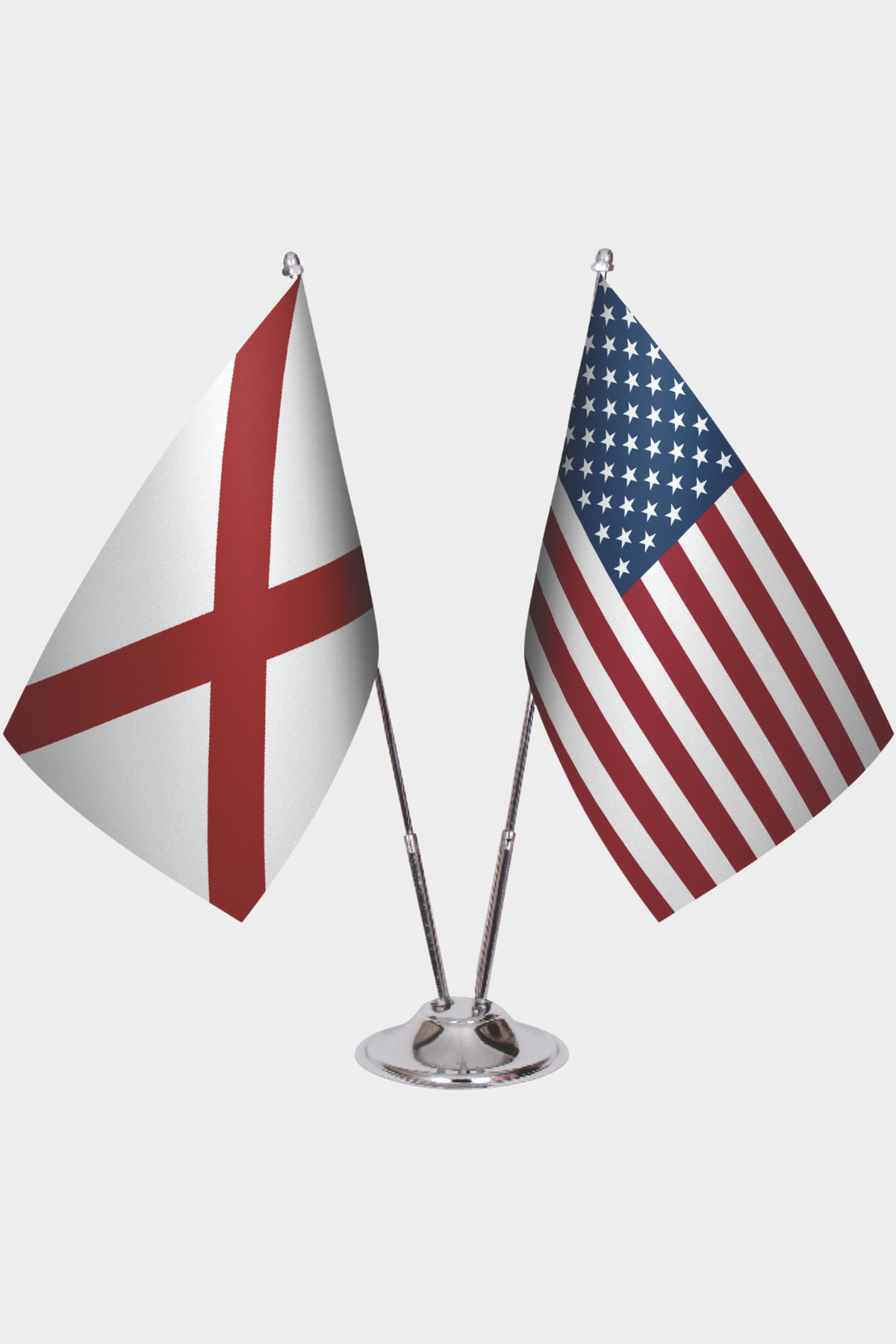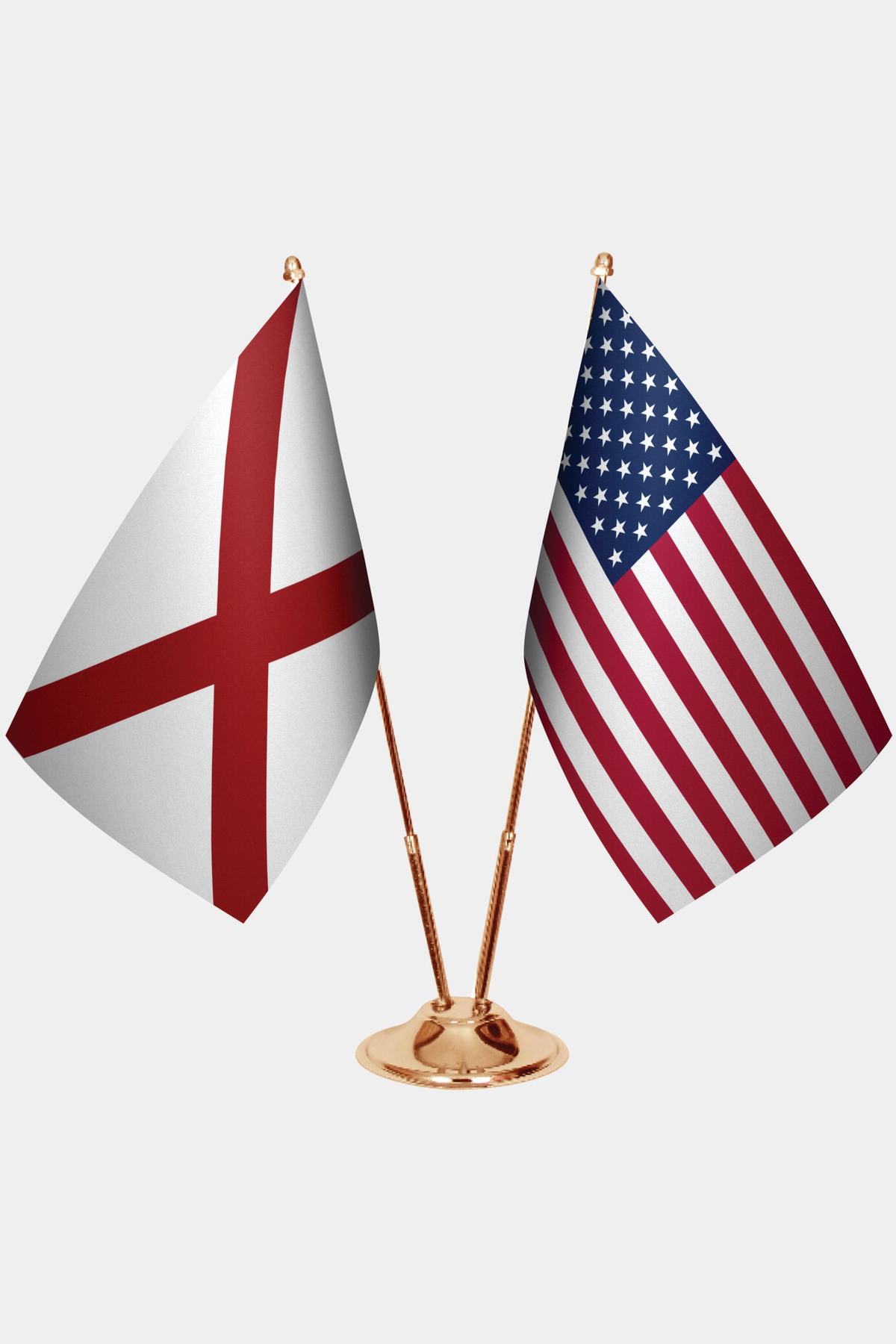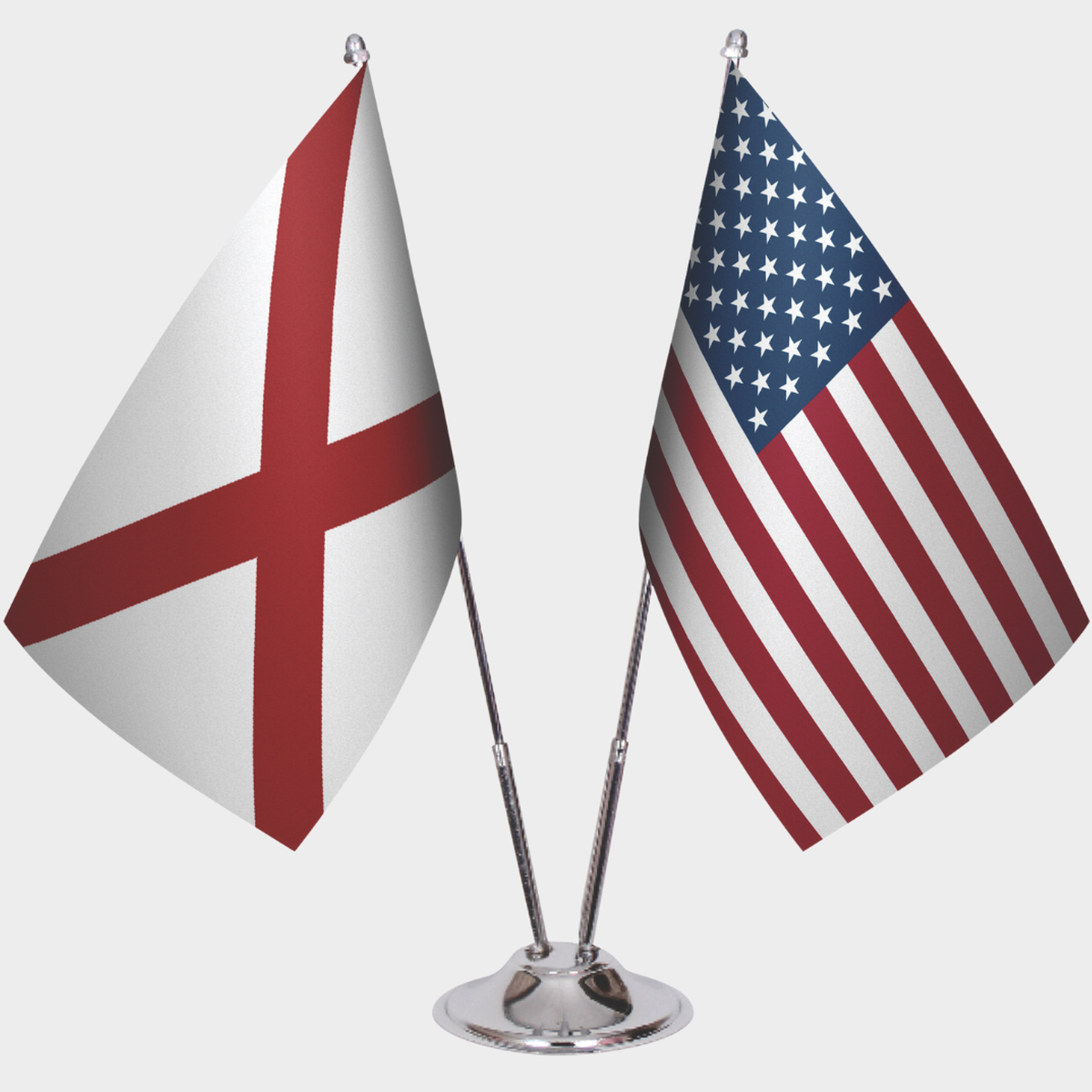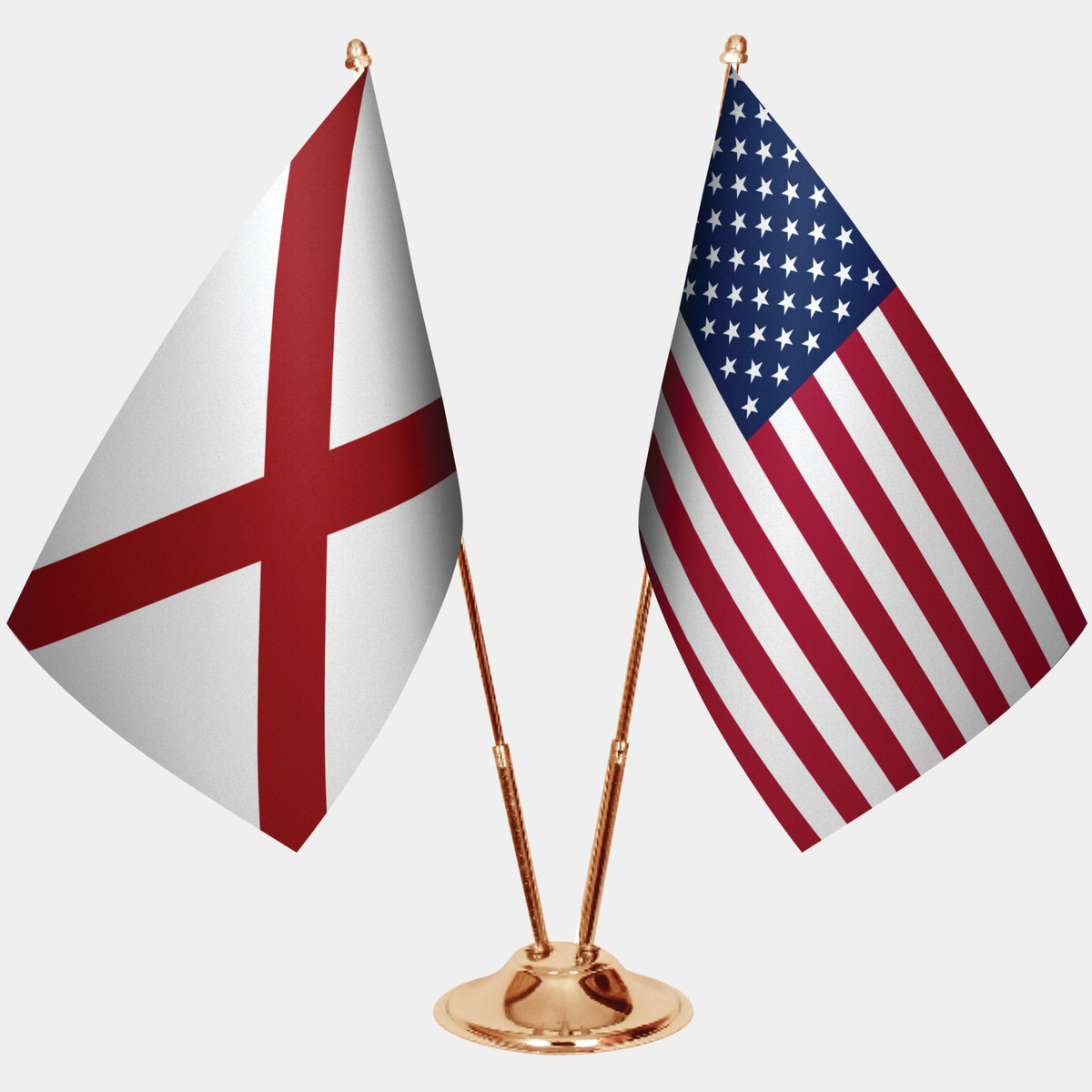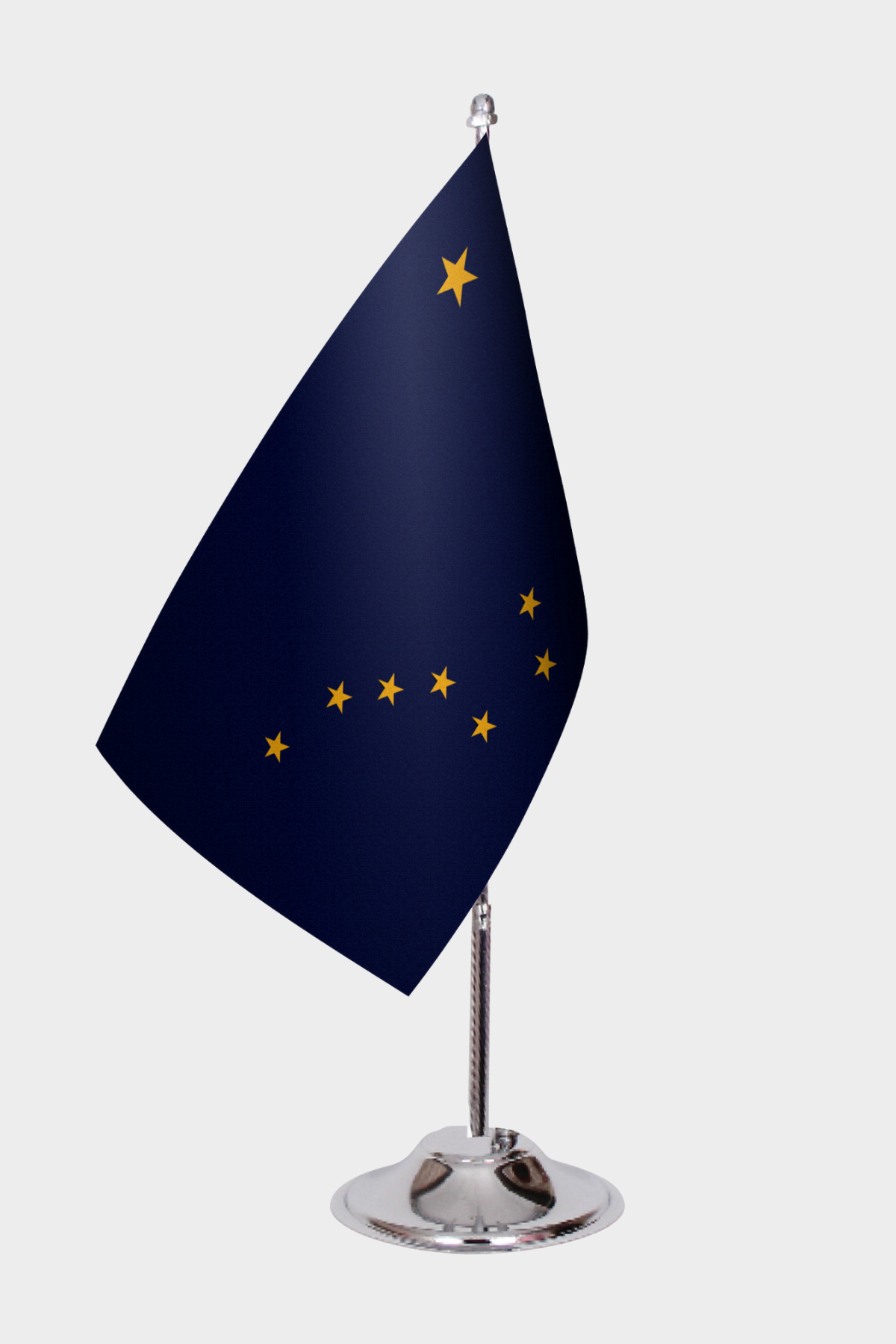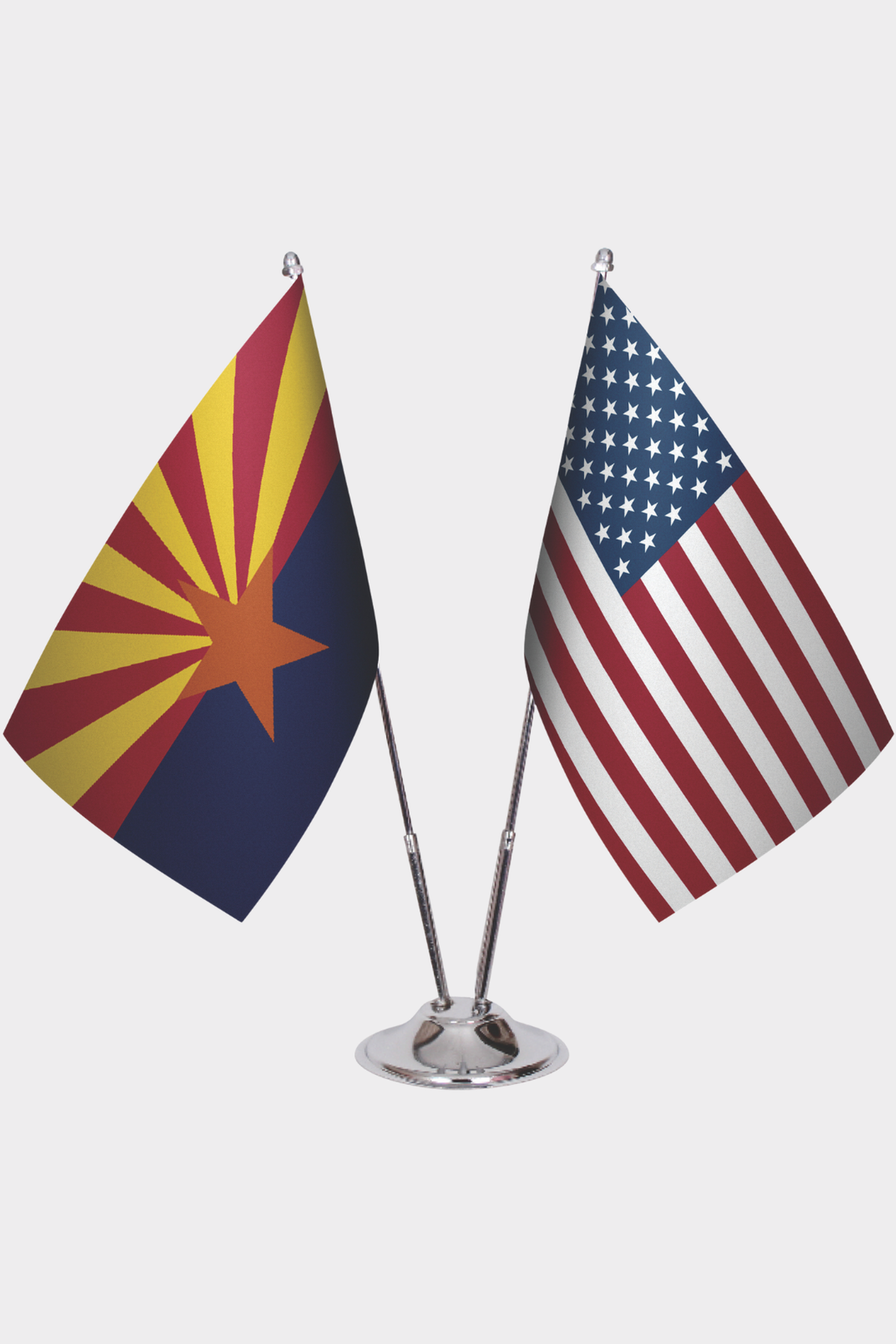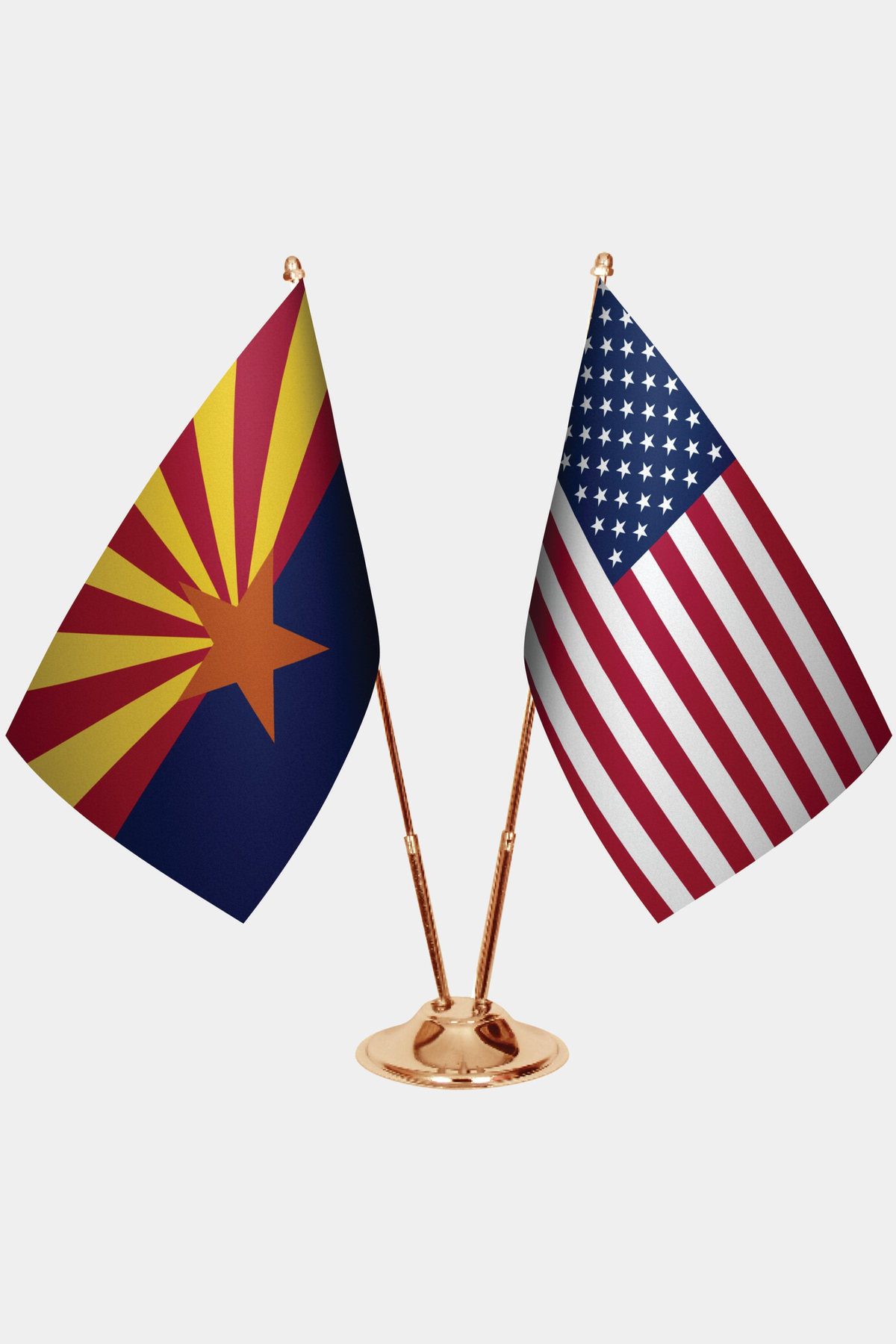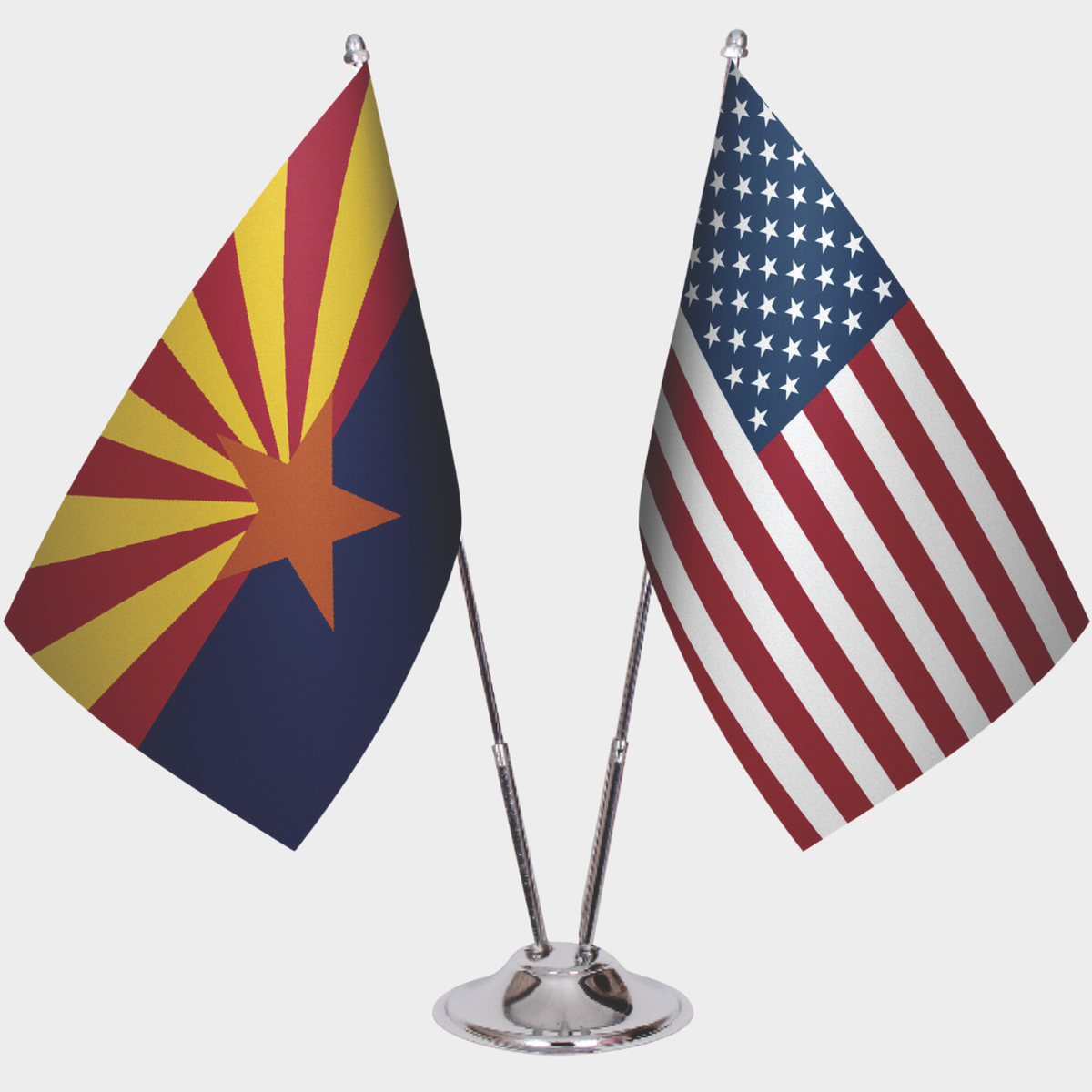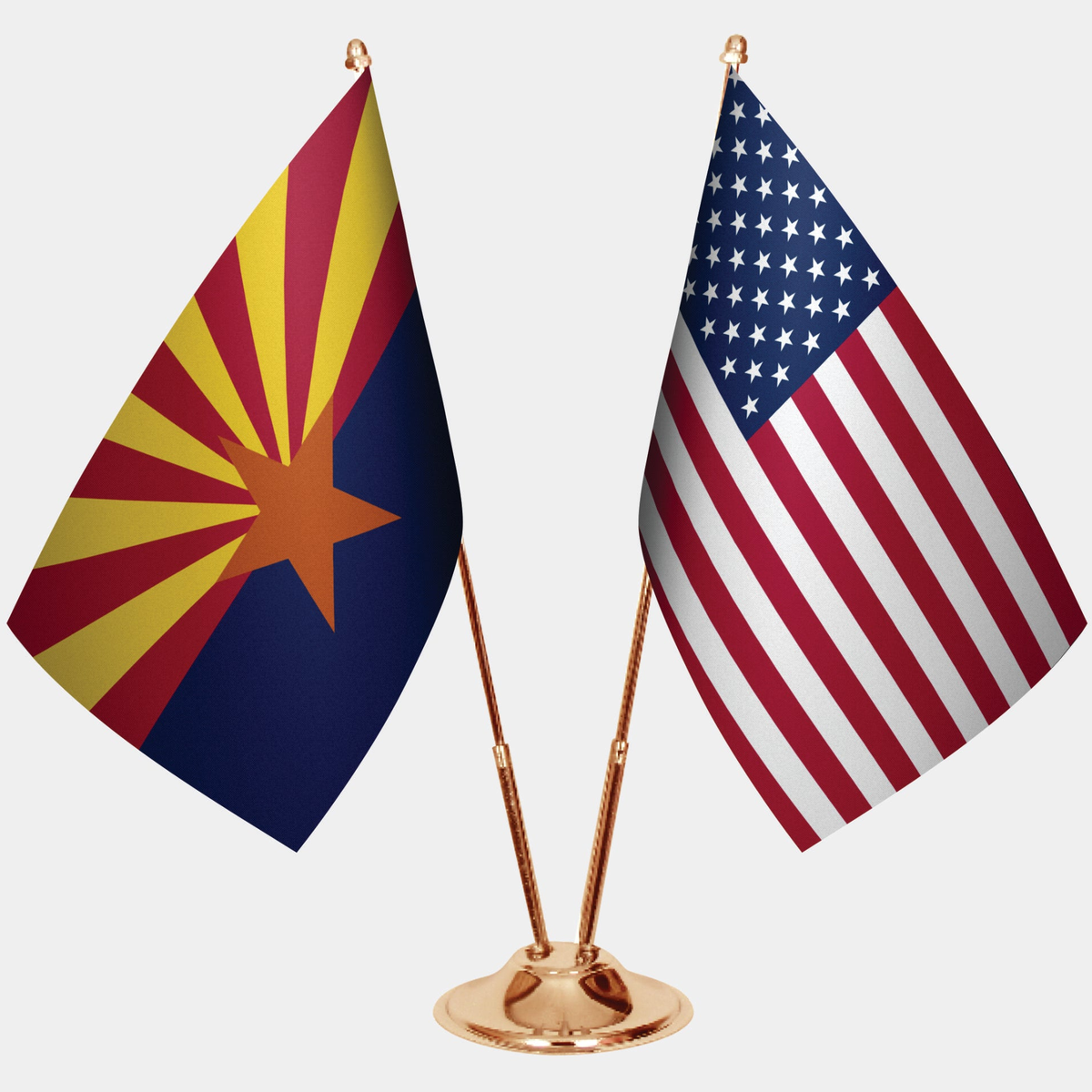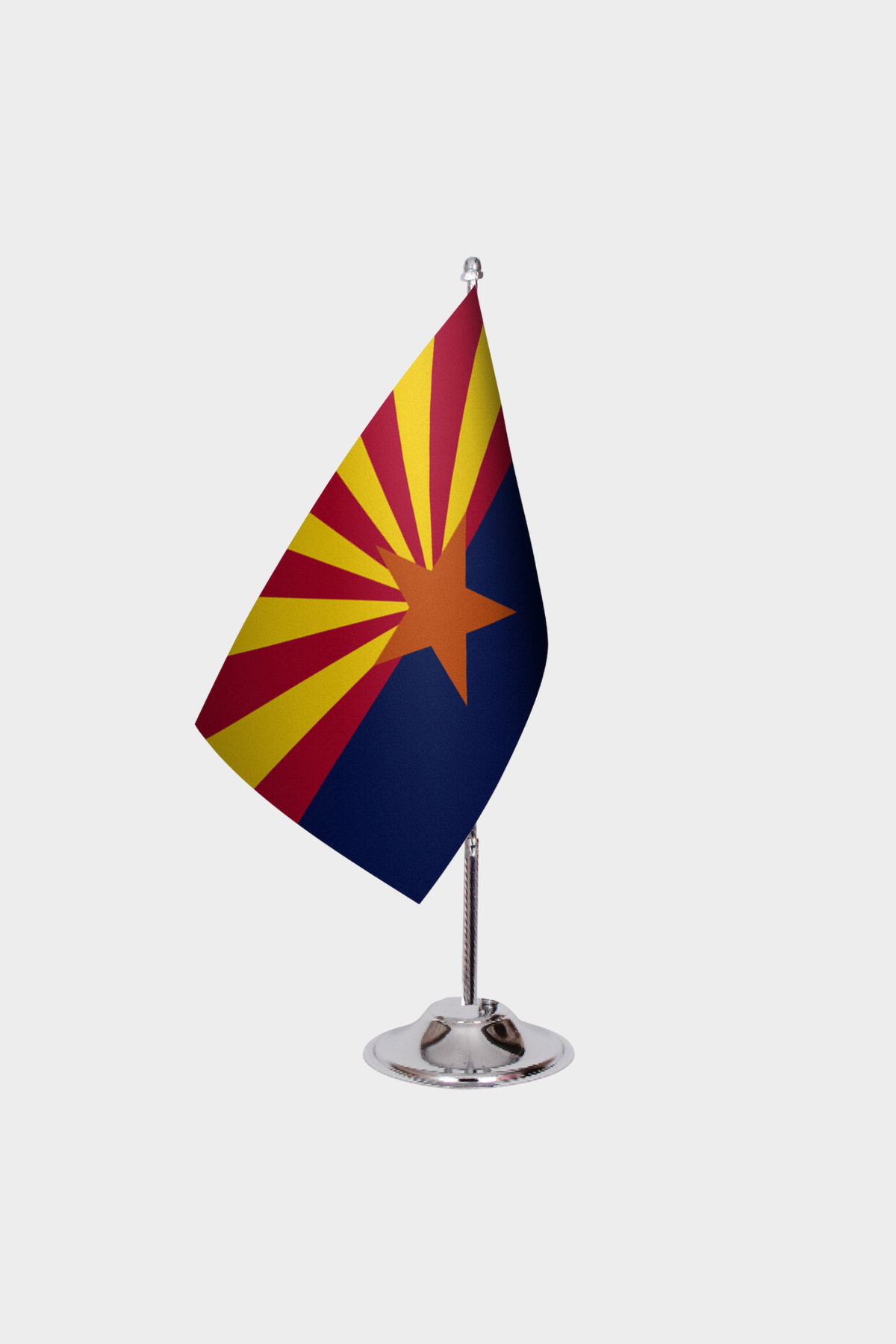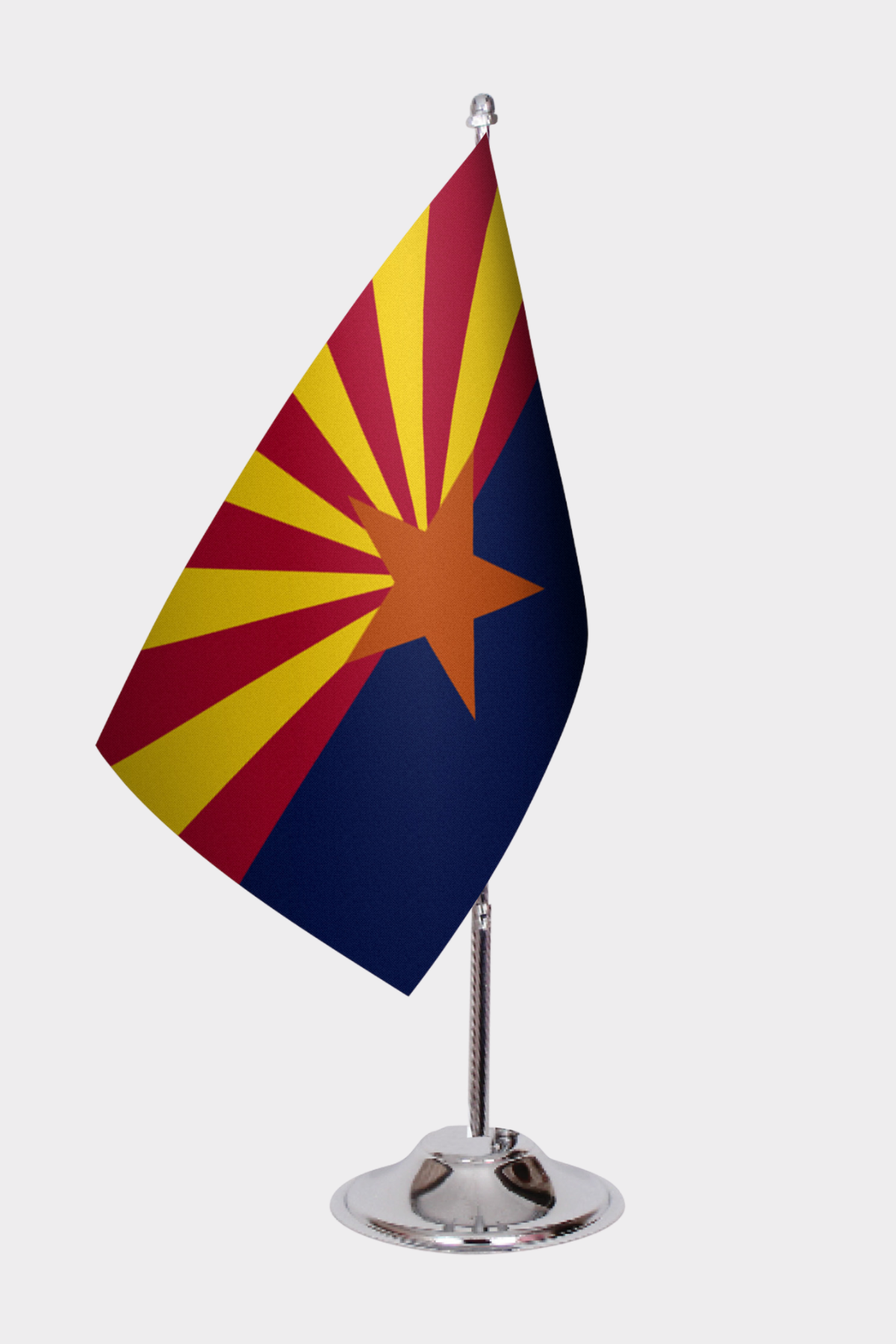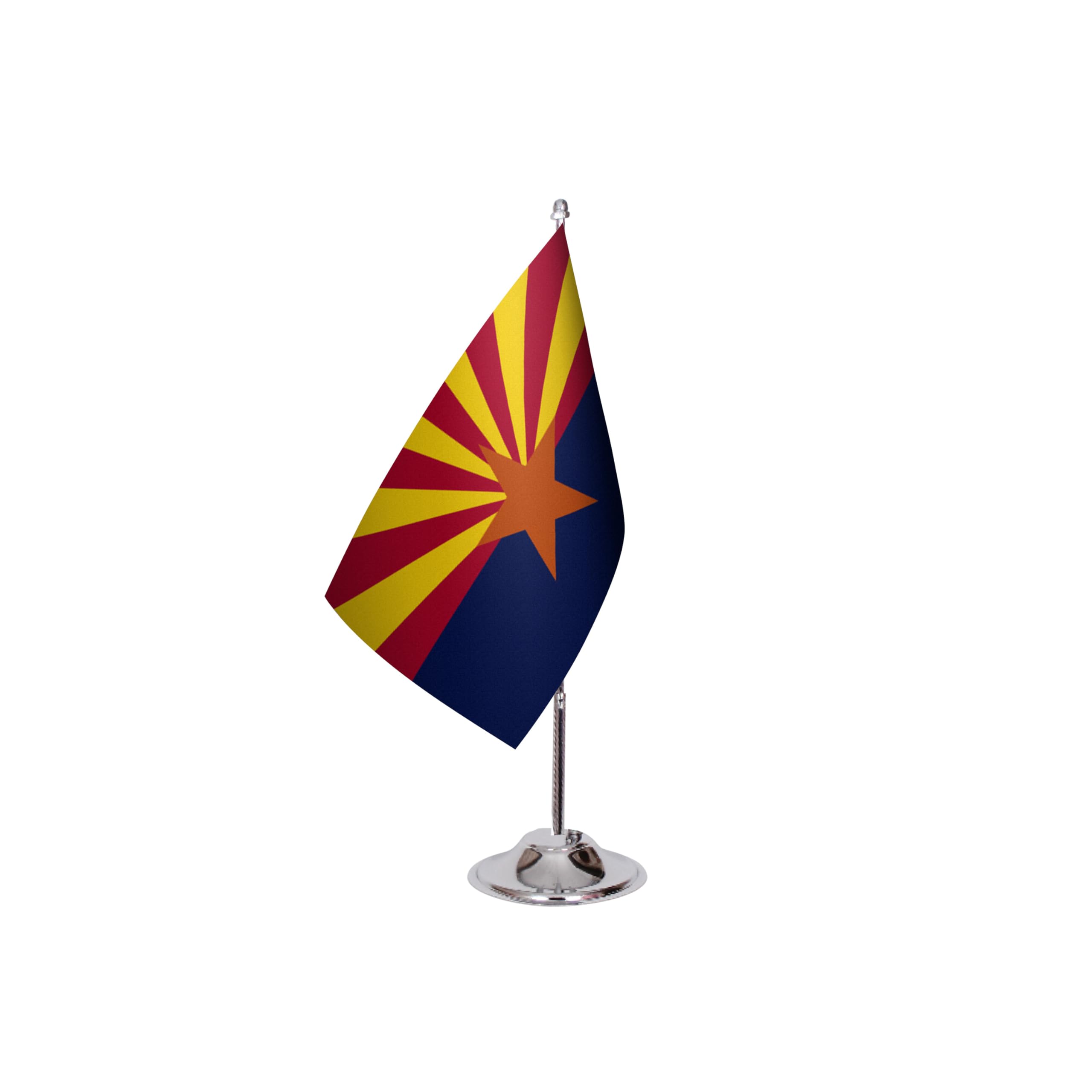

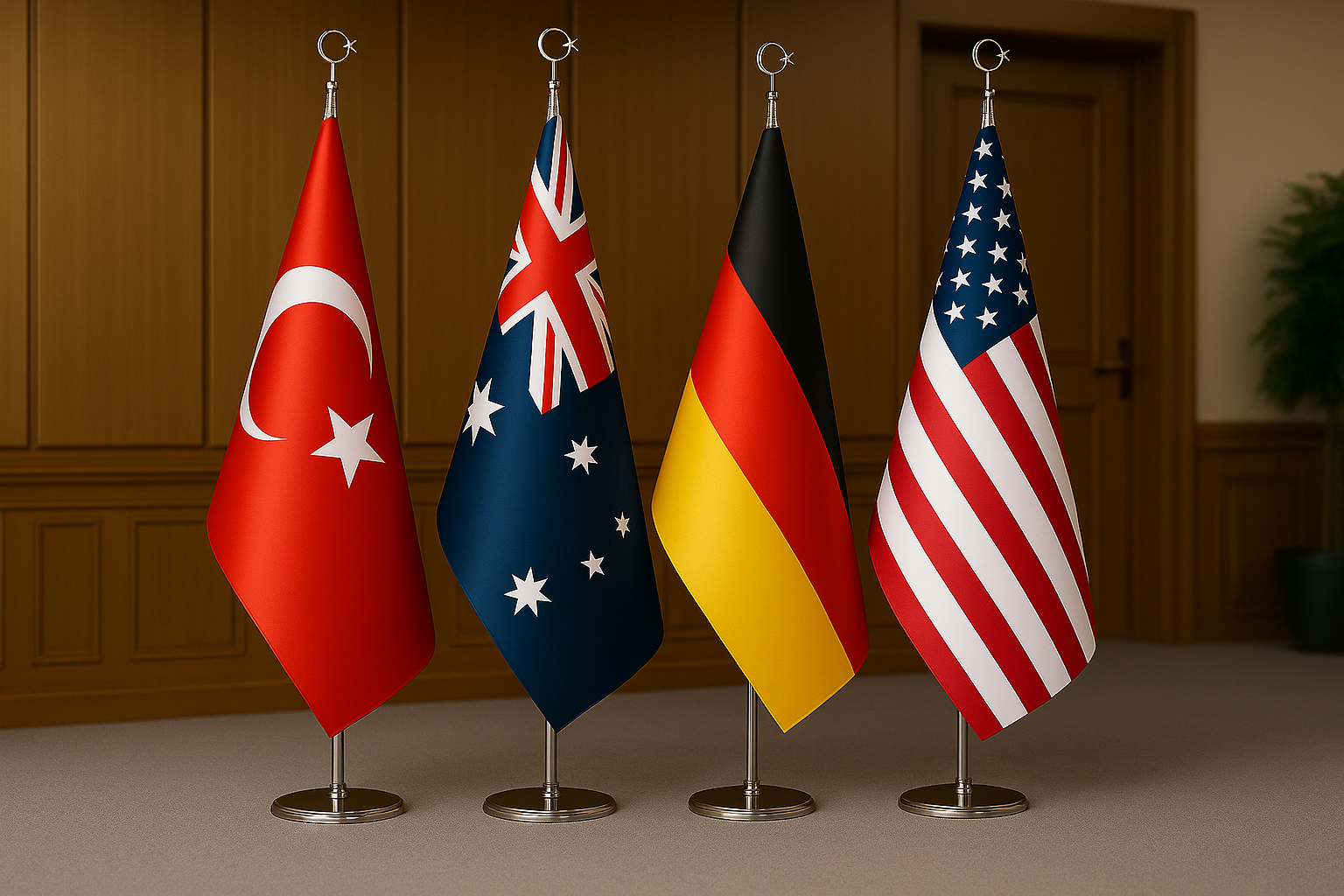



Choosing the right yard flags for home display comes down to three core decisions: size, material, and mount — and getting all three right means your flag looks great, lasts through the seasons, and stays compliant with HOA guidelines. Whether you're flying a classic Stars and Stripes, celebrating a holiday, or adding seasonal yard flag decor to your front lawn, this guide walks you through every residential flag choice with practical measurements, material comparisons, and mount recommendations used by homeowners and HOA landscape committees across the United States.
Understanding Residential Flag Sizes: What Fits Your Yard?
For most residential lawns, a 3x5 ft (91 x 152 cm) flag on a 6 ft (1.8 m) to 8 ft (2.4 m) pole is the standard choice — it's large enough to be visible from the street yet scaled to a typical suburban setback. The residential flag size guide logic is straightforward: your flag's fly length (the long edge) should be roughly one-quarter the height of your flagpole, and your pole height should not exceed the roofline of your home in most HOA codes. For smaller garden beds or decorative corners, a 2x3 ft (61 x 91 cm) flag on a 4 ft (1.2 m) stake-style pole creates a tidy lawn flag display residential effect without overpowering the landscaping. Larger lots — half an acre or more — can accommodate a 4x6 ft (122 x 183 cm) flag on a 20 ft (6 m) in-ground pole without looking disproportionate. Always check your municipality's zoning ordinance; many cities cap residential flagpole height at 20–25 ft (6–7.6 m) under local sign codes, separate from the federal protections of the Freedom to Display the American Flag Act of 2005.
HOA-specific rules add another layer. Under 4 USC § 6, the U.S. flag should be displayed in a manner consistent with dignity and respect, which HOA boards often interpret as a minimum 3x5 ft size for flagpoles taller than 15 ft (4.6 m). Many communities also restrict the number of flags flown simultaneously — typically one national flag and one decorative or seasonal flag per property. When planning a seasonal yard flag pole kit installation, confirm whether your HOA requires a permanent in-ground mount or allows removable ground-sleeve systems, since the latter can be pulled out and stored over winter without damaging turf.
Nylon vs. Polyester Yard Flag: Which Material Actually Lasts Outdoors?
 When comparing nylon vs polyester yard flag performance, nylon wins in low-to-moderate wind regions for its lighter weight and vivid color retention, while heavyweight polyester holds up better in coastal or high-wind environments above 20 mph (32 km/h) sustained. Nylon flags, typically woven at 200 denier, are 80% UV resistant when treated with SolarMax or equivalent UV-inhibiting dyes, giving them a lifespan of 6 months to 2 years under continuous outdoor exposure depending on sunlight hours and regional weather. Polyester flags — usually 150 to 200 denier — are stiffer, dry faster after rain, and handle abrasion from tree branches or rooftop edges better than nylon, making them the best flag material for outdoor residential properties in the Pacific Northwest, Great Lakes, or Gulf Coast zones. A third option, canvas-weight nylon (often called "all-weather" or "endura-nylon"), bridges the gap: it flies in light winds like standard nylon but resists fraying at the fly end up to 40% longer in independent abrasion tests. For year-round lawn flag display residential use, most flag professionals recommend nylon for inland ZIP codes below USDA Hardiness Zone 7, and polyester or canvas-nylon for coastal and northern exposure sites. You can explore the full range of outdoor flag materials in the Asya Bayrak Flags Collection, which includes options sized for every residential pole configuration.
Cotton and canvas flags, while traditional and visually rich, are generally not recommended for permanent outdoor residential display. They absorb moisture readily, which accelerates mildew, and their dyes fade within 3 to 6 months in direct sun. If you value a heritage aesthetic, reserve cotton flags for covered porch mounting where rain and UV exposure are minimized. For decorative outdoor flags for home use — the garden-stake type planted in flower beds — a lightweight polyester or spun polyester blend is ideal because it doesn't tangle around the stake in shifting winds the way heavier nylon can.
Choosing the Right Pole: Small Yard Flag Pole Options Explained
The right pole for a residential lawn flag depends on four variables: installation type, pole material, height, and the number of flags you want to fly simultaneously. For typical front-yard display, a sectional aluminum pole in the 20 ft (6 m) range with a ground sleeve is the most practical outdoor flag for yard pole solution — aluminum won't rust, weighs roughly 8–12 lbs (3.6–5.4 kg) assembled, and withstands winds up to 60 mph (97 km/h) without hardware fatigue. For smaller properties, a small yard flag pole in the 5–8 ft (1.5–2.4 m) range — either a direct-drive ground stake or a screw-base garden post — handles decorative 12x18 in (30 x 45 cm) to 2x3 ft (61 x 91 cm) seasonal flags beautifully without requiring professional installation. Fiberglass poles are a strong alternative in lightning-prone regions or near power lines because they are non-conductive, though they cost 20–35% more than comparable aluminum poles and are slightly heavier.
For homes with limited green space — townhouses, condos with small patios, or corner lots where in-ground installation isn't feasible — a wall-mounted bracket pole between 5 and 6 ft (1.5–1.8 m) is both code-friendly and HOA-approved in most communities. Bracket angles of 45° are the most common, holding the fly end of a 3x5 ft (91 x 152 cm) flag away from the siding. You can browse mounting hardware and complete pole kits in the Flagpoles and Accessories collection to find the right fit for your wall type, whether brick, vinyl, or wood siding.
Seasonal Yard Flag Pole Kits: Planning for Year-Round Display
 A well-designed seasonal yard flag pole kit gives homeowners the flexibility to swap decorative flags for every occasion — from Memorial Day to Halloween — without re-installing hardware each time. The standard kit includes a two- or three-section sectional pole (total height 6–8 ft / 1.8–2.4 m), a powder-coated ground sleeve, a spinning anti-wrap mechanism, and a set of hardware clips that accommodate standard garden flag sizes (12x18 in / 30 x 45 cm and 18x24 in / 45 x 61 cm). Anti-wrap spinners are especially important for decorative outdoor flags for home use because seasonal flags tend to be printed on lighter polyester and will twist around the pole within hours in any crosswind above 10 mph (16 km/h), causing uneven fading and stress tears at the sleeve seam. Kits rated for all-season use typically feature stainless steel hardware to resist salt corrosion, a critical spec for coastal properties in Florida, the Carolinas, or the Pacific Coast. The Poles and Holders collection includes both stake-style kits and heavy-duty ground-sleeve systems, covering everything from apartment balcony rail mounts to full front-yard installations.
From a scheduling perspective, most HOA landscape guidelines recommend retiring worn flags after visible fraying exceeds 1 in (2.5 cm) at the fly end or when color fading reaches 30% saturation loss — a threshold easily visible in side-by-side comparison with a new flag. Under US Flag Code 4 USC § 8(k), a worn American flag should be retired with dignity (typically through a certified VFW or American Legion retirement ceremony), a standard that applies regardless of whether the flag is displayed on a large in-ground pole or a small yard flag pole beside the garden bed. Seasonal decorative flags do not carry the same legal retirement requirements, though folding and storing them in a UV-resistant bag between seasons will double their effective lifespan from approximately 6 months of continuous outdoor use to 2 or more years of seasonal rotation.
HOA Compliance and Setback Rules for Residential Flag Display
Federal law protects your right to fly the U.S. flag, but HOA boards retain authority over decorative and seasonal flags under most CC&R documents. Under the Freedom to Display the American Flag Act of 2005 (Public Law 109-243), an HOA cannot prohibit the display of the U.S. flag, but it can regulate the manner of display — meaning pole height, bracket angle, and the condition of the flag are all enforceable. For homeowners in states with additional flag protection statutes (Texas, Florida, and Arizona among the strongest), even secondary decorative flags may receive partial protection if attached to the same flagpole as the national flag. A practical rule for HOA properties: keep flag poles at or under 15 ft (4.6 m) to avoid triggering permit requirements in most jurisdictions, use a swivel mount to prevent flag contact with the pole, and ensure the U.S. flag is always flown at the peak when multiple flags are displayed on the same pole — per 4 USC § 7(e).
Setback requirements vary by municipality but commonly require flagpoles to be placed at least 5–10 ft (1.5–3 m) from property lines and utility easements. Before installing any permanent in-ground pole, call 811 (the national "Call Before You Dig" number in the US) to identify underground utility lines. Temporary stake-style poles for seasonal yard flag display typically do not require permits in residential zones, but always confirm with your local planning department — especially for flagpoles over 10 ft (3 m) in height.
How to Install and Maintain Your Residential Lawn Flag Setup
Proper installation starts with a level ground sleeve set in a concrete footing of at least 12 in (30 cm) depth for poles up to 20 ft (6 m). For sectional aluminum poles, torque each section to the manufacturer's specification — typically hand-tight plus a quarter turn — to prevent loosening from wind vibration. The halyard (the rope used to raise and lower the flag) should be a braided polyester or polypropylene rope rated for at least twice the weight of the largest flag you plan to fly; for a 3x5 ft (91 x 152 cm) nylon flag, a 3/16 in (4.8 mm) braid is adequate, while a 4x6 ft (122 x 183 cm) flag on a 20 ft (6 m) pole benefits from a 1/4 in (6.4 mm) braid. Snap hooks — the clips that attach the flag to the halyard — should be marine-grade stainless steel to prevent the zinc corrosion that causes bronze-finish hooks to seize within one season of rain exposure. You can find complete base and stand hardware for indoor and outdoor residential setups in the Bases and Stands collection.
Maintenance is simple but consistent: rinse nylon and polyester flags monthly with cold water to remove road salt and pollen, machine wash on a delicate cycle every 3–4 months (cold water, mild detergent, air dry only), and inspect the grommets for cracking after each washing. A cracked grommet will cause metal-on-fabric abrasion that shreds the header within weeks. Replacement grommets cost under $2 each and can be installed with a basic grommet tool from any hardware store, extending the flag's service life by 50% or more relative to leaving a cracked grommet in place.
Flagpoles and Accessories
Everything you need to mount, raise, and maintain a residential flag display — from sectional aluminum poles to anti-wrap spinners and marine-grade hardware.
Browse Collection →Frequently Asked Questions
What is the best flag size for a standard residential yard? +
Is nylon or polyester better for an outdoor yard flag? +
Can my HOA prohibit me from flying the American flag in my yard? +
How tall should a residential flagpole be for a 3x5 flag? +
What is a seasonal yard flag pole kit and what does it include? +
How do I care for and wash an outdoor nylon or polyester yard flag? +
Can I install a flag pole in my yard without a permit? +
Ready to complete your residential flag display from the ground up? Start with the USA Outdoor Flag — available in premium nylon and polyester, sized from 2x3 ft to 4x6 ft for every residential pole configuration. Pair it with the right hardware from the Flagpoles and Accessories collection, or explore the full range of decorative and seasonal options in the Asya Bayrak Flags Collection. Bulk pricing is available for corporate orders, HOA community purchases, neighborhood associations, and property management companies — contact our team directly to discuss volume pricing on residential flag kits, pole hardware, and custom seasonal flag programs for your community.