
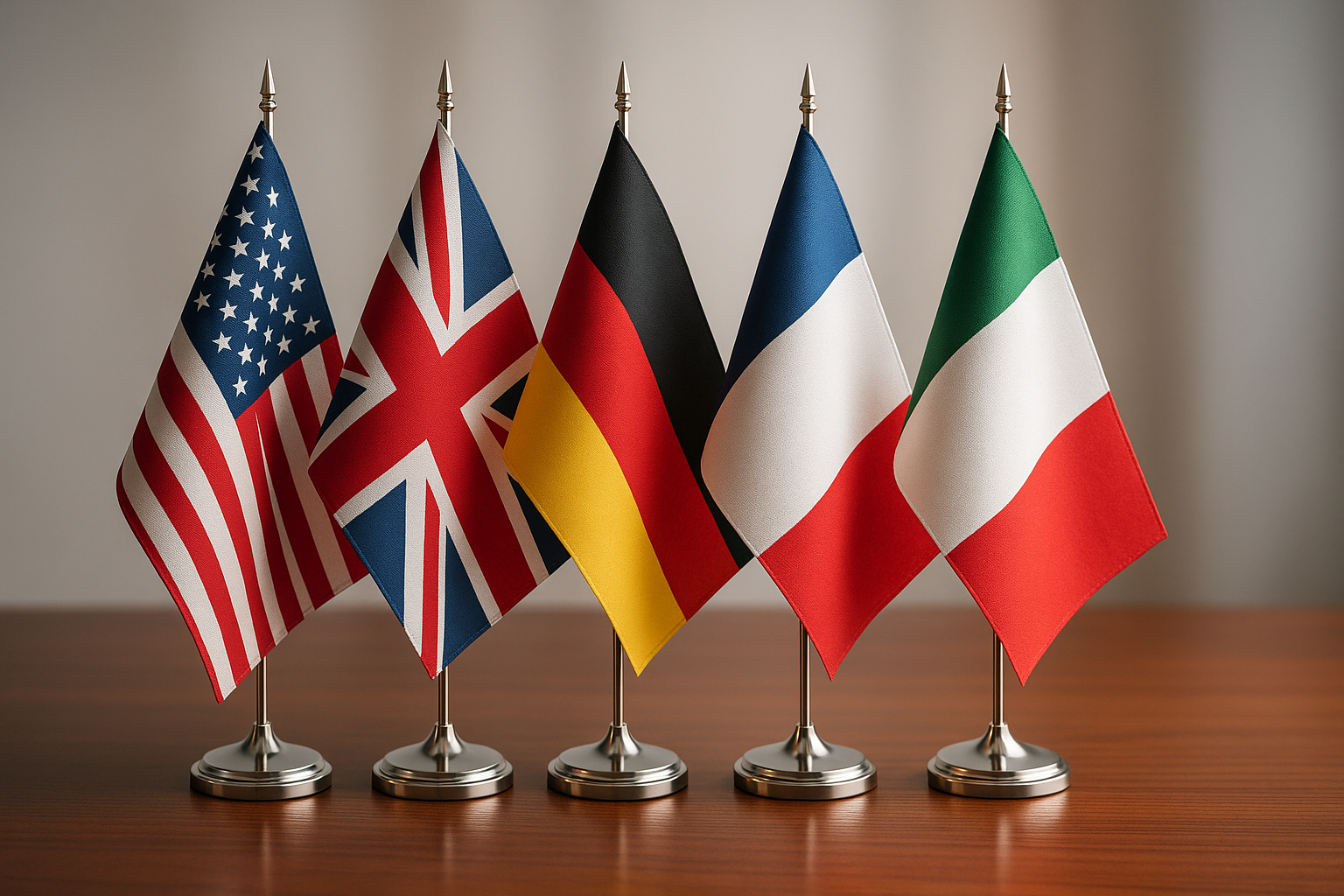



The standard size for a logo desk flag used on reception desks and trade booth tables is 15 × 22.5 cm (approximately 6 × 9 in), mounted on a 33 cm (13 in) pole — compact enough to fit beside a laptop or brochure stand without crowding the surface, yet large enough for a logo to read clearly from across a counter. If you are sourcing custom company flags for professional settings, the Logo Printed Desk Flags collection covers the main base styles and quantities most corporate buyers need.
What the standard 15 × 22.5 cm size means in practice
A 15 × 22.5 cm flag panel (roughly 6 × 9 in) is the near-universal desk flag standard because it delivers a 2:3 aspect ratio — the same proportion used for most national flags — which means your logo sits in a familiar, balanced frame. At arm's length across a reception counter (typically 90–120 cm / 35–47 in of viewing distance), a well-printed logo at this size is legible without the flag dominating the desk surface. The 33 cm pole height keeps the visual center of the flag at roughly eye level when a visitor is standing and looking down at a seated receptionist, which is exactly the moment brand recognition matters. Compared with "mini" desk flags that run 10 × 15 cm, the 15 × 22.5 cm panel gives you roughly 2.25× more print area — a meaningful difference when your logo contains fine lettering or detailed icon work.
 The Logo Printed L-Shaped Desk Flag uses the same 15 × 22.5 cm glossy satin panel and 33 cm pole as the straight-pole variants, but mounts into a flat weighted metal disc base rather than the conical weighted metal base. This low-profile footprint works especially well on narrow surfaces — think a trade booth table with product samples already laid out, or a reception ledge where a conical base would feel visually heavy. Because the base sits flush and wide rather than tall and tapered, the flag's center of gravity is lower, making it more resistant to being knocked over when visitors lean across a counter. Sublimation printing bonds the ink directly into the satin fabric, so the colors remain vivid under both warm reception lighting and the harsher fluorescent or LED lighting typical of convention halls. For environments where you want the base to disappear visually beneath the flag, the flat disc profile is usually the better choice. Minimum order is 5 units for all custom logo products.
How to choose between single-pole, double-pole, and L-shaped bases for your space
Choose the base style based on three factors: available surface depth, the visual statement you want to make, and whether the flag will be viewed from one side or two. The single-pole conical base is the most compact option and works for a single-sided display such as a receptionist's desk where visitors approach from the front. The double-pole base presents two flags simultaneously, which is ideal when you want redundancy — both sides readable — or when you are co-branding with a partner company at a trade event. The flat disc L-shaped base is the lowest-profile mount and suits narrow ledges or heavily loaded trade tables.
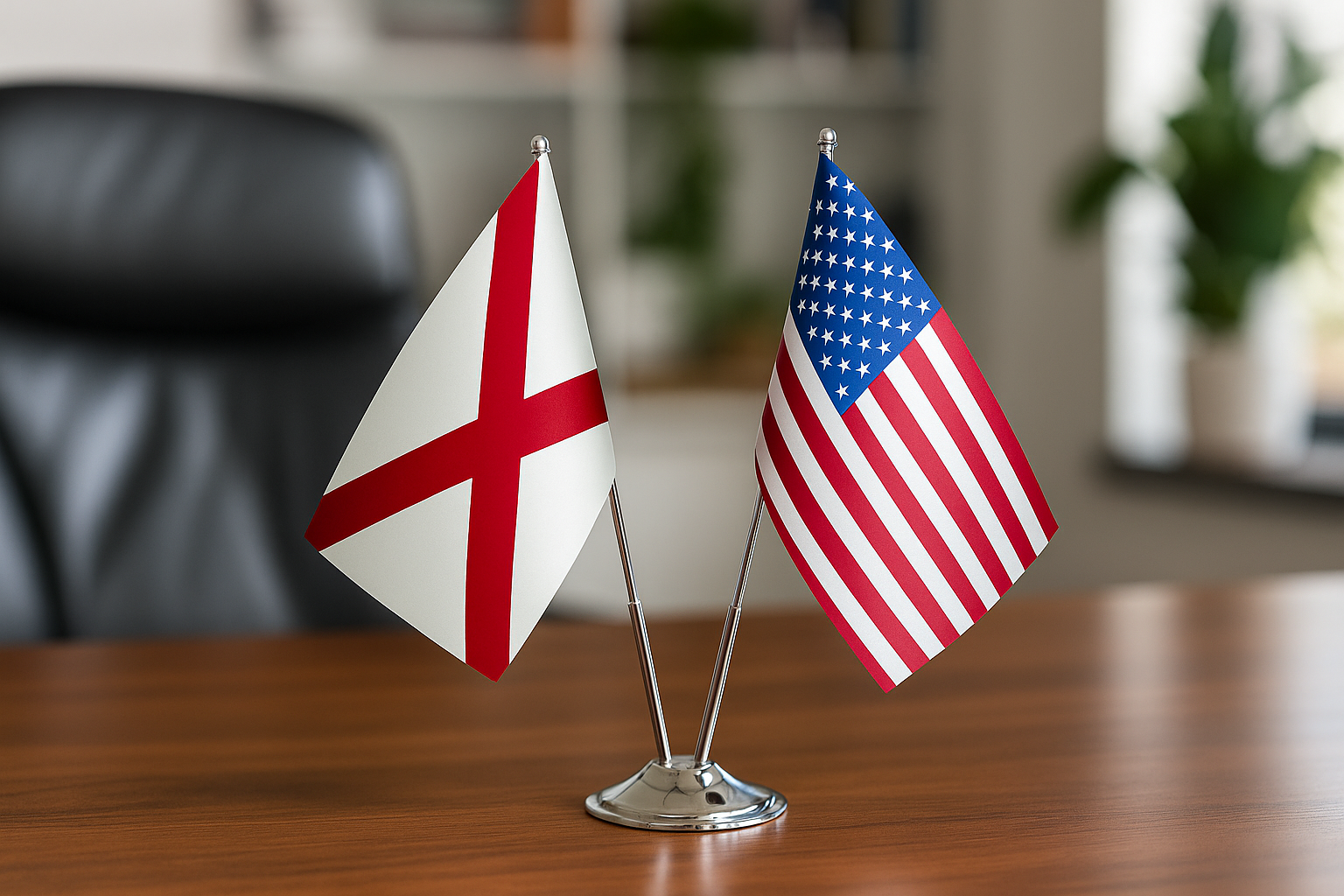
 The Logo Printed Double Desk Flag carries two 15 × 22.5 cm satin panels on two 33 cm poles, both set into the same 7.8 cm conical weighted metal base — meaning the entire assembly occupies roughly the same footprint as a single-flag version while delivering twice the brand surface area. At a trade booth, this matters when visitors can approach from multiple angles; having both flags visible ensures your company flag reads from the left side of the table just as clearly as from the right. The conical base's weight distribution keeps the twin-pole assembly stable even when a visitor inadvertently brushes the table. Like all custom logo products in this range, sublimation printing is used to fuse the ink into the glossy satin, which means there is no surface layer to peel or crack under repeated handling. For corporate clients ordering for multiple booths or branch offices, note that the 5-unit minimum applies per SKU, so ordering the double flag in sets of 5 still qualifies. If you are comparing this to a freestanding display solution for larger trade events, the article on retractable banner stands vs. X-frames for trade shows explains when a desk flag is the right scale and when a floor-standing format is more appropriate.
The relationship between pole height and flag panel size
For desk flags, the standard ratio is approximately 1.47:1 — pole height to flag panel height — meaning a 33 cm pole paired with a 22.5 cm panel. This ratio keeps the flag's visual midpoint at roughly 44–46 cm above the desk surface, which sits in the natural sightline of a standing visitor looking toward a seated person. Going taller (say, a 45 cm pole) without increasing the panel size makes the flag look top-heavy and reduces its perceived professionalism; going shorter makes it disappear behind desk accessories. The 33 cm pole used across all three products in this range hits the established standard for corporate desk environments and matches expectations set by diplomatic and governmental desk flag protocols worldwide.
Indoor reception desks vs. trade booth tables — where sizing decisions actually differ
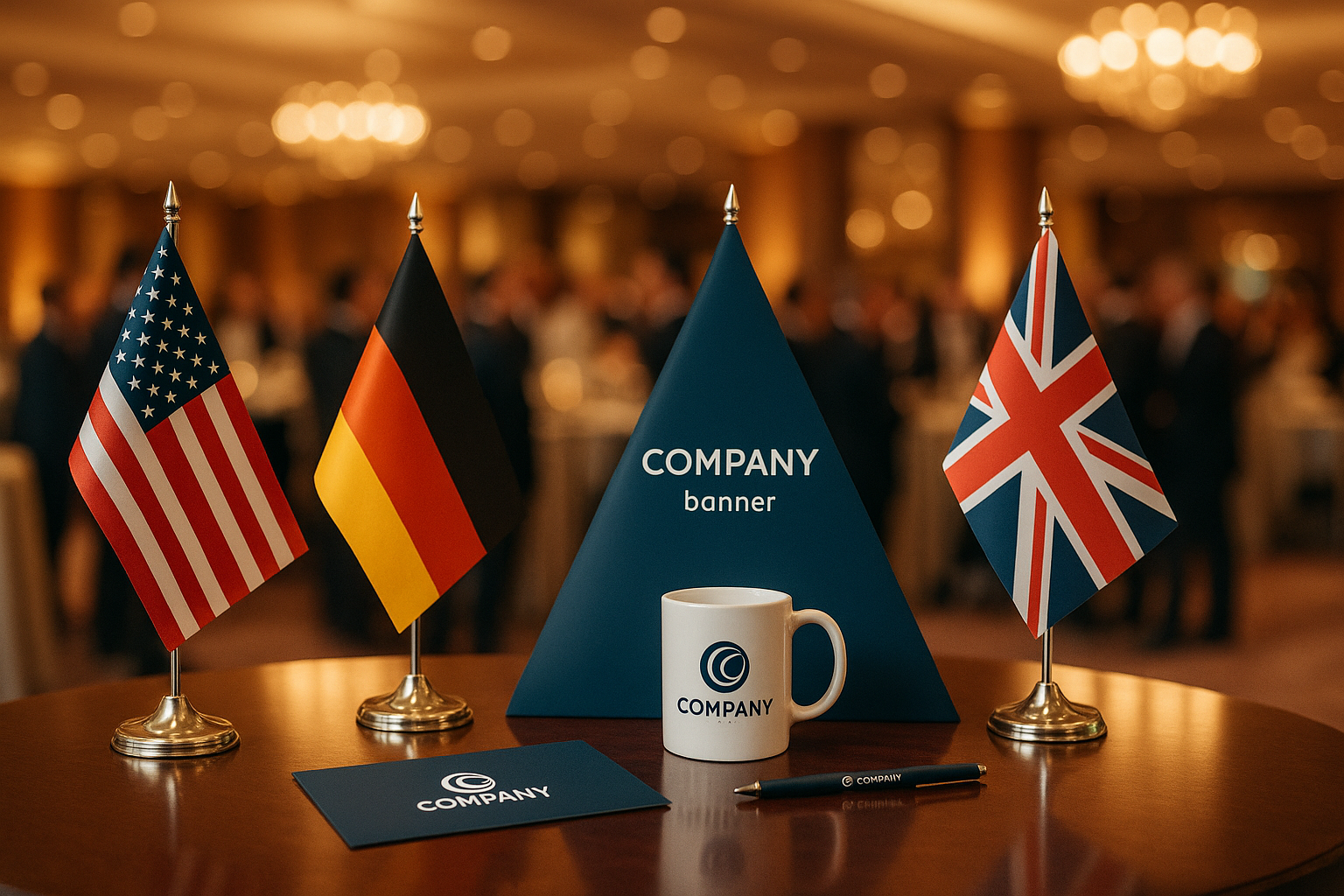
The flag size itself does not change between these two environments, but the number of flags and the base style usually do. For a permanent reception desk, a single-pole or L-shaped flag placed at one end of the counter is the norm — it stays in place, faces one direction, and anchors the brand visually without cluttering the work surface. For a trade booth table, which is typically 183 × 76 cm (6 ft × 30 in) and shared with brochures, product samples, and a laptop, two flags positioned at opposite ends of the table create a symmetrical brand frame that defines your space within a crowded hall. The double-pole base solves this with a single assembly, while two single-pole flags give you more placement flexibility. For a deeper look at how desk flags compare to tabletop flag formats in general, the Table Flags and Desk Flags Compared article covers the structural differences clearly.

Logo Printed Desk Flags
All three custom logo desk flag configurations — single-pole, double-pole, and L-shaped — in one place, with sublimation printing and a 5-unit minimum for corporate orders.
Browse Collection →Sizing mistakes that make a company flag look unprofessional on a desk
The most common mistake is ordering a flag that is too large for the surface — a 30 × 45 cm table flag placed on a standard 76 cm-deep reception counter will dominate the desk and obstruct sightlines between staff and visitors. The 15 × 22.5 cm desk flag size exists precisely because it fills a brand-visibility role without becoming an obstacle. A second frequent error is using a flag with insufficient pole weight: a lightweight base on a polished stone or glass counter will tip at the slightest touch, which looks careless in a client-facing setting — the 7.8 cm conical weighted metal base and the flat weighted metal disc base used across this range are engineered to prevent exactly that. Third, many buyers underestimate the impact of print resolution: sublimation into glossy satin requires artwork supplied at a minimum of 150 dpi at actual print size (15 × 22.5 cm); lower-resolution logos will show pixelation on the final flag, undermining the professional appearance the product is meant to create. Finally, ordering only one unit for a multi-location rollout violates the 5-unit minimum and delays the project — plan for a full site inventory from the start. For guidance on maintaining the flag's appearance over time, Making Your Desk Flag Last Longer covers handling and storage practices that keep sublimation prints sharp through years of use.
Can I put a full-color gradient logo on a desk flag, or will it look washed out? +
Is 5 units truly the minimum, or can I order just one sample first? +
What file format should I submit for my company logo? +
Will the double-pole flag show the logo on both sides, or only on one? +
How do I keep the flag from looking wrinkled after shipping? +
Can the same logo file be used for both a desk flag and a large banner at the same event? +
Which base style is more stable on a glass or polished stone reception counter? +
For any reception desk, executive meeting room, or trade booth table, the Logo Printed Single Desk Flag is the starting point for most corporate buyers — one flag, one brand statement, a footprint that fits beside anything on the counter. When your space allows for a stronger visual frame, the Logo Printed Double Desk Flag gives you two panels in a single base, and the Logo Printed L-Shaped Desk Flag handles narrow surfaces where a flat base profile matters. All three ship from the same 15 × 22.5 cm sublimation standard, so your artwork file works across the entire range without modification. Browse the full Desk Flags collection to compare base styles side by side. Bulk pricing is available for corporate orders covering multiple locations or event deployments — contact the team with your quantity and timeline for a tailored quote.


