
Nigeria flag prices depend on four key variables: material, size, printing method, and order quantity — and understanding each one helps you avoid overpaying or buying the wrong flag for your setting. Whether you need a durable country flag for outdoor display, a framed indoor presentation, or a small handheld version for events, the right specification makes all the difference in both cost and longevity.
What Actually Sets the Price of a Nigeria Flag
Four factors drive every Nigeria flag price: material, size, print method, and order quantity. Each one affects not just the upfront cost but how long the flag performs before it needs to be replaced. A flag that checks all four boxes for its intended use will almost always be the most cost-effective choice over time.
Material is the single largest cost driver. Knitted polyester — the standard for most outdoor flags — costs more to produce than woven nylon or economy-grade fabric, but it handles UV exposure, rain, and high winds far better. Print method is the second variable: dye sublimation (heat-transfer into the fiber) produces vivid, bleed-through color that survives washing and fading, while screen printing is cheaper but less durable in outdoor conditions. Size scales the cost linearly — more fabric, more ink, more finishing. Finally, quantity creates economies of scale; the per-unit cost drops sharply when you move from a single flag to a corporate or event order of 25, 50, or 100 pieces.
How Material Choice Changes What You Pay — and What You Get
The fabric a Nigeria flag is made from is the clearest predictor of both price and service life. Knitted outdoor polyester typically delivers 6 months to 2 years of outdoor lifespan depending on exposure, while heavier nylon and SolarMax fabrics can push beyond 2 years in mild climates. Indoor display fabrics — usually lighter polyester or poly-satin — cost less because they face no wind, rain, or UV load.
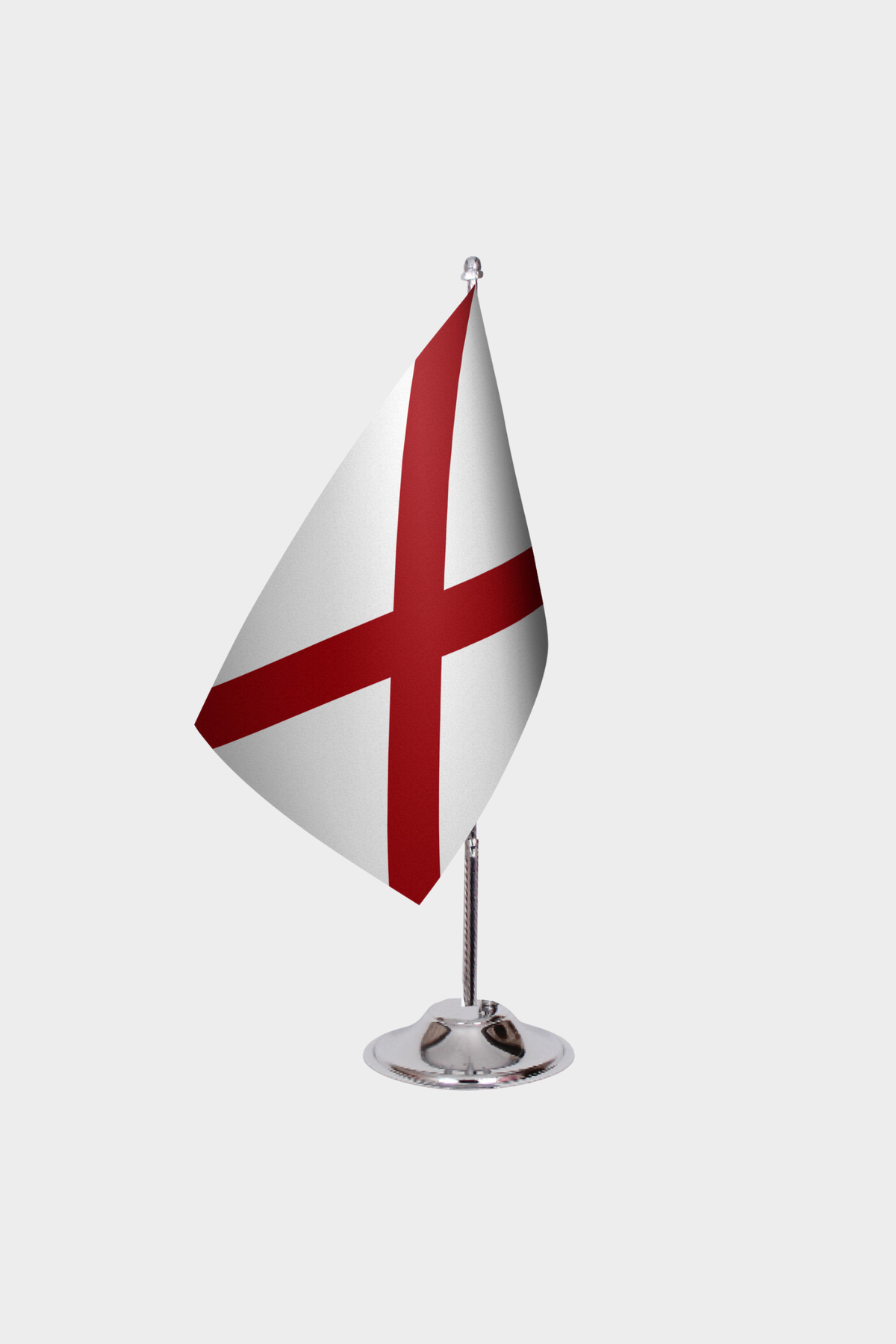
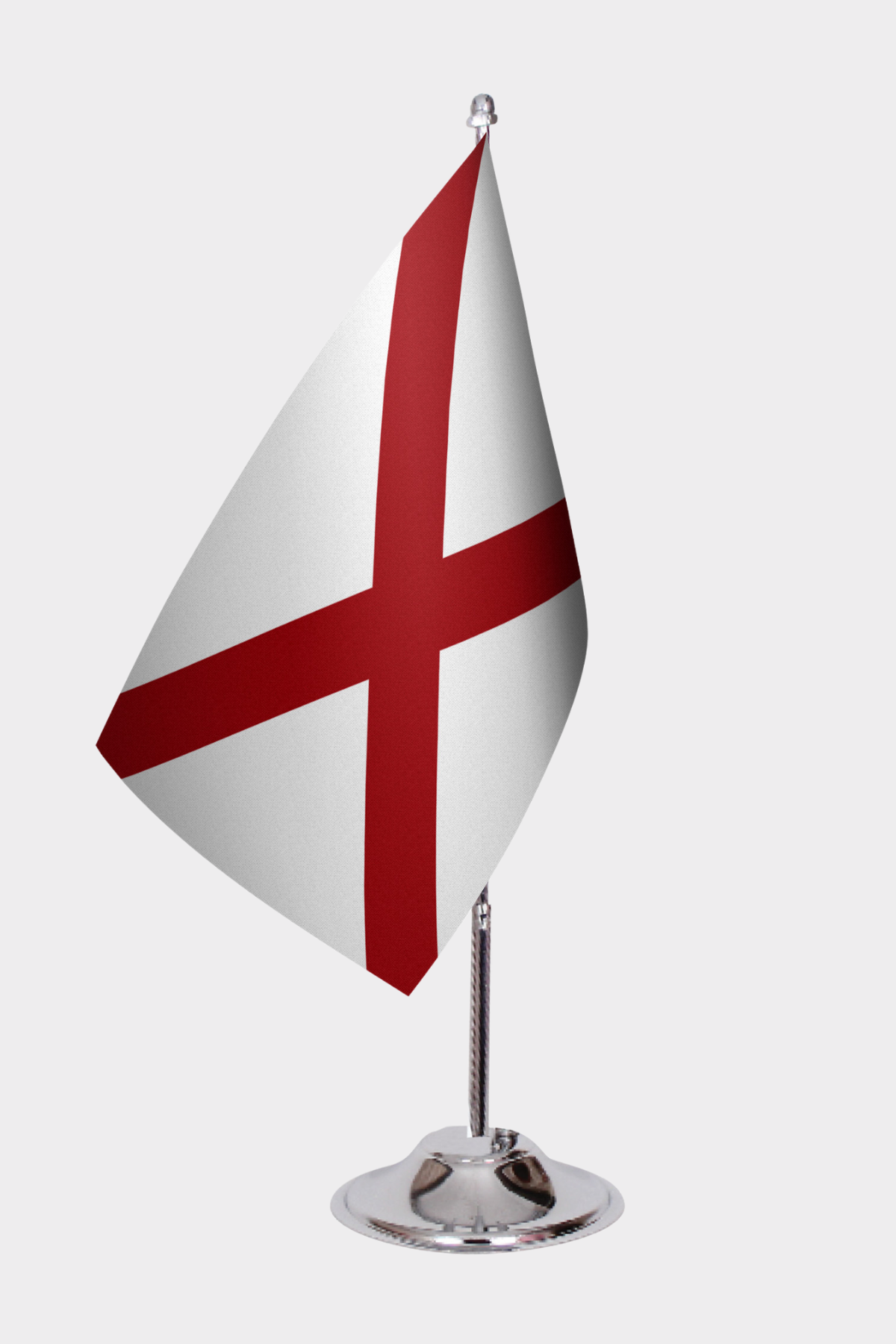
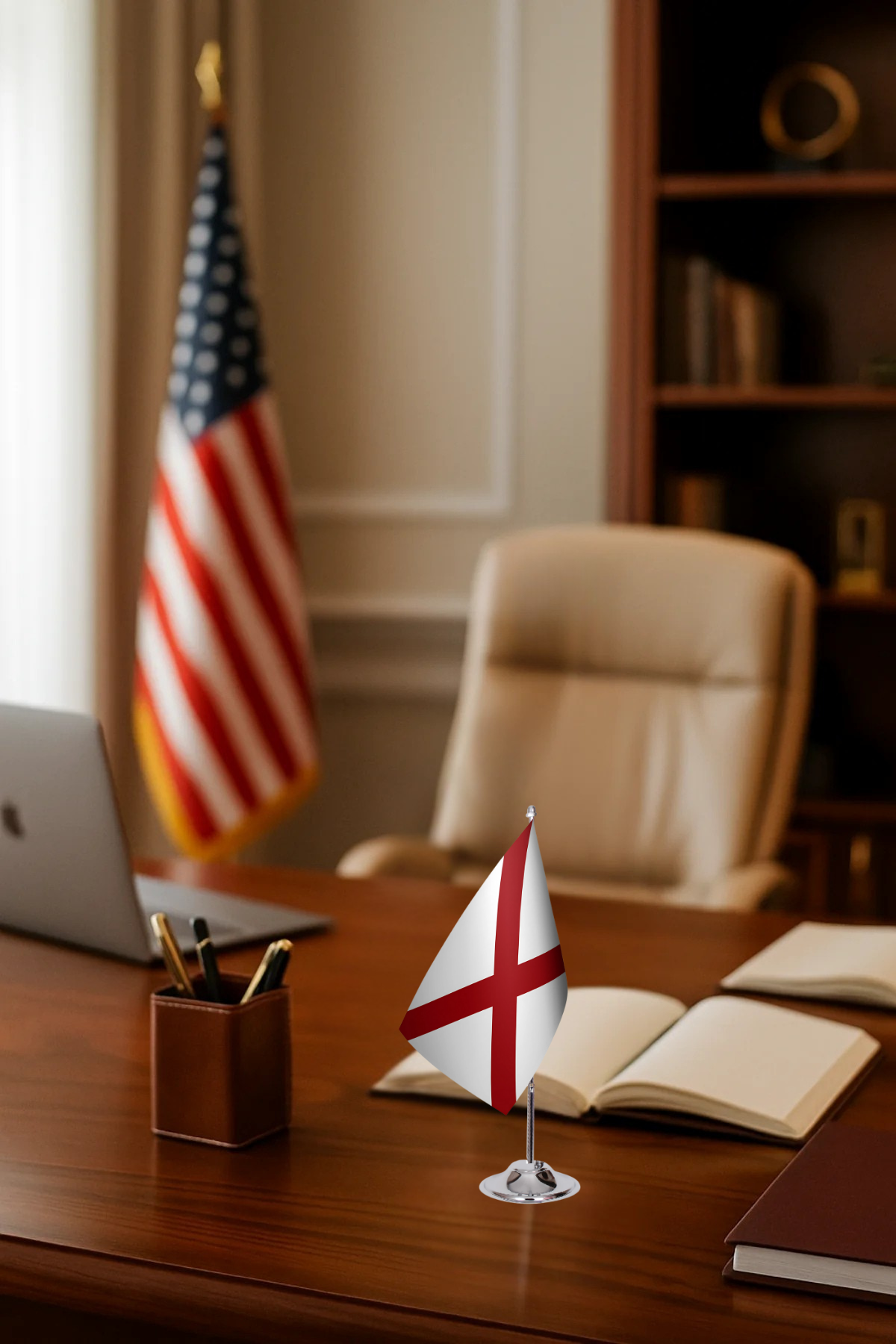
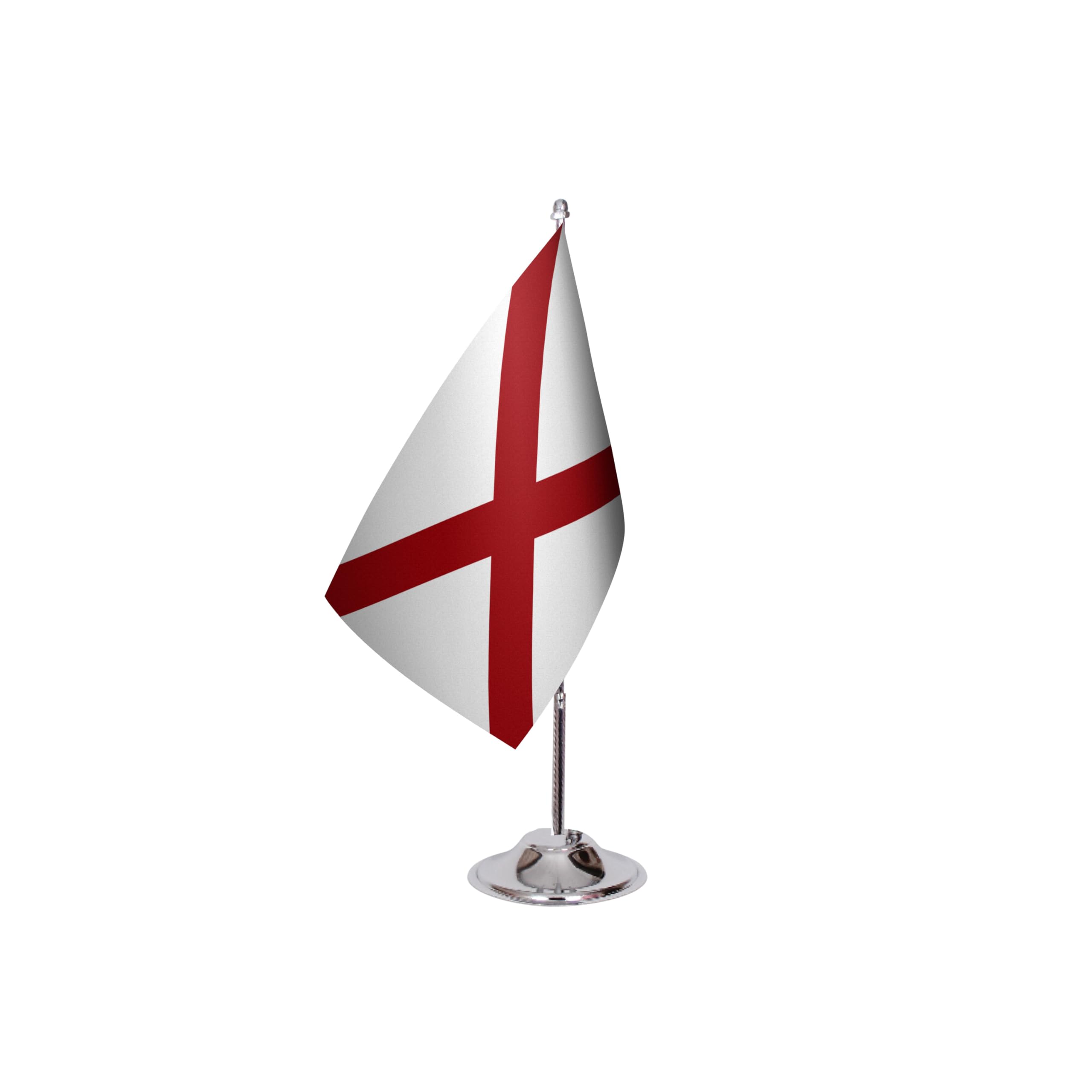
 For ceremonial and office environments, the Nigeria Official Indoor Flag uses a premium poly-satin weave that reproduces the green-white-green triband with sharp, color-accurate detail suitable for diplomatic display, boardrooms, and educational institutions. Indoor flags are typically finished with a pole sleeve or fringe trim, both of which add a small amount to the production cost but are standard for formal settings. Because indoor flags are never exposed to wind load, the fabric can be lighter — which is precisely why trying to use an indoor flag outdoors leads to rapid deterioration and early replacement costs. UV stability ratings on indoor fabric are generally much lower than outdoor-rated polyester, which is rated at 80% UV resistance or better. Matching the fabric grade to the environment is the single most reliable way to keep total cost of ownership low.
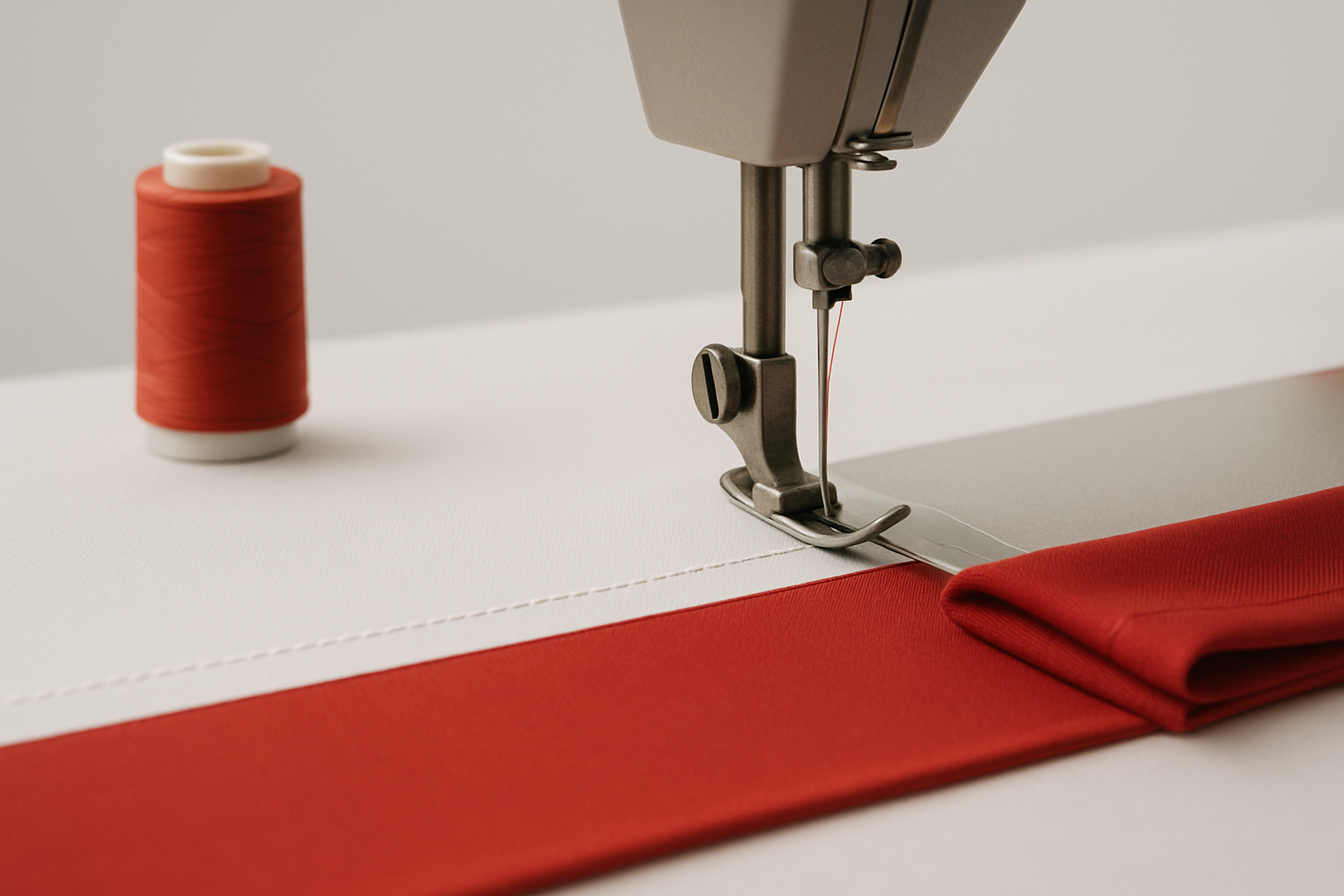
Outdoor polyester flags are finished with reinforced fly-end stitching, brass grommets (typically two, spaced 1 ft / 30 cm apart on standard sizes), and heading canvas — all details that add marginal cost but dramatically extend service life. Premium outdoor fabrics also carry a higher thread count per square inch, which improves tear resistance when flags are flown in sustained winds above 25 mph (40 km/h). For buyers comparing fabric options, the rule is straightforward: pay for outdoor-grade material if the flag will spend any time on a pole outside.
Nigeria Flag Outdoor Sizes — What Dimensions Are Available
Nigeria outdoor flags are available in a standard range of sizes, from 2 ft × 3 ft (60 × 90 cm) up to 5 ft × 8 ft (150 × 240 cm) and larger for flagpoles over 20 ft (6 m) tall. The correct size for a given pole height follows the general guideline that flag length should equal roughly one-quarter of the pole height — so a 20 ft (6 m) pole calls for a 4 ft × 6 ft (120 × 180 cm) flag, and a 25 ft (7.6 m) pole typically takes a 5 ft × 8 ft (150 × 240 cm) flag.
 The Nigeria Outdoor Flag is produced in knitted polyester with the FIAV-standard 2:3 aspect ratio — the same proportion specified in Nigeria's flag regulations — ensuring the flag displays correctly at any size. The most popular residential and commercial size is 3 ft × 5 ft (90 × 150 cm), which fits standard in-ground residential flagpoles of 15–20 ft (4.5–6 m) and is the size most commonly used on car dealership lots, government buildings, and university campuses. Larger formats — 4 ft × 6 ft (120 × 180 cm) and 5 ft × 8 ft (150 × 240 cm) — are preferred for municipal flagpoles, embassy grounds, and stadium displays where visibility at a distance is critical. Each size increase adds proportionally to material and finishing cost, which is why choosing the right size for the pole, rather than defaulting to the largest available, is also a cost-efficiency decision. Smaller 2 ft × 3 ft (60 × 90 cm) versions are often used on boat staffs, desk mounts, and indoor parade sets. For events requiring many small flags, the Nigeria Handheld Flag is the purpose-built option.
Nigeria Flag Price List by Size and Type
Current pricing reflects material grade, size, and standard single-unit retail. Bulk pricing tiers start at quantities of 10 and scale further at 25, 50, and 100+ units. Use this table as your baseline before factoring in quantity discounts described in the next section.
Current Price List
| Product | Size | Price | |
|---|---|---|---|
| Nigeria Outdoor Flag | 50x75 cm | $11.95 | Check the live price → |
| 60x90 cm | $12.95 | Check the live price → | |
| 70x105 cm | $13.95 | Check the live price → | |
| 80x120 cm | $15.95 | Check the live price → | |
| 100x150 cm | $16.95 | Check the live price → | |
| Nigeria Official Indoor Flag | 7 ft (220cm) | $96.45 | Check the live price → |
| 8 ft (240cm) | $99.45 | Check the live price → | |
| Nigeria Handheld Flag | 15x22.5cm / 50 Units | $41.95 | Check the live price → |
| 20x30 cm / 50 Units | $57.95 | Check the live price → | |
| 30x45 cm / 50 Units | $57.95 | Check the live price → | |
| 15x22.5cm / 100 Units | $78.95 | Check the live price → | |
| 40x60 cm / 50 Units | $87.95 | Check the live price → |
Prices as of September 23, 2026. All sizes and materials
How Bulk and Corporate Orders Bring the Per-Unit Price Down
Ordering Nigeria flags in quantity — typically 10 units or more — reduces the per-flag cost because setup, printing, and shipping costs are spread across a larger run. At 50+ units, the per-unit savings are significant enough that corporate buyers, event organizers, and government procurement offices almost always qualify for a negotiated rate.
The economics work because dye-sublimation printing has a fixed setup cost regardless of whether 1 or 100 flags go through the press. Once the press is running, additional units cost primarily fabric and finishing labor. This is why the jump from 1 unit to 12 units produces the steepest per-unit drop, and incremental savings continue at 25, 50, and 100 tiers. For Nigerian diaspora organizations planning cultural events, consulates ordering matching sets, or businesses outfitting a row of flagpoles, bulk ordering is straightforwardly the better financial decision. Contact the sales team for custom quantity quotes — bulk pricing is available for corporate and institutional orders of any size.

African Countries Flags Collection
Shop all African national flags in outdoor, indoor, and handheld formats — ideal for embassies, cultural events, and international displays.
Browse Collection →Why a Cheaper Nigeria Flag Often Costs More Over Time
A low-cost flag that fades, frays, or tears within 60–90 days of outdoor exposure ends up costing more per month of service than a properly specified outdoor flag that lasts 12–24 months. This is the central argument against choosing solely on upfront price. The math is straightforward: two or three replacements of a budget flag within a year exceed the single purchase price of a premium flag by a wide margin.
The most common failure points on under-specified flags are the fly end (the edge farthest from the pole), the heading canvas where the grommets are set, and color fastness of the green panels. Nigeria's distinctive green-white-green design is vulnerable to green dye migration under sustained UV — the greens can shift toward yellow-green within a single season on low-grade polyester. Premium knitted outdoor polyester with reactive dye sublimation holds color 40–60% longer by typical fade-testing standards. Reinforced double-stitching on the fly end adds less than 2% to the flag's cost but can double the functional lifespan in high-wind locations. For buyers researching how similar decisions play out with other flags, the Greece Flag Prices and Size Options guide and the Spanish Flag Prices by Size and Fabric article cover the same fabric-vs-cost tradeoff in useful detail.
Storage and handling also affect effective lifespan. A flag brought indoors during sustained storms or high-wind events — above 40 mph (64 km/h) — will last measurably longer than one left flying continuously. Even a 30% reduction in cumulative wind-hour exposure can extend a flag's lifespan by several months. The best total-cost outcome is a correctly specified flag, properly sized for the pole, stored during extreme weather.
What size Nigeria flag works best for a standard residential outdoor flagpole? +
How long does a Nigeria outdoor flag typically last? +
What is the difference between a Nigeria outdoor flag and an indoor flag? +
Can I order a Nigeria flag in a custom size? +
What type of Nigeria flag is best for a cultural event or parade? +
Does the Nigeria flag color bleed through to the back on dye-sublimation flags? +
How do I attach a Nigeria outdoor flag to a standard residential flagpole? +
For anyone ready to purchase, the Nigeria Outdoor Flag is the right starting point for pole display, the Nigeria Official Indoor Flag covers ceremonial and office settings, and the Nigeria Handheld Flag serves events and cultural gatherings. Browse the full African Countries Flags collection if you need flags for multiple nations alongside Nigeria. Bulk pricing is available for corporate, institutional, and event orders — contact the sales team for a custom quote on quantities of 10 or more.