



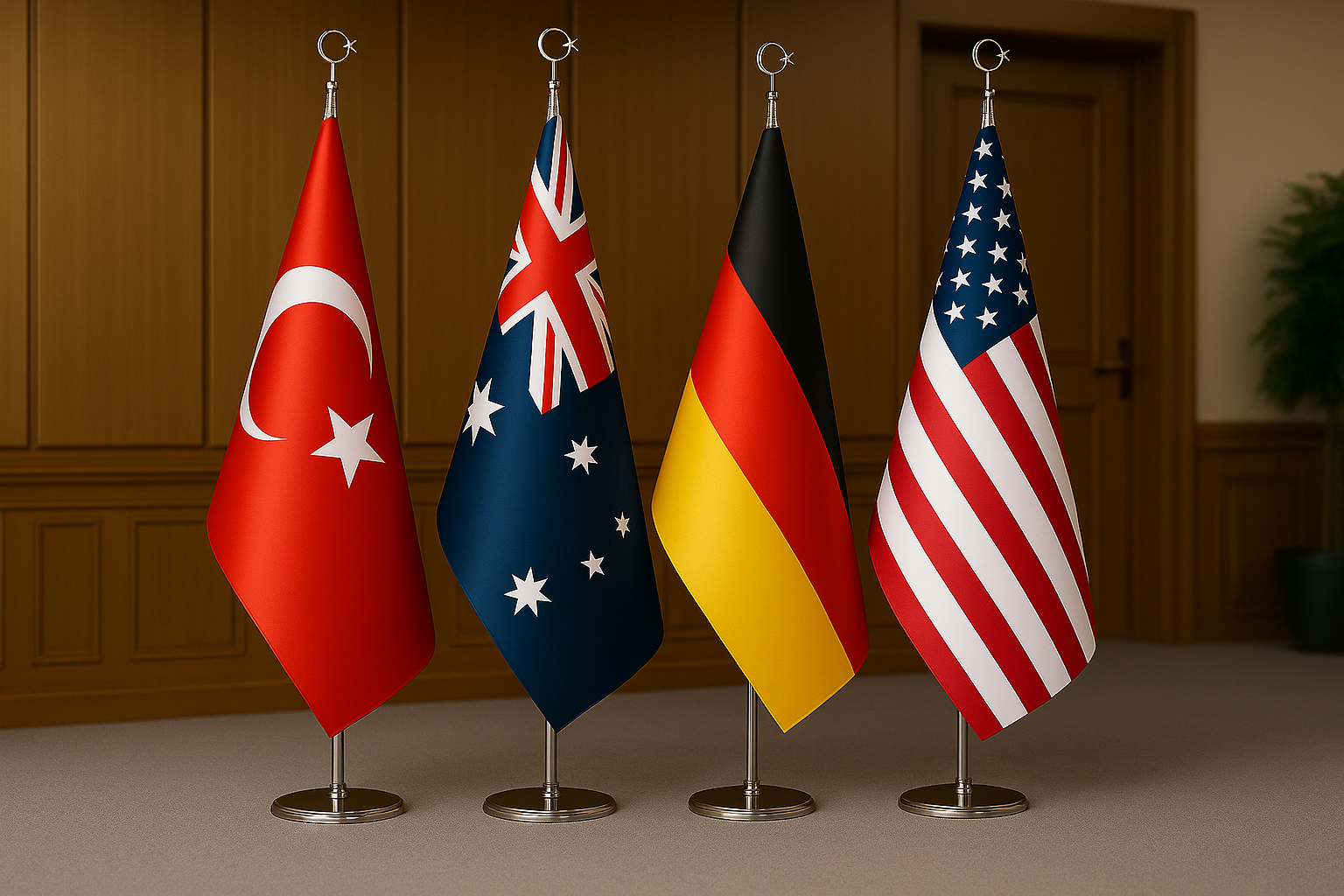




Outdoor flags for government buildings require careful attention to size, material durability, and procurement logistics — and getting these decisions right from the start saves municipalities thousands of dollars in premature replacements and compliance headaches. Whether you manage purchasing for a city hall, county courthouse, or multi-building municipal campus, this guide covers every specification you need to place a confident bulk order. For a trusted starting point, the USA Outdoor Flag collection from Asya Bayrak is engineered specifically for continuous high-altitude flagpole display across all U.S. climate zones.
Understanding Flag Size Requirements for Government Flagpoles
The correct outdoor flag size for a government building is determined primarily by flagpole height: a widely accepted industry standard is that flag length should equal approximately one-quarter to one-third of the pole's total height. For a 25 ft (7.6 m) pole — the most common height for city hall entrances — that means a 4×6 ft (1.2×1.8 m) or 5×8 ft (1.5×2.4 m) flag is appropriate, while a 60 ft (18.3 m) or taller pole found on county courthouse plazas typically calls for an outdoor flag for flagpole 6×10 ft (1.8×3 m) or even 8×12 ft (2.4×3.7 m).
The US Flag Code (4 USC §§ 1–10) does not prescribe exact flag-to-pole ratios, but the National Flag Foundation and most municipal procurement standards recommend staying within the one-quarter-to-one-third guideline to ensure the flag flies fully extended without dragging or appearing undersized. A flag that is too small for its pole looks unprofessional in official photography and during public ceremonies, while an oversized flag creates dangerous torque loads on the halyard hardware during high-wind events — a serious maintenance concern for facilities managers. When ordering municipal flagpole flags in bulk for multiple buildings, it is best practice to audit each pole height on campus before finalizing SKUs, because even a single campus can include 20 ft (6.1 m) entry poles, 35 ft (10.7 m) parking lot poles, and 60 ft (18.3 m) ceremonial poles that each require different flag dimensions.
The most frequently ordered sizes for government outdoor pole flags wholesale accounts are the 3×5 ft (0.9×1.5 m) for wall-mounted bracket poles and pedestrian plazas, 4×6 ft (1.2×1.8 m) for mid-height institutional poles, and 5×8 ft (1.5×2.4 m) as the workhorse size for standard 25–30 ft (7.6–9.1 m) flagpoles. Documenting these sizes in your procurement specifications prevents substitutions by vendors and ensures consistent visual identity across all municipal properties.
Nylon vs. Polyester: Choosing the Right Material for Government Outdoor Flags
For most government outdoor flagpole applications, 200-denier nylon is the preferred material because it offers an optimal balance of brightness, weight, and longevity under continuous exposure. Nylon flags fly in winds as light as 5 mph (8 km/h), which means they look active and dignified even on calm ceremony days — a meaningful consideration for city halls where the flag is always in public view.
 When comparing nylon polyester outdoor flag options for government procurement, polyester — specifically 2-ply or 300-denier woven polyester — is the better choice for coastal municipalities, high-altitude installations, and locations that experience sustained winds above 25 mph (40 km/h). Polyester is heavier and approximately 30% more resistant to tearing under wind load than standard nylon, making it the preferred specification for exposed county fairgrounds or open plaza installations where flags cycle through constant flapping stress. However, polyester flags can look limp in light winds and their heavier weight increases wear on halyard cleats and snap hooks over time, so maintenance budgets should account for more frequent hardware inspections. Nylon flags treated with 80% UV-resistant dyes typically last 6 to 9 months in full-sun Sunbelt climates, while polyester flags in similar conditions can reach 9 to 14 months before color fade requires replacement — a meaningful lifecycle difference when projecting annual procurement spend across a 20-building municipal campus. Asya Bayrak's outdoor flags for government buildings are available in both materials with colorfastness treatments verified against AATCC Test Method 16, ensuring that the red, white, and blue of the American flag or the specific Pantone colors of a state flag remain compliant with official specifications throughout the flag's service life.
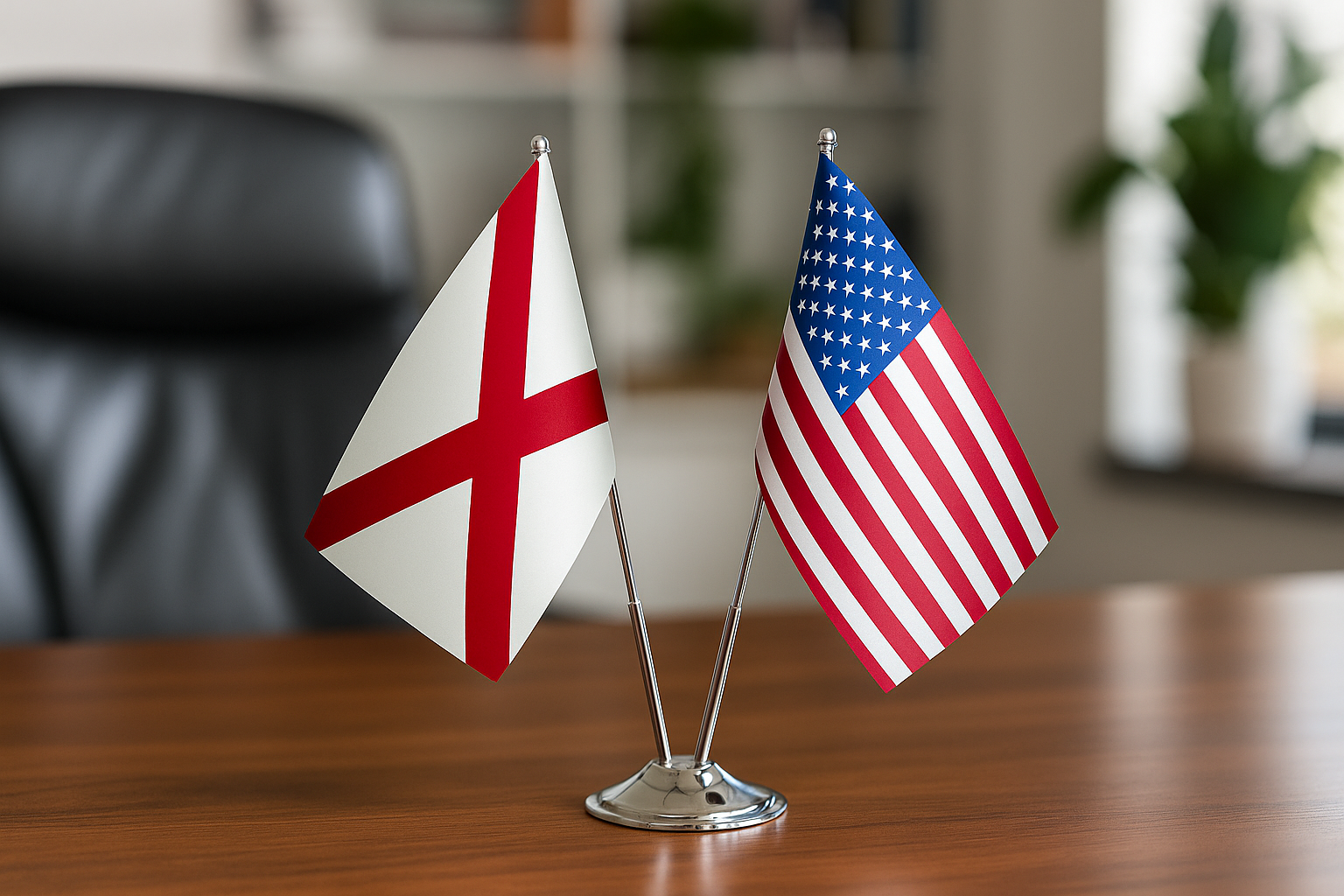
For municipal campuses that fly both the US flag and a state or city flag simultaneously, it is important to match materials between the two flags on the same pole grouping — mixing a lightweight nylon US flag with a heavy polyester state flag on a two-pole bracket creates uneven fly behavior that appears disorganized during official events and accelerates wear on the lighter flag. Procurement officers should specify the same material grade for all flags within each installation cluster.
City Hall Outdoor Flag Size Guide: Building-Specific Recommendations
Different municipal building types have distinct flagpole configurations, and a single size does not serve all of them equally. The chart below summarizes the most common government building types, their typical pole heights, and the recommended flag dimensions based on industry standards and US Flag Code display guidance.
- City Hall main entrance (25–30 ft / 7.6–9.1 m pole): 5×8 ft (1.5×2.4 m) — the most common government outdoor pole flag size for transactional procurement orders
- County courthouse plaza (40–60 ft / 12.2–18.3 m pole): 6×10 ft (1.8×3 m) to 8×12 ft (2.4×3.7 m) — requires reinforced canvas header and brass grommets rated for 80 lb (36 kg) tensile load
- Municipal parking facility or annex building (20–25 ft / 6.1–7.6 m pole): 3×5 ft (0.9×1.5 m) or 4×6 ft (1.2×1.8 m)
- Public works yard or maintenance depot (in-ground commercial pole, 35 ft / 10.7 m): 5×8 ft (1.5×2.4 m) in heavy-duty polyester
- Indoor lobby or council chamber (ceremonial pole, 8–9 ft / 2.4–2.7 m): 3×5 ft (0.9×1.5 m) parade-style flag — see the indoor flags collection for fringe and gold-cord options appropriate for formal government interiors
When specifying flags for a new municipal campus development or a facilities refresh project, procurement managers should also account for the simultaneous display rules under 4 USC § 7, which governs the relative size and position of the US flag versus state and local government flags when flown together. The US flag must always be the same size or larger than any other flag on the same pole grouping, meaning your city flag order should be sized one increment smaller than your US flag order if they share a cluster.
Bulk Ordering Strategies for Municipal Flagpole Flags
 Municipal flagpole flags bulk order programs are most cost-effective when procurement officers consolidate annual replacement demand across all properties into a single purchase order rather than reactive spot-buying when individual flags wear out. A typical mid-size US city with 15–25 municipal properties will rotate flags on a 6-to-12-month replacement cycle, meaning an annual purchase of 50–150 flags across multiple sizes is entirely normal — and qualifies for volume pricing tiers that can reduce per-flag costs by 20–35% compared to single-unit retail pricing. Asya Bayrak structures its government outdoor pole flags wholesale pricing in tiers starting at 12 units, with deeper discounts at 50 and 100+ units, making it practical for even smaller county purchasing departments to access commercial rates. When building a bulk outdoor flags for county buildings requisition, the most useful organizational approach is to group flags by size and material into separate line items, then specify quantity buffers of 10–15% above immediate need to cover mid-year replacements without a secondary purchase order — this is particularly valuable for procurement teams operating under fiscal-year-end budget constraints. The logo-printed outdoor pole flags collection is especially relevant for municipalities that need to fly custom department seals, city emblems, or event banners alongside standard US and state flags, as custom orders can be included in the same bulk shipment to consolidate freight costs.
Government purchasing departments operating under competitive bidding requirements should note that Asya Bayrak can provide formal quotes, product specification sheets, and material certifications suitable for inclusion in RFP responses or sole-source justification documentation. Many municipal procurement codes allow direct purchasing from manufacturers for commodity items below a threshold — typically $10,000–$25,000 depending on the jurisdiction — which means an annual flag program for a mid-size city may qualify for direct award without a full competitive bid process.
Flagpoles & Accessories
Complete your municipal flagpole installation with commercial-grade poles, snap hooks, halyards, and hardware rated for continuous government use.
Browse Collection →Header, Grommet, and Hardware Specifications for Government Flags
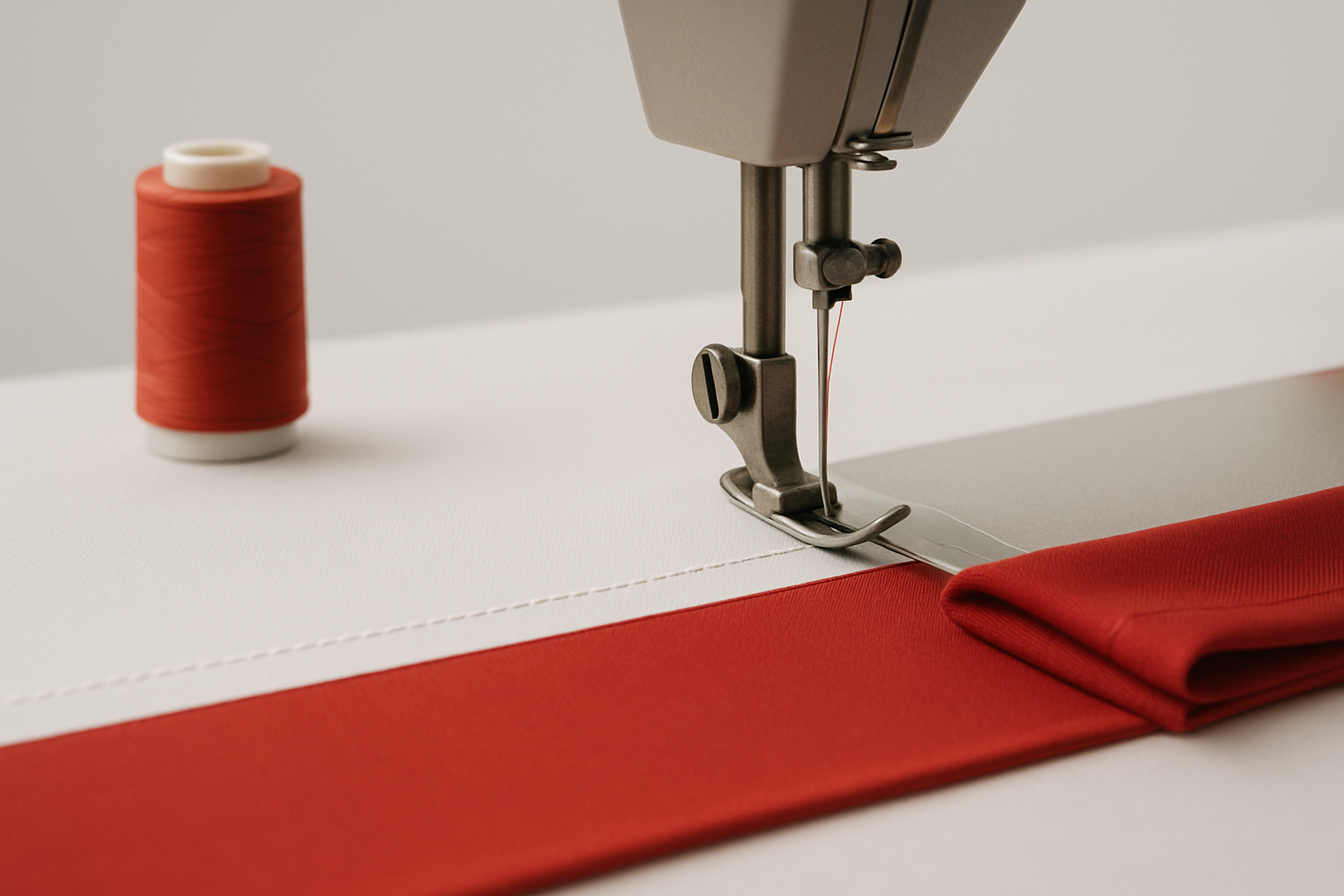
Government-grade outdoor flags require reinforced construction details that standard retail flags often omit — specifically a canvas or poly-duck header of at least 2 in (5 cm) width, double-stitched fly hems, and brass grommets (not aluminum) rated for at least 50 lb (22.7 kg) tensile load at the 3×5 ft and 4×6 ft sizes, scaling up to 80 lb (36 kg) for 6×10 ft and larger. These specifications matter because government flagpoles are typically operated daily and often by rotating maintenance staff who may not be trained in gentle flag handling.
For very large flags (6×10 ft / 1.8×3 m and above) on exposed county courthouse or municipal plaza poles, a rope-and-toggle attachment rather than a plain grommet system significantly extends flag life by distributing the load across the entire header width rather than concentrating stress at two grommet points. Municipal procurement specifications should explicitly call out the attachment method preferred, as this determines whether the flags are compatible with existing halyard hardware on each pole. Facilities managers should also specify fly-end reinforcement — a triple-stitched or tape-reinforced fly hem — because the fly end experiences the most friction and is the first point of fraying on high-cycle government installations. Pairing the right flag construction with compatible hardware from the flagpoles and accessories collection ensures that neither the flag nor the pole hardware wears out prematurely due to mismatched specifications.
Compliance, Display Protocol, and Maintenance Planning for Municipal Flags
Government buildings are required by law and public expectation to display flags that are clean, unfrayed, and compliant with US Flag Code display rules — and a proactive maintenance schedule is the most cost-effective way to meet this standard. Under 4 USC § 8(k), a flag that is worn, torn, faded, or soiled should be retired and replaced, and displaying a visibly damaged flag on a government building creates both public relations problems and potential violations of local ordinances that mirror the federal code.
A practical municipal flag maintenance program includes a monthly visual inspection of all outdoor flags, a scheduled replacement at either the 6-month or 12-month mark (depending on material and climate), and a formal retirement protocol for worn flags following the US Flag Code's guidance on dignified disposal — typically through a local Veterans of Foreign Wars post that performs flag retirement ceremonies. Procurement departments should schedule bulk outdoor flags for county buildings orders to arrive 2–4 weeks before the scheduled replacement date to allow receiving, inspection, and distribution to facilities staff without a gap in display. For state flags and city seal flags that require Pantone-specific color matching, FIAV (Fédération Internationale des Associations Vexillologiques) standards provide a reference framework that Asya Bayrak uses during the production verification process, ensuring that official flags meet the chromatic specifications defined in each state's flag statutes. Municipalities that also maintain formal council chambers or ceremonial spaces can complement their outdoor flag program with the state and city indoor flags collection to ensure consistent visual branding between exterior and interior government spaces.
What is the correct flag size for a 25 ft city hall flagpole? +
Should government buildings use nylon or polyester outdoor flags? +
How often should municipal outdoor flags be replaced? +
What is the minimum order quantity for bulk outdoor flags for county buildings? +
What grommet and header specifications should government flag procurement require? +
Can municipalities order custom city seal or department flags alongside standard US flags in one bulk shipment? +
Does the US Flag Code specify exact flag sizes for government buildings? +
How should a municipality size the state or city flag relative to the US flag on a multi-pole display? +
Equipping your municipal campus with the right outdoor flags for government buildings is a straightforward process when you start with accurate pole measurements, specify the correct nylon or polyester material for your climate, and consolidate your annual replacement needs into a single bulk purchase. For standard US flag installations across all pole heights, the USA Outdoor Flag is available in government-grade construction with brass grommets, reinforced headers, and UV-resistant inks. Municipal departments adding custom city seals, department banners, or event flags to their outdoor display program will find everything they need in the logo-printed outdoor pole flags collection, and complementary hardware including halyards, snap hooks, and commercial pole components are available through the flagpoles and accessories collection. Bulk pricing is available for corporate and government procurement orders — contact Asya Bayrak's wholesale team for formal quotes, specification documentation, and volume discount schedules tailored to your jurisdiction's annual flag program.


