




Outdoor flags for apartment complexes, HOA communities, and real estate developments are one of the most cost-effective tools for boosting curb appeal, establishing community identity, and driving leasing or sales activity — but only when you choose the right size, material, and pole setup from the start. Property managers and developers who get these three decisions right report faster prospect engagement and fewer compliance headaches with local ordinances or HOA guidelines. The following guide breaks down every variable you need to consider before placing a bulk order, from flag dimensions and fabric specs to flagpole height requirements and wind-load ratings, so your flag display looks professional from day one and holds up through every season.
Why Outdoor Flags Matter for Property Management and Real Estate Marketing
A well-placed flag display can increase drive-by visibility by a measurable margin, functioning as a 24/7 brand signal that no digital ad can replicate at street level. Studies in retail and commercial real estate consistently show that flags, banners, and exterior signage influence first-impression decisions within the first eight seconds of a prospect's arrival — and residential leasing is no different.
For apartment complexes and real estate development flags, the visual hierarchy of a properly sized flag on a correctly proportioned pole communicates permanence, pride of ownership, and professional management. A sagging, sun-bleached banner does the opposite. That is why material selection, UV resistance ratings, and replacement schedules are just as important as the initial purchase. Properties that invest in commercial-grade flags — rated for at least 80% UV resistance and tested for 30 to 40 mph continuous wind loads — typically see a 6-month to 2-year usable lifespan per flag, depending on local weather patterns, compared to 2 to 4 months for economy polyester alternatives. Exploring the full flags collection at Asya Bayrak gives property managers a clear sense of the quality tiers available for ongoing residential programs.
Choosing the Right Flag Size for Residential and Commercial Properties
The standard 3x5 flag for property management is the most versatile starting point, pairing correctly with flagpoles between 15 ft (4.6 m) and 25 ft (7.6 m) — the most common heights found in apartment complex and HOA entrance landscaping. Size selection, however, should follow the industry rule of thumb: flag length should equal roughly one-quarter of the pole's total height.
A 20 ft (6.1 m) pole, for example, calls for a 4x6 ft (1.2x1.8 m) flag to maintain the correct visual proportion at street level. Going smaller than a 3x5 on a tall pole creates a "postage stamp" effect that undercuts the curb appeal flag display you are trying to achieve. Conversely, oversizing a flag on a short pole puts excessive stress on grommets and the halyard system, leading to premature fabric failure. For large-scale real estate developments with monument signage and multiple entrance points, a consistent 4x6 ft or 5x8 ft (1.5x2.4 m) flag program signals a higher tier of development quality to prospective buyers and tenants. HOA community flags bulk orders in these larger sizes also benefit from quantity pricing that brings the per-unit cost down to a manageable line item in an annual marketing budget.
Fabric and Material Guide: Nylon, Polyester, and Knitted Poly
Nylon outdoor flag wind-resistant construction is the top recommendation for most outdoor residential applications in North America, delivering the best balance of durability, color vibrancy, and aerodynamic performance in moderate to high winds. Nylon dries faster than polyester, resists mildew better in humid climates, and its lighter weight allows it to fly in breezes as gentle as 5 mph (8 km/h) — critical for coastal or low-wind inland markets where a heavy flag would hang limp most of the day.
 Woven polyester, by contrast, is the preferred choice for high-wind environments — think Gulf Coast, Great Plains, or mountain valley developments — because the heavier weave resists tearing under sustained gusts above 40 mph (64 km/h). Knitted polyester (often labeled as "SolarMax" or "Tough-Tex" equivalents in the industry) splits the difference: lighter than woven polyester but heavier than nylon, making it a solid all-around performer for properties in the Midwest and Mid-Atlantic where weather swings are dramatic. Whichever fabric you choose, insist on a minimum of 100% colorfast dye and lockstitched fly ends; these two construction details account for the majority of premature failures in budget-grade flags. The USA Outdoor Flag from Asya Bayrak is built to these commercial specifications, making it a reliable anchor piece for any property's entrance display program. Properties managing multiple locations should factor in standardized fabric selection across all sites so that replacement orders can be fulfilled quickly with consistent visual results.
Outdoor Flag Pole Setup: Heights, Hardware, and Wind Load Compliance
The outdoor flag pole setup for residential properties is governed by a combination of local zoning ordinances, HOA covenants, and — for US flags specifically — the US Flag Code (4 USC §§ 1-10), which provides guidance on display etiquette even if it does not impose criminal penalties for code violations. Getting the hardware selection right before installation prevents costly retrofits and HOA compliance disputes after the fact.
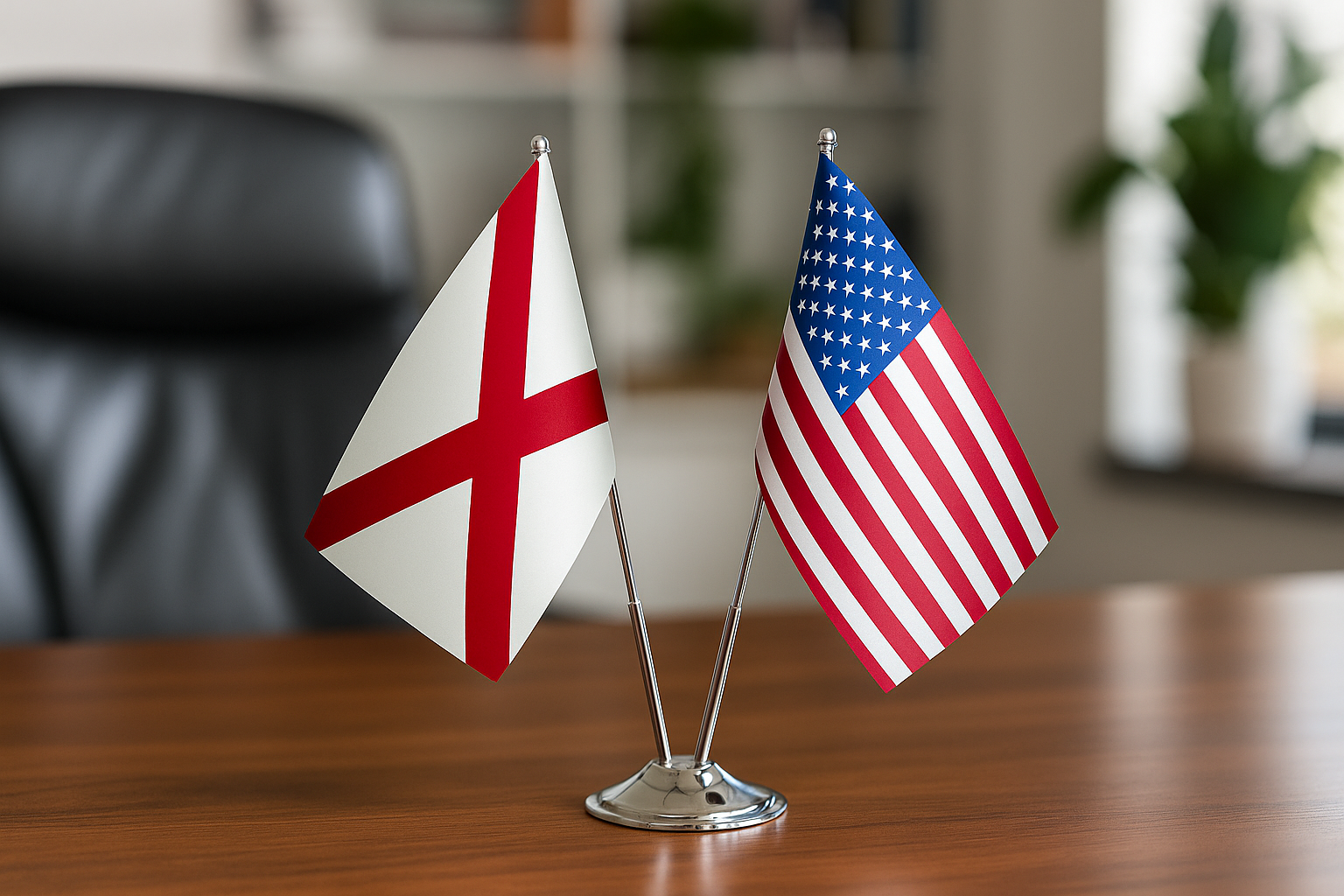
 For apartment complex entrances, the most common configuration is a single 20 to 25 ft (6.1 to 7.6 m) aluminum or fiberglass in-ground pole with an internal halyard and locking cleat — this setup reduces vandalism risk and eliminates the noise complaints that external rope halyards generate on windy nights. Grouped pole arrangements of three poles (a common choice for developments wanting to display the US flag alongside a state flag and a community or brand flag) must follow Flag Code protocol: the US flag must always be on its own right-most pole at the same height or higher than companion flags, centered if three poles are used with the American flag at the center-highest position. For HOA developments, always verify local municipal setback rules before selecting your pole base location; most jurisdictions require flagpoles to be set back at least 5 ft (1.5 m) from property lines and 10 ft (3 m) from utility easements. The full flagpoles and accessories collection includes compatible hardware for both single-pole and multi-pole arrangements suited to residential commercial properties.
HOA and Zoning Compliance: What Every Property Manager Must Know
HOA community flags bulk order programs must account for compliance requirements at three distinct levels: federal (US Flag Code), state, and local HOA or deed restriction rules — and these three layers do not always agree, which is why property managers who skip the compliance review step end up with flags that must be removed or resized after installation.
At the federal level, the Freedom to Display the American Flag Act of 2005 limits HOA authority to ban residents from displaying the US flag on their own property, but this protection does not automatically extend to community common areas managed by the HOA itself, nor does it cover third-party developer branding flags. At the state level, several states including California, Texas, Florida, and Arizona have enacted additional flag-protection statutes that further restrict HOA authority over flag displays in specific residential contexts — property managers in these states should obtain a one-page summary from their legal counsel before issuing community-wide flag display policies. For custom-branded development flags, local sign ordinances often classify flags above a certain square footage as "signs" requiring a permit; the threshold is typically 32 sq ft (3 sq m) in most municipalities, meaning a 4x8 ft (1.2x2.4 m) banner flag may trigger a sign permit requirement while a standard 4x6 ft flag would not. Documenting your flag dimensions and pole placement in your annual property compliance file protects management companies during HOA audits and city inspections.
Logo Printed Outdoor Pole Flags
Custom logo-printed pole flags built for property developers, HOA management companies, and real estate brands that need consistent, professional curb appeal across multiple sites.
Browse Collection →Bulk Ordering Strategies for Property Management Companies
Wholesale outdoor flags USA procurement is most cost-efficient when property management companies consolidate orders across their entire portfolio rather than purchasing site by site, because most manufacturers including Asya Bayrak offer tiered pricing that drops unit cost significantly at quantities of 12, 24, and 50+ units. A portfolio of 15 apartment communities each needing two replacement flags twice per year represents a 60-unit annual program — a volume that should be negotiated as a standing wholesale account, not a series of one-off purchases.
When structuring a bulk order, standardize on three variables: a single fabric type (nylon for most US markets), a consistent flag size per pole height (3x5 ft for 15-20 ft poles, 4x6 ft for 20-25 ft poles), and a uniform grommet specification (solid brass, minimum 1 in / 2.5 cm diameter) across all properties. This standardization means any flag from your bulk inventory can be deployed at any property without a compatibility issue, dramatically simplifying your operations team's logistics. Request a sample set before committing to a full bulk run — particularly for custom-branded real estate development flags where Pantone color matching is critical for brand compliance. Lead times for custom printed runs typically run 7 to 14 business days for standard orders and 3 to 5 business days for rush orders, so building a 30-day safety stock into your annual budget prevents the scenario where a worn flag sits on a pole for weeks waiting for a replacement shipment.
Maintenance, Replacement Schedules, and Making Your Flag Program Last
A proactive replacement schedule — not reactive replacement after a flag is visibly damaged — is the single highest-impact practice for maintaining a professional curb appeal flag display year-round. Industry best practice for commercial residential properties is a 6-month inspection cycle with replacement triggered by fraying fly ends longer than 1 in (2.5 cm), color fading exceeding 20% of original vibrancy, or any visible tearing.
Cleaning extends flag life significantly and is often overlooked in property maintenance checklists. Most nylon and polyester flags can be hand-washed in cold water with a mild, non-bleach detergent, then air-dried away from direct sunlight — machine washing is not recommended as the agitation accelerates fray at the fly end. For properties in coastal or high-humidity markets, a monthly rinse-down with fresh water removes salt and particulate buildup that accelerates UV degradation of the fabric dye. Pole hardware should be inspected on the same 6-month cycle: check snap hooks for corrosion, replace worn truck-and-pulley assemblies before the halyard fails, and re-torque any ground sleeve anchor bolts that may have shifted due to freeze-thaw cycling. Keeping a maintenance log with dates, flag replacement records, and hardware service notes creates a defensible compliance paper trail for HOA boards and city inspectors who may request documentation of your exterior signage program.
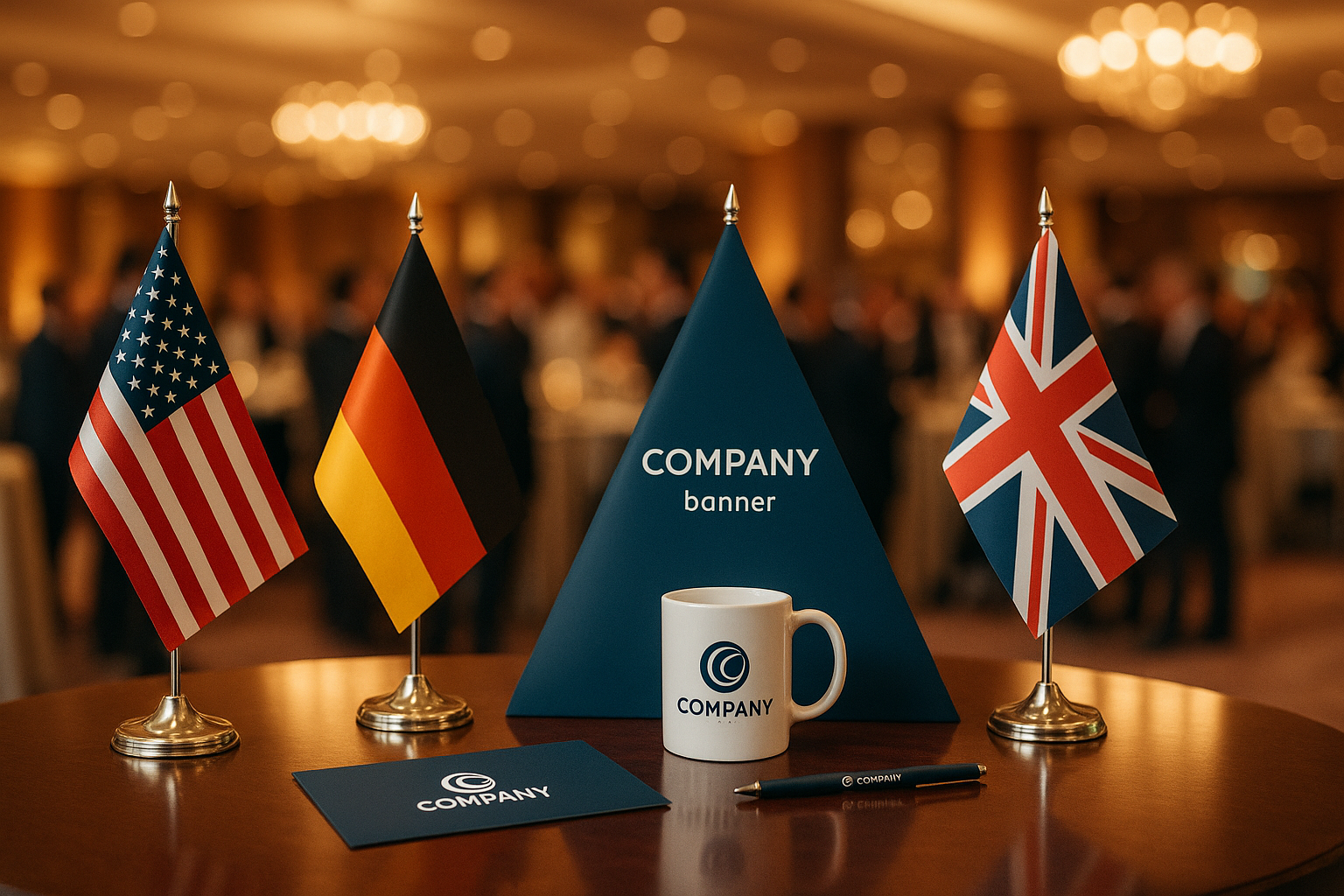
For property managers looking to outfit multiple communities at once, the logo-printed outdoor pole flags collection offers custom-branded options that tie community identity directly to a developer or management company's brand standards, creating a cohesive look across an entire portfolio.
Frequently Asked Questions
What is the best flag size for a standard apartment complex entrance pole? +
Can an HOA restrict what flags a property management company displays on common area poles? +
Is nylon or polyester better for outdoor flags in windy climates? +
How often should outdoor flags at residential properties be replaced? +
Do I need a permit to install a flagpole at an apartment complex or HOA property? +
What is the minimum bulk order quantity for wholesale outdoor flags for property management programs? +
How should a US flag be displayed alongside a community or developer flag on a multi-pole setup? +
Can outdoor pole flags be customized with a property management company or real estate developer logo? +
Building a professional, compliant, and visually compelling flag program for apartment complexes, HOA communities, and real estate developments is a straightforward process when you align your size selection, fabric choice, and pole setup with the specific demands of your properties and your local regulatory environment. Whether you are outfitting a single community entrance or managing a portfolio-wide replacement program, the right wholesale partner makes all the difference in cost efficiency and visual consistency. Browse the full outdoor flags collection, explore flagpole hardware and accessories built for commercial residential applications, and check out custom branding options in the logo-printed outdoor pole flags collection to find the right fit for your next project. Bulk pricing is available for corporate and property management accounts — contact the Asya Bayrak team directly to discuss a standing wholesale arrangement tailored to your portfolio size and replacement cycle.