
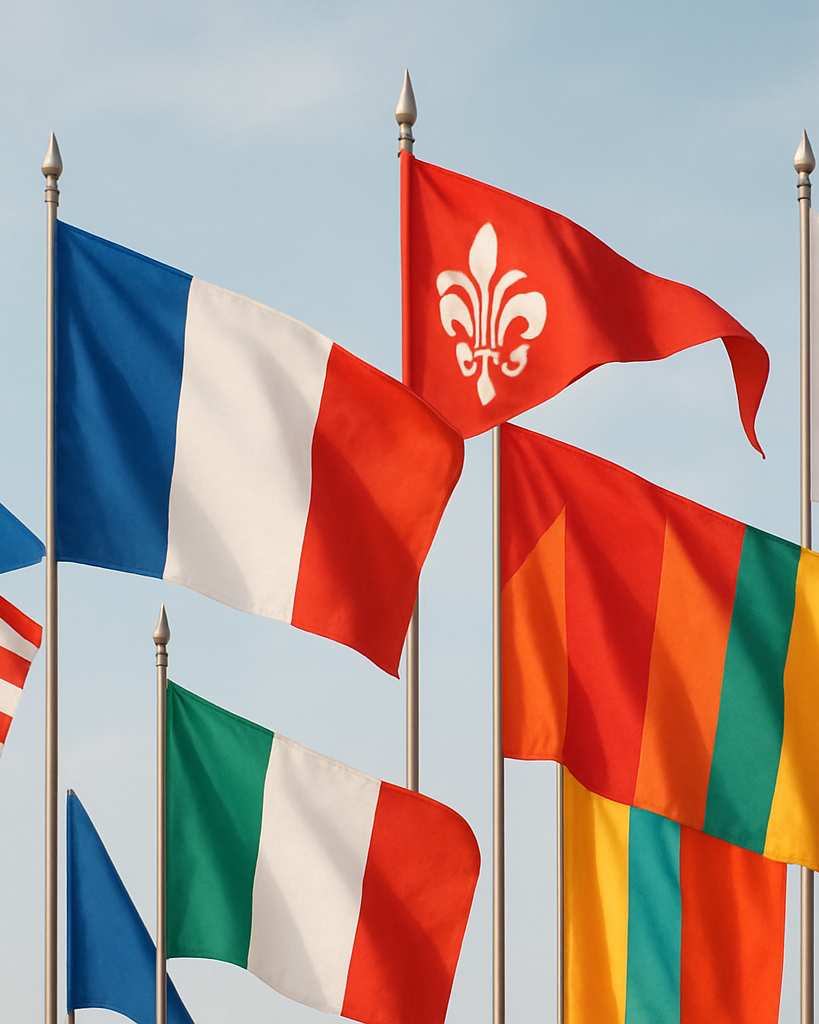
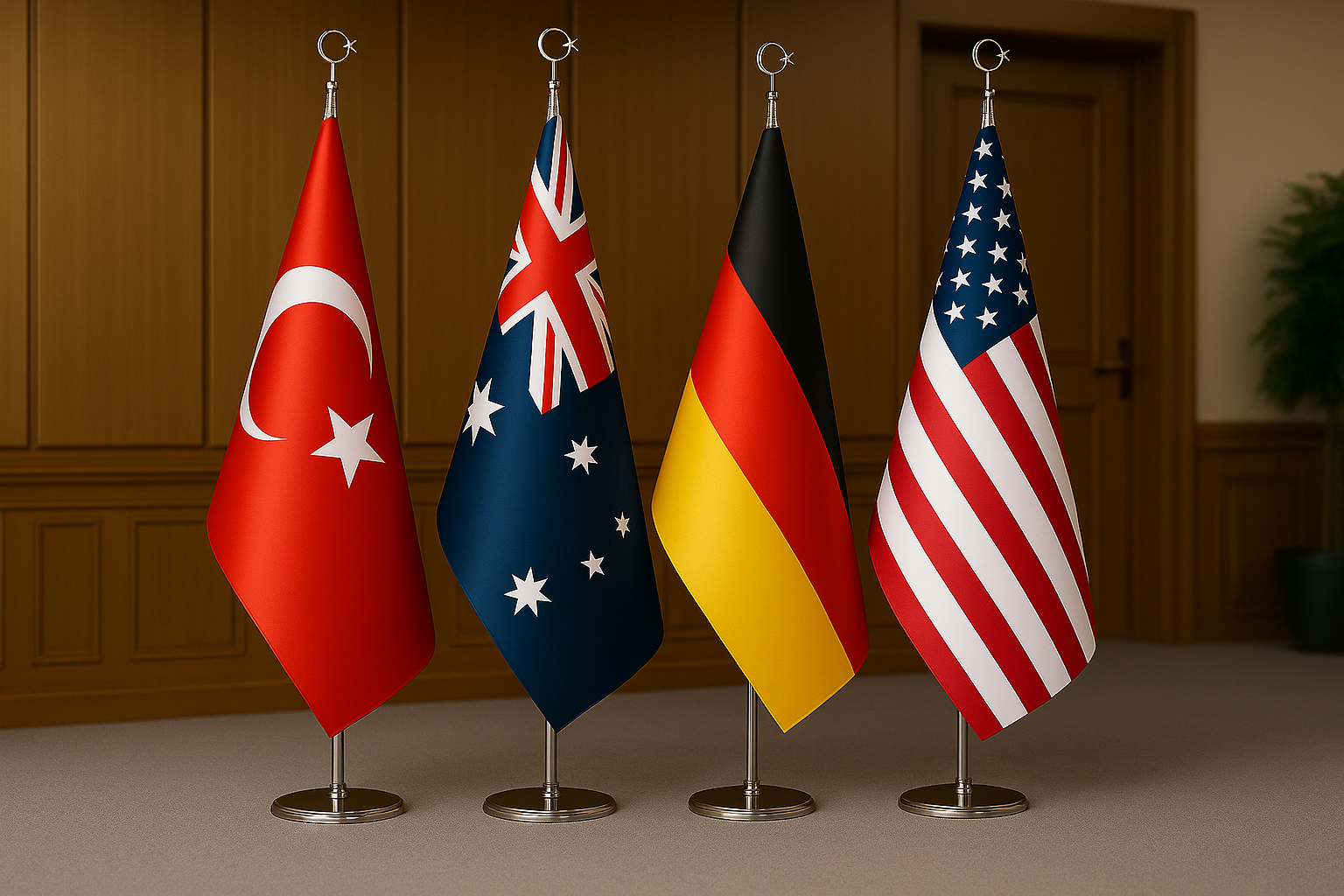



Choosing the right outdoor flags for government buildings comes down to three core decisions: matching flag size to flagpole height, selecting a weather-resistant material rated for your climate, and determining the correct quantity for every facility in your jurisdiction. Municipal purchasing managers who get these three variables right will reduce replacement cycles, stay compliant with 4 USC §§ 1–10 (the U.S. Flag Code), and project the professional image that public buildings demand. Whether you are outfitting a single city hall or standardizing flag procurement across an entire county, this guide walks you through every specification, material option, and bulk ordering strategy you need — starting with the USA Outdoor Flag collection at Asya Bayrak, a supplier trusted by municipalities across the United States.
Understanding Government Building Flagpole Height and the Correct Flag Size Ratio
The standard rule for government flagpole flag size is that the fly (length) of the flag should equal roughly one-quarter to one-third of the pole's height. This ratio is codified in informal federal guidance and widely adopted by municipal procurement standards nationwide.
In practical terms, a 20 ft (6.1 m) pole at a neighborhood public works facility typically calls for a 3×5 ft (0.9×1.5 m) flag, while a 25–30 ft (7.6–9.1 m) courthouse pole is best matched with a 4×6 ft (1.2×1.8 m) or 5×8 ft (1.5×2.4 m) flag. For the tall 40–60 ft (12.2–18.3 m) poles common in front of large city halls, a 6×10 ft (1.8×3 m) or 8×12 ft (2.4×3.7 m) flag is the professional standard. Using an undersized flag on a tall pole creates a visual imbalance that reflects poorly on the institution; an oversized flag creates dangerous wind-load stress on both the fabric and the pole hardware. Many municipal codes explicitly require that the American flag be displayed at the highest point and at the largest size when flown alongside state and local flags, a rule directly tied to flag size selection at the purchasing stage. Always audit every pole height across your portfolio of facilities before writing flag specifications into a purchase order.
Material Selection: Which Fabric Performs Best for Outdoor Government Use
For outdoor flags on government buildings, 200-denier nylon is the most widely specified fabric because it combines light weight, bright dye retention, and a lifespan of 6 months to 2 years under continuous outdoor exposure. Polyester and SolarMax® are preferred for high-wind coastal or mountain locations where durability outweighs the need for vivid color in low-light conditions.
 Nylon flags are rated at approximately 80% UV resistance and dry quickly after rain, making them the default choice for most Midwest and Southeast municipal environments. In contrast, two-ply polyester flags — which can weigh up to three times more than nylon — are engineered for sustained high-wind environments such as coastal California, the Gulf Coast, or mountain elevation facilities above 5,000 ft (1,524 m). SolarMax® nylon, a proprietary high-tenacity weave, extends the standard nylon lifespan by roughly 30–40% in high-UV regions like Arizona, Nevada, and southern Texas. For indoor-to-outdoor transitional spaces such as covered entryways or breezeway installations, a mid-weight 150-denier nylon strikes the right balance between drape appearance and weather resistance. When writing municipal procurement specifications, always designate both the denier and the finishing standard — header type (canvas or polyester), brass grommet vs. rope-and-thimble, and lock-stitched fly hem — to ensure all vendors, including bulk outdoor American flags for city hall suppliers, are quoting to the same quality standard. Browse the full range of flagpoles and accessories to pair the right hardware with whichever flag material you choose.
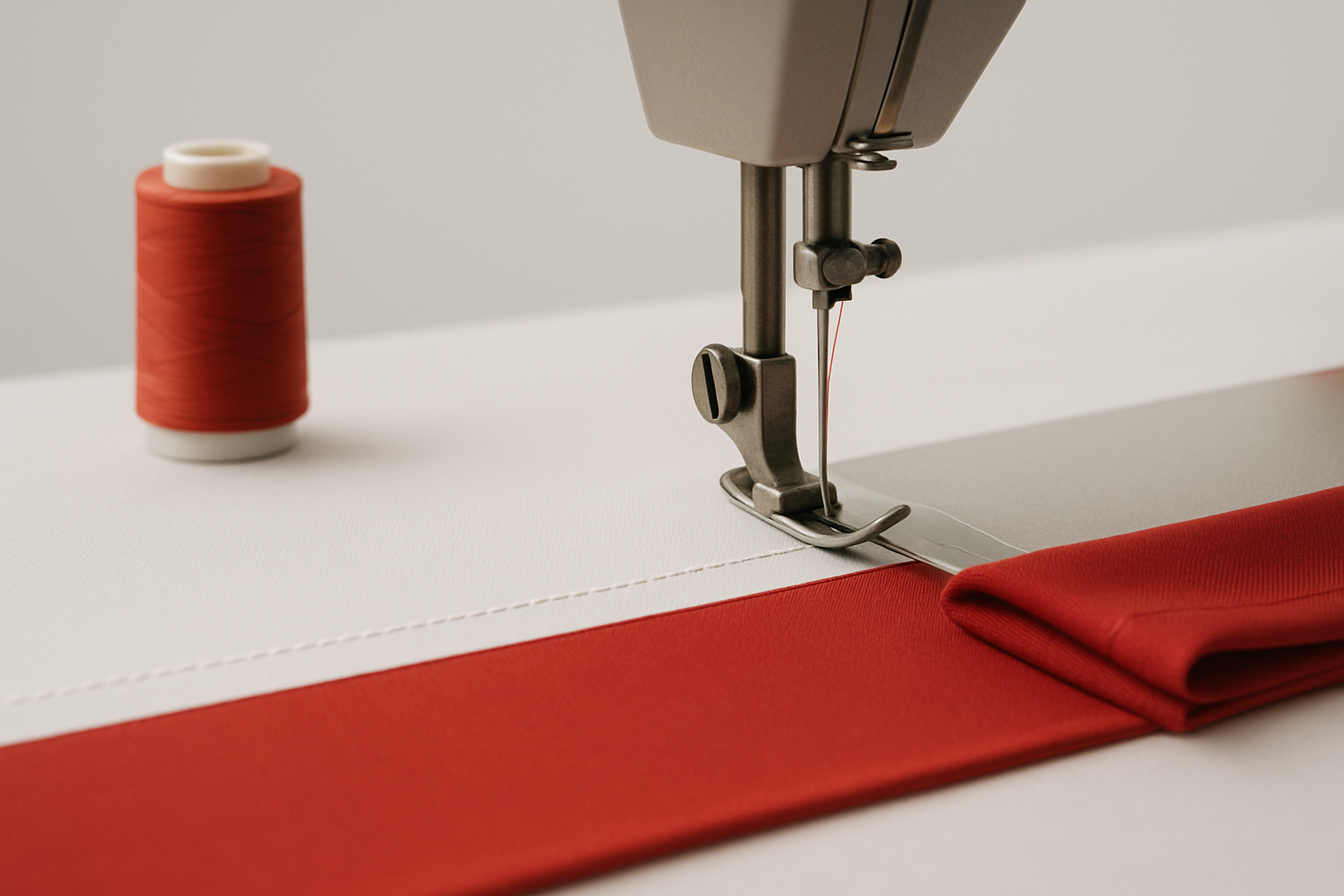
Embroidered stars and sewn stripes — rather than screen-printed graphics — are the preferred construction method for flags flown at prominent government locations. While screen printing is acceptable for short-term ceremonial use, embroidered and appliquéd flags meeting FIAV (Fédération internationale des associations vexillologiques) construction standards will hold their color and structural integrity significantly longer under daily outdoor conditions. For county courthouses or city halls that fly flags 24 hours a day (as permitted under 4 USC § 6(a) when properly illuminated), embroidered construction is the practical minimum standard to include in any wholesale outdoor flags for municipalities bid specification.
Sizing Up Your Quantity Needs: A Facility-by-Facility Audit Framework
Most municipal purchasing managers underestimate total quantity because they count active flagpoles but forget to budget for rotation stock — the reserve flags needed when primary flags are retired for cleaning, repair, or replacement. A sound rule of thumb is to procure 2–3 flags per active flagpole per annual budget cycle.
Start your audit by cataloging every flagpole across your jurisdiction: city hall, courthouse, public works yards, libraries, recreation centers, transit facilities, and any temporary event sites. For a mid-size county with 12 public buildings averaging 2 poles per site, you are looking at 24 active poles — meaning a baseline order of 48–72 flags per year just for the American flag alone. If your facilities also display the state flag, county flag, or department flags, multiply accordingly. Bulk outdoor American flags for city hall procurement at the 50-unit threshold typically qualifies for wholesale pricing tiers, which can reduce per-unit cost by 20–35% compared to retail purchasing. Document pole heights, prevailing wind speeds (available from NOAA data for your county), and whether flags fly 24/7 or business-hours-only — all three variables directly affect replacement frequency and should inform your annual budget line. Facilities in coastal or high-wind corridors should plan for replacement every 3–6 months; inland low-wind sites can often achieve a 12–18 month service life per flag with proper maintenance.
Compliance with the U.S. Flag Code and Municipal Display Protocols
The U.S. Flag Code (4 USC §§ 1–10) governs how the American flag must be displayed relative to other flags on government property, and non-compliance — even unintentional — can generate public criticism and require costly re-procurement. The most common compliance error at government buildings is flying the state or municipal flag at the same height as or higher than the U.S. flag.
 Under 4 USC § 7, when multiple flags are displayed on separate poles of equal height, the U.S. flag must occupy the position of honor — to its own right, which is the observer's left. When flags are displayed on a single staff, the U.S. flag must be at the peak. For buildings with three-pole arrays — a configuration common at county courthouses — the center pole is designated for the U.S. flag and must be the tallest, or all poles must be equal height with the U.S. flag positioned to the flag's own right. Many states, including Texas, California, and Florida, have additional state flag codes that specify minimum display heights and lighting requirements for 24-hour display; purchasing managers should consult their state's administrative code in addition to the federal Flag Code before finalizing pole configurations and flag sizes. When procuring for a 3×5 5×8 outdoor flag bulk order that includes both American and state flags, ensure that size differentials between the U.S. and subordinate flags are consistent across all facilities — a 5×8 ft American flag should not be paired with a state flag larger than 4×6 ft. The heavy-duty outdoor American flags from Asya Bayrak are available in all standard government sizes and constructed to meet Flag Code display standards.
Custom and Logo Flags for Municipal Branding: When Standard Is Not Enough
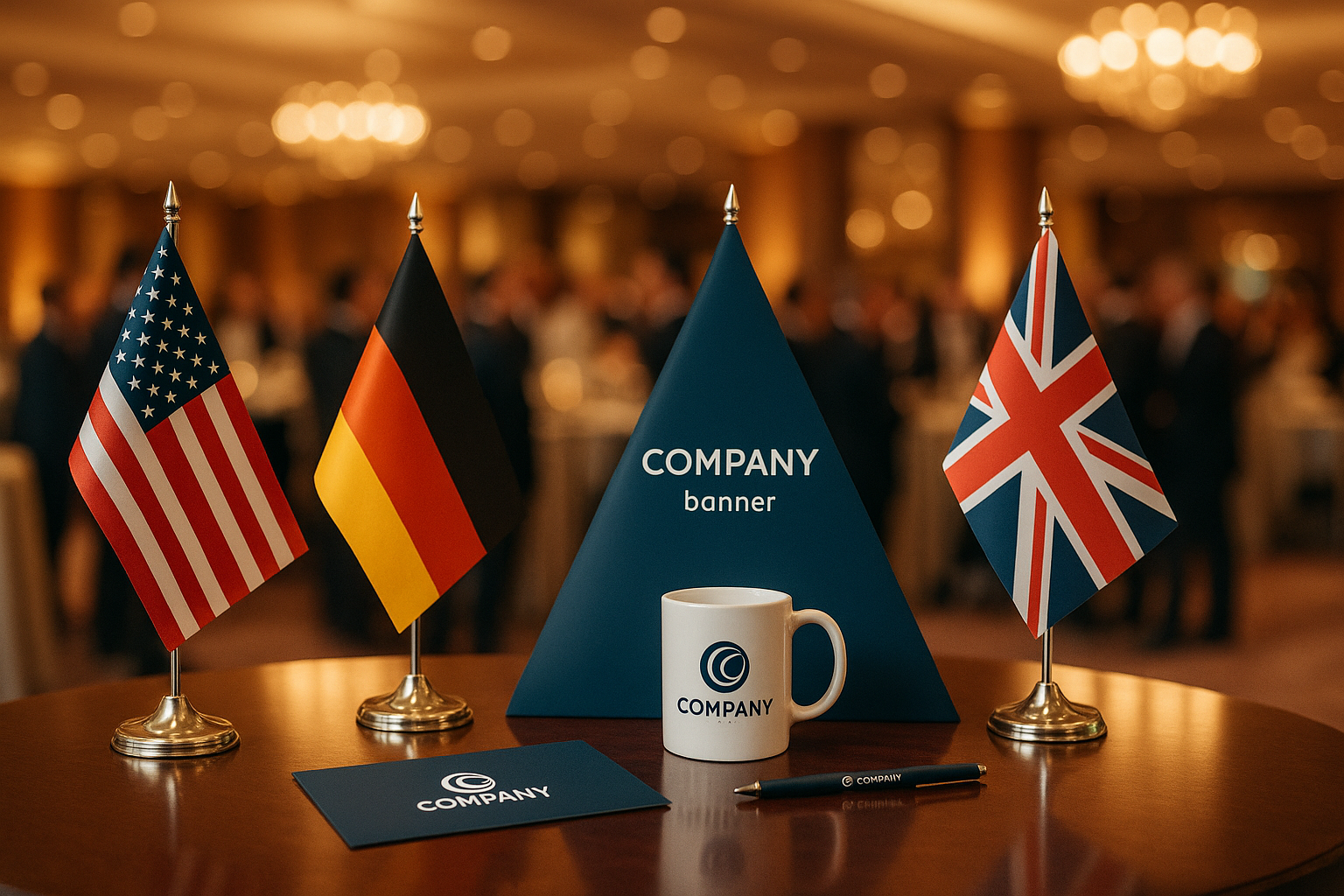
Beyond the standard U.S. and state flags, many municipalities fly custom department flags, seal flags, or branded event banners that require logo printing — and these custom pieces must meet the same outdoor durability standard as your primary flags. Dye-sublimation printing on weatherproof polyester fabric is the industry standard for full-color logo outdoor flags that need to last 6–18 months in outdoor environments.
Custom outdoor flags for public works departments, parks and recreation facilities, or special municipal events are increasingly common as city branding initiatives gain importance. FIAV-compliant design ratios — typically a 2:3 width-to-length ratio for most outdoor applications — should be specified in your design brief to ensure the finished product hangs correctly on standard government flagpoles. For municipal purchasing managers who need to consolidate custom flag procurement with standard American and state flag orders, working with a single supplier simplifies invoicing, compliance documentation, and warranty tracking. The logo-printed outdoor pole flags collection offers dye-sublimated custom options built to the same outdoor durability standards as standard government flags, making it practical to bundle custom and stock flag orders into a single wholesale procurement contract. Minimum order quantities for custom logo flags typically start at 10–25 units, well within the range of most municipal budget line items, and bulk pricing tiers mirror those available for standard flag SKUs.
Logo Printed Outdoor Pole Flags
Full-color dye-sublimated custom flags built for government outdoor durability — ideal for municipal seals, department branding, and public facility events.
Browse Collection →Indoor Display Flags for Lobbies, Council Chambers, and Courtrooms
Every government building that flies flags outdoors also typically requires a matching indoor display for its lobby, council chamber, or courtroom — and indoor flags have their own distinct size, material, and hardware specifications separate from outdoor procurement. The most common indoor government flag size is 3×5 ft (0.9×1.5 m) on an 8 ft (2.4 m) pole, though courtrooms and council chambers often use ceremonial 4×6 ft (1.2×1.8 m) flags on 9 ft (2.7 m) poles.
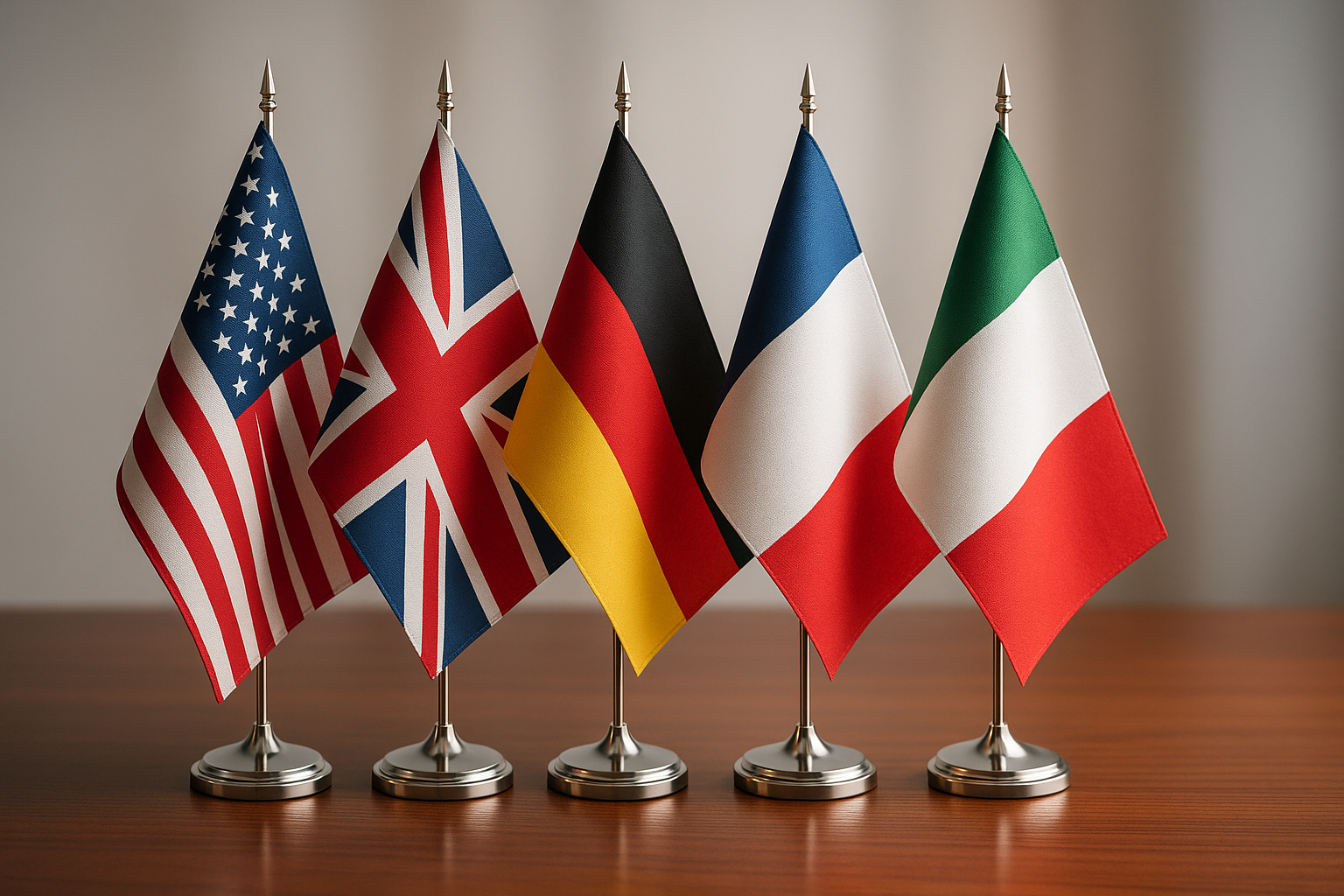
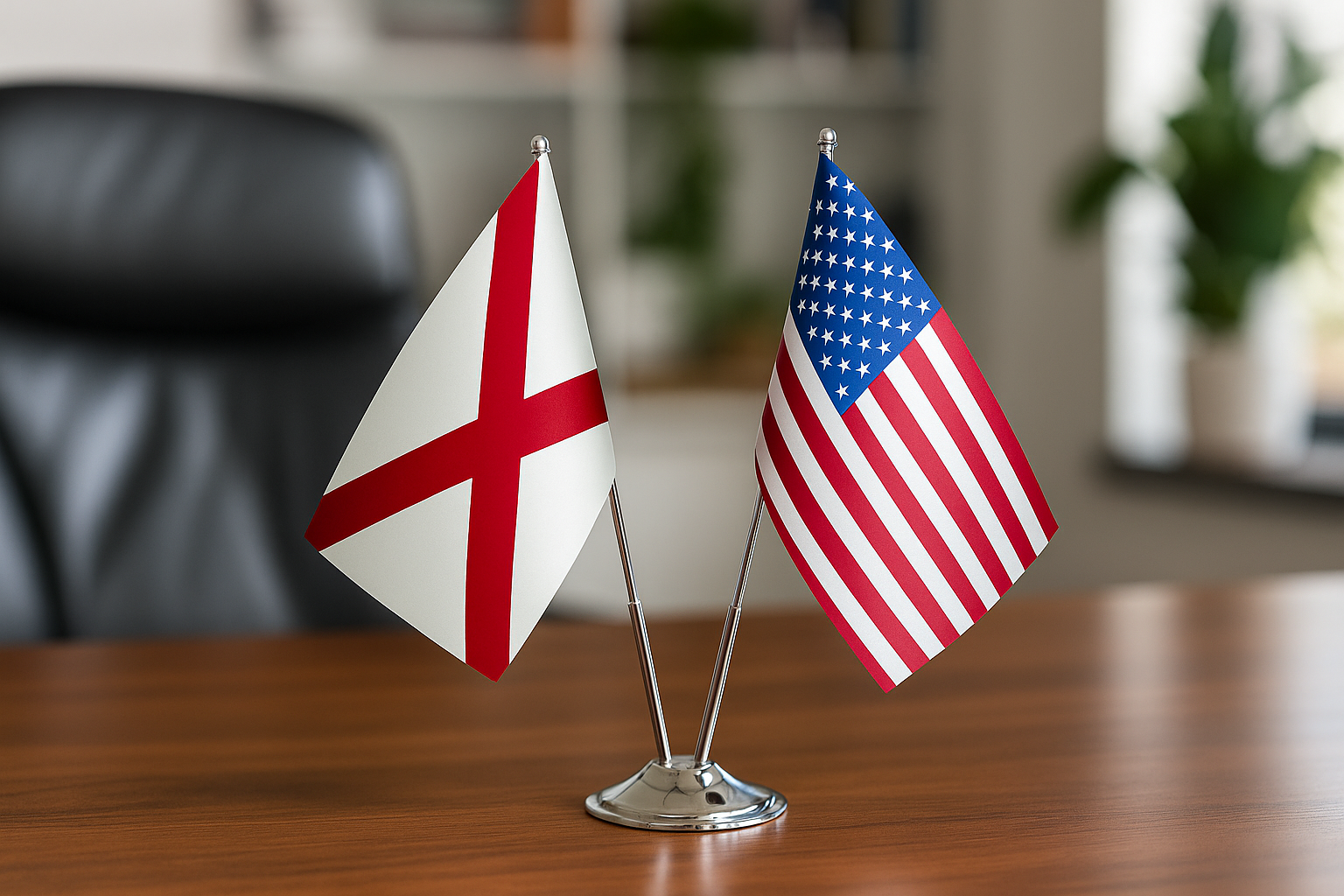
Indoor flags are typically made from a two-ply polyester or heavyweight nylon that drapes well in still air rather than the lightweight nylon optimized for wind. Gold fringe — the traditional finish for government ceremony flags — is optional under the Flag Code but is nearly universal in U.S. courtrooms and formal council chambers. For indoor flag stands, a premium weighted metal base ensures stability and projects the formal tone appropriate for government spaces; the luxury chrome and gold desk flag stand from Asya Bayrak is designed specifically for office, conference, and government display applications and accommodates single through five-flag configurations. When procuring indoor flags for a county courthouse or city hall renovation, it is efficient to bundle indoor and outdoor flag orders with the same supplier — standardizing colors, construction quality, and delivery timelines. The complete indoor flags collection provides the full range of sizes, fringe options, and material weights required for formal government interior display.
Writing a Municipal Flag Procurement Specification: Key Bid Requirements
A well-written procurement specification protects the municipality by ensuring every responding vendor bids to identical quality standards, preventing low-quality substitution after award. Your specification should define material (fabric type and denier), construction method (sewn vs. printed), size tolerance (±0.5 in / 1.3 cm), hardware (grommet material and diameter), and colorfast rating (minimum 80% UV resistance after 500 hours accelerated weathering).
Include a warranty clause requiring a minimum 90-day workmanship warranty on stitching and header construction, and specify that all American flags must comply with 4 USC §§ 1–10 and, where applicable, the Buy American Act (41 USC § 10a) if your jurisdiction requires domestic sourcing. For 3×5 5×8 outdoor flag bulk orders, specify delivery in individually poly-bagged units with size and lot-number labeling — this simplifies inventory management across multiple facilities. Include a provision for blanket purchase orders with staged delivery schedules (quarterly or semi-annual) so facilities can request restocking without triggering a new competitive bid each time, which reduces administrative overhead while maintaining compliance with your jurisdiction's procurement code. Finally, require that vendors provide a certificate of compliance confirming colorfast standards, stitching density (minimum 4 stitches per inch on all seams), and header attachment method — specifications that wholesale outdoor flags for municipalities suppliers like Asya Bayrak are fully equipped to meet and document for audit purposes.
Frequently Asked Questions
What is the correct flag size for a 30 ft flagpole at a county courthouse? +
How long do outdoor flags typically last on government buildings? +
Does the U.S. Flag Code require specific flag sizes for government buildings? +
What is the minimum order quantity for bulk outdoor American flags for city hall procurement? +
Should municipalities use nylon or polyester flags for outdoor government display? +
Can a municipality fly a custom department or seal flag on the same pole as the U.S. flag? +
What procurement documentation should be requested from a flag supplier for a government bid? +
Are indoor ceremonial flags for courtrooms and council chambers included in standard municipal outdoor flag contracts? +
Outfitting every city hall, courthouse, and public works facility with the right outdoor flags is a procurement task that rewards careful specification writing, volume consolidation, and supplier selection. For your next municipal flag purchasing cycle — whether you need a straightforward bulk outdoor American flags for city hall order, a set of custom logo flags for department facilities, or matching indoor ceremonial flags for your council chambers, explore the full range at Asya Bayrak. The logo-printed outdoor pole flags collection covers every custom municipal branding need, and the flagpoles and accessories collection ensures your hardware matches your flag investment. Bulk pricing is available for corporate and government orders — contact the Asya Bayrak municipal sales team to discuss blanket purchase agreements, delivery scheduling, and compliance documentation packages tailored to your jurisdiction's procurement requirements.


