

The standard Antigua and Barbuda flag follows a 2:3 width-to-length ratio, meaning a flag that is 3 ft (91 cm) tall measures 4.5 ft (137 cm) wide — the same proportional rule applied to nearly every size from desk flags to large outdoor installations. Whether you're sourcing a flag for a government building, a community event, or a corporate reception desk, understanding the official dimensions ensures your display is both accurate and protocol-compliant. You'll find size-variant options across the full America Countries Flags collection, which carries the Antiguan flag in multiple formats suited to different display settings.
Standard Antigua and Barbuda Flag Sizes and Where Each One Is Used
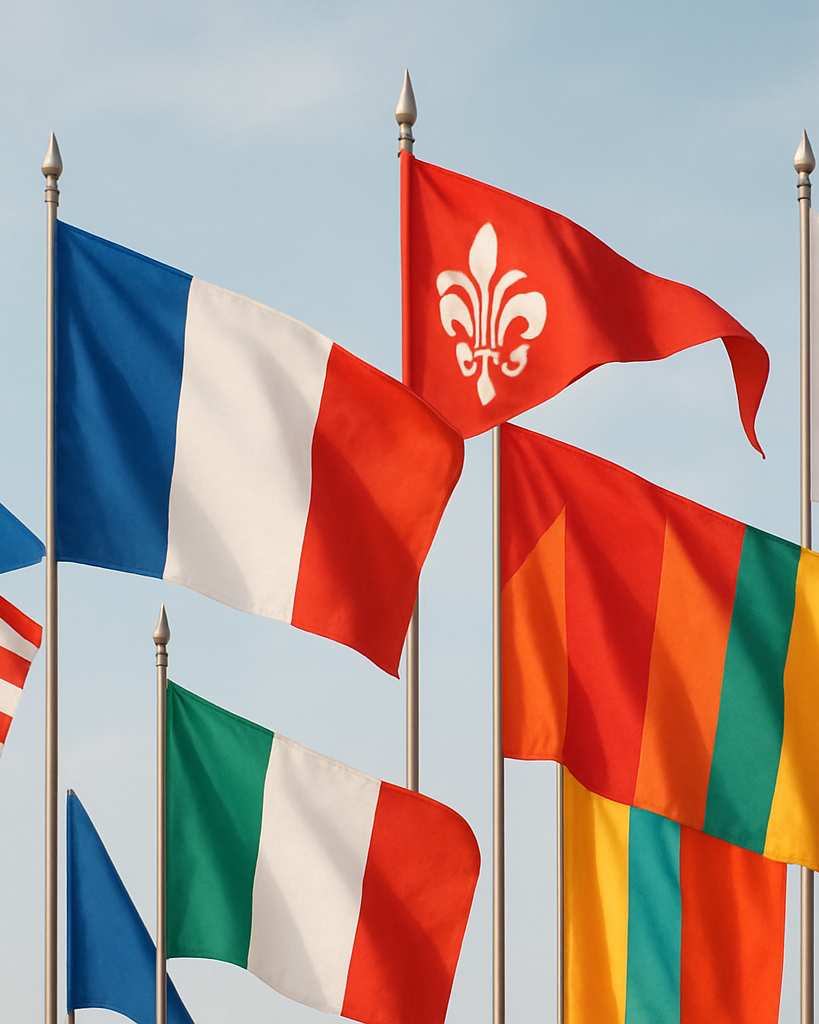
The most common outdoor sizes for the Antigua and Barbuda flag are 2×3 ft (61×91 cm), 3×5 ft (91×152 cm), and 4×6 ft (122×183 cm), with the 3×5 ft being the global standard for residential and commercial flagpoles. Each size category has a natural home: the 2×3 ft is popular for boat transoms, RV mounts, and smaller residential poles; the 3×5 ft works for standard 20–25 ft (6–7.6 m) poles at homes, schools, and businesses; and the 4×6 ft is used on taller institutional poles at embassies, government offices, and sports venues. Larger ceremonial sizes — 5×8 ft (152×244 cm) and 6×10 ft (183×305 cm) — are reserved for prominent outdoor monuments or stadium installations where visibility at distance is critical.
Indoor flags occupy their own size bracket. Presentation sets displayed alongside a gold fringe typically measure 3×5 ft (91×152 cm) or 4×6 ft (122×183 cm) and are mounted on a weighted floor stand. Desk flags are the smallest category, usually 4×6 in (10×15 cm) on a 10 in (25 cm) staff, and are used for conference tables, reception counters, and diplomatic meeting rooms. Handheld parade flags fall between desk and indoor sizes, most commonly 8×12 in (20×30 cm) on a 12 in (30 cm) dowel, designed to be waved during national day celebrations and sporting events.
How to Choose the Right Size: Space, Pole Height, and Viewing Distance
The single most reliable rule for outdoor flags is that the flag's fly length (the longer horizontal dimension) should equal roughly one-quarter to one-third of the pole's height. A 3×5 ft flag fits poles between 15 and 25 ft (4.6–7.6 m); a 4×6 ft flag suits poles from 25 to 35 ft (7.6–10.7 m). For indoor displays, viewing distance matters most — a flag on a 7 ft (2.1 m) indoor staff placed in a lobby corner should be no smaller than 3×5 ft to remain legible from 15 ft (4.6 m) away.
 Outdoor display flags must withstand UV exposure, wind load, and rain — factors that make material weight and reinforcement as important as size itself. A flag that is too large for its pole will over-stress the header and grommets during strong winds, leading to tears at the hoist edge within weeks. Conversely, a flag that is too small looks disproportionate and loses its symbolic impact when viewed from the ground. The Antigua and Barbuda Outdoor Flag is constructed with reinforced stitching at the fly hem and brass grommets at the hoist, specifically engineered for the wind loads and sun intensity common to both Caribbean and North American climates. When evaluating your setup, also consider whether the flag will fly 24 hours a day — continuous display accelerates wear and makes material quality especially important.
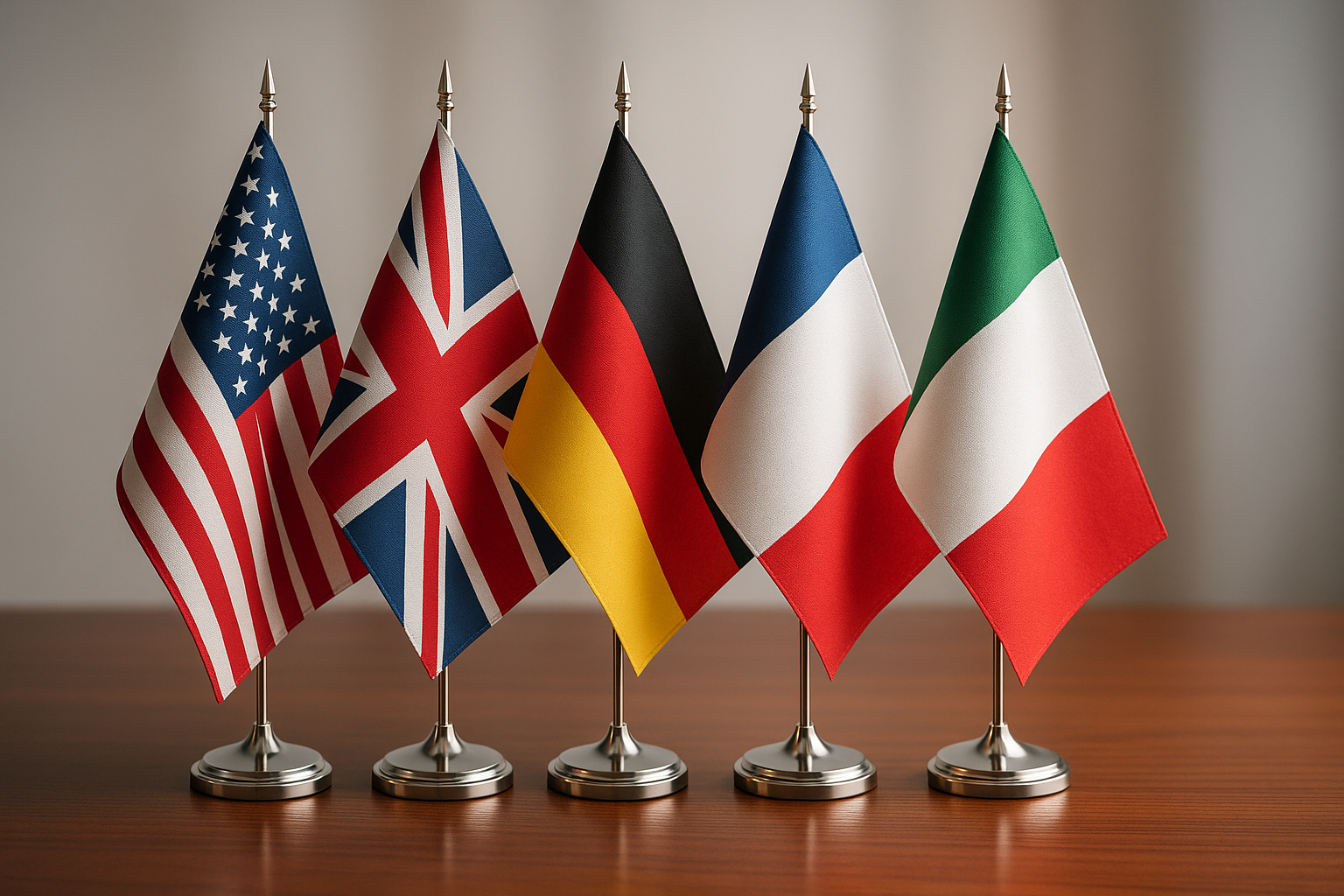
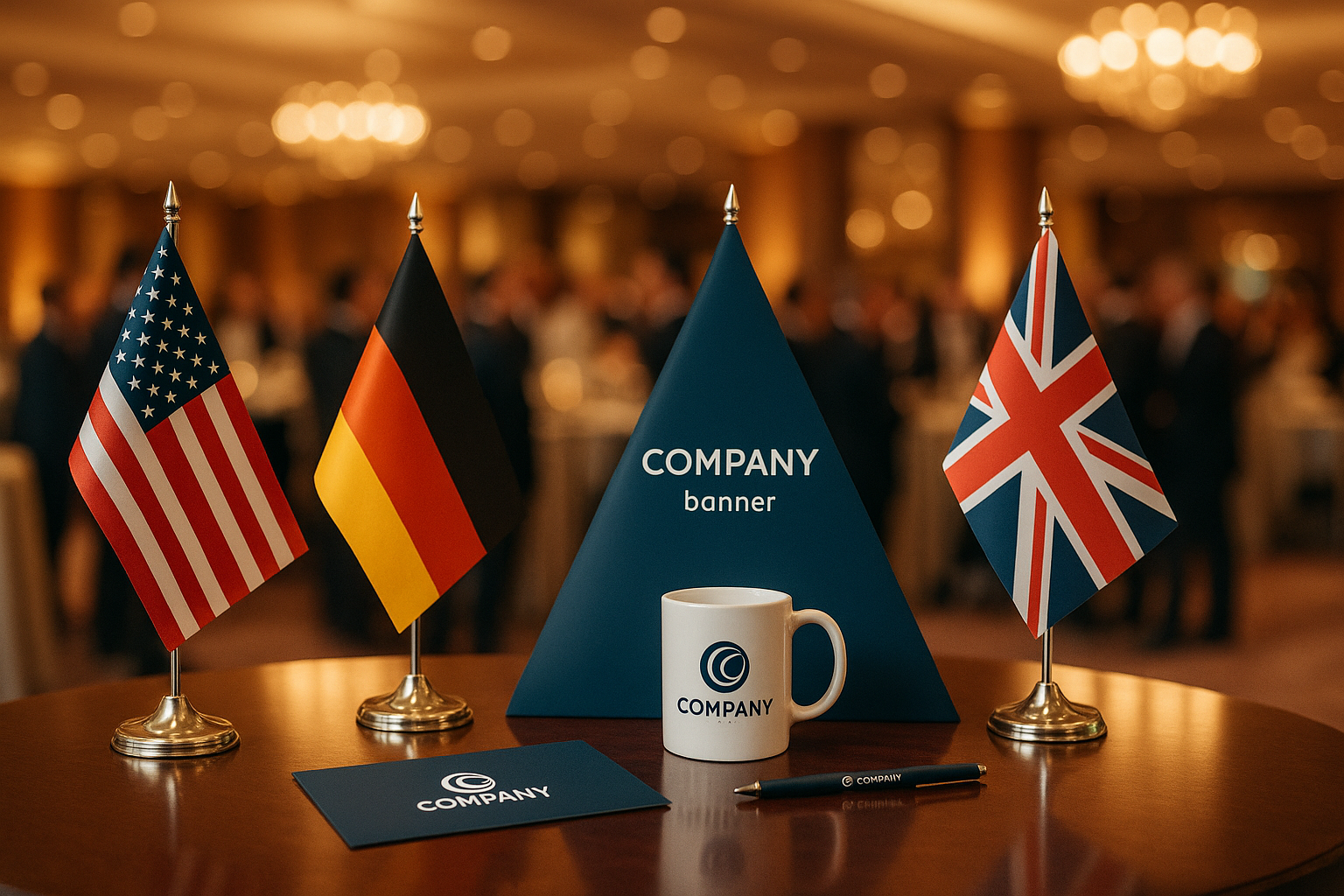
For venues displaying flags of multiple nations side by side — a common sight at hotels, international offices, and trade shows — all flags in the grouping should be identical in size to comply with diplomatic convention. According to customary international protocol, no nation's flag should be flown at a smaller size than another in a joint display. This is a practical consideration that often drives buyers toward the 3×5 ft size as the universal common denominator.
The Correct Ratio Between Pole Height and Flag Dimensions
The Antigua and Barbuda flag's official proportional ratio is 2:3 (height to length), a specification rooted in the country's post-independence flag regulations adopted on February 27, 1967. This 2:3 ratio is the dominant standard across the Caribbean and is consistent with FIAV (Fédération internationale des associations vexillologiques) recommendations for national flags. Practically, this means every legitimate reproduction of the flag — whether a 4×6 in desk flag or a 6×10 ft stadium banner — should maintain this proportion to accurately represent the design, including the rising golden sun set against the black central band, which must appear centered and undistorted.
A helpful reference table for matching pole height to flag size:
- 15 ft (4.6 m) pole → 2×3 ft (61×91 cm) flag recommended
- 20 ft (6.1 m) pole → 3×5 ft (91×152 cm) flag recommended
- 25 ft (7.6 m) pole → 4×6 ft (122×183 cm) flag recommended
- 35 ft (10.7 m) pole → 5×8 ft (152×244 cm) flag recommended
- 40 ft (12.2 m) pole → 6×10 ft (183×305 cm) flag recommended
- 50–60 ft (15.2–18.3 m) pole → 8×12 ft (244×366 cm) flag recommended
These guidelines align with general vexillological best practice and are broadly consistent with the spirit of the US Flag Code (4 USC §§ 1–10) guidance on proportional display, which — while written for the American flag — is widely applied as a benchmark for any flag displayed within the United States, regardless of nationality. For more on how different pole heights translate to recommended sizes across nations, the article on Central African Republic flag size by pole height offers a useful parallel framework you can apply directly to Antiguan flag installations.
Indoor, Outdoor, and Desk Flag Sizes Compared
Each display format — indoor, outdoor, and desk — serves a distinct purpose and requires different dimensional thinking. Outdoor flags prioritize visibility at distance and durability under weather; indoor presentation flags prioritize crisp color and a formal appearance in a controlled environment; desk flags prioritize compactness and cultural identification in close-proximity settings like meeting rooms or reception counters.
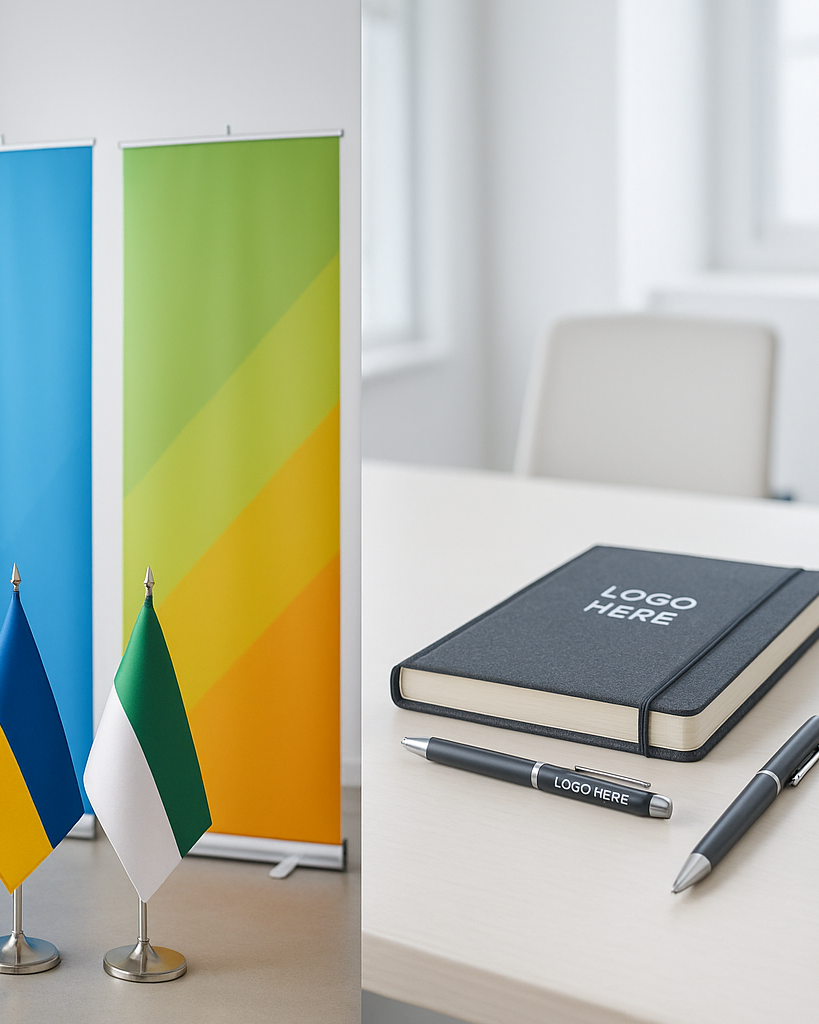
 Desk flags for the Antigua and Barbuda flag typically measure 4×6 in (10×15 cm) and are mounted on a 10 in (25 cm) staff with a weighted base — often chrome or gold-toned to suit professional environments. The Antigua and Barbuda Desk Flag is printed on smooth polyester that replicates the vivid red, blue, black, white, and gold colors of the national flag accurately at small scale, which is technically challenging given the complexity of the rising sun emblem at the center of the design. The 4×6 in format is the recognized global standard for national desk flags and is what diplomats, corporate executives, and university departments reliably order for table-top display. For a deeper breakdown of desk flag dimensions across nations and display contexts, the guide on standard desk flag dimensions explained covers measurement conventions and stand compatibility in detail. This format is also the fastest to produce at scale, making it a popular choice for trade delegations, sports federations, and conference organizers who need quantities quickly.
Handheld flags represent the third category and are engineered for temporary, high-motion use — parades, fan sections, national day celebrations, and school events. Standard handheld sizes are 8×12 in (20×30 cm) on a 12 in (30 cm) wooden or plastic dowel, though some event organizers prefer a slightly larger 11×17 in (28×43 cm) format for improved visibility in crowded venues. These flags are printed on lightweight polyester or paper-backed fabric to reduce wrist fatigue during extended waving. The Antigua and Barbuda Handheld Flag is built for exactly this use case, with a secure ferrule attachment that prevents the flag from detaching from the staff during active use.

America Countries Flags
The complete collection of North, Central, and South American national flags available in outdoor, desk, and handheld sizes — including the Antigua and Barbuda flag in all standard dimensions.
Browse Collection →Common Flag Sizing Mistakes to Avoid
The most frequent sizing error buyers make is selecting a flag size based on visual intuition rather than actual pole height measurement — typically resulting in a flag that is one full size too small. A 3×5 ft flag on a 40 ft (12.2 m) pole disappears visually; from ground level it appears as a small accent rather than a proper national symbol, which undermines the dignity of the display.
A second common mistake is ordering an outdoor flag for indoor use. Outdoor flags are made from heavier nylon or polyester with open weave to allow wind to pass through — when hung indoors on a static display stand, they droop and fail to hold their shape. Indoor presentation flags are cut from a tighter, smoother fabric that drapes cleanly on a staff without movement. Conversely, indoor flags used outdoors deteriorate rapidly because they lack UV inhibitors and wind-resistant construction; outdoor flags rated at 80% UV resistance with double-stitched fly hems are designed to last 6 months to 2 years in full outdoor exposure, while an indoor flag in the same conditions may fade and fray within 6–8 weeks.
A third mistake is ignoring the color accuracy requirements of the Antigua and Barbuda flag's design. The flag's seven horizontal bands — two equal black triangles on either side of a central black triangle, bounded by red at top and bottom, separated from the central black by thin white and blue bands — and the prominent rising sun must all be reproduced in exact proportions. At very small custom sizes made without quality controls, these elements can merge or blur. Ordering from a manufacturer that holds FIAV-referenced color standards ensures the golden sun and the black, red, white, and blue bands are faithfully reproduced at any size. For more on what the colors and design elements represent, the companion article on Antigua and Barbuda flag colors and meaning covers the symbolism in full detail.
Frequently Asked Questions
What do the colors on the Antigua and Barbuda flag represent? +
What is the official ratio of the Antigua and Barbuda flag? +
What is the history behind the Antigua and Barbuda flag? +
Where can I buy an authentic Antigua and Barbuda flag in the United States? +
What factors affect the cost of an Antigua and Barbuda flag? +
Can I fly the Antigua and Barbuda flag next to the US flag, and which goes higher? +
How long does an outdoor Antigua and Barbuda flag typically last? +
Is a 3×5 ft flag the right size for a standard residential flagpole? +
Selecting the correct Antigua and Barbuda flag size comes down to three variables: pole height, viewing distance, and display environment. Start by measuring your pole, apply the one-quarter-to-one-third rule for fly length, and match the material to indoor or outdoor use. For outdoor installations, browse the full range of size options on the Antigua and Barbuda Outdoor Flag product page; for desk and conference room displays, the Antigua and Barbuda Desk Flag ships ready to display with a weighted stand; and for events, parades, or school activities, the Antigua and Barbuda Handheld Flag is available in single units and case quantities. You can also explore the broader Country Flags collection if you need flags for multiple nations in a joint display. Bulk pricing is available for corporate, government, and institutional orders — contact us directly for volume quotes.
For every standard size in one place, see US Flag Sizes Explained in Inches and Feet.


