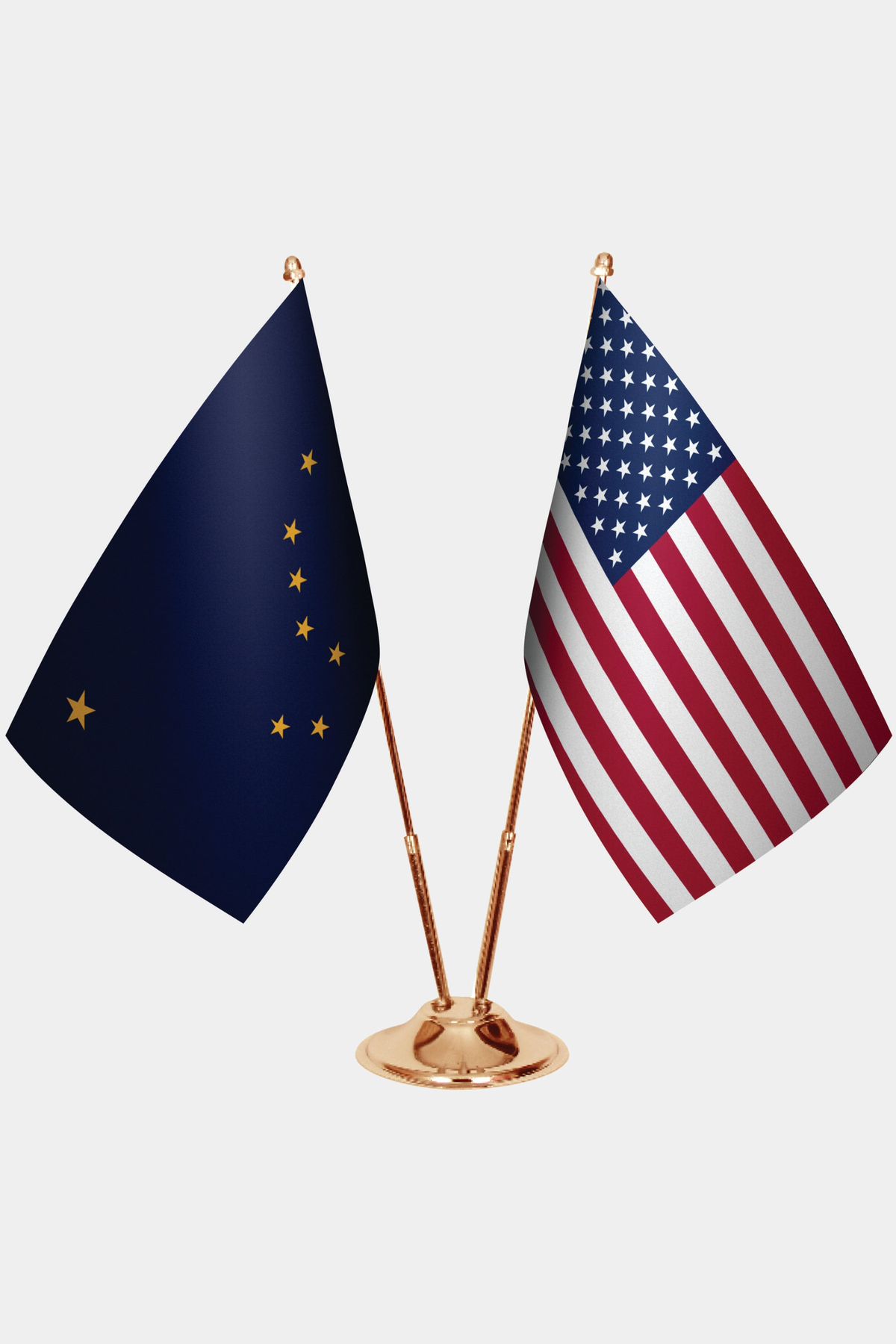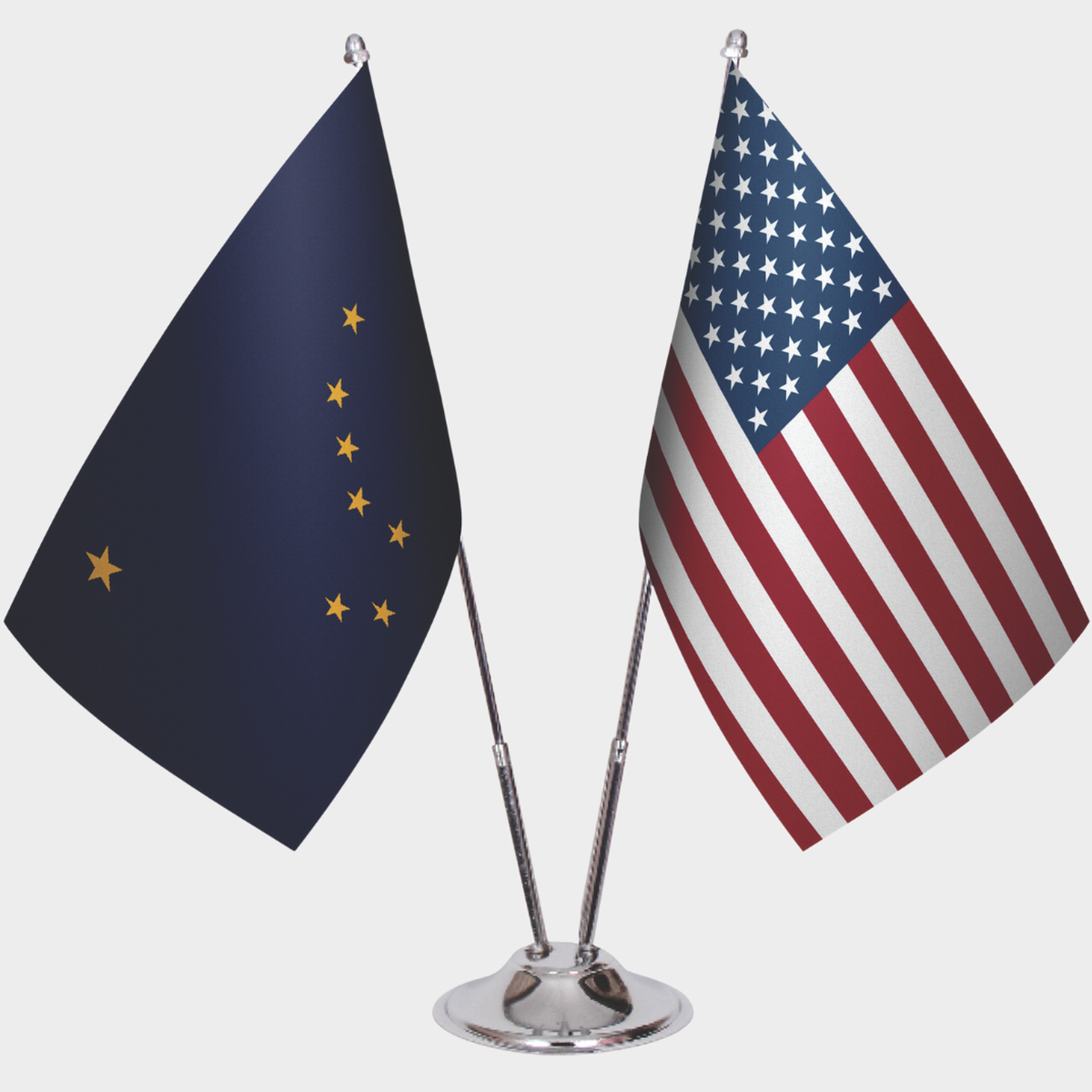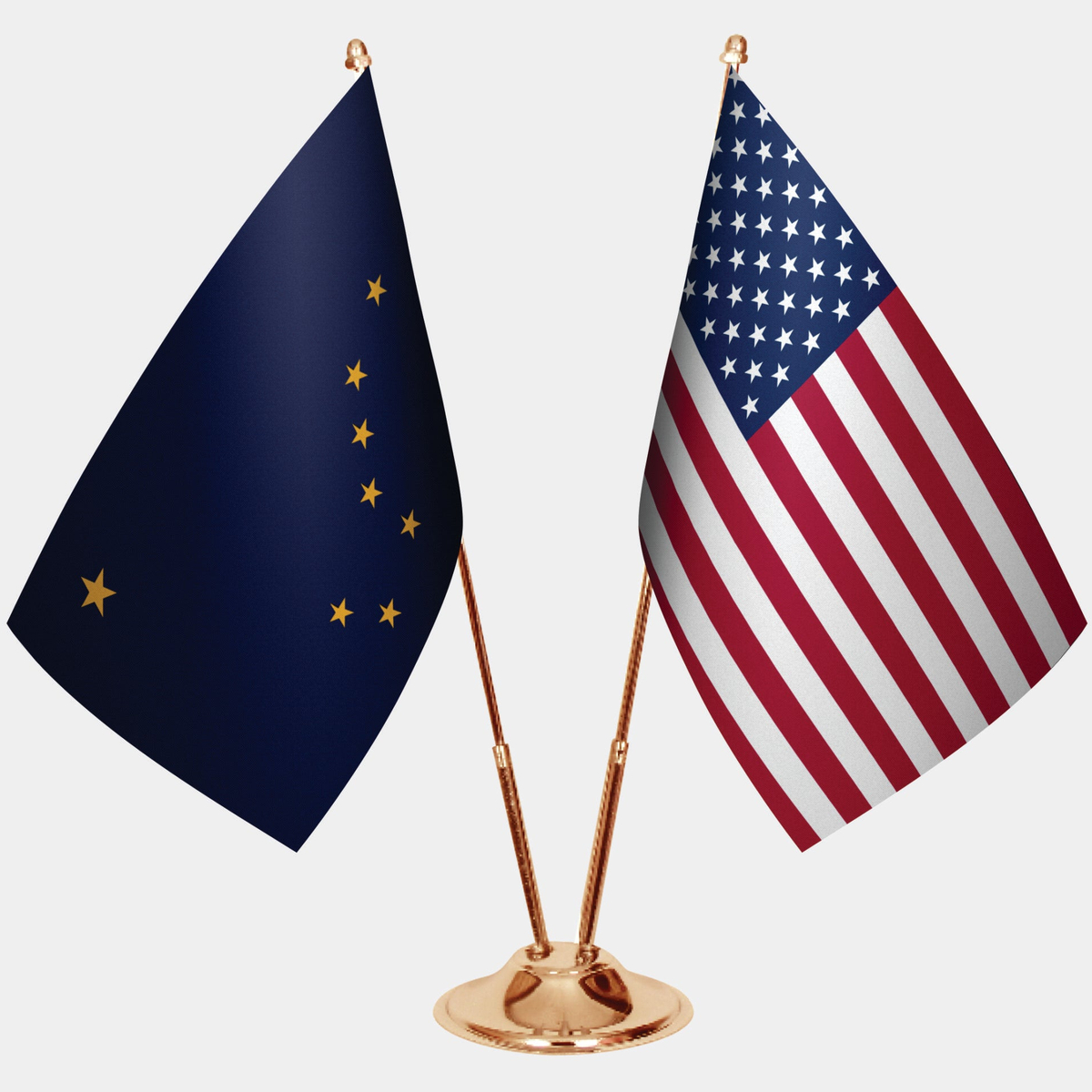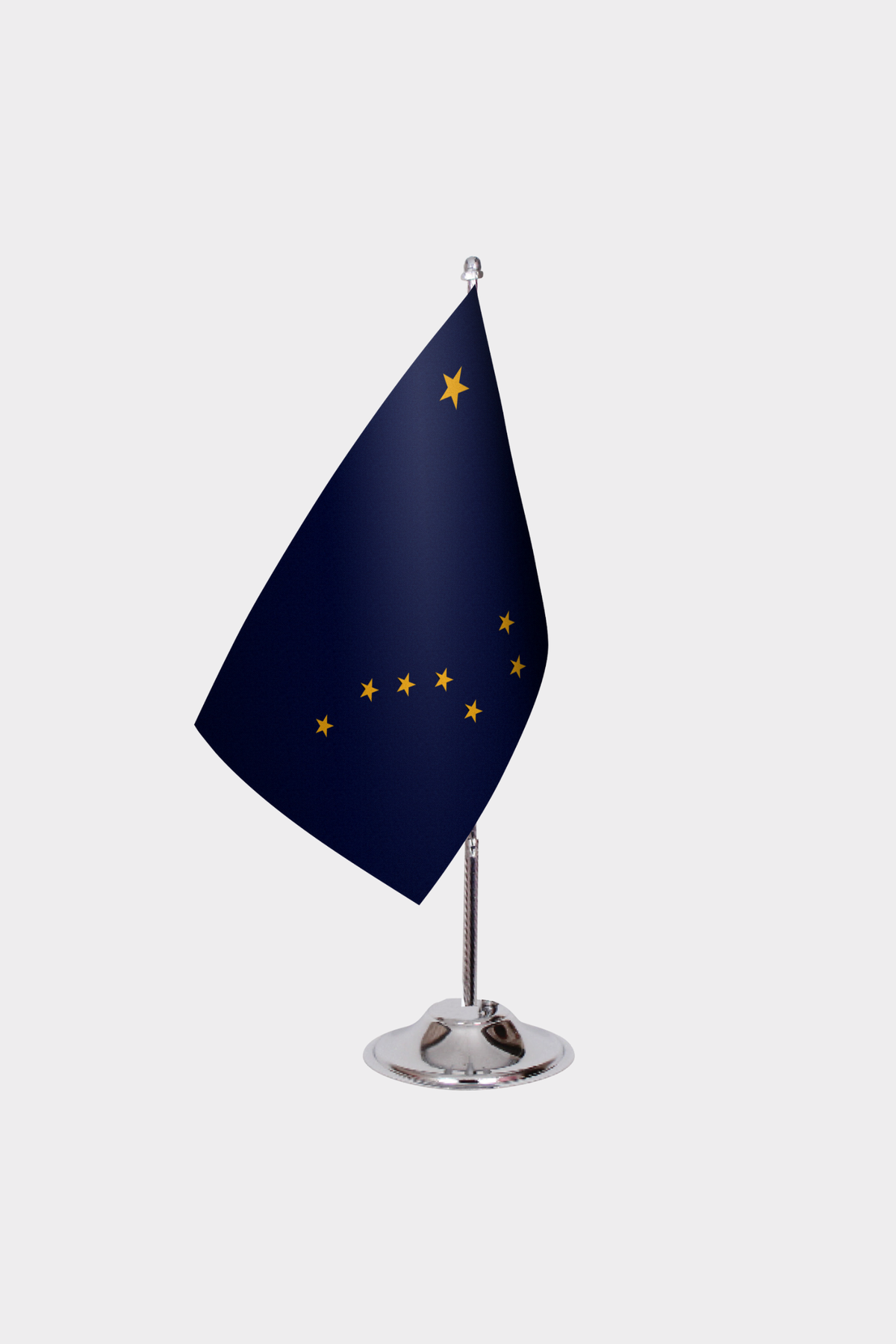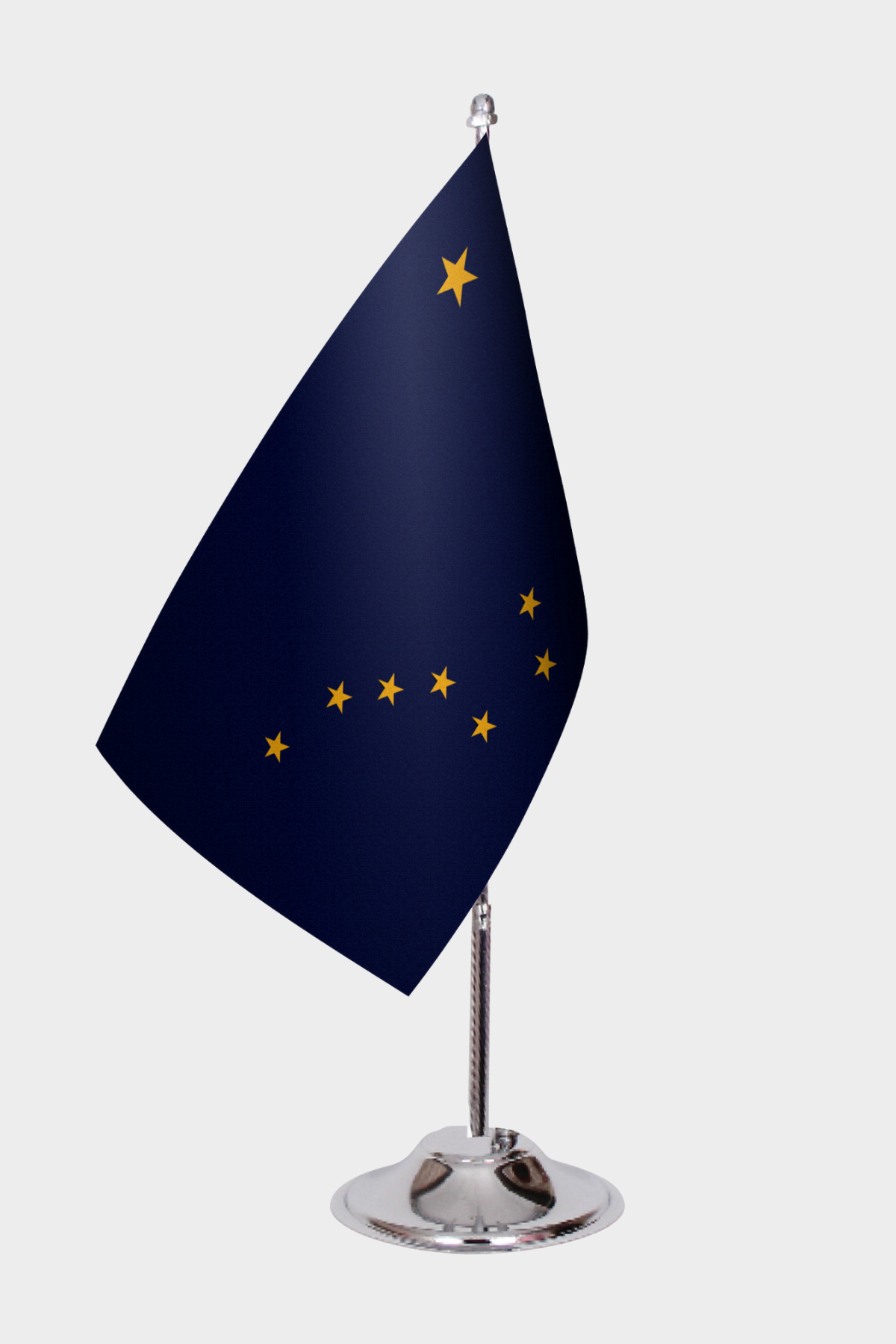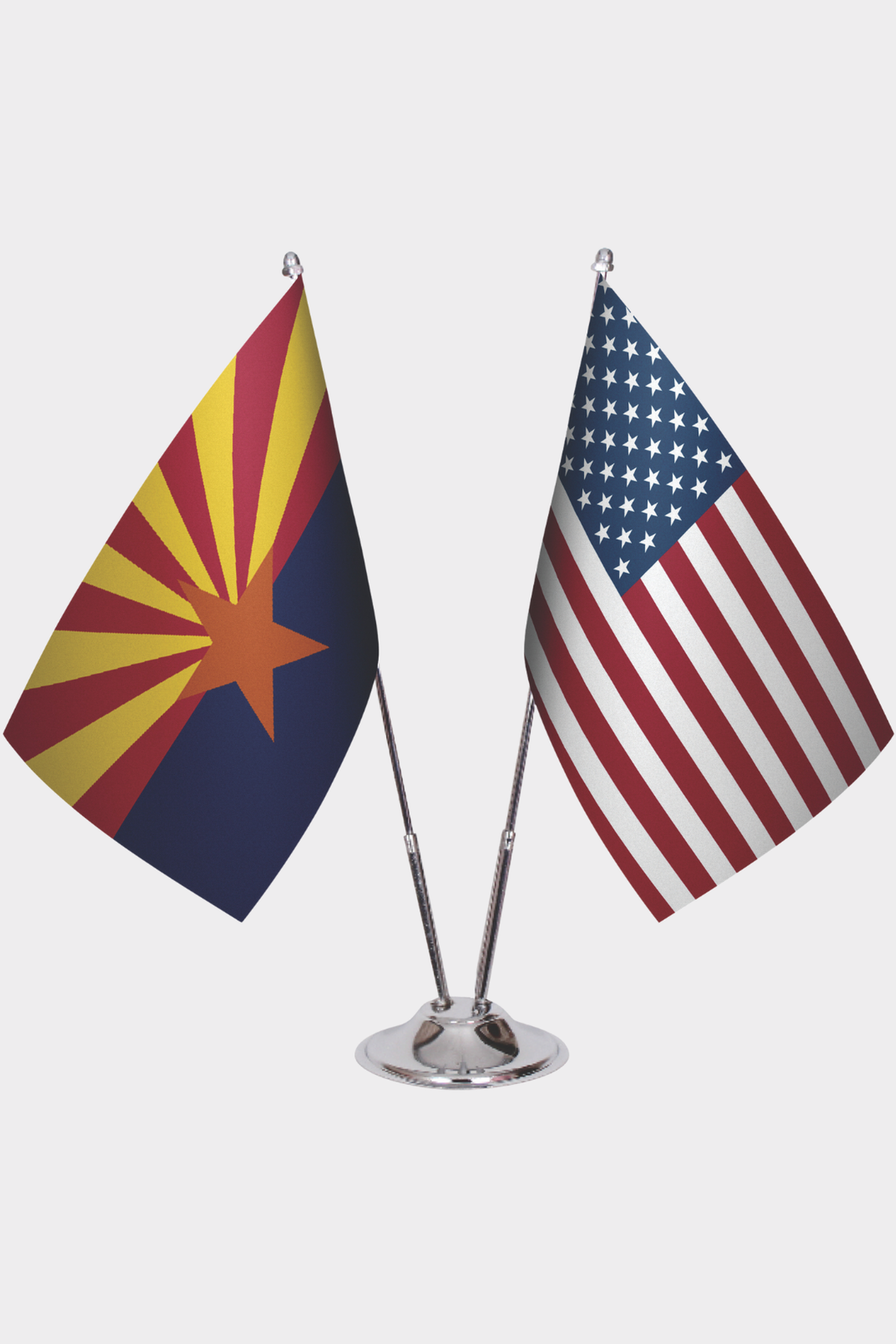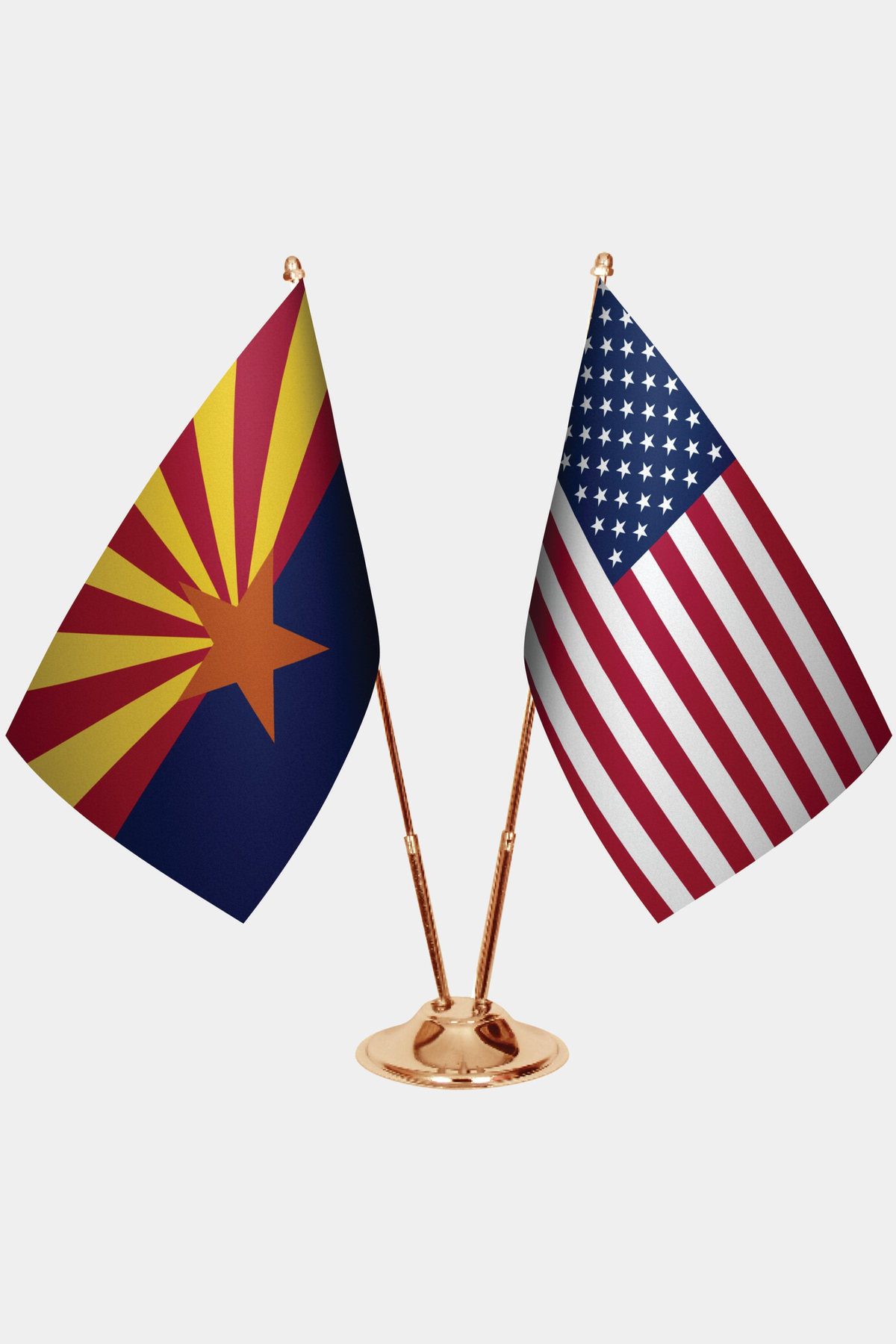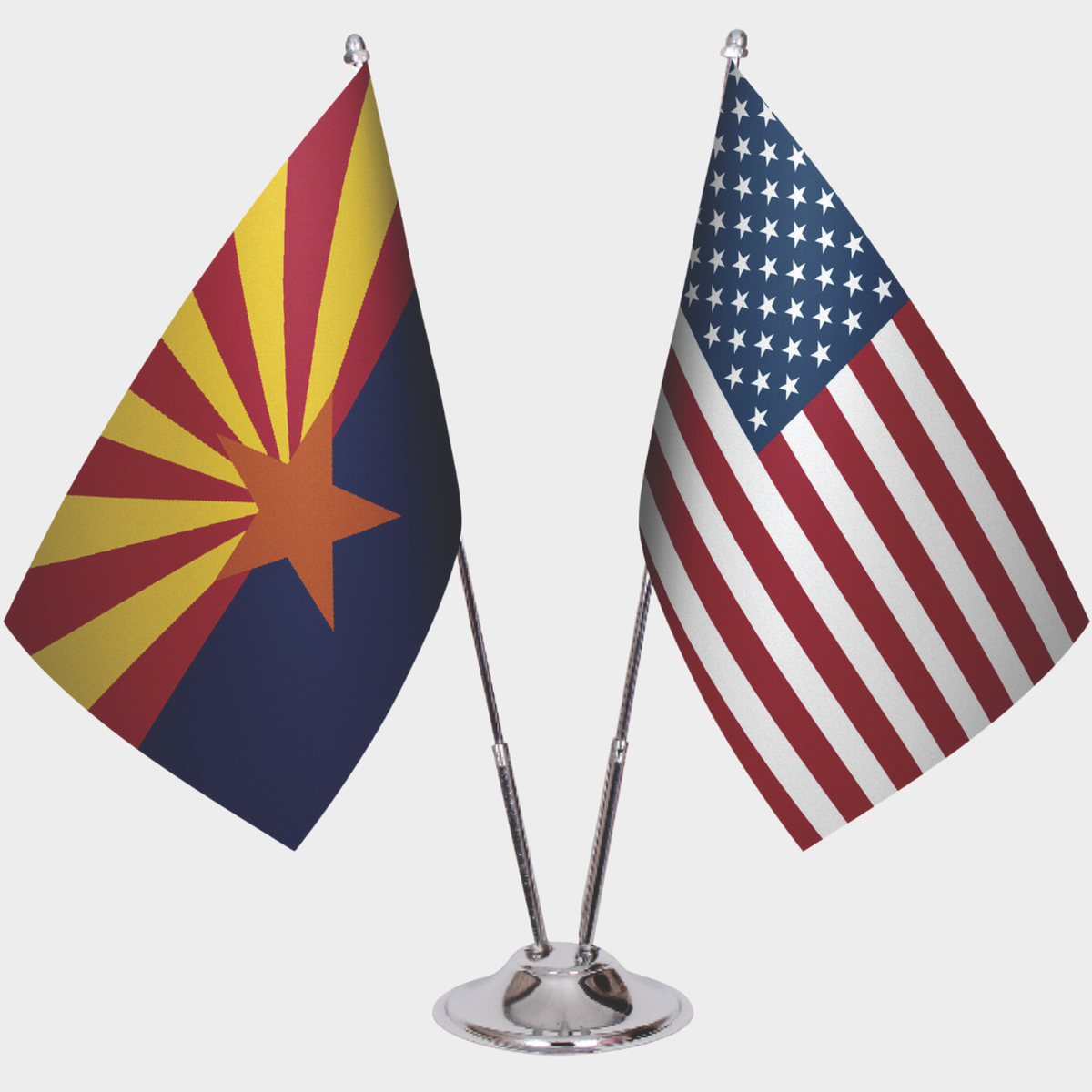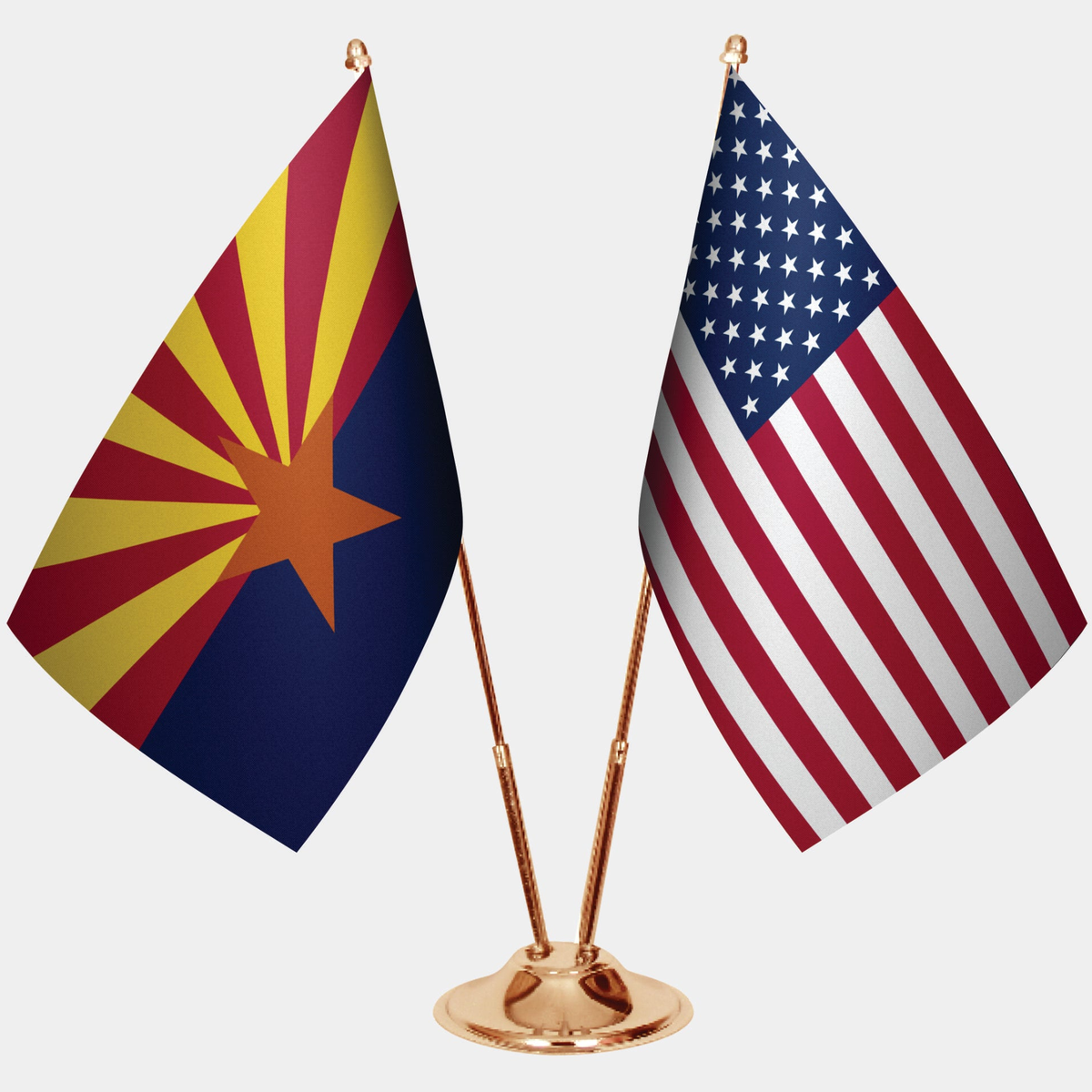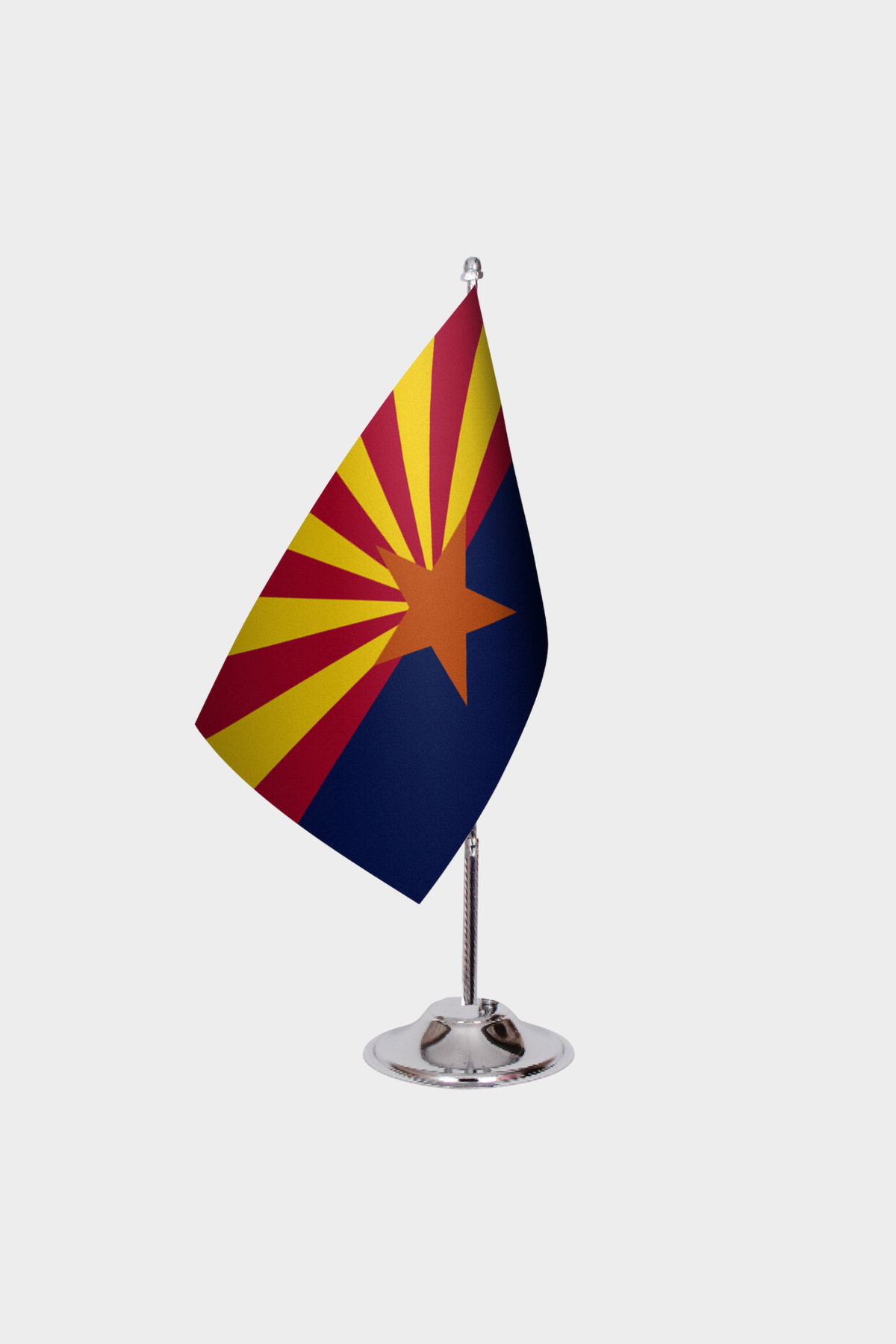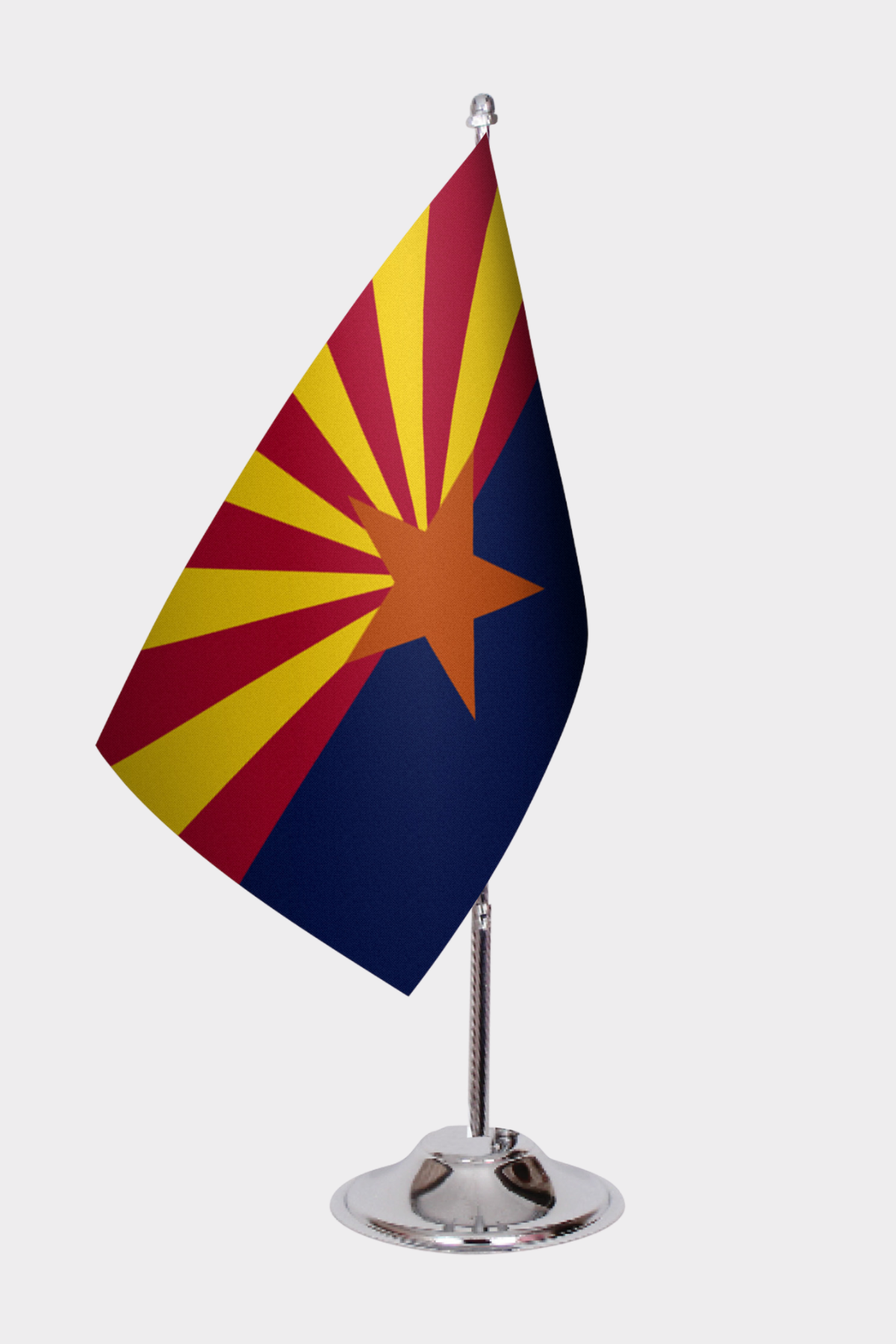
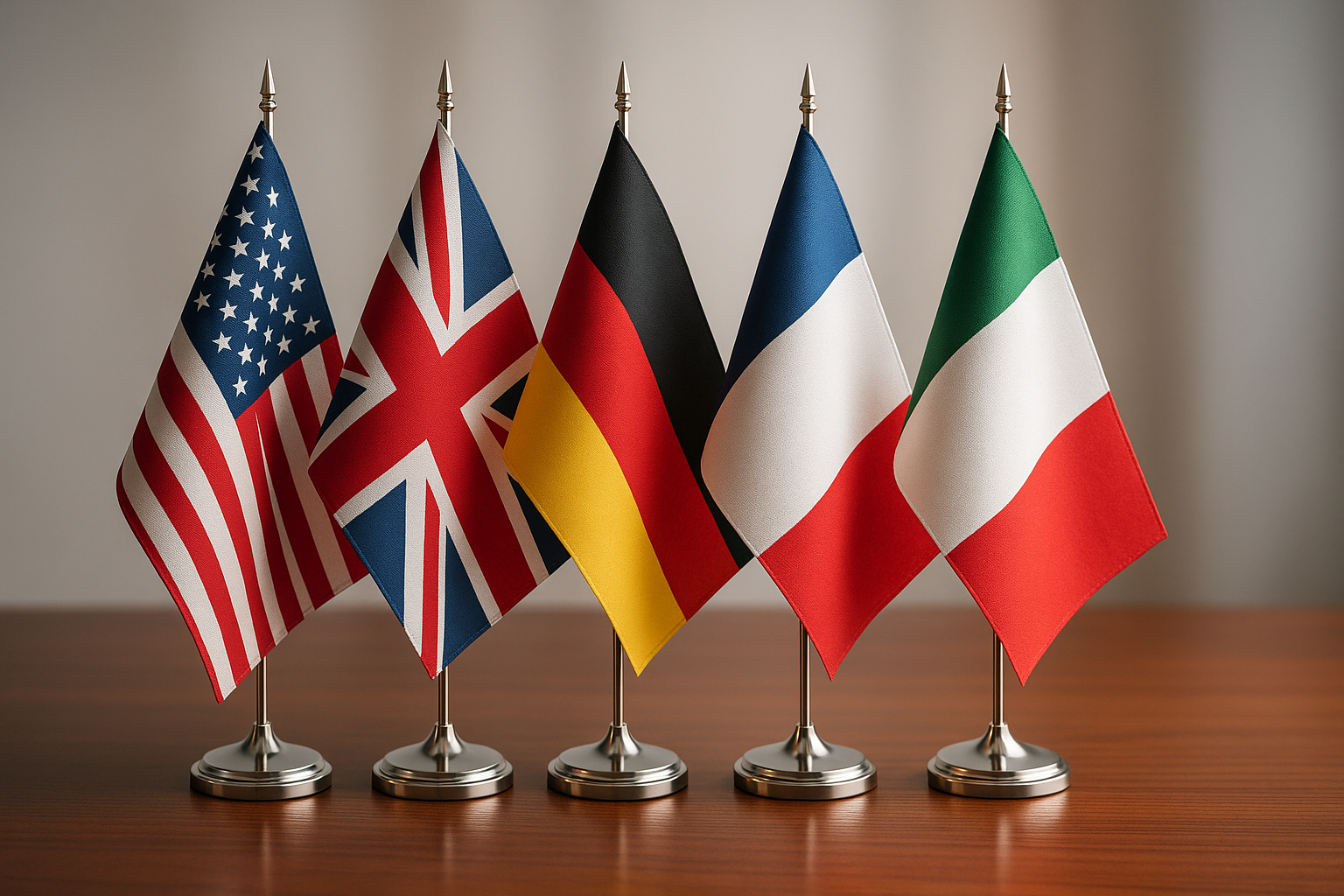
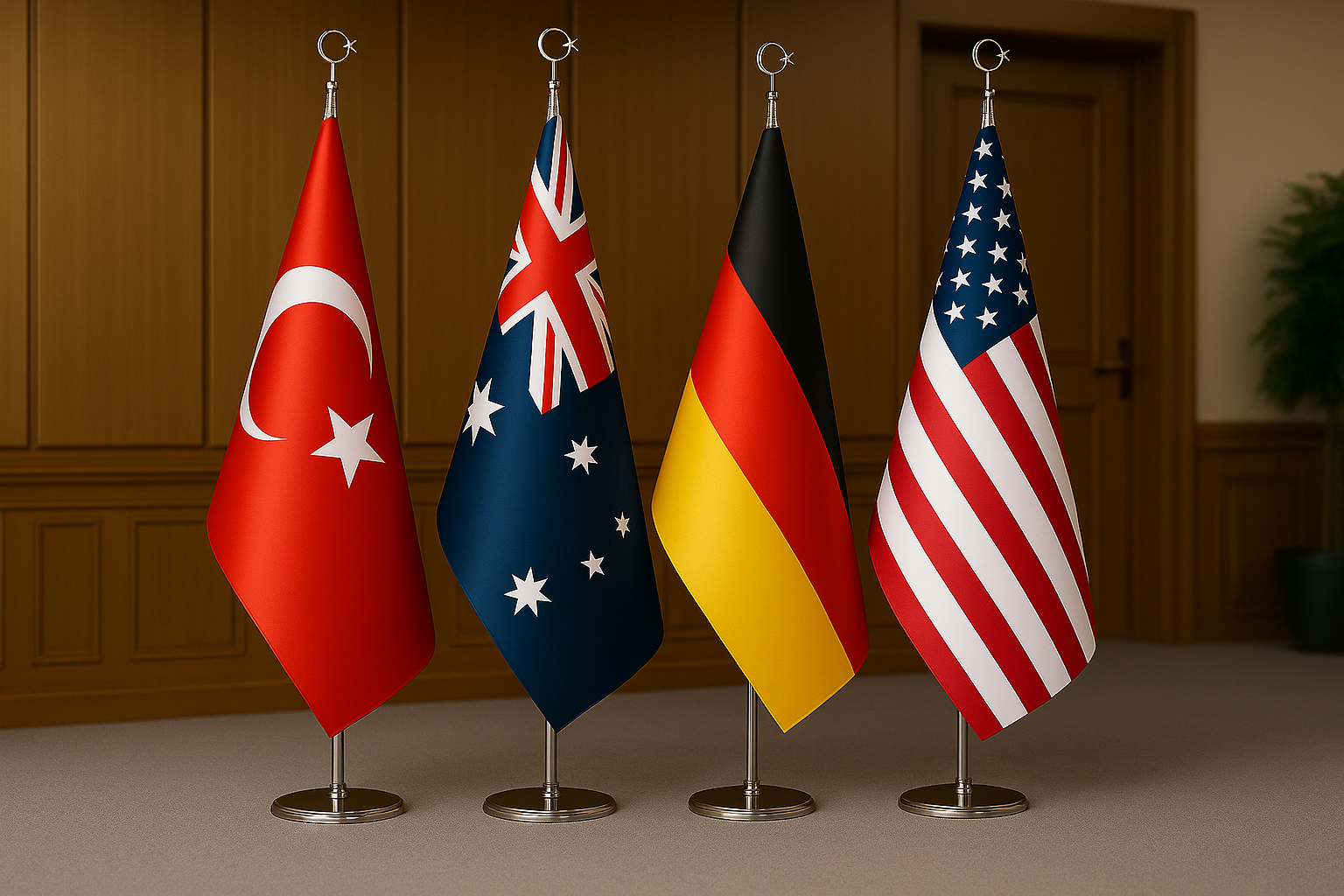
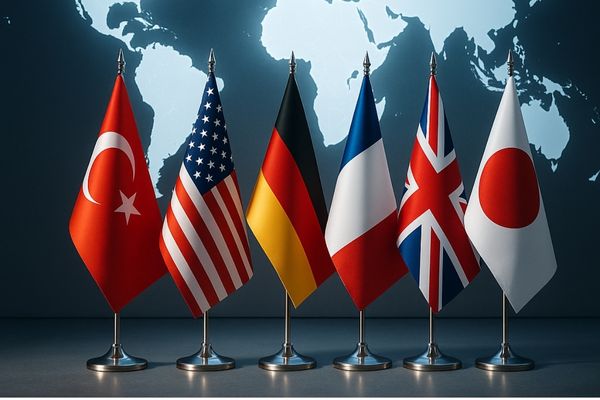
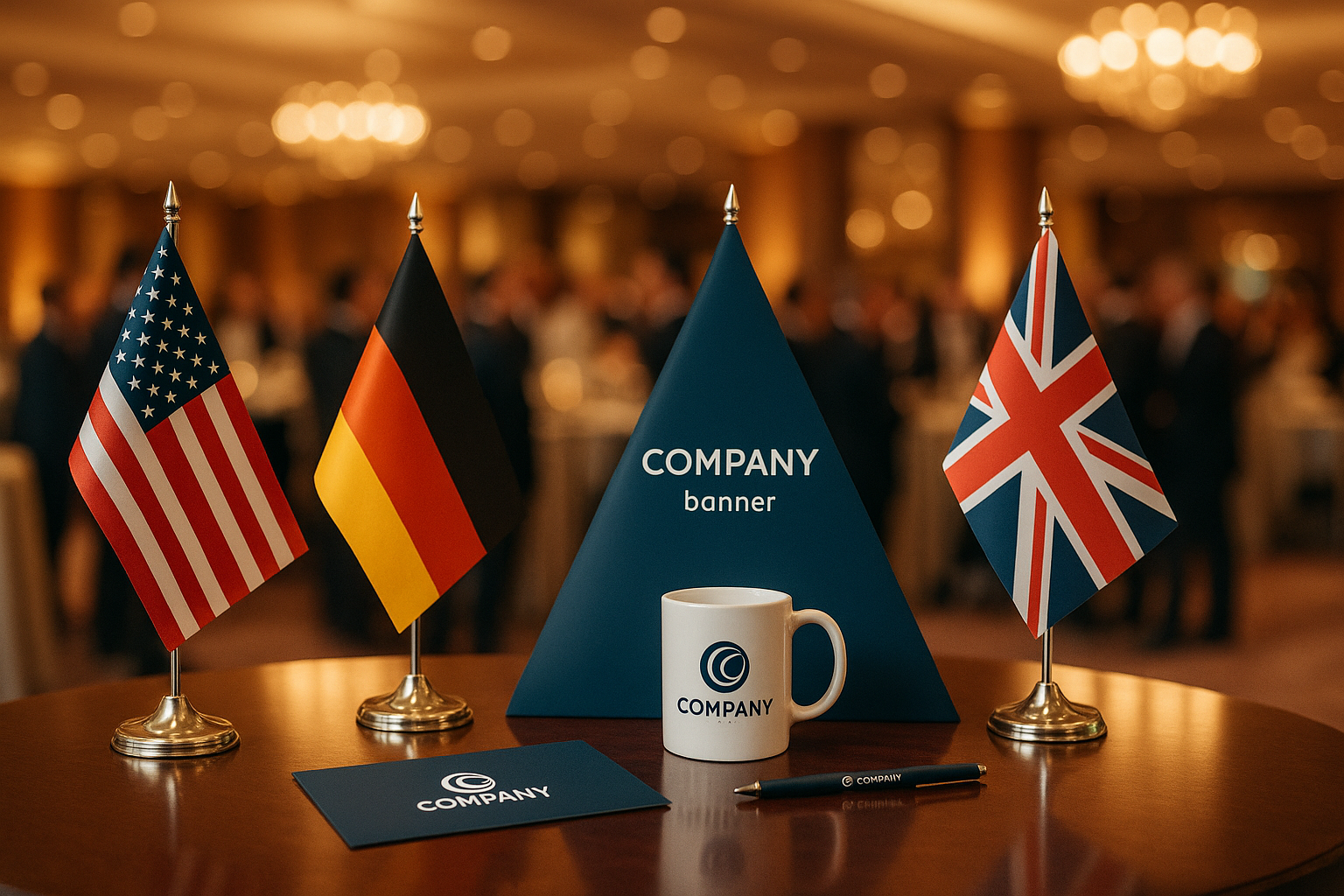

Trade show flags and banners are among the most powerful tools for capturing foot traffic and communicating your brand identity at exhibitions — the right combination can increase booth visibility by up to 40% compared to table-only displays. Whether you are exhibiting at a regional business expo or a major national convention, investing in high-quality trade show display materials gives your company a professional edge that competitors using generic signage simply cannot match. From towering feather flags flanking your entrance to retractable roll-up banners showcasing your product lineup, every visual element works together to pull attendees into your space. Explore the full range of Banners & Accessories collection to see how purpose-built display solutions can transform your next event presence.
Why Trade Show Flags and Banners Are Essential for Booth Success
A well-placed trade show flag or event banner is not just decoration — it is the first visual signal a potential customer receives about your brand, often from 30 ft (9 m) or more away across a crowded convention floor. Studies consistently show that exhibitors who use vertical display elements alongside their booth structure generate significantly more walk-in traffic than those who rely solely on horizontal table setups. The human eye is naturally drawn to height and motion, which is why flags that flutter — even subtly in climate-controlled indoor air — outperform static signage in attracting glances. At trade shows where hundreds of booths compete for attention, standing out in the first three seconds an attendee scans the hall is not optional; it is the difference between a busy booth and an empty one. Your display materials are an extension of your brand promise, and low-quality fading prints or sagging banners send the wrong message before you have spoken a single word to a prospect.
Types of Trade Show Display Products: Flags, Banners, and More
The most effective exhibition booth flags fall into several distinct categories, each serving a specific visibility purpose depending on your booth layout and venue type. Understanding the strengths of each format allows you to build a layered display strategy rather than relying on a single piece of signage.
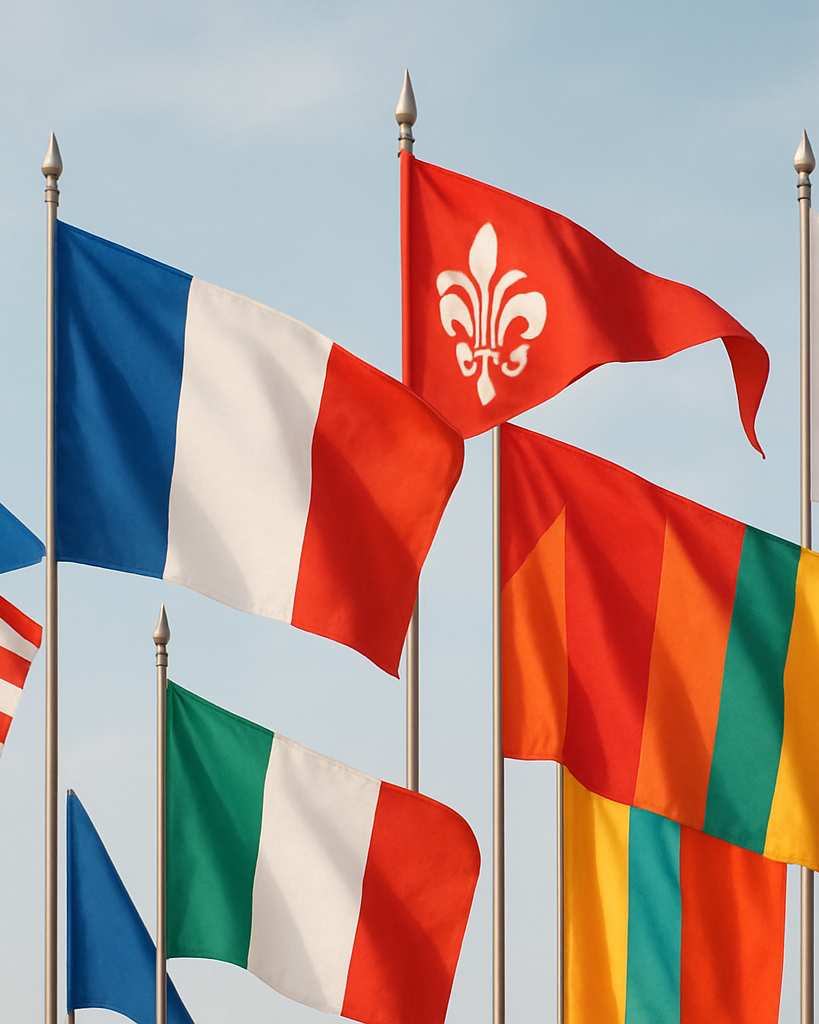
- Feather and Sail Flags: Tall, curved flags mounted on flexible fiberglass poles that range from 8 ft to 20 ft (2.4 m to 6 m) in height. Their undulating shape catches the eye even in low-airflow indoor environments, and they are lightweight enough for one person to set up in under five minutes.
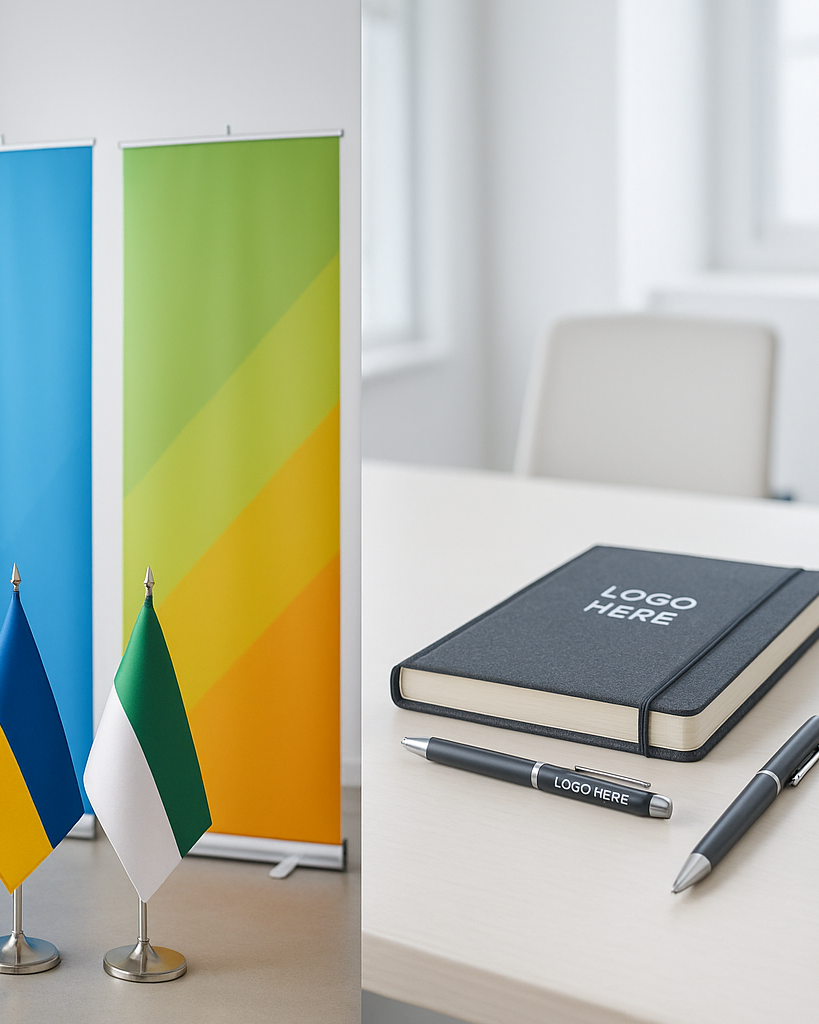
- Retractable Roll-Up Banners: Self-contained banner stands that retract into a base unit for easy transport. Standard sizes run from 24 in × 78 in (61 cm × 198 cm) to 36 in × 92 in (91 cm × 234 cm), making them ideal for back-wall branding or aisle-facing messaging.
- Step-and-Repeat Banners: Wide-format backdrop banners featuring repeating logo patterns, commonly seen at press areas and photo opportunity zones within larger exhibits.
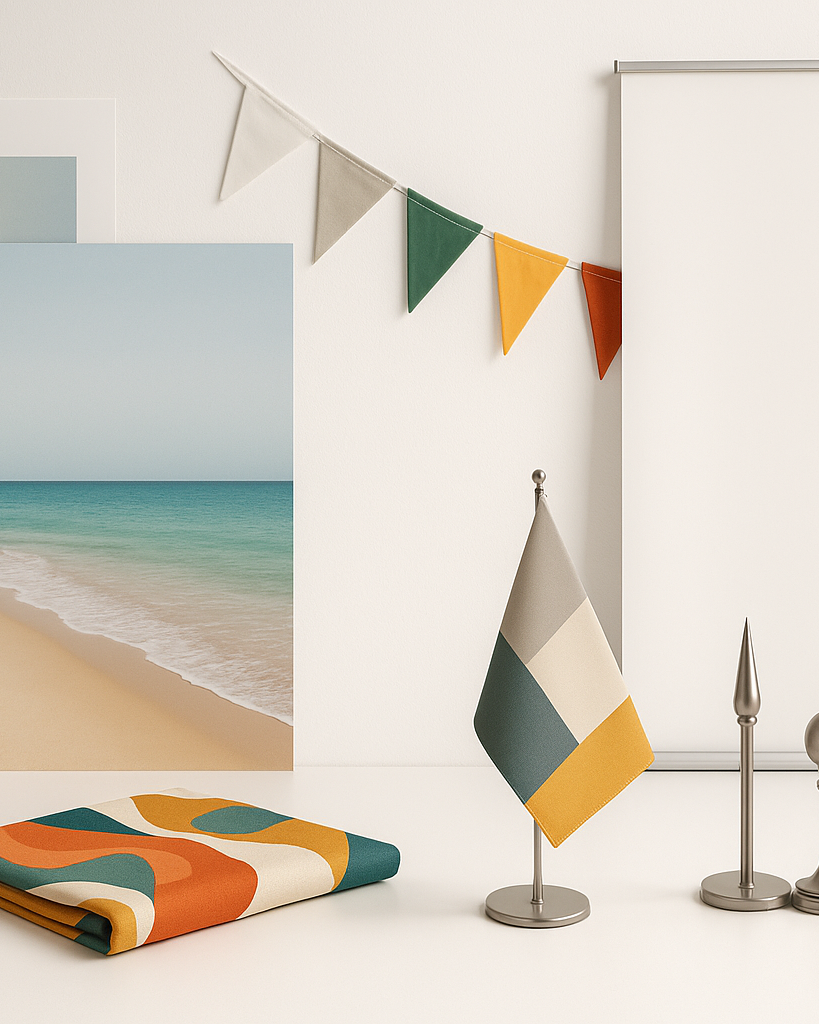
- Table Runners and Tension Fabric Displays: Lower-profile pieces that complement taller flag and banner arrangements, reinforcing brand consistency across every surface of your booth.
- Hanging Ceiling Banners: Suspended overhead displays permitted at many larger venues, providing 360-degree visibility to attendees approaching from any direction.
Mixing two or three of these formats creates a visual hierarchy that guides attendees from far-away awareness (flags and ceiling pieces) down to up-close engagement (roll-up banners and table runners). Most experienced exhibitors recommend anchoring the back wall with a large-format banner while positioning feather flags at the front corners of the booth footprint to establish a clear visual boundary.
Choosing the Right Materials for Durability and Print Quality
 The material your trade show display is printed on directly determines color vibrancy, wrinkle resistance, and how professional your booth looks after a two-day setup. For indoor exhibition environments, premium knitted polyester fabric — typically 115 gsm to 150 gsm — delivers the best combination of rich dye-sublimation color output and lightweight packability, making it the preferred choice for seasoned exhibitors who travel frequently. Vinyl banners, usually 13 oz (368 g/m²) scrim vinyl, offer superior rigidity and scratch resistance for high-traffic zones where banners may be bumped or brushed repeatedly throughout the day. UV-resistant inks rated at 80% UV stability are especially important if any portion of your display will face direct window light or outdoor use at open-air trade fairs. When selecting a portable roll-up banner stand, check that the base mechanism uses an aluminum cassette housing with a tension adjustment dial — this prevents the banner from creeping or curling at the bottom edge after hours of display. Quality hardware paired with quality print material gives your booth a polished, intentional look that builds immediate credibility with first-time visitors.
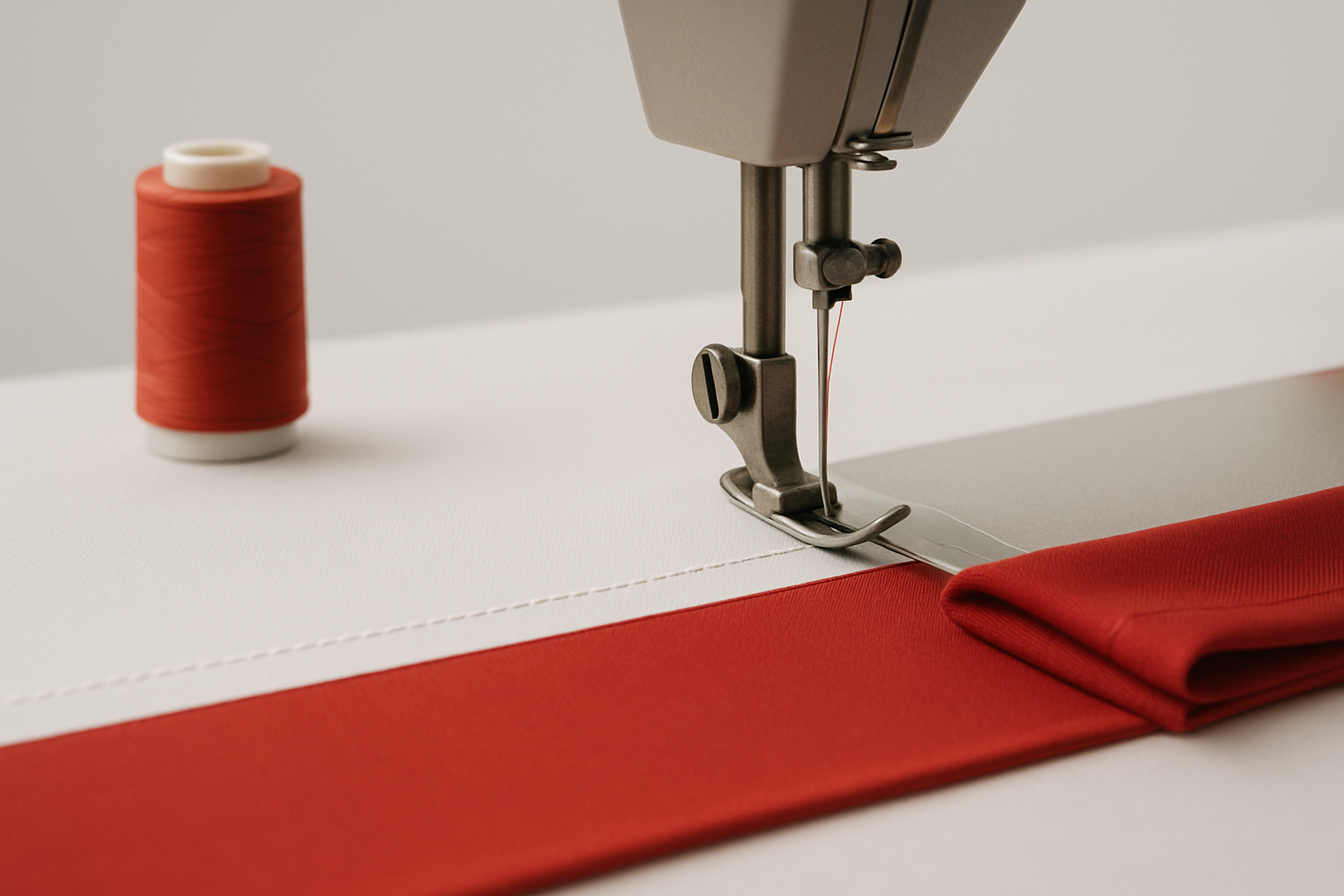
For sail and feather-style exhibition booth flags, look for 100% polyester ripstop fabric with reinforced pole sleeves and double-stitched hem tape. These construction details add only a few grams to the overall flag weight but dramatically extend the usable lifespan from roughly 3–4 months of continuous outdoor use to 12–18 months of mixed indoor/outdoor event cycles. Grommets should be brass or stainless steel rather than aluminum to prevent corrosion when used in humid convention hall environments. The expected lifespan for a well-made trade show flag used approximately 15–20 event days per year is 2–3 seasons, making per-event cost substantially lower than renting generic signage from the venue itself.
Design Principles That Make Your Event Banner Stand Out
Effective event banner design follows a simple hierarchy: your brand mark at the top third, your single key message in the middle, and a call-to-action or contact detail at the bottom — because banner viewers instinctively read from the top down even from a distance. This layout ensures that even someone who only glances at your banner for two seconds absorbs your logo and core value proposition. Beyond layout, color contrast is the single most impactful design variable: pairing a dark background with light text produces legibility at distances of up to 20 ft (6 m), while low-contrast combinations become unreadable beyond 8–10 ft (2.4–3 m). Keep your primary message to seven words or fewer — verbose banners are ignored, while punchy headlines are remembered. Font size on a standard 33 in × 79 in (84 cm × 200 cm) banner should be no smaller than 72 pt for body text and 120 pt or larger for headlines to ensure readability across a busy exhibition floor. Finally, leave at least 10% clear margin around all edges; content that runs to the border looks rushed, whereas generous white space signals confidence and design maturity.
Sail Flags Collection
Browse a full range of customizable sail and feather flags engineered for maximum visibility at trade shows, outdoor events, and exhibition entrances.
Browse Collection →Booth Layout Strategies to Maximize Flag and Banner Impact
Strategic placement of your trade show flag and banner elements can amplify their individual effectiveness by creating depth, directing foot traffic flow, and reinforcing your brand message at multiple touchpoints simultaneously. A 10 ft × 10 ft (3 m × 3 m) inline booth — the most common trade show footprint — benefits most from a full-width back-wall banner flanked by two feather flags positioned at the front corners, with a roll-up banner placed at a 45-degree angle near the aisle entry point to intercept passing traffic without blocking the booth opening. For larger 10 ft × 20 ft (3 m × 6 m) or island booths, consider a three-banner back wall with matching flags of graduated heights to create a layered skyline effect visible from multiple aisles. Always verify your venue's height restrictions before ordering — most convention centers allow freestanding displays up to 8 ft (2.4 m) for inline booths and up to 20 ft (6 m) for island configurations, and IAEE (International Association of Exhibitions and Events) guidelines generally align with these limits. Lighting placement matters too: a focused LED spotlight aimed at your back-wall banner from an overhead truss or clamp-on arm dramatically increases perceived brightness and draws the eye even when neighboring booths are brightly lit. Finally, never let packing cases, spare materials, or personal items spill into the sightlines of your flags or banners — a cluttered foreground undermines even the most beautifully printed display.
Logistics, Setup, and Reusability for Repeat Exhibitors
One of the most underrated advantages of quality trade show display equipment is how significantly it reduces logistical stress when you exhibit at multiple events per year. Retractable banner stands and collapsible flag poles are designed to pack into carry bags measuring approximately 40 in × 6 in (100 cm × 15 cm), allowing them to travel as checked luggage or cargo without additional freight fees at most domestic US airlines. Each banner should be rolled — never folded — around an acid-free tube for storage and transport to prevent permanent crease lines that show up clearly under venue lighting. For exhibitors attending 5 or more events annually, purchasing branded hardware rather than renting from venue-approved contractors typically delivers a return on investment within the first two shows; venue rental fees for a single banner stand often run $150–$300 per event, while a purchased unit with a custom print costs $80–$200 and lasts 3–5 years with proper care. Build a simple post-event inspection checklist: check pole joints for hairline cracks, inspect banner edges for fraying, test retraction mechanisms, and wipe down hardware with a dry microfiber cloth before packing. Storing flags and banners flat or rolled in a climate-controlled environment — away from direct sunlight and moisture — is the single most important factor in preserving print vibrancy between events, adding months to the usable life of every piece in your display kit.
Compliance, Customization, and Ordering Considerations
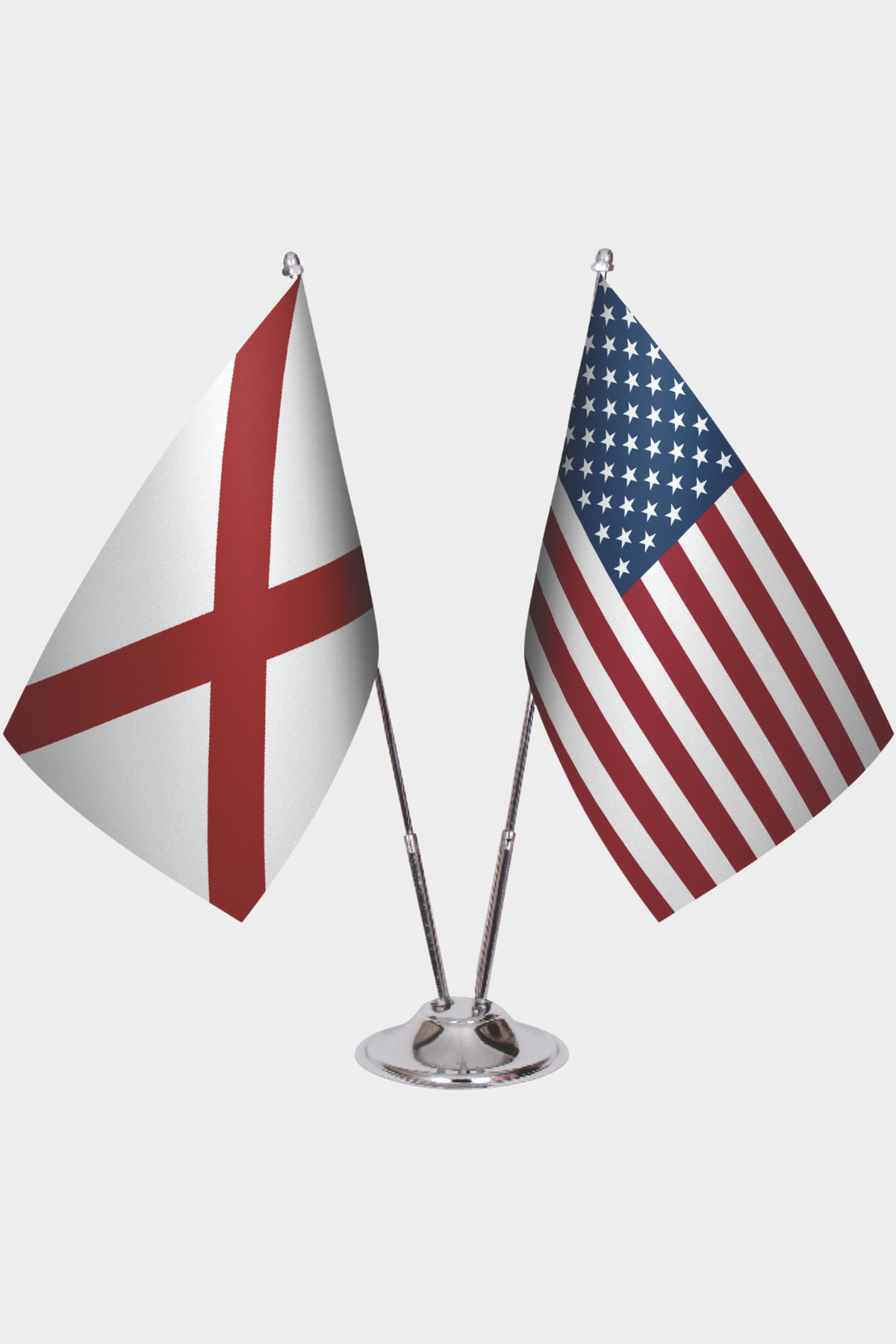
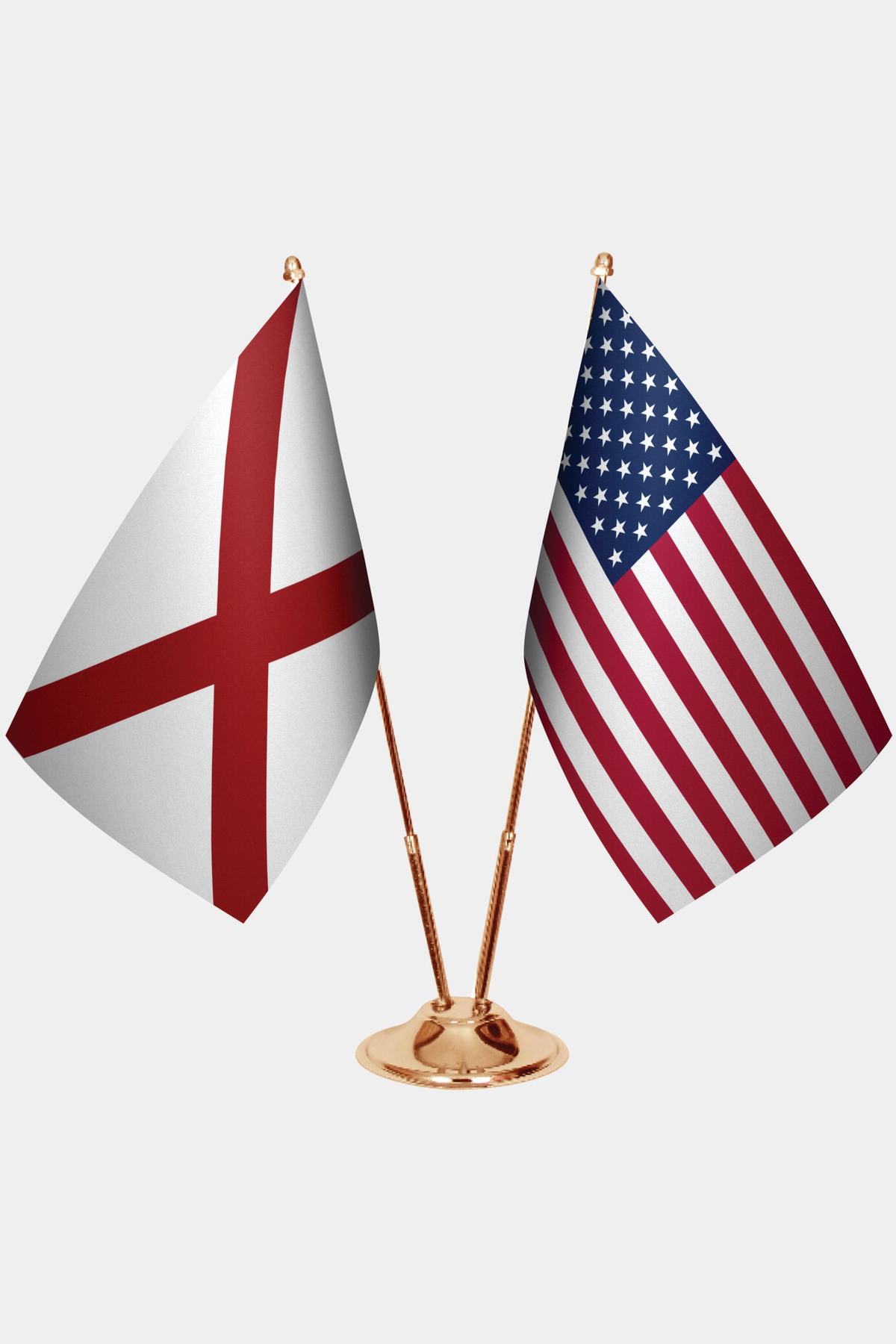
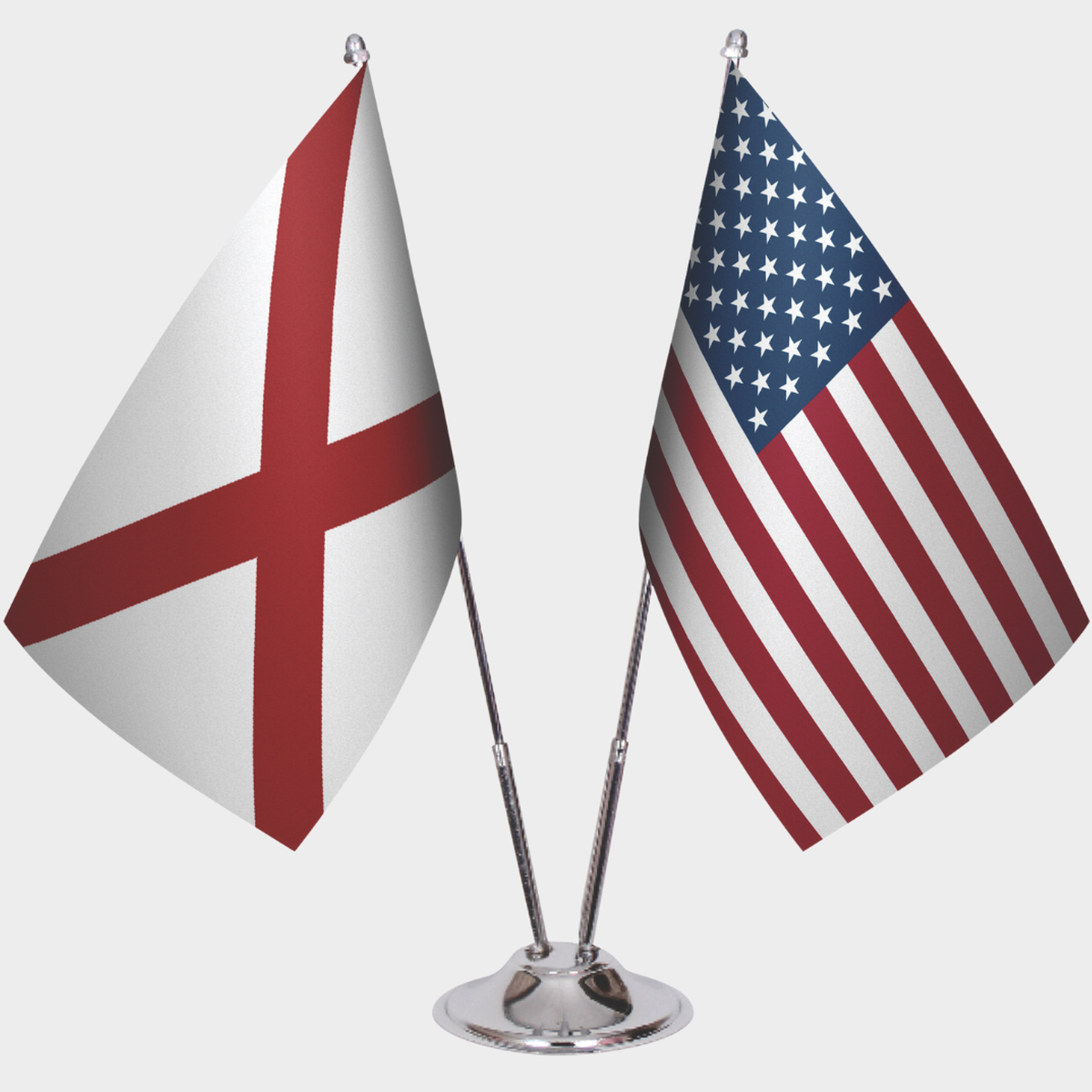
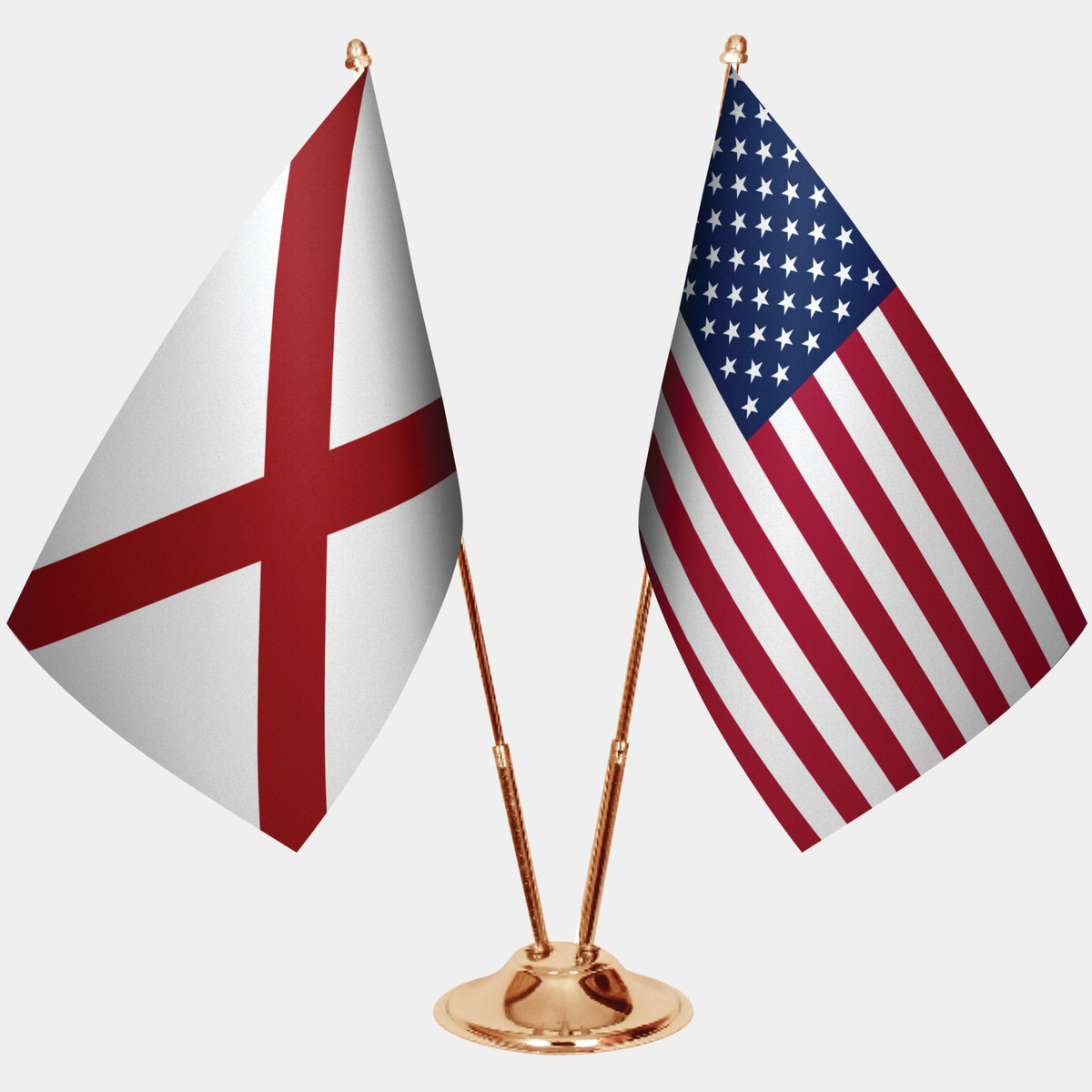
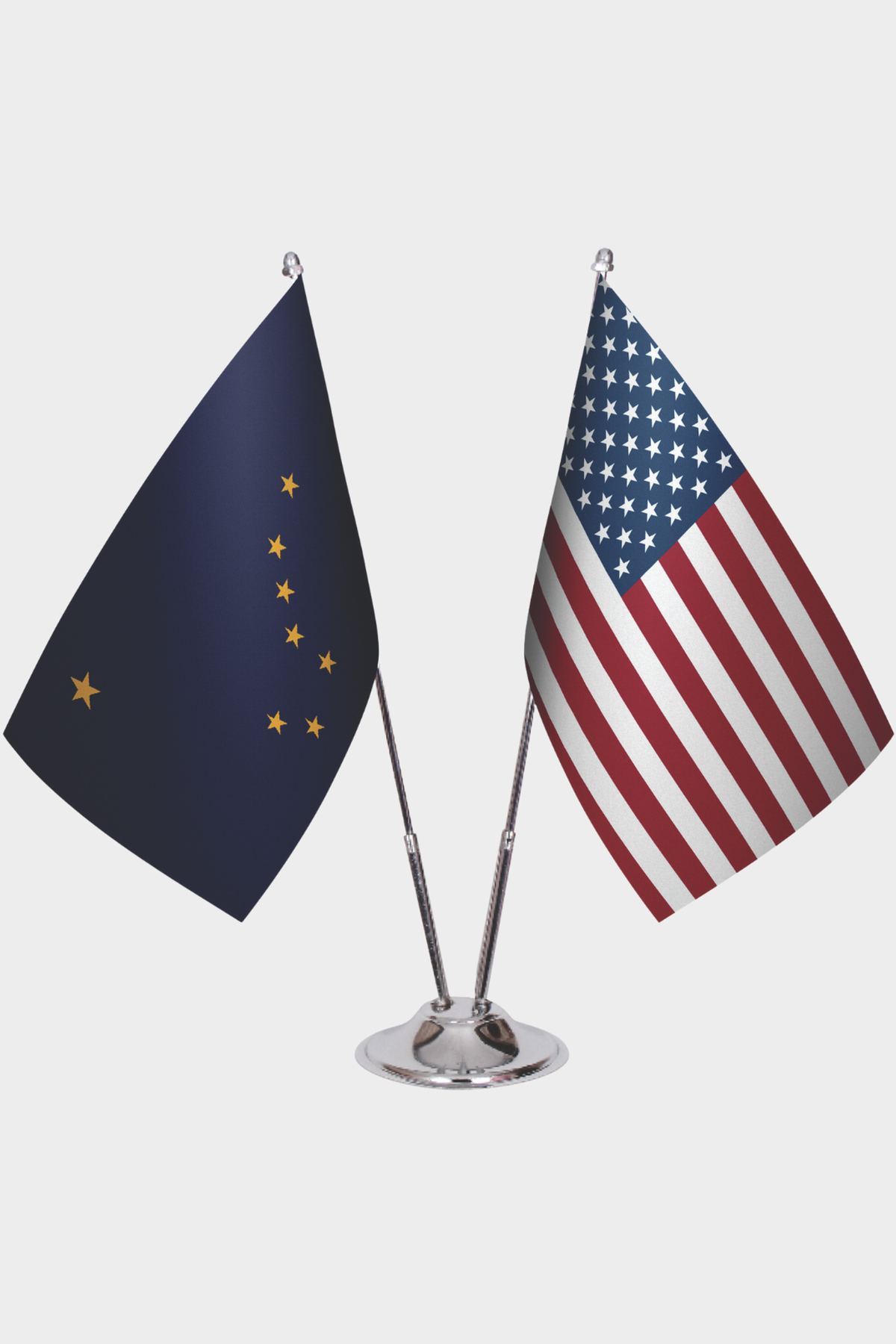
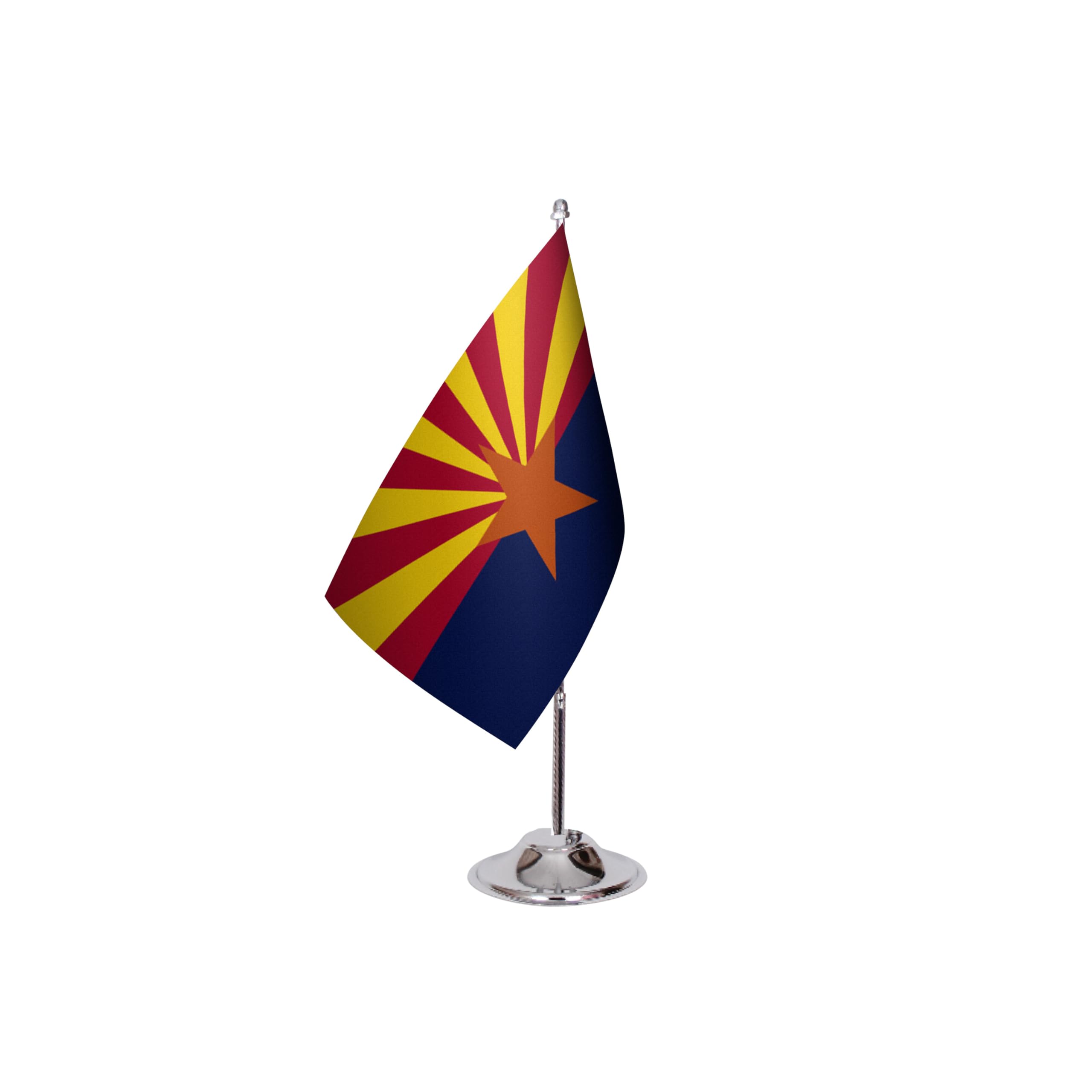
When incorporating national or state flags into your trade show booth design, it is important to follow the US Flag Code (4 USC §§ 1–10), which governs display etiquette, positioning relative to other flags, and appropriate use in commercial settings. Custom-branded flags and banners are not subject to these regulations, but any display featuring the US flag alongside promotional materials must position the national flag at the highest point or at the position of honor to remain compliant and avoid reputational issues at government-affiliated events. From a customization standpoint, most reputable manufacturers — including Asya Bayrak — accept vector artwork in AI, EPS, or high-resolution PDF formats at a minimum of 300 DPI at final print size; submitting files at the correct specification eliminates the most common cause of print quality disputes. Standard production lead times run 7–14 business days for custom printed flags and banners, with rush options available at 3–5 business days for an additional fee — plan your order at least three weeks before your event date to allow a buffer for shipping and proof approval. FIAV (Fédération internationale des associations vexillologiques) standards for flag proportions, while primarily applied to national and institutional flags, provide useful guidance when designing tall exhibition flags: a 1:2 or 2:3 length-to-width ratio generally produces the most visually balanced result at standard feather flag heights.
For corporate buyers sourcing display materials across multiple departments or regional offices, consolidating orders under a single account simplifies artwork management, ensures brand consistency across all event locations, and unlocks volume pricing tiers. Bulk pricing is available for corporate orders across the full Banners & Accessories collection, making it straightforward to equip an entire national sales team with matching, on-brand trade show display kits. Whether you need five roll-up banners for a regional roadshow or fifty sail flags for a major convention presence, the Sail Flags collection and the full product lineup at Asya Bayrak are built to deliver consistent, vibrant results at any scale. Reach out directly to discuss custom configurations, co-branding requirements, or freight-friendly packaging options designed specifically for repeat exhibitors.