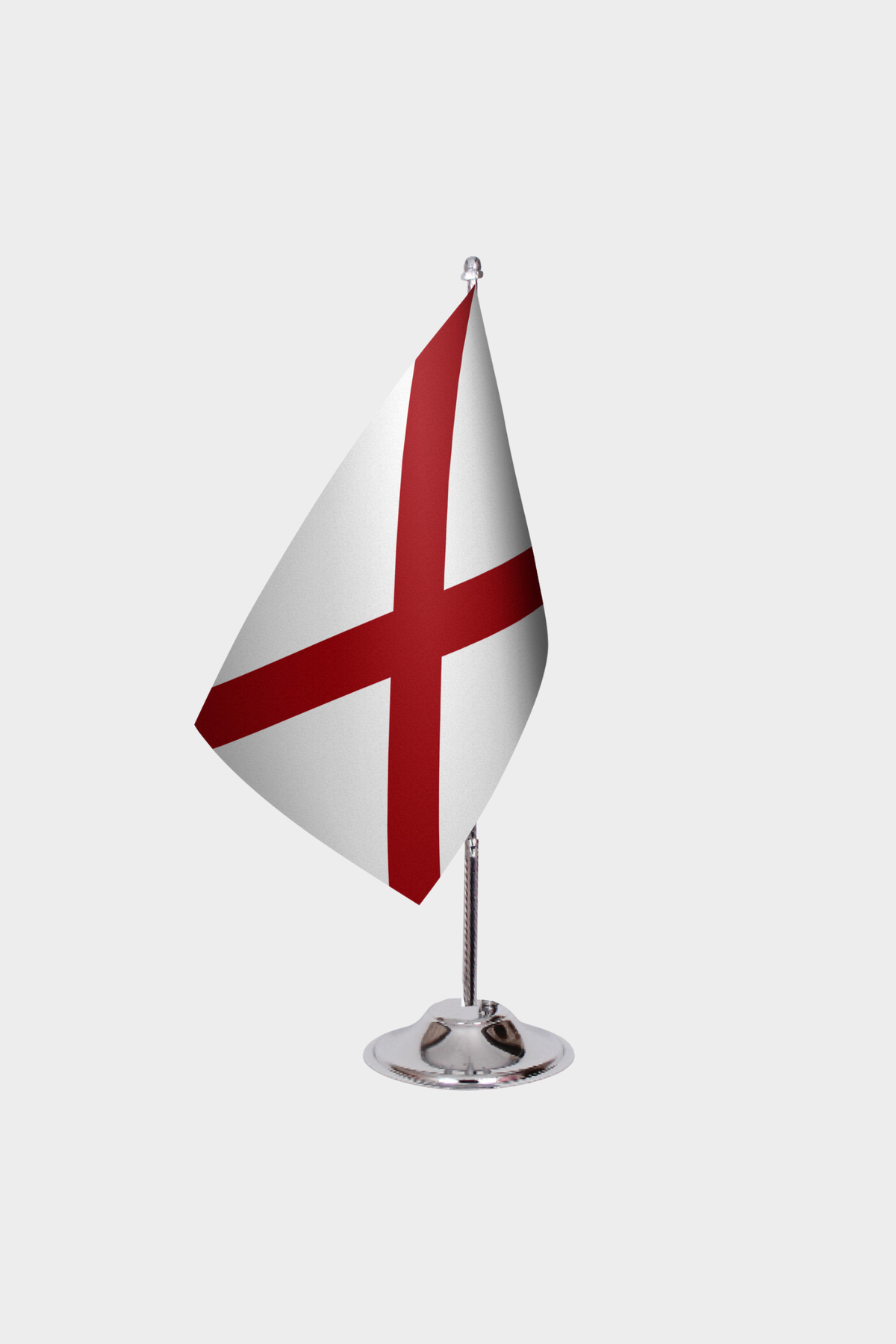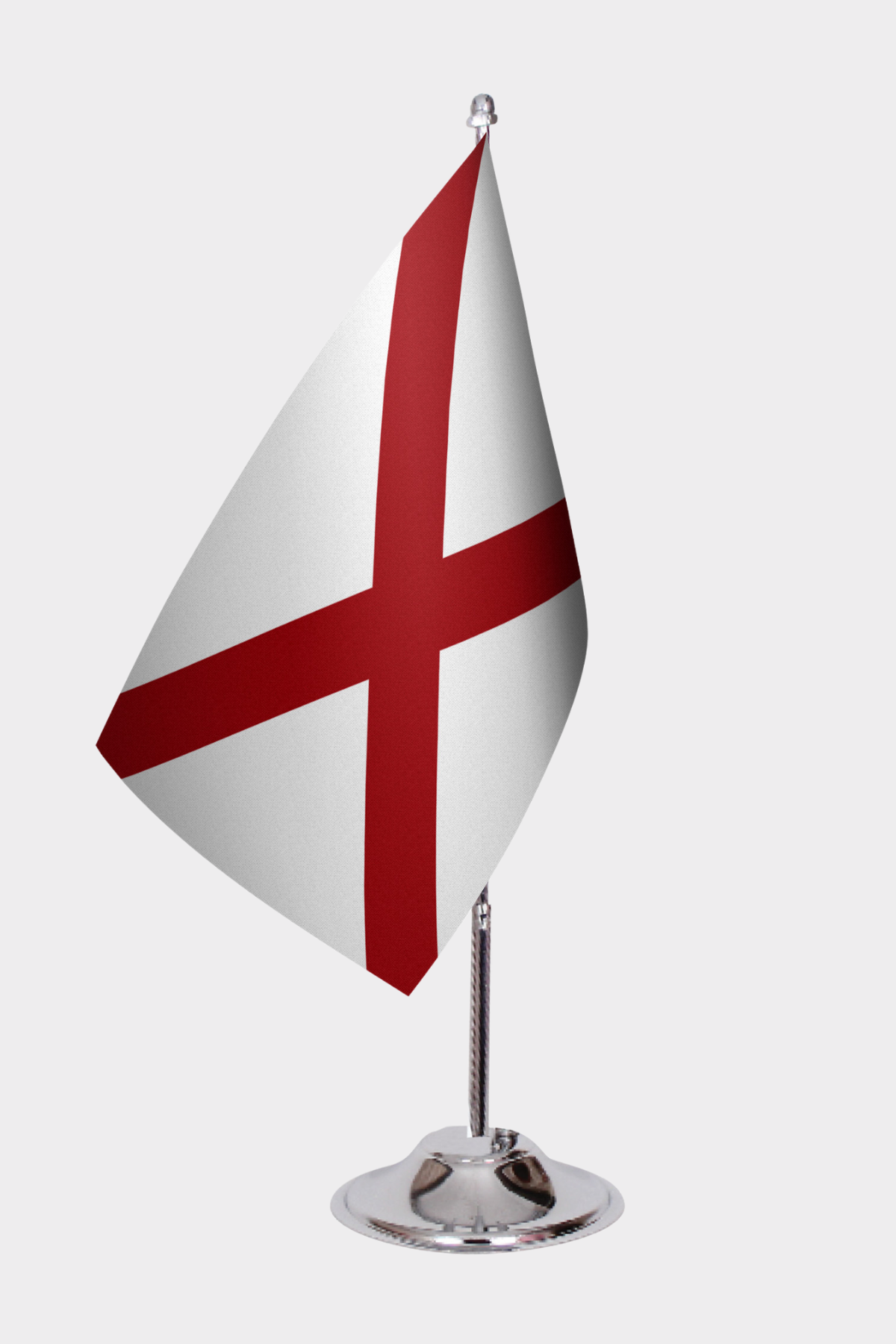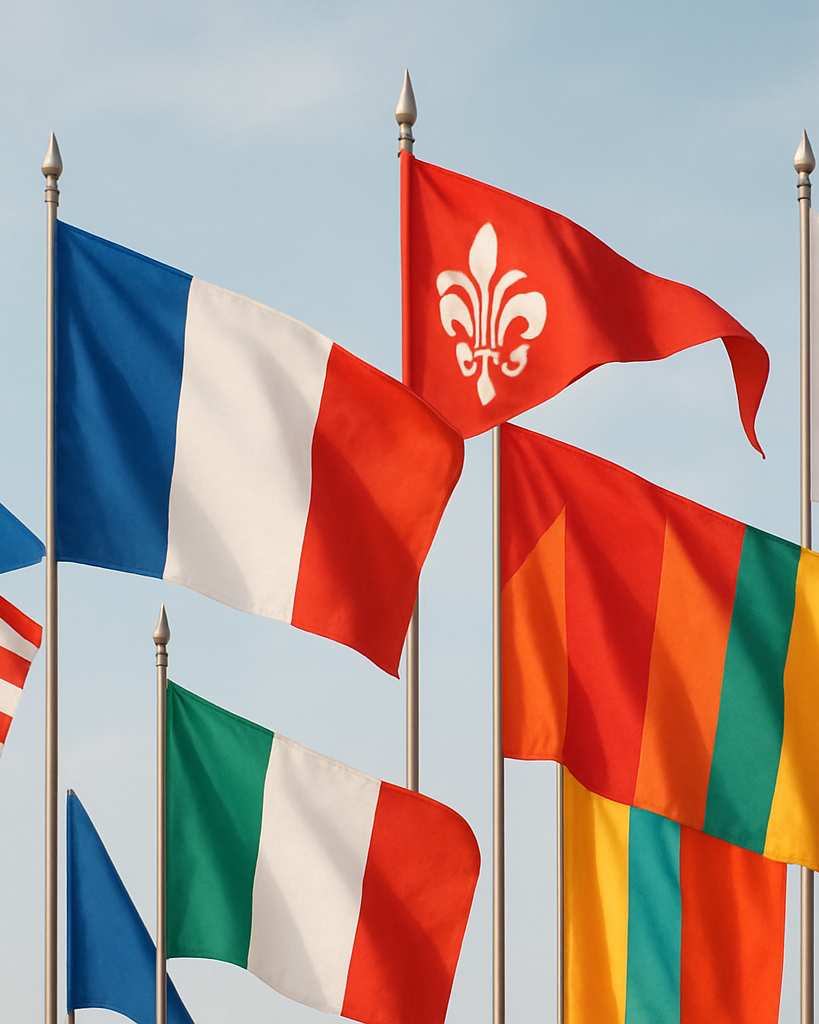



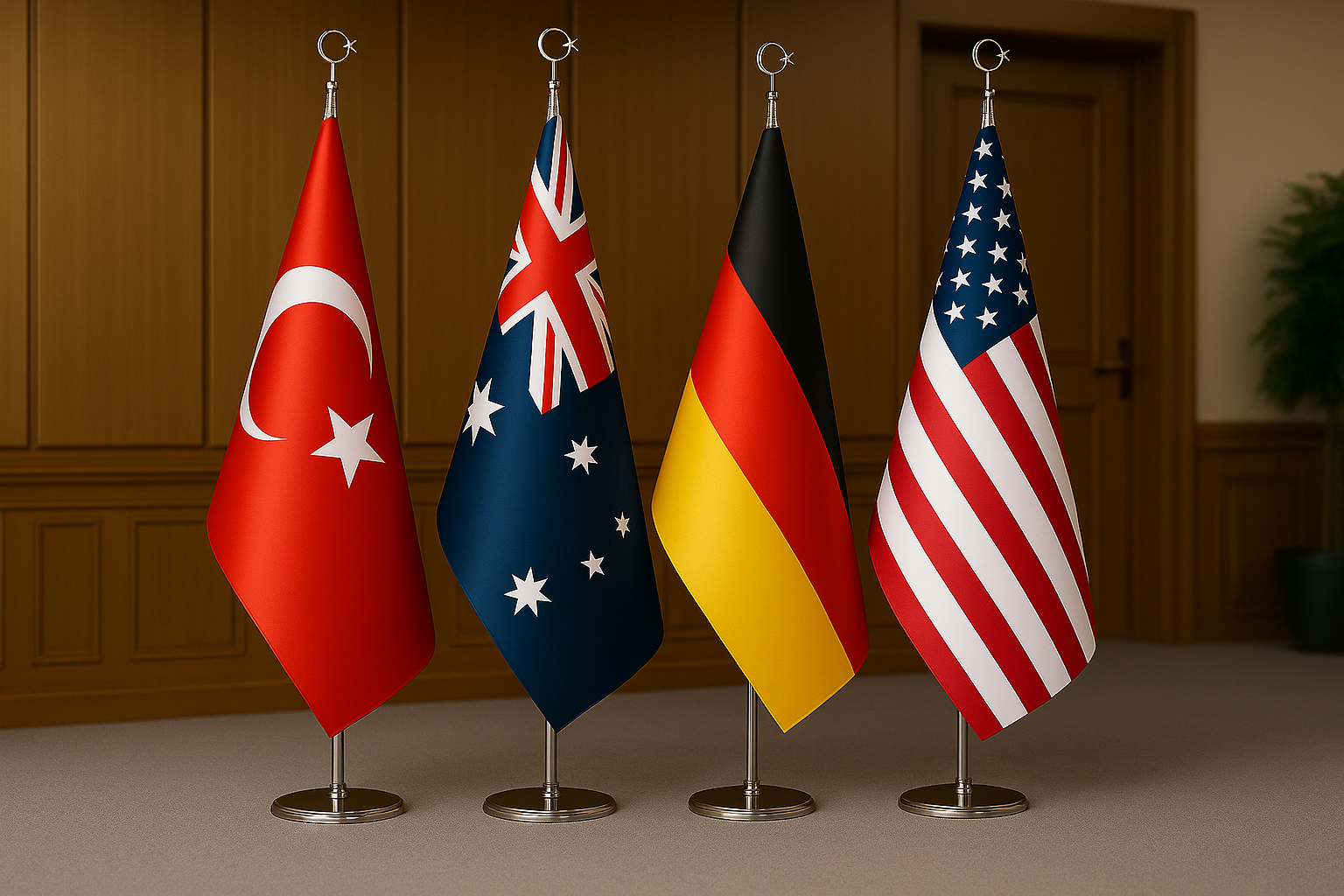




The United States has 50 official state flags, each adopted by its respective state legislature and representing a unique combination of history, symbolism, and regional identity. From Alabama's crimson cross on white to Wyoming's bison silhouette on blue, every flag in the complete US state flags list tells a distinct story about the people, values, and heritage of that state. Whether you're a government office, educator, collector, or event planner sourcing accurate state flag displays, understanding what distinguishes each flag — its colors, symbols, proportions, and legal standing — is essential for correct and respectful use. Explore the full USA State Desk Flags collection to find professionally manufactured replicas of every state flag in the union.
The History and Purpose of State Flags in America
US state flags serve as official emblems of state sovereignty, adopted through formal legislative action and governed by each state's statutes. Most state flags emerged between the Civil War era and the early 20th century, when states began formalizing their identities for military, ceremonial, and civic purposes. Prior to standardized state flags, regiments and militias carried unique battle colors, and those designs often influenced what eventually became official state banners. The National Flag Conference of 1923, which produced the modern US Flag Code (4 USC §§ 1–10), clarified the relationship between the national flag and state flags — state flags are subordinate to the Stars and Stripes in display protocol, but they carry equal legal authority within their home states.
The Fédération Internationale des Associations Vexillologiques (FIAV) and the North American Vexillological Association (NAVA) have both studied and ranked US state flags extensively. In NAVA's landmark 2001 survey, New Mexico's minimalist Zia sun symbol on gold and Texas's bold Lone Star design ranked among the highest-rated, while several others scored poorly for overcrowded "seal on blue" designs. This analysis sparked a wave of state flag redesign movements — Mississippi completed a full redesign in 2020, replacing a design that had incorporated the Confederate battle emblem, and several other states have ongoing or recently completed redesign efforts. Understanding this context helps government buyers, educators, and institutions make informed decisions about which version of a flag is currently official.
Regional Overview: State Flags by Geographic Group
Breaking the complete state flag list into geographic regions makes patterns in design and symbolism much easier to identify. New England states like Massachusetts, Connecticut, and Rhode Island tend to feature detailed colonial-era coats of arms on a blue field — complex designs rooted in English heraldic tradition. The Mid-Atlantic states (New York, New Jersey, Pennsylvania, Maryland, Delaware) similarly lean on heraldic shields and motto ribbons, reflecting their deep colonial and revolutionary-era heritage. Maryland's flag is unique among all 50: its quartered design of the Calvert and Crossland family arms makes it one of the most vexillologically distinct flags in the country, instantly recognizable at any distance.
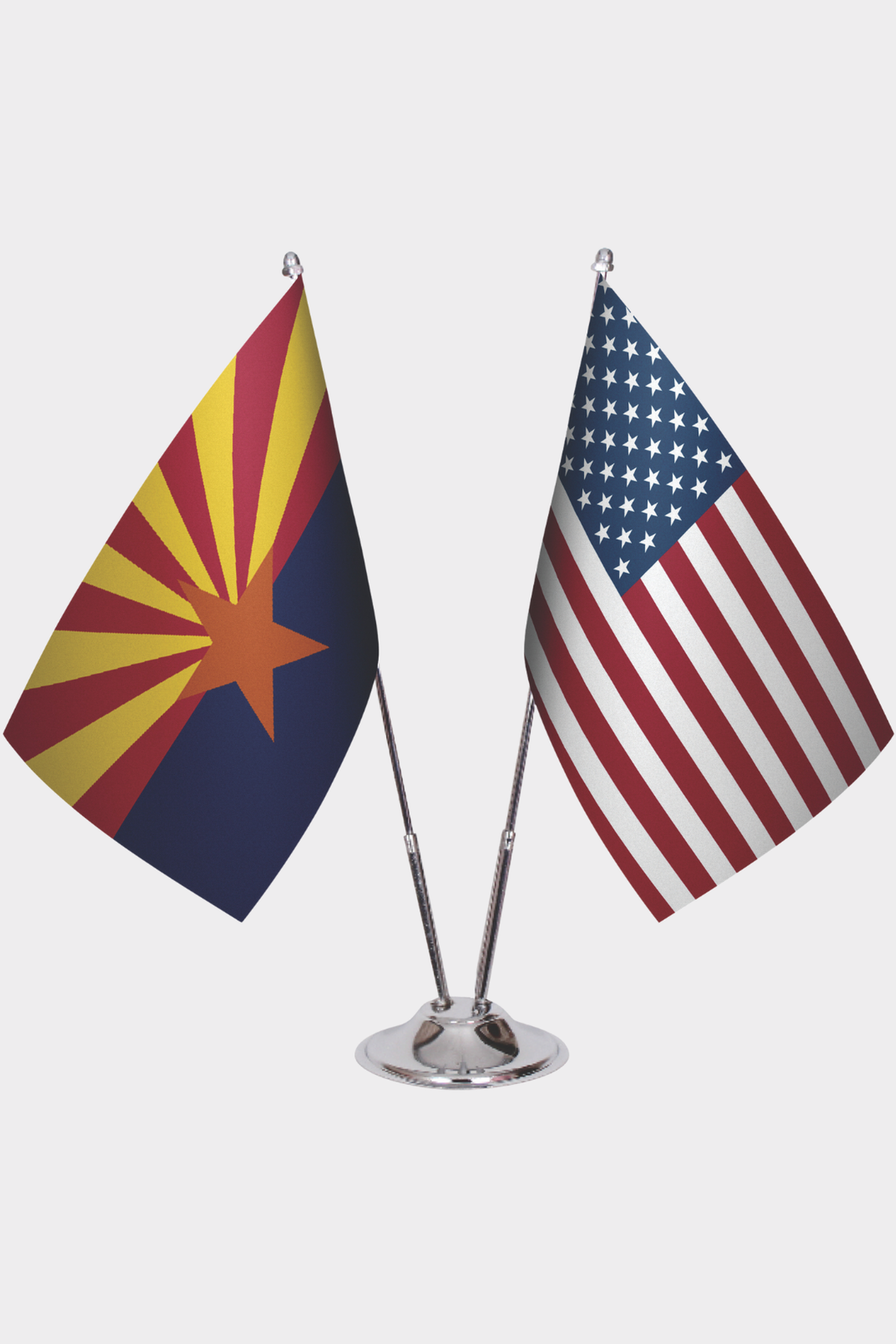
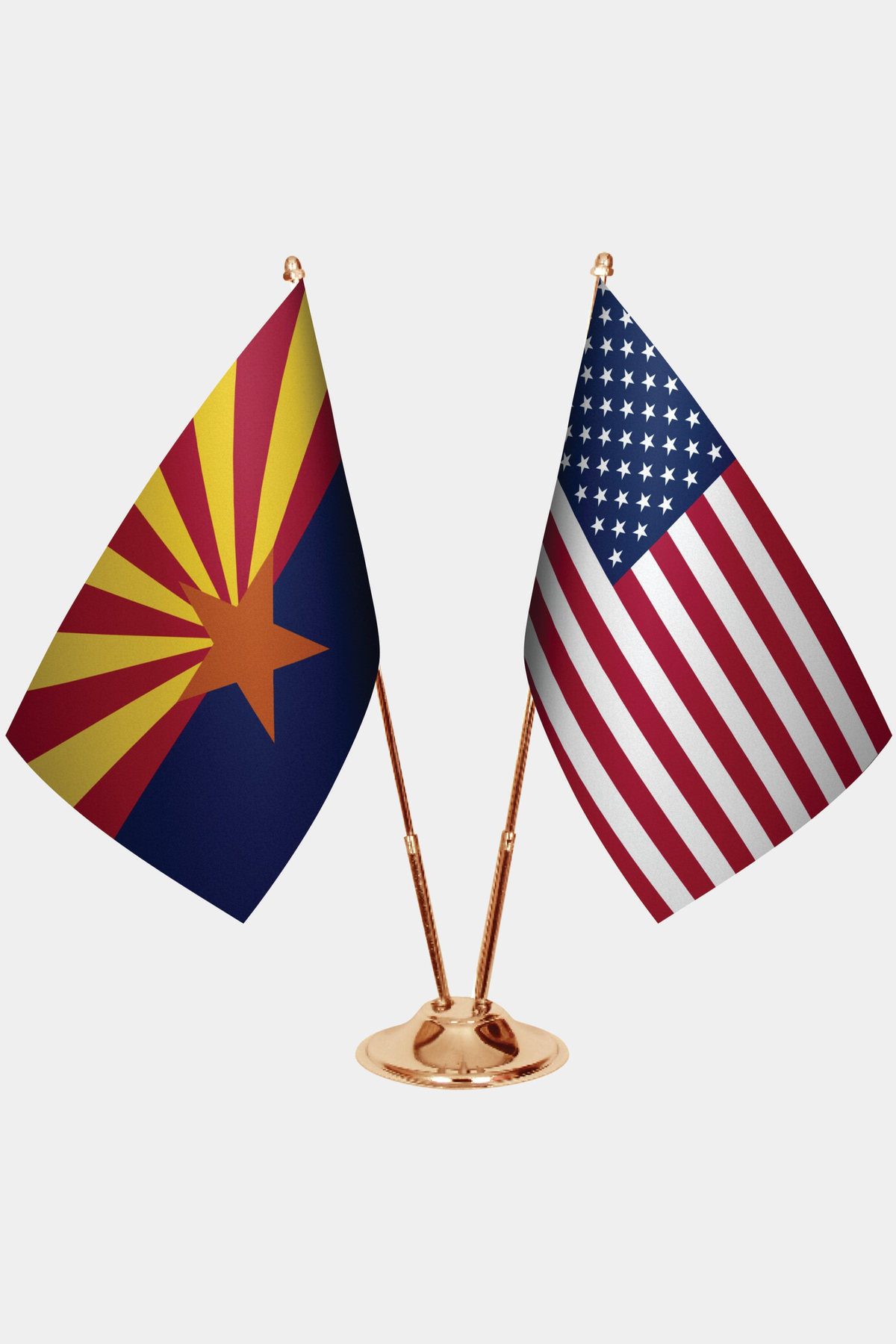
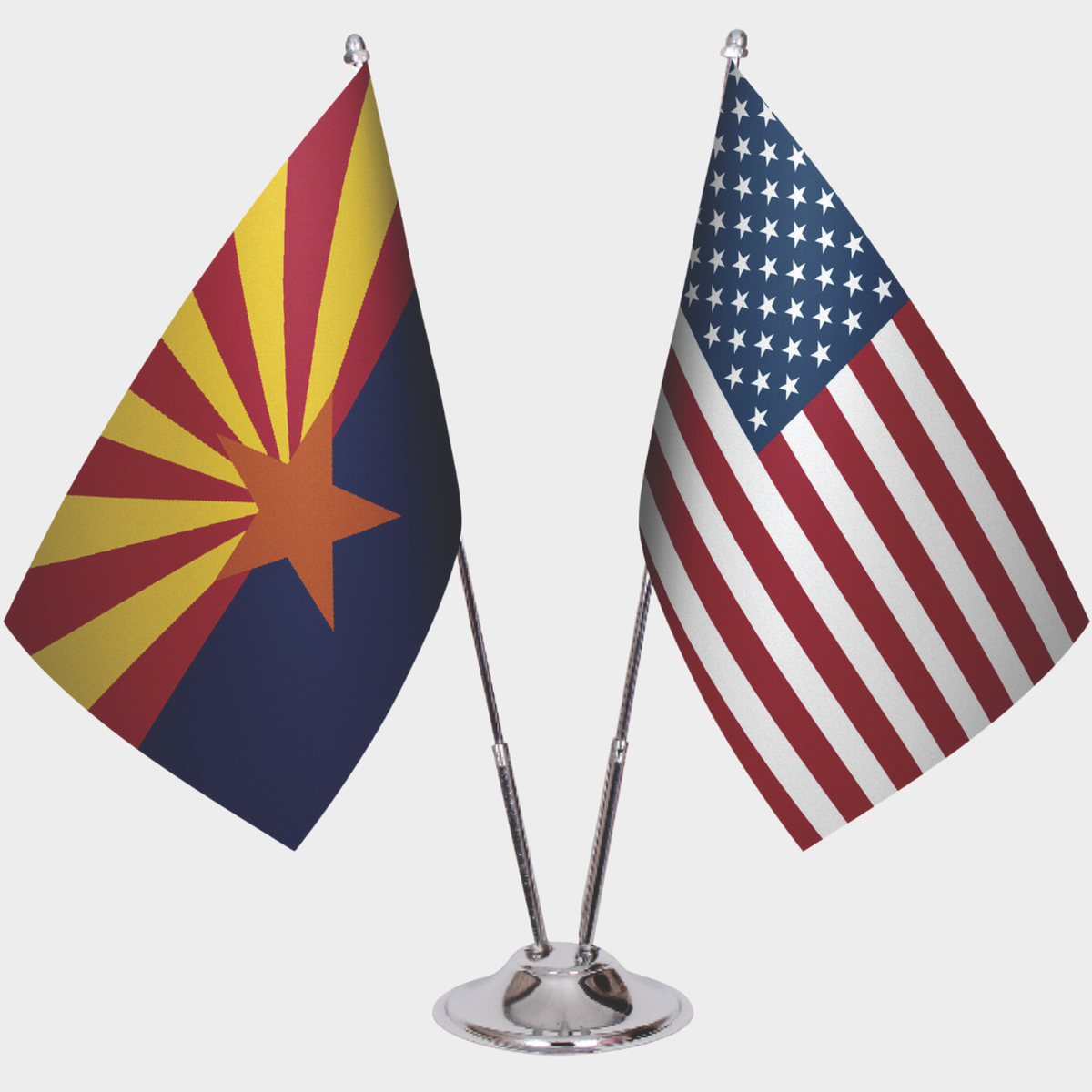
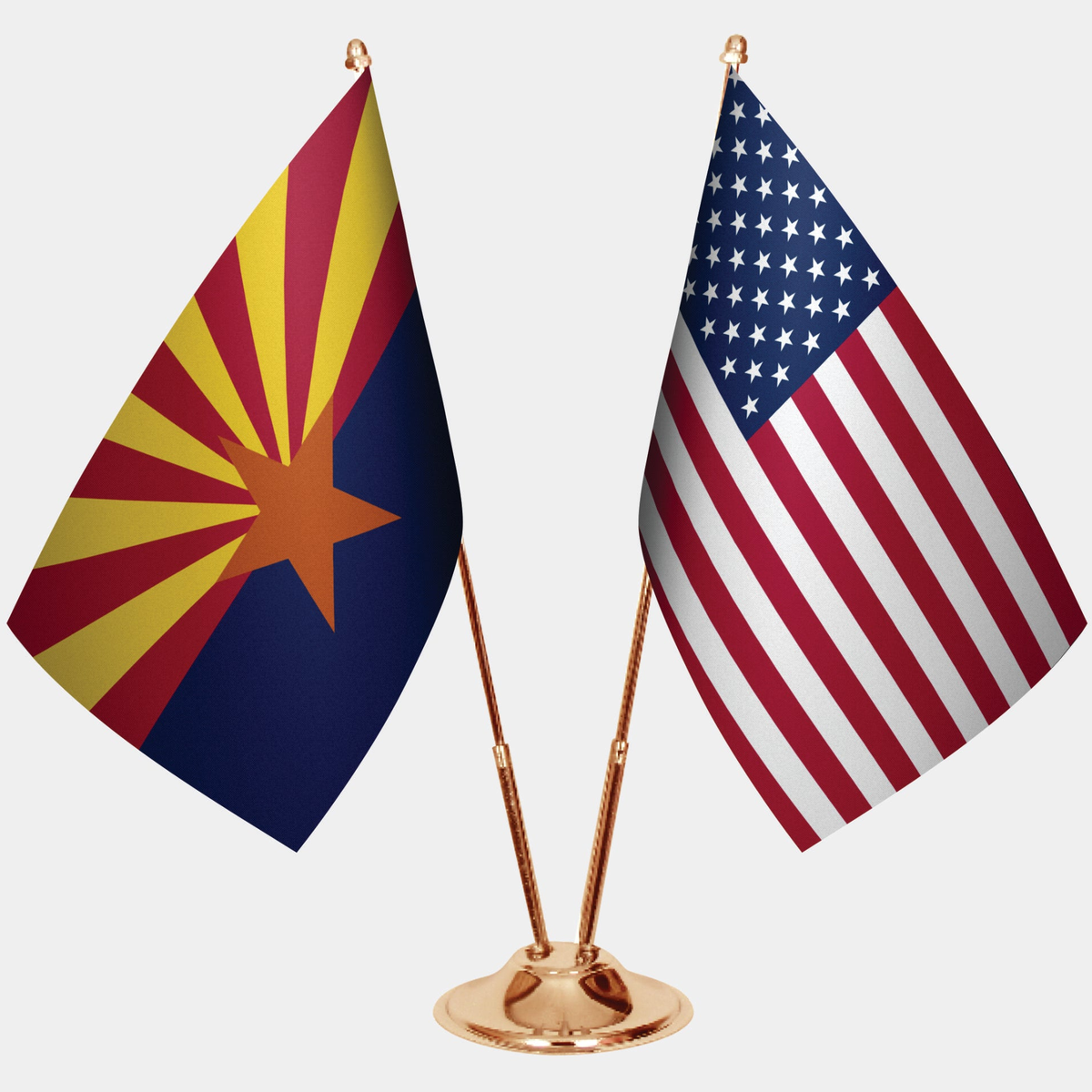
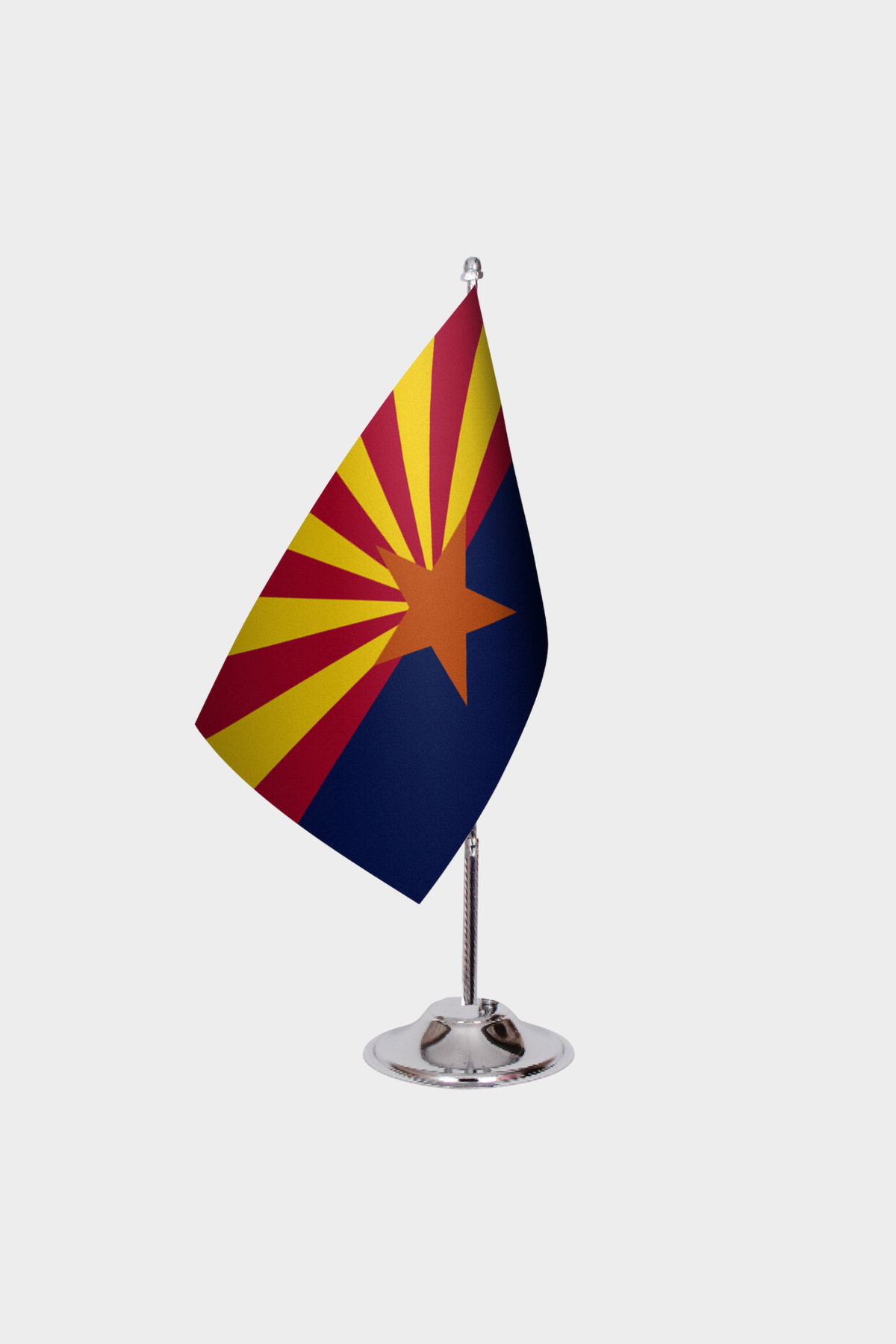
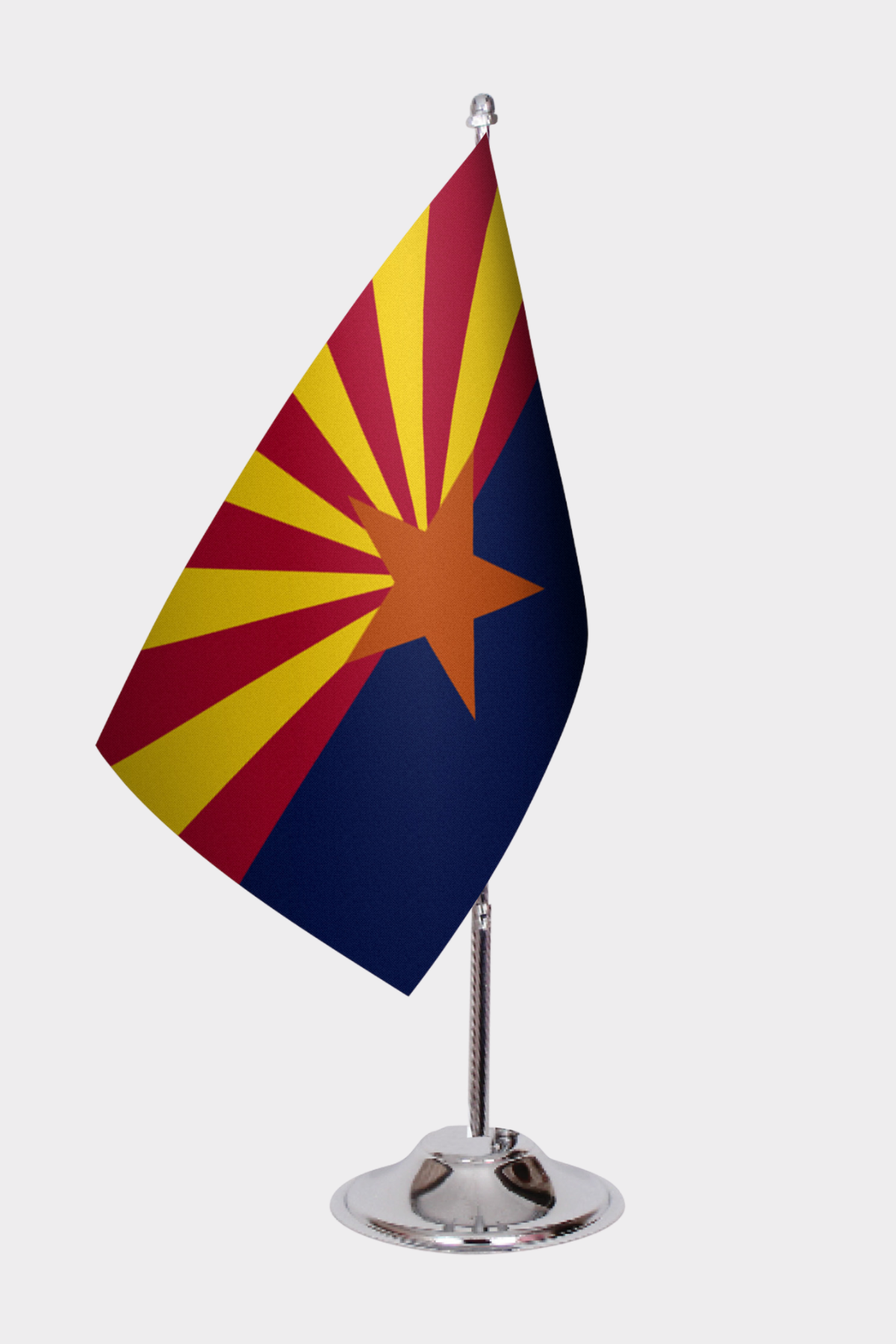
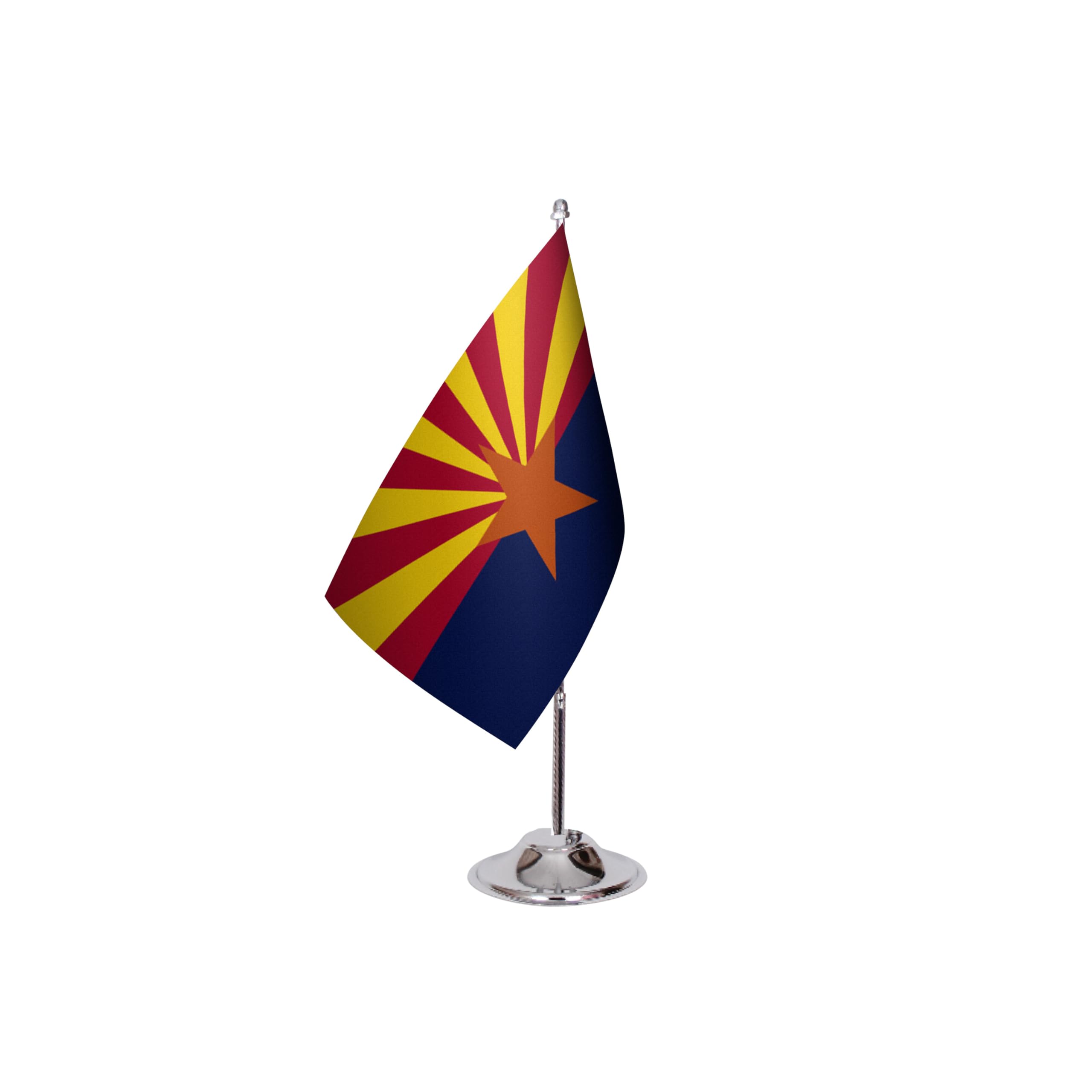
Southern state flags carry a wide range of symbolism. South Carolina features the famous Palmetto tree and crescent moon — rooted in Revolutionary War history. Georgia adopted a new flag in 2003 based on the first national Confederate flag, with the state seal in the canton. Florida's flag, like Alabama's, displays a red diagonal cross (saltire) on white, though Florida overlays the state seal at center. The Midwest tends toward blue fields with state seals, though Ohio stands out as the only US state flag that is not rectangular — its swallowtail burgee shape (pennant-style) is unique in the country. Western state flags tend to feature bolder, more graphic imagery: Colorado's bold "C" and red stripe, New Mexico's Zia sun, and Arizona's copper star with sunburst rays are among the most design-forward flags in the complete state flag list.
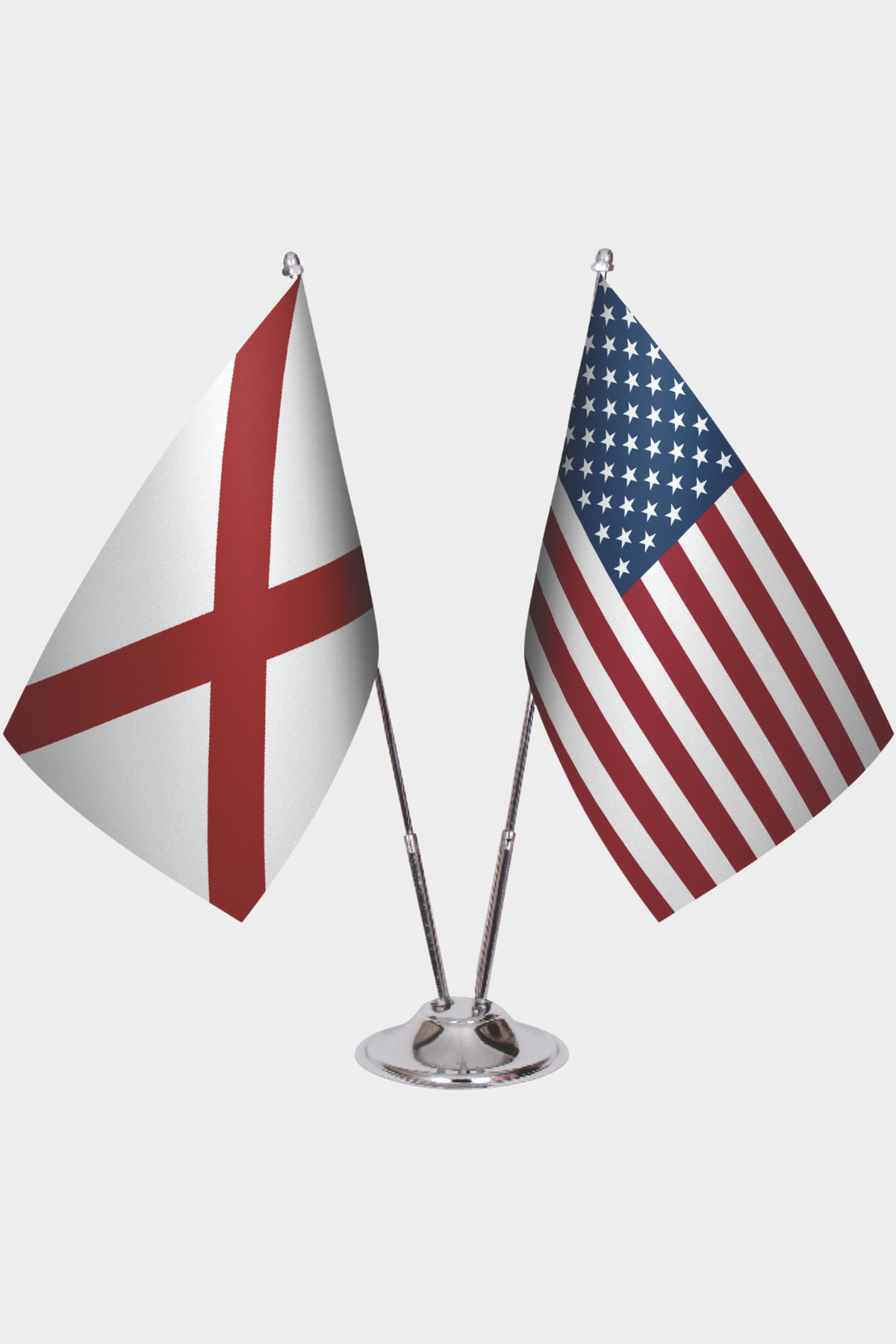
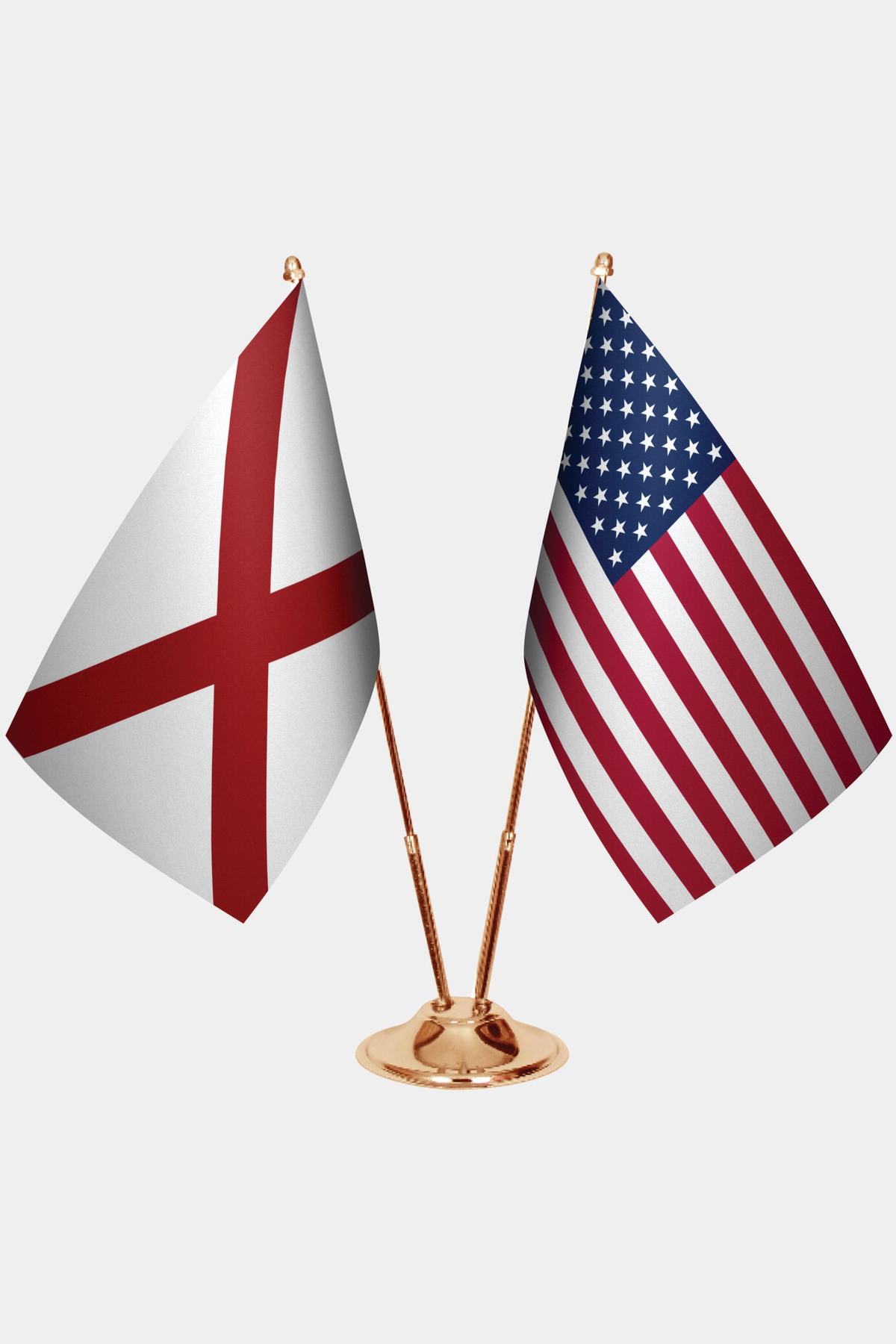
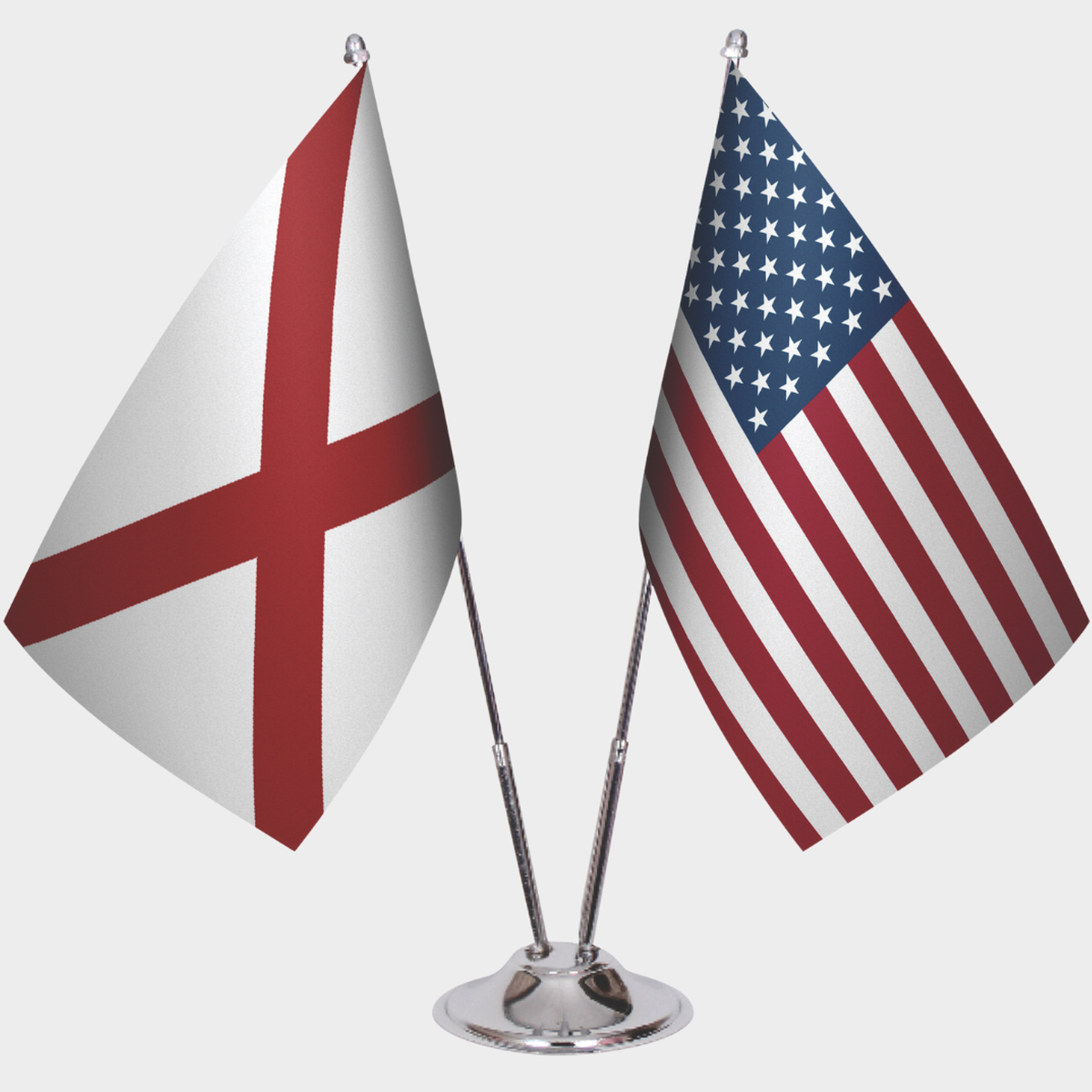
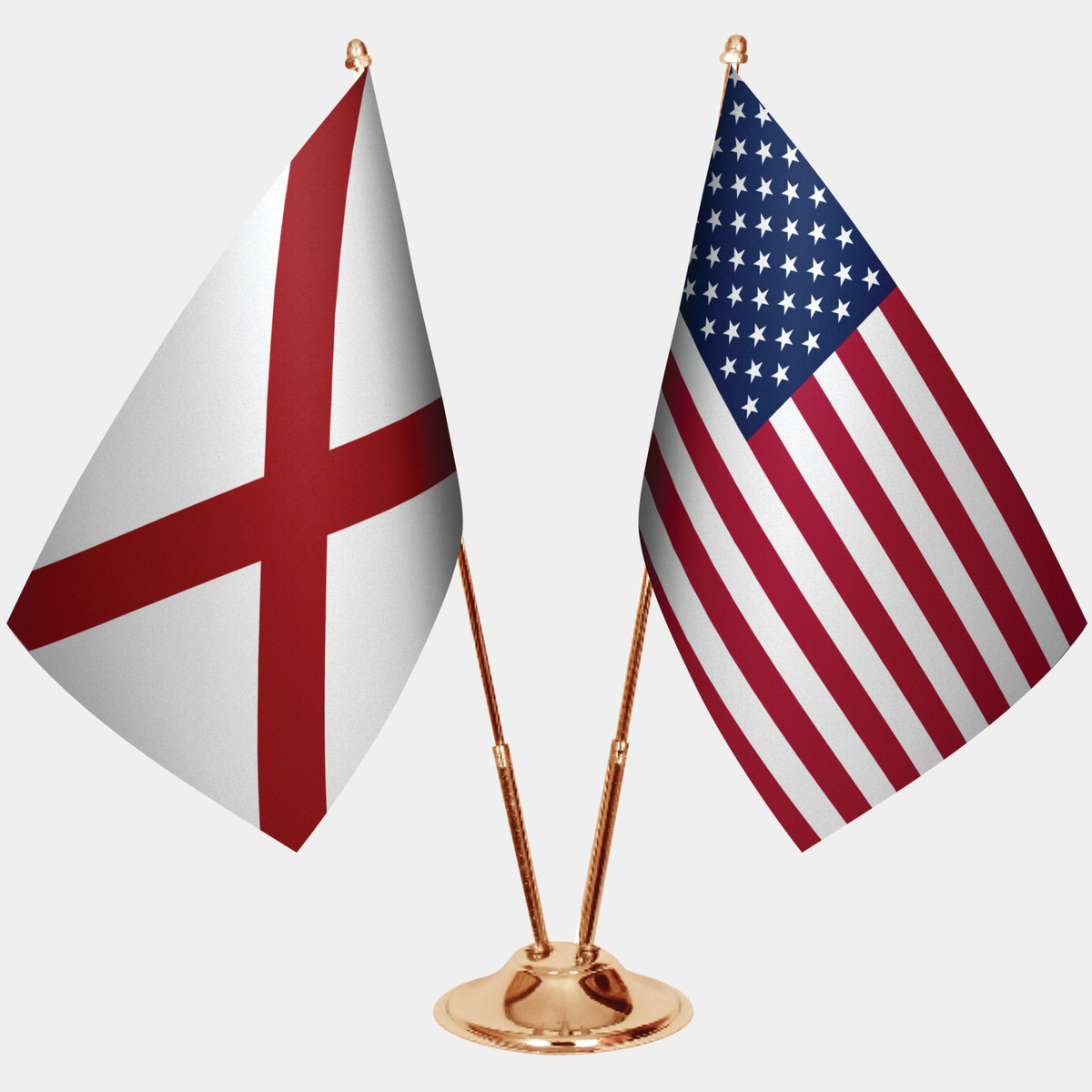
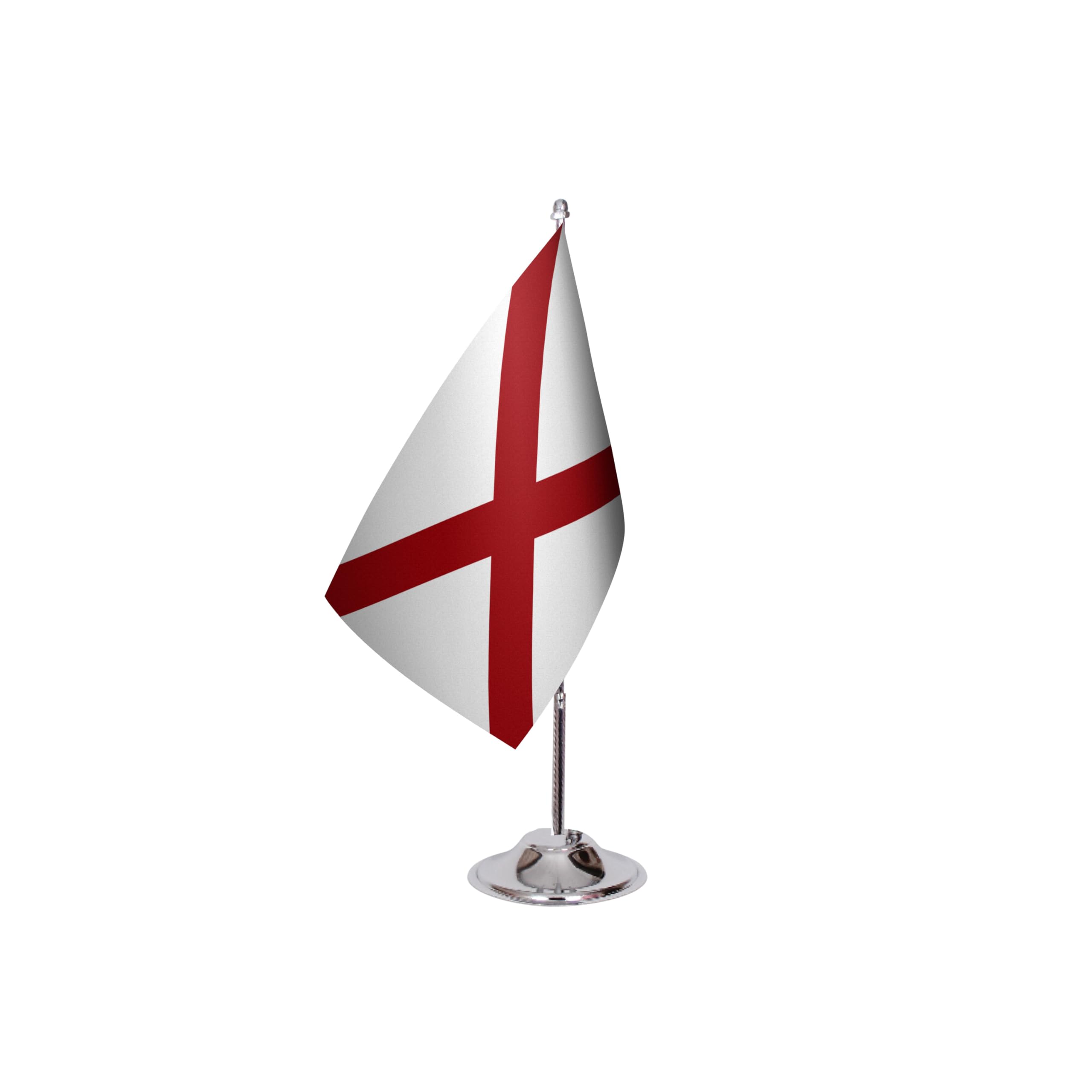
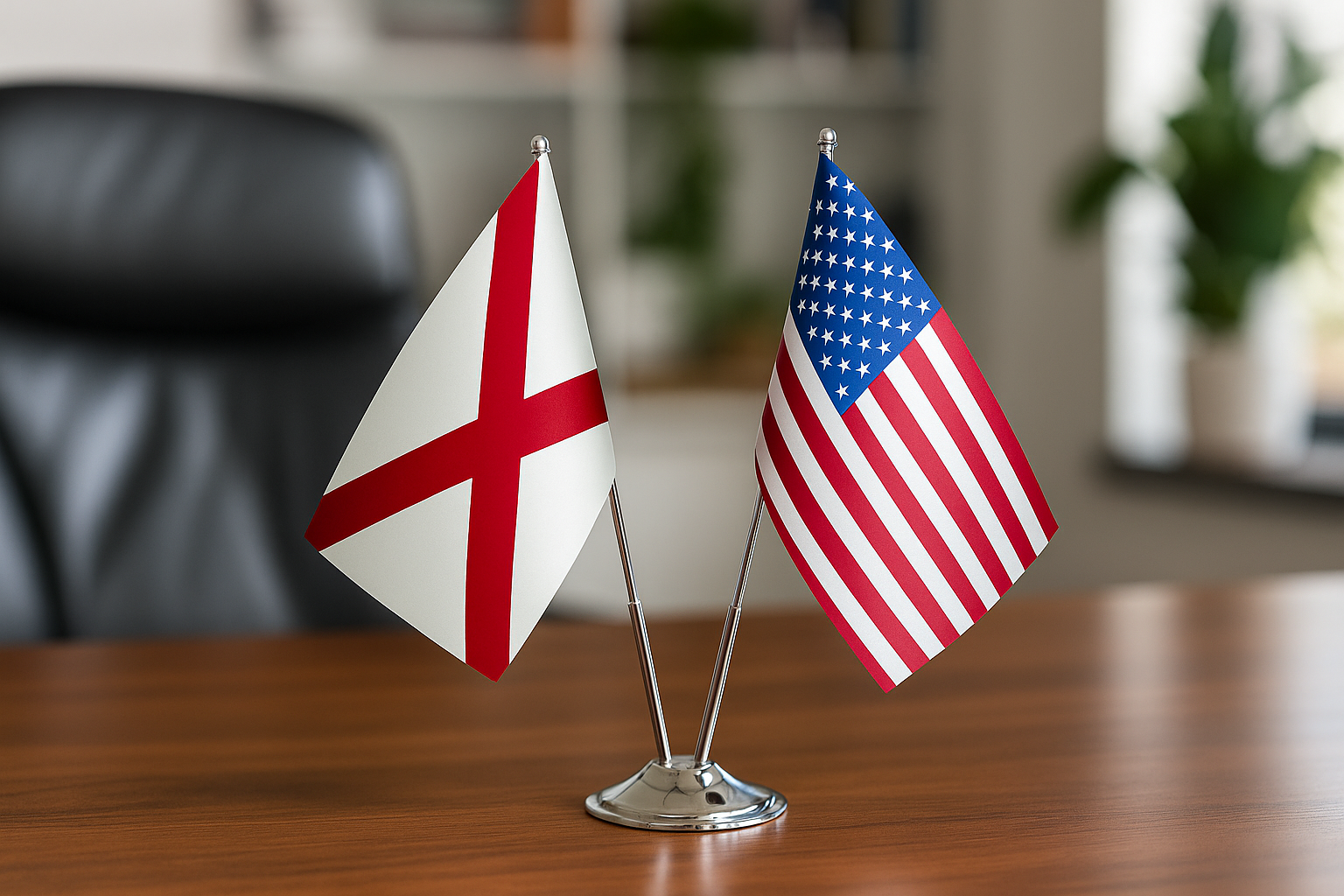
 Alabama's state flag is one of the most straightforward and historically grounded in the entire US state flags collection — a bold crimson St. Andrew's Cross (saltire) on a pure white field, proportioned approximately 2:3 and codified in Alabama state law. The design is closely associated with the Confederate battle flag's diagonal cross motif, but its origins trace back even further to the cross of the patron saint of Scotland, which was carried by early Scottish settlers and military units throughout the Deep South. When displayed in a government or civic setting, the Alabama flag should be flown at the same height as other state flags, and always lower than the national flag per US Flag Code protocol. The Alabama U.S. Desk Flag Set pairs the Alabama state flag with the Stars and Stripes in a tabletop format ideal for government offices, courtrooms, and educational settings where dual-flag display is standard practice. This set comes mounted on a sturdy staff with a gold-toned eagle finial, making it a complete and protocol-compliant display solution right out of the box.
Design Elements: What Makes Each State Flag Unique
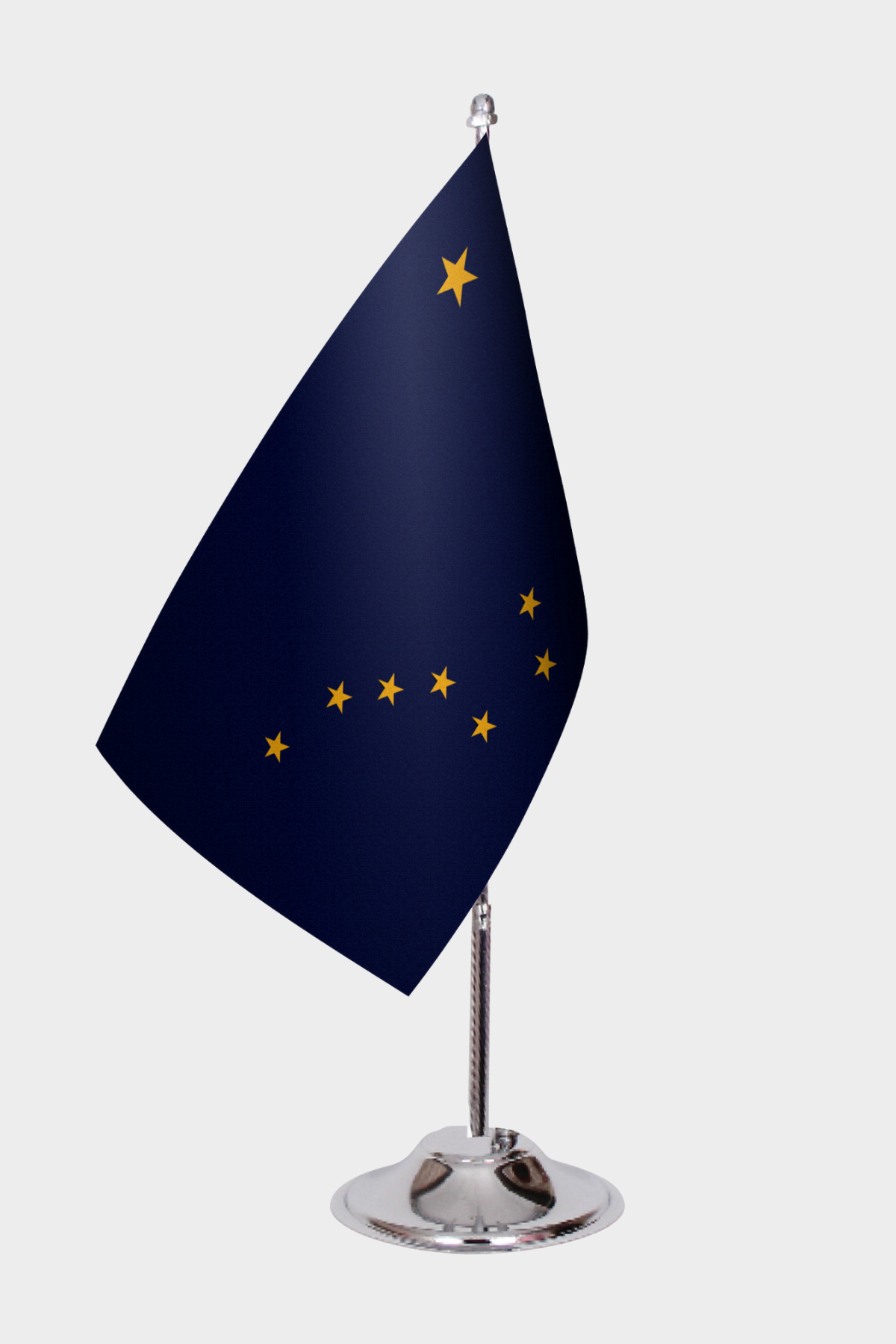
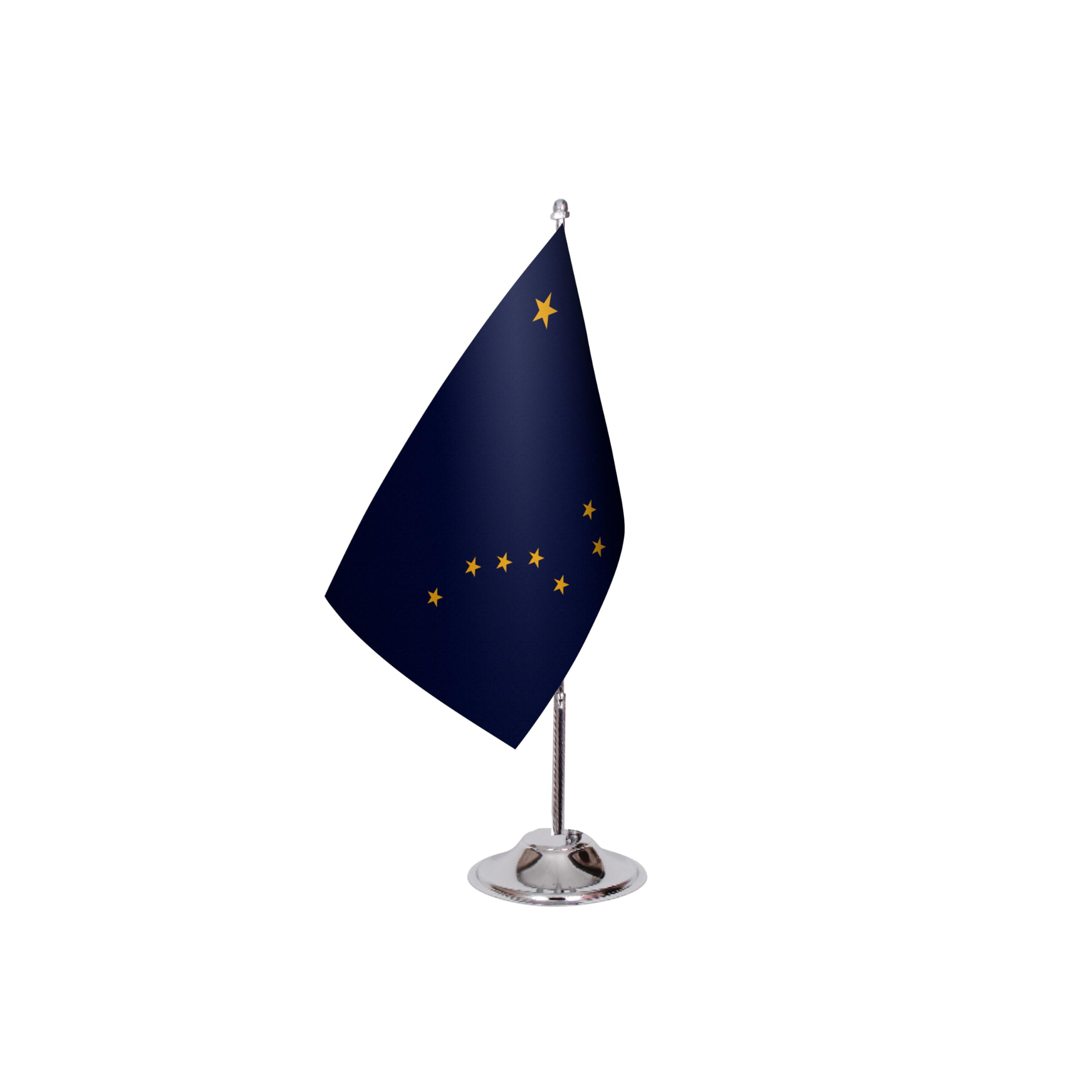
Every flag in the state flag list draws from a relatively small vocabulary of vexillological design elements, but the combinations are remarkably diverse. The most common approach is a state seal centered on a colored field — typically blue — which accounts for roughly half of all 50 state flags. While critics argue these designs are difficult to distinguish at a distance (a key principle of good flag design is recognizability from 30 ft / 9 m away), they carry historical and legal weight that makes redesign politically complex. States that have broken from this convention tend to produce the most memorable flags: Hawaii's Union Jack canton on eight horizontal stripes, Alaska's Big Dipper constellation on a deep blue field, and California's Bear Republic grizzly are all immediately recognizable.
Colors carry specific meaning in most state flag designs. Blue (representing loyalty, justice, or sky) appears on more than 30 state flags. Red signifies valor and sacrifice, gold or yellow represents prosperity or agriculture, and green signals forests, growth, or natural resources. Many states encode their primary industry or landscape: Minnesota's flag features a loon and pine tree, Oregon's flag (the only state flag with a different design on each side) depicts a beaver, and Vermont's flag includes pine trees and a cow. Proportions vary: most state flags follow a 2:3 ratio (width to length), though some states specify different ratios in their statutes. When ordering state flags for multi-state displays — such as at convention centers, state capitols, or hotel lobbies — confirming the correct ratio for each state flag ensures visual consistency across the installation.
State Flag Redesigns: The Modern Movement
Dozens of US states have redesigned or are actively considering redesigning their official state flags, driven by vexillological critique, cultural reassessment, and public engagement campaigns. Mississippi's 2020 redesign is the most prominent recent example: after a referendum, the state adopted the "New Magnolia Flag" — featuring a magnolia blossom on a blue and gold field with a star — replacing a 1894 design that included the Confederate battle emblem in its canton. The new flag has been widely praised by flag designers for its clarity, originality, and symbolic inclusivity.
Utah replaced its century-old seal-on-blue flag with a modernized version in 2024, simplifying the design while retaining the beehive symbol central to Utah's identity. Minnesota also completed a comprehensive redesign in 2023–2024, replacing a dense seal design with a clean, graphic flag featuring a North Star and simplified landscape stripes. For institutions maintaining a current state flag list — schools, government agencies, military installations, or hospitality businesses — these changes mean that procurement decisions must account for official design versions. Purchasing flags from a manufacturer that tracks current state statutes and updates designs accordingly is essential for compliance and accuracy.
State and City Indoor Flags
Professionally manufactured indoor state and city flags designed for government offices, courtrooms, hotels, and ceremonial display settings across the United States.
Browse Collection →Display Protocol for State Flags Under US Flag Code
Under the US Flag Code (4 USC §§ 1–10), the national flag always takes precedence over state flags in any multi-flag display. When the US flag and a state flag are flown together on separate poles of equal height, the national flag should occupy the position of honor — to the right of the display from the perspective of a viewer facing the flags, or at the center and highest point when three or more flags are grouped. State flags should never be displayed in a position superior to the US flag, nor on a taller staff, in any federal or public ceremonial context.
For indoor ceremonial settings — such as government chambers, courtrooms, chapels, or event stages — state flags are typically displayed on floor stands flanking a speaker's podium, with the US flag to the speaker's right. Standard indoor state flags measure 3 ft × 5 ft (0.9 m × 1.5 m) or 4 ft × 6 ft (1.2 m × 1.8 m), mounted on 8 ft (2.4 m) poles with appropriate finials. For desk or conference table use, state desk flags measuring 4 in × 6 in (10 cm × 15 cm) on a 10 in (25 cm) staff are the standard. Veterans organizations, funeral homes, and memorial services that display state flags alongside military or ceremonial flags should also consult established display protocol — our guide on funeral home and veterans organization flag display covers indoor ceremonial flag sets and proper protocol in detail.
Sourcing State Flags: Quality, Materials, and Bulk Ordering
Choosing the right fabric and construction method for state flags depends primarily on the display environment and how long the flag needs to last. Outdoor state flags should be manufactured from 200-denier nylon or 2-ply polyester, materials that withstand wind, UV radiation, and moisture while retaining vivid color. Quality outdoor state flags with proper UV-resistant inks and reinforced canvas headers typically last 6 months to 2 years depending on wind exposure and geographic climate. Indoor ceremonial flags are most often made from polyester with a woven or embroidered finish, producing richer color saturation and a more formal appearance appropriate for legislative chambers, offices, or stage displays.
For organizations needing multiple state flags — hotel chains displaying all 50 states, convention centers, state government buildings, or school districts — bulk ordering from a dedicated flag manufacturer ensures color consistency, size uniformity, and accurate design reproduction across the entire set. It's worth requesting color swatches or samples when ordering in quantity, particularly for states with specific Pantone or color code requirements written into their statutes (New Mexico, for example, specifies the exact red and yellow of the Zia sun symbol). The State and City Indoor Flags collection includes options for all 50 states in a range of sizes suitable for both tabletop and floor-stand display.
How many official US state flags are there? +
Which state has the most recently redesigned flag? +
Which US state flag is the only non-rectangular one? +
How should state flags be displayed alongside the US national flag? +
What size should a state desk flag be for a conference table or office display? +
What fabric is best for outdoor state flags? +
Can state flags be flown at half-staff? +
Whether you are building a complete 50-state display, equipping a government office with protocol-compliant desk flags, or sourcing ceremonial indoor state flags for a municipal chamber or hotel lobby, sourcing from a dedicated manufacturer ensures accurate colors, current designs, and consistent quality across every flag in your order. Browse the full USA State Desk Flags collection for tabletop sets representing all 50 states, or explore the State and City Indoor Flags collection for full-size indoor ceremonial options. If your organization displays state flags alongside military honors or at memorial events, our detailed guide on indoor flag display sets and half-staff protocol for memorial services provides essential guidance for proper ceremonial use. Bulk pricing is available for corporate, government, and institutional orders — contact us directly to discuss volume requirements and custom sizing for your specific display needs.