
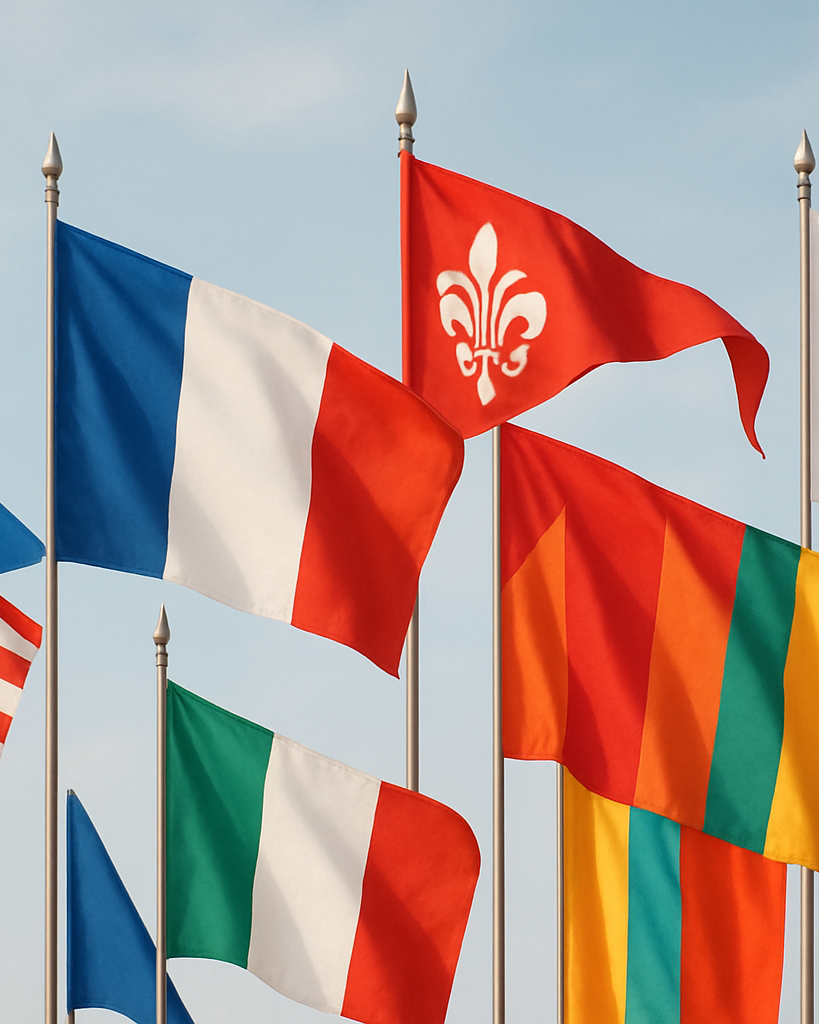
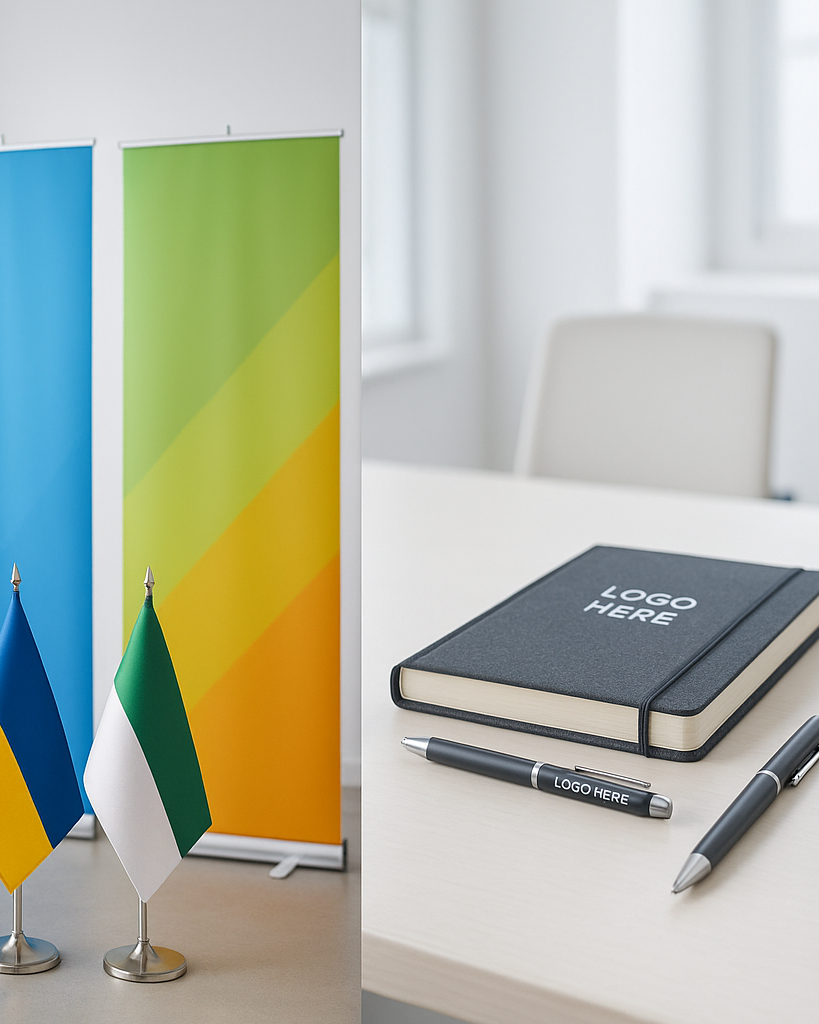


World flags transform any school event — an international day, a geography fair, a cultural showcase, or a Model UN simulation — into an immersive experience that students remember for years. The Country Flags collection at Asya Bayrak covers the flags of the world in multiple formats, from full-size outdoor banners to compact desk flags, so you can match every venue and budget without compromise. This guide walks you through choosing the right flag type, estimating quantities, planning your layout, budgeting accurately, and ordering on time — in that order, because each decision flows naturally into the next.
Which Flag Format Actually Works for a School Event?
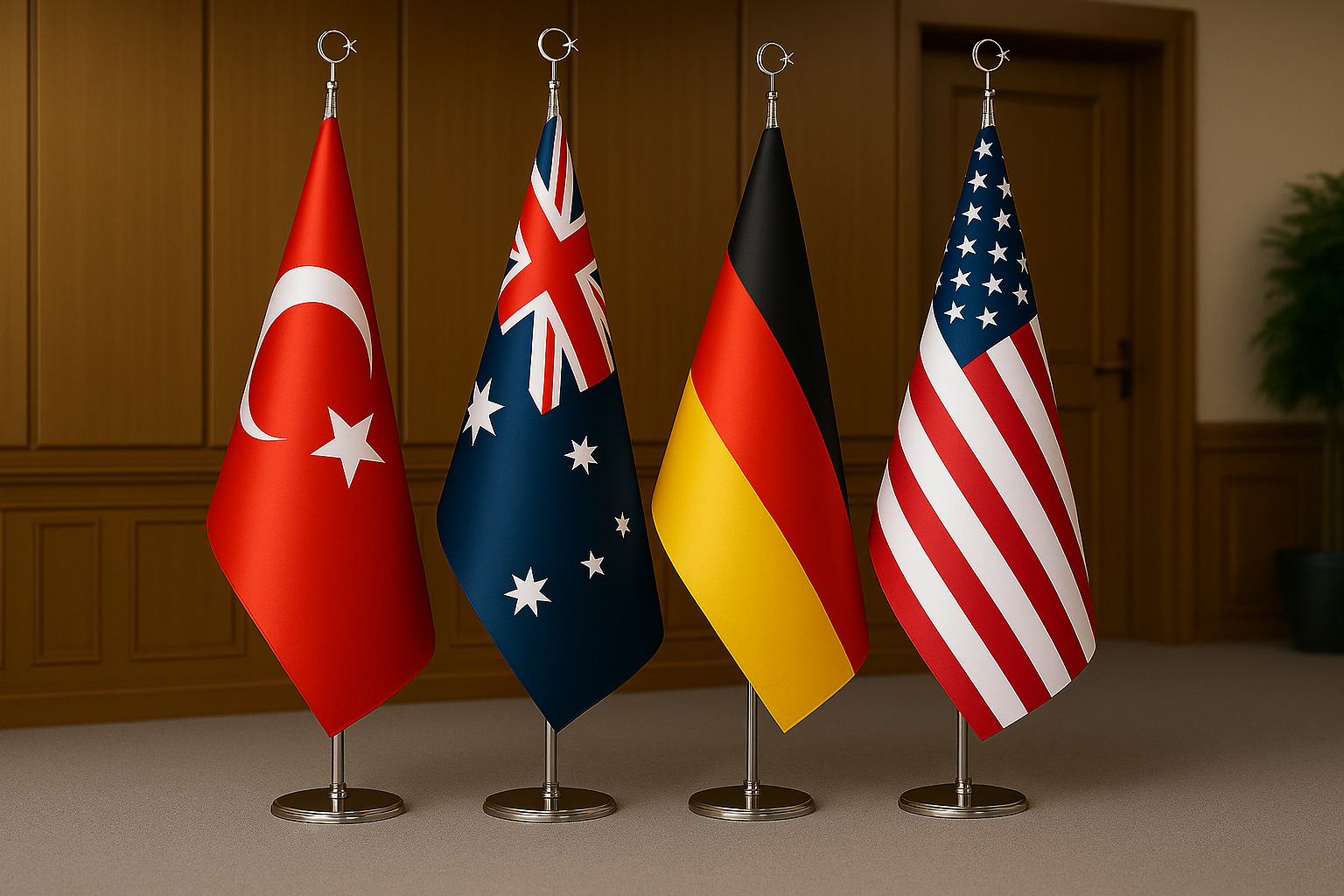
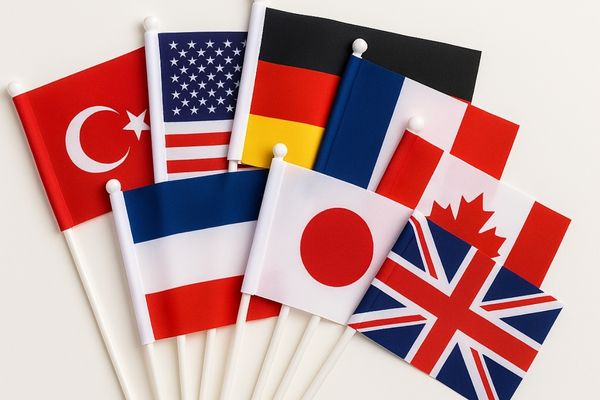
The best format depends on where the flags will live during the event: mounted outdoors along a fence, displayed on gymnasium walls, standing on classroom tables, or carried by students in a parade. Outdoor events need full-size flags — typically 3 ft × 5 ft (90 cm × 150 cm) — made from durable knitted polyester that handles wind and sunlight without fading quickly. Indoor gymnasium or auditorium displays work well with the same 3 × 5 format on lightweight poles, or with smaller 2 ft × 3 ft (60 cm × 90 cm) banners that are easier for students to handle safely.
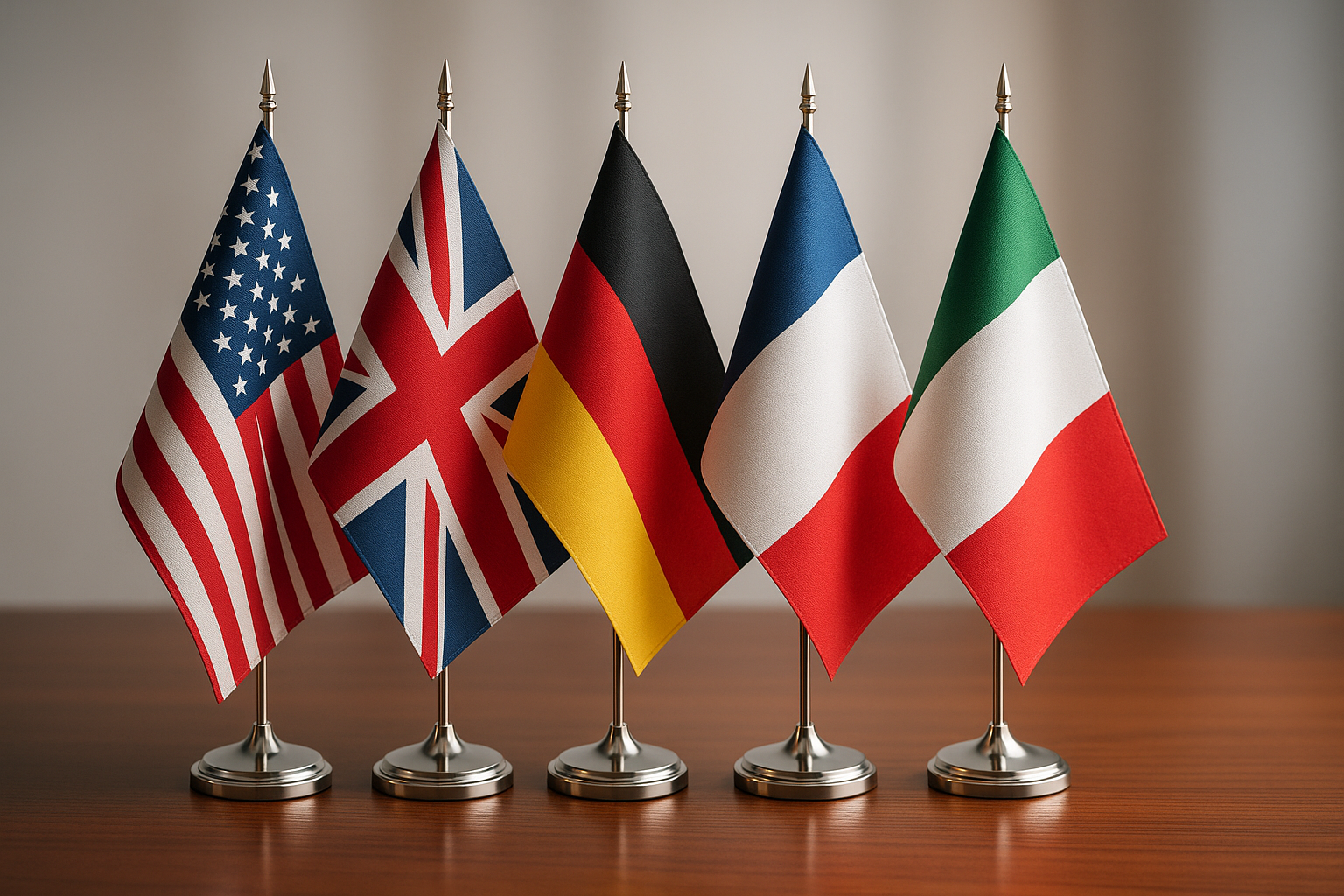
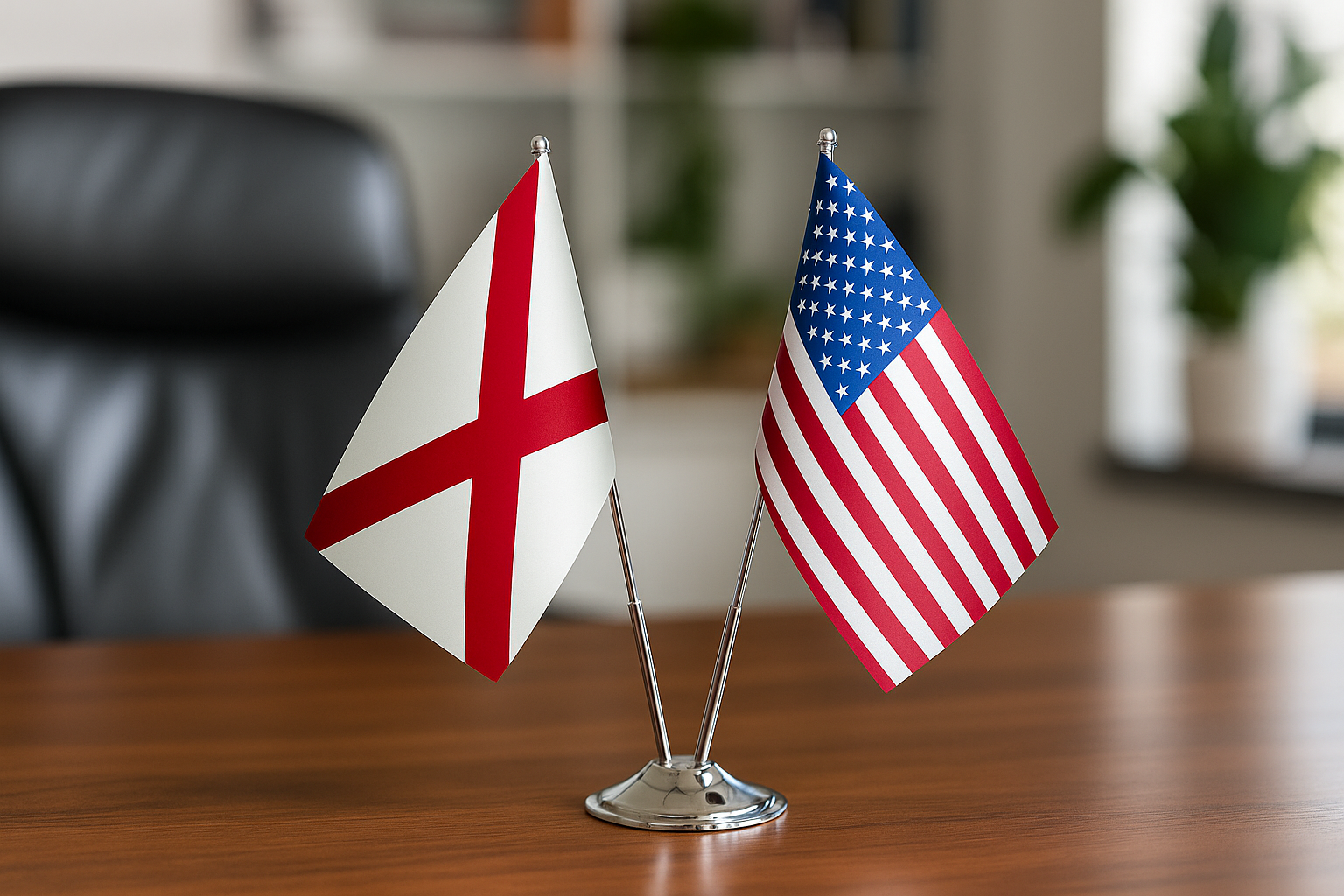
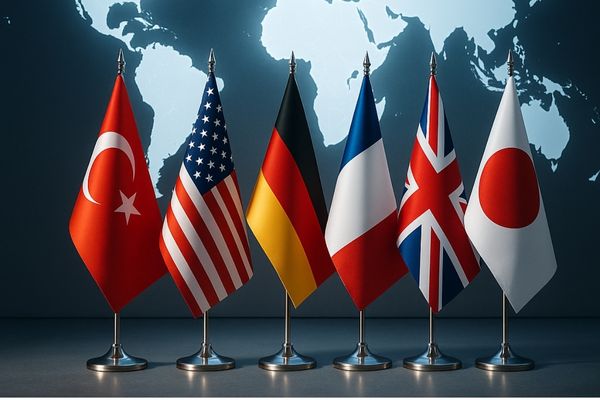
 Desk flags — small flags mounted on a chrome metal pole with a weighted base — are ideal for table centerpieces at a country-themed dinner, a geography fair booth, or a Model UN conference where each delegation needs a nameplate-style display. The Premium USA Desk Flag shows exactly what this format looks like: a compact, professional display that sits steadily on any flat surface without tape or stands. For hallway or stage backdrops, full-size flags hung from a curtain rail or clipped to a banner stand create the most dramatic visual effect. Many schools combine two or three formats — large flags for the main stage, medium flags for classroom doors, and desk flags for individual booths — and that layered approach consistently produces the most polished result. If you are unsure which sizes to order, our guide to mini flags for desks, tables, and event centerpieces breaks down the size decision in detail.
How Many Flags Do You Actually Need?
Start with a firm list of countries before you count flags, because adding nations late almost always means rushed reorders. A typical international school day covers 20–50 countries; a Model UN simulation usually mirrors the UN General Assembly, which means 193 member states if you go all in, though most school simulations work with 30–80 delegations. Count one flag per display point per country: one stage flag, one booth flag, one desk flag — these are separate items, not interchangeable.
Add a buffer of 10–15% beyond your firm number to cover last-minute country additions, accidental damage during setup, and flags that go home with enthusiastic students. If the event runs multiple days, consider ordering one set for static display and a smaller set of handheld or desk flags for the interactive sessions — it keeps your display pristine while giving students something tactile to engage with. For events where students will carry flags in a parade or opening ceremony, order one handheld flag per student participant, not one per country, since multiple students may represent the same nation. Schools that run this event annually should read our article on how to store handheld flags between events — proper storage means your flags survive for three to five years of repeated use, dramatically reducing long-term cost.
How to Lay Out Country Flags So the Display Actually Makes Sense
The most respected convention for displaying flags of the world together is alphabetical order by the country's English name, which is also the standard used at the United Nations and the Olympic Games. Alphabetical order removes any implied ranking or favoritism, which matters in an educational setting where every country deserves equal representation.
For a gymnasium or auditorium display, hang flags at equal heights along the perimeter walls, spaced evenly at 18–24 in (45–60 cm) apart so each flag is fully visible and not overlapping its neighbors. If you have a stage backdrop, feature five to ten flags that represent the event's specific theme — host country, partner countries, featured regions — and use the full alphabetical sequence for the surrounding walls. Outdoor fence displays work best when flags are attached with zip ties or flag clips at both the header and the footer to prevent spinning in the wind. For classroom or booth displays, group flags by continent — Africa, Americas, Asia, Europe, Oceania — which reinforces geography learning more effectively than a strict alphabetical run. Avoid placing flags of nations with active political tensions immediately adjacent to one another; a brief conversation with your social studies department before finalizing the layout prevents awkward moments during the event.
 Desk flag placement follows a simpler logic: set the flag of each country at the front edge of that country's booth or table, centered, so visitors can identify the nation before they even read the signage. The Premium USA Desk Flag mounted on a chrome pole with a weighted base is a good reference for the stability you want — a flag that tips over mid-event looks unprofessional and frustrates students who spent hours decorating their booth. If your event includes a formal opening or closing ceremony with a flag parade, brief the student flag-bearers on how to hold the pole upright and walk at a measured pace; a five-minute rehearsal prevents most of the chaos that otherwise happens in the hallway before the ceremony starts. Labeling the reverse side of each flag with the country name and booth number using removable tape also saves significant time during setup and teardown.
Building a Realistic Budget for Your School's World Flag Display
Budget planning for country flags has four main cost lines: the flags themselves, mounting hardware, shipping, and contingency for damage or additions. Per-flag cost varies by format and quantity — full-size outdoor flags cost more per unit than desk flags, but desk flags require a pole and base which adds to the per-unit total. Ordering all flags from a single supplier in one shipment almost always reduces shipping cost significantly compared to piecing together orders from multiple sources.
For a 50-country display using full-size 3 × 5 ft flags, budget planning should account for the flags, one pole per flag if you are providing them, any wall-mount hardware or banner stands, and the cost of storage bags or tubes so the flags can be reused next year. A detailed breakdown of what flag sets cost at different quantities and formats is covered in our sibling article What a Set of World Flags Costs, which explains how material, size, printing method, and quantity interact to set the final price — worth reading before you submit a purchase request to your school's administration. Schools with an annual international day often find that the per-event cost drops sharply from year two onward if flags are stored properly and reused. Bulk pricing is available for institutional orders, so contacting Asya Bayrak directly with your full country list before placing an order is the fastest path to an accurate quote. Allocate 10% of your flag budget as contingency — it covers the flag of a country you forgot, a last-minute color correction, or a flag that gets damaged during installation.

Country Flags Collection
Browse flags of the world in multiple sizes and formats — from full-size outdoor flags to desk flags — ready for school events, cultural displays, and institutional use.
Browse Collection →When Should You Place Your Flag Order Before the Event?
Place your order at least 4–6 weeks before the event date — 8 weeks if your country list exceeds 80 flags or includes rare or less-common national flags. Production and shipping timelines for large multi-country orders are longer than single-flag purchases, and schools that order two weeks out routinely face stock shortages or expedited shipping fees that blow the budget.
The practical ordering timeline works like this: finalize your country list 8 weeks out, submit your order 6 weeks out, confirm receipt and inspect flags 2 weeks out, and use the final week for setup preparation. Inspecting flags on arrival is critical — check that each flag displays the correct orientation (some flags have an obverse and a reverse that differ, and a few national flags are asymmetrical), that colors match official specifications, and that the header or grommet stitching is intact. If your event falls near a national holiday for one of the featured countries — Independence Day, National Day — flag demand from that country's diaspora community often spikes around the same period, which can affect availability. Ordering early also gives you time to research any recent flag changes: several countries have updated their national flags in the past decade, and displaying an outdated design at an educational event undermines the learning goal. For interesting context on flag symbolism that can enrich your event's educational materials, our articles on the Thunder Dragon on the Bhutan flag and the Zimbabwe bird on the national flag make engaging reading for older students preparing country presentations.
What size world flags work best for a school gymnasium display? +
How should flags of the world be ordered or arranged at a school event? +
Can country flags bought for a school event be reused the following year? +
How many flags of the world are there, and do I need all of them? +
What is the difference between indoor and outdoor country flags for school use? +
Is it disrespectful to display a country's flag incorrectly at a school event? +
How far in advance should a school order world flags for an international event? +
A well-executed world flags display does more than decorate a gymnasium — it teaches students that every nation has a distinct identity worth respecting and understanding. Start by browsing the full Country Flags collection to see the formats and countries available, then explore the broader Flags collection for additional display options including indoor and outdoor formats. If your event features the United States alongside other nations, the USA Official Indoor Flag — built from double-layer satin fabric with high-definition sublimation printing and mounted on a chrome metal pole — is the right choice for a ceremonial indoor stage setting. Bulk pricing is available for corporate and institutional orders, so contact Asya Bayrak directly with your complete country list for an accurate quote before submitting your budget request to administration.


