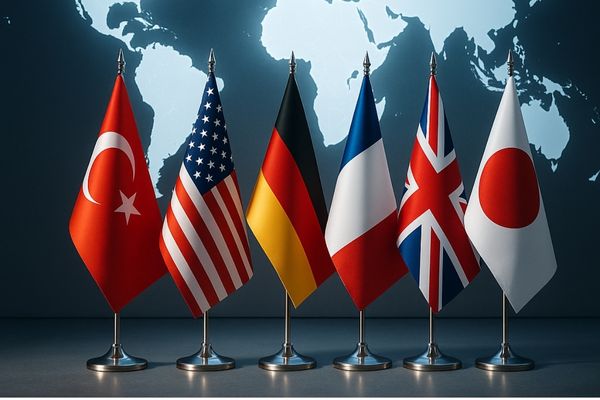

Bulk Canada flag orders cost less per unit when you understand the four variables that control manufacturing price: material, size, printing method, and order quantity. Whether you need a single America & Countries Flags collection piece for a school display or hundreds of flags for a national day event, knowing how those variables interact lets you specify exactly what you need and avoid paying for more — or less — than the job demands.
The Four Factors That Determine Canada Flag Pricing
Every Canada flag quote is built from the same four inputs: fabric type, finished dimensions, how the maple leaf design is reproduced, and total units ordered. These factors are not independent — a large outdoor flag in heavyweight nylon printed by dye sublimation costs far more per unit than a small handheld stick flag printed by screen, and the gap widens or narrows dramatically once quantity discounts enter the equation. Understanding each variable before you request a quote means you can make deliberate trade-offs rather than being surprised by the final number.
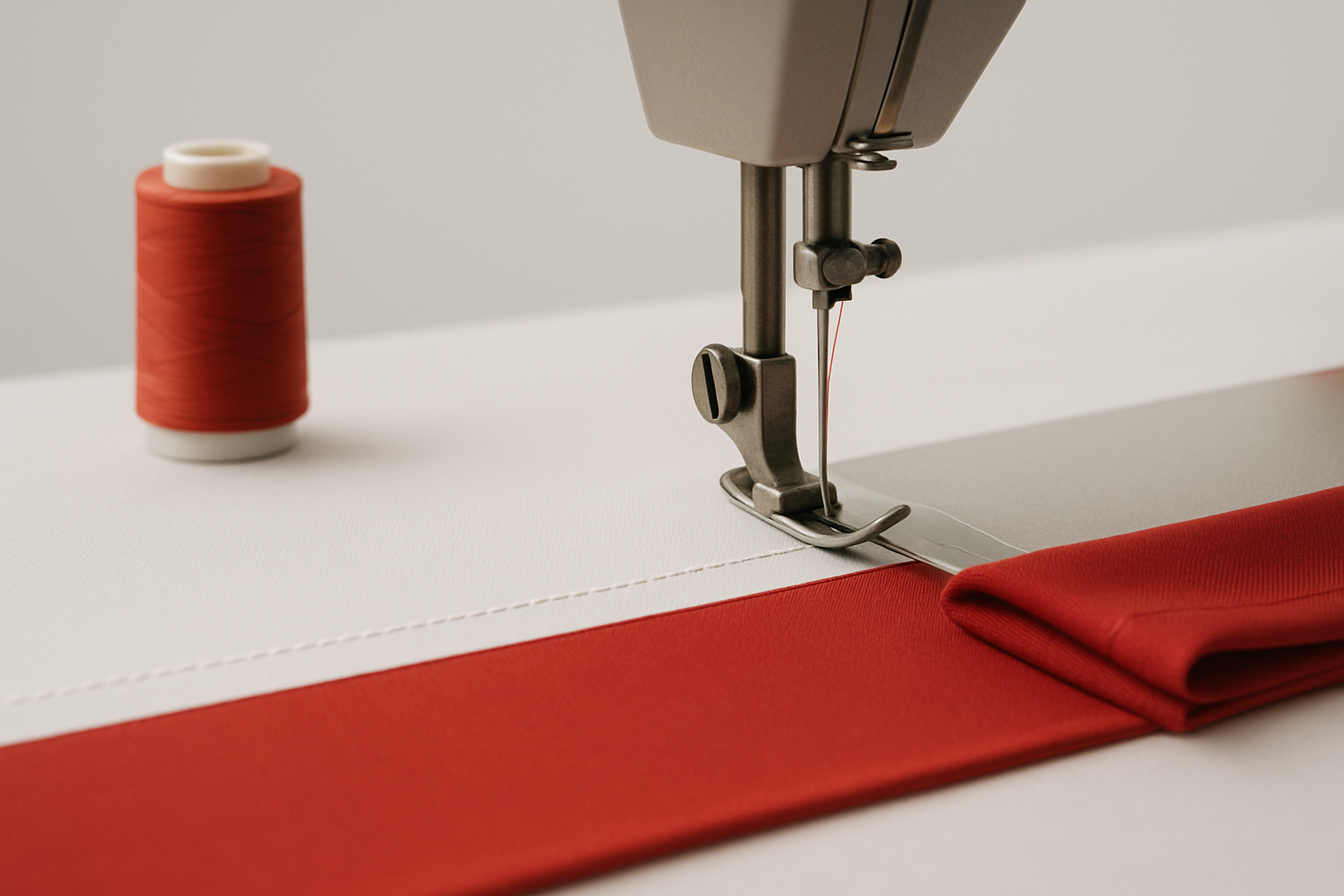
Material is the single largest cost driver in most flag categories, because the fabric determines every downstream step: which printing method is compatible, how heavy the finishing hardware needs to be, and how long the flag will last outdoors. Size is the second driver, and it scales faster than most buyers expect because fabric consumption grows with the square of the dimension — doubling the fly length roughly quadruples material use. Printing method adds complexity: dye sublimation, screen printing, and embroidery each carry different setup costs, colour fidelity levels, and minimum run requirements. Quantity is the only factor that reliably reduces per-unit cost, because setup costs are amortised across the run and fabric is purchased at volume pricing from mills.
A useful mental model: think of your order as a fraction — fixed costs (artwork setup, cutting dies, header sewing) sit in the numerator and unit count sits in the denominator. Doubling your order does not double your cost; it spreads that fixed numerator across more units, dropping the per-flag price. This is why procurement teams who plan events a year in advance and consolidate their Canada flag buys into one purchase order consistently pay less than teams who reorder in small batches.
How Fabric Choice Changes the Price of a Canada Flag
The material of a Canada flag is the clearest predictor of both unit cost and total cost of ownership over a deployment cycle. Polyester knit — the most common outdoor flag fabric — balances affordability with durability, typically delivering 6 to 12 months of continuous outdoor life in North American climates. Heavyweight nylon costs more per yard but resists UV degradation more effectively, often reaching 12 to 24 months of outdoor service, which means the lifetime cost per flying-day can actually be lower despite the higher sticker price. Lightweight polyester blends are the least expensive per yard and are appropriate for short-term indoor displays, trade shows, and events where the flag will be used for days rather than months.
 The Canada flag's design — three vertical bands (red, white, red) with an 11-pointed maple leaf centred on white — requires precise colour registration across the full fly width. On an outdoor flag meant for flagpole use, dye-sublimation printing into the fabric fibre produces the most accurate Pantone 032 C red (the official Canadian Heritage colour specification) and resists fading far better than surface-applied inks. The Canada Outdoor Flag uses reinforced canvas headers and brass grommets sized for standard 1-inch (2.5 cm) pole hardware, which is the correct fitment for the 3 ft × 6 ft (91 cm × 183 cm) size most commonly flown on outdoor poles across the United States and Canada. Woven polyester also drapes and flies more naturally than stiffer materials, which matters for visibility at sporting venues, government offices, and cultural centres. If you are comparing fabric tiers for a bulk order, factor in replacement frequency: a cheaper fabric ordered twice costs more in labour, shipping, and downtime than a premium fabric ordered once.
Embroidered Canada flags represent a premium tier above printed fabrics. Embroidery adds tactile texture and an upscale appearance appropriate for ceremonial settings, boardrooms, and diplomatic presentations, but it carries higher per-unit production time and is rarely cost-effective below 50 units. For most bulk buyers — schools, municipalities, sports organisations, retailers — dye-sublimated polyester or nylon is the practical optimum.
How Flag Size Affects the Cost Per Unit
Size is a straightforward but often underestimated price driver: larger flags use more fabric, require heavier finishing hardware, cost more to ship, and take longer to cut and sew. The standard Canada flag proportion is 1:2 (height to fly), which is enshrined in the National Flag of Canada proclamation of 1965. That ratio means a 3 ft × 6 ft (91 cm × 183 cm) flag contains exactly four times the fabric area of a 1.5 ft × 3 ft (46 cm × 91 cm) flag — but shipping weight and carton volume grow at a similar rate, compounding the cost difference.
Common sizes and their primary use cases:
- 4 in × 6 in (10 cm × 15 cm) handheld stick flags — parades, table decorations, giveaways; lowest per-unit cost, highest volume orders
- 12 in × 18 in (30 cm × 46 cm) — desk displays, classroom sets, retail counter presentation
- 2 ft × 3 ft (61 cm × 91 cm) — indoor wall mounts, car dealerships, small retail flagpoles
- 3 ft × 5 ft (91 cm × 152 cm) — the most common US residential outdoor size, compatible with standard 6 ft (1.8 m) residential poles
- 3 ft × 6 ft (91 cm × 183 cm) — commercial flagpoles, government buildings, schools; the most popular size in bulk institutional orders
- 4 ft × 6 ft (122 cm × 183 cm) and larger — premium outdoor poles, sporting arenas, border crossings; premium pricing tier
Handheld flags sit in a separate cost category entirely. A Canada Handheld Flag on a wooden or plastic stick is printed at high speed on lightweight polyester and attached to a pre-cut dowel, making the unit economics very different from a sewn outdoor flag. Bulk orders of handheld flags for Canada Day events, heritage festivals, or sports fan giveaways typically qualify for the steepest per-unit discounts because of how quickly they can be produced at scale.
Current Price Ranges for Canada Flags
Current Price List
| Product | Size | Price | |
|---|---|---|---|
| Canada Outdoor Flag | 50 x 75 cm | $11.95 | Check the live price → |
| 60 x 90 cm | $12.95 | Check the live price → | |
| 70 x 105 cm | $13.95 | Check the live price → | |
| 80 x 120 cm | $15.95 | Check the live price → | |
| 100 x 150 cm | $16.95 | Check the live price → | |
| Canada Handheld Flag | 15x22.5cm / 50 Units | $41.95 | Check the live price → |
| 20x30cm / 50 Units | $57.95 | Check the live price → | |
| 30x45cm / 50 Units | $57.95 | Check the live price → | |
| 15x22.5cm / 100 Units | $78.95 | Check the live price → | |
| 40x60cm / 50 Units | $87.95 | Check the live price → |
Prices as of August 08, 2026. All sizes and materials
The table above reflects pricing across the key size and material combinations we stock. Note that per-unit cost drops significantly at order thresholds — the difference between a 12-unit and a 144-unit order of the same flag can represent a cost reduction of 30% to 50% per piece. If your required quantity sits just below a break point, it is almost always worth rounding up to capture the lower tier rate. For custom sizes, specialty fabrics, or embroidered versions, contact the team directly for a line-item quote.
How Bulk and Corporate Orders Reduce the Per-Flag Price
 Bulk ordering lowers the per-unit price through three simultaneous mechanisms. First, raw material procurement shifts from retail roll pricing to mill pricing, which can reduce fabric cost by 20% to 40% depending on yardage. Second, fixed production setup costs — artwork file preparation, colour calibration, cutting die creation — are divided across more units, contributing less to each flag's price. Third, finishing and packing operations follow a learning curve: the first 12 flags in a run take the same setup time as the first 1,200, so the per-unit labour cost collapses at scale. These savings pass directly to the buyer at defined quantity break points. The Canada Handheld Flag is one of the most popular choices for event organisers who need quantities in the hundreds or thousands, precisely because the unit economics at that scale make per-flag cost very low while still delivering a visually consistent, brand-appropriate product. For corporate buyers placing recurring annual orders — hotel chains displaying flags of guest nations, convention centres, sports leagues — a standing purchase agreement often unlocks a dedicated price tier below standard bulk pricing, with guaranteed lead times and reserved inventory ahead of peak demand periods such as Canada Day (July 1st), national holidays, and major sporting events.
Corporate and institutional buyers should also consider consolidating related flag needs into a single order. If you need Canada flags alongside flags of other nations, ordering them as part of one production run is more cost-effective than placing separate orders. Our Country Flags collection covers all major nations and can be combined into a single bulk quote, reducing freight costs and administrative overhead. Similarly, if desk display versions are needed alongside full-size outdoor flags, our Country Desk Flags collection can be included in the same order and shipped together.

America & Countries Flags Collection
Canada flags, USA flags, and all North and South American nation flags in one place — available in multiple sizes and materials for bulk institutional orders.
Browse Collection →Why a Cheap Canada Flag Costs More in the Long Run
The lowest advertised per-unit price on a Canada flag is rarely the lowest total cost of ownership over a 12-month deployment. The economics of flag replacement are straightforward: a flag that fails after 3 months of outdoor exposure must be replaced four times to cover a year, while a premium flag that lasts 12 months requires one purchase. If the cheap flag costs 40% less per unit but fails in 90 days, you spend 2.4× more than you would on the durable option across the same year.
UV degradation is the primary failure mode for outdoor flags. Red dyes — especially the specific red used in the Canada flag — are among the most UV-vulnerable pigments in the spectrum. Low-quality flags use surface inks that chalks and fades to pink within weeks of intense summer sun. A flag with 80% UV-resistant dye-sublimation printing into the polyester fibre retains colour vibrancy far longer, maintaining the official Canadian Heritage red that represents the country correctly. Flying a faded or discoloured Canada flag at a government building, consulate, or corporate campus is not only aesthetically poor — it reflects on the institution displaying it.
Physical durability is the second failure mode. Reinforced lockstitch stitching at the header, double-stitched fly hem, and brass or zinc alloy grommets add a modest cost premium over entry-level flags but prevent the most common physical failures: header tears, grommet pull-through, and fraying along the fly edge. For buyers who want a deeper comparison of how pricing scales across different countries' flags — and why material choices differ by design complexity — our article on France flag prices by size and material covers the same analytical framework applied to the tricolour, which is useful context for multi-national procurement teams.
The total cost of ownership argument also applies to reputational risk. A Canada flag is a symbol of the country and, by association, of the organisation flying it. The National Flag of Canada Act and Canadian Heritage guidelines specify the correct proportions and colours; flying a flag that does not meet those specifications — whether due to fading, incorrect proportions, or poor colour accuracy — is a visible sign of inattention to detail. For diplomatic offices, cultural organisations, and major event organisers, that risk alone justifies the premium tier.
What is the official name and design of the Canada flag? +
What does flag canada flag mean when people search that phrase? +
What size Canada flag is standard for an outdoor flagpole? +
Can I order a Canada flag manufactured outside of Canada? +
Is there such a thing as a United States of Canada flag? +
How many Canada flags should I order for a sporting event or parade? +
What is the difference between a Canada flag for indoor and outdoor use? +
If you are sourcing Canada flags for a corporate office, government facility, school, event, or retail programme, the right starting point is matching the deployment environment to the correct material and size tier — and then consolidating your order quantity to hit the most favourable price break. Browse the full America & Countries Flags collection for Canada flag options in every standard size, or go directly to the Canada Outdoor Flag for pole-ready outdoor versions and the Canada Handheld Flag for event and parade quantities. Bulk pricing is available for corporate orders — contact us with your required size, quantity, and delivery date for a line-item quote with applicable volume discounts. For a parallel look at how the same pricing principles apply to another major national flag, see our breakdown of France flag prices by size and material.