

Embassy and consulate flag protocol governs exactly which flags are flown, in what order, at what height, and under what conditions at diplomatic missions worldwide — and getting any detail wrong can trigger a formal diplomatic incident. Whether you manage a mission abroad or source flags for one, understanding these rules is essential for maintaining the respect and legal standing that diplomatic premises demand.
What Is Diplomatic Flag Protocol and Why Does It Matter?
Diplomatic flag protocol is the set of international customs and bilateral agreements that determine how national flags must be displayed at embassies, consulates, and other diplomatic missions. These rules are not merely ceremonial — violations can be interpreted as acts of disrespect or provocation between sovereign nations, with real consequences for diplomatic relations.
The foundational framework comes from the Vienna Convention on Diplomatic Relations (1961) and the Vienna Convention on Consular Relations (1963), both of which affirm the right of a mission to fly the flag of the sending state on its premises and on the chief of mission's official vehicle. Article 20 of the 1961 Convention explicitly states that the mission shall have the right to use the flag and emblem of the sending state on its premises and on its vehicles. Beyond the Vienna Conventions, individual host countries may layer additional requirements — specific flagpole heights, lighting regulations, or restrictions near government buildings — so protocol officers must consult both international law and local statutes simultaneously. In the United States, for instance, the State Department publishes guidance on the display of foreign flags at diplomatic facilities within US territory, and foreign missions are expected to adhere to these guidelines as a condition of their accreditation.
The Host Country Flag vs. the Sending State Flag: Who Goes First?
At a foreign embassy, the sending state's national flag takes precedence on the embassy's own flagpole, while the host country's flag is not required to be flown on embassy premises at all. This distinction is critical: the embassy building is, under international law, the sovereign territory of the sending state, and the flag flying above it is a direct expression of that sovereignty.
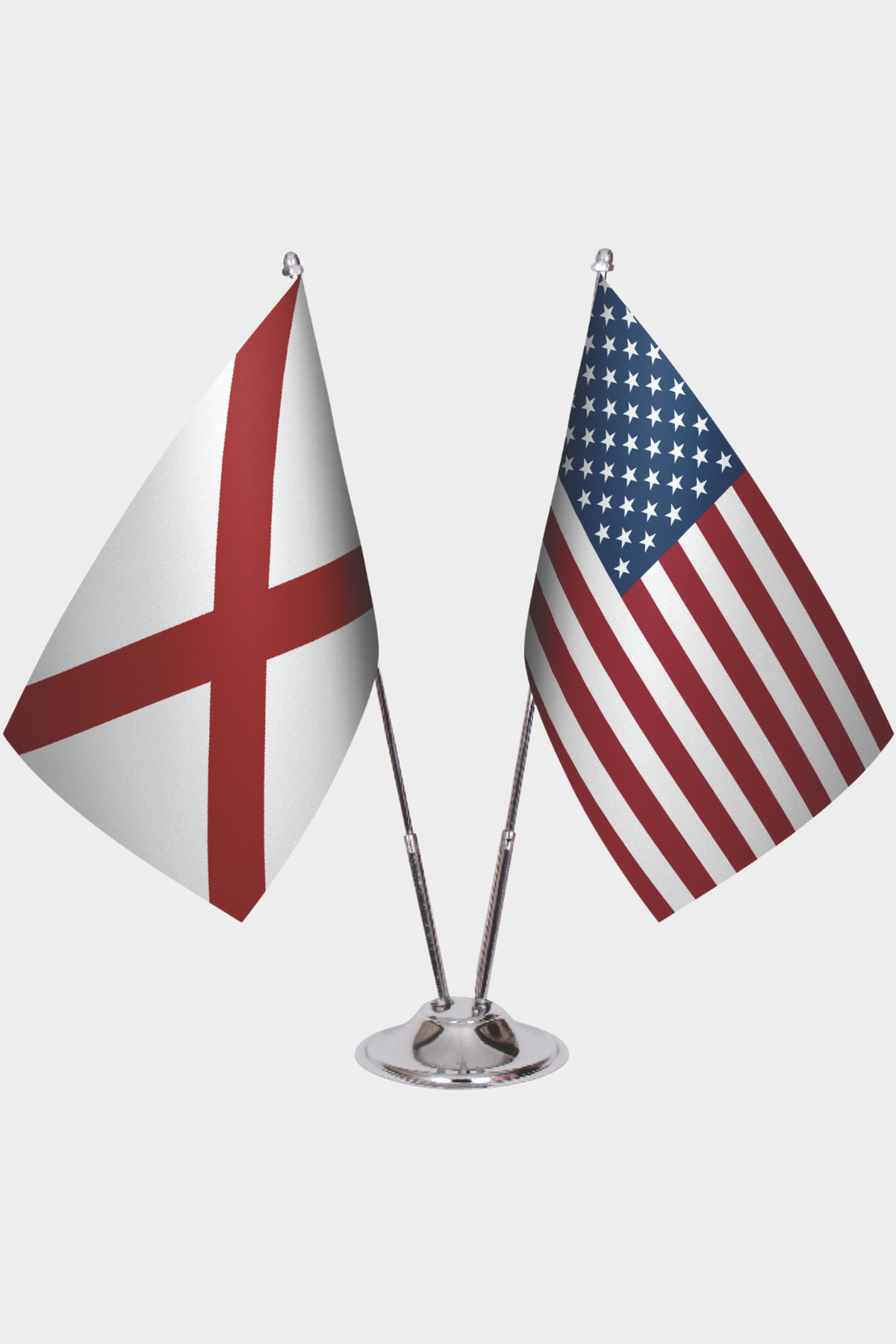
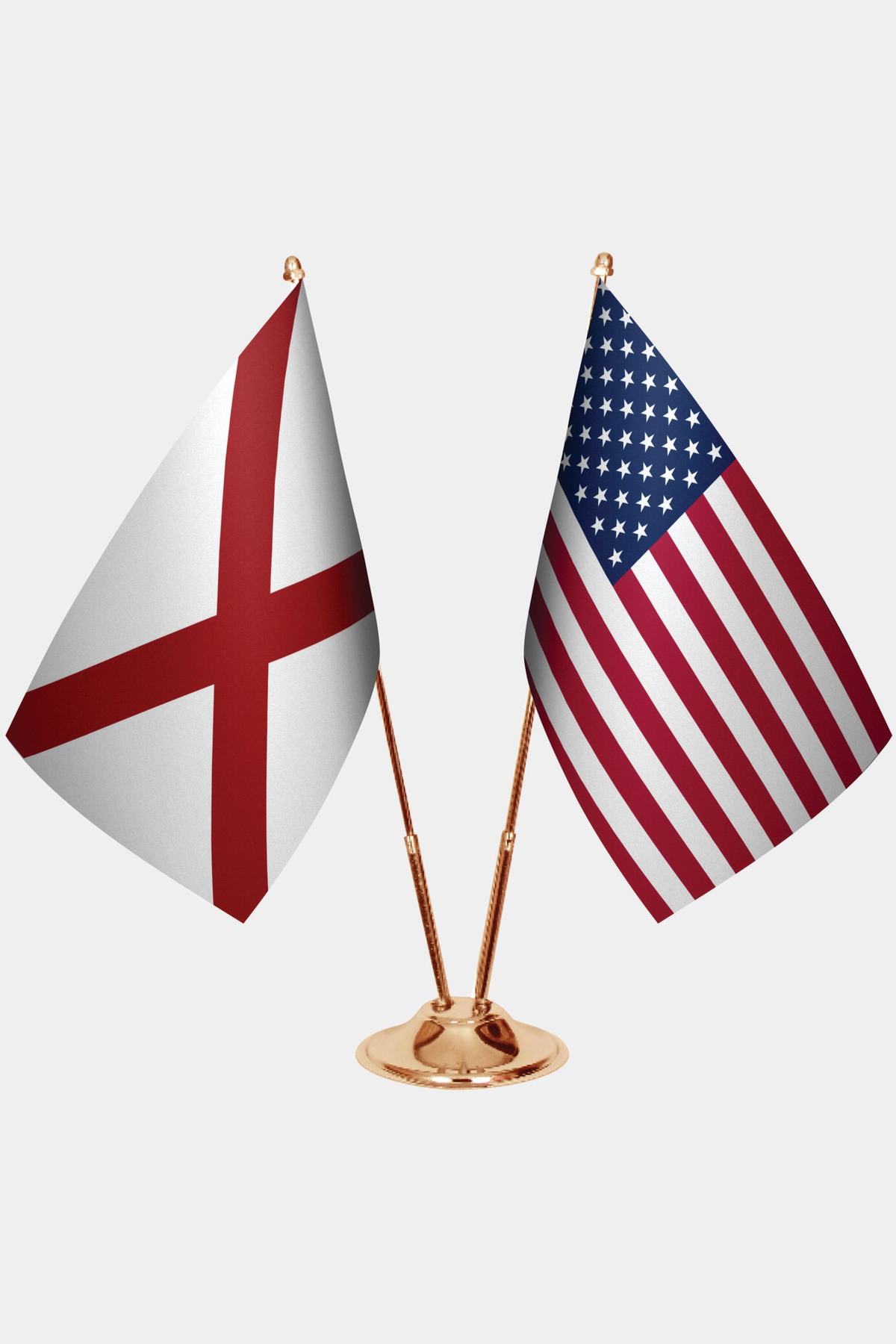
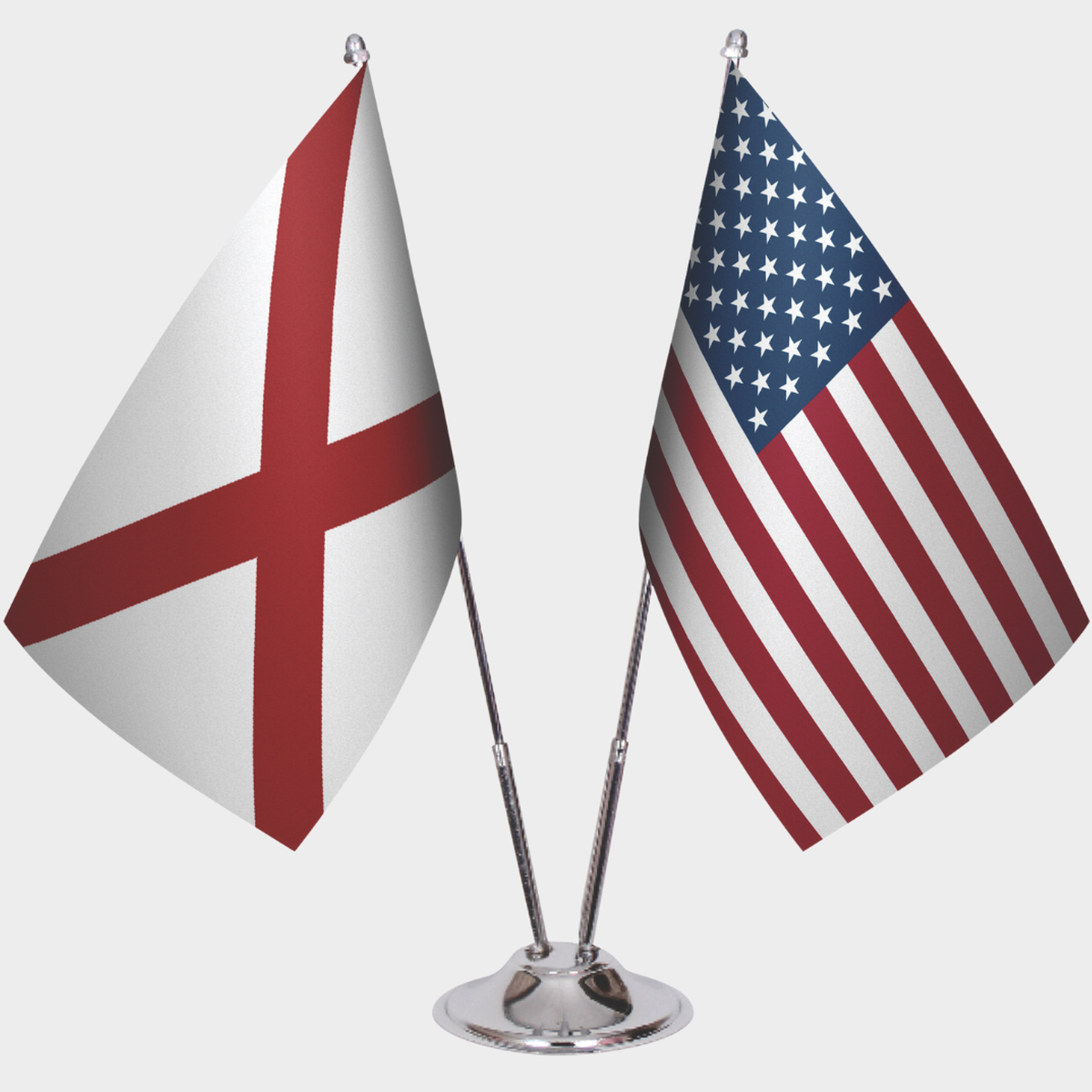
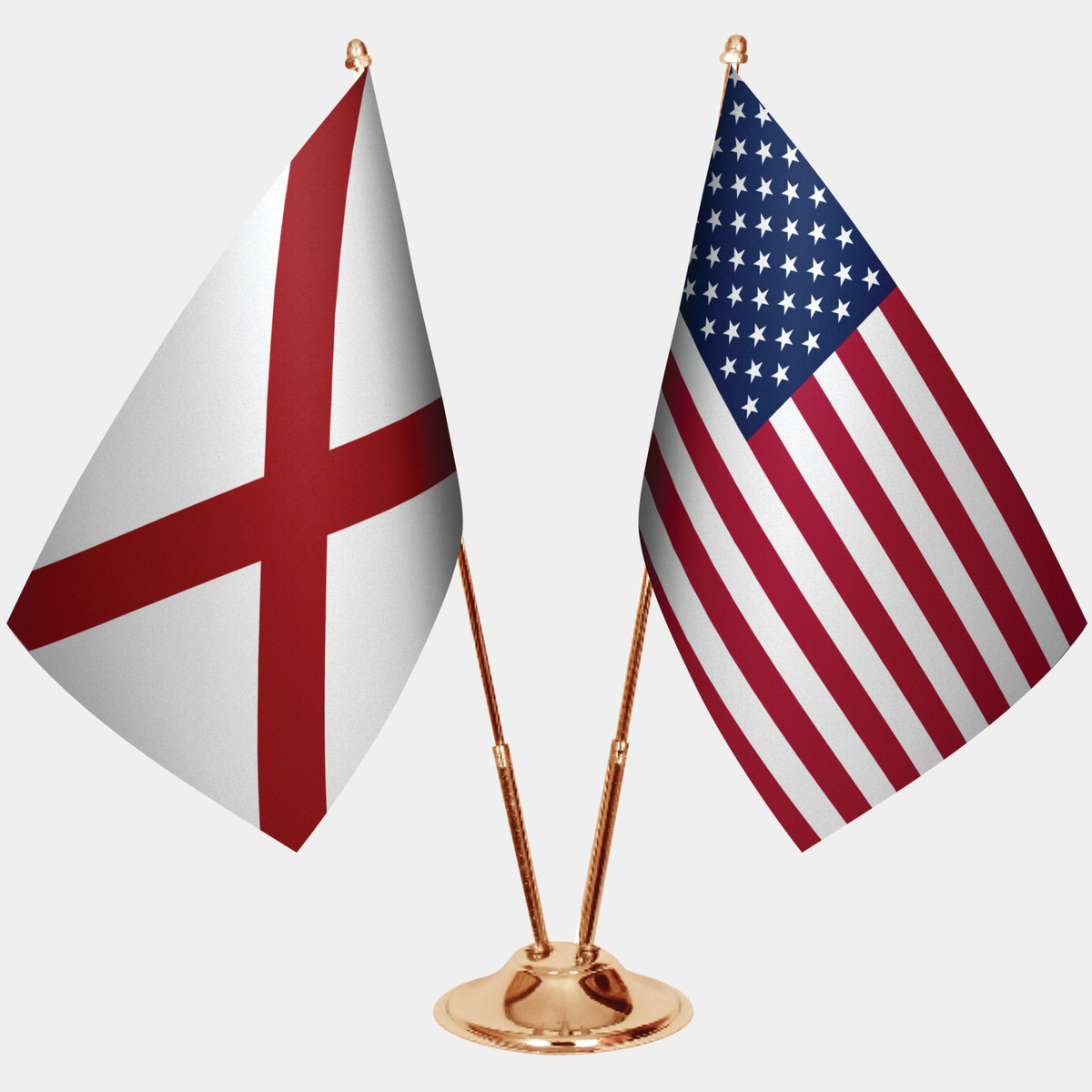
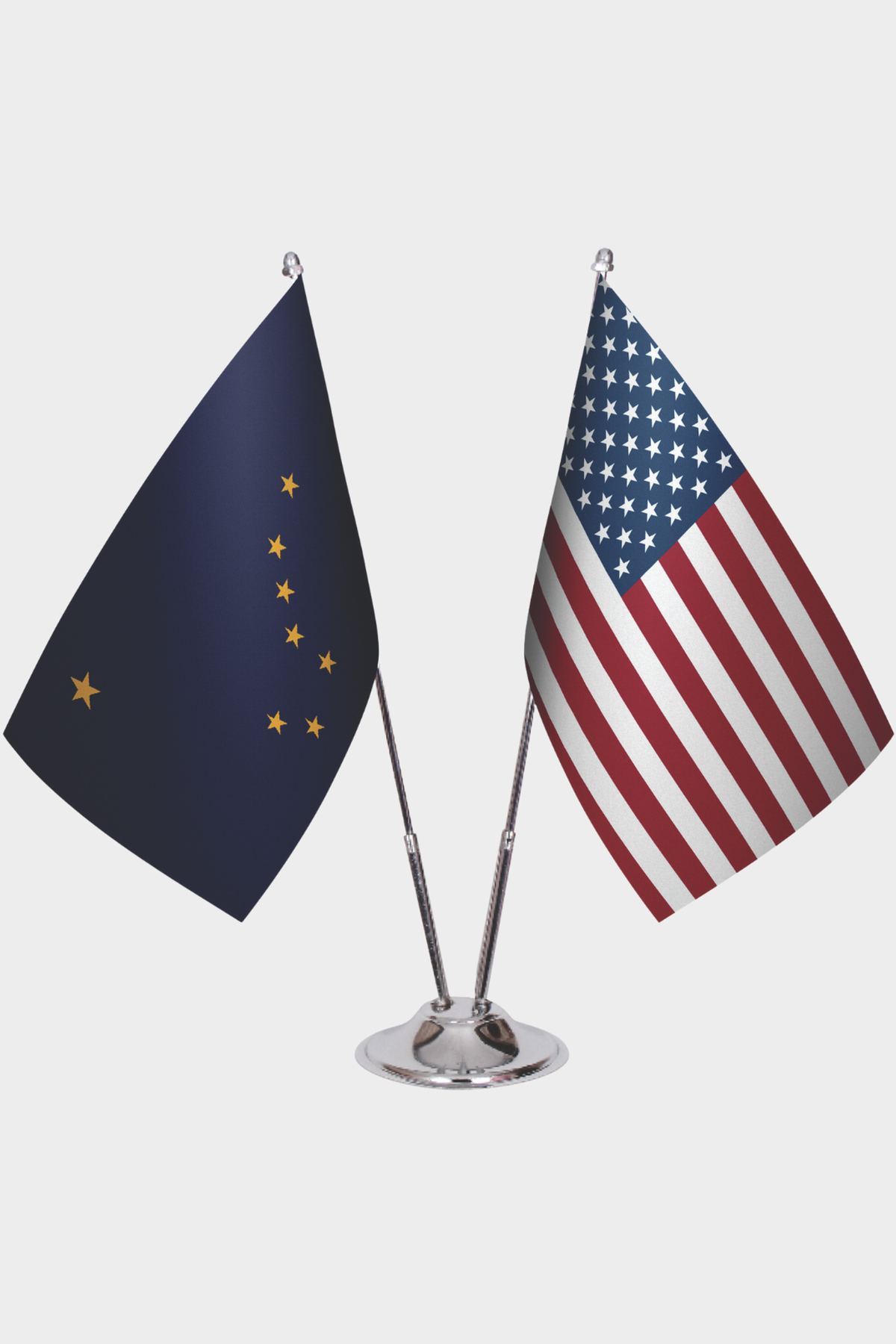
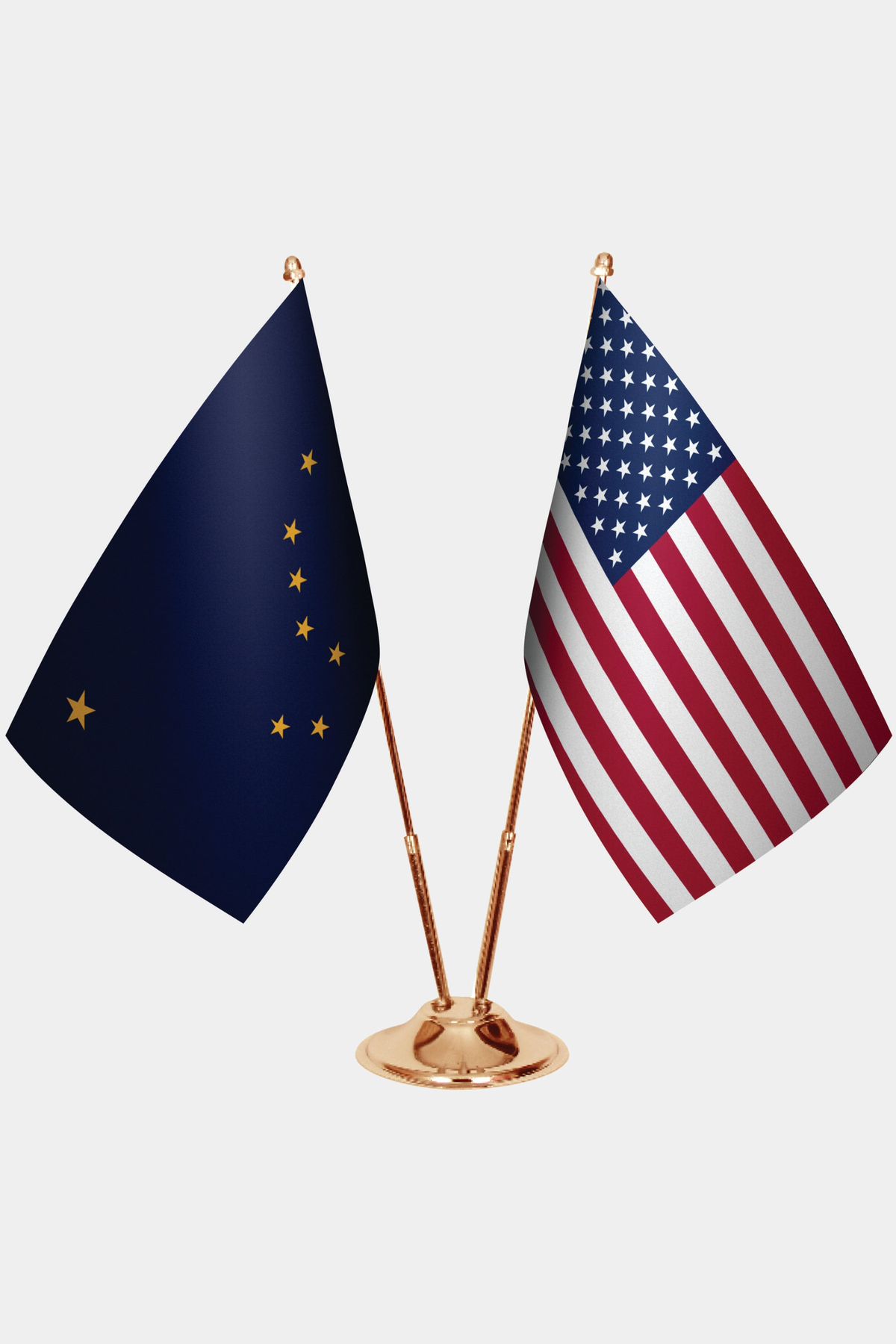
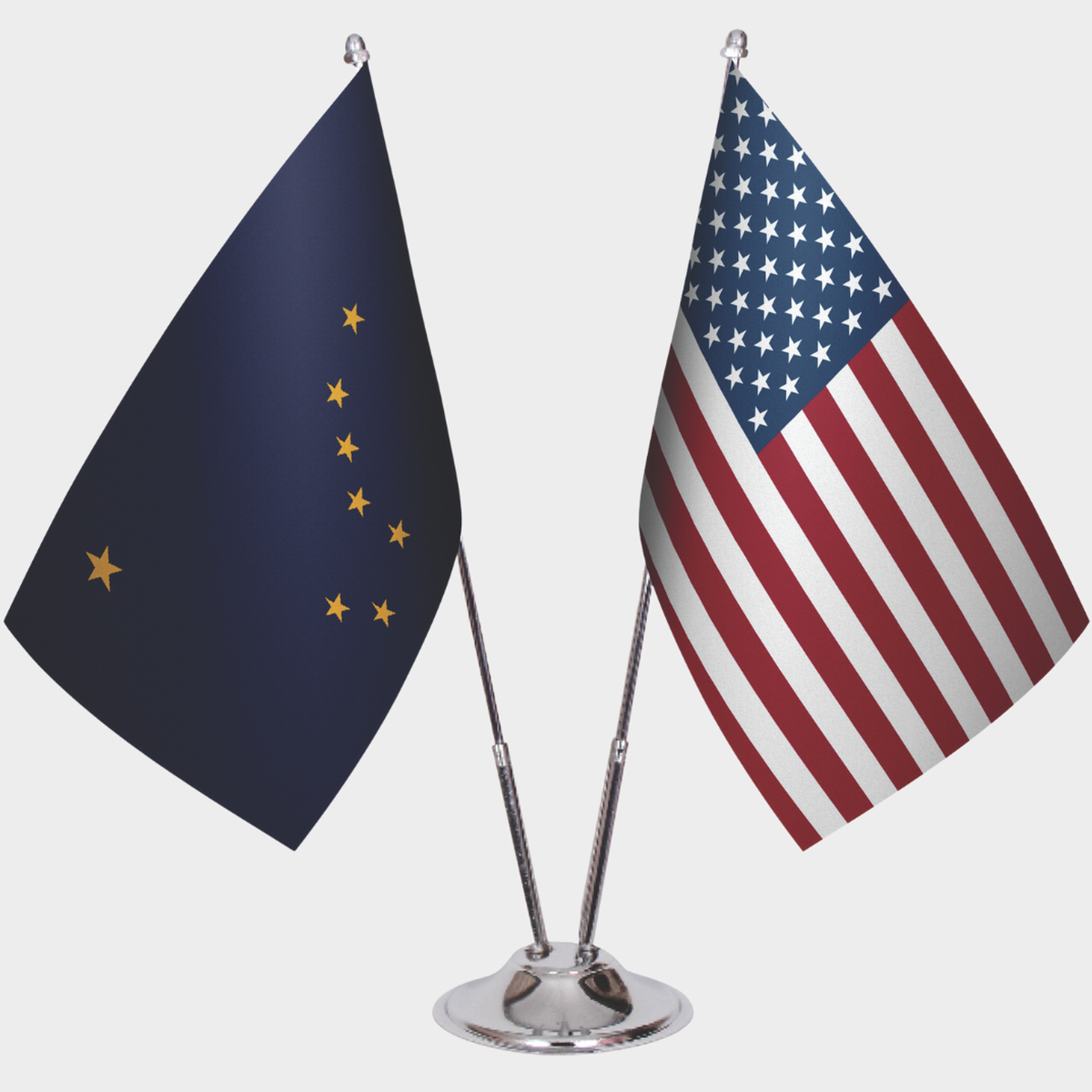
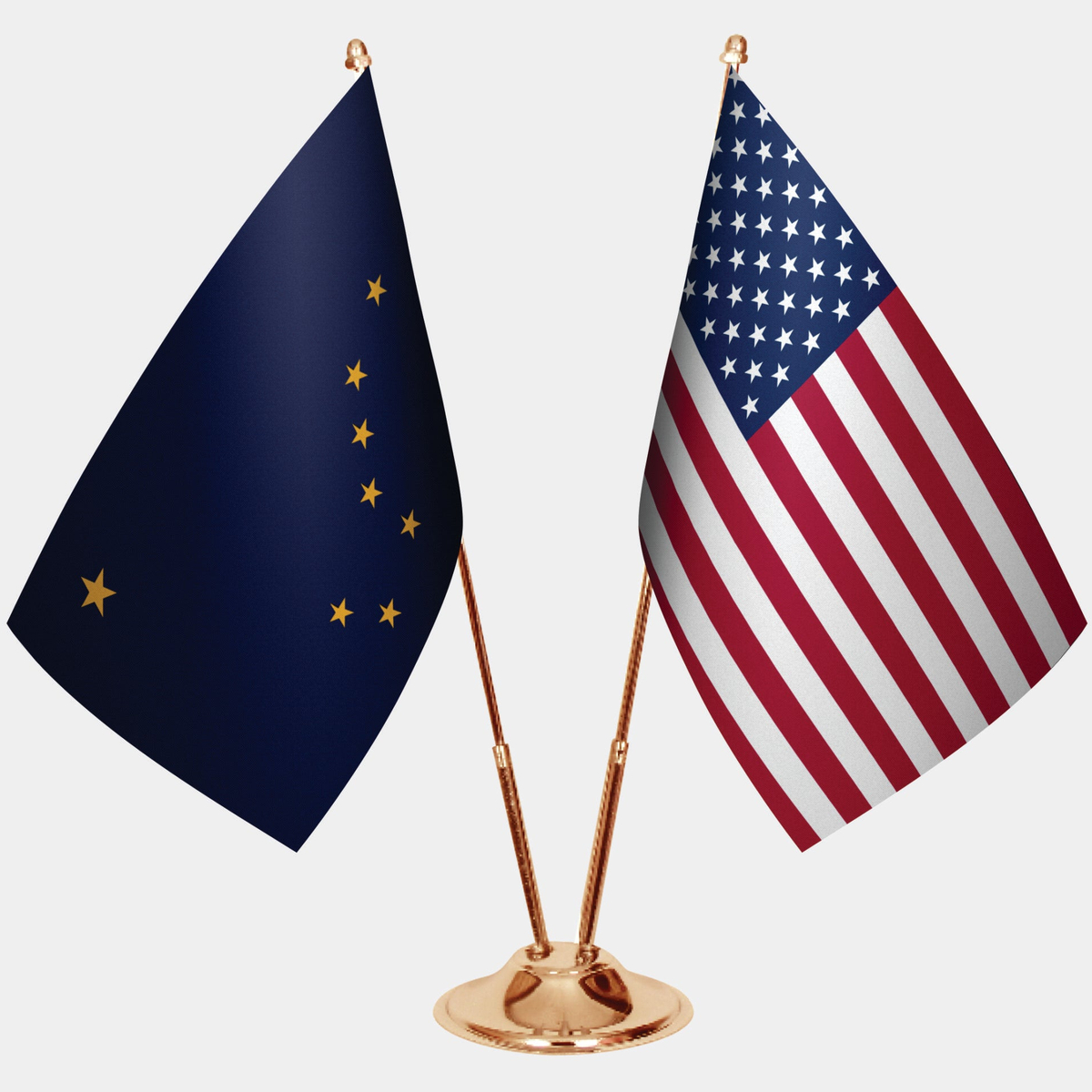
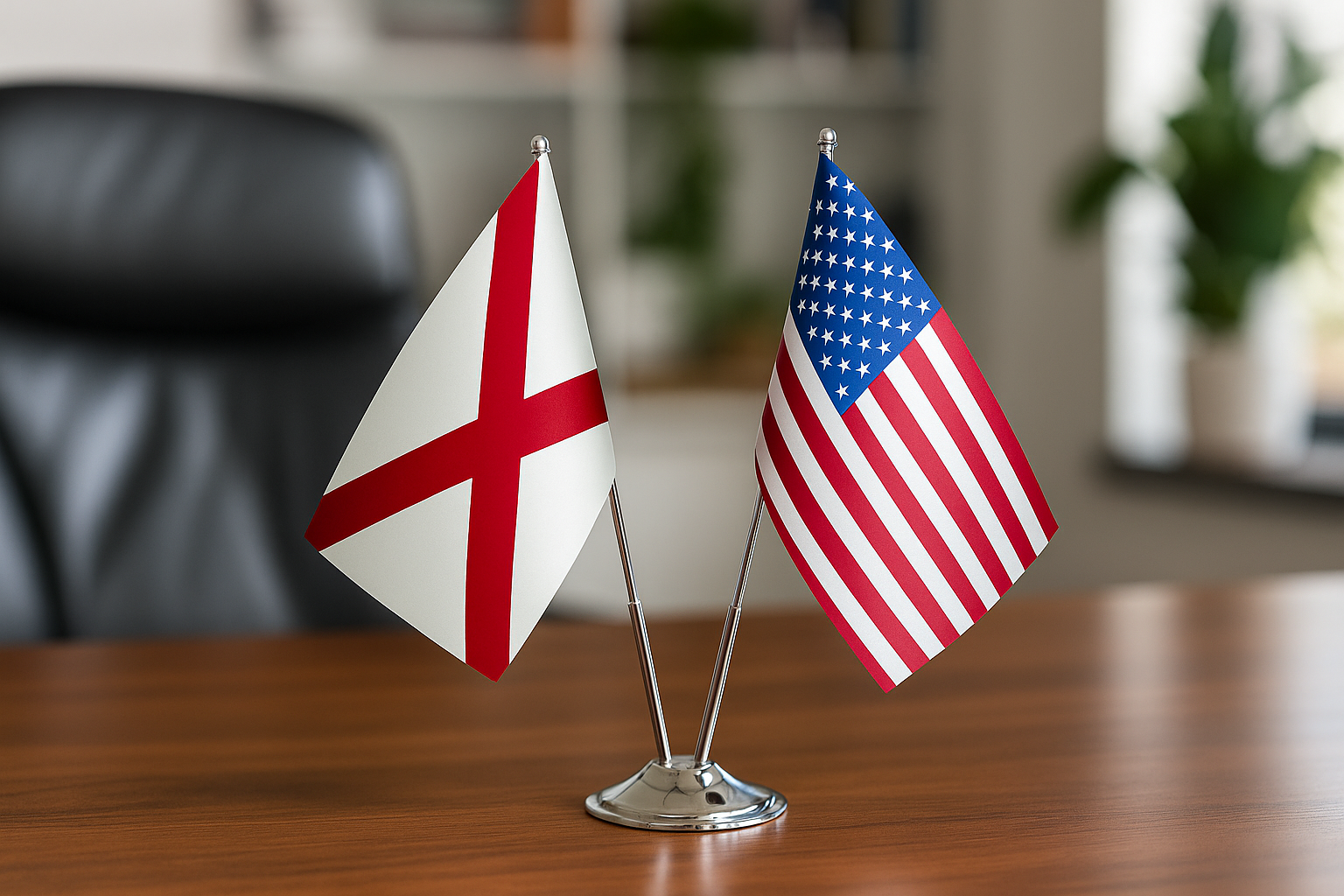
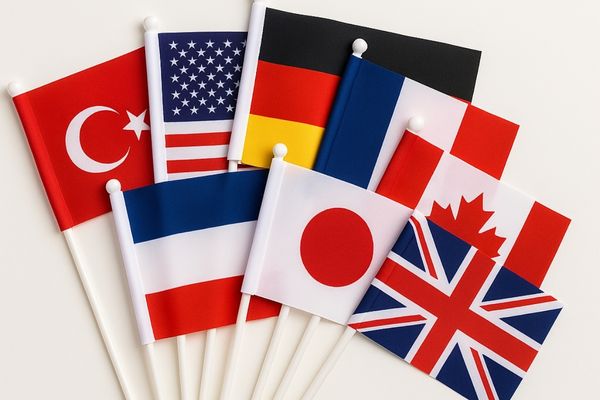
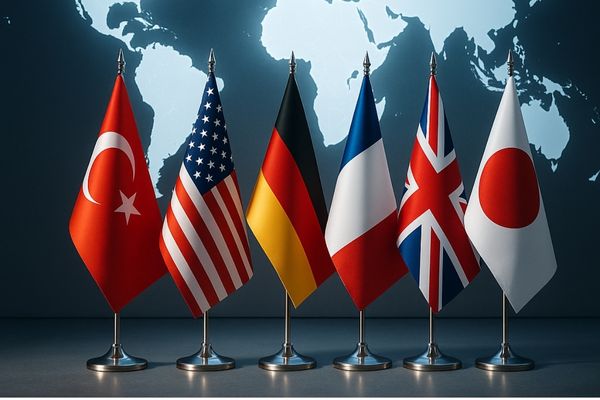
However, during formal ceremonies — such as the presentation of credentials by an incoming ambassador — both flags are typically displayed side by side, with the host country's flag positioned to the right (which is the position of honor in most Western diplomatic traditions) and the sending state's flag to the left. At international summits or multilateral events hosted at a single venue, the FIAV (Fédération Internationale des Associations Vexillologiques) standards provide guidance on the alphabetical ordering of national flags, which is the most politically neutral arrangement and is widely adopted by the United Nations and affiliated bodies. The UN itself mandates strict alphabetical order for member-state flags along its headquarters perimeter in New York City, a protocol that eliminates any perception of hierarchy among equal sovereign nations. Flag manufacturers sourcing for diplomatic clients must produce flags to precise specification — correct proportions, color standards like Pantone matching, and the right finish for outdoor flagpoles — because even slight deviations in a flag's aspect ratio or color fidelity can constitute a breach of the host or sending state's flag code.
Flag Dimensions, Materials, and Display Standards for Embassy Use
Embassy flags must meet rigorous dimensional and material standards because they represent sovereign nations in the most visible possible setting. Most standard outdoor embassy flagpoles range from 20 ft (6 m) to 60 ft (18 m) in height, and the flag's fly length should be roughly one-quarter to one-third of the flagpole height as a general rule of thumb.
Common flag sizes used at diplomatic missions include 3 ft × 5 ft (0.9 m × 1.5 m) for indoor ceremonial settings and 4 ft × 6 ft (1.2 m × 1.8 m) or 5 ft × 8 ft (1.5 m × 2.4 m) for medium outdoor poles, while larger installations — such as the prominent pole at an embassy's main entrance on a major boulevard — may require flags as large as 6 ft × 10 ft (1.8 m × 3 m) or 8 ft × 12 ft (2.4 m × 3.7 m). Materials matter enormously in a diplomatic context: heavyweight nylon rated at 200-denier or above offers 80% UV resistance and is suitable for year-round outdoor display, while polyester is preferred in high-wind coastal or elevated locations because of its greater tensile strength. For indoor ceremonial halls and reception rooms, satin or woven polyester provides a lustrous finish that photographs well and projects the dignity appropriate to formal diplomatic settings. Accurate color reproduction is non-negotiable — the Pantone Matching System (PMS) is the international standard for specifying flag colors, and deviations of even a few points on the PMS scale can produce a noticeably incorrect shade that offends the sending state. Explore the country flags collection at Asya Bayrak to find flags manufactured to precise national specifications for both outdoor and formal indoor diplomatic use.
Half-Staff and Mourning Protocols at Embassies
When a head of state or other designated dignitary dies, embassies typically lower their national flag to half-staff as a mark of mourning, following the specific directives issued by their home government rather than those of the host country. This distinction is important: an American embassy in Paris will lower the US flag according to a Presidential Proclamation under 4 USC § 7(m), not according to French national mourning orders.
The proper half-staff position requires the flag to be hoisted briskly to the peak first, then lowered ceremonially to the midpoint of the pole — a sequence that honors the flag itself before it is lowered. The duration of half-staff display varies: the death of a sitting president or head of state typically calls for 30 days of mourning at federal and diplomatic facilities, while the death of a member of Congress or senior cabinet official may require only 10 days. Some nations have unique mourning traditions that differ markedly from the Anglo-American model; for example, certain Gulf states lower their flags for three days of national mourning regardless of the rank of the deceased dignitary, and embassy protocol officers must be familiar with these customs when hosting delegations from those countries. It is also important to note that some national flag codes — India's Flag Code 2002, for instance — restrict the lowering of the national flag to half-staff even in mourning contexts, permitting it only by official government order. A well-briefed protocol officer cross-references the sending state's own flag statutes with host country requirements to avoid inadvertently violating either jurisdiction's rules.
Indoor Flag Displays Inside Embassy Buildings
Inside embassy chanceries, residence buildings, and consulate offices, flag display follows a distinct set of etiquette rules focused on ceremonial dignity rather than weather durability. The sending state's flag is always given the position of honor — typically to the speaker's right when facing the audience — in any room used for formal meetings, press conferences, or credential ceremonies.
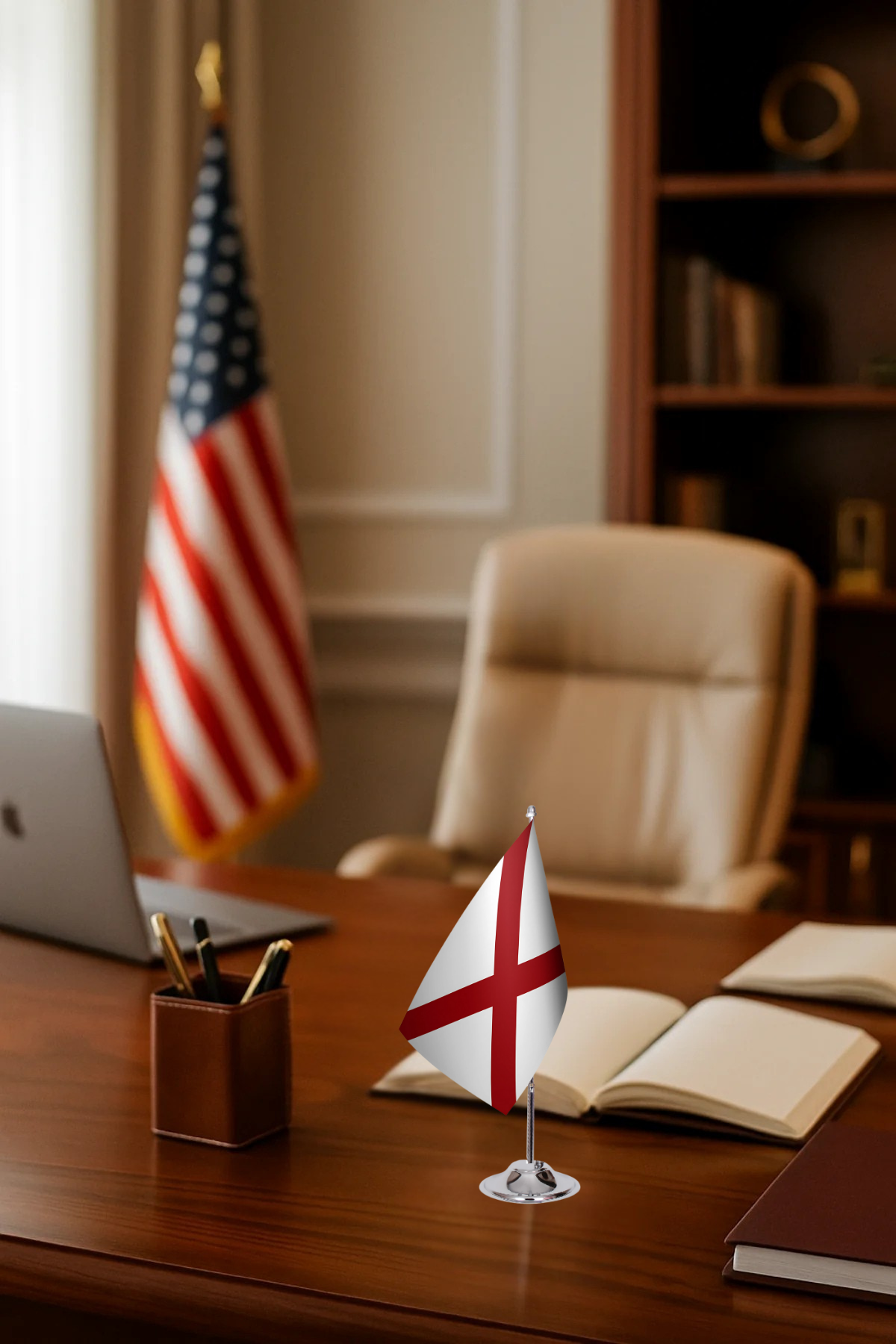
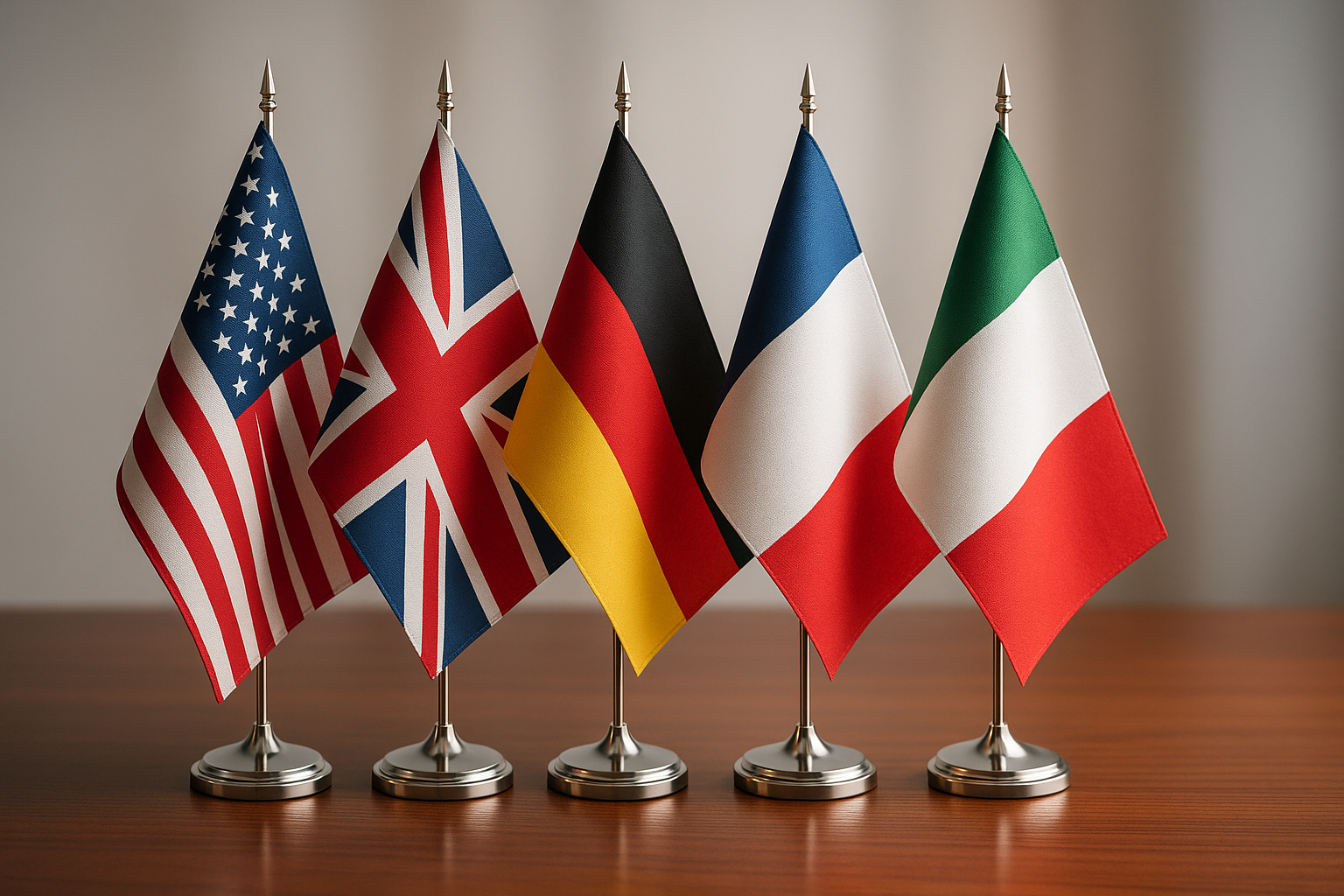
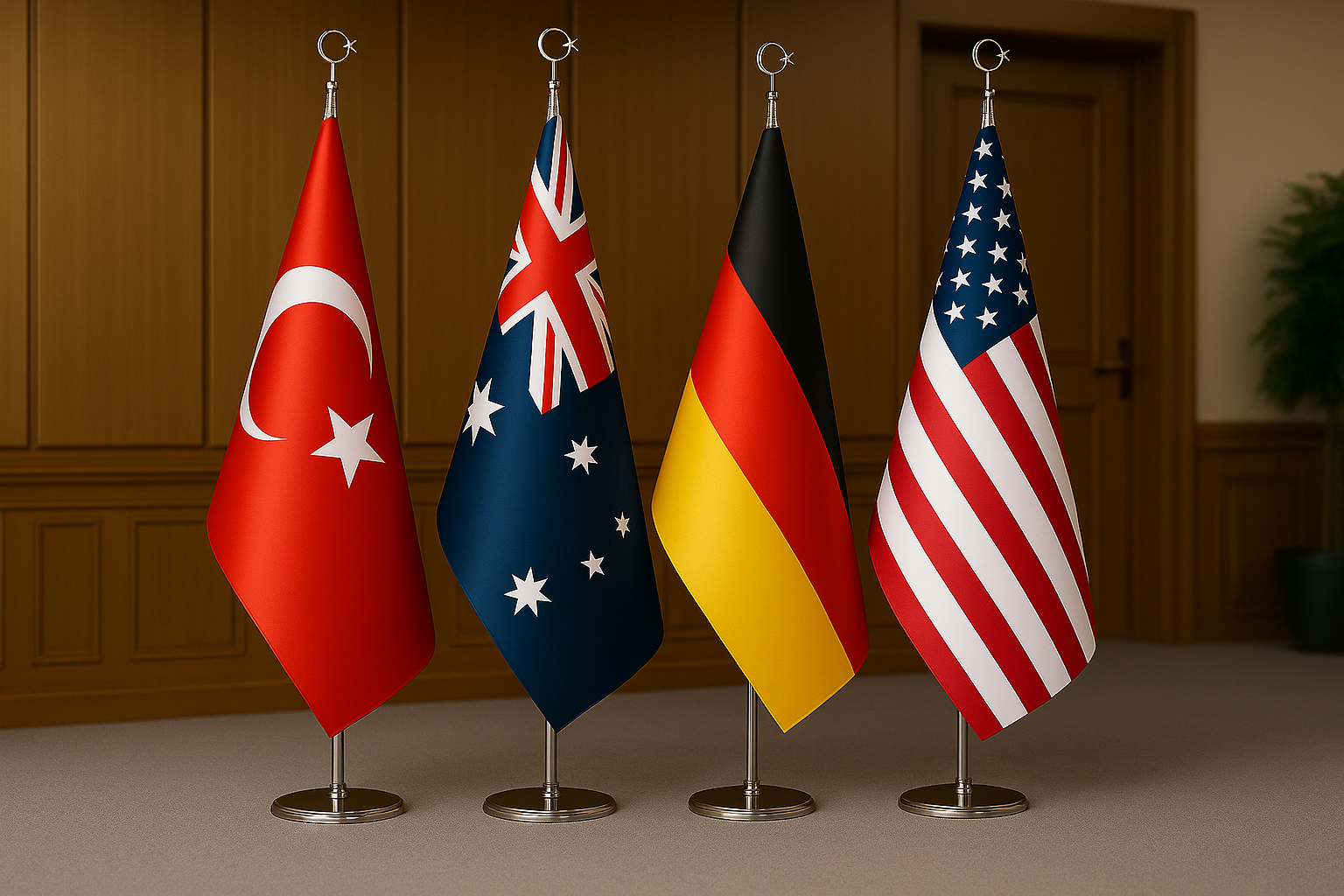
Indoor diplomatic flags are generally mounted on floor-standing poles 8 ft to 9 ft (2.4 m to 2.7 m) tall, fitted with decorative finials (eagles, spears, or orbs are the most common choices) that complement the formal aesthetic of diplomatic interiors. When two flags are displayed together — for example, during a bilateral meeting between an ambassador and a visiting minister — they are placed symmetrically, with the host mission's flag on the right and the visiting dignitary's flag on the left from the audience's perspective. Three or more flags in an indoor setting should be arranged in strict alphabetical order of the country name in English or in the host country's official language, mirroring the UN protocol described above. Fringe borders in gold or silver are a common decorative addition to indoor diplomatic flags and are entirely appropriate under most national flag codes (the US Flag Code explicitly permits gold fringe for indoor and ceremonial display without altering the flag's official character). For embassies sourcing high-quality indoor sets, the country indoor flags collection at Asya Bayrak offers a wide range of nations' flags tailored specifically for formal interior settings, with options for desk flags, standing sets, and full ceremonial configurations.
Country Flags Collection
Browse flags for every nation, manufactured to precise diplomatic specifications with accurate Pantone color matching and durable outdoor materials.
Browse Collection →Special Situations: Consulates, Honorary Consulates, and Trade Missions
Consulates operate under slightly different flag rules than full embassies, and honorary consulates — staffed by local nationals rather than career diplomats — have the most restricted flag privileges of all. Under Article 29 of the Vienna Convention on Consular Relations, a consulate has the right to fly the sending state's flag on its building and on official vehicles, but this right is more easily suspended by the host state than the corresponding embassy right.
Honorary consuls, who are typically prominent local citizens appointed to facilitate commercial or cultural ties, may in some host countries be prohibited from flying a foreign national flag on their premises at all; in others they are permitted a desk flag or small interior display but nothing on the exterior facade. Trade missions and tourism offices — which often operate under a diplomatic or semi-diplomatic status — frequently display the sending country's flag alongside the host country's flag and may also incorporate the official seal or logo of the represented government ministry, creating a layered display that requires careful attention to relative flag sizes and pole heights to avoid inadvertently subordinating one sovereign symbol to another. Protocol officers at consulates must also be alert to local noise and safety ordinances: some US municipalities restrict flagpole heights to 20 ft (6 m) without a building permit, which can affect the size of flag that is practical or even legal to fly. When a consulate is temporarily closing or being upgraded to full embassy status, flag protocol shifts accordingly — the flag of the sending state must be lowered and removed from the former consulate building before it is officially transferred, a ceremony that is often conducted with full diplomatic formality.
Practical Procurement Guide: Sourcing Flags for Diplomatic Missions
Sourcing flags for embassy or consulate use requires a procurement process that goes beyond simply ordering the correct national design — missions must verify manufacturing standards, lead times, and the supplier's ability to produce custom sizes and specifications on demand. Most diplomatic missions update their flag inventory on a cycle of 6 months to 2 years depending on climate and outdoor exposure, meaning a reliable supplier relationship is a recurring operational necessity.
When issuing a flag procurement brief, protocol officers should specify the following: exact finished dimensions in both imperial and metric measurements, Pantone color references for every color field and symbol in the flag, the header construction (canvas sleeve, brass grommets, or rope-and-toggle), the fabric weight (200-denier nylon for outdoor, 150-denier for indoor), and any embroidery or printing method requirements (screen printing is cost-effective for large quantities, while dye-sublimation produces the most color-accurate result for complex emblems). Lead times for custom diplomatic flags from a specialist manufacturer typically range from 5 to 15 business days for in-stock designs, and 3 to 6 weeks for fully custom productions. Bulk orders of 10 or more flags often qualify for significant per-unit discounts, which is important for missions that need matching sets for all flagpoles across a campus. Asya Bayrak specializes in exactly this type of precision manufacturing for both individual and institutional clients, with the full country flags collection available for diplomatic procurement and the dedicated indoor diplomatic flag range covering ceremonial interior applications.
What legal framework governs flag display at embassies and consulates? +
Does an embassy have to fly the host country's flag alongside its own? +
How should multiple country flags be ordered at an international diplomatic event? +
What is the correct procedure for half-staff display at a foreign embassy? +
What flag sizes are most commonly used at embassies? +
Can honorary consulates fly a foreign national flag on their building? +
What material is recommended for embassy outdoor flags in harsh climates? +
How important is Pantone color matching for diplomatic flags? +
Correct embassy flag protocol is one of the most visible expressions of respect between sovereign nations, and every detail — from flag dimensions and material weight to half-staff procedures and indoor display etiquette — carries genuine diplomatic significance. Whether you are equipping a new mission, refreshing an existing inventory, or preparing for a multilateral summit, sourcing from a manufacturer that understands these standards is not optional — it is essential. Browse the full country flags collection at Asya Bayrak for outdoor diplomatic-grade options, or explore the country indoor flags range for ceremonial interior sets crafted to the highest specifications. Bulk pricing is available for corporate and government orders — contact the Asya Bayrak team to discuss custom sizing, Pantone-matched production, and procurement timelines for your mission's specific requirements.