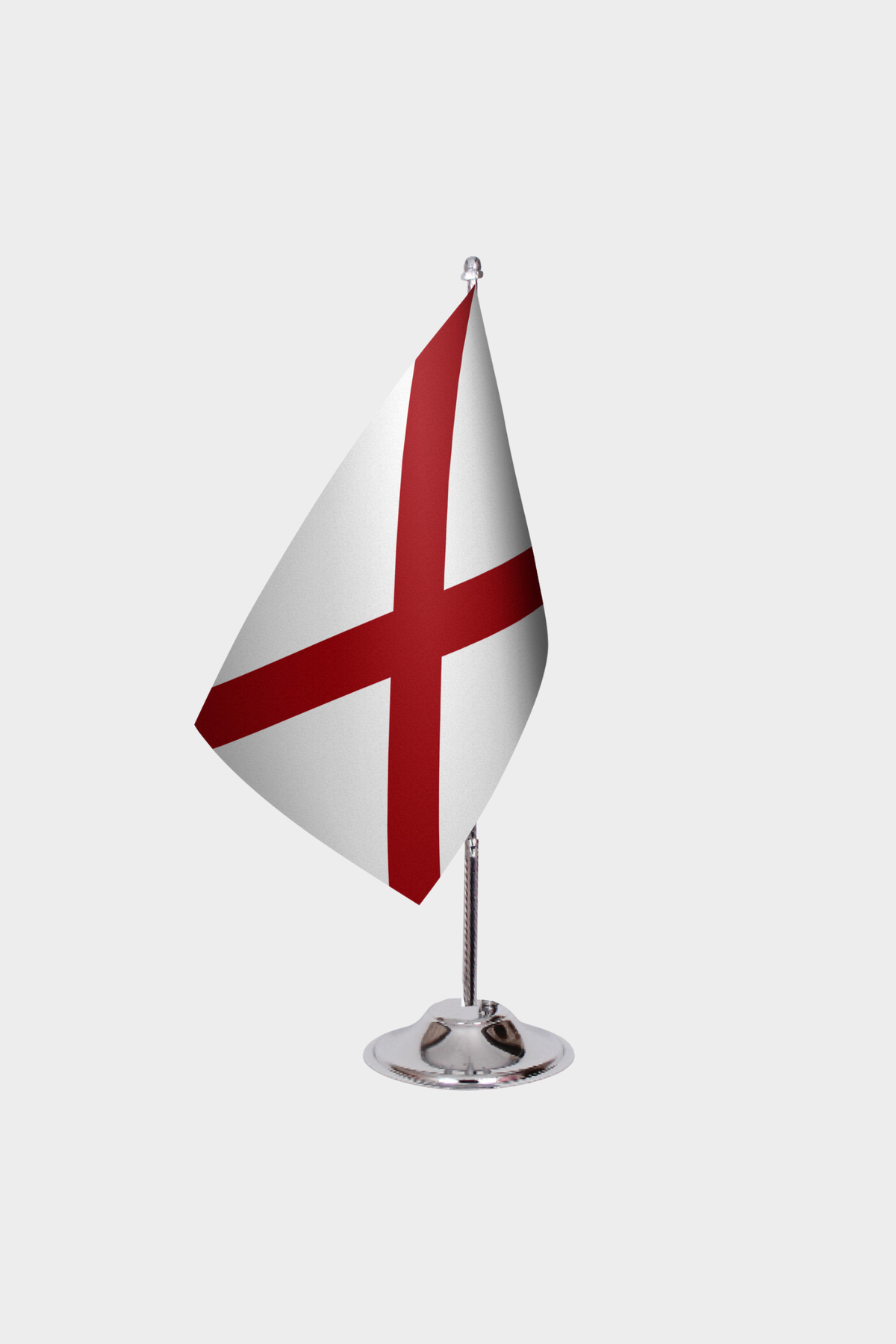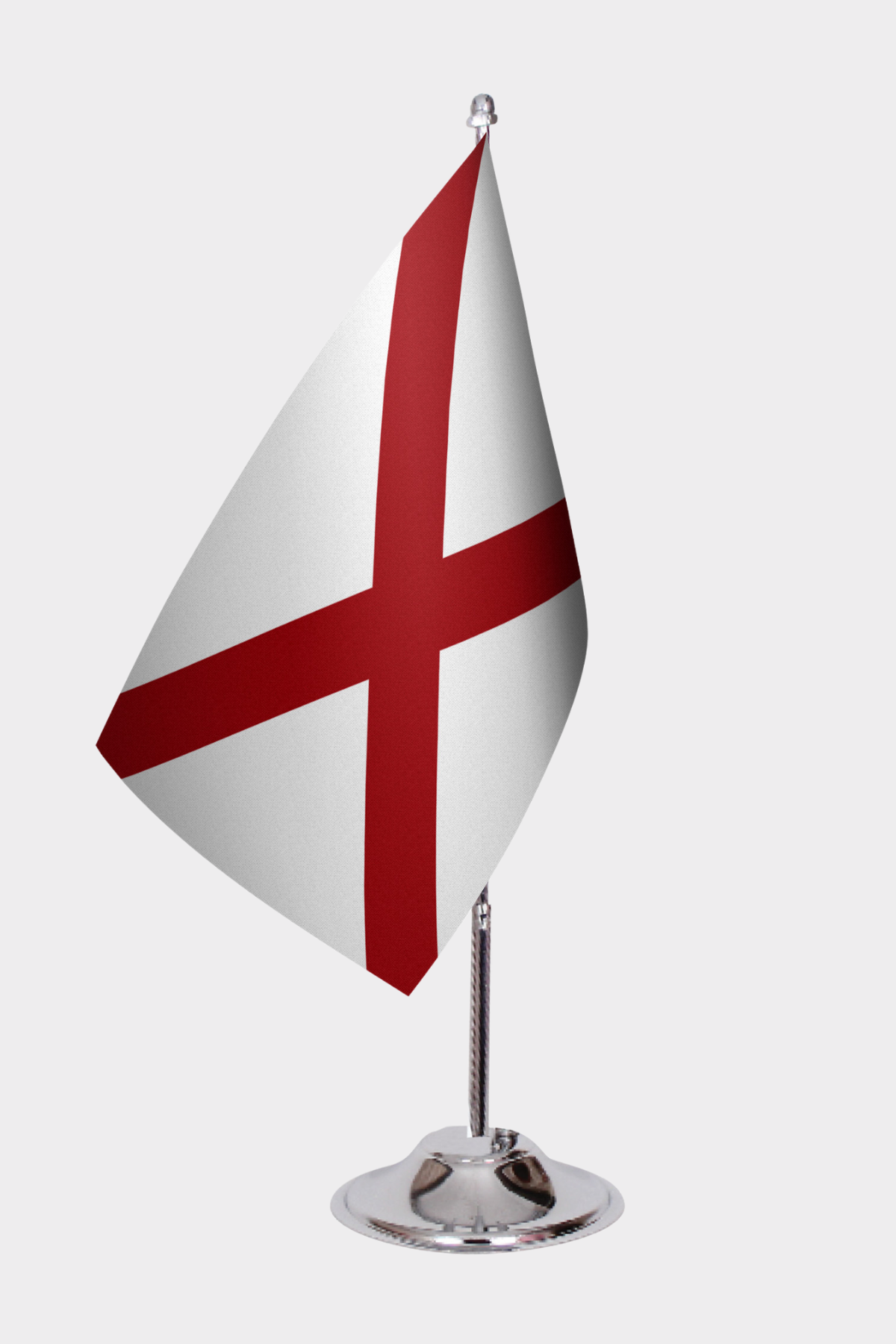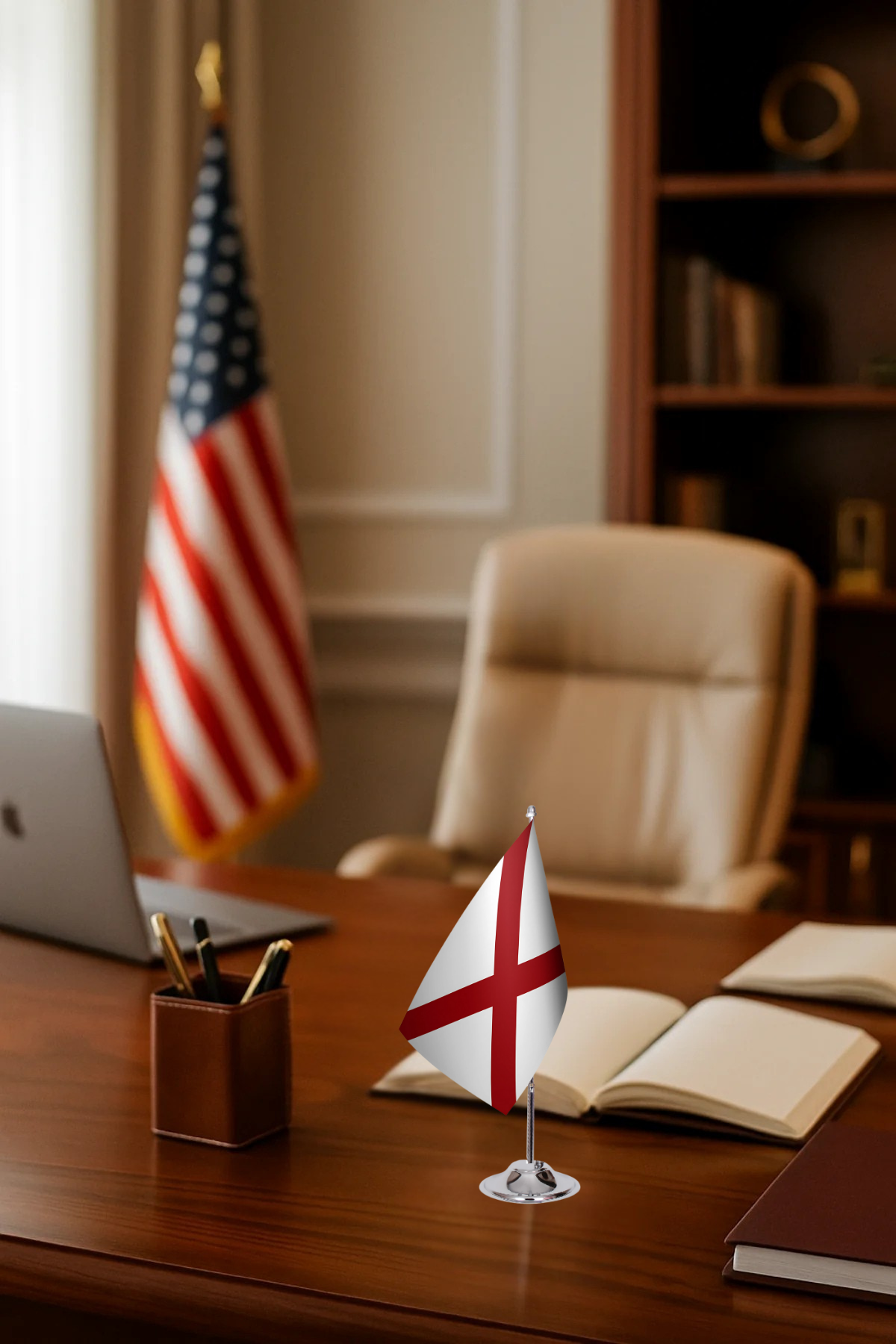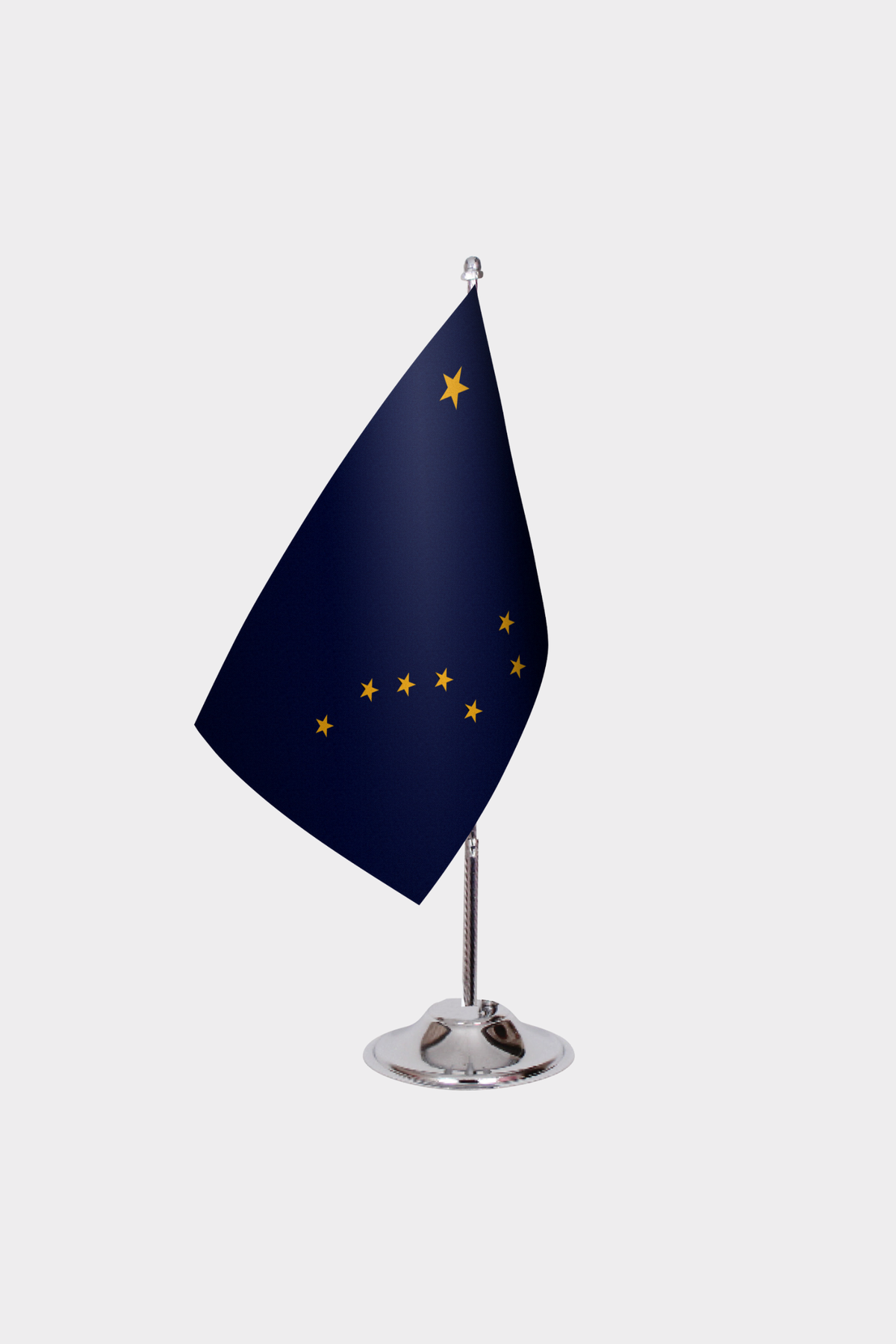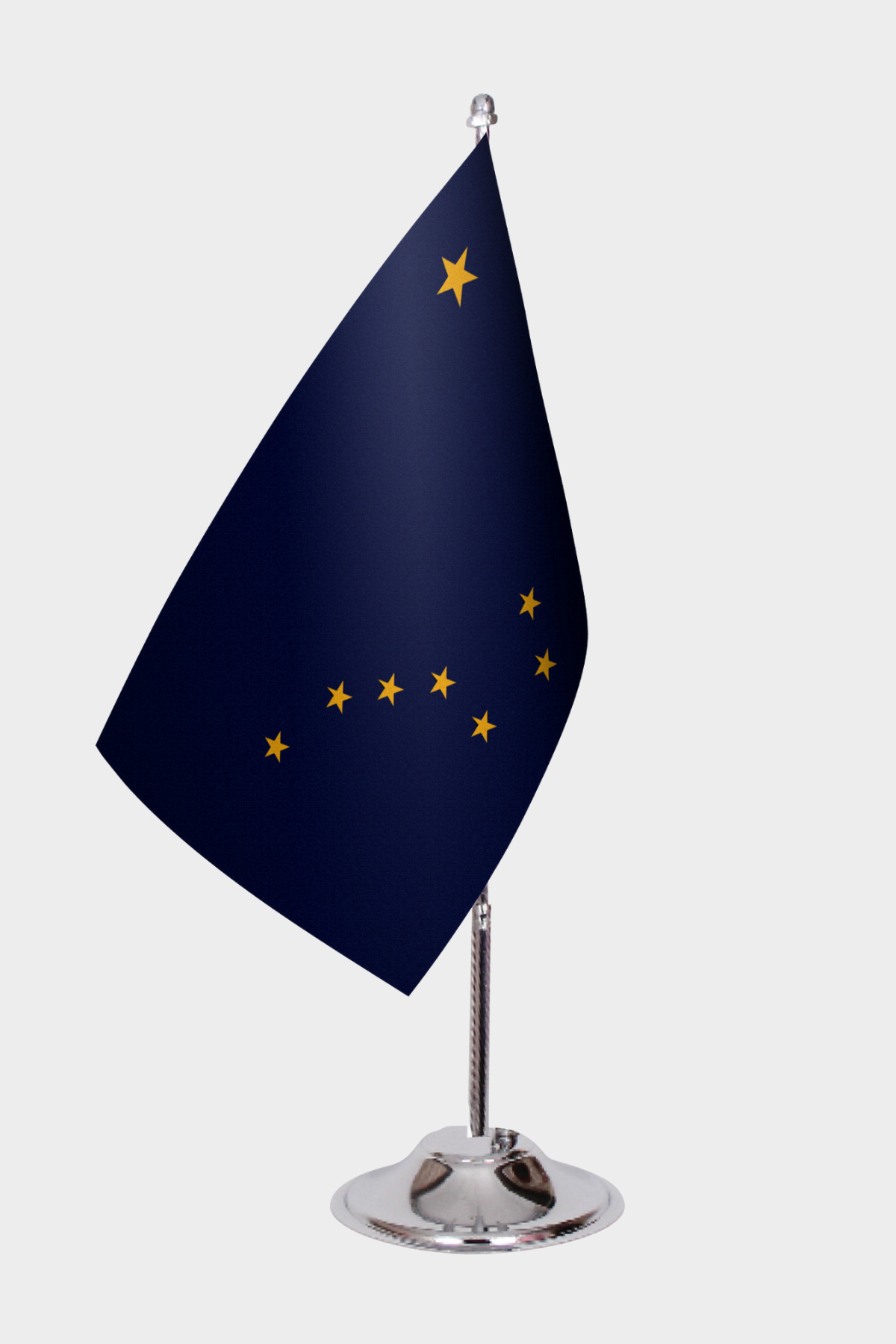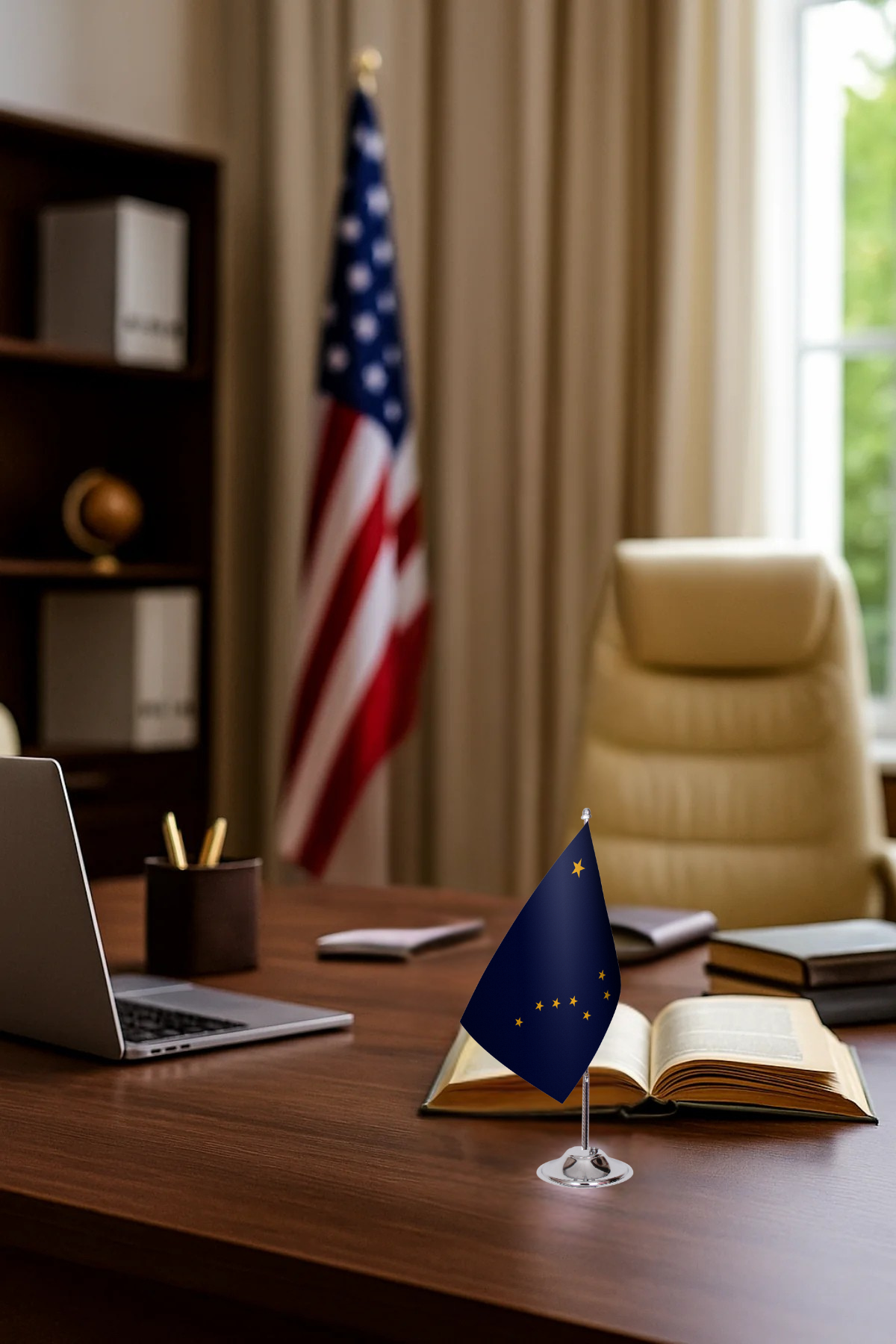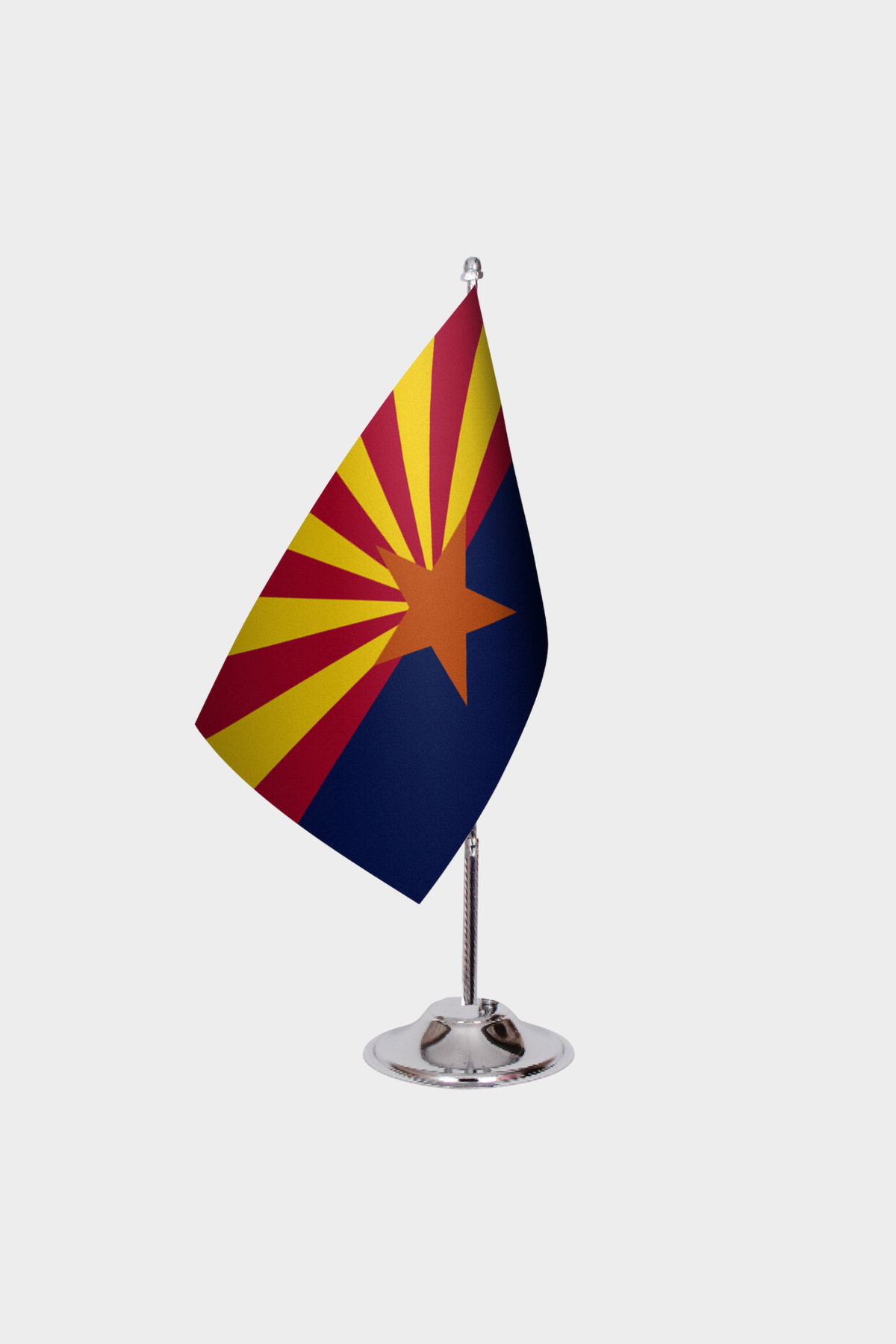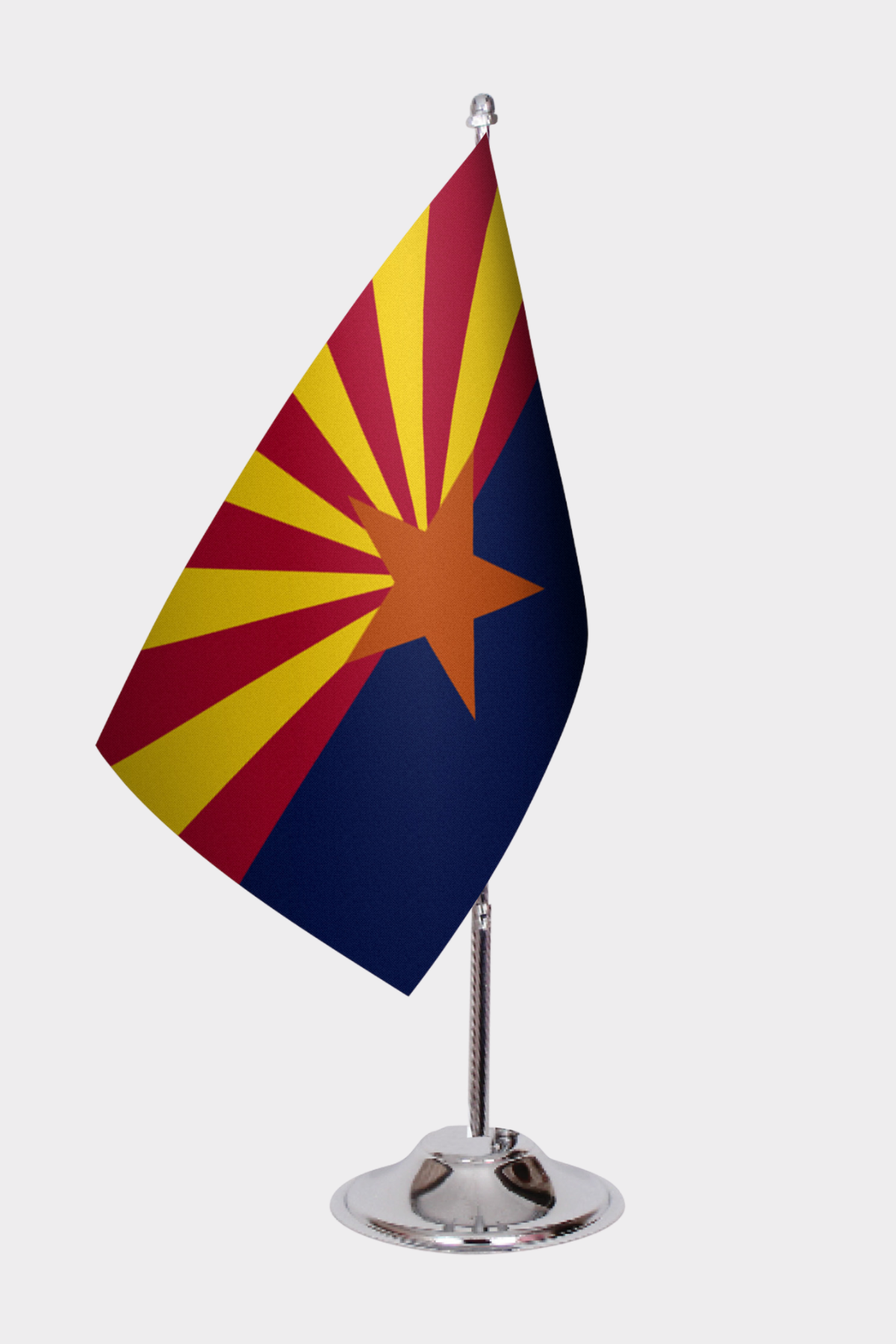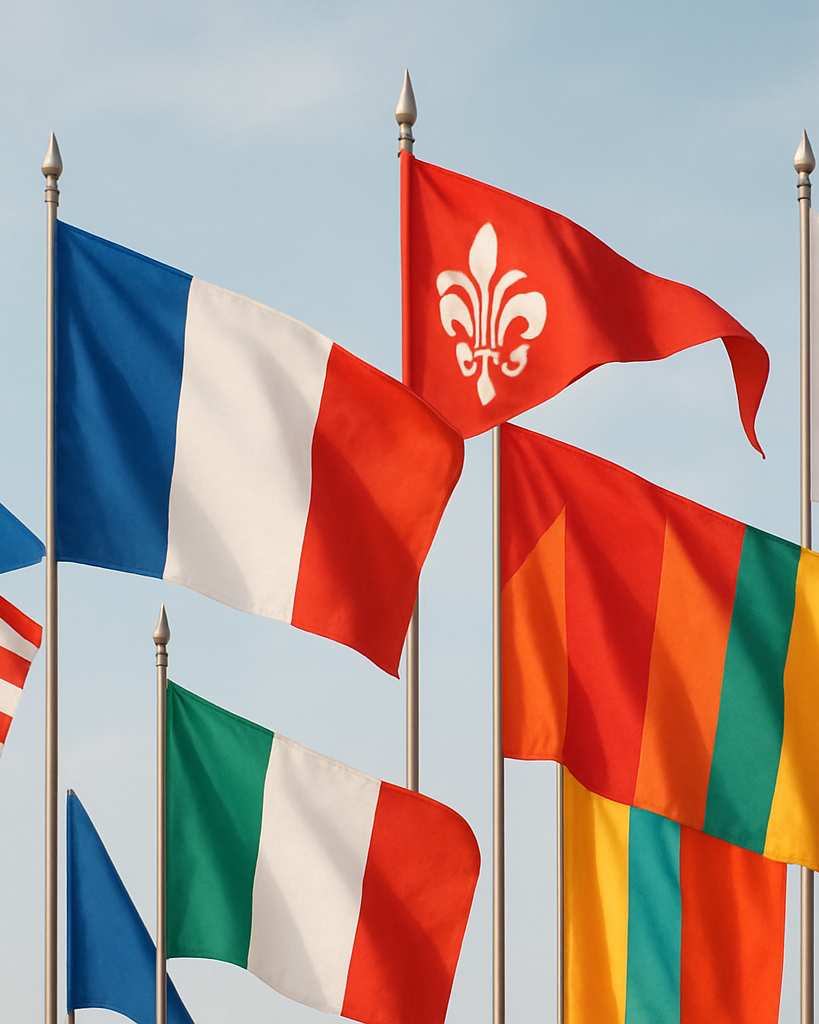
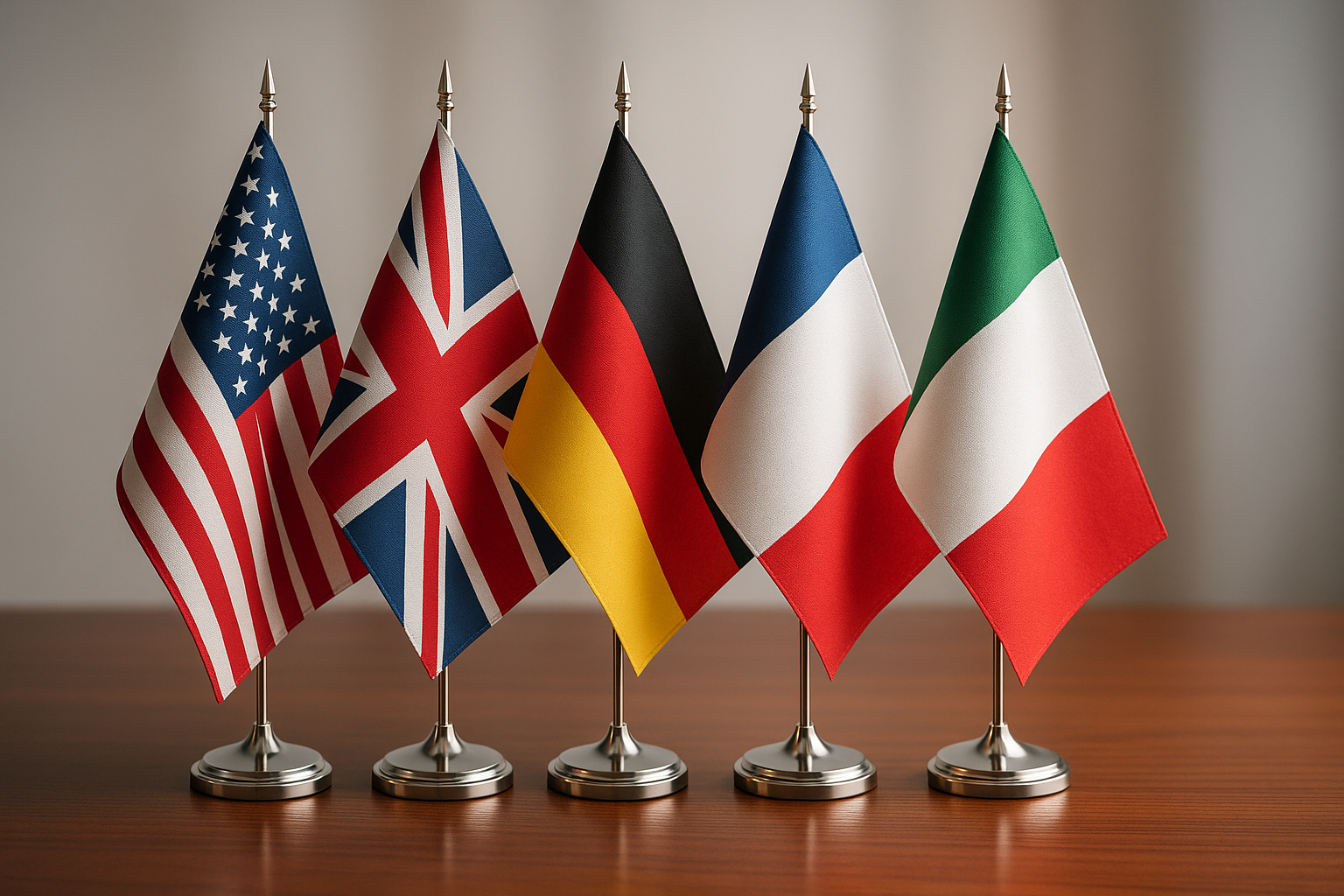
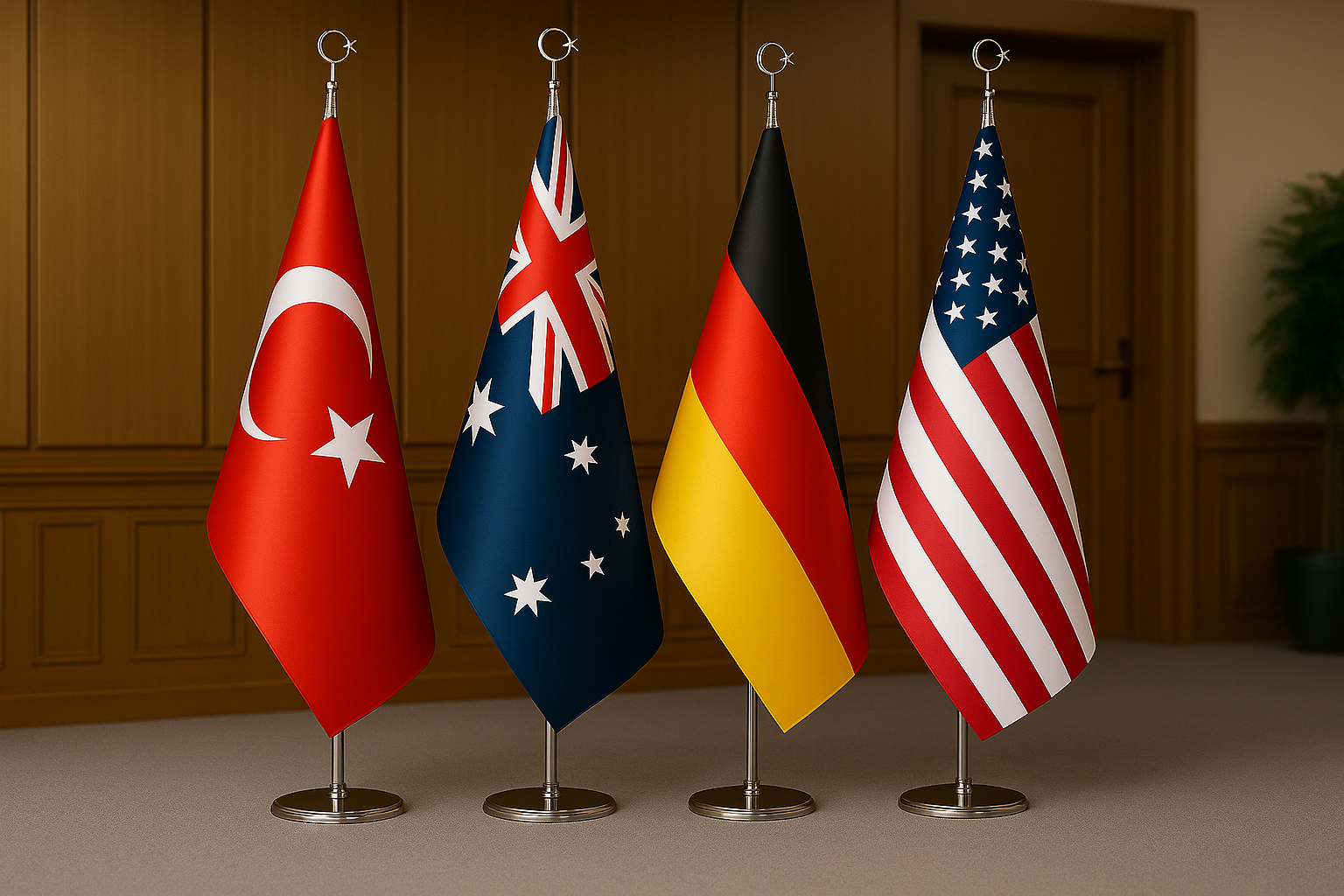

Flag fabric prices per metre depend primarily on four variables — material type, fabric weight, printing method, and order quantity — and understanding each one helps you budget accurately whether you're ordering a single display piece or a full corporate run. If you're ready to explore finished flags by the piece rather than raw yardage, the Country Flags collection covers hundreds of nations in multiple sizes and materials, giving you an immediate reference point for finished-flag pricing before you dive into per-metre calculations.
The Four Factors That Determine Flag Fabric Price
Flag cloth price is driven by material type, fabric weight, the printing or weaving method used, and the quantity you order — and no single factor works in isolation. Every professional flag manufacturer prices yardage by evaluating all four simultaneously, which is why two buyers asking "how much is flag material?" can receive very different answers even for the same product category.
Material type is the single largest cost driver. Knitted polyester (Raschel), woven nylon, and heavyweight canvas each carry different raw material costs, loom or knitting machine requirements, and finishing treatments. Fabric weight — measured in grams per square metre (gsm) — affects both material cost and ink absorption, because heavier fabrics require more dye and longer cure cycles. Printing method matters enormously: direct sublimation printing locks colour into the fibre at a molecular level and carries a higher setup cost than simple screen printing, but it produces colours that resist UV fading for 6 months to 2 years under full outdoor exposure, depending on the environment. Finally, quantity unlocks tiered pricing that can reduce per-metre cost by 30–50% on large runs — a factor explored in detail in the bulk-ordering section below.
How Material Choice Shapes Flag Cloth Price
The material you choose is the clearest predictor of flag material price: knitted polyester Raschel fabric is generally the most affordable entry point, woven nylon sits in the mid-range, and premium canvas or outdoor-grade satin commands the highest per-metre rate. Each material also has a specific performance envelope that justifies its cost difference.
 Raschel knitted polyester is the workhorse of the flag industry and the most common answer to "flag material for sale" searches. Its open-knit structure allows wind to pass through rather than accumulating pressure against the panel, which dramatically extends fabric life on outdoor poles compared with a tightly woven alternative. Typical Raschel flag fabric weighs between 75 and 110 gsm, making it lightweight enough for parade standards and indoor display while still accepting vibrant sublimation inks. The Raschel Fabric Atatürk Poster AS0248 is a clear example of how detailed portraiture and fine text can be reproduced faithfully on this material without the wicking or bleeding common in lower-grade polyester blends. Because Raschel requires less dye per square metre than heavier woven fabrics, the combined material-plus-printing cost stays lower — making it the go-to choice for large-format runs where budget efficiency matters.
Woven nylon offers a tighter weave and a silkier drape that catches even light breezes, which is why it is the standard referenced in the US Flag Code (4 USC §§ 1–10) for ceremonial indoor presentation flags. Nylon's higher tensile strength means it resists fraying at header seams better than polyester Raschel on high-traffic outdoor poles, but that strength comes at a higher raw material cost — roughly 20–40% more per metre than equivalent Raschel. Canvas and outdoor-grade Oxford polyester sit at the top of the cost ladder: their dense weave is wind-resistant, but also heavier and stiffer, making them ideal for printed banners and promotional signage rather than traditional fly-free flags. Understanding which material matches your use case prevents you from over-spending on canvas when Raschel would perform equally well — or under-spending on Raschel when you actually need nylon's extra durability for a permanent outdoor installation.
How Flag Size Affects Price Per Metre
Larger flags cost more in absolute terms, but the per-metre price often decreases as size increases because the fixed costs of setup, printing calibration, and finishing are spread across more fabric. The relationship between size and price is not purely linear — it follows a stepped curve tied to standard printing-machine widths and cutting jig sizes.
 Standard flag sizes in the United States follow aspect ratios established by both the US Flag Code and widespread industry practice. The most common finished sizes run from 2 ft × 3 ft (61 × 91 cm) up to 5 ft × 8 ft (152 × 244 cm) for pole-mounted flags, with 3 ft × 5 ft (91 × 152 cm) being the residential standard and 4 ft × 6 ft (122 × 183 cm) the typical government building size. At the small end of the range, cutting waste as a percentage of total fabric consumed is disproportionately high, which nudges per-metre cost upward. As you move to larger panels — say, 6 ft × 10 ft (183 × 305 cm) for arena or stadium display — the ratio of usable fabric to trimmed waste improves, and per-metre cost falls. The Raschel Fabric Atatürk Poster AS0271 illustrates how large-format Raschel fabric retains sharp detail and true colour reproduction even at extended dimensions, confirming that you don't sacrifice print quality to gain the cost efficiency that larger panels offer. Always confirm the aspect ratio and finished dimensions before ordering, because non-standard sizes may trigger additional setup costs that partially offset the per-metre saving.
Current Flag Fabric Price List
The table below reflects current pricing for flag fabric and finished flags across the materials and sizes we stock — use it as your working reference when budgeting a project. Prices vary by material, size, and print complexity, and bulk tiers are applied automatically at checkout.
Current Price List
| Product | Size | Price | |
|---|---|---|---|
| Customizable Raschel Fabric Banner | 70x105 cm | $7.95 | Check the live price → |
| 100x150 cm | $13.95 | Check the live price → | |
| 150x225 cm | $23.95 | Check the live price → | |
| 200x300 cm | $31.95 | Check the live price → | |
| 300x450 cm | $75.45 | Check the live price → | |
| Raschel Fabric Atatürk Poster AS0248 | 70x105 cm | $7.95 | Check the live price → |
| 100x150 cm | $13.95 | Check the live price → | |
| 150x225 cm | $23.95 | Check the live price → | |
| 200x300 cm | $31.95 | Check the live price → | |
| 300x450 cm | $75.45 | Check the live price → | |
| Raschel Fabric Atatürk Poster AS0271 | 70x105 cm | $7.95 | Check the live price → |
| 100x150 cm | $13.95 | Check the live price → | |
| 150x225 cm | $23.95 | Check the live price → | |
| 200x300 cm | $31.95 | Check the live price → | |
| 300x450 cm | $75.45 | Check the live price → | |
| Raschel Fabric Atatürk Poster AS0272 | 70x105 cm | $7.95 | Check the live price → |
| 100x150 cm | $13.95 | Check the live price → | |
| 150x225 cm | $23.95 | Check the live price → | |
| 200x300 cm | $31.95 | Check the live price → | |
| 300x450 cm | $75.45 | Check the live price → |
Prices as of August 21, 2026. All sizes and materials
How Bulk and Corporate Orders Lower Your Per-Metre Cost
Ordering in bulk is the fastest single lever you can pull to reduce flag material price — quantity discounts typically kick in at as few as 10–25 units and can reduce per-unit cost by 30–50% at the 100-unit threshold. For corporate, government, and event buyers, this is the most reliable way to manage budget without compromising on material quality.
The economics work because the expensive, time-intensive steps in flag manufacturing — colour profiling, printing head calibration, heat curing, and quality inspection — carry the same fixed cost whether you run 1 metre or 100 metres. When that fixed cost is divided across a larger yardage, the per-metre contribution shrinks substantially. For buyers sourcing flag material for promotional events, trade shows, or government procurement, it is almost always more cost-effective to order slightly more than you need today than to reorder at single-unit pricing six months later. The Customizable Raschel Fabric Banner is a practical entry point for organisations that need branded fabric in varying quantities — the product is available in multiple sizes and accepts full-colour custom artwork, making it easy to place a single consolidated order rather than splitting across multiple SKUs. Corporate buyers should also note that FIAV-standard colour matching (the international system for flag colour specification) is available on bulk orders, ensuring consistency across all units — a requirement for diplomatic, military, and official government procurement. For a detailed look at how bulk pricing applies to smaller specialty formats, the guide on pennant flag prices and bulk options walks through the same tiered-pricing logic for pennants and streamers.

Full Flags Collection
Browse the complete range of finished flags in Raschel polyester and nylon across every standard size — the fastest way to compare materials and formats side by side.
Browse Collection →Why Cheap Flag Fabric Costs More Over Time
The lowest per-metre price on the market almost always produces the highest total cost of ownership — because substandard flag fabric fades, frays, and fails in a fraction of the time a quality fabric would last. Replacing a flag two or three times in a year costs more than buying the right material once.
UV resistance is the critical specification most budget buyers overlook. A Raschel fabric with 80% UV resistance and a quality sublimation dye set will retain acceptable colour fidelity for 6 to 18 months under continuous outdoor exposure, depending on climate and sun angle. A lower-grade polyester with no UV stabiliser can show visible fading in as little as 6 to 8 weeks in high-sun environments like the US Southwest or Florida. Seam and header failure is the second hidden cost: cheap fabrics use thinner header canvas and minimal stitching, which causes the grommets to pull free under sustained wind load — a particularly acute problem for flags flown on tall commercial poles where retrieval and replacement carries a labour cost on top of the material cost. Under the US Flag Code, a flag that has become tattered or faded to the point of being unfit for display must be retired — meaning a low-quality flag not only costs more to replace but creates a compliance obligation faster. If you're trying to understand which materials perform best in high-wind or coastal conditions before committing to a bulk order, the article on the best flag material for high winds covers tensile strength, porosity, and seam reinforcement in detail. Investing in quality flag cloth from the outset is not a premium — it is the economical choice when measured across a 12- to 24-month horizon.
Frequently Asked Questions
What is the difference between 75 gsm and 110 gsm flag fabric? +
How much does a custom flag cost if I need a logo or specific artwork printed? +
Where can I buy flag material by the metre rather than as a finished flag? +
Where is the best place to buy custom flags for an event or corporate use? +
Does double-sided printing significantly increase flag material price? +
How long does sublimation-printed flag fabric last outdoors before it needs replacing? +
Is Raschel knit or woven polyester better for a large outdoor banner? +
Whether you're pricing raw fabric by the metre or planning a finished-flag order for a corporate event, government building, or international display, choosing the right material at the right quantity is the foundation of a cost-effective project. Explore the full range of finished options in the Country Flags collection and the broader Flags collection to compare materials and sizes side by side, or go directly to the Customizable Raschel Fabric Banner page to configure a custom-artwork order. Bulk pricing is available for corporate, government, and event orders — contact us with your quantity and artwork specifications to receive a tailored quote.