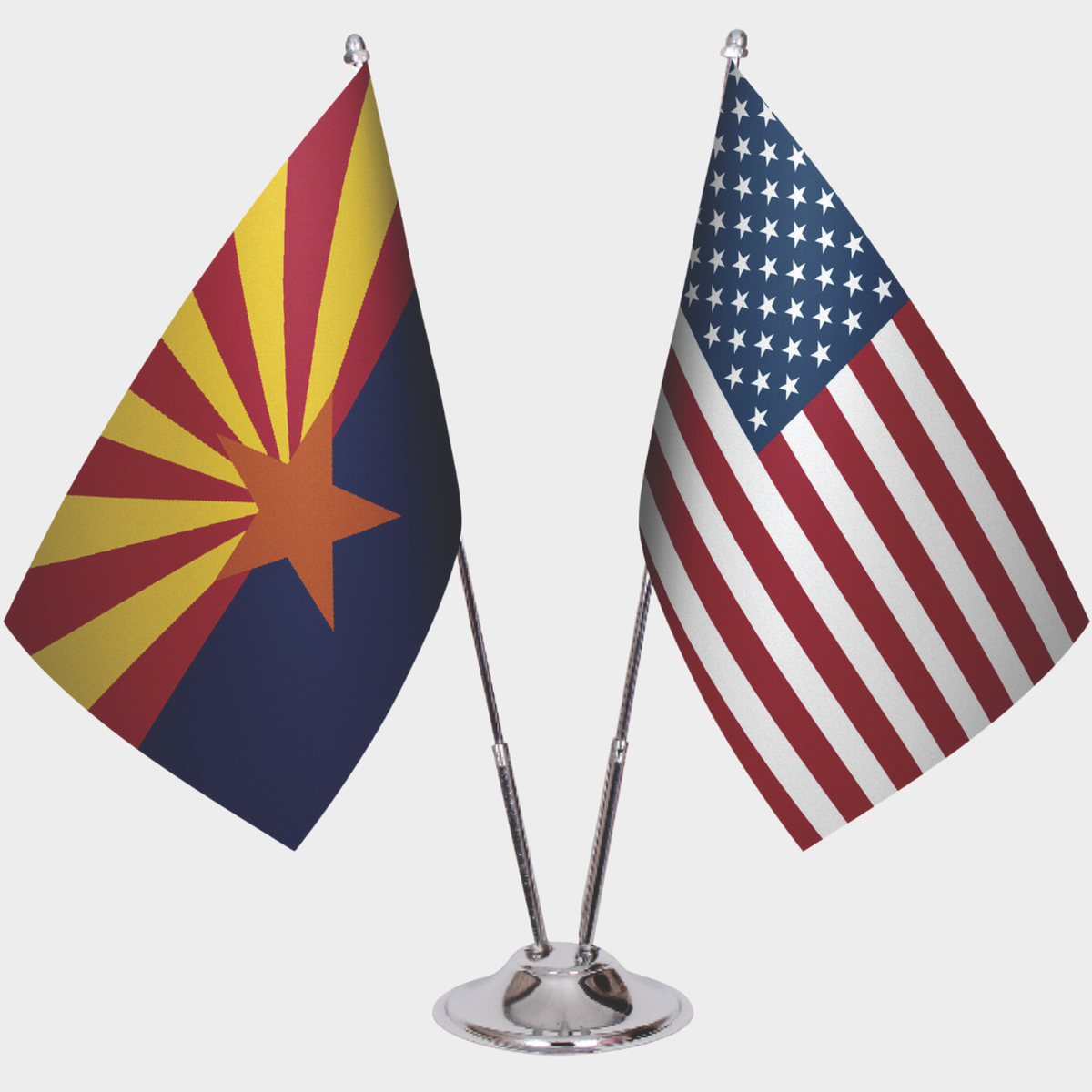
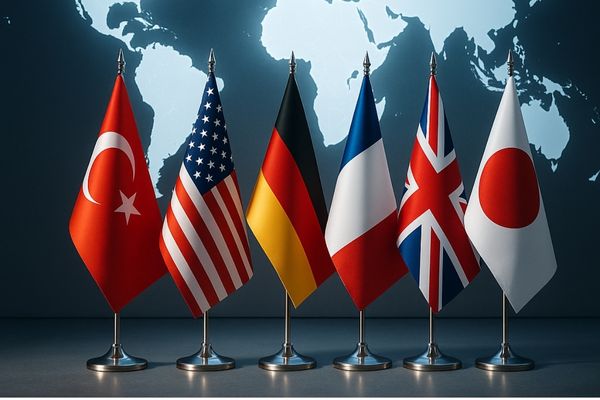

For high-wind locations, nylon is the best flag material — it is lightweight enough to fly in light breezes yet strong enough to withstand sustained gusts, making it the industry-standard choice for outdoor flagpoles across the United States. Polyester is the runner-up for extremely heavy winds where added weight and durability matter more than color vibrancy. Whether you are outfitting a government building, a commercial property, or a residential pole, you can explore wind-rated options across our full Flags collection — each product is specified by material so you can match the flag to your local wind conditions before you buy.
Quick Verdict: Which Material Suits Whom
Nylon is the right choice for most buyers — residential homeowners, schools, churches, and commercial properties in typical US wind conditions — while heavyweight polyester suits industrial sites, coastal installations, and high-altitude locations where winds routinely exceed 30 mph (48 km/h). The decision is not purely about strength; it is about matching the flag's weight, weave tightness, and surface area to the average wind speed your pole will experience. Picking the wrong material does not just shorten the flag's life — it can stress the pole hardware, fray the header, and snap grommets within weeks. The table below gives you a one-glance comparison before we go deeper into each material's profile.
- Nylon: Best for 8–25 mph (13–40 km/h) sustained winds; most popular US outdoor flag material.
- Polyester (2-ply or heavyweight): Best for 25–45 mph (40–72 km/h) sustained winds; preferred for coastal and mountain sites.
- Polyester (single-ply/economical): Suitable for moderate winds; shorter lifespan than nylon or heavyweight poly.
- Cotton/Nylon Blends: Indoor and parade use; not recommended for sustained outdoor wind exposure.
Nylon Flags: Strengths and Weaknesses for Windy Conditions
Nylon is the gold standard for wind-resistant flag material because its low mass-per-square-foot allows it to respond to even 5 mph (8 km/h) breezes, keeping the flag unfurled and visible at all times. This is the material specified most often by flag manufacturers following the spirit of the US Flag Code (4 USC §§ 1–10), which calls for the flag to be displayed with dignity — a flag that hangs limp because it is too heavy fails that standard.
 Nylon flags are woven from continuous filament yarns, giving them a smooth, lustrous surface that resists moisture absorption — unlike cotton, nylon dries rapidly after rain, which prevents mildew and preserves structural integrity over time. A quality outdoor nylon flag carries approximately 80% UV resistance through solution-dyed yarns, meaning the color is locked into the fiber rather than printed on the surface, so reds and blues hold their vibrancy significantly longer than screen-printed alternatives. The material's tensile strength is impressive for its weight: a 3 ft × 5 ft (0.9 m × 1.5 m) nylon flag weighs roughly 3–4 oz (85–113 g), yet it can handle gusts up to 35 mph (56 km/h) before stress begins to accumulate at the fly end. The main weakness of nylon is precisely this lightness — in sustained winds above 35–40 mph (56–64 km/h), the constant whipping motion causes the fly end to fray faster, and very strong gusts can cause the flag to wrap tightly around the pole, creating abrasion damage. For most of the continental United States, however, nylon delivers the best combination of lifespan, color retention, and performance, which is why the USA Outdoor Flag is manufactured in nylon as the default specification.
Nylon strengths at a glance:
- Flies in winds as low as 5 mph (8 km/h) — stays visible all day
- Dries quickly; resists mildew and rot
- Solution-dyed yarns offer 80%+ UV resistance
- Lightweight — reduces pole and hardware stress
- Available in the widest range of sizes and finishes
Nylon weaknesses:
- Fly-end fraying accelerates above 35 mph (56 km/h) sustained winds
- Can snag or melt if it contacts very hot metal pole tips
- Less suitable for locations with persistent, extreme wind events (Category 1 hurricane zones, mountain passes above 8,000 ft / 2,400 m)
Polyester Flags: Strengths and Weaknesses for Windy Conditions
Heavyweight polyester is the material of choice when sustained winds regularly exceed 30 mph (48 km/h), offering superior tear resistance and structural density that nylon simply cannot match at extreme wind speeds. The trade-off is that polyester's heavier weave requires a stronger breeze — typically 10–12 mph (16–19 km/h) — before it flies fully extended, making it a poor performer on calm days.
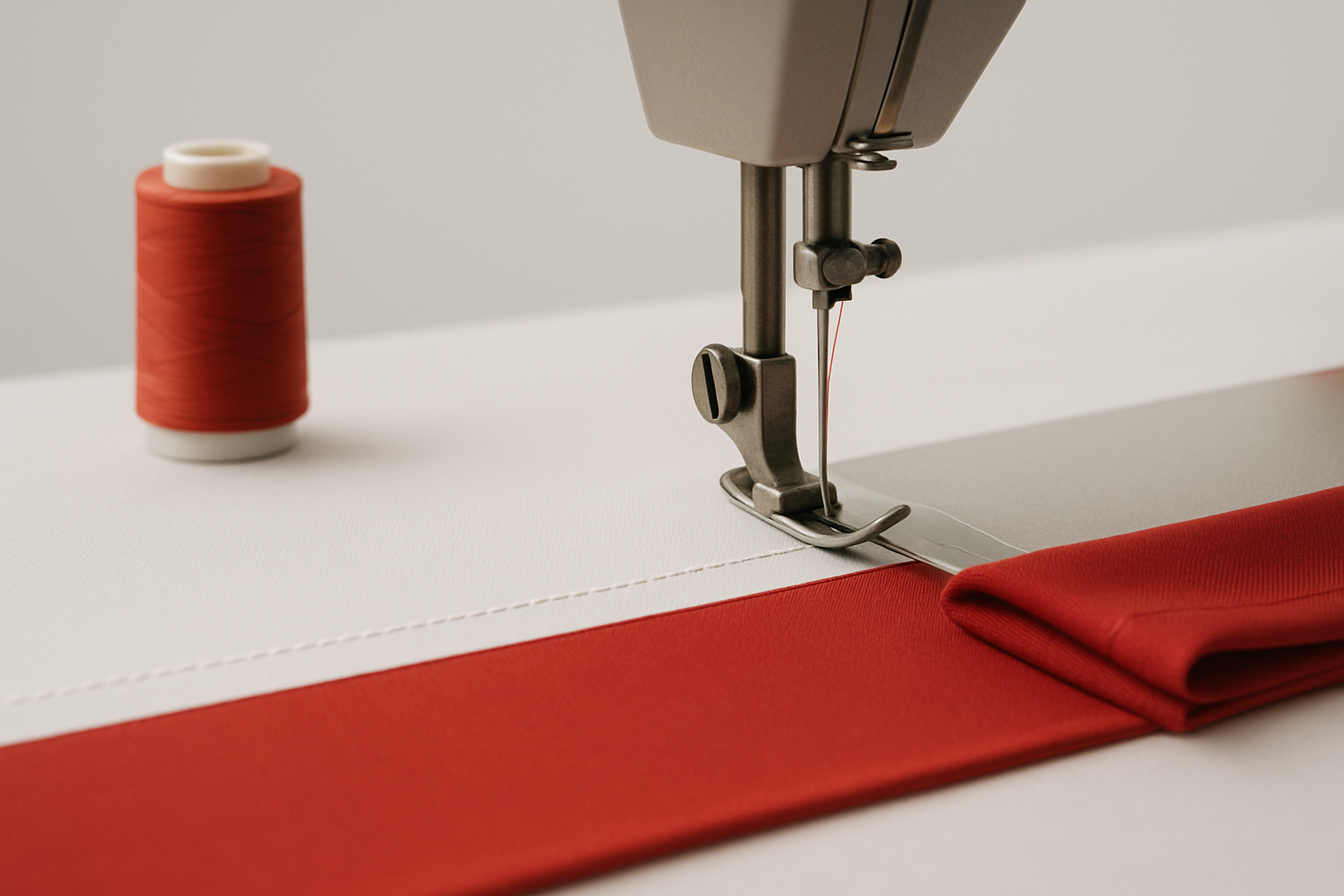
Polyester flags are constructed with tighter thread counts and heavier denier yarns — typically 200D to 300D (denier) versus nylon's 100D to 150D — which translates directly into greater resistance to tearing and abrasion at the fly end when strong gusts cause rapid, repeated snapping motion. Two-ply polyester, in particular, uses two separate layers of fabric stitched together, nearly doubling the reinforcement at stress points like the fly hem and corner grommets, which are the areas that fail first on any outdoor flag. This construction is widely used in FIAV (Fédération internationale des associations vexillologiques) — compliant flags intended for permanent institutional display, where replacement frequency must be minimized. The main disadvantage of heavyweight polyester is its cost: a 3 ft × 5 ft (0.9 m × 1.5 m) polyester flag can cost 30–50% more than an equivalent nylon flag, and it requires more wind energy to fly properly, so on the majority of US inland days it may look flat or under-filled compared to nylon. For buyers on the Gulf Coast, in the Pacific Northwest, or at high-elevation sites in Colorado or Utah, the long-term durability of polyester often justifies the premium — and for guidance on how to estimate total replacement costs, our article on how long outdoor flags last provides detailed lifespan benchmarks by material and location.
Polyester strengths at a glance:
- Tear resistance is 40–60% higher than comparable nylon at the same size
- 2-ply construction reinforces fly hem and grommets — the primary failure points
- Handles sustained winds of 35–45 mph (56–72 km/h) with minimal fraying
- Heavier feel gives a premium, ceremonial appearance when wind is adequate
Polyester weaknesses:
- Requires 10–12 mph (16–19 km/h) minimum wind to fly fully extended
- 30–50% higher purchase price than nylon
- Heavier weight adds pole stress; hardware sizing must account for the load
- Color tends to be slightly less vibrant than solution-dyed nylon at equivalent price points
Choosing by Use Case: Outdoor, High Wind, and Ceremonial
Your specific installation environment — not just the material spec sheet — should drive the final decision. Nylon wins for most standard outdoor applications, but four specific use cases shift the recommendation toward polyester or specialty fabrics.
Residential and light commercial (winds typically 8–20 mph / 13–32 km/h): Nylon is the clear recommendation. It flies beautifully, dries fast after rainfall, and typically lasts 6 months to 1 year at continuous outdoor display before the fly end shows significant wear. Rotating two flags — flying one while the other rests — can extend the cycle to 18–24 months per flag.
Coastal, high-altitude, and open-plain sites (winds frequently 25–45 mph / 40–72 km/h): Heavyweight polyester or 2-ply polyester is the correct choice. The additional fabric density absorbs the repeated stress of snapping much better, and the heavier grommets standard on polyester flags resist pull-out failure. Apartment complexes and HOA communities in wind-exposed areas should also consider pole placement — our guide on outdoor flags for apartment complexes and HOA communities covers both material selection and optimal pole positioning to reduce wind load on the flag itself.
Ceremonial and indoor display: Neither nylon nor polyester is the ideal choice here. For indoor ceremonies or parade display, woven nylon with a satin finish or even rayon blends provide the drape and sheen appropriate to formal settings without needing wind to look their best. These are outside the scope of this wind-comparison article, but the principle applies: always match the material to the environment.
Hurricane and extreme weather zones: No flag material is designed to survive a direct hurricane. During severe weather events — sustained winds above 55 mph (88 km/h) — flags should be taken down per best practices aligned with the US Flag Code's guidance on displaying the flag in inclement weather. If you must leave a flag up, a smaller size (3 ft × 5 ft / 0.9 m × 1.5 m rather than 4 ft × 6 ft / 1.2 m × 1.8 m) in heavyweight polyester reduces the sail area and resulting pole stress significantly.

Flags Collection
Our full Flags collection includes wind-rated nylon and polyester options in every standard US size, so you can match the right material to your location's wind conditions in one place.
Browse Collection →Lifespan and Total Cost Compared
Over a three-year period, nylon is almost always the lower total-cost option for standard wind conditions, while polyester becomes cost-competitive — and eventually cheaper — at sites with sustained high winds that would destroy nylon flags in under four months. Understanding replacement cycles is as important as the upfront purchase price when budgeting for a flagpole installation.
A 3 ft × 5 ft (0.9 m × 1.5 m) nylon flag in a typical inland US location (average wind 10–15 mph / 16–24 km/h) lasts approximately 6 to 12 months of continuous outdoor display before fly-end fraying becomes visually significant. At a coastal or high-wind inland site averaging 25–30 mph (40–48 km/h), that same nylon flag may need replacement every 3 to 5 months. A heavyweight polyester flag at the same coastal site typically lasts 9 to 15 months, often more than doubling the nylon lifespan under identical conditions. For a deeper breakdown of how environmental factors affect replacement timing, see our full article on how long outdoor flags last.
UV degradation is the other key cost driver. Even in moderate wind zones, a flag that loses its color vibrancy looks unprofessional and may need replacement before the fabric actually fails structurally. Solution-dyed nylon retains approximately 80% of its original color saturation after six months of full sun exposure, while lower-quality screen-printed polyester can fade noticeably in as little as three months — for more on why this happens at the fiber level, our article on why flags fade and how UV causes color loss explains the chemistry and what to look for when selecting colorfast materials.
Three-year total cost estimate (single 3×5 ft flag position, US market pricing):
- Nylon at low-wind site: 3–4 replacements over 3 years — lowest total cost
- Nylon at high-wind site: 7–10 replacements over 3 years — high cumulative cost
- Heavyweight polyester at high-wind site: 2–4 replacements over 3 years — best value at exposed locations
- Economy single-ply polyester at any site: Typically 5–8 replacements — rarely the best value despite low unit price
For nonprofits, churches, memorial parks, and other organizations managing multiple flagpoles on tight maintenance budgets, the replacement frequency difference between nylon and polyester at high-wind sites can represent hundreds of dollars annually. Our guides on outdoor flags for nonprofits and houses of worship and cemetery flag programs cover bulk purchasing strategies that reduce per-unit cost significantly when ordering 10 or more flags at once.
What is the best flag material for high winds? +
How long does a nylon flag last outdoors in windy conditions? +
Is polyester or nylon better for a coastal flag installation? +
What wind speed should I take my flag down? +
Does flag size affect how it handles wind? +
Why do flags fray at the fly end first? +
Can I use the same flag indoors and outdoors? +
Choosing the right wind-resistant flag material comes down to one question: what are the typical sustained wind speeds at your specific location? For the vast majority of US installations — residential poles, school campuses, commercial properties, and municipal sites in non-coastal areas — a quality solution-dyed nylon flag from our Flags collection will deliver the best combination of performance, color retention, and value. For coastal exposures, mountain sites, or any location where winds routinely exceed 30 mph (48 km/h), invest in heavyweight polyester and budget for less-frequent replacement. Our USA Outdoor Flag is available in specifications suited to both environments, and our team can help you match the right material to your pole height and regional wind data. Bulk pricing is available for corporate, government, and institutional orders — contact us directly for volume quotes on 10 or more flags.