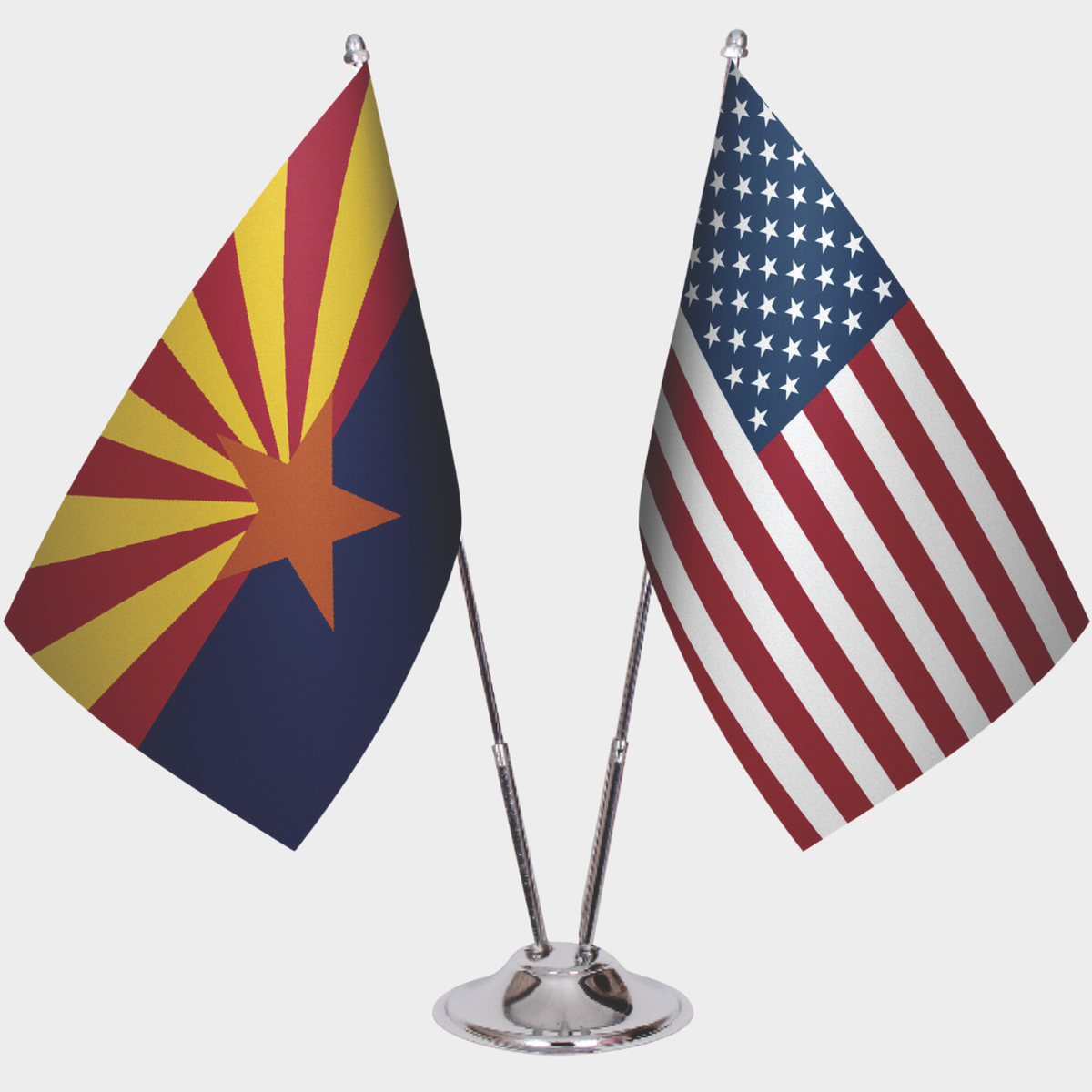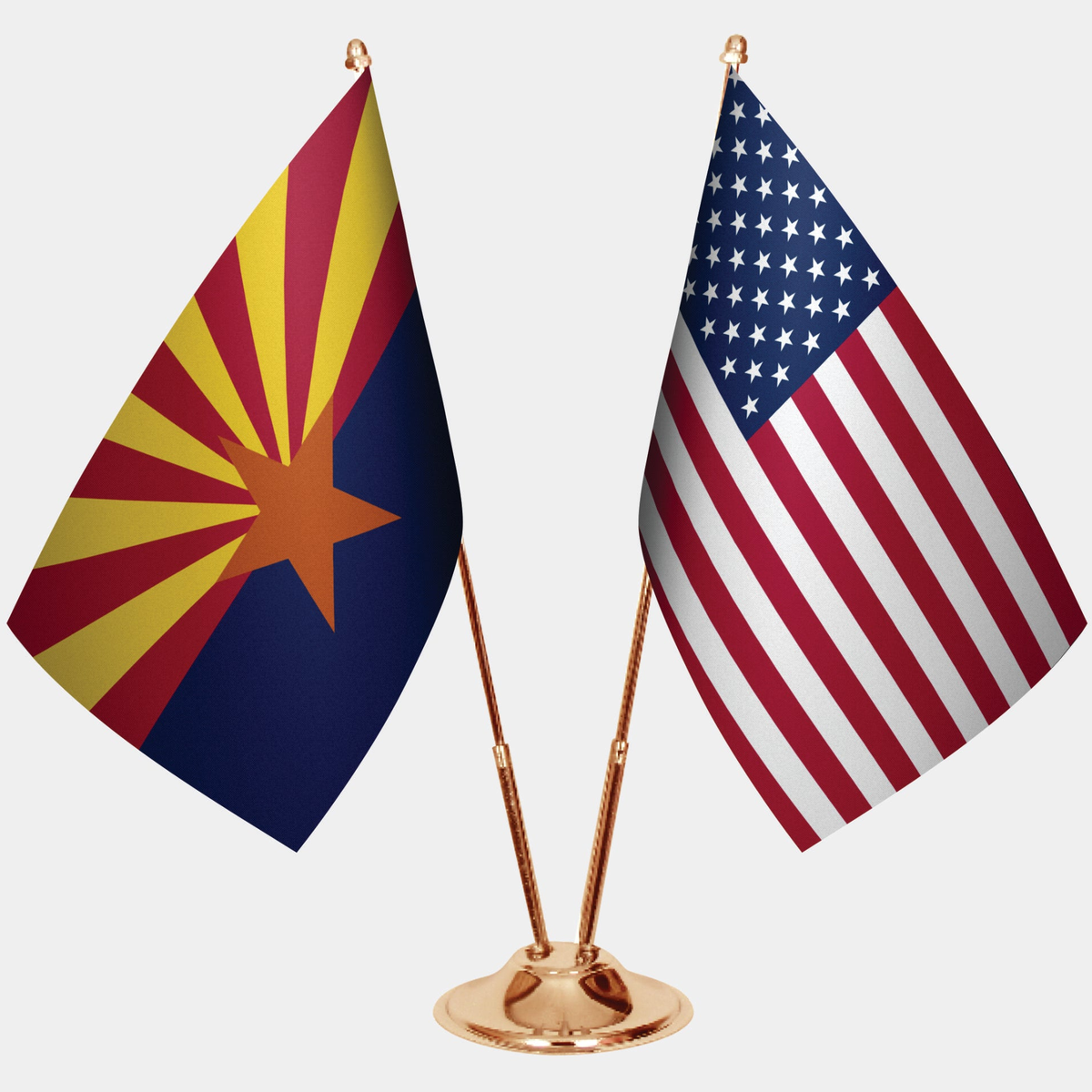
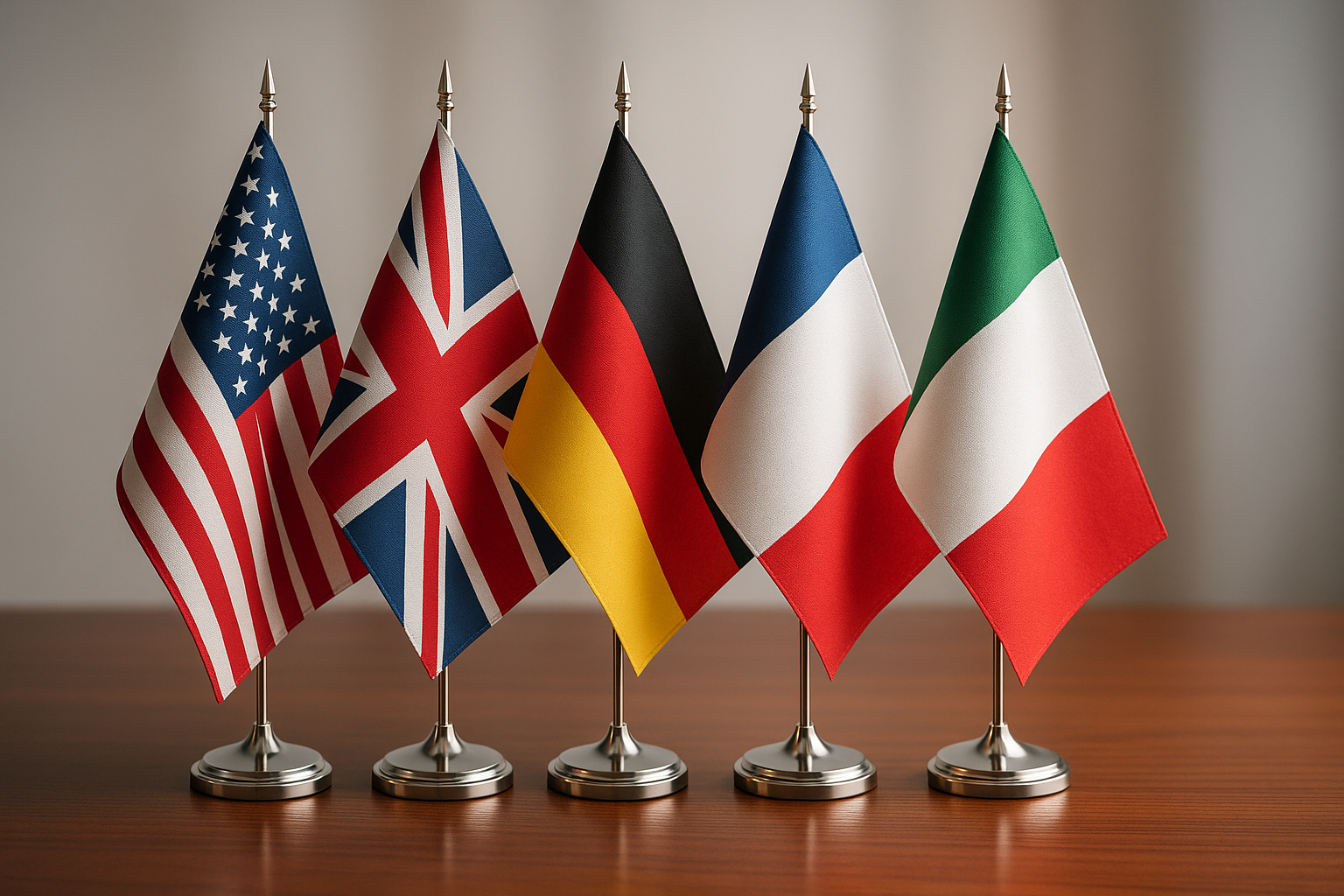
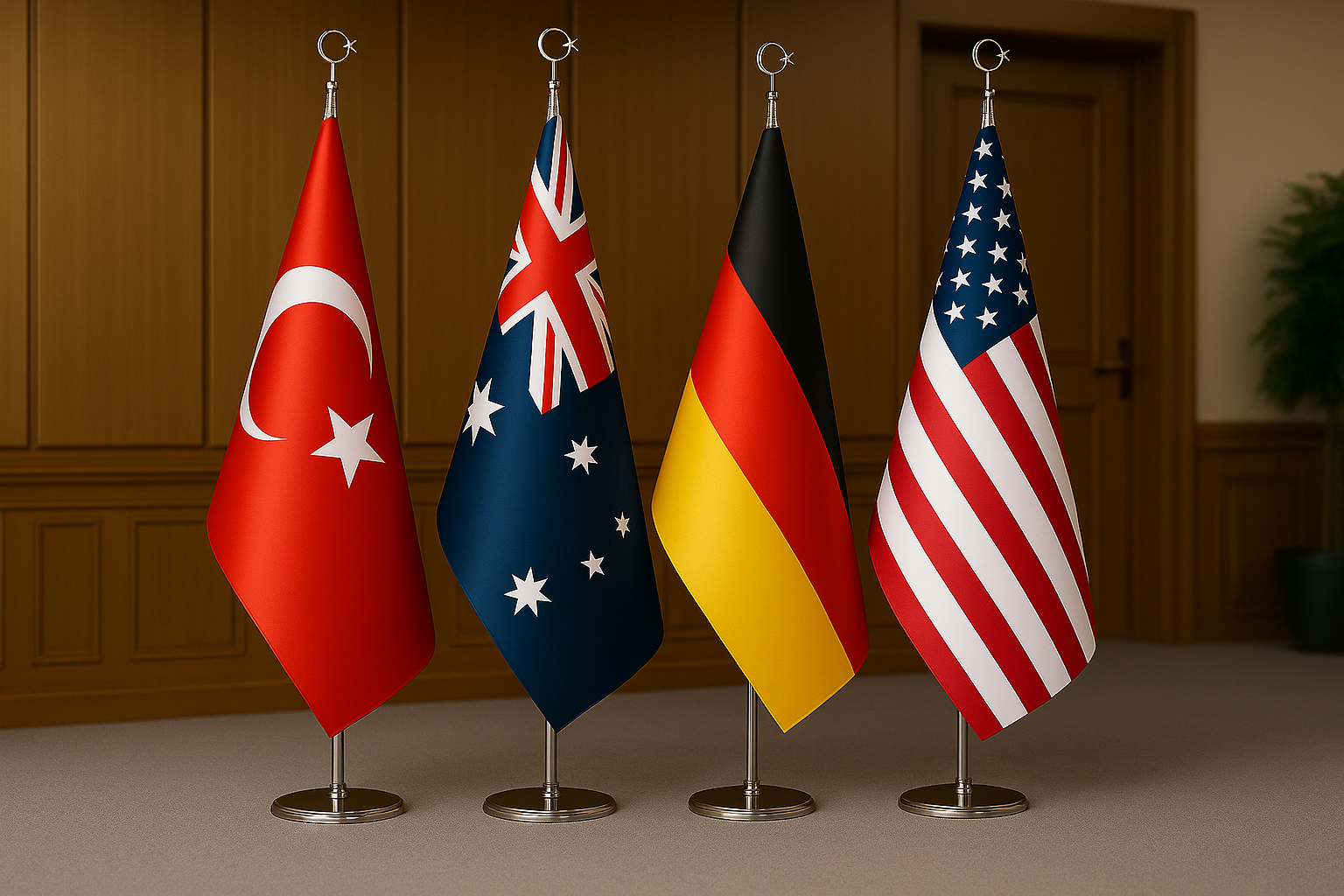


Outdoor flags typically last 3 to 6 months in harsh conditions and 1 to 2 years under moderate exposure — but material choice, local weather, and how consistently you maintain the flag all determine where your flag falls in that range. Whether you're flying a residential American flag or managing a fleet of flags across a commercial property, understanding flag lifespan is the most practical way to plan your budget and keep your display looking sharp. Browse the full outdoor flags collection at Asya Bayrak to find flags built specifically for extended outdoor performance.
What Actually Determines How Long an Outdoor Flag Lasts
Flag lifespan is not a fixed number — it is the result of several interacting factors, and understanding each one lets you set realistic replacement expectations. The single biggest variable is wind exposure. A flag in a coastal or open-field location experiences constant mechanical stress: every gust stretches the fabric, flexes the stitching, and abrades the fly end against itself. Over thousands of cycles per day, this fraying accelerates dramatically compared to a flag displayed in a sheltered urban courtyard. Studies of fabric fatigue in woven polyester show that repeated flexion, not UV light alone, is responsible for the majority of physical deterioration in flags flown continuously.
The second major variable is UV radiation. Even high-quality outdoor flags rated at 80% UV resistance will experience measurable color shift after 400–600 cumulative hours of direct summer sun. Dyes used in nylon flags generally fade faster than those solution-dyed into polyester fibers, because solution-dyeing bonds color molecules directly into the filament rather than coating the surface. If color accuracy matters — for brand flags, organizational flags, or patriotic displays where red must stay red and blue must stay blue — this distinction is worth knowing before you buy. For a deeper look at the chemistry of color loss, our article on why flags fade and how UV affects flag color covers the science in detail.
Third is rainfall and humidity cycling. Wet-dry cycles stress fabric at the fiber level, and flags that are never dried before being rolled and stored develop mildew and fiber degradation faster than flags allowed to dry fully. Salt air in coastal environments compounds this effect by depositing corrosive particles directly into the weave.
Lifespan by Flag Material: Nylon, Polyester, and Cotton
 The material a flag is made from is probably the most controllable lifespan factor you have at the time of purchase. Nylon is the most popular outdoor flag fabric in the United States, and for good reason: it is lightweight, dries quickly, and flies in very light winds. Under average conditions — moderate sun, regular but not extreme wind, typical precipitation — a quality nylon flag will last roughly 90 to 180 days with continuous outdoor display, or up to 12 to 18 months if brought in during storms and at night. 2-ply polyester is significantly heavier and more abrasion-resistant, making it the preferred choice for high-wind coastal and mountaintop sites; these flags routinely reach 12 to 24 months under continuous display in demanding environments. The tradeoff is that heavier polyester flags require more wind to fly properly — they can droop and look lifeless in calm air. The USA Outdoor Flag from Asya Bayrak is engineered for extended outdoor performance, with reinforced fly ends and lock-stitched headers designed to withstand the mechanical stress that kills most flags prematurely. Cotton flags, while traditional and visually rich, are rarely recommended for continuous outdoor display today; they absorb moisture aggressively, mildew quickly, and typically last fewer than 90 days in outdoor conditions.
How Display Practices Dramatically Extend or Shorten Flag Life
Display habits can double or cut in half the lifespan of even the best-made flag, often more than any material upgrade can compensate for. The most impactful single practice is taking flags in during severe weather. A flag left flying through a thunderstorm or sustained winds above 30 mph (48 km/h) experiences more mechanical wear in a few hours than it would accumulate over several weeks of normal flying. The US Flag Code (4 USC § 6) explicitly notes that the flag should not be displayed in inclement weather except when an all-weather flag is used — sound guidance that doubles as practical flag-care advice.
The second most effective practice is rotating between two flags. Many property managers and institutional users keep two flags in rotation, alternating weekly. Each flag rests while the other flies, and both last significantly longer than a single flag flown continuously. For organizations managing multiple flagpoles — apartment complexes, HOA communities, church campuses — this rotation approach can reduce annual flag spend by 30–40% compared to replacing a single flag as it wears out. Our guide on outdoor flags for churches and nonprofit organizations includes a detailed section on maintenance and replacement scheduling that directly applies here.
Washing a flag when soiled rather than leaving salt, bird droppings, or industrial residue on the fabric is also a meaningful lifespan extender. Most nylon and polyester flags can be machine-washed on a gentle cycle in cold water with mild detergent — always air dry, never put a flag in a dryer, as heat degrades synthetic fibers rapidly.
Environment-Specific Lifespan Expectations
Where your flag flies matters as much as what it is made of, and planning replacement schedules around your local environment prevents both unexpected failures and unnecessary early replacements. Here is a practical breakdown by environment type:
- Coastal and oceanfront locations: Salt air, high humidity, and consistent wind combine to produce the harshest flag environment. Even quality polyester flags may need replacement every 3 to 6 months under continuous display. Nylon flags in these locations rarely last more than 60 to 90 days without noticeable degradation.
- High-altitude and mountain locations: UV intensity increases roughly 4% per 1,000 ft (305 m) of elevation, and sustained high-altitude winds are typically stronger and more constant than at sea level. Expect lifespan reductions of 20–30% compared to flatland performance.
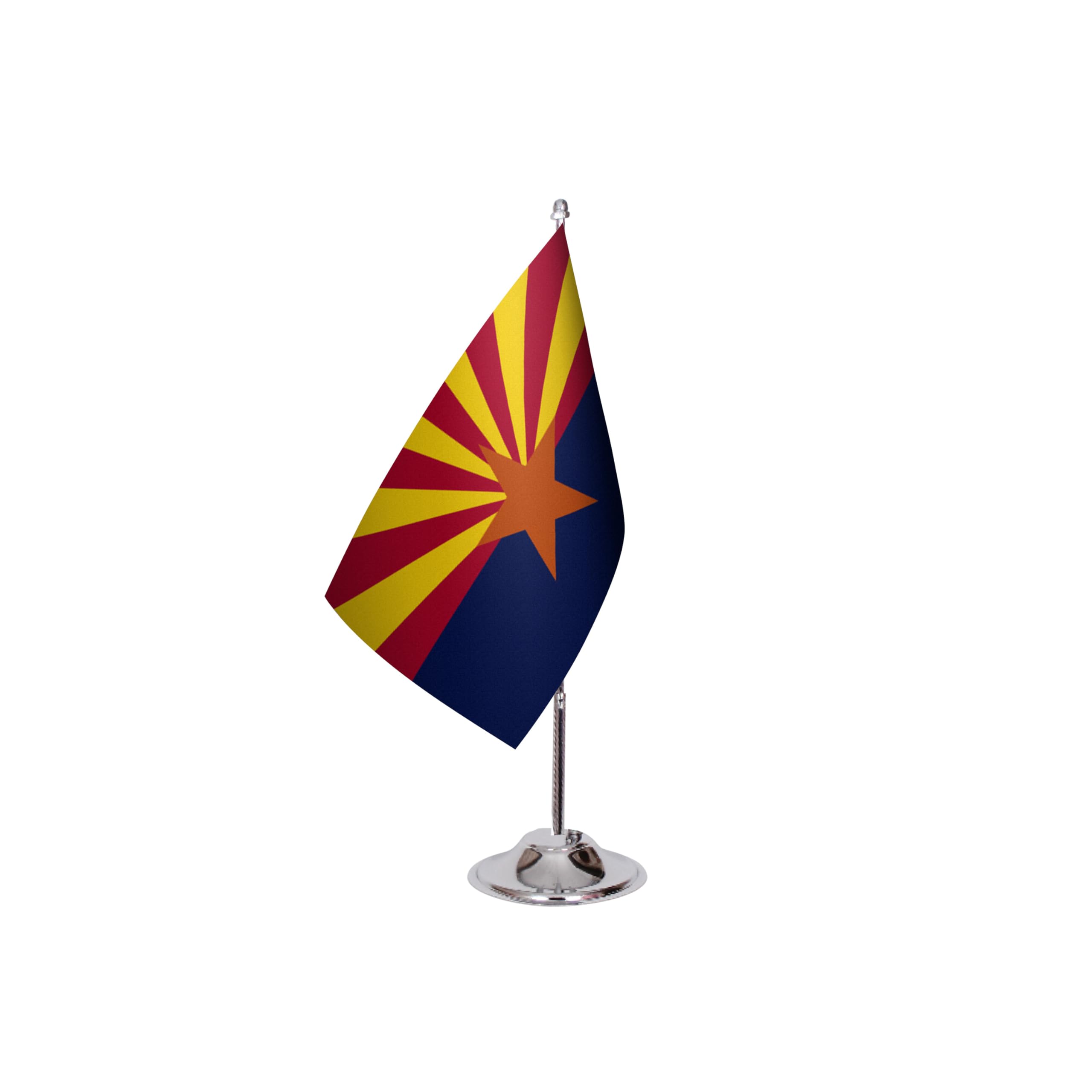
- Desert and high-sun climates (Southwest US): UV fading accelerates significantly in Arizona, Nevada, New Mexico, and similar regions. Color life is the first casualty; a flag that retains structural integrity may look severely faded within 4 to 5 months.
- Temperate, moderate-wind regions (most of the Midwest and Mid-Atlantic): These represent the baseline for most flag lifespan data. Nylon flags: 6 to 12 months. Polyester flags: 12 to 24 months with reasonable care.
- Sheltered urban courtyards or interior-facing building facades: Reduced wind and partial shade can extend flag life to 18 to 30 months for quality synthetic flags.

Outdoor Flags Collection
The full Asya Bayrak flags collection includes nylon and polyester options engineered for the specific demands of US outdoor environments, from coastal installations to high-altitude commercial sites.
Browse Collection →Warning Signs a Flag Needs Replacement
Knowing when to replace a flag is just as important as understanding how long it should last — flying a visibly degraded flag reflects poorly on any institution and, under the US Flag Code, a flag that is no longer a fitting emblem should be retired respectfully. The clearest warning signs are fraying at the fly end (the open edge opposite the header), thinning or holes in the body of the flag, significant color fading that distorts the intended design, torn or delaminating header fabric, and broken or pulled grommets. Of these, fly-end fraying is typically the first to appear and the most reliable early indicator that mechanical fatigue is accumulating.
A flag that has lost more than roughly 20% of its original color saturation is no longer serving its display purpose and should be replaced, even if it remains structurally intact. This is a particularly relevant standard for organizations — businesses, government facilities, sports clubs — where brand color accuracy matters. The US Flag Code (4 USC § 8(k)) specifies that a worn or soiled flag should be destroyed in a dignified way, typically by burning; the American Legion and VFW run formal flag retirement ceremonies that are open to the public.
Bulk Replacement Scheduling and Cost Planning
For property managers, facility directors, and procurement teams buying flags in quantity, building a proactive replacement schedule is far more cost-efficient than reactive replacement after visible failure. A useful framework: inspect flags monthly, retire at first sign of fly-end fraying, and plan full replacement on a schedule matched to your environment (quarterly for coastal, semi-annually for moderate climates, annually for sheltered sites). This approach also keeps you in compliance with US Flag Code standards without requiring staff to make subjective condition calls.
For organizations running large flag programs — apartment communities, cemetery networks, church denominations — bulk pricing reduces per-unit cost significantly and allows stocking spares for immediate rotation. Bulk pricing is available for corporate and institutional orders at Asya Bayrak, making it practical to maintain an on-hand inventory rather than ordering reactively. If your organization manages flags across multiple sites with varying environmental conditions, see our detailed guide on bulk flag ordering for apartment complexes and multi-unit residential properties, which covers procurement and rotation strategy in depth.
How long does an outdoor American flag last on average? +
Does leaving a flag out at night shorten its lifespan? +
What is the most durable material for an outdoor flag? +
Can you wash an outdoor flag to extend its life? +
When should a flag be retired rather than repaired? +
How much does wind speed affect how quickly a flag wears out? +
Is it worth rotating between two flags to extend their lifespan? +
Understanding flag lifespan — and actively managing the factors that influence it — is the difference between a flag display that consistently looks professional and one that visibly deteriorates within months. For most US outdoor applications, a quality nylon or polyester flag paired with smart display practices (storm retrieval, periodic washing, rotation scheduling) will deliver 12 to 24 months of reliable service. Explore the full outdoor flags collection at Asya Bayrak to find the right material and size for your specific environment, or go directly to the USA Outdoor Flag if you need a proven performer for American flag display. Bulk pricing is available for corporate, institutional, and property management orders — contact us directly for volume quotes and custom replacement scheduling support.