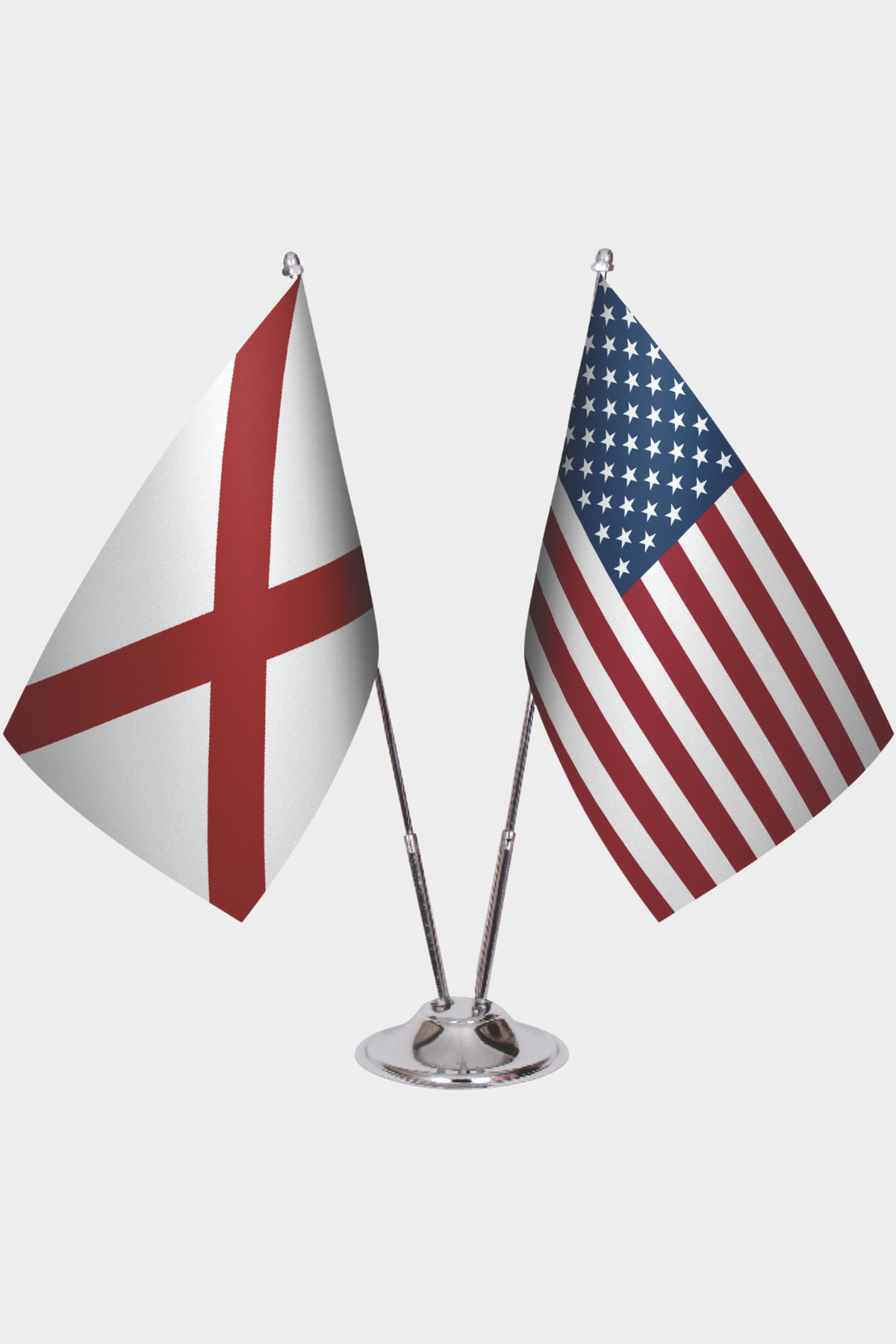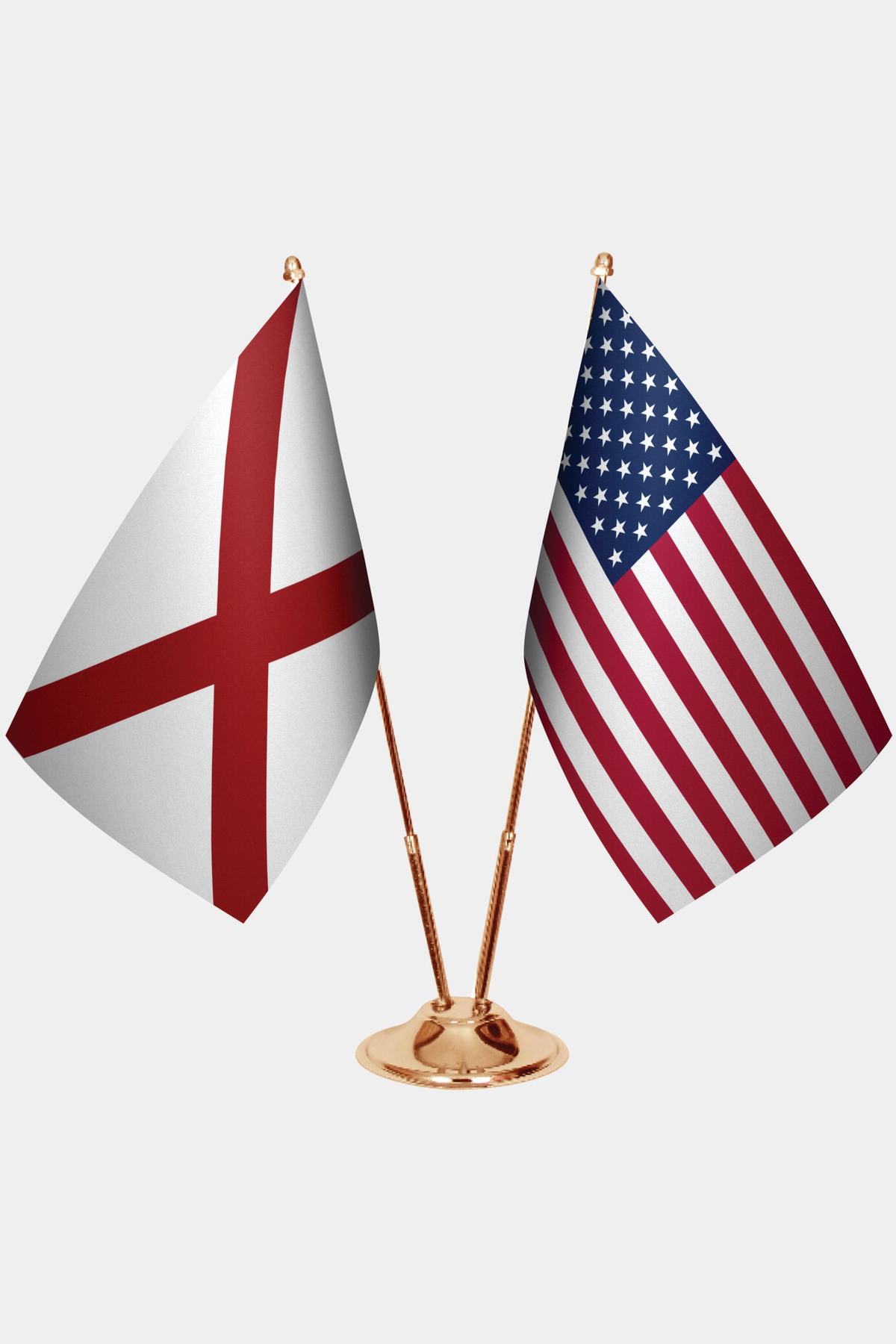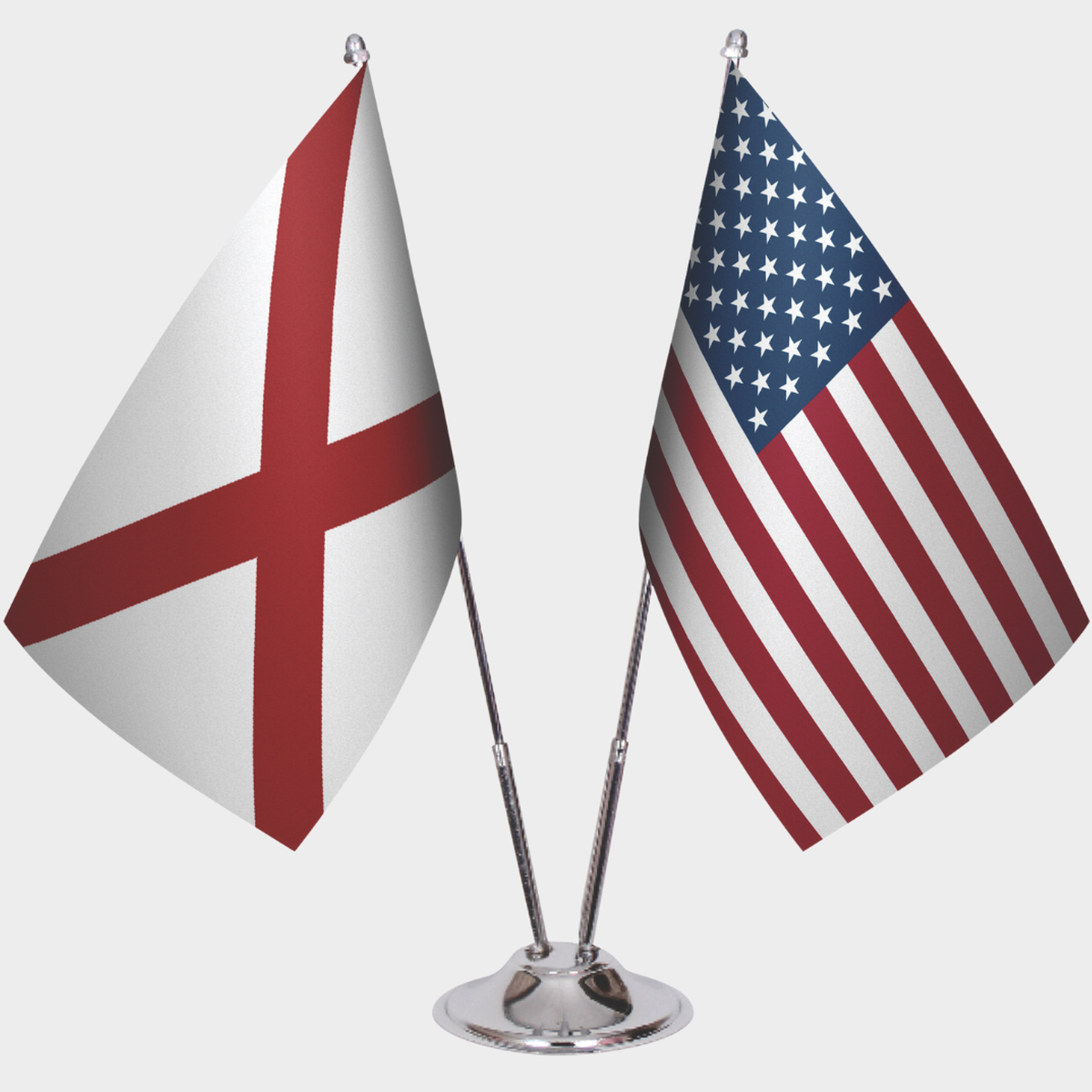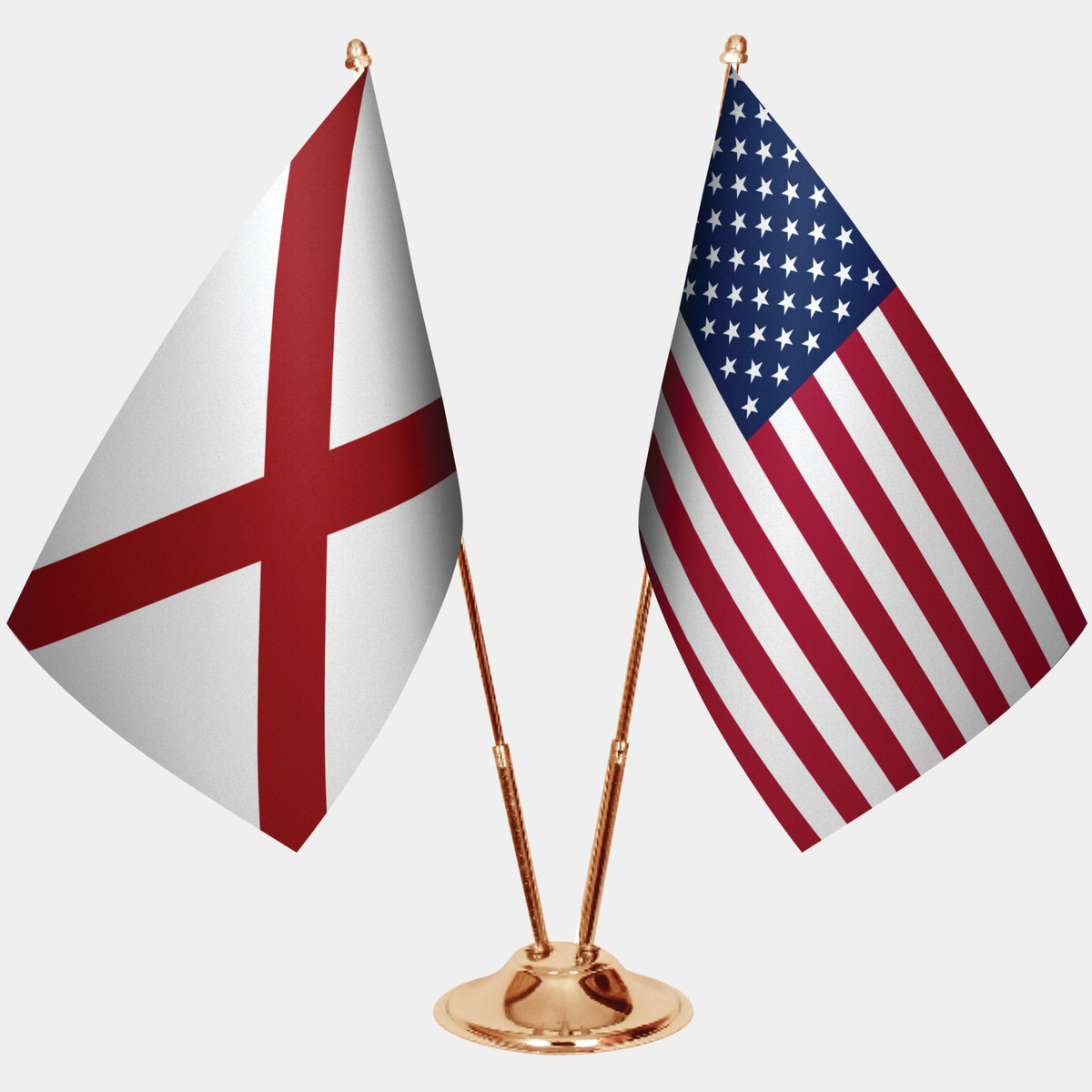
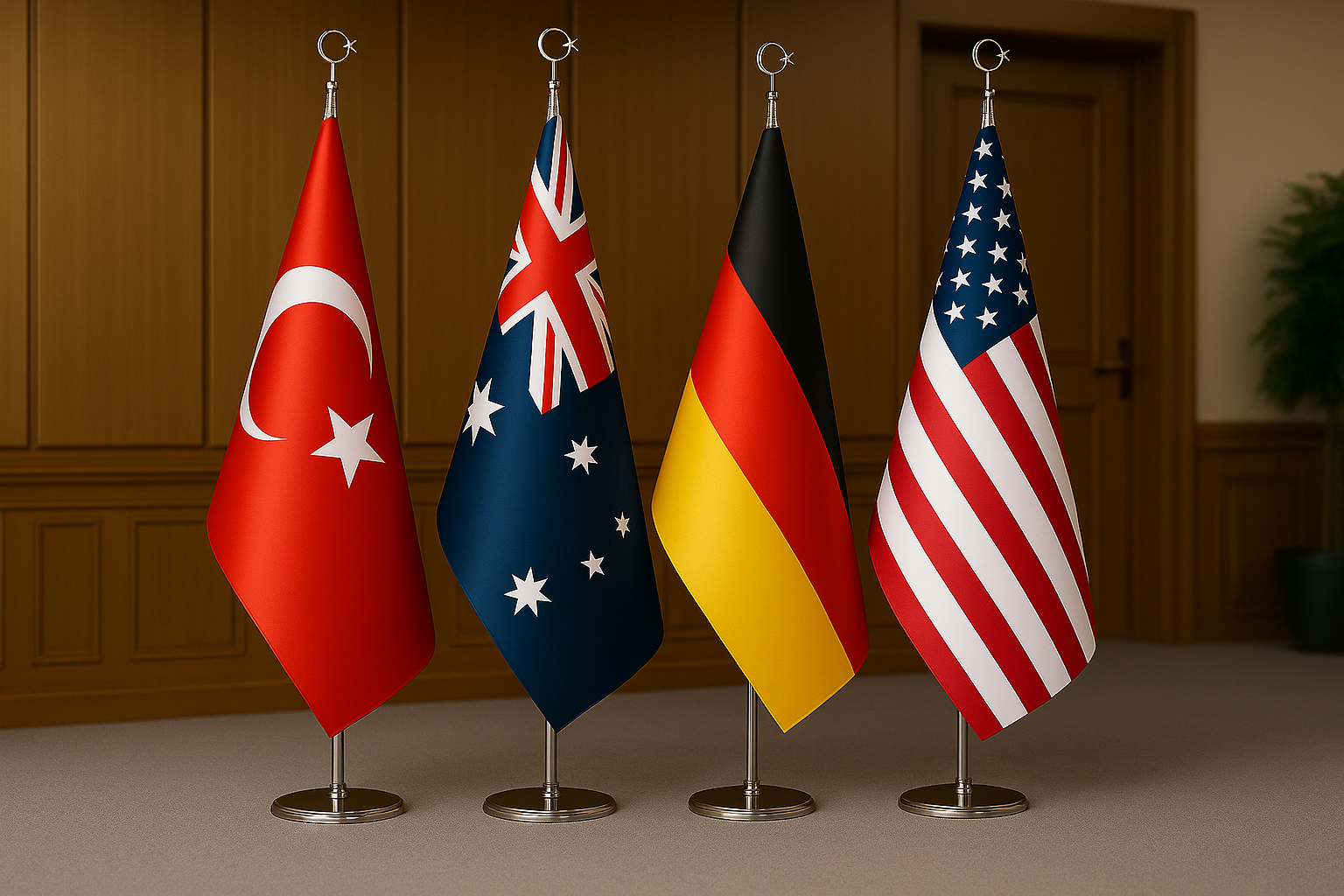
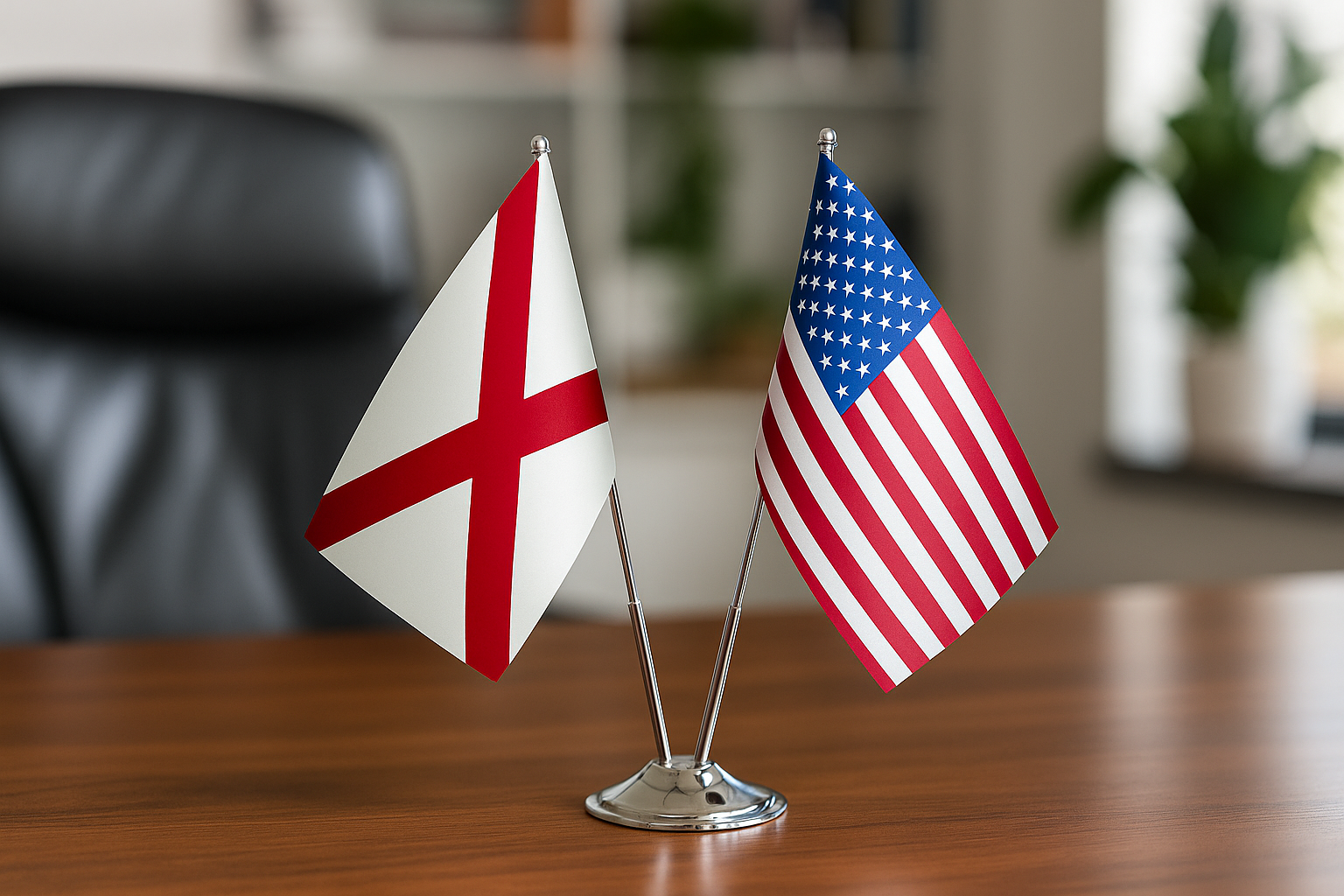
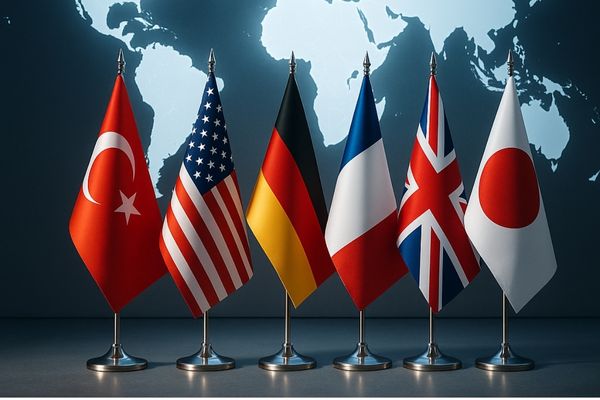

Handheld flags at parades must be carried respectfully, displayed with the union (stars) to the marcher's own right, and never allowed to touch the ground — these are the core handling rules that apply whether you're waving a 4 x 6 in (10 x 15 cm) stick flag or marching in formal procession with a larger banner. For anyone organizing a civic parade, school event, or patriotic rally, our Handheld Country Flags collection covers the sizes and formats most commonly used in these settings. The rules below draw on the US Flag Code (4 USC §§ 1–10), widely accepted parade protocol, and practical manufacturing experience — so you can equip your group and march with confidence.
The Legal Basis: What the US Flag Code Says About Handheld Flags
The US Flag Code (4 USC §§ 1–10) is the foundational federal law governing how the American flag is displayed and handled, including at parades — it does not impose criminal penalties on civilians, but it establishes the standard of conduct that all public events are expected to follow. Specifically, 4 USC § 8 lists the forms of disrespect the Code considers improper: allowing the flag to touch the ground, using it as wearing apparel in a way that demeans it, and carrying it flat or horizontally rather than aloft and free. For handheld flags on a stick, the Code's intent is clear: the flag should fly freely, never be carried face-down, and should not be used as a prop for advertising or decoration. State and local parade ordinances may add further requirements — for example, some municipalities prohibit wooden sticks with pointed tips at high-density events for safety reasons. If you are distributing flags to a large crowd, it is worth confirming local event permits, which often specify approved handheld flagpole materials (typically hollow plastic or lightweight wood dowels with rounded ends). The Code itself does not specify a minimum stick length or flag dimension for handheld use, but standard parade practice and FIAV (Fédération Internationale des Associations Vexillologiques) guidelines support proportional sizing — most commonly a 1:1.5 or 1:2 flag-to-stick-length ratio for good visibility. For a deeper dive into sizes that match these ratios, the sibling article on handheld flag sizes and stick lengths covers standard dimensions and proportions in detail.
Correct Display and Order of Precedence When Carrying Multiple Flags
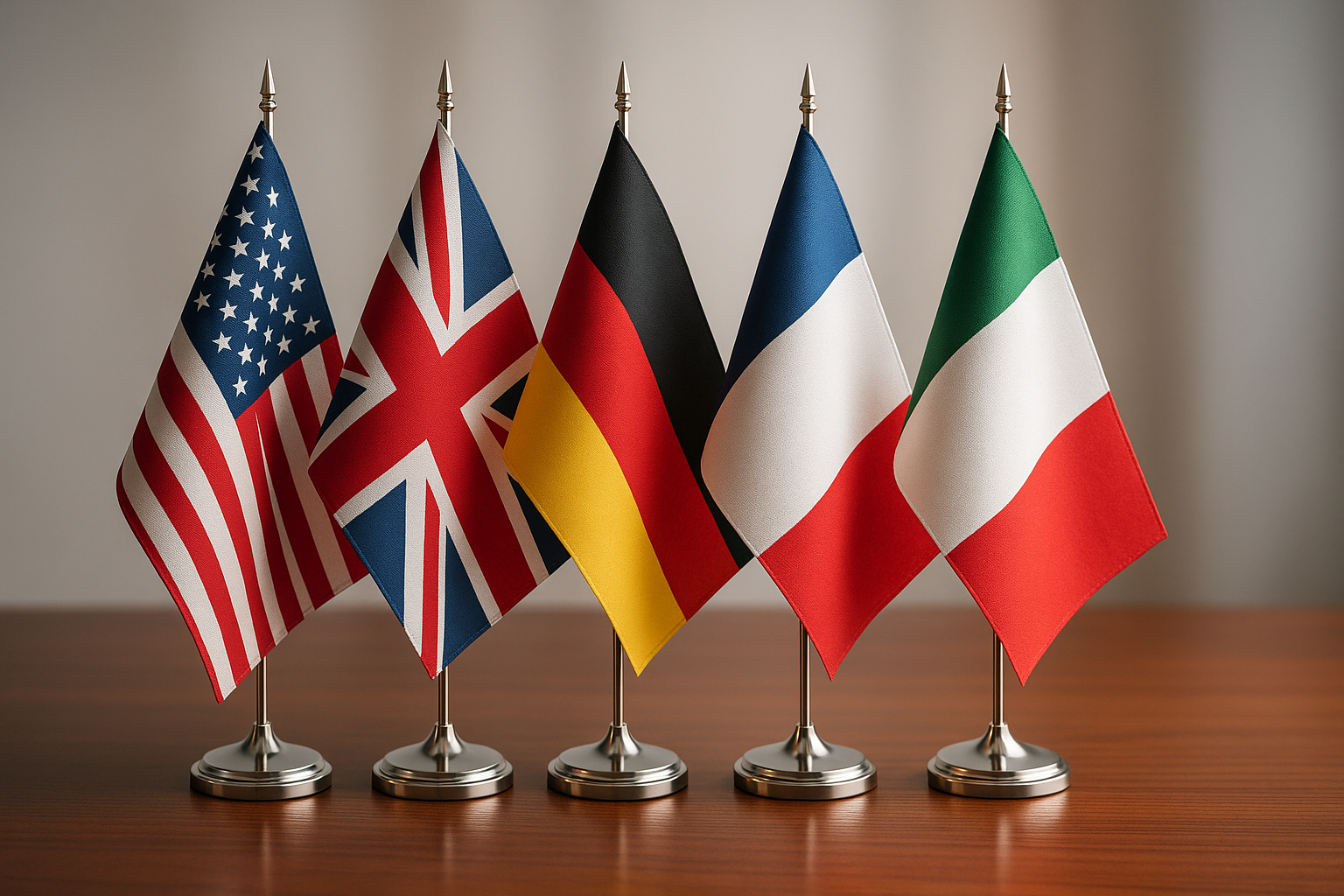
When multiple flags are carried together in a parade, the American flag always leads or occupies the position of honor — this means it is carried at the center and highest point when in a group, or to the marcher's far right when flags are in a single line. Under 4 USC § 7(c), no other flag should be placed to the right of the US flag or carried at a higher elevation when both are in a procession. In practical parade terms, this means a color guard or marching group should arrange their handheld flagpoles so the national flag is the first flag the audience sees from their left side (the marcher's right). State flags follow in order of the date of statehood, and organizational or unit flags come after. When a foreign national flag is carried alongside the US flag — common at multicultural parades and international festivals — it should be carried at the same height, never above the American flag, consistent with diplomatic protocol. If you are equipping a mixed group of marchers with both US and international flags, it is important to brief participants on the lineup before the parade begins; confusion about position is the most common protocol error seen at community events. Individual handheld flagpoles should be held vertically or slightly forward-tilted (no more than 15°) — never pointed toward the crowd or carried horizontally like a banner.
 For groups distributing flags to parade spectators or lining the route with waving participants, having a reliable bulk supply makes logistics far simpler. The 10-Pack American Flags on Stick offers a consistent, pre-assembled option where the flag is already attached to a sturdy wooden dowel — eliminating the attachment step that often causes last-minute problems at busy events. Each flag in the pack is made from durable polyester that holds color well even in bright outdoor sunlight, and the sticks are smooth-ended for safety in crowd situations. Having flags arrive pre-assembled also ensures every participant in your group holds the flag in the same orientation, with the stars correctly positioned to the upper-left when facing the viewer — exactly as the Flag Code intends. These packs are especially popular for Fourth of July parades, Memorial Day ceremonies, and school flag days where dozens or even hundreds of participants need to be equipped quickly and uniformly.
What Is Prohibited: Handling Mistakes That Violate Flag Code and Parade Protocol
Several specific handling behaviors are prohibited by the Flag Code or by widely accepted parade standards, and event organizers should brief all participants before the march begins. The most common violations involve allowing the flag to drag or touch the ground, which 4 USC § 8(b) explicitly prohibits — handheld flagpoles should be held at a height that keeps the flag fabric clear of the pavement at all times, even for young children carrying smaller flags. Carrying the flag horizontally is another frequent mistake: the Flag Code specifies the flag should always be carried "aloft and free," meaning it must be allowed to wave in the air, not held flat like a tray. Attaching commercial logos, slogans, or advertising to the flag itself or to its staff in a way that associates the flag with a product violates 4 USC § 8(i). Dipping the US flag to any person or thing during a parade — a gesture sometimes used for foreign flags and organizational flags — is explicitly prohibited for the national flag under 4 USC § 8(c); the US flag is never dipped in salute. Additionally, parade organizers should discourage participants from using the flag as a costume element (wrapping it around the body, for example), which 4 USC § 8(d) addresses. Personalised hand flags — flags with a name, message, or custom graphic printed on them — are entirely permissible for parade use as long as they are not the national flag itself being personalized; custom organizational flags and spirit flags do not carry the same restrictions.
Half-Staff and Ceremonial Rules That Apply During Parades
Half-staff protocol for handheld flags during parades is straightforward: when a presidential or gubernatorial proclamation orders flags to half-staff, handheld flags in a parade procession are typically lowered to the dip position (roughly a 45° forward angle) during moments of silence or when passing a reviewing stand, rather than being physically shortened on their pole. The US Flag Code does not specify a half-staff position for handheld sticks specifically, because the concept of half-staff technically refers to a flagpole where the flag can be raised and lowered — on a fixed-length handheld flagpole, the ceremonial equivalent is the dip. Color guard units in formal military or veterans' parades follow branch-specific ceremonial manuals (such as Army Regulation 840-10) which provide precise handling instructions for guidons and national colors in procession. For civilian parade participants, the most important ceremonial moment is passing a reviewing stand or a dignitary: the flag bearer should come to attention, hold the pole vertically, and not wave the flag during that passage. During the National Anthem at a parade start, all flag bearers should stand at attention holding their handheld flagpoles vertically; civilians not in uniform place their right hand over their heart. These ceremonial moments are also when flag condition is most visible to observers — a flag with frayed edges or faded color reflects poorly on the organization, which is worth keeping in mind when selecting or replacing parade flags.
 For parade floats, podiums, or reviewing stands that need a larger, more visible American flag displayed on a full-size pole alongside the handheld flags carried by marchers, the USA Outdoor Flag is an excellent complement. Made from heavy-duty nylon with reinforced header and brass grommets, it is rated for extended outdoor exposure and carries vivid, UV-resistant color that reads clearly from a distance even under strong midday sunlight. Pairing a large outdoor flag at the ceremony's focal point with handheld flags distributed to participants creates a visually cohesive event — the colors and proportions match, and the overall effect is professional and respectful. The same etiquette principles that govern handheld flags — position of honor, no ground contact, no commercial use — apply equally to any outdoor flag displayed at a parade venue. For guidance on proper flag care and display at home after the parade, the article on American flag etiquette rules at home covers storage, folding, and retirement in helpful detail.
A Practical Checklist for Parade Organizers and Institutions
Parade organizers who want to ensure full compliance with handling rules and a polished visual result should work through a pre-event checklist covering equipment, training, and logistics. Below is a step-by-step framework based on standard civic parade practice:
- Verify local ordinances: Confirm with the event permit office whether there are restrictions on stick materials (wood vs. plastic), tip shape (rounded only), or stick length for crowd-safety reasons.
- Select the right flag-to-stick ratio: For a 4 x 6 in (10 x 15 cm) flag, a 10–12 in (25–30 cm) stick is standard. For larger 8 x 12 in (20 x 30 cm) parade flags, an 18–24 in (45–60 cm) stick provides better control and visibility.
- Brief flag bearers on position of honor: Ensure all participants know the US flag is always to the marcher's right and that no other flag is carried higher.
- Inspect every flag before the parade: Check for tears, fraying, and faded color. A worn flag should be retired respectfully — the American Legion and VFW posts often accept flags for ceremonial retirement.
- Assign a protocol lead: One person per unit should be responsible for calling attention during the National Anthem and when passing the reviewing stand.
- Plan for weather: In strong wind, handheld flagpoles require a firmer grip and a slightly more vertical hold to prevent the fabric from wrapping around the stick. In rain, nylon flags dry quickly; cotton or heavy woven flags become heavy and harder to carry properly.
- Pre-assemble flags: Flags that arrive pre-attached to their sticks eliminate the risk of incorrect attachment. For those using separate flags and poles, the article on how to attach a flag to a handheld pole walks through the correct method step by step.
- Dispose of damaged flags properly: After the event, any flag that is torn or soiled beyond cleaning should be retired by burning in a dignified ceremony, per Flag Code guidance.

Handheld Country Flags
A curated range of parade-ready handheld flags for national, state, and international events — built to the size ratios and durability standards that parade protocol demands.
Browse Collection →Caring for Handheld Flags Before and After Parade Use
Proper care extends the usable life of parade flags significantly, which matters especially for organizations that march multiple times per year. A well-maintained polyester handheld flag can last 6 months to 2 years of regular use depending on UV exposure, washing frequency, and storage conditions — whereas a flag left rolled on its stick in direct sunlight between events may fade and become brittle in a single season. After each parade, unroll the flag from its stick if it was wrapped for transport, allow it to air dry completely if it was exposed to rain or humidity, and store it loosely folded or rolled in a cool, dry location away from direct sunlight. For bulk parade flags distributed to spectators as one-time-use items, material quality still matters — a flag that tears or fades mid-parade reflects poorly on the organizing institution. Wooden handheld flagpoles should be checked for splinters before distribution, particularly when children will be carrying them; plastic poles are a safer choice for general crowd distribution at large events. If your organization holds flags in inventory between annual events, inspect them 2–4 weeks before the parade date to allow time for replacement ordering — flag manufacturing lead times can range from a few days for in-stock items to 3–4 weeks for custom-printed runs.
What size handheld flagpole is standard for parades? +
Can I use a wooden hand held flag pole at a public parade? +
Which hand should I hold a handheld flag in during a parade? +
Are personalised hand flags allowed at parades? +
How do I keep handheld flags from wrapping around the pole in wind? +
How many handheld flags should I order for a parade event? +
Can children carry handheld flags in a parade? +
Whether you are equipping a color guard, distributing flags to parade-route spectators, or organizing a school march, following these handling rules ensures your event reflects genuine respect for the flag and the occasion. The Handheld Country Flags collection includes options for every parade format — from small stick flags for crowd distribution to larger hand-carried banners for formal processions. For participants who need a classic American flag on a stick ready to carry immediately, the USA Handheld Flag is a reliable single-unit choice, while the 10-Pack American Flags on Stick offers the best value for groups. You can also explore the full Flags collection for complementary display options at parade venues and reviewing stands. Bulk pricing is available for corporate, institutional, and municipal orders — contact us with your event date and quantity requirements for a custom quote.