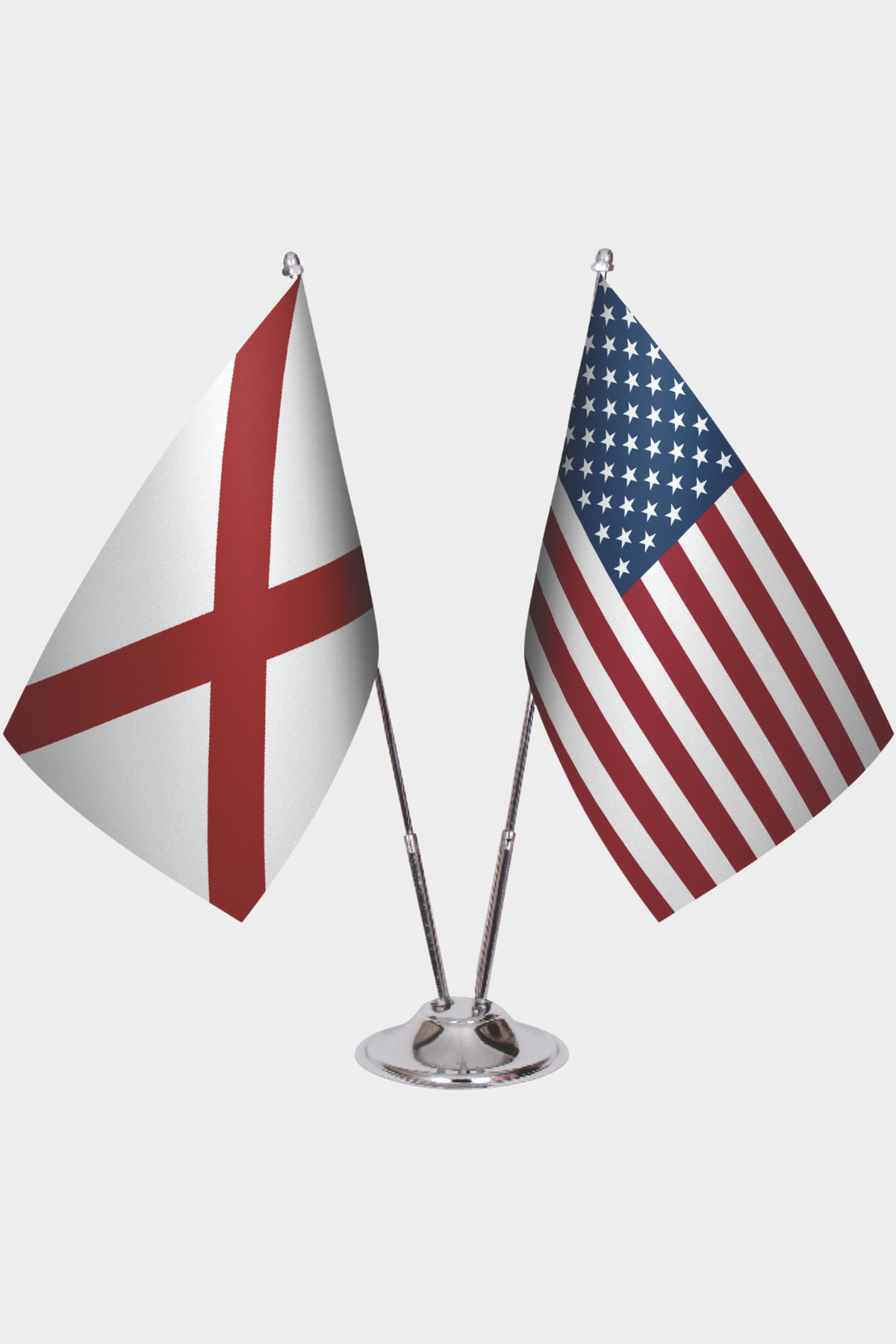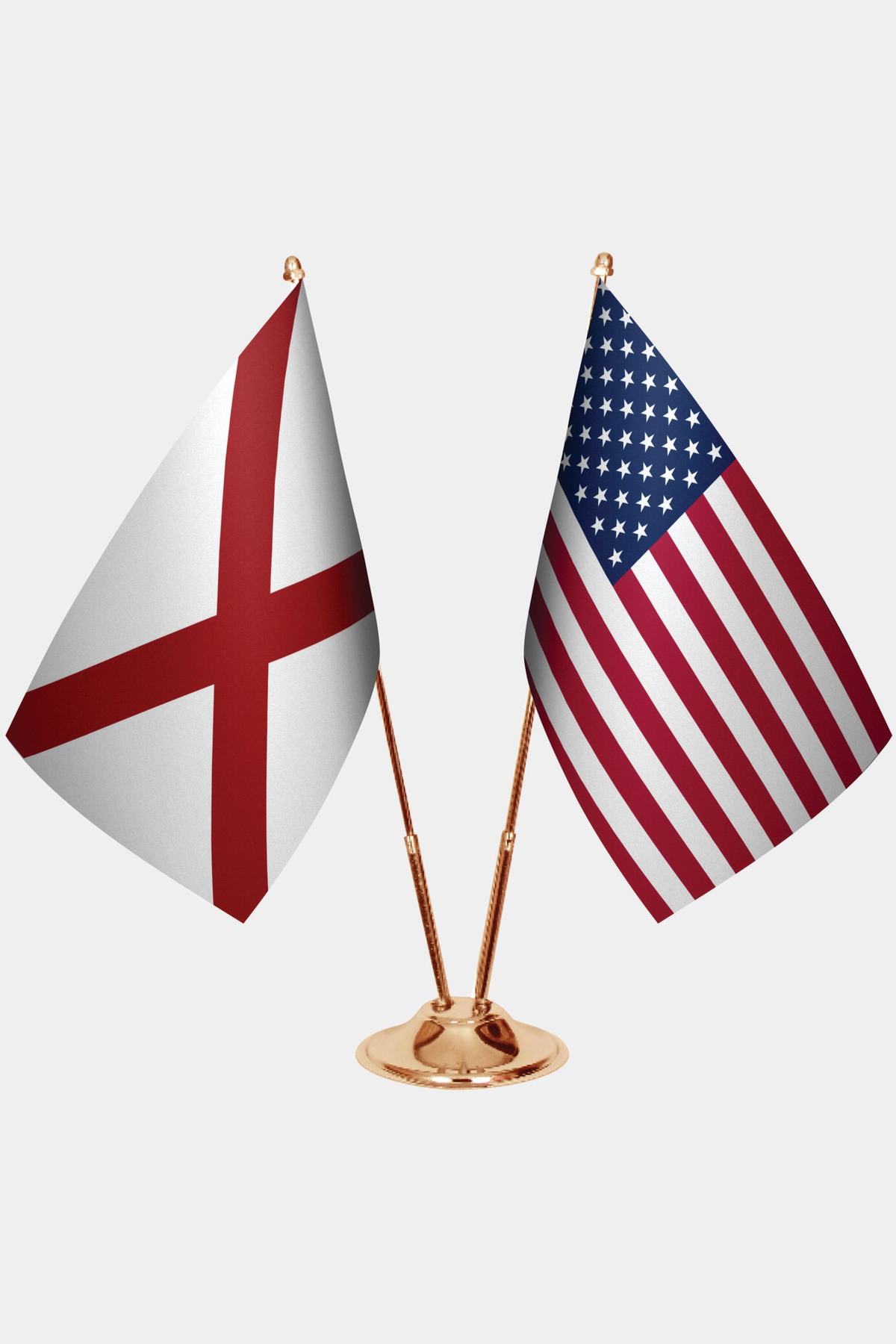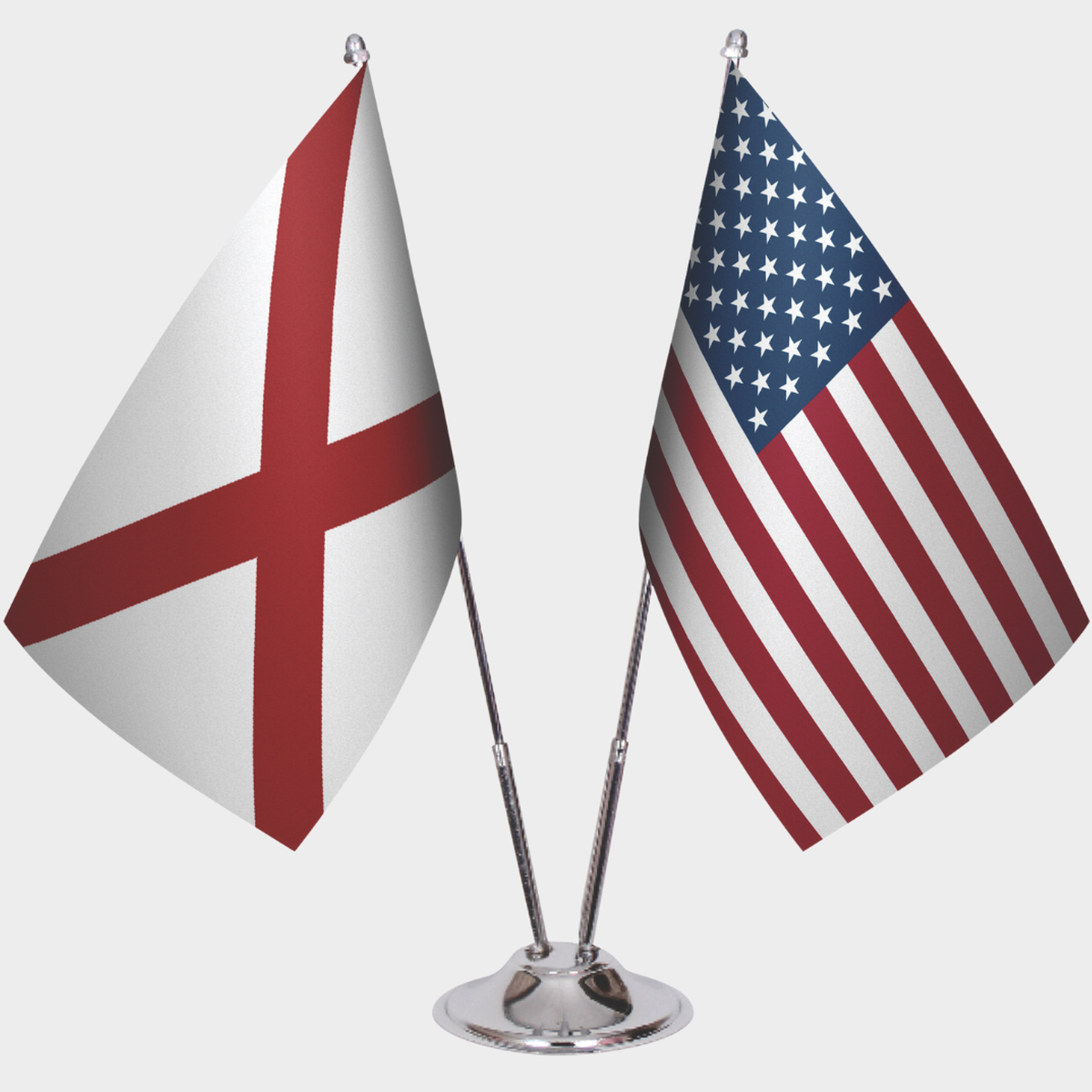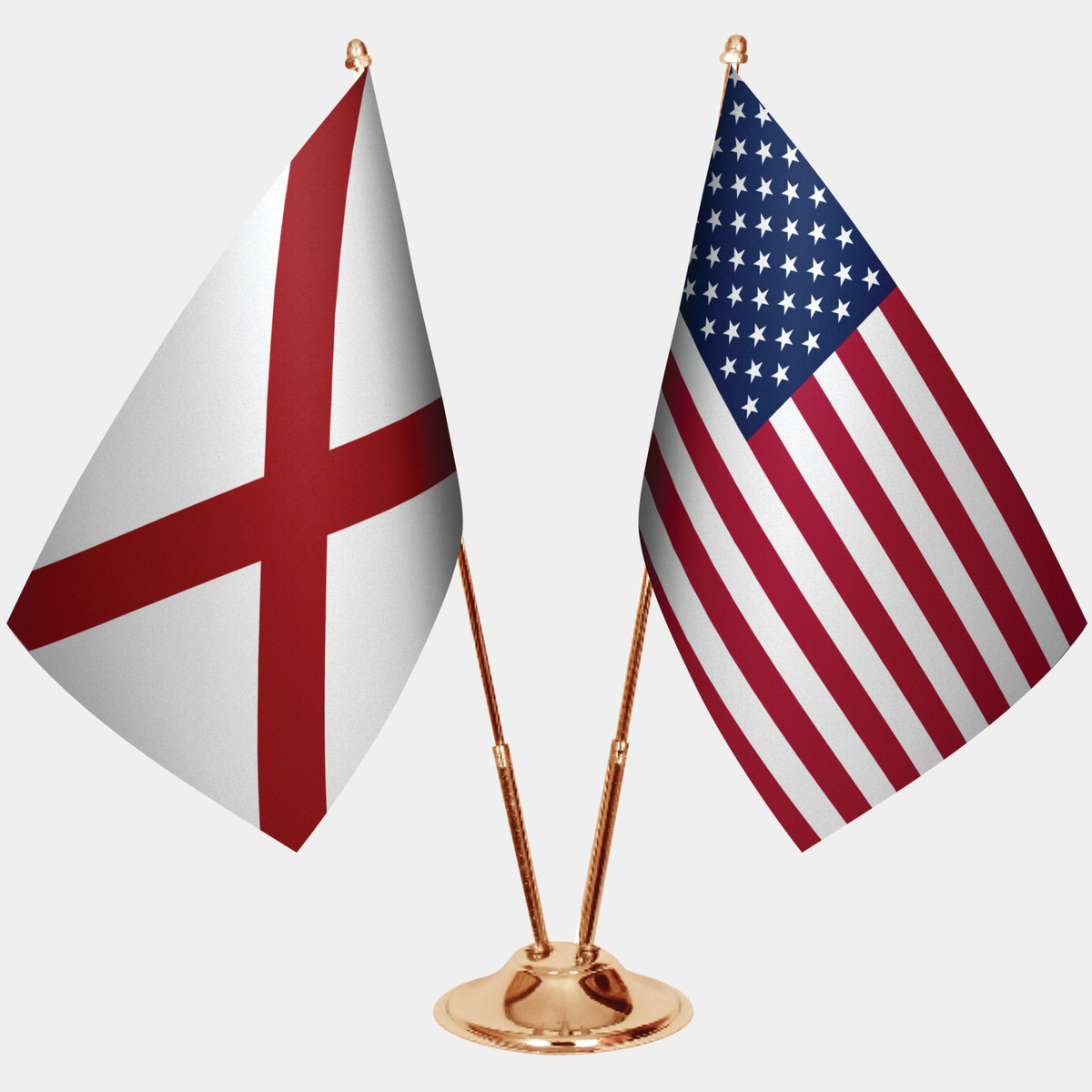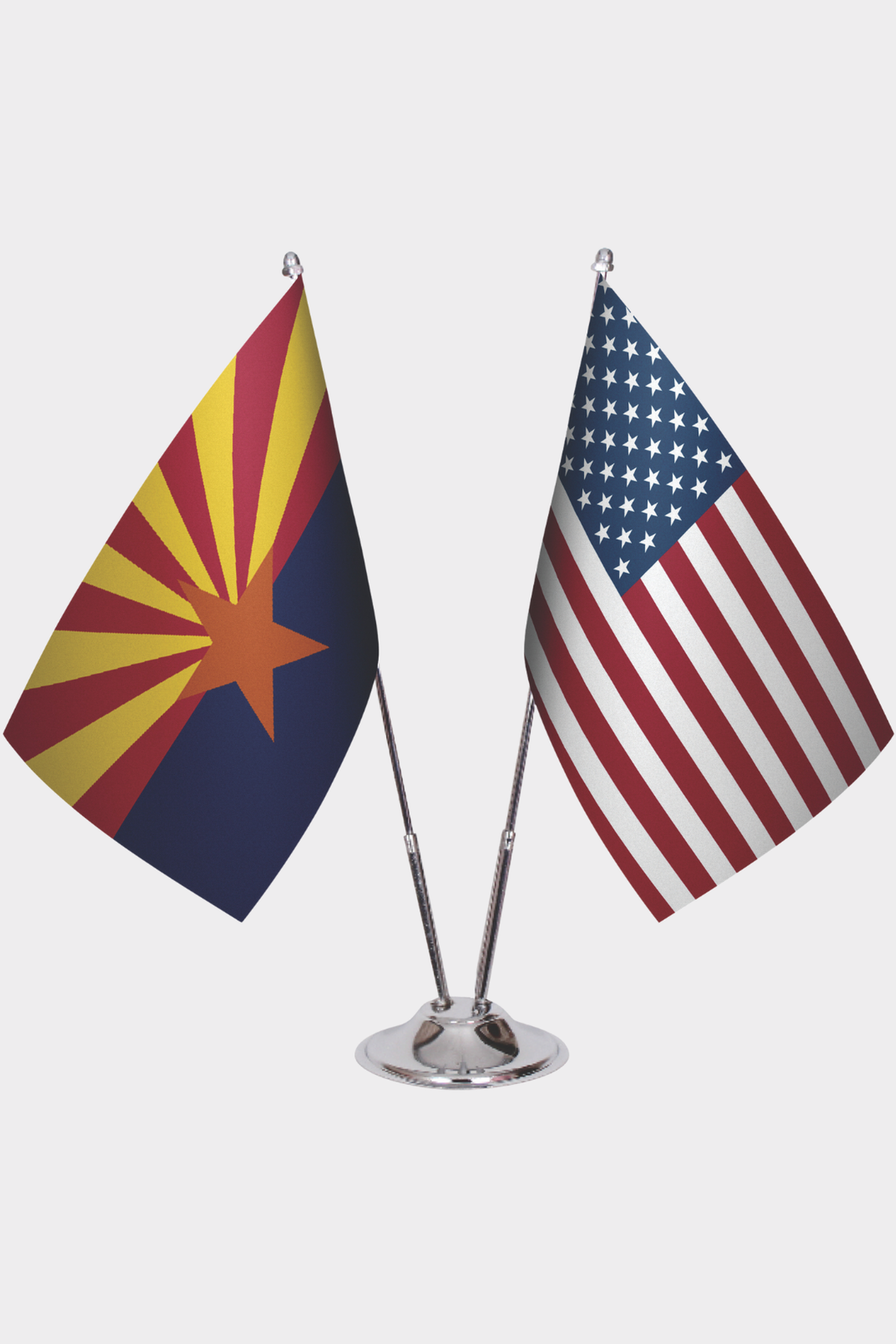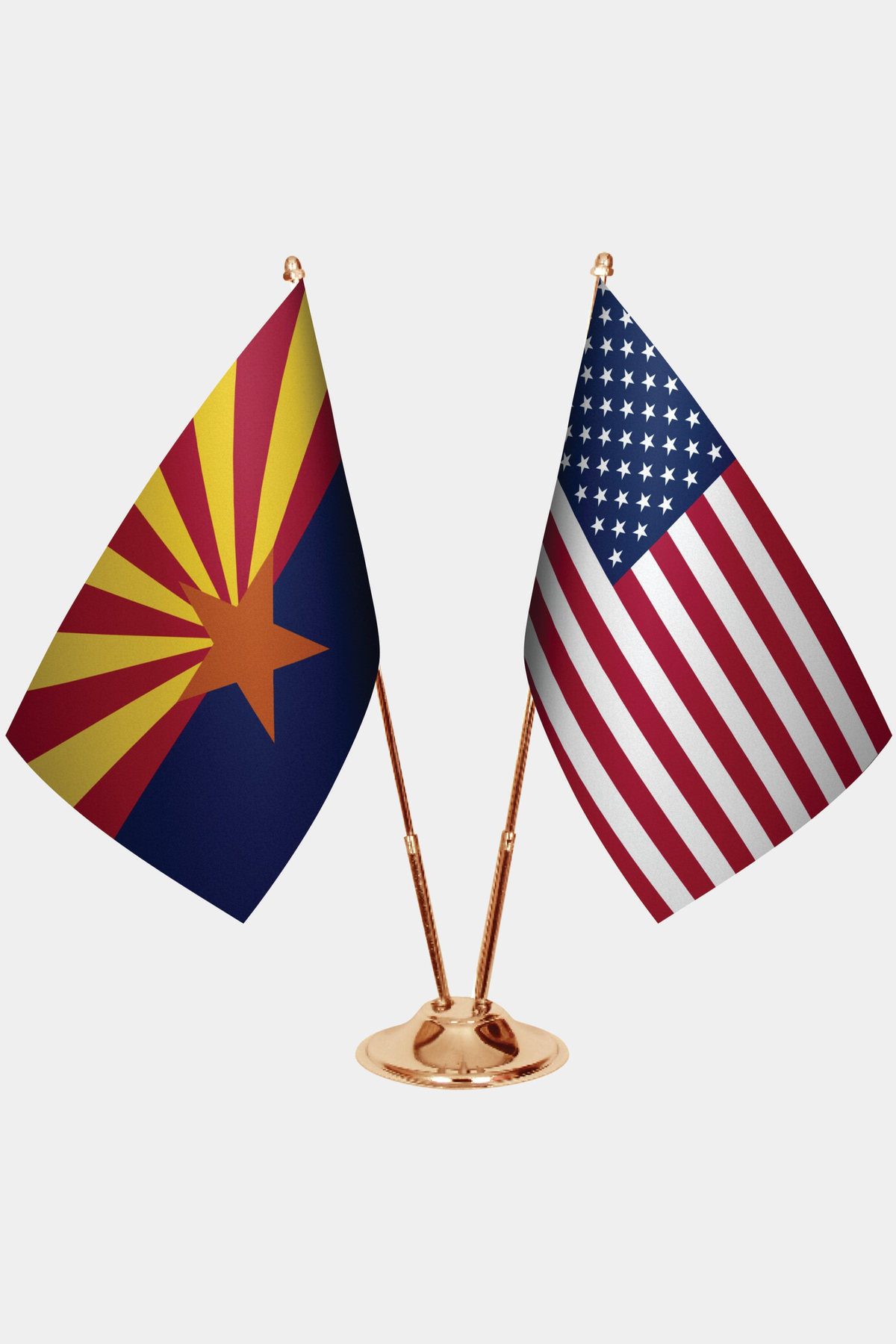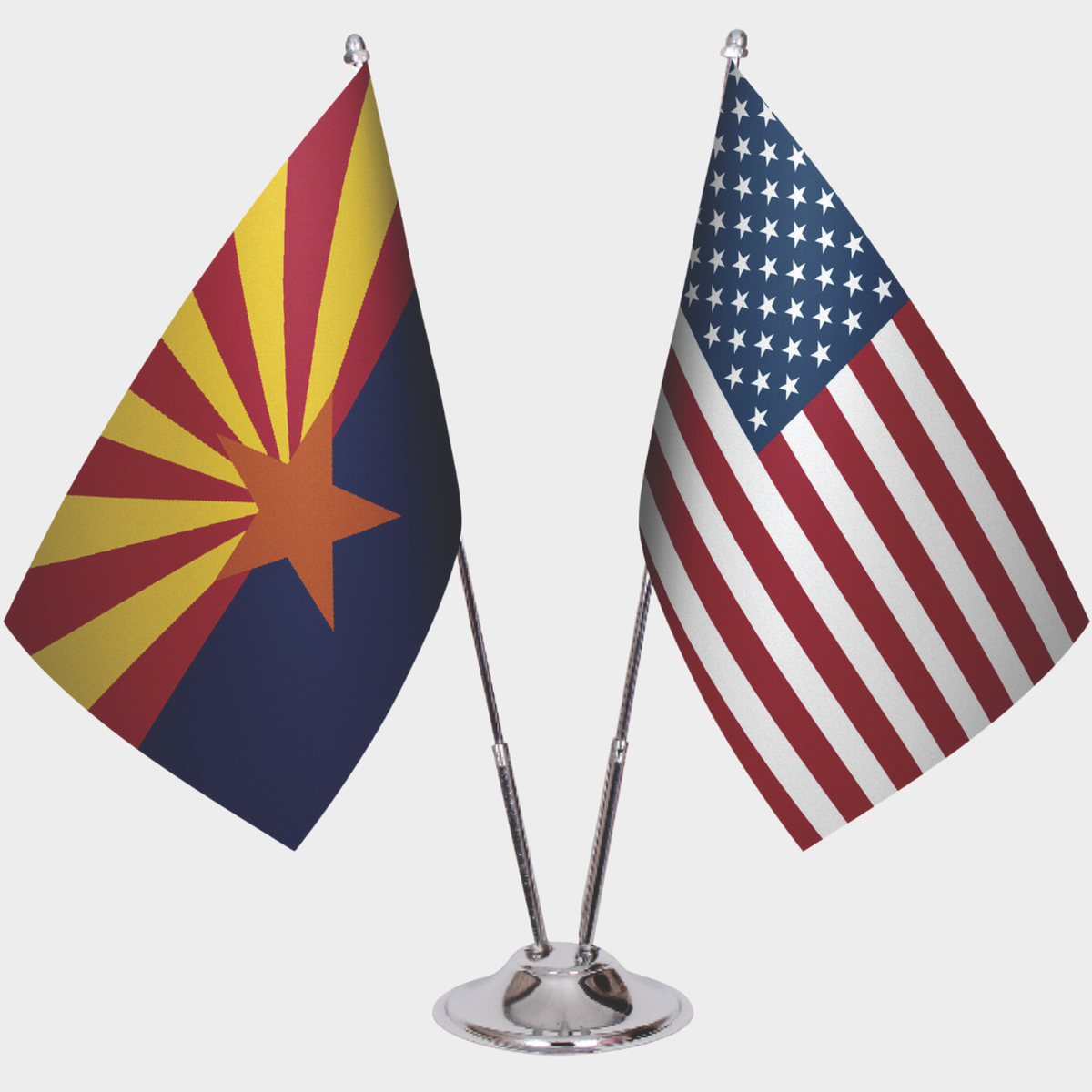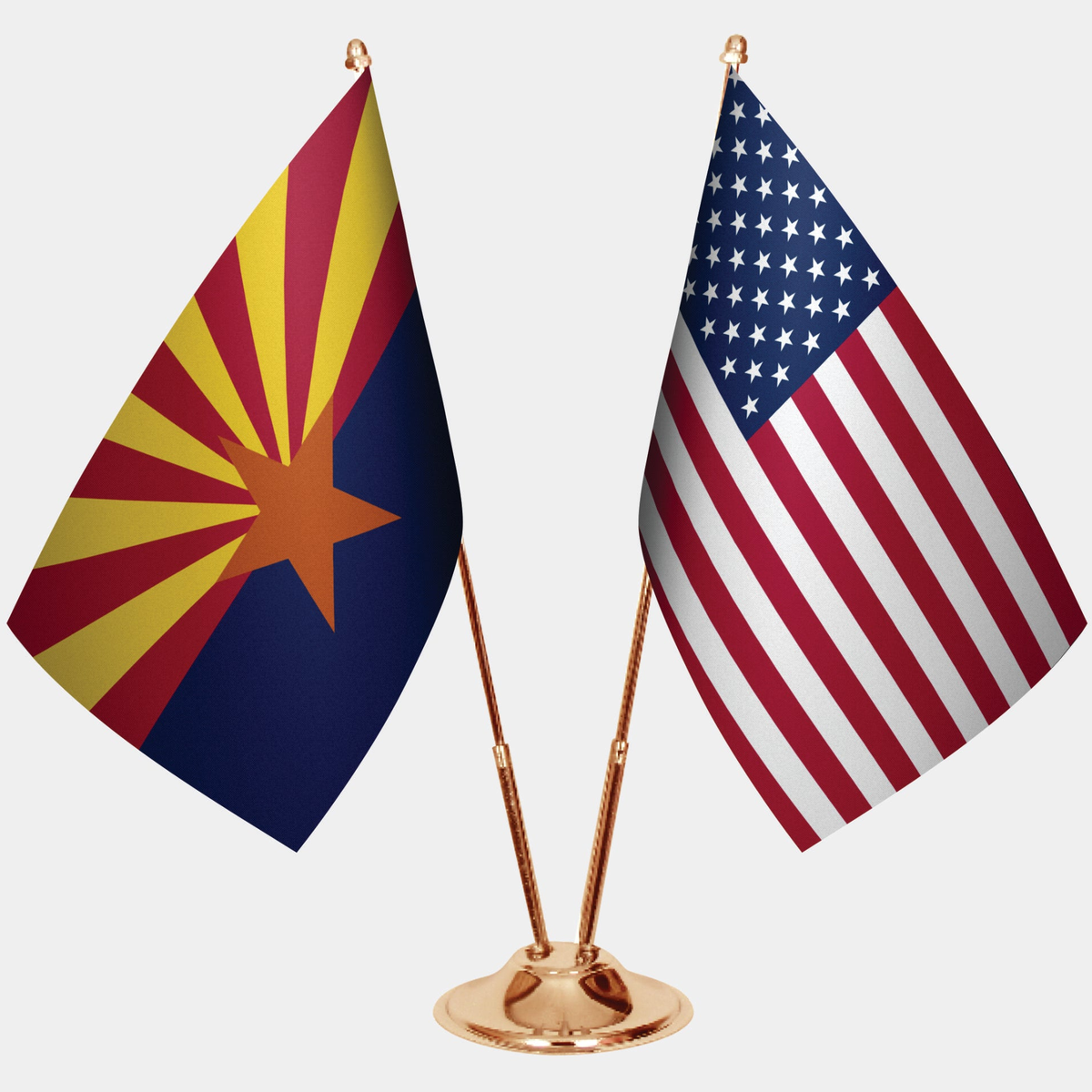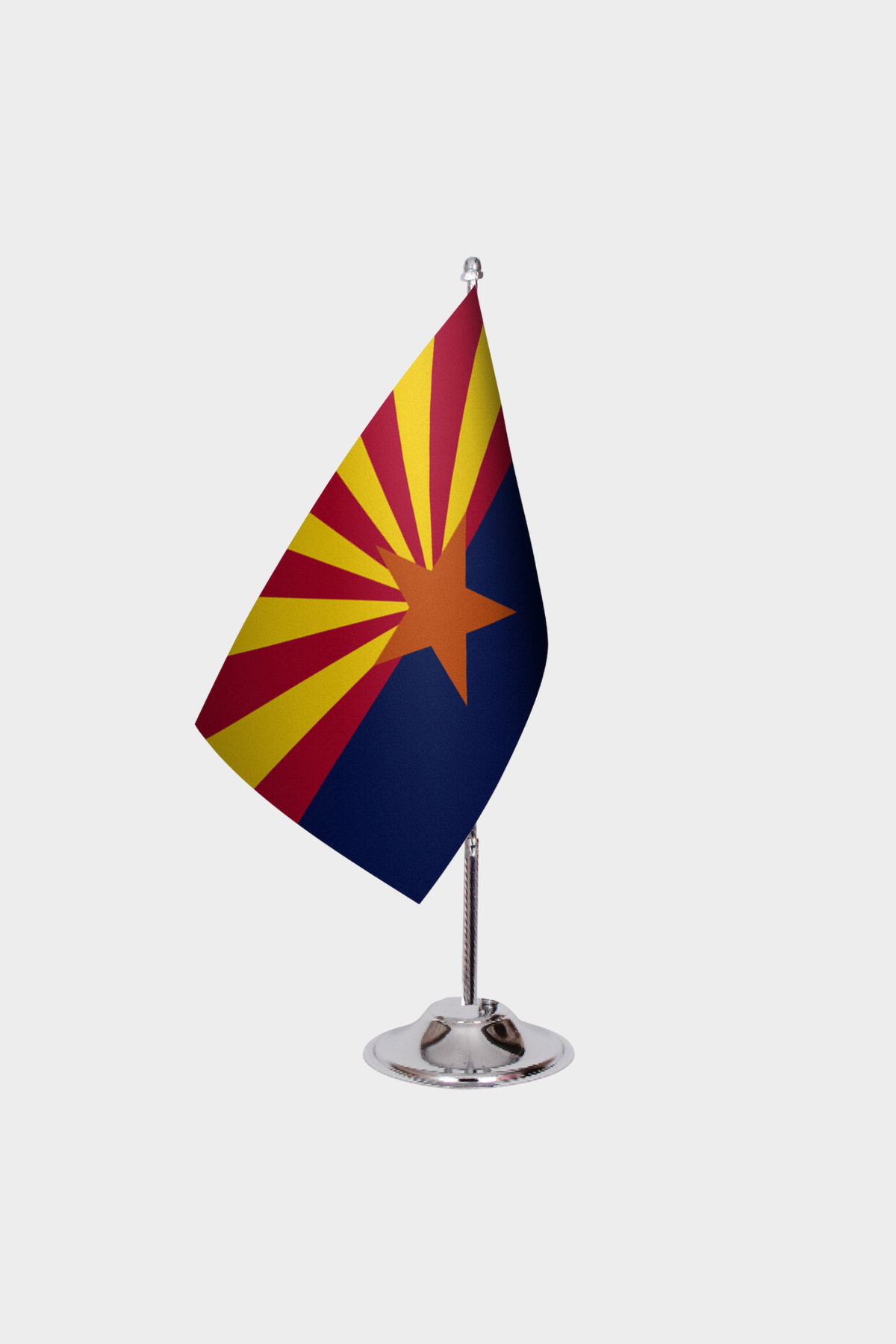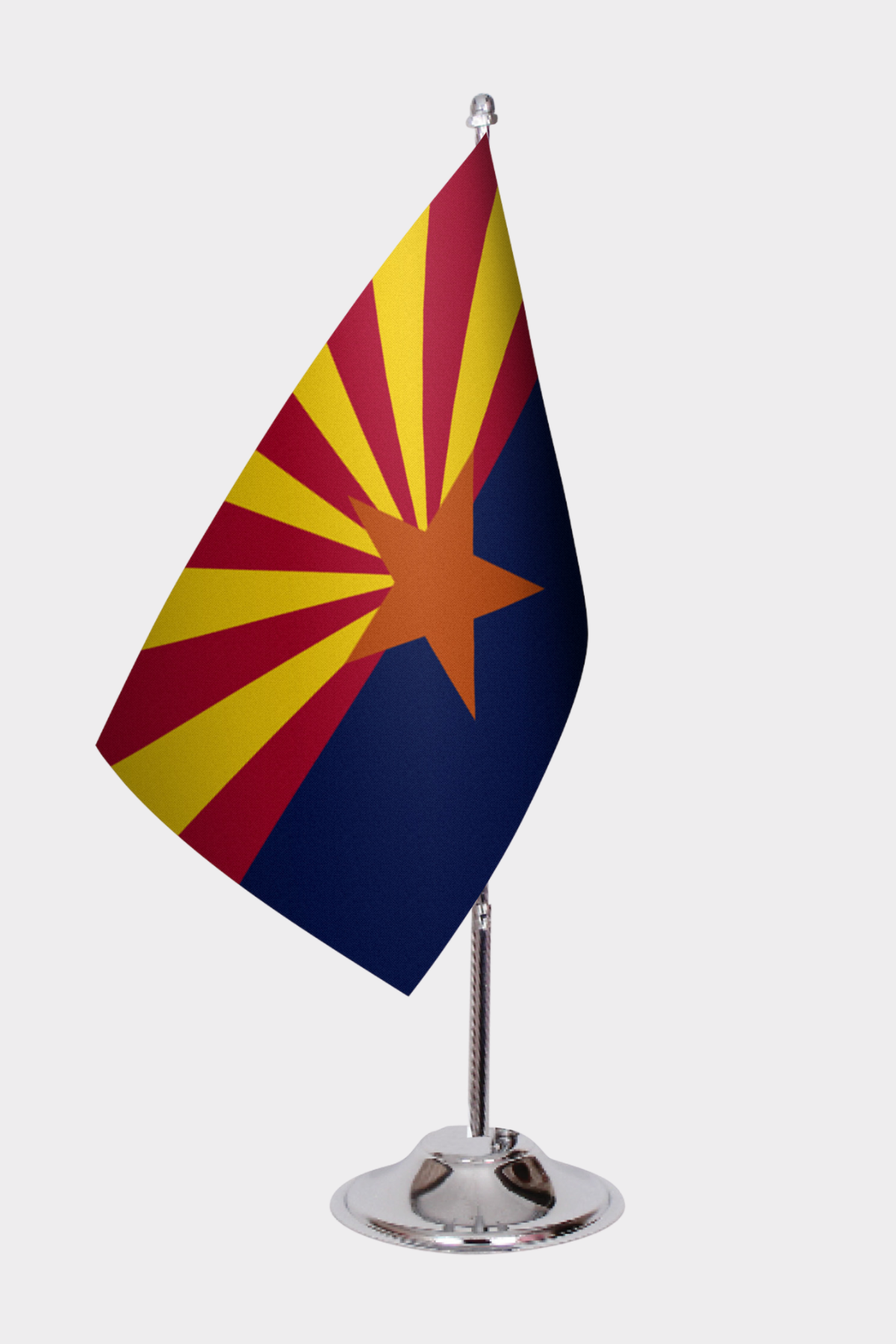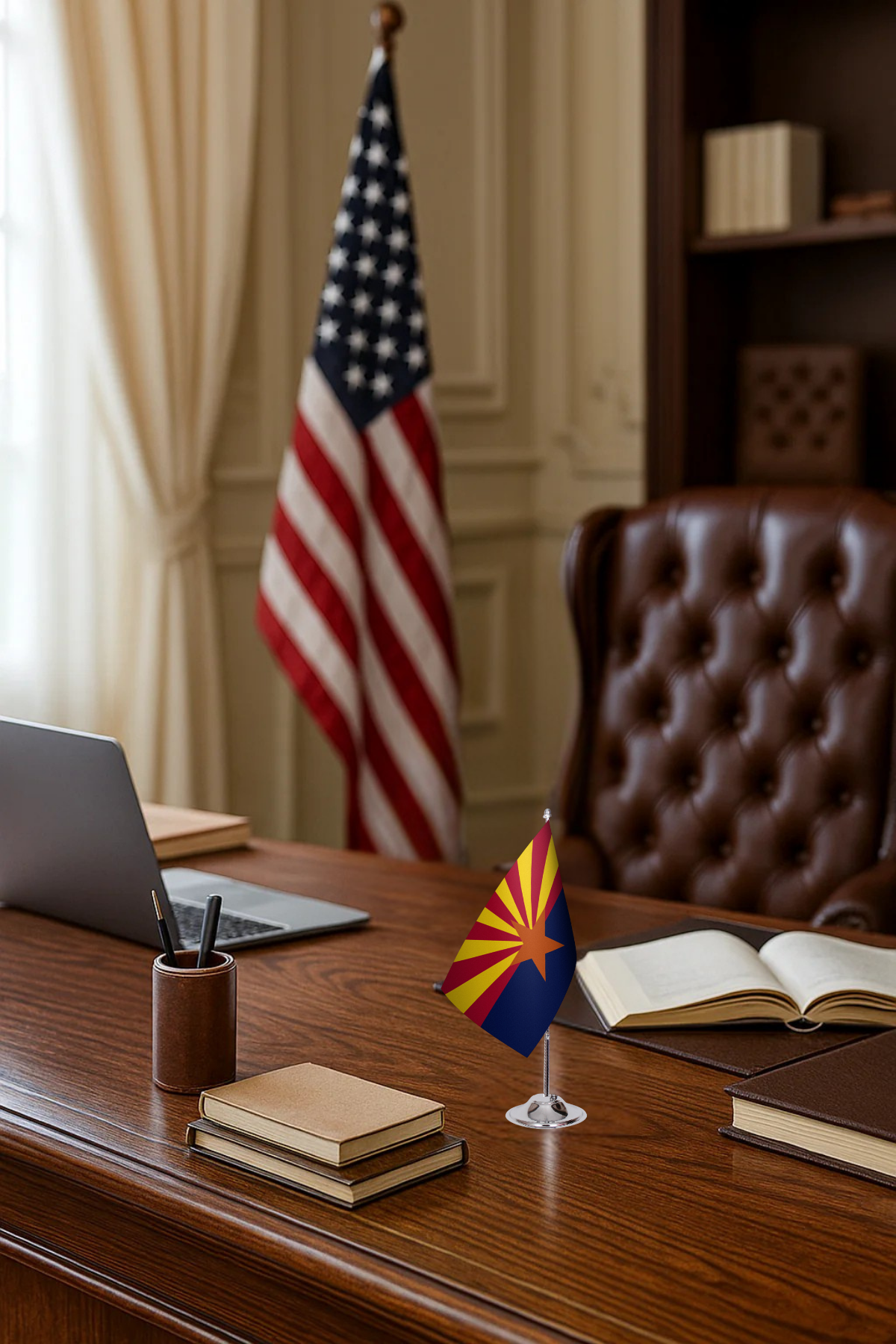




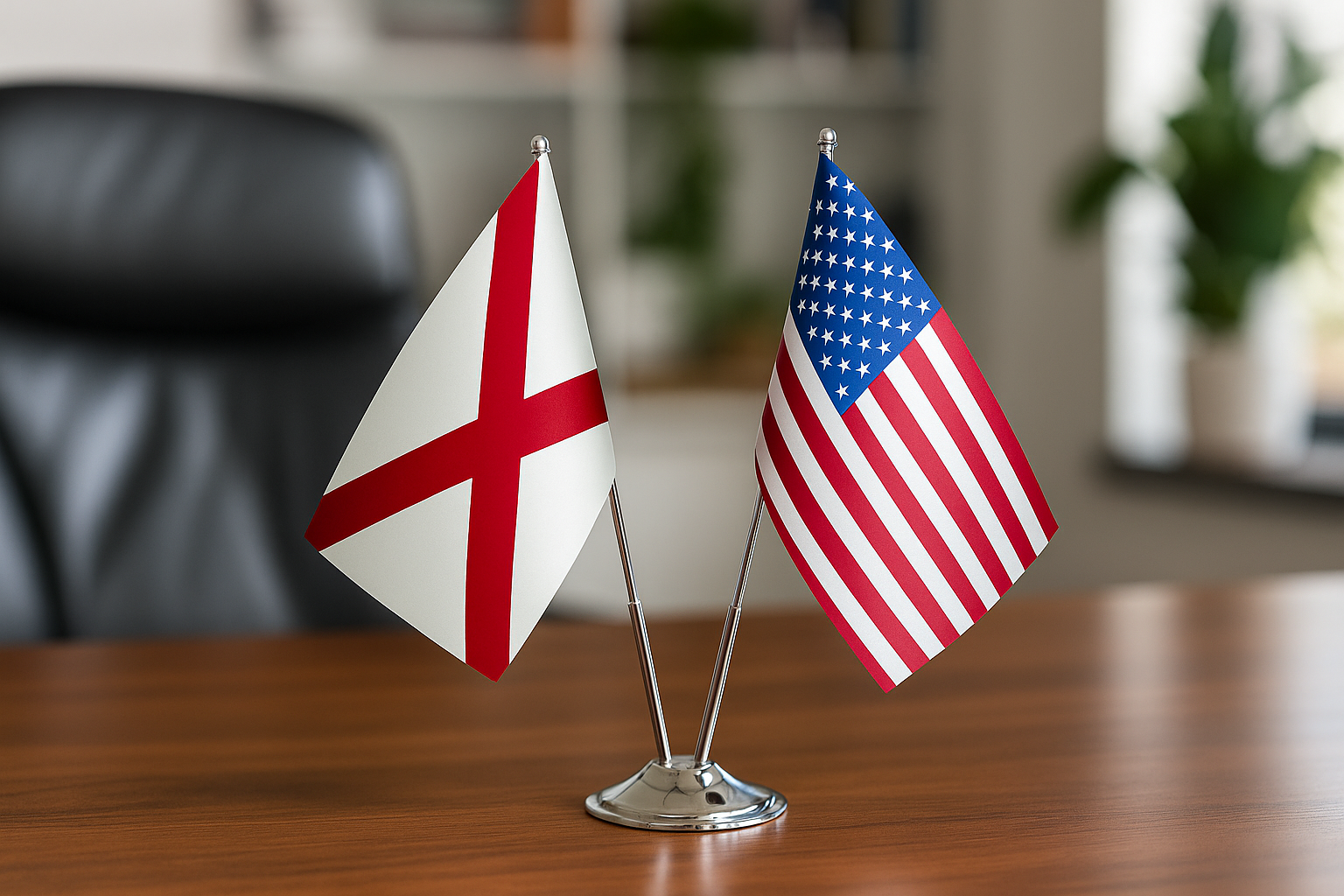




When displaying a state flag alongside the US flag, the national flag must always occupy the position of honor — flown to its own right, which is the observer's left — and must be equal in size or larger, never flown higher than the US flag. These rules stem from the US Flag Code (4 USC §§ 1–10) and are reinforced by state-specific protocols that govern how state flag display should be handled in official, civic, and public settings. Understanding proper state flag protocol helps individuals, businesses, and government offices show equal respect for both national identity and regional pride without inadvertently committing a flag etiquette violation.
The Position of Honor: Where Each Flag Goes
The US flag always flies to its own right — meaning when facing the display, the national flag appears on the left side of the grouping, and the state flag goes to its right. This is the single most important rule in state flag display and applies whether flags are flown on outdoor poles, mounted indoors on staffs, or arranged in a ceremonial line.
The concept of the "flag's own right" is rooted in military tradition, where the right flank has historically been the position of greatest honor and strength. According to the US Flag Code (4 USC § 7), when the national flag is displayed with other flags on separate staffs, it must be at the center and highest point or, when displayed in a line, at the far right from the flag's perspective. This means that if you are standing in front of two flagpoles — one carrying the Stars and Stripes and one carrying your state flag — the US flag should be on your left. Many display errors happen precisely at this point, as people naturally assume the "left" from the viewer's perspective is correct, but the rule is written from the flag's vantage point, not the observer's. Organizers setting up for civic events, school ceremonies, or government meetings should double-check this positioning every time they raise flags together.
Height and Size Requirements for State Flag Protocol
The US flag must never fly lower than the state flag on any pole arrangement, and when using a single flagpole to fly both, the national flag must always be at the top. Size matters too: the state flag should be equal in size or smaller than the national flag — never larger.
In practical terms, most standard outdoor residential setups use a 3 ft × 5 ft (91 cm × 152 cm) US flag paired with a matching 3 ft × 5 ft state flag. For commercial or government buildings with taller poles — often 25 ft to 35 ft (7.6 m to 10.7 m) — a 4 ft × 6 ft (122 cm × 183 cm) or even a 5 ft × 8 ft (152 cm × 244 cm) flag is more proportional and maintains visual balance across the ensemble. On a single pole, halyard spacing between flags should allow the flags to fly freely without entangling; most flag experts recommend at least 12 inches (30 cm) of separation between the bottom of the US flag and the top of the state flag's attachment point. Some states, including Texas and California, publish their own guidelines suggesting specific size ratios for official state buildings, so checking your state's administrative code is always a wise step when setting up a permanent display.
Indoor Display Rules for State and US Flags
Indoors, the US flag still takes the position of honor — to the speaker's right when displayed on a stage or platform, or to the audience's left when mounted on staffs in a room. The state flag is placed to the speaker's left, or on a staff to the audience's right.
 Indoor state flag rules also address the physical staffs themselves: both the US flag and state flag staffs should be approximately equal in height, with finials (the decorative top piece, typically an eagle or spear for the US flag) at the same level. The national flag's staff should have the eagle finial per longstanding American ceremonial tradition, while the state flag may use a spear or ball finial. Wall-mounted crossed flags — sometimes used in offices or courtrooms — should always place the US flag on the right side of the display from the observer's perspective, crossing over the top of the state flag's staff. For guidance on finding properly sized indoor flags for official settings, the State and City Indoor Flags collection offers a range of options built to standard ceremonial dimensions that make indoor placement compliant and visually cohesive.
Many state legislatures and courthouses maintain very specific written protocols for indoor flag arrangements. Texas, for example, specifies in the Texas Flag Code (Texas Government Code §3100.001 et seq.) that the Texas state flag may be displayed at the same height as the US flag when both are indoors, provided the national flag still occupies the honored right-hand position. Always consult your state's own flag statutes alongside the federal US Flag Code to ensure full compliance in official indoor environments.
Flagpole Arrangements: Two Poles, Three Poles, and More
When multiple flagpoles are used, the US flag always occupies the center pole if there is an odd number, or the far right pole (from the flags' perspective) if there is an even number, with other flags arranged outward. The state flag traditionally takes the position immediately to the left of the national flag.
Three-pole arrangements are extremely common in front of government buildings, schools, and corporate campuses. In this setup, the US flag flies from the center pole and should be raised to a height equal to or greater than the flanking flags. The state flag goes on the pole to the viewer's right (the flag's left), and the third position — often used for a municipal flag, corporate flag, or military branch flag — goes on the pole to the viewer's left. When more than three flags are displayed together, such as during multi-state conferences or Olympic-style civic events, FIAV (Fédération Internationale des Associations Vexillologiques) standards suggest arranging additional flags alphabetically outward from the center, though the US flag always maintains the center-highest position regardless of the total count. Spacing between poles should be proportional: for 20 ft (6 m) poles, a 6 ft to 8 ft (1.8 m to 2.4 m) separation between pole bases is considered standard for visual clarity and safe flag clearance.
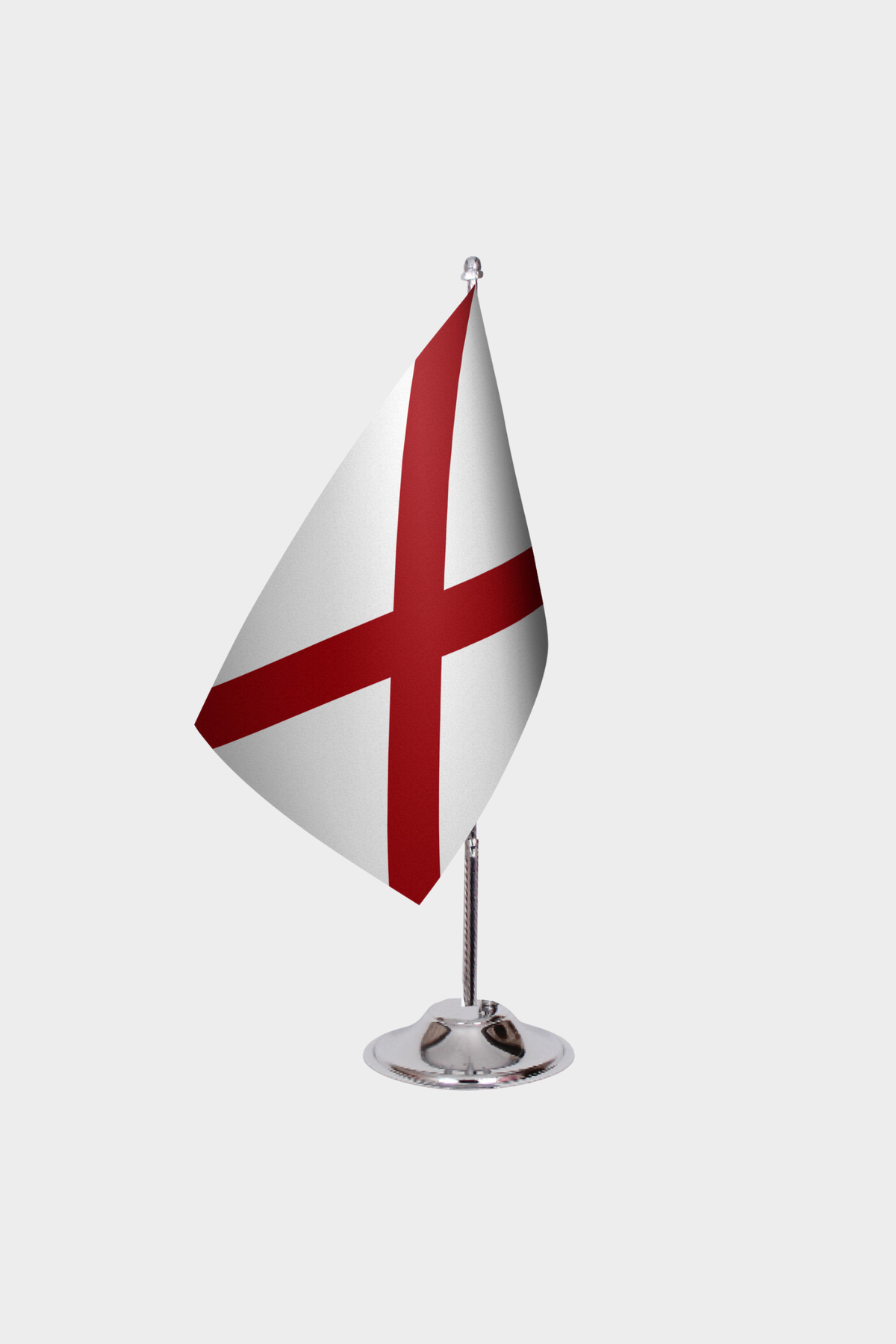
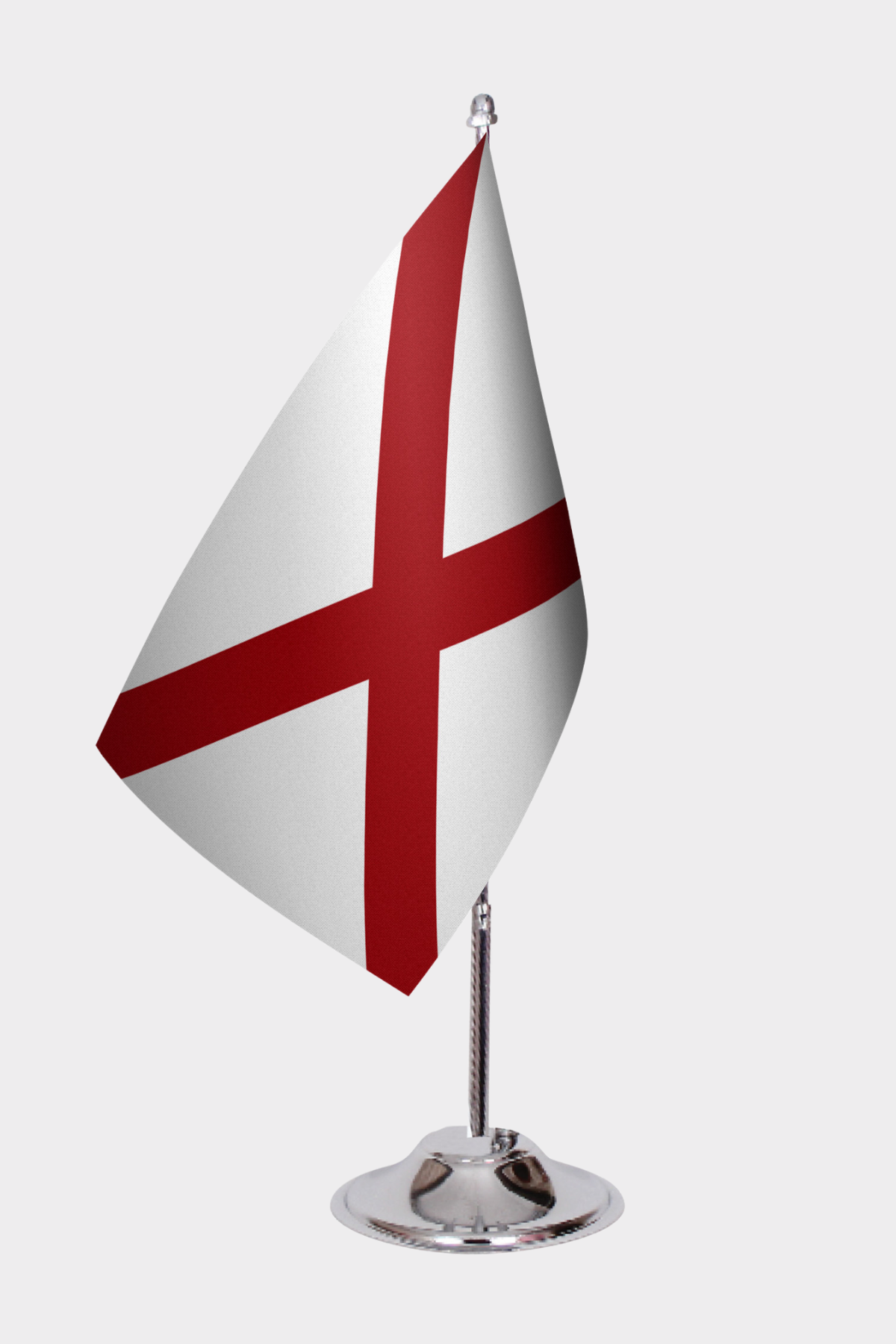
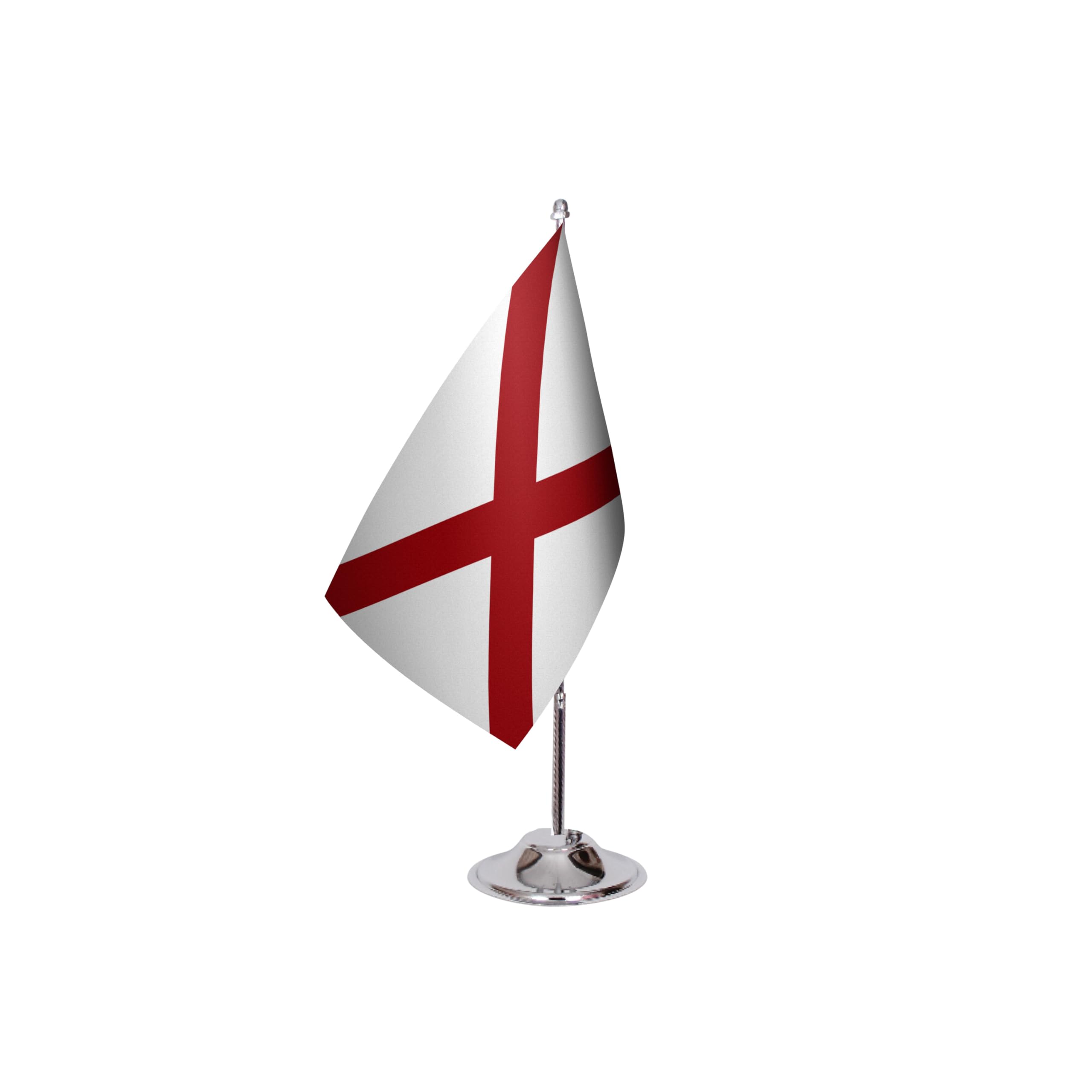
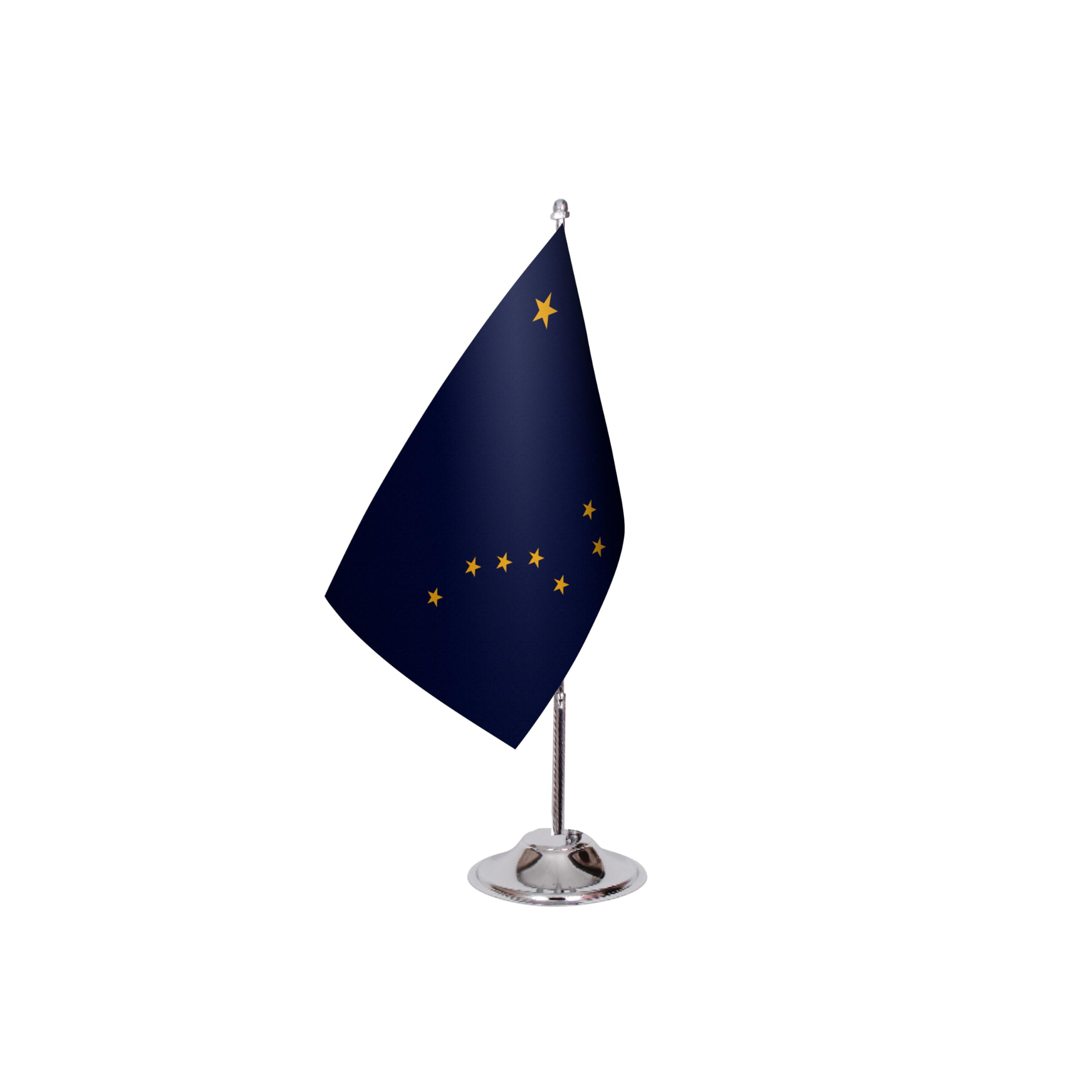
USA State Desk Flags
Professionally crafted desk flags for all 50 US states — ideal for offices, reception areas, and classrooms where compact, dignified state representation is needed alongside the national flag.
Browse Collection →Half-Staff Rules: Does the State Flag Follow the US Flag Down?
When the US flag is ordered to fly at half-staff, the state flag should also be lowered to half-staff as a sign of mourning solidarity — but the national flag must still be raised to full-staff first before being lowered to the halfway point, following the ceremonial protocol. State flags follow the same raise-then-lower procedure.
Half-staff orders can be issued by the President of the United States under federal authority, or by a state governor for state-specific occasions such as the death of a prominent state official or a local tragedy. When a governor issues a half-staff proclamation, it applies to all flags flown within that state's jurisdiction, including US flags on state-owned property, though federal installations are only obligated to follow presidential orders. The sequence for raising flags to half-staff is important: both the US flag and the state flag should be raised briskly to the top of the pole, then solemnly lowered to the half-staff position together. At retreat (when flags are lowered for the day), they are first raised to the top of the staff again before being lowered all the way down. This two-step process — up, then down to half; then up again before full lowering — is a consistent requirement across federal and most state flag codes.
Common State Flag Display Mistakes to Avoid
The most frequent errors in us state flags display include flying the state flag higher than the national flag, placing the state flag to the national flag's right (its position of honor), using a state flag larger than the US flag, and leaving flags illuminated at night without proper lighting. Each of these mistakes, while often unintentional, violates established flag protocol.
Lighting is a point many flag owners overlook: the US Flag Code specifies that the flag should only be flown at night if it is "properly illuminated during the hours of darkness." This same expectation logically extends to state flags displayed alongside it, and many municipalities have adopted local ordinances reinforcing nighttime illumination requirements. Fraying and fading are practical concerns too — outdoor nylon or polyester flags exposed to full sun typically have a lifespan of 6 months to 2 years depending on climate, with UV-resistant fabrics rated at 80% UV resistance offering significantly longer service life. Flying a tattered or severely faded state flag beside a pristine US flag reflects poorly on the entire display and may itself be considered disrespectful under the spirit of flag etiquette guidelines. Regularly inspecting flags for wear and replacing them proactively is part of responsible state flag protocol — and it ensures your display always represents both nation and state with the dignity each deserves.
Special Situations: Events, Parades, and Foreign Visitors
During parades, the US flag marches at the front or to the right of any procession line, with state flags carried behind or to its left; when a foreign dignitary visits, foreign national flags are treated as equals to the US flag and placed accordingly, while state flags yield to both. Knowing these special-case rules prevents awkward protocol failures at high-visibility civic events.
Parade formations in most US states follow guidance issued by the American Legion and Veterans of Foreign Wars, which specify that carried flags should always have the US flag at the head of the column or, in a side-by-side formation, in the position of honor to the marching right. State flags carried by color guards typically walk one step behind the national flag bearer when in single-file formation. For trade shows, conventions, or civic expos where both US and state flags are displayed at booth settings, the same right-of-honor principle applies: the US flag stands to the flag's own right, the state flag to its left, and both should be mounted at equal heights on matched staffs. When hosting international guests and flying a foreign nation's flag alongside the US and state flags on a three-pole setup, the foreign flag takes the position formerly held by the state flag (immediately left of center), and the state flag shifts to the outermost position on the arrangement's left side.
Can the state flag ever be flown at the same height as the US flag? +
What size state flag should I pair with a 3x5 ft US flag? +
Is there a law that requires you to display the state flag with the US flag? +
Which side does the state flag go on when displayed with the US flag indoors? +
Should the state flag be lowered to half-staff when the US flag is at half-staff? +
How long do outdoor state flags typically last before needing replacement? +
Can a state flag be displayed on the same pole as the US flag? +
Proper state flag display is more than a matter of ceremony — it reflects genuine respect for both national unity and the distinct identity of each of the 50 states. Whether you are setting up flags for a government office, a school, a corporate headquarters, or a home display, following the guidelines established by the US Flag Code (4 USC §§ 1–10) and your state's own flag statutes will ensure your arrangement is always dignified and correct. For outdoor setups, the USA Outdoor Flag is purpose-built for durability and weather resistance, making it an ideal anchor for any multi-flag display. For indoor ceremonial needs, the State and City Indoor Flags collection offers professionally finished flags in standard ceremonial dimensions ready for staff mounting. If you need compact desk or tabletop versions for offices and conference rooms, browse the full USA State Desk Flags collection for all 50 states. Bulk pricing is available for corporate, institutional, and government orders — contact Asya Bayrak LLC directly to discuss volume requirements and custom specifications.