


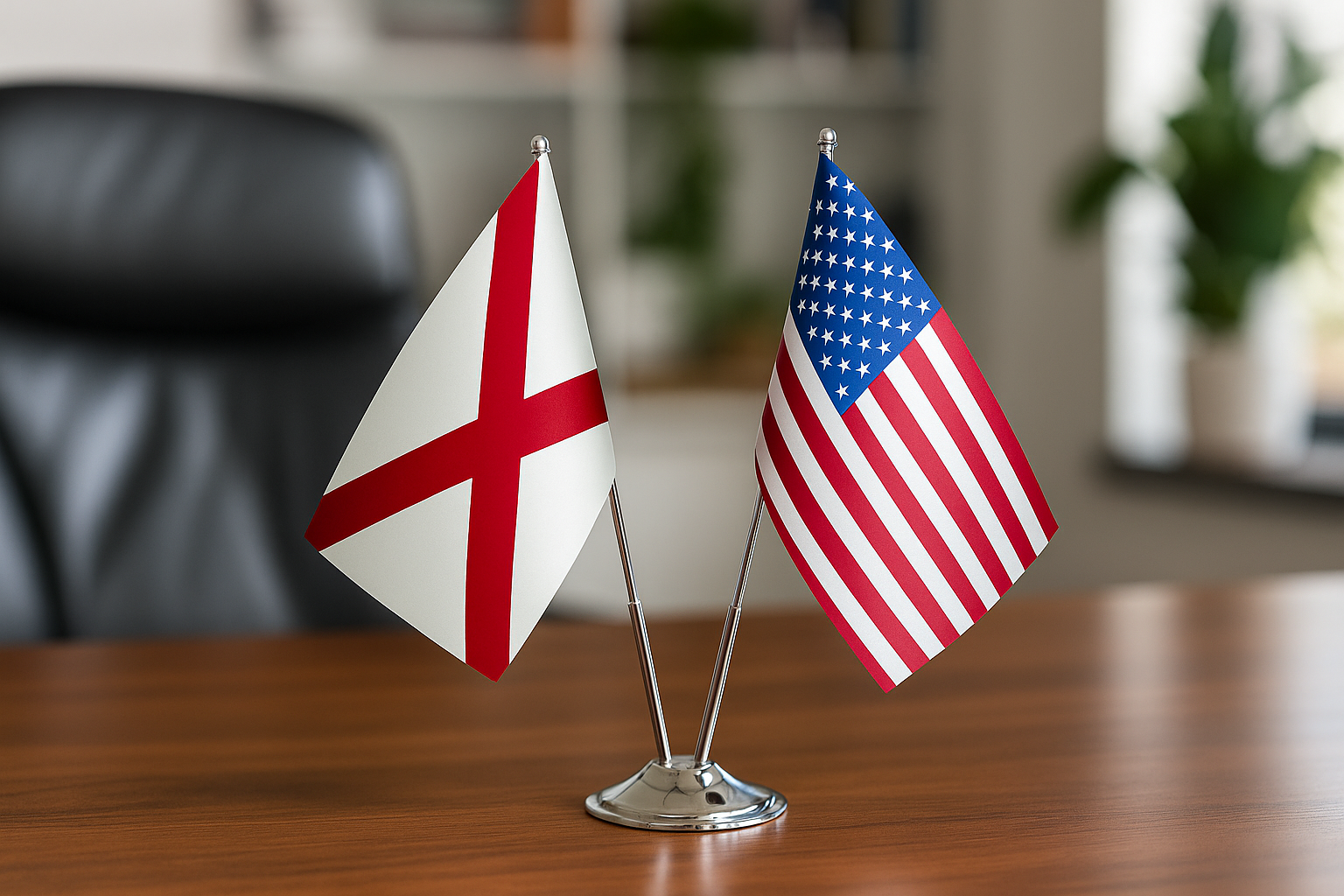




On Patriot Day — September 11 — the United States flag must be flown at half-staff from sunrise until sunset in solemn remembrance of the nearly 3,000 lives lost in the 2001 terrorist attacks. This requirement is mandated by federal proclamation and observed by every public building, military installation, and naval vessel across the nation, making proper 9/11 flag protocol one of the most widely followed flag observances on the American calendar.
What Is Patriot Day and Why Does the Flag Matter?
Patriot Day, observed annually on September 11, is a federally designated day of remembrance established by Congress in 2001 and signed into law in December of that year (Public Law 107-89). The patriot day flag display is not optional for federal entities — it carries the full weight of federal statute and presidential proclamation, issued every year without exception. For ordinary citizens, flying the september 11 flag is a powerful act of solidarity and respect that connects communities across all 50 states to a shared national wound and a shared commitment to resilience. Unlike some patriotic holidays that carry a celebratory tone, Patriot Day is intentionally solemn, and the flag's lowered position reflects that gravity precisely.
The US Flag Code (4 USC §§ 1-10) provides the foundational framework for flag etiquette, but it does not itself mandate half-staff observances — those come through presidential proclamations issued under the Half-Staff Act of 1954. Every year, the sitting president formally directs that the flag be lowered on September 11, and governors routinely issue parallel state-level proclamations. The consistency of these dual federal-state directives makes patriot day half staff one of the most uniformly observed flag protocols in American life, rivaled only by Memorial Day and Flag Day in its national reach.
The Official Half-Staff Requirement: Timing and Height
The patriot day half staff rule requires the flag to be lowered to half-staff — defined as the midpoint of the flagpole — from sunrise to sunset on September 11 each year. This means the flag should be raised briskly to the peak first, then slowly lowered to the half-staff position, a procedure outlined in the US Flag Code to preserve ceremonial dignity. At the end of the day, the flag must again be raised ceremonially to the peak before being lowered all the way down for storage — a step many flag owners overlook but that is explicitly required by proper protocol.
Half-staff is technically defined as one flag-width below the peak of the staff. On a standard residential 20 ft (6.1 m) pole, that places the flag's top approximately 18 ft (5.5 m) above the ground. For flagpoles taller than 20 ft (6.1 m) — common in commercial and government settings — the calculation remains proportional: the flag's top edge should sit at roughly 90% of the total pole height. Observers using telescoping residential poles should take care to visually verify the midpoint rather than guessing. An improperly positioned flag, even when flown with sincere intent, can detract from the solemnity the day demands.
Choosing the Right Flag for September 11 Observance
 Selecting the right flag for a september 11 flag display is more than an aesthetic decision — it is a matter of durability, visibility, and respect. Outdoor flags intended for extended half-staff display should be constructed from heavyweight nylon or polyester rated for outdoor use, with a minimum UV resistance of 80% to ensure colors remain vivid under direct sunlight. A typical outdoor flag in these materials carries a lifespan of 6 months to 2 years depending on wind exposure and climate, so inspecting your flag before September 11 each year is a sensible maintenance habit. For residential poles, the most common size is 3 ft × 5 ft (0.9 m × 1.5 m), while commercial and government installations typically display flags measuring 4 ft × 6 ft (1.2 m × 1.8 m) or larger. The USA Outdoor Flag is engineered specifically for this kind of sustained outdoor performance, with reinforced header and brass grommets that resist corrosion even in coastal or high-humidity environments.
Beyond material selection, flag proportions matter under FIAV (Fédération Internationale des Associations Vexillologiques) standards, which specify an aspect ratio of 1:1.9 for the American flag — meaning a 3 ft × 5 ft (0.9 m × 1.5 m) flag is the closest standard size to that ratio available for residential use. Flags that deviate significantly from this ratio can appear distorted when displayed at half-staff, undermining the visual solemnity intended for the occasion. Whether you are a homeowner, a business owner, or a civic organization, investing in a properly proportioned, weather-grade flag is the single most impactful step you can take toward dignified Patriot Day observance.
Who Is Required to Follow 9/11 Flag Protocol?
Federal law and presidential proclamation formally require all federal government buildings, military posts, naval vessels, and embassies abroad to display the patriot day flag at half-staff on September 11. State and local governments are directed — though not federally compelled — to follow suit, and virtually all do so through their own gubernatorial proclamations. Private citizens, businesses, and organizations are strongly encouraged to participate but are not legally penalized for non-compliance, as the Flag Code does not carry criminal enforcement provisions for private parties.
Schools present a particularly visible opportunity for meaningful observance. Many school districts across the country hold brief flag ceremonies on the morning of September 11, raising the flag to full staff, pausing for a moment of silence, then lowering it to half-staff — a sequence that models proper 9/11 flag protocol for younger generations who have no direct memory of the attacks. Corporate campuses, sports stadiums, and houses of worship frequently join the observance voluntarily, and their participation amplifies the collective weight of the day. If your organization has a flagpole and has not yet established a formal September 11 protocol, doing so is a straightforward gesture that resonates deeply with employees, congregants, and customers alike.
Common Mistakes to Avoid on Patriot Day
The most frequent error in patriot day half staff observance is simply forgetting to lower the flag at all — or lowering it to the wrong height. A flag at two-thirds of pole height rather than one half is a common visual mistake, especially on shorter residential poles where the midpoint is difficult to judge by eye. Using a tape measure once to mark your halyard at the correct stopping point will prevent this problem every year going forward.
A second common mistake is leaving the flag at half-staff after sunset without retrieving it. The presidential proclamation specifies sunrise-to-sunset observance, not an all-night display. Leaving a flag flying after dark — unless it is continuously illuminated by a dedicated spotlight — violates Flag Code provisions about nighttime display (4 USC § 6(a)) and diminishes the intentionality of the half-staff gesture. A third error involves the order of operations: many people simply lower the flag directly from full-staff to half-staff without first raising it to the peak. The Flag Code is explicit that the flag must travel to the top before being lowered, a ceremonial movement that distinguishes respectful half-staff display from simple neglect.
Caring for Your Flag Before and After September 11
Proper flag maintenance ensures that your september 11 flag display is as dignified as the occasion demands. Before September 11, inspect your flag for fraying edges, faded colors, or torn grommets — a worn flag should be retired through a dignified disposal ceremony, typically burning in private according to Flag Code guidance, rather than flown on a day of solemn national remembrance. Most quality outdoor flags last 6 months to 2 years under average conditions, but flags in high-wind coastal environments may need replacement more frequently.
After the observance, clean and store your flag properly to extend its service life. Machine washing on a gentle cycle in cold water is safe for nylon and polyester flags; avoid bleach, which degrades UV-resistant coatings. Air-dry the flag completely before folding to prevent mildew, then fold it in the traditional 13-fold triangular pattern that honors the flag's symbolism year-round. If your flag sustained significant fading or damage during the display, September 11 is an appropriate occasion to begin planning a replacement so you are prepared for the next observance — whether that is Veterans Day on November 11, Pearl Harbor Remembrance Day on December 7, or the following Patriot Day.
Flags Collection
Browse our full range of durable, weather-grade American flags built for dignified outdoor display on Patriot Day and every national observance throughout the year.
Browse Collection →Frequently Asked Questions About Patriot Day Flag Display
Is flying the flag at half-staff on September 11 legally required? +
What time should I raise and lower the flag on Patriot Day? +
Where exactly is half-staff on a standard 20 ft residential flagpole? +
Can I leave the flag out overnight on September 11? +
What size American flag is best for a residential Patriot Day display? +
How do I properly retire a worn or faded flag before September 11? +
Are there other half-staff days I should know about besides Patriot Day? +
Flying your patriot day flag with precision and care is one of the most direct ways any American — at home, at work, or in a civic role — can participate in the collective act of remembrance that defines September 11. From verifying the correct half-staff height on your pole to choosing a weather-grade flag that will represent the nation with dignity, every detail matters on this solemn day. Equip yourself with the right flag by exploring the USA Outdoor Flag built for sustained outdoor performance, or browse the complete Flags Collection at Asya Bayrak LLC to find the size and material that suits your installation. Bulk pricing is available for corporate, municipal, and institutional orders — contact us directly to discuss quantity discounts for organizations observing 9/11 flag protocol across multiple sites.