

When choosing between triangular vs rectangular bunting flags, the shape you select directly affects the visual style, coverage area, and ideal application for your event or venue. Triangular pennant-style buntings create a festive, energetic feel suited to celebrations and sports, while rectangular buntings display full flag designs with more visual detail — making each bunting shape the right tool for a different decorating job. For a full overview of how to use both formats effectively, our guide on bunting flags: uses and how to hang them is an excellent starting point before you commit to a style.
What Are Triangular Bunting Flags?
Triangular bunting flags are pennant-shaped decorative flags strung together on a cord, with each individual flag cut into a pointed triangle rather than a rectangle. They are one of the oldest forms of festive decoration found in cultures around the world, and today they remain a staple at outdoor events, retail grand openings, street festivals, and sports arenas precisely because their pointed shape creates a continuous zigzag silhouette that catches the eye from a distance. A typical triangular pennant measures approximately 6 in × 9 in (15 cm × 23 cm) per flag, though professional-grade decorating strings often use larger pennants running 8 in × 12 in (20 cm × 30 cm) to maximize visibility across wide venues. Because the shape is simple, manufacturers can print country flags, national colors, or custom graphics on each triangle while keeping per-unit material costs low — which is why they are frequently chosen for bulk orders covering hundreds of linear feet of decoration.
The triangular shape does carry one important trade-off: a pennant can only display a simplified or cropped version of a country's flag design, since the pointed lower corner removes a significant portion of the display area. Designs featuring centered emblems — like the Turkish crescent and star, the Canadian maple leaf, or the Brazilian globe — can be adapted successfully, but highly rectangular or canton-heavy designs (think the UK Union Jack or the US Stars and Stripes) may look distorted or incomplete on a narrow triangle. Event planners and venue decorators should factor this into their decision, especially when the accurate representation of national flags matters for diplomatic, multicultural, or official events.
What Are Rectangular Bunting Flags?
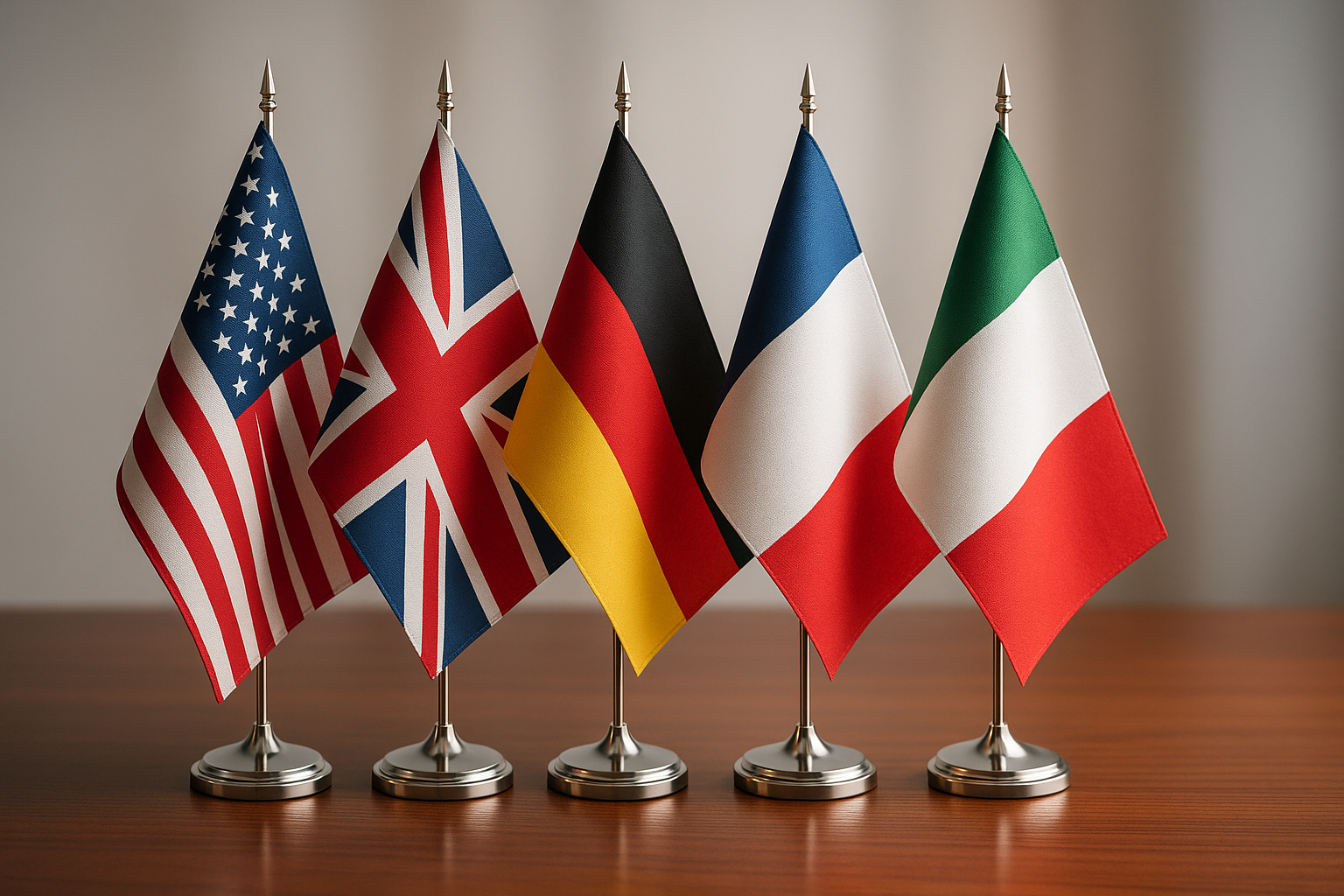
Rectangular bunting flags are strung decorative flags where each individual flag retains the standard rectangular format of an official national or regional banner, preserving the full proportional design of the original. This makes them the preferred choice whenever accurate flag representation is required — such as international trade shows, diplomatic receptions, multicultural festivals, and sports tournaments where the identities of participating nations must be displayed with respect and precision. Standard rectangular bunting flags typically measure 4 in × 6 in (10 cm × 15 cm) up to 8 in × 12 in (20 cm × 30 cm) per flag on the string, maintaining the roughly 2:3 or 1:2 aspect ratios used by most national flags worldwide.
From a purely visual standpoint, rectangular buntings produce a more formal and "official" appearance compared to their triangular counterparts. The flags hang in a neat, evenly spaced row rather than a zigzag line, which suits conference halls, hotel lobbies, ballrooms, and government buildings where clean symmetry is valued over festive movement. The additional fabric area also improves print clarity — fine details like coat-of-arms, multi-pointed stars, or complex heraldic elements all reproduce far better on a rectangle than on a triangle. If your event calls for guests from multiple nations to feel genuinely welcomed and represented, the rectangular format is generally the more respectful and professionally appropriate choice.
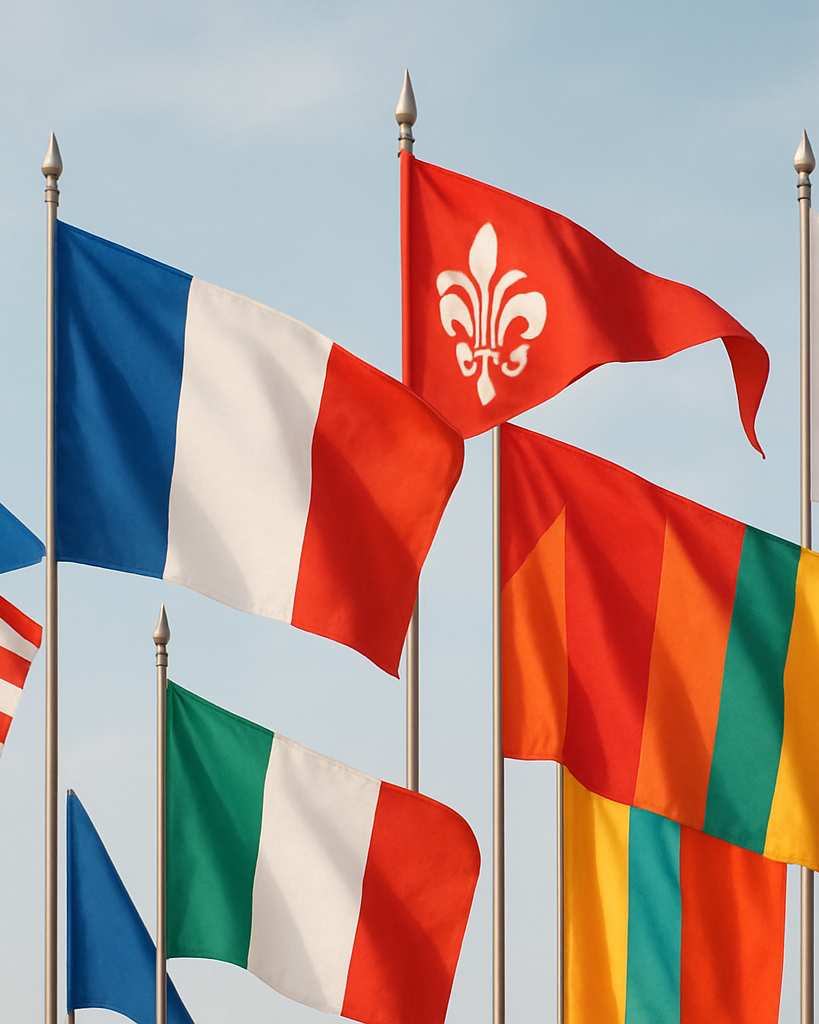
 Triangular country flag buntings like the 3 Hilal Triangular Flag Bunting demonstrate how pennant-style strings can carry bold national symbols — in this case the iconic Turkish crescent and star — across a wide decorating run without sacrificing recognizability. Each pennant is individually printed so the color saturation remains vivid even at the pointed tip, and the overall string creates the classic zigzag roofline silhouette that event decorators have relied on for generations. These strings are typically produced in lengths of 20 ft to 50 ft (6 m to 15 m), allowing a single order to cover an entire venue entrance, stage backdrop, or outdoor perimeter fence efficiently. For events where Turkish cultural identity or national pride is the theme — from community festivals to sports viewing parties — this triangular format strikes the ideal balance between festive energy and national symbolism. When you need to cover larger areas, multiple strings can be chained together seamlessly to extend coverage to 100 ft (30 m) or beyond.
Key Differences in Visual Impact and Coverage
The most immediate practical difference between the two bunting shapes is how much surface area each flag provides per linear foot of string. Rectangular buntings, because each flag is a full-height panel, deliver roughly 30–40% more printed surface area per unit compared to a triangular pennant of the same string pitch. This means country colors, emblems, and text are proportionally larger and easier to read from a distance — important for venues wider than 30 ft (9 m) where guests may be standing 20 ft (6 m) or more from the decoration line.
Triangular buntings, on the other hand, compensate with movement and visual rhythm. The alternating up-down angle of the pennants creates a dynamic flutter effect in even a light breeze, which makes outdoor settings feel more alive and celebratory. Studies in event design consistently find that triangular bunting strings are perceived as "more fun" and "more festive" by attendees, while rectangular strings read as "more professional" and "more official." Neither is objectively better — they serve different emotional registers that experienced event planners match to the tone of the occasion. A street carnival calls for triangles; a G7 summit reception calls for rectangles.
Best Use Cases for Each Bunting Shape
Triangular buntings excel in high-energy, high-volume decorating scenarios where atmosphere matters more than heraldic precision. Rectangular buntings are the correct choice whenever the accurate identity of each nation or organization must be communicated clearly and respectfully. Below is a practical breakdown of where each bunting shape performs best:
- Triangular bunting — ideal for: outdoor street festivals, school sports days, retail grand openings, birthday parties, holiday markets, stadium perimeter decoration, and any venue where 80+ linear feet (24+ m) of coverage is needed on a tight budget.
- Rectangular bunting — ideal for: international conferences, multicultural food and culture festivals, hotel lobbies hosting foreign delegations, graduation ceremonies, naturalization events, diplomatic receptions, and trade show floors where the full flag design must be instantly recognizable.
- Mixed use: Some large-scale events — like international sporting tournaments — use triangular buntings for outdoor perimeter decoration and rectangular buntings for indoor VIP areas and press conference backdrops, leveraging the strengths of both bunting shapes simultaneously.
For planners organizing multicultural gatherings, our in-depth article on country bunting for events and venues covers placement strategy, recommended string lengths per venue type, and how to mix national buntings with venue branding elements — a genuinely useful resource before you place a bulk order.
Triangular Country Bunting Flags
A wide selection of pennant-style country bunting strings ready for festivals, sports events, and large-scale outdoor decoration across 190+ nations.
Browse Collection →Material, Durability, and Weather Resistance
Both triangular and rectangular country buntings are most commonly produced in 75D or 100D woven polyester, which balances printability, tear resistance, and outdoor durability. Properly manufactured polyester bunting strings treated with UV-inhibiting coatings achieve 80% UV resistance and a lifespan of 6 months to 2 years under continuous outdoor exposure, depending on sun intensity and wind conditions. The shape of the individual flag, however, does influence how stress is distributed along the string during high-wind events.
Triangular pennants distribute wind load differently than rectangular flags: because the pointed tip of a triangle offers less resistance than a flat bottom edge, triangular buntings typically experience less total drag force per unit of string in strong winds. This translates to less wear on the cord attachment points and a lower rate of flag tearing along the sewn edge — a meaningful durability advantage for permanent or semi-permanent outdoor installations. Rectangular buntings, carrying more fabric, can act more like individual mini-flags in gusty conditions, which may accelerate fraying at corners if the flags are not double-stitched or hemmed. When ordering rectangular bunting for outdoor events longer than a single weekend, always confirm with your supplier that corner reinforcement or double-fold hems are included in the production specification.
Choosing the Right Bunting Shape for Bulk and Commercial Orders
For commercial buyers — venue operators, event management companies, sports clubs, government procurement offices, and hospitality brands — the triangular vs rectangular bunting decision often comes down to three factors: budget per linear foot, required flag-design fidelity, and reusability across multiple events. Triangular buntings typically cost 15–25% less per linear foot than equivalent rectangular buntings of the same print quality, making them the economical default for high-volume decorating programs where exact flag accuracy is secondary to festive atmosphere.
Rectangular country buntings command a modest price premium that is almost always justified for international or multicultural events where guests and delegates expect to see their national flags displayed correctly. Misrepresenting a national flag — even unintentionally through a shape-distorted pennant — can be perceived as disrespectful, and in some contexts may conflict with the spirit of flag display standards that many countries maintain under their own national flag codes (analogous to the US Flag Code, 4 USC §§ 1–10, which governs respectful treatment of the American flag). Bulk pricing is available for corporate and institutional orders on both collections, and custom string lengths — from 10 ft (3 m) to 100 ft (30 m) — can typically be accommodated on orders above a minimum unit threshold. Browse the full Rectangular Country Bunting Flags collection to compare available nations, string configurations, and pricing tiers for your next large-scale event.
Frequently Asked Questions
What is the main difference between triangular and rectangular bunting flags? +
Which bunting shape is better for outdoor events? +
Can country flags be accurately shown on triangular bunting? +
How long do bunting flag strings typically last outdoors? +
What standard sizes do bunting flag strings come in? +
Is there a cost difference between triangular and rectangular bunting? +
Can I mix triangular and rectangular buntings in the same event setup? +
Choosing between triangular vs rectangular bunting is ultimately about matching the right bunting shape to the emotional tone, venue type, and flag-accuracy requirements of your specific event. For festive, high-coverage outdoor decoration, explore the Triangular Country Bunting Flags collection — featuring pennant strings for 190+ nations at competitive bulk pricing. For international events where every national flag must be displayed with full design integrity, the Rectangular Country Bunting Flags collection offers the same country coverage in a format your guests and delegates will immediately recognize and respect. For specific event planning guidance — from naturalization ceremonies to school sports days — our article on country bunting for events and venues walks through real-world scenarios in detail. Bulk pricing is available for corporate, institutional, and government orders — contact our team to discuss volume requirements and custom string configurations for your next event.


