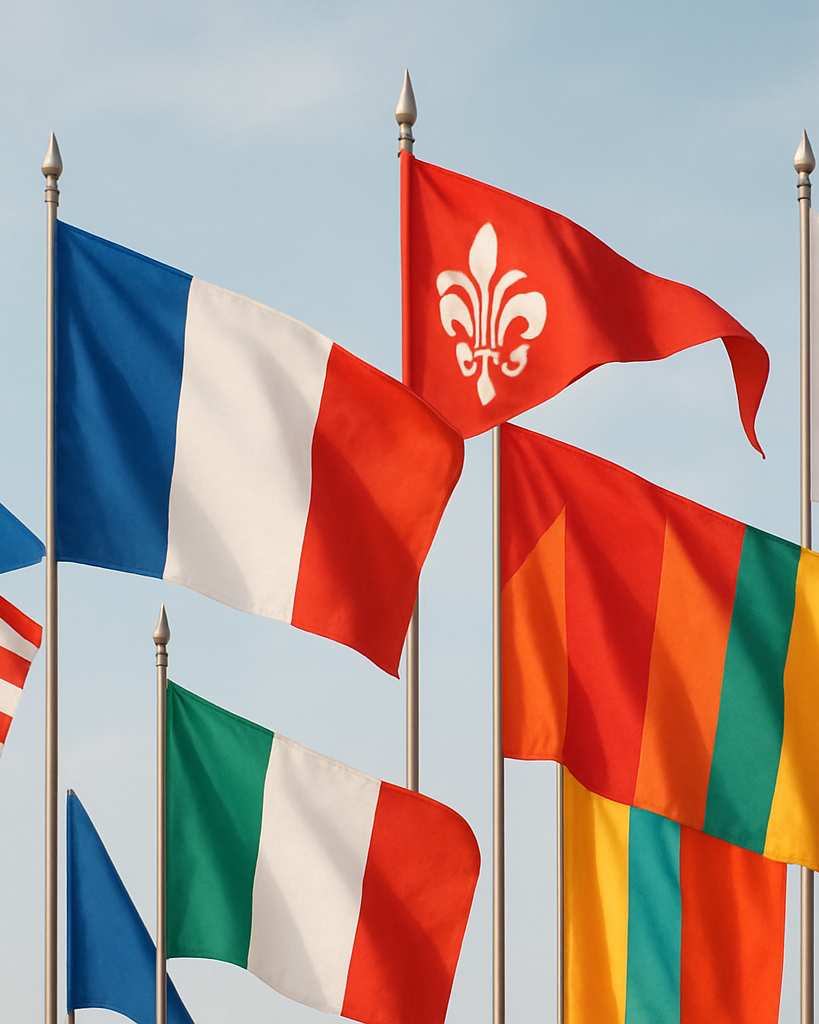

The best outdoor flag materials for harsh climates and high winds are nylon, polyester, and nylon-polyester blends — each offering distinct advantages depending on wind intensity, UV exposure, and precipitation levels. Choosing the wrong fabric can mean a tattered, faded flag within weeks, while the right durable outdoor flag material can deliver 6 months to 2 years of reliable service even in extreme conditions. This guide breaks down exactly what separates a weather resistant flag from one that fails prematurely, so you can make an informed purchasing decision for your home, business, or institution.
Why Material Choice Matters More Than Flag Size
The fabric a flag is made from determines more than 70% of its outdoor lifespan — far more than size or even stitching quality alone. In high-wind environments exceeding 35 mph (56 km/h), the wrong material will develop stress tears at the fly end within days, while a purpose-built heavy duty flag made from the right weave can flex and recover without damage across thousands of wind cycles.
When evaluating outdoor flag durability, consider four critical variables: tensile strength (resistance to tearing), porosity (how easily wind passes through), UV resistance (colorfastness under solar radiation), and moisture management (how quickly the fabric dries to prevent mildew and rot). No single material excels in every category, which is why understanding the trade-offs is essential before purchasing. For flags flown 24/7 on commercial properties, government buildings, or high-elevation sites, material selection is a safety and compliance issue as much as an aesthetic one — the US Flag Code (4 USC §§ 1-10) specifies that the flag should be displayed in a dignified condition, which means torn or severely faded flags should be retired promptly.
Nylon: The Top Choice for Most Outdoor Applications
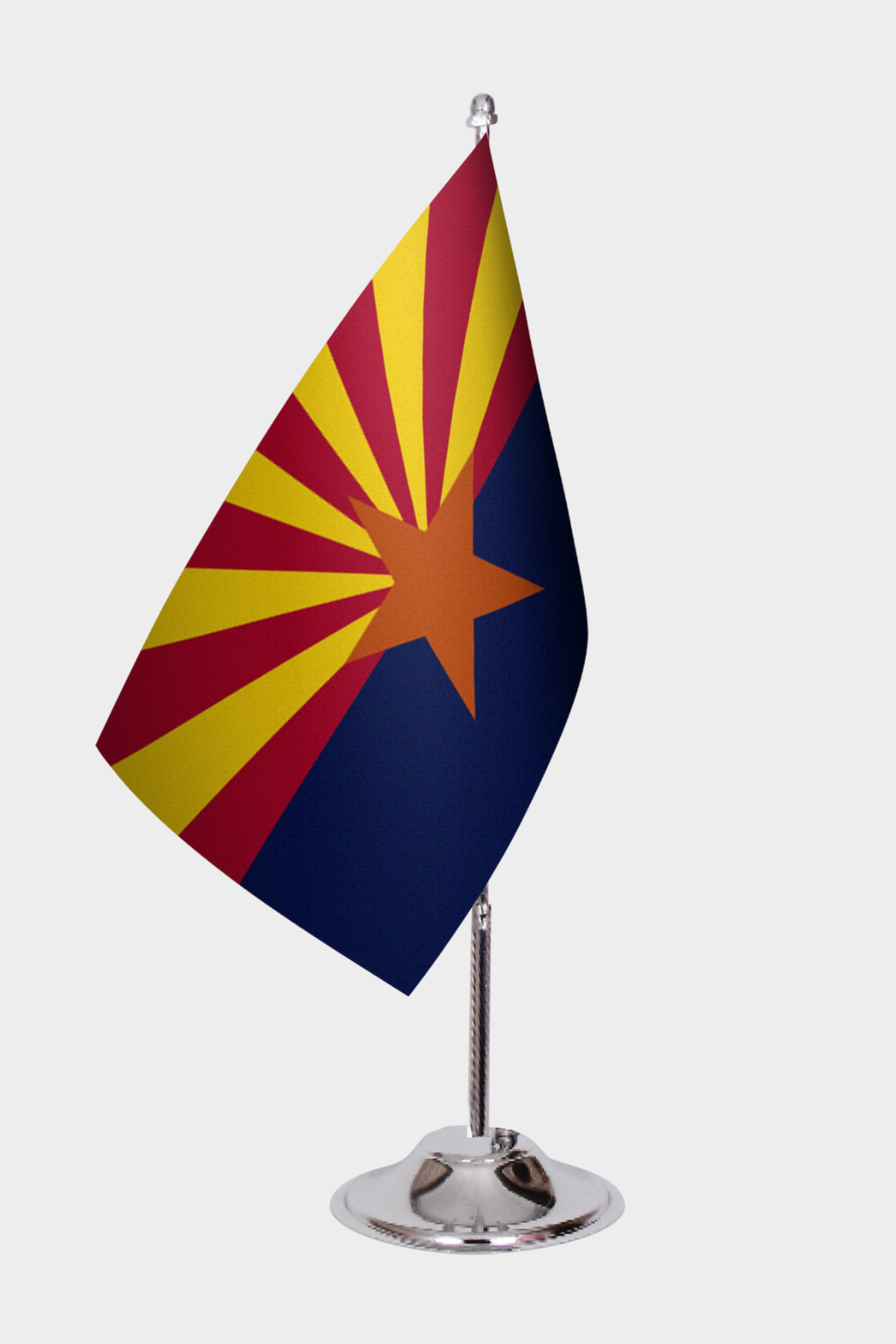
 Nylon is the gold standard for weather resistant flags in most North American climates, accounting for the majority of government and commercial flag installations precisely because of its exceptional balance of strength, weight, and colorfastness. A quality nylon flag typically achieves 80–90% UV resistance when dyed with colorfast pigments, and its lightweight construction (around 2 oz per sq yd / 68 g per sq m) allows it to fly beautifully in winds as low as 5 mph (8 km/h) — an important factor for properties where calm days are common. Nylon also dries extremely fast after rain, typically within 1–2 hours, which dramatically reduces the risk of mold and mildew that degrades fabric over time. For standard outdoor use with regular wind exposure between 15–35 mph (24–56 km/h), a commercial-grade nylon flag offers an expected lifespan of 90 days to 12 months when flown daily. Browse our USA Outdoor Flag crafted from premium nylon to see how this material performs in real outdoor conditions. The main limitation of nylon is that in sustained winds above 40 mph (64 km/h), its lighter weave can be more susceptible to fraying at the fly end compared to heavier polyester alternatives.
Nylon flags are also the preferred choice under FIAV (Fédération internationale des associations vexillologiques) standards for official flag reproduction, because the fabric accepts dye evenly and maintains color vibrancy across a wide temperature range — from sub-zero winters to desert summers. If you're flying a flag in a moderate climate with occasional wind events, nylon delivers the best combination of visual impact and practical durability for the price.
Polyester: Built for Extreme Wind and Coastal Environments
Polyester is the superior material choice for high wind flags in genuinely extreme environments — coastal areas, mountain ridges, industrial sites, and locations where sustained winds regularly exceed 40 mph (64 km/h). Its heavier weave (typically 3–4 oz per sq yd / 100–135 g per sq m) and tighter fiber structure provide significantly higher tear resistance than nylon, making it the go-to heavy duty flag fabric for the most demanding installations.
The structural advantage of polyester comes from its denser construction. When wind pushes against a polyester flag, the tighter weave distributes stress more evenly across the entire fabric surface rather than concentrating it at stress points like the fly end and header. This translates directly to a longer usable lifespan in high-wind zones — commercial polyester flags routinely achieve 12 to 24 months of service life in locations where nylon flags might last only 60–90 days. Polyester also offers excellent UV resistance, typically rated at 85–95% UV protection, which makes it ideal for sun-baked climates in the American Southwest, Florida, and California. The trade-off is that polyester is heavier, requiring winds of at least 10–12 mph (16–19 km/h) to fly properly, and it takes longer to dry than nylon — potentially 4–8 hours after heavy rain. In climates with frequent rainfall, this extended drying time increases the importance of proper overnight storage protocols to maximize flag lifespan.
Nylon-Polyester Blends: The Versatile Middle Ground
Nylon-polyester blend flags deliver a balanced performance profile that sits between the lightweight responsiveness of nylon and the brute-force durability of pure polyester, making them an excellent choice for variable climates with unpredictable wind patterns. These blended fabrics typically achieve 85–90% UV resistance and offer a middle-weight construction of around 2.5–3 oz per sq yd (85–100 g per sq m) that handles both calm days and wind gusts with equal competence.
For businesses, municipalities, and institutions that fly flags in the continental United States — where weather systems can shift dramatically between seasons — a quality blend fabric offers year-round reliability without requiring seasonal flag changes. The blend construction typically starts flying in winds as low as 7–8 mph (11–13 km/h), bridging the gap between nylon's low-wind performance and polyester's high-wind resilience. Many professional flag suppliers engineer their blend ratios specifically for regional climates: higher nylon content for humid southeastern states, higher polyester content for exposed Great Plains and Mountain West locations. When evaluating any blend flag, ask the manufacturer for the precise fiber ratio and denier count, as these specifications directly correlate with wind and UV performance.
Reinforcement Features That Extend Flag Life in High Winds
Even the best base fabric will fail prematurely without proper structural reinforcement — and for high wind flags, the construction details matter as much as the material itself. The most critical reinforcement zones are the header (the canvas strip along the hoist edge), the fly end hem, and any corner grommets or rope attachment points.
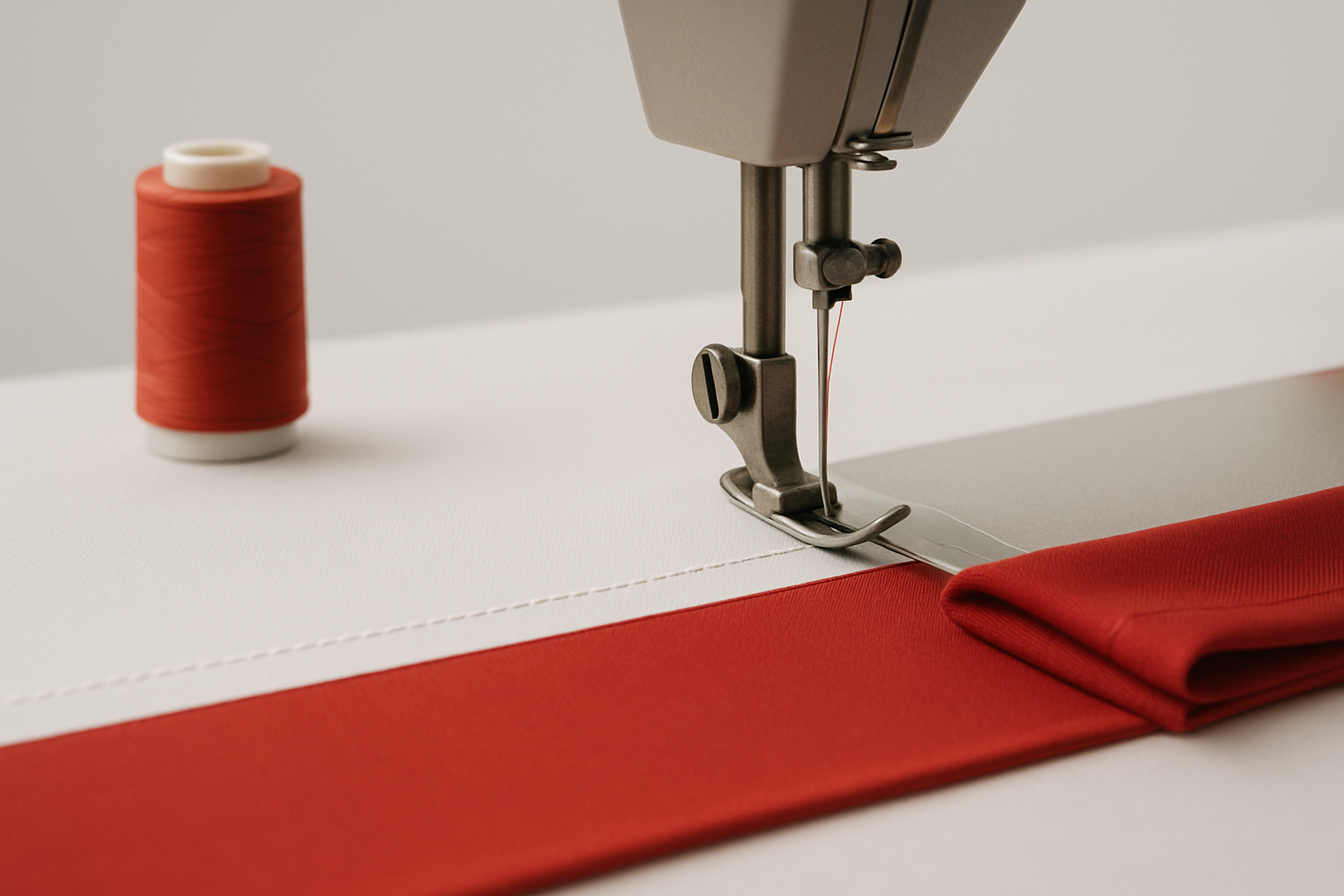
A commercial-grade outdoor flag should feature a canvas or duck cloth header at least 1.5 in (3.8 cm) wide, double or triple stitched with UV-resistant polyester thread rated at a minimum of 200 lb (90 kg) tensile strength. Grommets should be solid brass or stainless steel — not plated zinc, which corrodes rapidly in coastal and humid environments — with a minimum diameter of 3/8 in (9.5 mm) for flags up to 5×8 ft (1.5×2.4 m) and 1/2 in (12.7 mm) for larger sizes. At the fly end, look for a hem allowance of at least 1 in (2.5 cm) with a whip-stitched or serged edge finish, as this is the highest-stress zone where unraveling typically begins. Some premium heavy duty flag manufacturers add fly end reinforcement patches — small triangular pieces of matching fabric sewn into both corners of the fly hem — which can extend fly-end lifespan by 30–50% in sustained wind environments. Quad-stitched perimeter seams (four rows of parallel stitching on all edges) represent the highest construction standard available and are worth the premium cost for flags that will fly continuously in exposed locations.
Climate-Specific Recommendations Across the United States
Different US climate zones create genuinely different flag performance demands, and matching your material choice to your specific regional conditions is the most reliable way to maximize both value and lifespan. A flag that thrives in Seattle will underperform in Phoenix, and vice versa.
In the Pacific Northwest and Great Lakes regions (high humidity, moderate winds, frequent rain), nylon with a tightly finished fly hem is the optimal choice because its fast-drying properties prevent the mildew that destroys heavier fabrics in persistently damp conditions. For the Gulf Coast and Florida (tropical humidity, frequent tropical storm events, intense UV), a heavy polyester with reinforced fly corners and stainless steel grommets is essential — wind gusts during storm season can exceed 60 mph (97 km/h), and salt air accelerates corrosion on inferior hardware. The Great Plains and Mountain West (low humidity, extreme sustained winds, wide temperature swings) demand the highest-grade polyester available, ideally with a Cordura or ripstop weave construction, because sustained winds in these regions regularly exceed 45 mph (72 km/h) for hours at a time. In the Desert Southwest, UV degradation is the primary threat, so the priority is fabric with certified 90%+ UV resistance and fade-resistant solution-dyed fibers rather than surface-printed colors that bleach rapidly under intense solar radiation. Finally, for the Mid-Atlantic and Northeast, where four-season weather creates genuine variability, a nylon-polyester blend rated for both sub-zero temperatures and summer heat is the most practical year-round investment.
Flags Collection
Explore our full range of weather resistant, heavy duty outdoor flags engineered for demanding climates and high-wind environments worldwide.
Browse Collection →Maintenance Practices That Maximize Outdoor Flag Lifespan
Proper maintenance can double the effective lifespan of even a standard-grade durable outdoor flag, turning a 90-day flag into a 6-month performer without any upgrade in fabric quality. The single highest-impact maintenance practice is removing flags during severe weather events — winds above 50 mph (80 km/h) will degrade any flag material rapidly, and no fabric engineering fully compensates for sustained exposure to storm-force winds.
Beyond storm removal, a consistent maintenance routine should include washing flags every 4–6 weeks with mild detergent and cold water (machine wash on gentle cycle for nylon and polyester, hang dry only — never machine dry, as heat degrades UV-protective coatings). Inspect grommets and header stitching monthly, as hardware failure often precedes fabric failure in high-wind environments. Rotating flags between two or three units on a regular schedule — flying one while storing the others — can extend total per-flag lifespan by 40–60% compared to flying a single flag continuously. When the fly end shows fraying of more than 1/2 in (12.7 mm), it is time to retire the flag in accordance with US Flag Code dignified disposal guidelines, typically through a local VFW or American Legion flag retirement ceremony. Investing in a quality flagpole with a rotating truck mechanism also reduces wind fatigue by allowing the flag to pivot with shifting wind direction rather than whipping back and forth across a fixed axis.
What is the most durable outdoor flag material for high winds? +
How long does a weather resistant flag last outdoors? +
Is nylon or polyester better for outdoor flags? +
What features make a flag truly heavy duty for harsh climates? +
Can I fly a flag in winds over 50 mph (80 km/h)? +
How should I properly dispose of a worn outdoor flag? +
What size outdoor flag do I need for my flagpole? +
Selecting the right durable outdoor flag for your specific climate and wind environment is one of the most impactful decisions you can make for long-term performance and cost efficiency. Whether you need a lightweight nylon flag for calm to moderate conditions, a heavy-duty polyester flag built to withstand coastal gales, or a versatile nylon-polyester blend for unpredictable four-season weather, the key is matching fabric weight, UV rating, and construction quality to your site's actual conditions rather than defaulting to the least expensive option. Explore our premium USA Outdoor Flag crafted from commercial-grade materials engineered for demanding outdoor environments, or browse the complete Flags Collection at Asya Bayrak to find the right weather resistant flag for your application. Bulk pricing is available for corporate, government, and institutional orders — contact our team for custom specifications, volume discounts, and international shipping quotes tailored to your procurement requirements.