
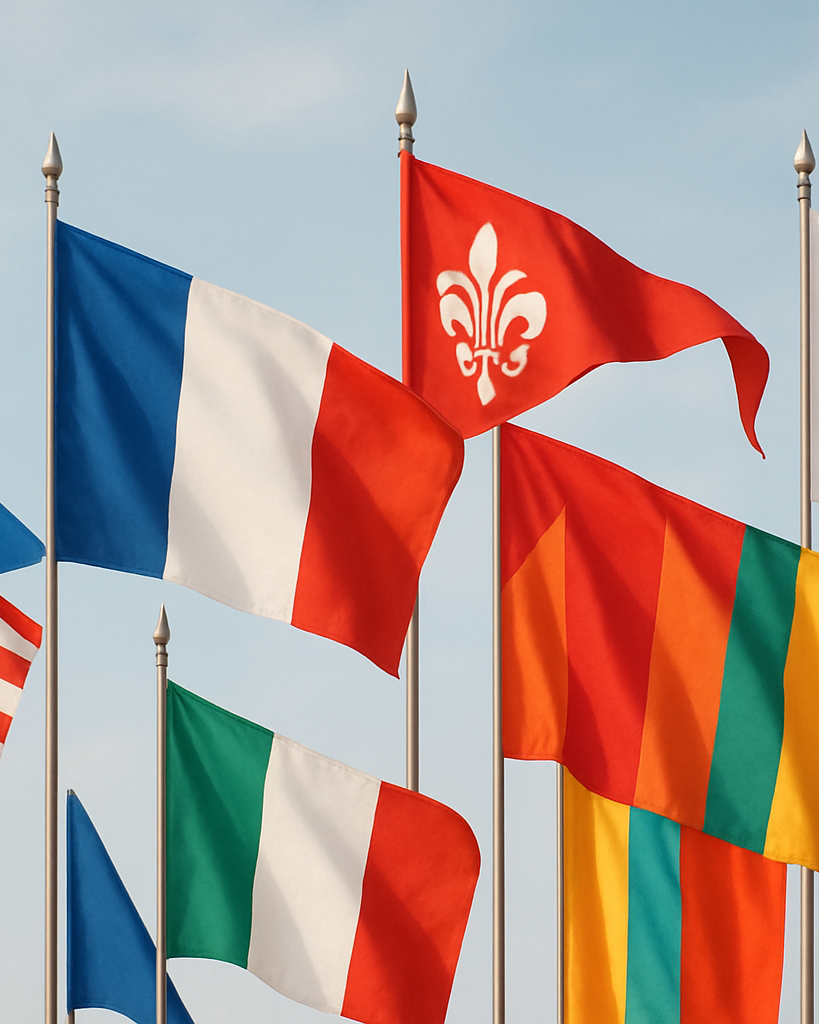
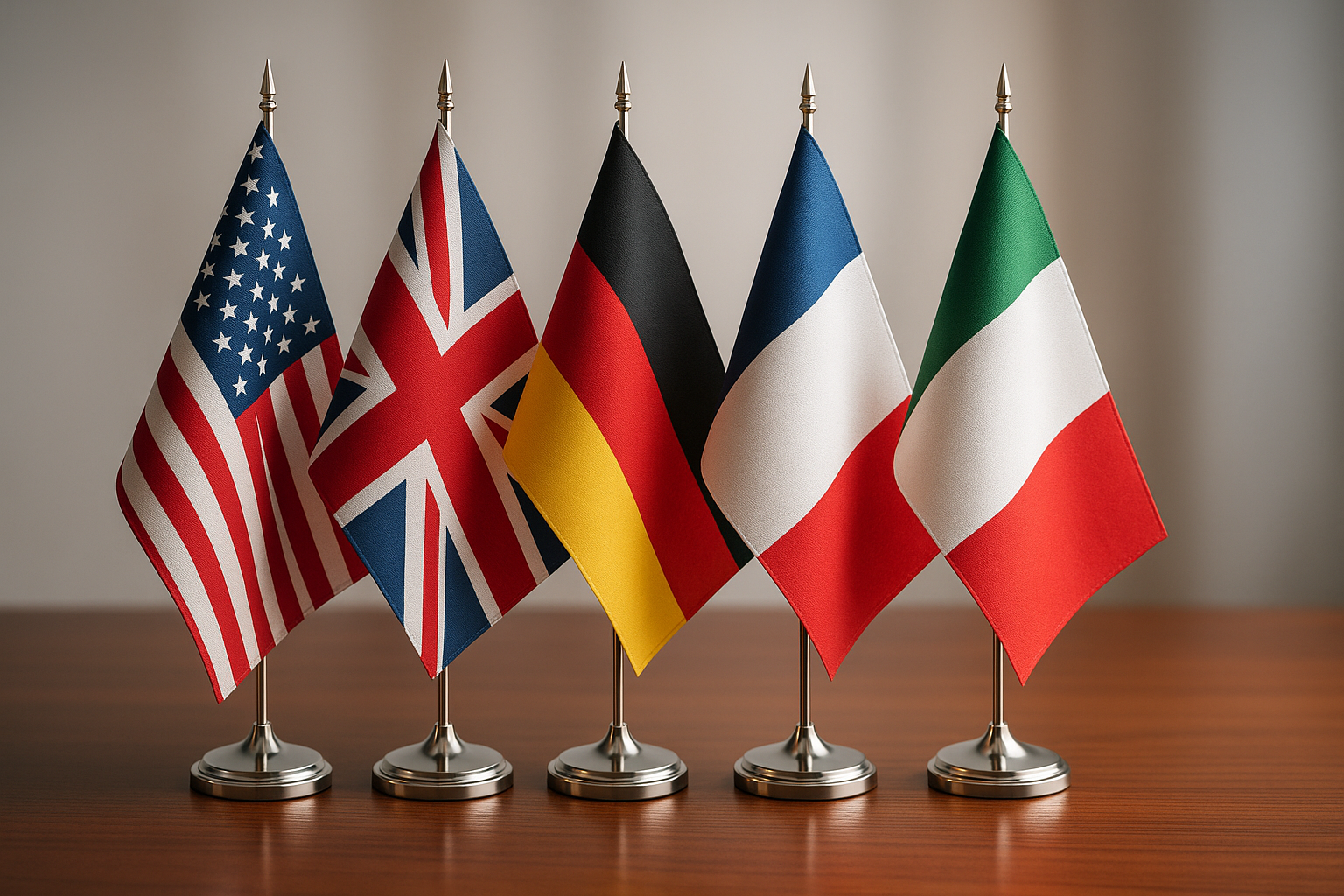
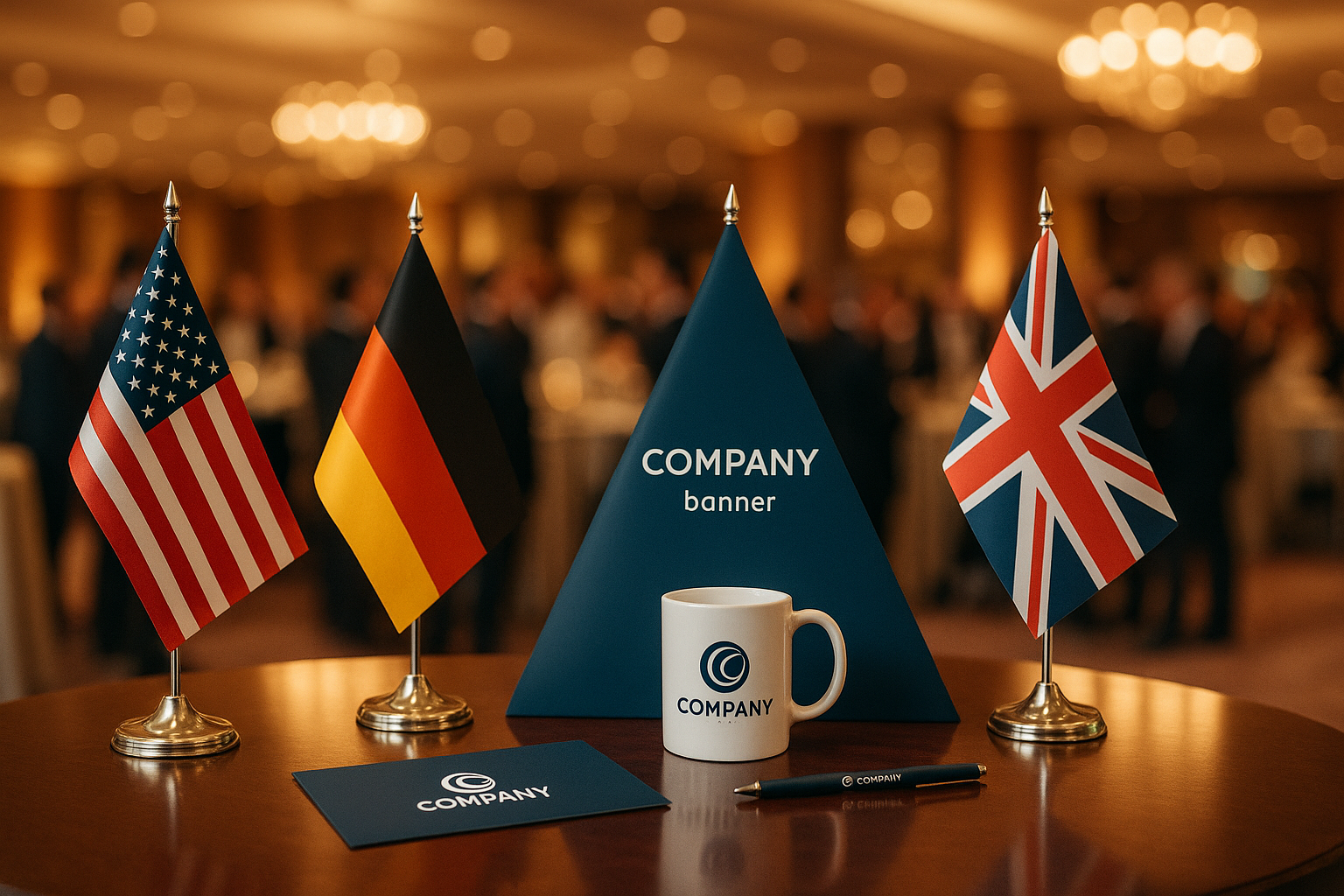
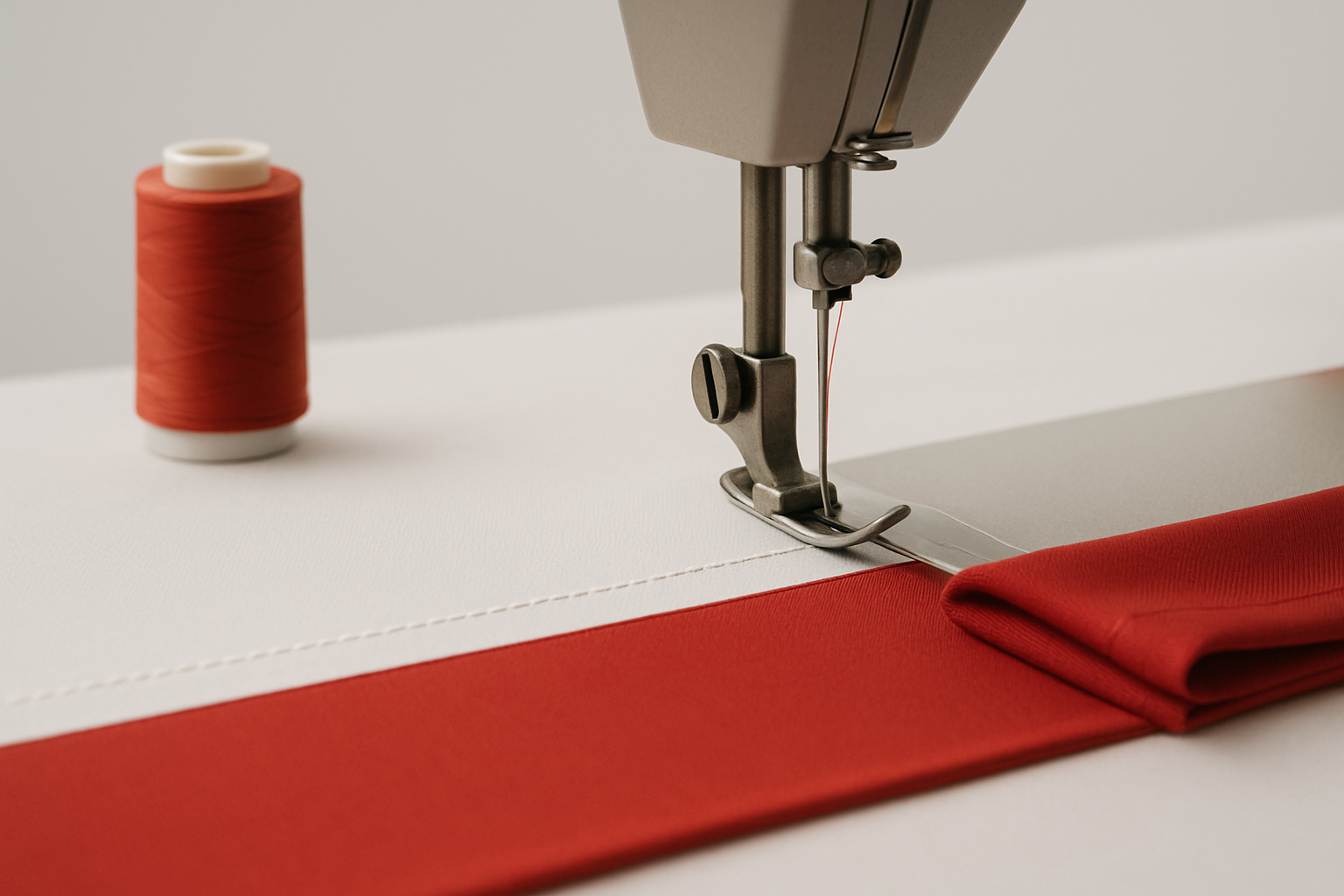

A double-sided flag carries two separate fabric layers stitched together so each face displays a crisp, correctly oriented image — while a single-reverse print uses one layer of fabric whose ink bleeds through, producing a mirror image on the back. If you need perfect legibility from every angle, true double-sided construction is the right choice; if budget and weight matter more than a clean reverse, a single-layer print may serve you well. Browse the full Indoor Flags collection to see how both construction methods appear in practice across ceremonial and institutional settings.
Which Construction Should You Choose — the Quick Verdict
Double-sided flags are the better choice for indoor ceremonial use, diplomatic display, and any application where viewers approach from multiple directions and expect identical, readable graphics on both faces. Single-reverse prints are acceptable for outdoor pole flags, feather banners, and situations where one face is the primary view and cost or portability is a priority. The decision ultimately rests on three factors: viewing conditions, required print accuracy, and total budget — each of which is covered in detail below.
It is worth noting that the US Flag Code (4 USC §§ 1–10) does not specify construction method for national flags, but diplomatic protocol and institutional standards consistently favour double-layer fabric because the union (canton) must appear in the correct orientation when viewed from both sides. For state and custom flags, the same logic applies: a reversed logo or seal on the back of a single-layer flag can look unprofessional or even confusing to a viewer approaching from that side.
Where Double-Sided Flags Excel — and Where They Fall Short
 A true double-sided flag is constructed from two individually printed fabric panels that are sewn together around the perimeter, often with a thin opaque liner or foam interliner between them to prevent colour bleed-through from one face to the other. This construction ensures that text, logos, crests, and directional arrows read correctly regardless of which side the viewer is on — critical for reception halls, stage backdrops, and award ceremonies. The trade-off is weight: a double-layer flag can be 60–80% heavier than a single-layer equivalent, which affects the pole weight rating and the drape of the flag in still air. For ceremonial indoor pennants like the Gold-Trim Double-Sided Satin Pennant Banner, the added weight actually improves the hang and gives the banner a more dignified, full presence on a stage or wall. Cost is the main downside: double-sided construction typically adds 30–50% to unit price compared to a single-layer print of the same size, and bulk orders are needed to bring that premium down meaningfully. Lead times are also slightly longer because the two panels must be printed separately and then joined in a second production step.
On durability, double-sided flags tend to outlast single-layer prints in indoor environments because the interliner protects both printed surfaces from dust abrasion and UV fading — extending useful life to roughly 3–5 years of indoor display versus 1–2 years for an unlined single-layer indoor flag. Outdoors, however, the extra weight and stitched edges can create additional stress points in high-wind conditions, which is why double-sided construction is less common for large outdoor flags above 4 ft × 6 ft (1.2 m × 1.8 m).
Where Single-Reverse Prints Work Well — and Their Honest Limitations
 Single-reverse prints are produced on a single layer of polyester or nylon where dye-sublimation ink is driven through the fabric, creating a mirror image on the reverse side. For flags viewed primarily from one direction — such as a pole flag mounted on a building façade that faces a single street — this is entirely acceptable and the industry standard for outdoor applications. The Logo Printed Pole Flag is a practical example: designed for corporate buildings, municipal areas, and factories where the front-facing brand message is what matters, and the back is rarely scrutinised. Single-layer flags are lighter, fly more freely in wind, and are significantly easier to replace when UV degradation or wind fraying shortens their outdoor lifespan to the typical 6–18 months. The critical limitation is text and asymmetric logos: any words, phone numbers, directional arrows, or non-symmetrical crests will appear reversed on the back, which can confuse or even embarrass an organisation if the flag is viewed from the wrong side at a public event. For purely symmetrical designs — solid colour fields, simple geometric patterns, or radially symmetrical emblems — the reverse-image issue is irrelevant, making single-layer printing the cost-effective default.
Ink bleed-through (also called show-through) typically results in 70–85% colour intensity on the reverse side compared to the front, depending on fabric weight and ink loading. Heavier 150 gsm polyester shows less bleed-through than lightweight 110 gsm material, so specifying a heavier base fabric is a partial mitigation strategy when a near-identical reverse is needed without the cost of full double-sided construction. Some manufacturers offer a "block-out liner" as an intermediate option — a single opaque interliner bonded to the back of a single-layer print — which stops bleed-through entirely but still shows only the mirror image rather than a true second print.
Matching Construction to Your Actual Use Case
Outdoor pole flags in high-wind environments should almost always use single-layer construction. The lighter fabric reduces the load on pole hardware and fly-end stitching, and the increased air permeability means less billowing stress — directly extending the flag's usable life. For guidance on choosing the right fabric for wind-exposed installations, the comparison in our article on mesh banner vs. solid banner for windy fences applies many of the same principles to flag fabric selection.
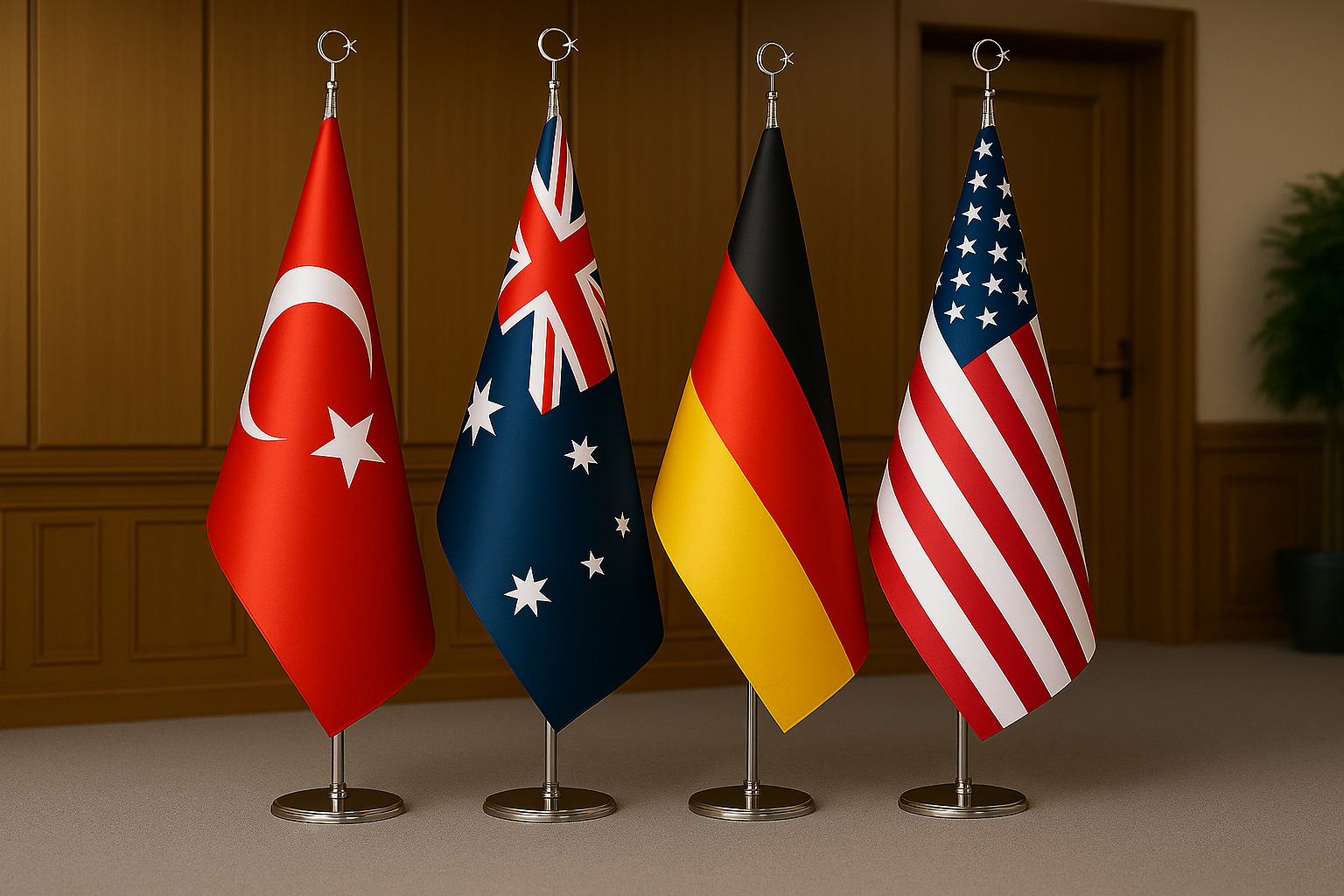
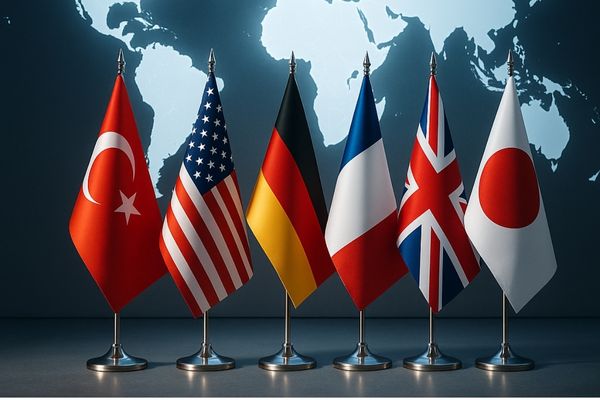
Ceremonial and indoor display settings — embassies, government offices, courtrooms, boardrooms, award ceremonies, and institutional reception halls — are where double-sided construction justifies its cost premium. Viewers circulate around the flag from all angles, dignitaries and cameras may be positioned on either side, and the flag's visual quality directly reflects on the organisation displaying it. The USA Official Indoor Flag, built on double-layer satin fabric with a chrome metal pole, is purpose-designed for exactly this context: embassies, diplomatic missions, and government offices where protocol demands correctness from every viewing angle.
For custom pennant banners used at award ceremonies or stage backdrops, double-sided printing is essentially non-negotiable. Pennants hang vertically and rotate slightly in air-conditioned indoor environments, meaning both faces are visible within seconds of each other. A reversed crest on a commemorative pennant at an official ceremony would be immediately noticeable and difficult to explain. If you are sourcing pennants for this purpose, the Custom Pennants collection includes double-sided options built specifically for institutional and award event use.

Indoor Flags Collection
Ceremonial and institutional flags built to display correctly from every angle — including true double-sided satin and official pole flag formats.
Browse Collection →How Lifespan and Total Cost Compare Between the Two Methods
Double-sided flags cost more upfront but deliver a lower cost-per-display-day in indoor ceremonial settings. A double-sided satin indoor flag with interliner typically lasts 3–5 years before the fabric or colours show meaningful degradation, compared to 1–2 years for a single-layer indoor print. Spread across a 4-year display cycle, the per-day cost of a double-sided flag at 40% higher purchase price actually comes out equal to or less than replacing a single-layer flag twice in the same period.
Outdoors, the calculus reverses. Single-layer polyester flags rated at 80% UV resistance with reinforced fly-end stitching will last 6–18 months depending on wind exposure and direct sun hours. A double-sided outdoor flag in the same conditions may only last 4–10 months because the heavier construction concentrates stress at the header and fly hem. If your annual replacement cycle already builds flag costs into a facilities budget, the single-layer flag's lower unit cost makes it the rational outdoor choice — especially for custom logo flags where the design may also change year to year. Our article on embroidered vs. printed flags for outdoor use covers the durability trade-offs in more detail if you are deciding between print methods for long-term outdoor installations.
One frequently overlooked cost factor is hardware compatibility. Double-sided flags are heavier and may require a heavier-duty pole bracket, a larger finial, or a reinforced header sleeve. Single-layer flags are compatible with virtually all standard pole hardware. For large-volume corporate or government procurement, verify the pole load ratings before specifying double-sided construction for any flag above 3 ft × 5 ft (0.9 m × 1.5 m) outdoors.
In summary: for indoor, ceremonial, and multi-directional viewing environments, invest in double-sided construction — the quality difference is visible and the long-term cost per day is competitive. For outdoor, single-direction, or high-volume replacement scenarios, single-layer prints are the practical standard. The right answer depends entirely on where the flag will live and who will see both sides of it.
What exactly is a double-sided flag and how is it made? +
Are double-sided feather flags worth the extra cost for outdoor events? +
Can I order a custom double-sided flag with my logo or text? +
Does the US Flag Code require the American flag to be double-sided? +
How do I tell if the flag I received is genuinely double-sided or just a thick single-layer print? +
What fabric is typically used for double-sided indoor flags? +
Is a single-reverse print ever acceptable for a ceremonial or government flag? +
Whether you are outfitting a government office, planning an award ceremony, or sourcing corporate outdoor flags, the right construction method makes a measurable difference in how your flag is perceived. For indoor and multi-directional ceremonial display, explore the Indoor Flags collection — including the USA Official Indoor Flag on double-layer satin — and the Custom Pennants collection for double-sided ceremonial pennant banners. For outdoor corporate and brand flags where a single-direction view is standard, the Logo Printed Pole Flag delivers professional results at a practical price point. Bulk pricing is available for corporate, government, and institutional orders — contact us with your quantities and timeline for a custom quote.


