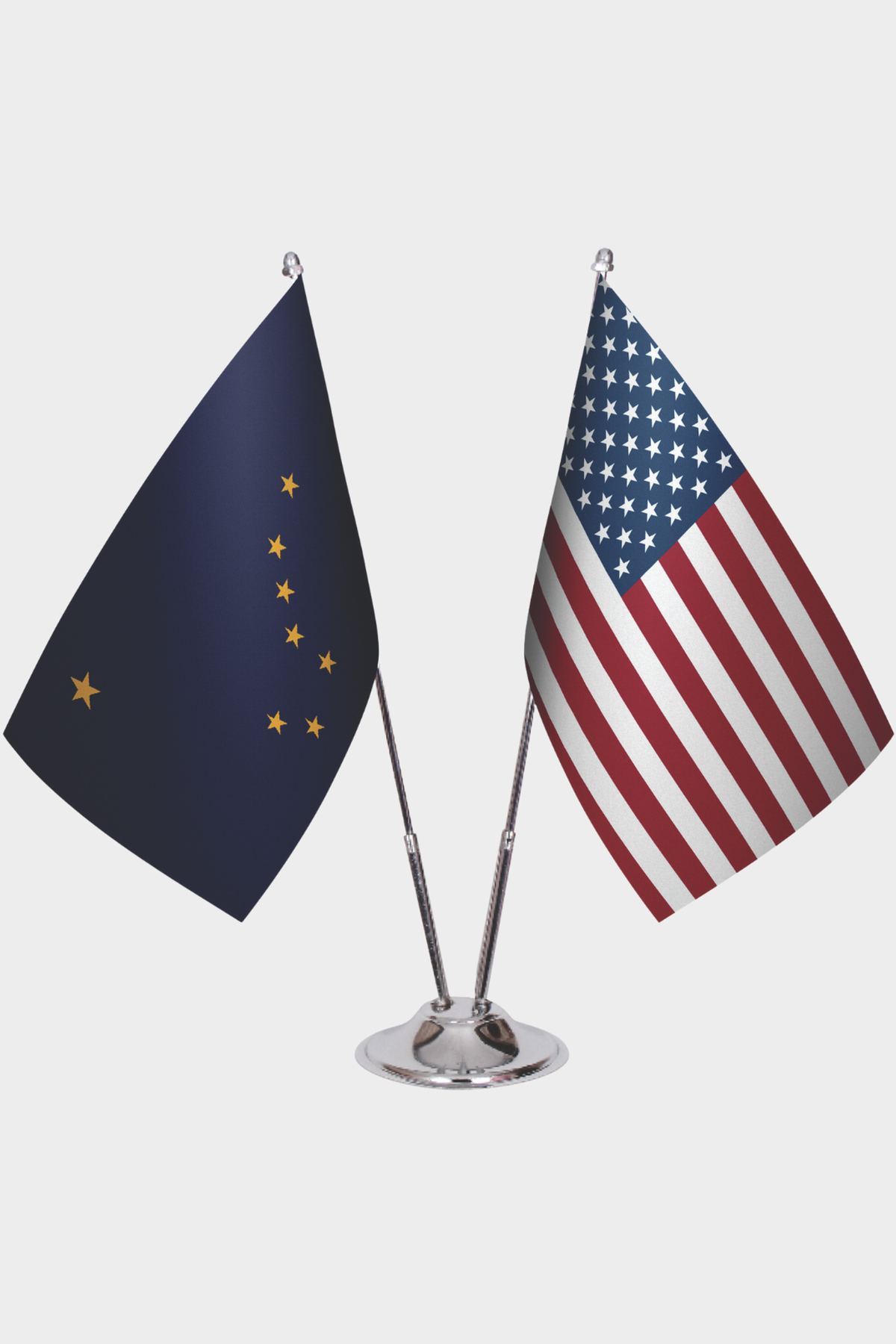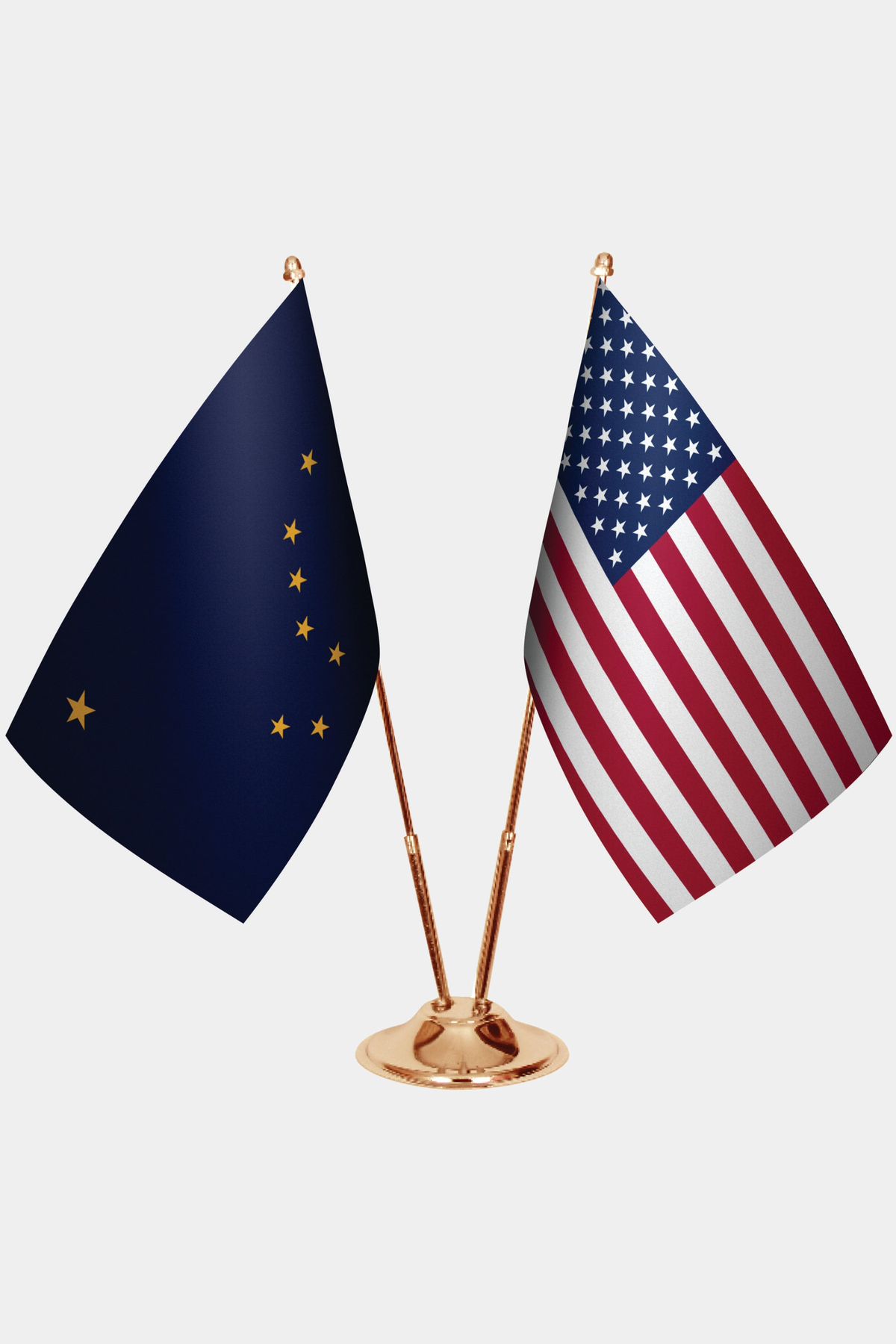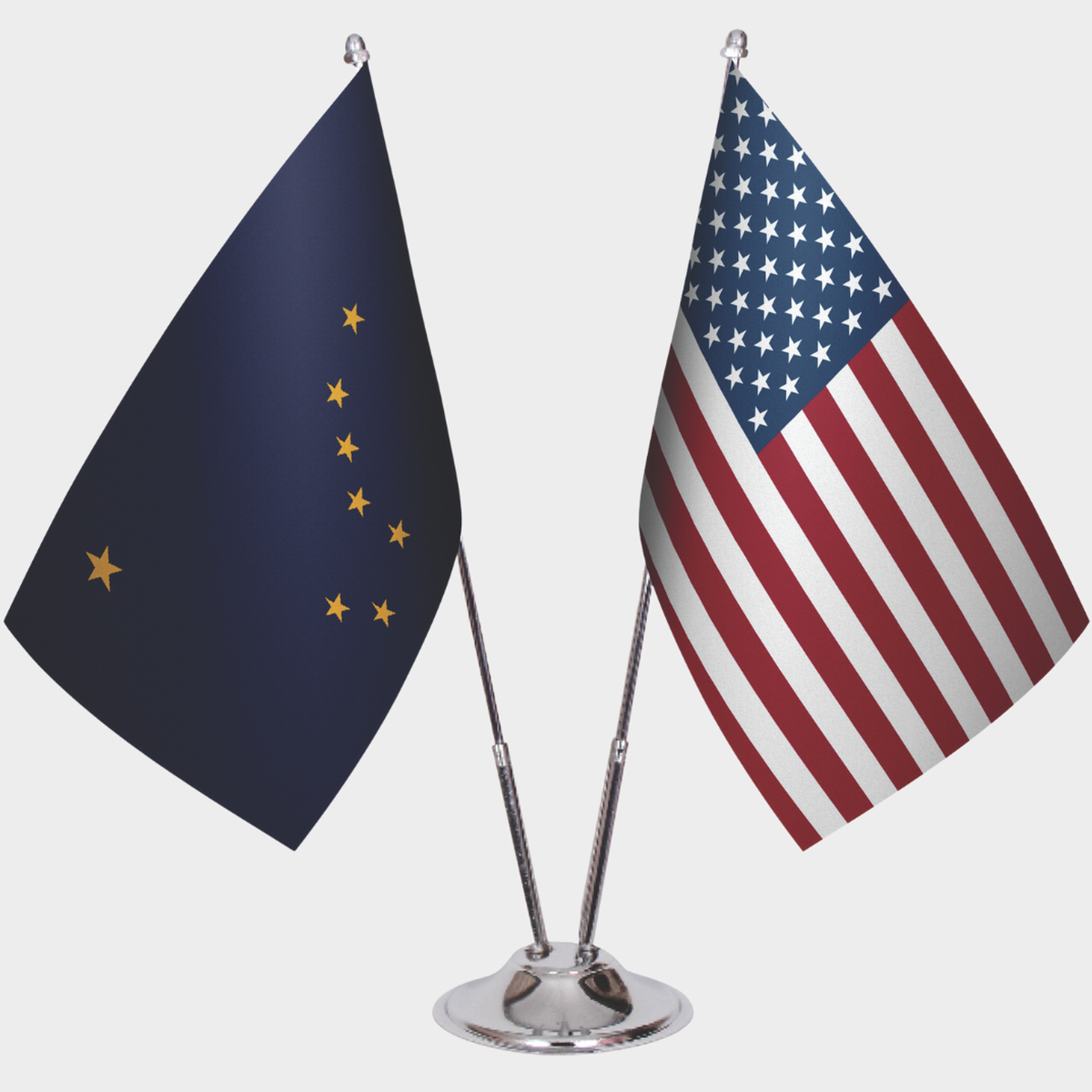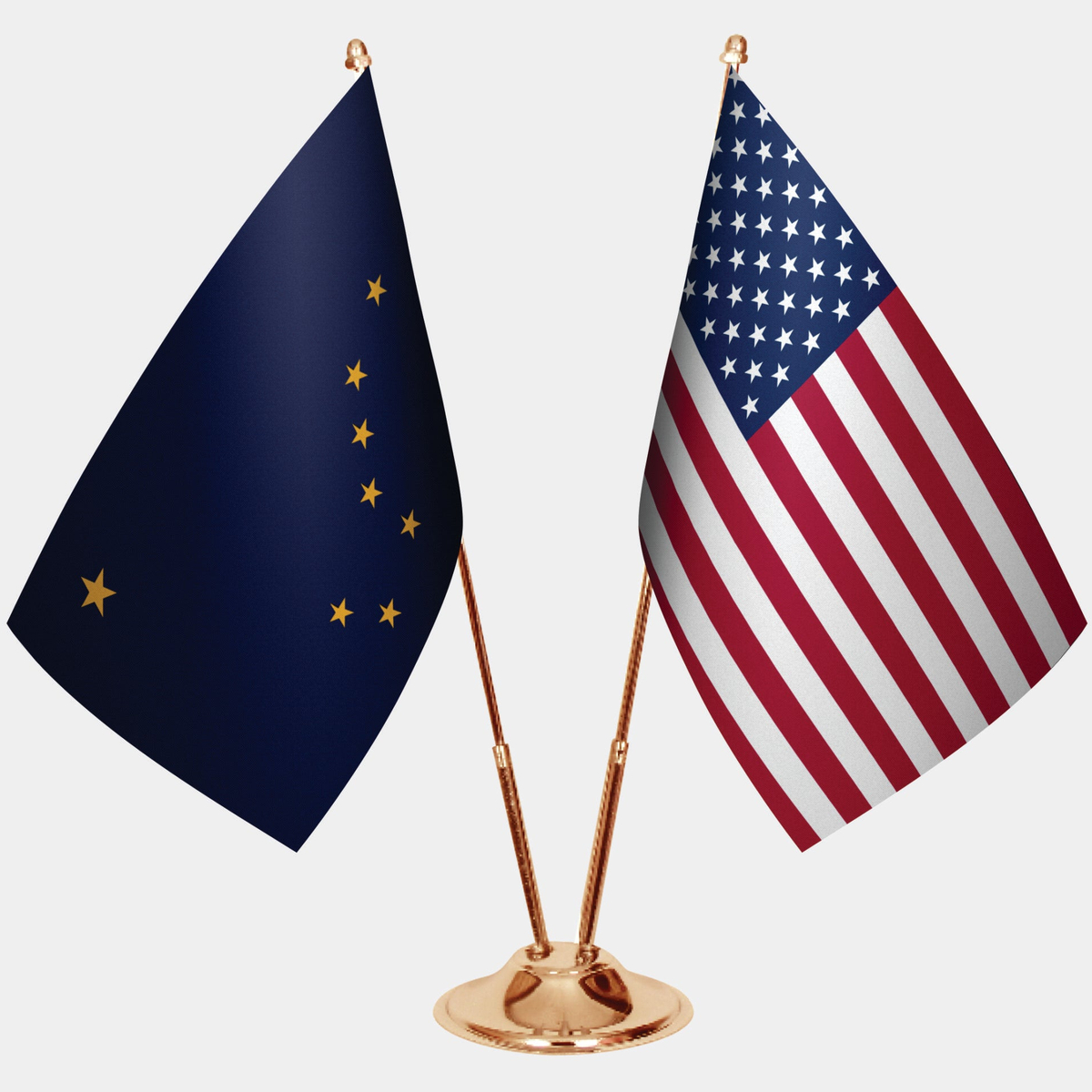
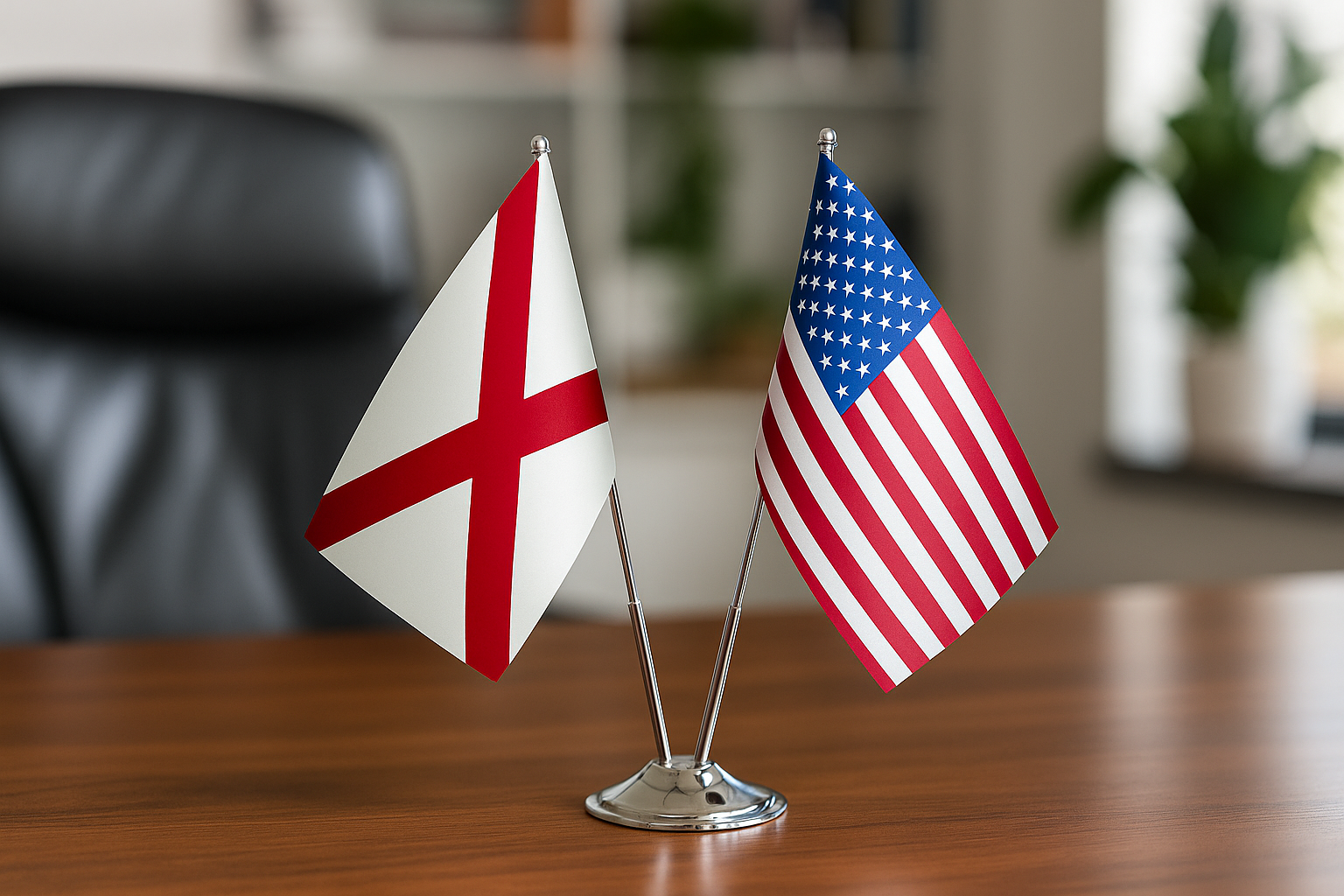
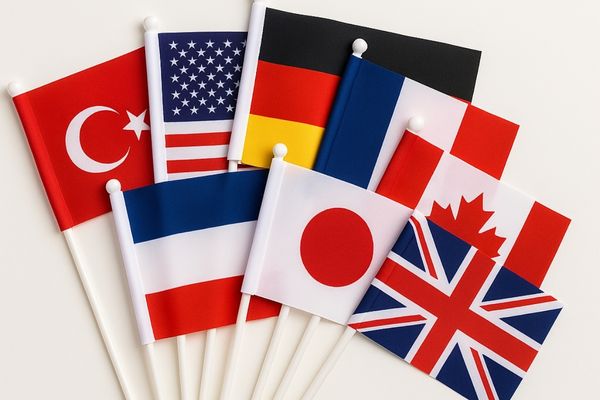
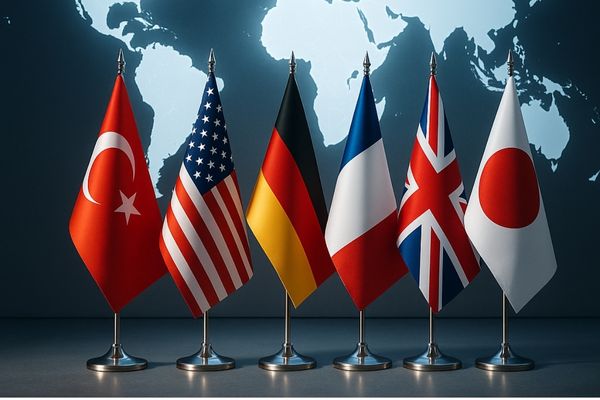

For outdoor use, printed flags are generally the better choice — they offer vibrant full-color reproduction, lighter weight for better flight in the wind, and a lower cost per flag. Embroidered flags excel in ceremonial, indoor, and prestige settings where texture, weight, and permanence matter most. If you're selecting a flag for a flagpole, roof mount, or any exposed outdoor environment, browse the Country Flags collection to find durable printed options built specifically for outdoor display.
Which Flag Type Is Right for You — a Quick Verdict
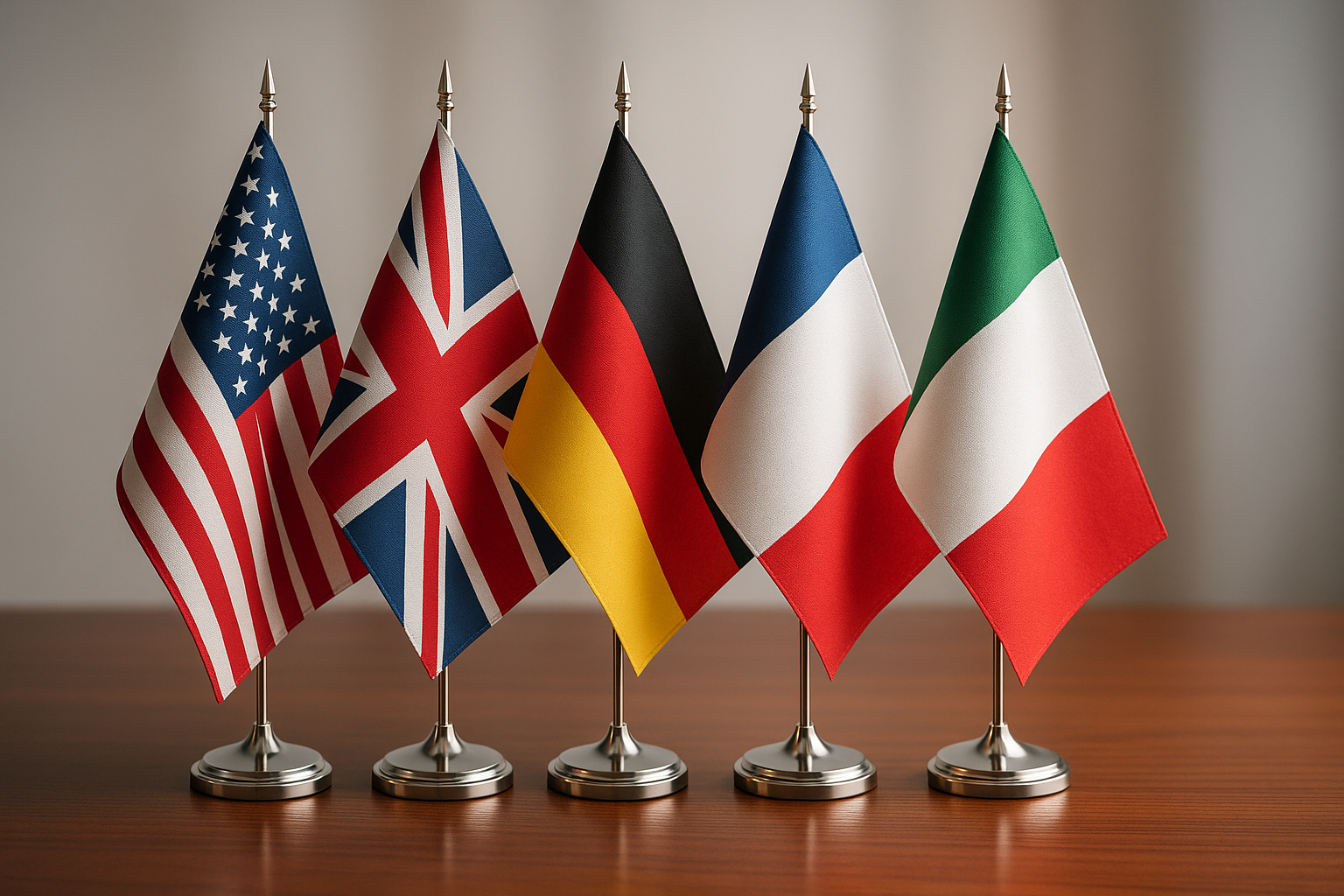
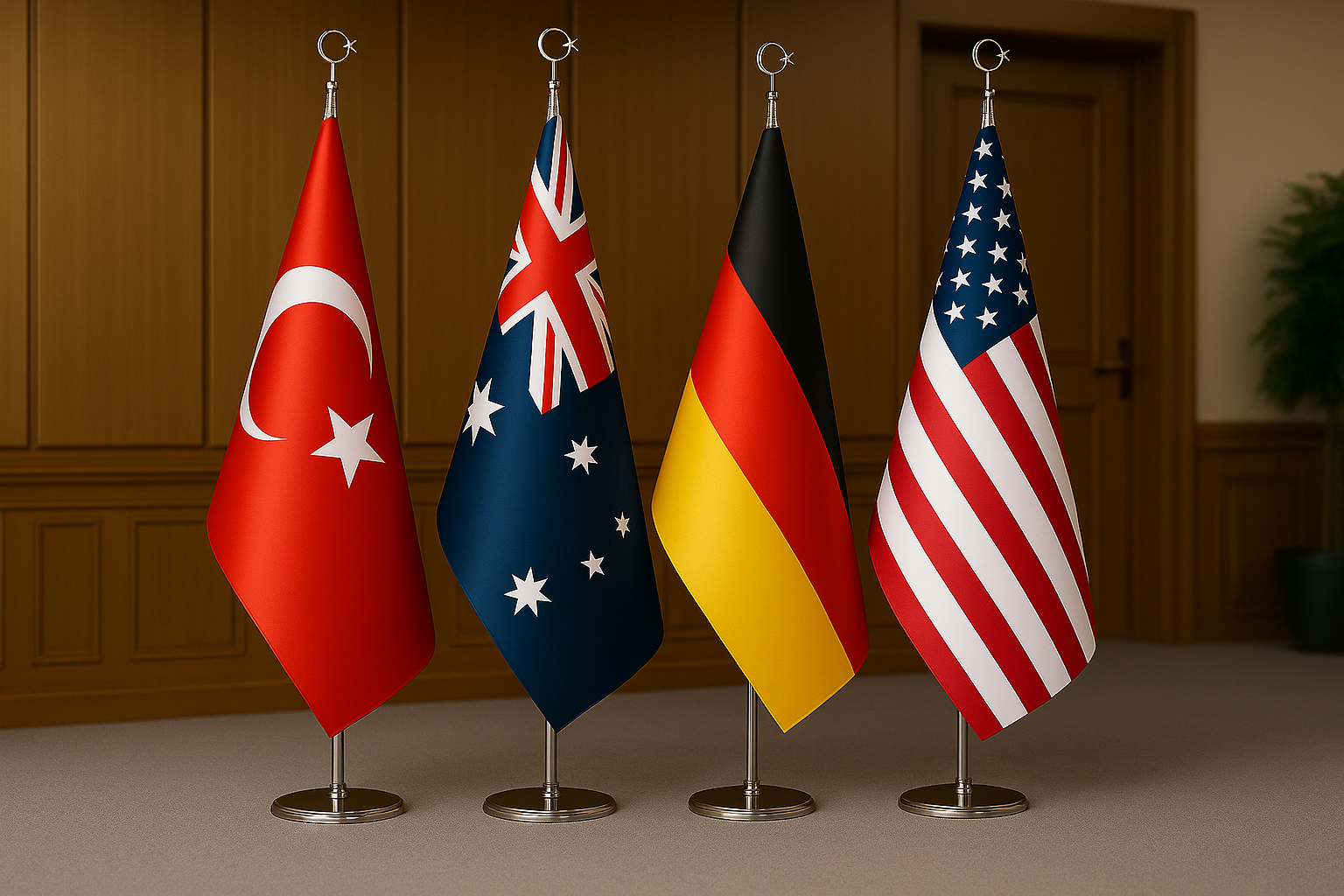
Choose a printed flag for outdoor poles and windy locations; choose an embroidered flag for indoor display stands, ceremonies, or situations where a premium tactile finish is expected. Printed flags dominate the outdoor market for good reason: they are lighter, more aerodynamic, and the dye-sublimation process used by most reputable manufacturers today produces colors that are deeply saturated and UV-resistant for 6 to 24 months of continuous outdoor display. Embroidered flags, on the other hand, carry the threads of a centuries-old craft tradition — each color is stitched directly into the base fabric, creating a raised, three-dimensional surface that looks impressive up close and holds up well when handled frequently. The trade-off is weight: an embroidered flag can be 30–50% heavier than a comparable printed version, which affects how freely it flies. For buyers who want both worlds — official indoor quality and an American identity — the USA Official Indoor Flag crafted from double-layer satin fabric with high-definition sublimation printing is worth examining as a ceremonial benchmark.
What Embroidered Flags Do Well and Where They Fall Short
 Embroidered flags are genuinely impressive objects. The stitching process locks color directly into the weave of the fabric — typically a heavy woven polyester or nylon base — so there is no ink layer that can crack, peel, or wash out after rain. This makes embroidered flags highly resistant to fading caused by handling and folding, and they tend to look richer in formal lighting, such as under the spotlights of a government lobby or a boardroom. Many diplomatic missions and military color guards specify embroidered flags precisely because the physical texture signals quality and permanence. However, the added mass of thread significantly stiffens the flag panel: in calm or moderate wind (under 10 mph / 16 km/h), an embroidered flag may hang limply rather than fly with the crisp, full-body wave that a lighter printed flag achieves. In sustained or gusty conditions above 20 mph (32 km/h), the additional weight creates more mechanical stress on the header, grommets, and fly-end hem, accelerating wear at exactly those stress points. Production cost is also substantially higher because embroidery is labor-intensive — expect to pay 2 to 4 times more per unit compared to a printed flag of the same size. For buyers considering flags for an outdoor flagpole, that premium rarely translates into a longer outdoor lifespan.
Embroidered flags also present a design limitation: highly detailed imagery — gradients, photographic elements, or flags with more than six or seven distinct color fields — is either impossible or visually compromised in embroidery. The classic stars-and-stripes of the US flag translates reasonably well because its geometry suits stitching, but flags with intricate coats of arms or complex emblems (such as the Mexican flag's eagle emblem) require a combination technique where the central emblem is embroidered while the field colors are still printed or appliquéd. This "embroidered banner" hybrid approach is common and worth understanding when you see the term used in product descriptions — it does not always mean the entire flag is embroidered.
Why Printed Flags Perform Better on an Outdoor Pole
 Printed outdoor flags — particularly those made from Raschel knitted polyester — are specifically engineered to perform in the environment where flags spend most of their lives: outdoors, under UV radiation, exposed to rain and wind. Raschel knit construction creates a fabric with a slightly open weave that allows wind to pass through the flag rather than fighting it, which dramatically reduces mechanical stress on the header and seams. The Canada Outdoor Flag, for example, is crafted from 90g Raschel knitted polyester — a weight calibrated to give the flag enough body to display the iconic maple leaf clearly while remaining light enough to fly beautifully in a gentle breeze. Similarly, the USA Outdoor Flag uses 110g Raschel knitted polyester, a slightly heavier spec that gives the larger flag panel the structure needed to keep the fifty-star canton clearly visible even at a distance. Dye-sublimation printing, the current industry standard for quality outdoor flags, bonds ink directly into the polyester fibers at the molecular level — meaning color does not sit on top of the fabric surface where it can crack or flake, but is part of the fiber itself, delivering UV resistance that typically sustains vivid color for 6 to 18 months of continuous outdoor exposure depending on climate and sun intensity.
Printed flags also win on color fidelity. A flag with a complex national emblem, a gradient, or a photographic element can be reproduced with exact Pantone accuracy through sublimation printing — something embroidery simply cannot match. For organizations flying a country flag that must meet official government color specifications, a high-quality printed flag is more likely to comply with those standards than an embroidered alternative. If you're flying flags in a high-wind coastal or plains environment, the guidance in our article on how to choose flag fabric for windy areas will help you narrow down the right weight and weave for your specific conditions.
Matching the Right Flag Type to Your Specific Use Case
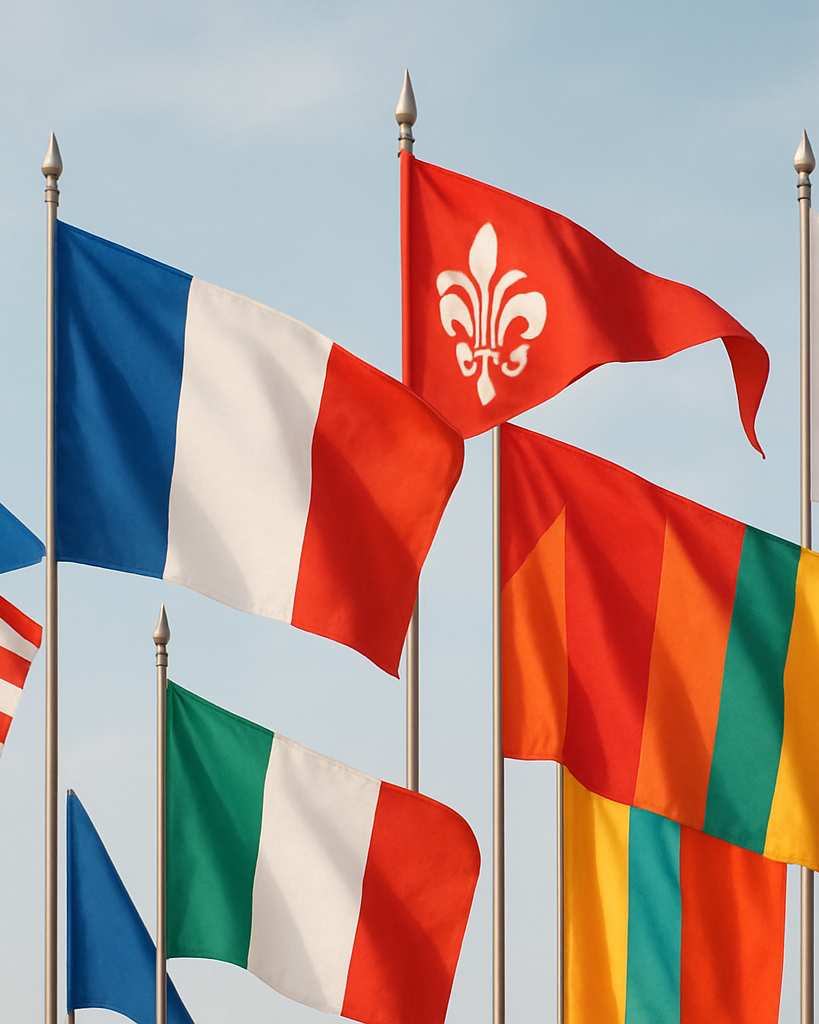
The decision comes down to where the flag will live and what it needs to communicate. For continuous outdoor display on a flagpole — whether at a residence, a business, or a government building — a printed Raschel polyester flag is the professional standard, and it is what the vast majority of municipal and corporate flag programs specify. For ceremonial indoor display on a presentation stand, particularly in embassies, military offices, courtrooms, or houses of worship, an embroidered flag signals the gravitas those settings demand, and the lower wear from indoor display means the flag's lifespan is less of a concern. For parade color guards and military honor ceremonies, embroidered flags with fringe are the traditional and protocol-appropriate choice. For temporary display at events, festivals, or sporting occasions — including situations where flags are handed to crowds — lightweight printed flags on flexible poles are safer, more practical, and far more cost-effective for large quantities. If you're managing a multi-country display for a corporate campus or international event, the Country Flags collection offers printed outdoor flags across a wide range of nations, all built to a consistent outdoor-grade specification.

Country Flags Collection
Outdoor-grade printed flags for nations worldwide — built from UV-resistant Raschel polyester and ready for flagpole display in any climate.
Browse Collection →How Lifespan and Total Cost Compare Between the Two
Outdoors, printed flags outlast embroidered flags on a per-dollar basis by a significant margin. A quality printed outdoor flag exposed to full sun and moderate wind will typically last 6 to 18 months before fading or fly-end fraying requires replacement; in sheltered or lower-UV environments, 18 to 24 months is achievable. An embroidered flag placed outdoors on a pole faces the same UV and wind forces but with the added vulnerability of its thread structure: the stitching can snag, unravel at stress points, or absorb moisture more heavily than a knitted polyester panel, often leading to faster degradation of the fly end. The result is that an embroidered flag may cost 2 to 4 times more upfront but deliver the same or shorter outdoor service life — making the cost-per-month of display substantially higher. Indoors, the calculus flips: an embroidered indoor flag protected from UV and weather can last 10 to 20 years with minimal care, making its higher initial price genuinely worthwhile for permanent institutional installations. For buyers replacing outdoor flags on a seasonal or annual cycle — common for businesses, schools, and municipal programs — printed flags represent the economical and practical standard. You can find detailed pricing context for specific country flags, including factors that affect outdoor flag costs, in our article on Irish flag prices for indoor and outdoor use, which walks through the same cost framework applied to a specific national flag.
When buying in volume for institutional or corporate programs, the cost advantage of printed flags becomes even more pronounced. Bulk orders of printed outdoor flags typically attract tiered pricing that can reduce the per-unit cost by 20–40%, while embroidered flags remain labor-intensive regardless of order quantity. If you're managing a program that requires consistent flag replacement — flagpoles at multiple locations, rotating seasonal displays, or large event inventories — the total cost of ownership over two to three years will almost always favor printed outdoor flags by a wide margin.
What is an embroidered flag and how is it made? +
Is an embroidered flag better than a printed flag for outdoor use? +
Can a Mexican flag be fully embroidered, including the eagle emblem? +
What is an embroidered banner and how does it differ from an embroidered flag? +
How long does an embroidered flag last compared to a printed flag? +
Are embroidered flags required for official government or military use? +
What fabric is best for a printed outdoor flag? +
For most outdoor flag applications — flagpoles at homes, businesses, schools, embassies, and public spaces — a professionally printed outdoor flag is the right specification. Explore the full range of outdoor-grade options in the Country Flags collection, which covers nations worldwide in Raschel polyester built for long-term display. If you're flying the Stars and Stripes, the USA Outdoor Flag in 110g Raschel polyester is an excellent choice for any outdoor pole installation, while the USA Flag Collection offers additional formats and sizes to match your specific mounting setup. Bulk pricing is available for corporate, municipal, and institutional orders — contact Asya Bayrak for volume quotes and custom sizing.