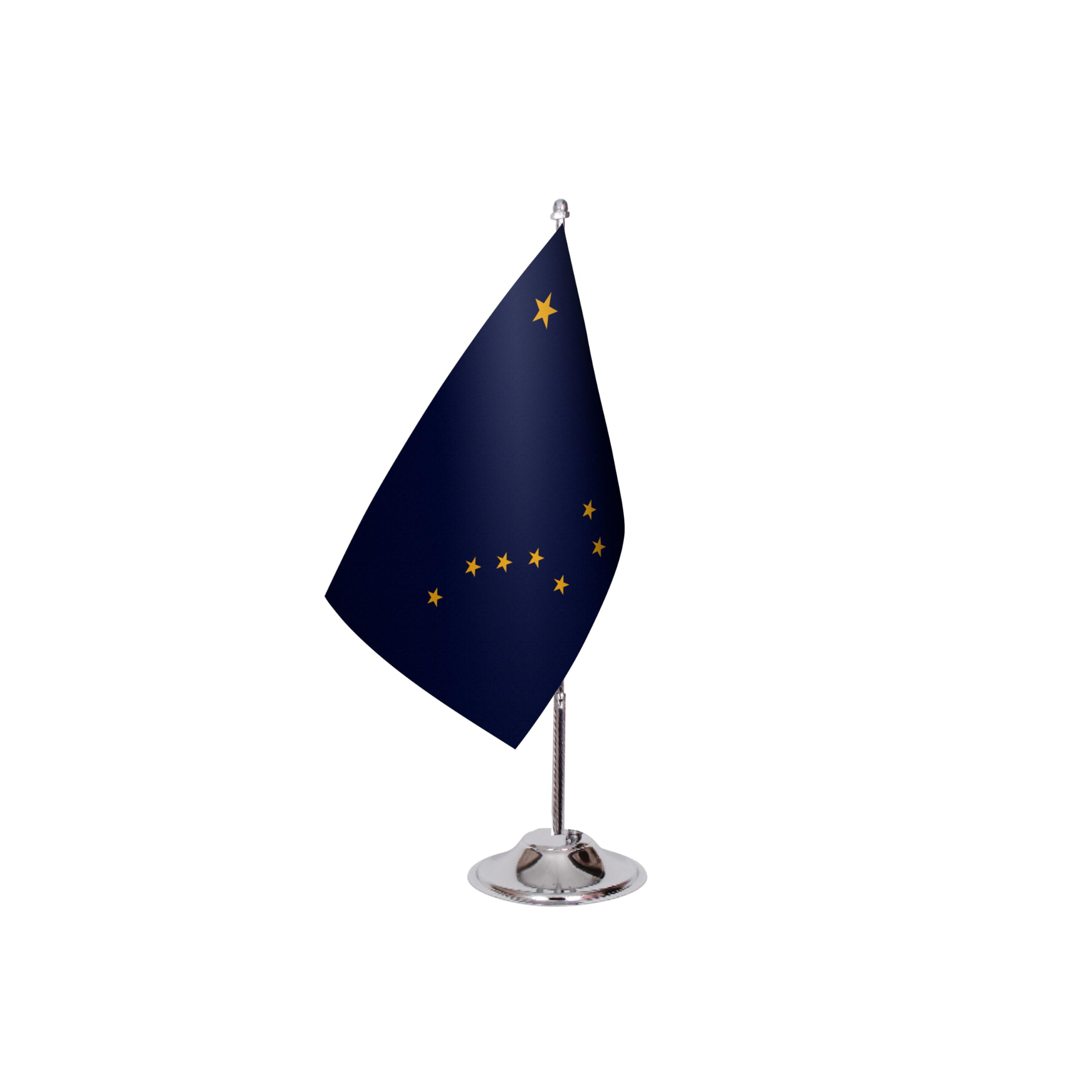










Municipal building flags displayed in city halls, public libraries, and government offices must follow strict federal and state protocols — getting the sizing, placement, and hardware right from the start saves time, avoids compliance issues, and projects the dignity these civic spaces deserve. Whether you are outfitting a single council chamber or procuring flags for dozens of branch libraries across a county, understanding indoor display rules and bulk ordering options will make the process straightforward and cost-effective. Explore the full indoor flags collection to find government-grade options built for long-term institutional display.
Federal and State Flag Code Requirements for Government Buildings
The US Flag Code (4 USC §§ 1–10) establishes the legal foundation for how the American flag must be displayed in government buildings, and failure to comply can draw public criticism or formal complaints. Under Section 7(k), when displayed indoors alongside other flags such as a state flag or municipal flag, the US flag must always be placed to the flag's own right — which is the viewer's left — and must be at least as tall as any accompanying flag.
Beyond the federal code, most states have enacted their own flag statutes that govern how the state flag is to be displayed in public buildings. For example, California, Texas, and New York all have detailed statutory provisions requiring the state flag to be present in every public school and government office. Municipal flags, where they exist, are generally placed to the left of the state flag (viewer's right) and at no greater height. FIAV (Fédération Internationale des Associations Vexillologiques) standards further recommend that flags displayed together share a uniform height-to-width ratio — typically 3:5 for American-style indoor flags — so the ensemble looks cohesive and professional. Procurement officers should confirm their state's statute before finalizing any flag order, particularly when replacing existing sets across multiple locations.
Indoor Flag Size Guide for City Halls and Public Libraries
The correct indoor flag size depends primarily on ceiling height and the size of the room, with the most common indoor government flag being 3 ft × 5 ft (approximately 91 cm × 152 cm) for standard-ceiling offices and 4 ft × 6 ft (122 cm × 183 cm) for larger ceremonial halls. Choosing the wrong size is one of the most frequent mistakes in municipal procurement, and it affects both visual impact and protocol compliance.
For rooms with ceiling heights between 8 ft and 10 ft (2.4 m–3 m), a 3 ft × 5 ft flag on a 7 ft–8 ft (2.1 m–2.4 m) pole is the standard recommendation. For council chambers, courtrooms, and library main halls with 12 ft–16 ft (3.7 m–4.9 m) ceilings, a 4 ft × 6 ft flag on a 9 ft (2.7 m) pole is more appropriate and creates the commanding presence these civic spaces require. Very large ceremonial rooms — such as mayoral reception halls or grand atrium lobbies — may warrant a 5 ft × 8 ft (152 cm × 244 cm) flag, though this size is less common indoors. Desk or conference table flags, typically 4 in × 6 in (10 cm × 15 cm) to 8 in × 12 in (20 cm × 30 cm), are used in meeting rooms and on reception counters; these smaller flags follow the same left-to-right precedence rules scaled to tabletop arrangements. Always match pole height to flag size so the finial (eagle or spear) clears any ceiling-mounted lighting or signage by at least 6 in (15 cm).
Choosing the Right Flag Material for High-Traffic Indoor Government Spaces
 Indoor flags for public buildings endure constant exposure to foot traffic, HVAC air circulation, and frequent handling by staff, so the right fabric choice directly determines lifespan and appearance. Nylon is the most widely specified material for government indoor flags because it is lightweight enough to drape gracefully in still air, resists wrinkling, and can be laundered without significant color loss — critical when flags must look pristine for televised council meetings or public ceremonies. Polyester woven flags are a heavier alternative that hold their shape better in rooms with strong air conditioning drafts, and they typically last 18 months to 3 years under normal indoor conditions compared to a 12–24 month lifespan for standard nylon in high-traffic lobbies. Embroidered or appliquéd flags offer the highest visual quality — seals, stars, and text rendered in thread rather than ink convey an institutional gravitas that resonates in judicial chambers and mayoral offices. Browse the state and city indoor flags collection to find fabric options appropriate for every government setting, from branch libraries to full city hall ceremonial rooms. Regardless of material, UV-stabilized dyes rated at 80% or better UV resistance are recommended even indoors, since sunlight through windows can fade flags positioned near exterior glass within just a few months.
Fringe is a common finishing detail on indoor government flags and is not regulated by the US Flag Code, meaning it is purely a matter of institutional preference and budget. Gold fringe adds a formal, ceremonial character well-suited to council chambers, courtrooms, and libraries' special collections rooms, while unfringed flags are appropriate for everyday office or corridor display. When ordering in bulk, specifying a single fringe standard across all locations creates visual consistency and simplifies future replacement orders.
Proper Indoor Display Arrangement: Pole Placement, Stands, and Desk Flags
 Correct pole placement in an indoor government setting follows a clear rule: when a speaker or official faces the audience, the US flag stands to the speaker's right, and all other flags (state, municipal, departmental) are arranged to the speaker's left in order of precedence. This arrangement applies whether the flags are free-standing on floor bases or mounted in wall-bracket holders, and it is specified under US Flag Code Section 7(k) for all indoor official settings including city council chambers, library auditoriums, and public meeting rooms. For conference tables and reception desks, a weighted desk stand keeps smaller flags upright and professional — the luxury chrome gold desk flag stand is available in single through five-flag configurations, making it ideal for city manager offices, department heads, and library director desks where multiple flags must be displayed in limited counter space. The weighted metal base ensures stability on polished surfaces even in high-traffic areas where vibration from foot traffic could topple lighter plastic stands. Floor-standing pole bases for full-size indoor flags should be heavy enough — typically 8 lb–15 lb (3.6 kg–6.8 kg) — to prevent tipping if a flag is accidentally bumped during public meetings, a safety consideration especially important in libraries that serve children and elderly patrons.
Wall-mounted flag brackets are an alternative to floor-standing poles when floor space is limited, which is common in branch library offices and smaller municipal department rooms. Angled wall brackets that position the flag at 45 degrees outward from the wall are the traditional choice for corridor and entrance displays, while vertical wall mounts are used when a flat, formal backdrop is desired behind a podium. In all cases, the mounting hardware should be rated to support at least three times the weight of the flag and pole assembly to account for incidental contact during room setup and breakdown.
Bulk Ordering Flags for Local Government: What Procurement Officers Need to Know
Bulk flags for local government procurement are most cost-effective when orders are consolidated across departments or branches, with typical wholesale savings of 20%–40% compared to individual retail purchases for orders of 25 units or more. Government purchasing agents should request certified material specifications, colorfastness ratings, and country-of-origin documentation to satisfy Buy American Act requirements where applicable.
When drafting a Request for Quotation (RFQ) or Purchase Order for wholesale indoor flags for government use, key specification fields include: flag dimensions (length × width in inches), fabric type and weight (oz/yd²), header material (canvas or nylon sleeve), number and type of grommets or sleeve openings, fringe specification (yes/no, color), and required turnaround time. Standard lead times for custom-printed or embroidered municipal flags run 10–21 business days, while stock American and state flags can ship within 3–5 business days. For cities and counties managing annual flag replacement schedules — typically driven by the 6-month to 2-year lifespan of indoor flags in high-traffic settings — establishing a standing purchase order with a preferred vendor simplifies budget forecasting and ensures consistent quality across all municipal facilities. Minimum order quantities for wholesale pricing vary by supplier, but government accounts can often negotiate blanket purchase agreements that lock in unit pricing for a full fiscal year regardless of how orders are phased across quarters.
Indoor Flags Collection
A curated selection of government-grade indoor flags designed for city halls, public libraries, and all municipal facilities — available in bulk with wholesale pricing for local government accounts.
Browse Collection →Desk and Tabletop Flags for Government Meeting Rooms and Reception Areas
Desk flags for government offices are a low-cost, high-impact way to maintain protocol compliance in smaller spaces where full-size floor poles are impractical — the standard desk flag size of 4 in × 6 in (10 cm × 15 cm) is appropriate for most individual office desks, while 8 in × 12 in (20 cm × 30 cm) flags suit conference tables and reception counters. The same left-to-right precedence rule applies: the American flag is always placed to the right of any state or municipal flag from the viewer's perspective.
Government meeting rooms that host board members, commissioners, or department heads benefit from coordinated desk flag sets that present a uniform, professional image for televised or recorded sessions. The USA state desk flags collection offers state-specific options that can be paired with American desk flags for complete, protocol-correct tabletop arrangements. When selecting stands for multi-flag desk configurations, weighted bases with non-slip rubber feet prevent movement during meetings and protect polished table surfaces — details that matter when these settings are captured in photographs and video. For department heads and library directors who need a compact display on a credenza or bookshelf, the desk flags collection provides a range of sizes and stand styles to match any office aesthetic from modern minimalist to traditional institutional.
Maintenance, Replacement Schedules, and Compliance Auditing for Municipal Flags
A written flag maintenance and replacement schedule is the single most effective tool a municipal facilities manager can use to keep all government building flag displays in code-compliant, presentable condition year-round. Flags in high-traffic public spaces like library lobbies and city hall main entrances should be inspected monthly and replaced when they show fraying, color fading exceeding 20% from original, or any tears longer than 1 in (2.5 cm).
Practical replacement intervals for indoor government flags average 12–18 months in typical municipal environments, though flags in heavily air-conditioned spaces or those handled frequently for ceremonial purposes may need replacement every 6–9 months. Documenting the installation date, fabric type, and condition of each flag in a facilities management system allows procurement officers to anticipate replacement needs and budget accurately. Annual compliance audits — ideally timed before significant civic events such as Independence Day, Veterans Day, or mayoral inaugurations — should verify that flag dimensions, placement order, and hardware condition all meet current federal and state standards. Many municipalities assign this audit responsibility to the city clerk's office or the facilities director, and a standardized checklist that references 4 USC §§ 1–10 alongside applicable state code sections makes the process efficient and defensible.
For cities managing dozens of locations simultaneously, a centralized flag inventory system tied to the procurement platform eliminates the common problem of some branches running with worn flags while replacement stock sits unused elsewhere. Partnering with a dedicated government flag supplier for standing purchase agreements ensures that replacement flags can be dispatched within days rather than weeks, keeping public buildings compliant and presentable at all times.
Equip every municipal facility under your jurisdiction with protocol-correct, durable indoor flags from a supplier that understands government procurement requirements. Browse the complete indoor flags collection, explore coordinated state and city indoor flags, and add professional finishing touches with the luxury chrome gold desk flag stand — available in configurations for one to five flags. Bulk pricing is available for corporate and government orders; contact the Asya Bayrak team directly to request a custom RFQ, blanket purchase agreement, or volume quote tailored to your municipality's annual procurement cycle.