


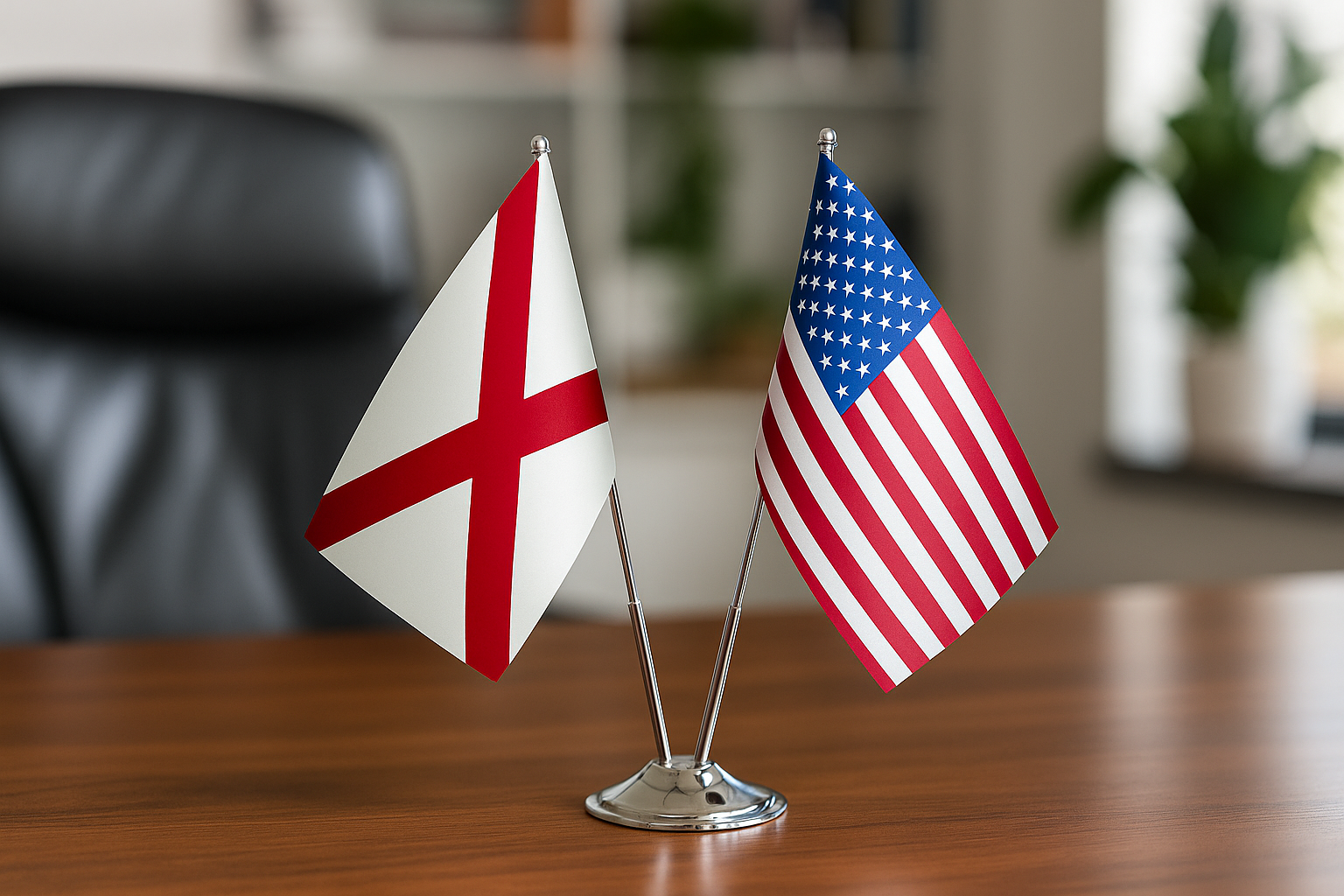
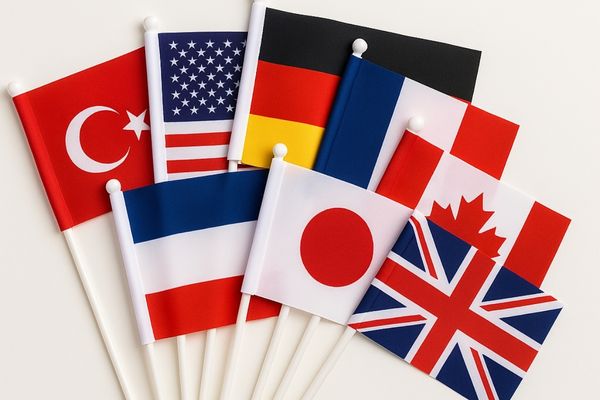



Repairing a frayed flag early — before the damage spreads — takes about 20 minutes, a needle and thread or fabric glue, and costs almost nothing compared to a full replacement. Whether you're maintaining a Country Flags collection outdoor display or caring for a single beloved banner, catching fraying at the edge or fly end is the single most important thing you can do to extend a flag's life from months to years.
What You'll Need Before You Start the Repair
Gather your tools first: a sharp pair of fabric scissors, a lighter or candle (for synthetic fabrics only), a needle and polyester thread matching the flag's color, fabric glue rated for outdoor use, seam sealant or liquid fray-stop, and a ruler. These are the core items for almost every flag repair job. You'll also want a clean flat workspace — a table at least 3 ft × 5 ft (90 cm × 150 cm) — and a damp cloth to keep the fabric from shifting. If the flagpole hardware is also damaged (a broken snap hook or frayed halyard), set those aside for a separate pole-related fix; this article focuses on the fabric itself. Good lighting matters more than people expect — fraying threads are easy to miss under dim conditions, and trimming the wrong thread can cause a new split.
Check the fabric type before you pick up any heat tool. Polyester and nylon flags — the most common outdoor materials — can be sealed with a lighter flame passed quickly along the cut edge, melting the fibers into a clean bead. Natural fabrics like cotton or wool cannot be heat-sealed and must rely entirely on stitching and seam sealant. Most outdoor flags produced today use knitted or woven polyester, such as the Raschel knitted polyester used in several of our outdoor-grade flags, which responds well to both heat sealing and stitching. Knowing your fabric prevents a repair that makes fraying worse.
How to Repair a Frayed Flag Step by Step
 The repair process follows a clear sequence: trim, seal, reinforce, and test. Begin by laying the flag flat and trimming any loose threads with sharp fabric scissors — cut as close to the base of the fray as possible without cutting into the main fabric body. For synthetic flags, immediately run a lighter flame along the trimmed edge in a single, fast pass (about 1 inch or 2.5 cm per second); you should see the threads fuse into a thin, clear bead rather than continuing to unravel. Once the edge is cool, apply a thin line of seam sealant or liquid fray-stop along the entire trimmed edge and let it cure for at least 30 minutes per the product label. The USA Outdoor Flag, for example, is constructed from 110g Raschel knitted polyester — a material that responds very well to this heat-and-seal approach and holds the reinforced edge firmly under wind stress.
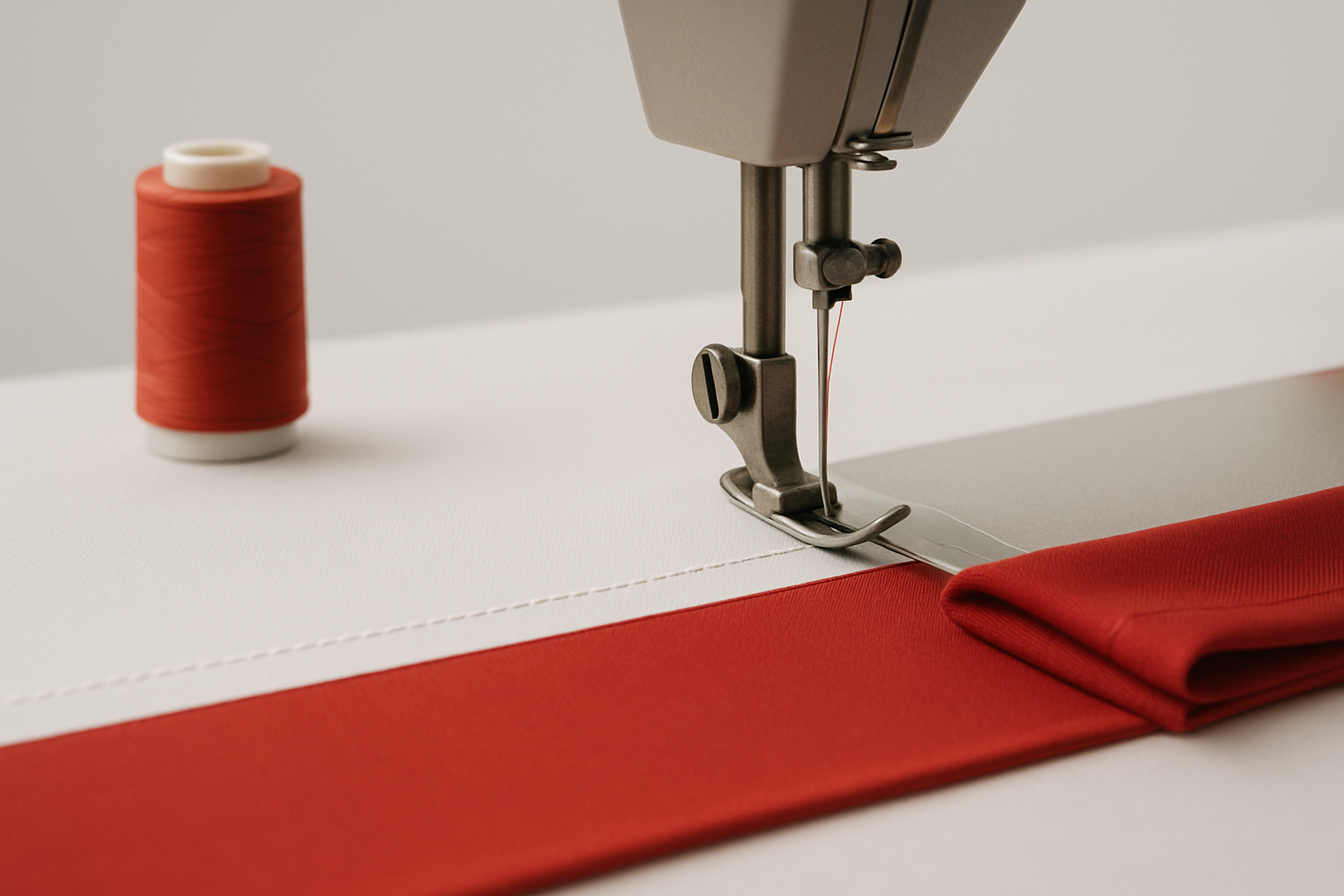
After the sealant is dry, assess whether the frayed zone is near a seam or hem. If fraying has opened a seam — most commonly at the fly hem (the open edge opposite the pole sleeve) — you'll need to re-stitch it. Thread a needle with polyester thread and use a running stitch or backstitch (backstitch is stronger) with about 3–4 stitches per inch (12–16 stitches per 10 cm). Keep the stitch line at least ¼ in (6 mm) inside the original seam line so you're stitching into undamaged fabric. Finish with a double knot and apply a small drop of seam sealant over the knot to prevent it from working loose in wind. For large tears longer than 4 in (10 cm), reinforce the back side with an iron-on patch before stitching — this distributes the stress that wind will put on the repair.
Finally, check the header — the white canvas or heavy fabric strip along the pole edge — since this is a high-stress area. If the header is tearing away from the flag body, sew it back in place with heavy-duty thread using a zigzag stitch if you have a machine, or a dense hand backstitch if not. Grommets set into a torn header should be re-set with a grommet tool kit available at any hardware store; a loose grommet causes the entire header to rip out under load. After completing all repairs, hang the flag for a test period of 24–48 hours in moderate wind before returning it to a high-exposure position.
Mistakes That Make Fraying Worse Instead of Better
 The single most common mistake is pulling on loose threads instead of cutting them — pulling a thread unravels 2–4 inches (5–10 cm) of surrounding fabric in seconds. Cut every loose thread cleanly at its base before doing anything else. The second major error is skipping the sealant step, assuming a stitch alone will hold: outdoor flags flex thousands of times per day in the wind, and an unsealed edge will re-fray within days. Using the wrong adhesive — such as standard craft glue or hot-melt glue — is another common problem; these adhesives crack and peel in UV and rain, often pulling surrounding fabric with them. Always use a sealant rated for outdoor fabric, ideally one that remains flexible when cured. The Poland Outdoor Flag, like all Raschel knitted polyester flags, has a fabric structure that can snag if improper tape or adhesive is applied across the knit loops — always test any adhesive on a hidden corner first.
Trimming too aggressively is the fourth big mistake. Cutting deep into the flag to remove a ragged edge removes design elements and weakens structural integrity — trim only what is truly loose. A fifth error is attempting repairs while the flag is still attached to the pole. Working on a flag that's mounted makes it impossible to lay the fabric flat, creates uneven tension, and risks damaging the hardware. Always remove the flag completely, clean it if needed (machine wash cold, gentle cycle), and dry it fully before beginning any repair work. If you're curious about choosing a more wind-resistant fabric for your next flag to reduce fraying in the first place, our article on how to choose flag fabric for windy areas covers the key variables in detail.
How Long the Repair Will Last and How to Protect the Flag Afterward
A well-executed repair — trimmed, heat-sealed, stitched, and sealant-finished — should hold for 3 to 6 months of continuous outdoor display under normal wind conditions, after which you should inspect the repaired edge again. The overall lifespan of a quality outdoor flag ranges from 6 months to 2 years depending on UV exposure, wind speed, and whether the flag is lowered during severe weather. Protecting your repair long-term means addressing the root causes of fraying: constant high wind, poorly tensioned halyards that cause the flag to whip violently, and leaving a flag out in storms. A flag that continuously wraps around the pole is a particularly fast fraying mechanism — consider a spinning pole mount or a tangle-free swivel if this is a recurring problem.
UV degradation is the invisible accelerant. Even a perfectly repaired edge will re-fray faster on a flag that has lost 30–40% of its fiber strength to UV exposure — which typically happens after 12–18 months on south-facing installations in high-sun climates. Flags rated as 80% UV resistant extend this window significantly. Wash your flag every 2–4 weeks in heavy outdoor use to remove grit that acts like sandpaper against the fly edge. For a detailed care routine that also applies to flag repair maintenance, our guide to cleaning and storing flags provides practical steps that work across all flag fabrics.

Country Flags Collection
Premium outdoor-grade country flags built for durability — the right replacement when a repair is no longer the most cost-effective option.
Browse Collection →When Repair Isn't Enough and Replacement Is the Right Call
If fraying covers more than 25% of the fly edge, or if the flag body has multiple tears, significant color fading, or a header that has fully separated, replacement is more cost-effective than repair. Continuing to fly a severely damaged flag also has a symbolic dimension: US Flag Code (4 USC § 8(k)) specifically states that a flag that is no longer a fitting emblem of display should be retired, not patched and re-flown. The same principle applies to flags of other nations flown in diplomatic or public settings under FIAV display standards. A flag that looks worse after repeated patching than it would if replaced does a disservice to what it represents.
For anyone flying multiple flags at a commercial property, government building, or large residential installation, consider scheduling a formal flag inspection every 90 days rather than waiting for visible fraying. Catching a loose thread at week 8 is a 5-minute fix; ignoring it until week 16 often means a full fly-end has unraveled and re-stitching may distort the flag's proportions. If your flagpole hardware — snap hooks, halyard rope, or the pole itself — is showing signs of wear that accelerates flag fraying, that's a pole maintenance issue separate from flag fabric repair; consult a professional flag installation service or your local municipal facilities team.
When Should You Call a Professional for Flag Repair
Call a professional when the flag is large (anything above 5 ft × 8 ft / 150 cm × 240 cm), historically significant, or made of a delicate fabric like silk or embroidered wool. These flags require industrial sewing machines, specialist threads, and dye-matched fabric patches that a home repair kit cannot provide accurately. Commercial flag manufacturers and textile conservators can re-hem, re-header, and re-grommet a flag to a near-original standard — at a cost that is often worth it for ceremonial or commemorative pieces. If the fraying is being caused by a mechanical issue with the flagpole (a rough surface, a broken truck, or an improperly tensioned halyard), the pole must be repaired first, or a new flag will develop the same damage within weeks. For choosing the right replacement flag material before you invest in a new flag, our guide on embroidered vs. printed flags for outdoor use helps you weigh durability options by construction type.
Can I repair a frayed flag at home or do I need special tools? +
How do I know when a frayed flag should be replaced instead of repaired? +
What is a flag pole repair kit and what does it typically include? +
What thread should I use when stitching a repaired flag edge? +
How long does a flag repair last before I need to redo it? +
Can I use fabric glue instead of stitching to repair a frayed flag? +
Does my flagpole need repair if my flag keeps fraying in the same spot? +
Extending the life of your flag through timely repair is always worthwhile — but when the damage is too extensive or the flag has simply served its full lifespan, investing in a quality replacement makes more sense than repeated patching. Browse the USA Flag Collection for premium outdoor-rated options, or explore the full Country Flags collection for national flags built for long-term outdoor display. If you need a specific flag such as the Canada Outdoor Flag crafted from durable 90g Raschel knitted polyester, you'll find it there as well. Bulk pricing is available for corporate, government, and institutional orders — contact us for a quote on multi-unit flag programs.