


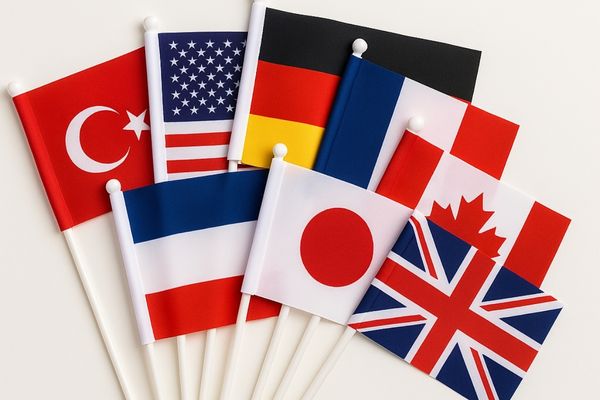


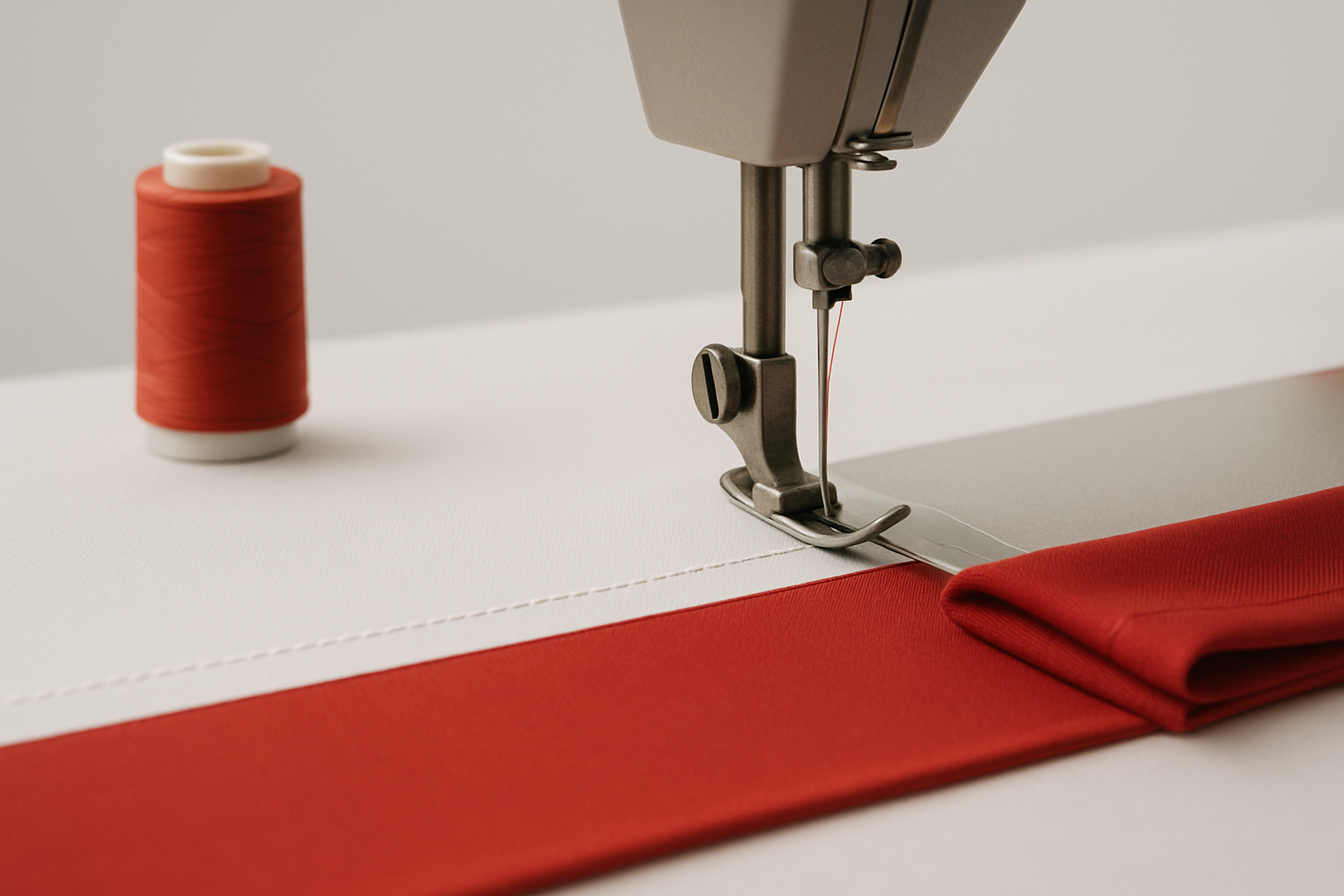

Proper flag care — including gentle washing, careful ironing, and organized storage — extends the life of your flag from months to years and preserves its colors, structure, and dignity. Whether you display a nylon outdoor banner or a high-quality embroidered ceremonial piece, following the right cleaning and storage steps makes a measurable difference. This complete guide walks you through every stage of flag maintenance, from removing dirt and stains to folding and storing your flag correctly between uses. If you are looking for durable, easy-care flags built for American homes and businesses, the Flags Collection at Asya Bayrak offers a wide range of options designed with longevity in mind.
Understanding Flag Materials Before You Clean
The safest way to clean any flag starts with identifying its fabric, because nylon, polyester, cotton, and wool each respond differently to water, heat, and detergents. Nylon and polyester flags are the most forgiving — they can generally be machine washed on a gentle cycle — while cotton and wool flags require hand washing or dry cleaning to prevent shrinkage and color bleeding.
Most modern outdoor flags sold in the United States are made from either 200-denier nylon or 300-denier polyester. Nylon flags are lightweight and dry quickly, making them ideal for residential use, while polyester flags are heavier and handle strong winds better, making them a preferred choice for commercial flagpoles. Both materials are typically treated with UV-resistant coatings that can degrade if exposed to harsh detergents or high-temperature washing. Embroidered flags, including ceremonial and military-presentation flags, often feature wool bunting or a cotton-poly blend that requires the most delicate approach. Always check the sewn-in care label before proceeding — many manufacturers stitch washing instructions directly into the hem. When no label is present, default to the mildest method available for that fabric type.
How to Wash a Flag Safely at Home
For most nylon and polyester flags, a gentle machine wash in cold water with a mild, color-safe detergent is the recommended flag washing method; hand washing is best for cotton, wool, and embroidered flags. Avoid bleach, fabric softeners, and hot water in all cases, as these agents break down dye bonds and weaken stitching over time.
 For machine-washable flags, turn the flag inside out before placing it in the drum — this protects printed graphics and embroidery from direct friction against the machine interior. Select the delicate or gentle cycle, set the water temperature to cold (below 86°F / 30°C), and use no more than half the recommended amount of a pH-neutral detergent. Avoid washing your flag alongside heavy garments like jeans or towels that can cause abrasion, and skip the spin cycle if the flag is heavily embroidered, opting instead for a slow spin or manual wringing. For hand washing, fill a clean basin with cool water, submerge the flag fully, and gently agitate the fabric by hand for three to five minutes before rinsing thoroughly until the water runs completely clear. Smaller display pieces — such as the USA desk flags — are especially well-suited to hand washing given their compact size and detailed stitching.
Stubborn stains such as bird droppings, tree sap, or grease should be pre-treated before washing. Apply a small amount of mild dish soap or a commercial fabric stain remover directly to the affected area, let it sit for five to ten minutes, and then gently blot — never rub — with a clean white cloth. Rubbing spreads the stain and damages fiber weaves. Rinse the pre-treated area with cold water before proceeding to the full wash. For flags with significant mildew from prolonged outdoor exposure, a solution of one tablespoon white vinegar per quart of water works as a natural, color-safe soak for up to 30 minutes before washing.
Drying Your Flag Without Causing Damage
Air drying is the safest drying method for all flag types; if you use a machine dryer, set it to the lowest heat setting and remove the flag while it is still slightly damp to prevent heat-set wrinkles and fabric shrinkage. Never wring a flag aggressively, as this strains the stitching along the header and fly end — the two highest-stress seams on any flag.
To air dry, hang the flag over a clean, smooth rod or a padded clothesline in a shaded area rather than in direct sunlight. Direct sun accelerates UV degradation, which can fade colors by as much as 30–40% faster compared to shade drying, particularly on printed flags where the dye sits on the surface of the fabric rather than being woven through. Lay embroidered or heavy wool flags flat on a clean dry towel to preserve their shape and prevent stretching from the weight of water. Drying time varies by material: nylon flags typically dry within one to two hours in moderate airflow, polyester takes two to three hours, and cotton can take four to six hours. Ensure the flag is completely dry before storing or re-hanging — even minor residual moisture trapped inside a storage bag creates conditions for mildew growth within 24 to 48 hours.
How to Iron a Flag Correctly
Iron a flag on the lowest appropriate heat setting for its fabric, always using a pressing cloth between the iron and the flag surface to prevent scorching, glazing, or melting of synthetic fibers. Never iron directly over embroidery, screen-printed graphics, or metallic fringe.
For polyester and nylon flags, use a cool iron (below 275°F / 135°C) or a garment steamer held two to three inches from the fabric surface — steamers are often the safest choice for these materials because they relax wrinkles without direct contact heat. Cotton flags tolerate a medium-heat iron (up to 400°F / 204°C) with a lightly damp pressing cloth to smooth deep creases. Always iron in the direction of the weave rather than across it, using long, even strokes. For ceremonial flags with fringe, avoid ironing the fringe altogether; instead, gently straighten individual fringe strands by hand while the flag is still slightly warm from steaming. If a flag has been folded and stored for a long period, pre-mist it lightly with clean water in a spray bottle before ironing to help release stubborn fold lines. Allow the flag to cool fully on a flat surface before folding or rolling it for storage.
Flag Storage: The Right Way to Fold and Store
Proper flag storage means folding or rolling the flag without sharp creases, placing it in a breathable cotton storage bag or acid-free box, and keeping it in a cool, dry, dark location away from humidity and pests. The traditional tri-fold method used for the American flag — producing the iconic triangular shape representing the cocked hat of Revolutionary War soldiers — is the respectful and space-efficient standard for US flag storage.
Flags Collection
Explore durable nylon and polyester flags built for easy care and long-lasting outdoor or indoor display across homes, offices, and government facilities.
Browse Collection →Under the US Flag Code (4 USC §§ 1–10), the American flag should never be stored in a manner that allows it to touch the ground or become soiled, and it should be stored separately from other flags when possible to avoid dye transfer. For non-US flags and decorative banners, rolling rather than folding is often preferable — roll the flag around an acid-free cardboard or PVC tube to avoid permanent crease lines that can become stress fractures in synthetic fabrics over time. Store rolled or folded flags in cotton pillowcases, muslin bags, or archival-quality boxes rather than plastic bags or bins, which trap moisture and accelerate mildew and fabric deterioration. Cedar blocks or lavender sachets placed near stored flags naturally deter moths and insects without the chemical damage caused by mothballs. For long-term storage exceeding six months, inspect flags every 60–90 days for moisture, pest activity, or color transfer, and re-fold along different lines each time to prevent permanent crease damage.
How Often Should You Wash and Replace Your Flag?
Outdoor flags flown daily should be inspected weekly and washed every one to three months depending on environmental exposure; a well-maintained flag typically lasts six months to two years outdoors, while properly stored indoor and ceremonial flags can last ten years or more. Flags in coastal, industrial, or high-pollution environments will need cleaning and replacement more frequently than those in rural settings.
Key signs that a flag needs immediate cleaning include visible dirt, discoloration, or staining; a musty or mildew odor; stiffness from accumulated airborne pollutants; or fraying at the fly end that has collected grime. Fraying at the fly end alone is not always a cause for retirement — light fraying of up to 1 inch (2.5 cm) is normal wear and can be trimmed by a flag repair specialist. However, the US Flag Code recommends retiring a flag that is "no longer a fitting emblem for display" by burning it in a dignified ceremony, a service offered by many VFW posts, American Legion chapters, and Boy Scout troops nationwide. Establishing a simple maintenance calendar — washing in spring, mid-summer, and fall — dramatically extends the usable life of any flag and keeps colors vivid and fabric strong throughout the display season.
Special Considerations for Desk Flags and Indoor Display Flags
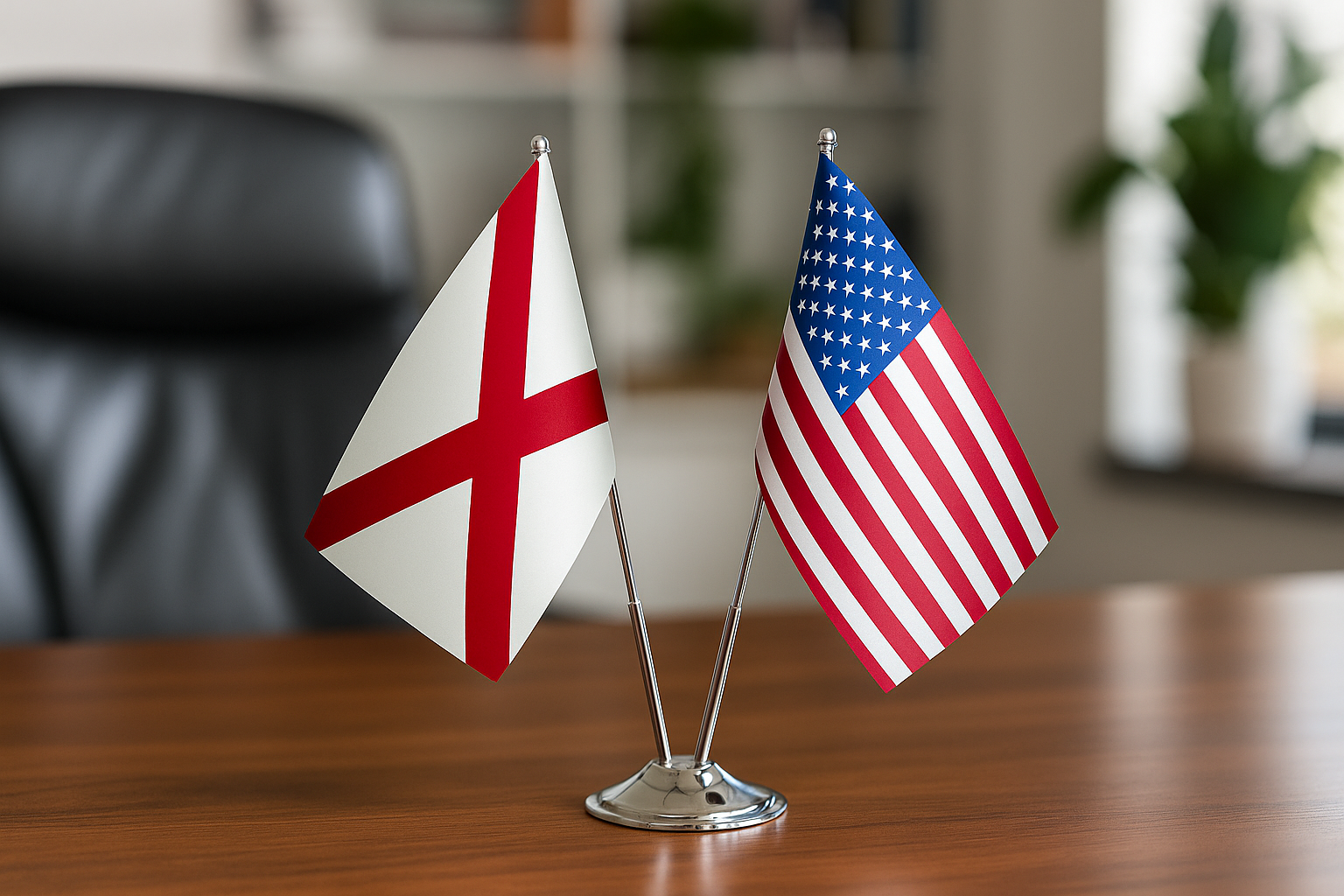
Desk flags and indoor display flags accumulate dust rather than grime and typically need only light cleaning — a soft brush, a lint roller, or a brief hand wash every two to four months depending on office or home traffic. These smaller flags are also more vulnerable to color fading from indoor lighting, particularly from fluorescent or halogen sources positioned nearby.
Because desk and indoor flags are handled far more frequently than outdoor flags — adjusted, repositioned, or packed for travel — their header stitching and grommets endure repetitive mechanical stress. Inspect the header seam and any brass grommets monthly for signs of thread separation or corrosion, and address issues promptly to prevent further unraveling. When cleaning a small desk flag, hand washing in a basin is almost always preferable to machine washing, since the agitation of even a gentle cycle can distort the proportions of a small flag or damage the staff attachment point. After washing, press the flag flat on a clean white towel and reshape it gently with your hands before it fully dries to ensure it hangs correctly on its staff. Proper storage for desk flags when not in use is equally important: keep them in their original packaging, a soft pouch, or a small acid-free envelope in a drawer away from direct sunlight and heat sources such as radiators or air conditioning vents.
Frequently Asked Questions
Can I put my flag in the washing machine? +
How do I remove mildew from a flag? +
Is it disrespectful to wash the American flag? +
What is the correct way to store the American flag? +
Can I use bleach to clean a flag? +
How do I get wrinkles out of a flag without ironing? +
How long does a flag last with proper care? +
Taking care of your flag is a straightforward practice that pays dividends in longevity, appearance, and respect. By washing with the correct method for your flag's fabric, drying safely in shade, ironing with appropriate heat and protection, and storing in breathable, moisture-free conditions, you protect your investment and honor what the flag represents. Whether you own a large outdoor banner, a compact desk display, or a ceremonial piece, the principles of good flag care remain the same. Explore the full range of American-made and internationally crafted flags available through the Flags Collection at Asya Bayrak, or browse our precision-crafted USA desk flags designed for easy maintenance and lasting quality. Bulk pricing is available for corporate, government, and institutional orders — contact our team directly to discuss volume requirements and custom specifications.


