
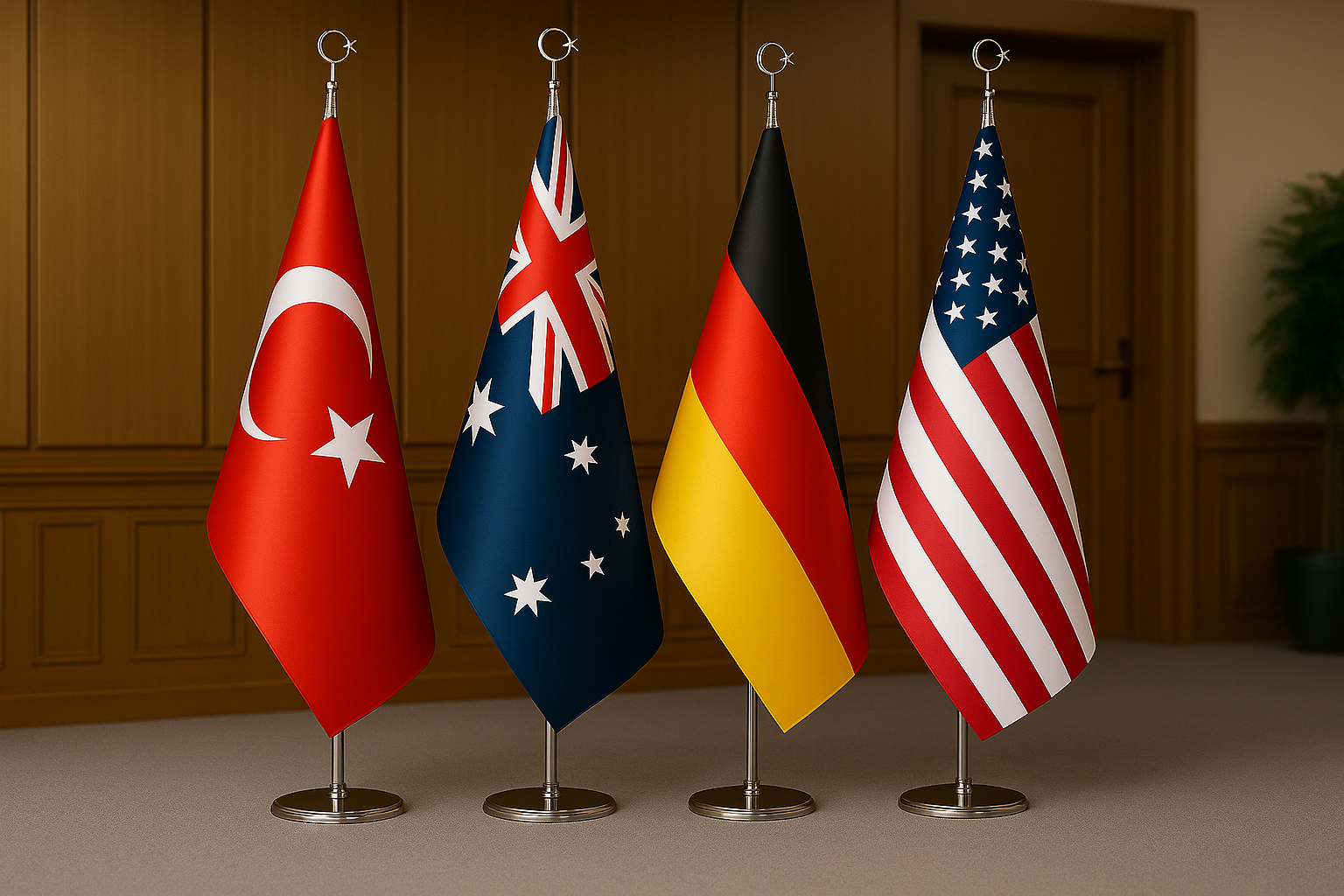
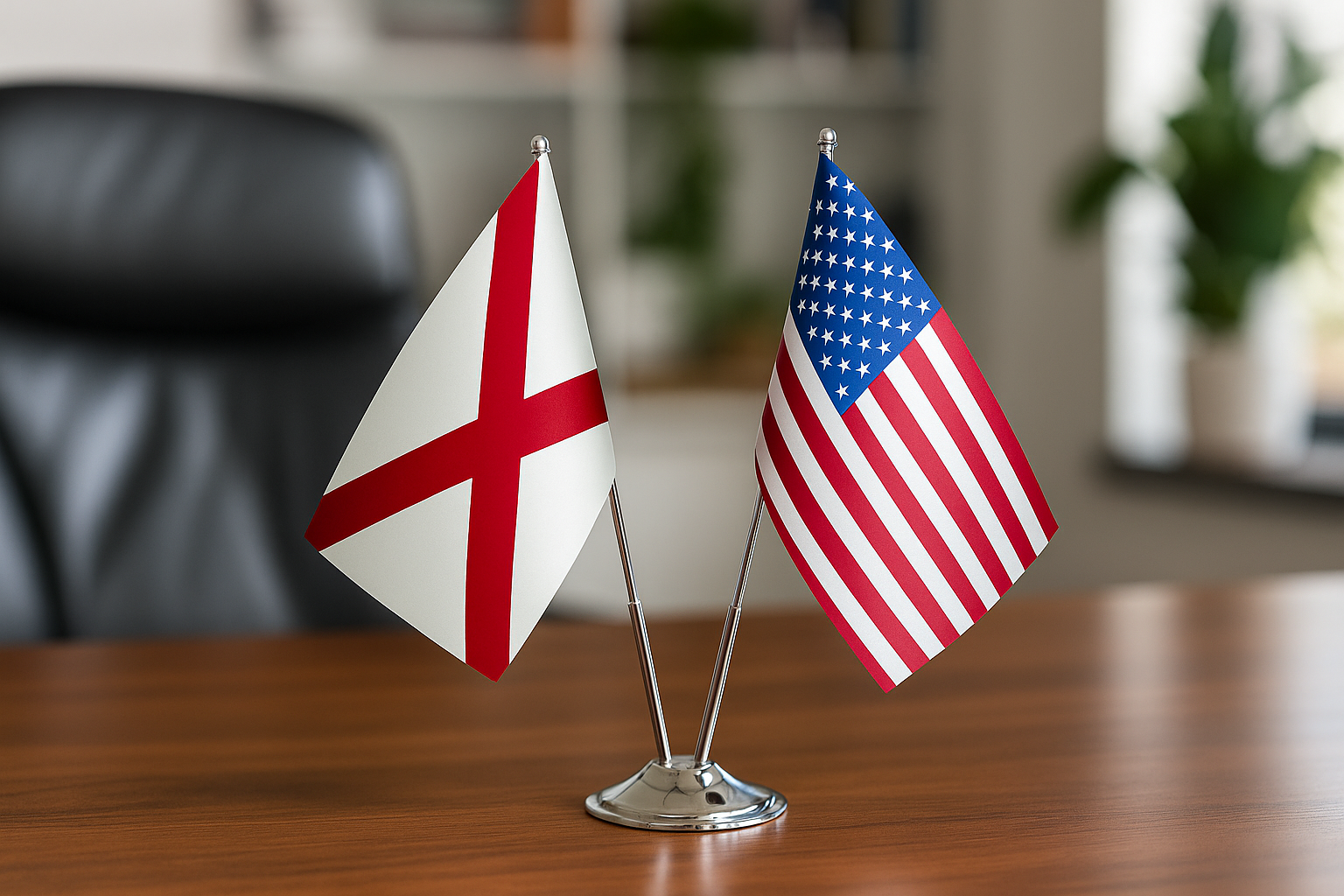



Proper independence day flag etiquette means displaying the Stars and Stripes at the correct time, position, and condition — and July 4th is one of the most important days to get it right. Whether you're hanging a flag from your porch, raising one on a staff, or decorating your business for the holiday, the US Flag Code (4 USC §§ 1-10) provides clear guidance that every American should know. From sunrise to sunset rules to half-staff protocols, this guide covers everything you need to display your USA Outdoor Flag with pride and respect this Independence Day.
Understanding the US Flag Code for July 4th
The US Flag Code is the federal law that governs how the American flag should be displayed, handled, and respected — and July 4th is specifically designated as one of the national holidays when flying the flag is strongly encouraged. Under 4 USC § 6, the flag should be displayed on all days when weather permits, but especially on national and state holidays including Independence Day. While the Flag Code does not impose criminal penalties on civilians for violations, it represents the standard of respect and care that Americans are expected to show toward the national symbol. Understanding these rules before you put up your patriotic flag display ensures your celebration honors those who fought for the freedoms the flag represents.
When to Raise and Lower Your 4th of July Flag
On Independence Day, the flag should be raised at sunrise and lowered at sunset — this is the standard rule under the Flag Code for outdoor display. If you want to display your 4th of july flag overnight, the Code requires that it be properly illuminated by a light source; a spotlight or dedicated flagpole light is sufficient to meet this requirement. Timing matters more than many people realize: raising your flag before dawn or leaving it unlit after dark without illumination is considered improper display. For the best patriotic flag display experience, set a reminder for sunrise (which typically falls between 5:30 and 6:00 a.m. in most of the continental US on July 4th) and plan your illumination setup the night before. If you're attending a morning parade or community event, consider raising your flag as part of the day's first celebration activity to mark the historic occasion.
The Right Way to Position and Hang Your Flag
 Correct flag positioning is one of the most visible aspects of flag etiquette july 4 celebrations, and mistakes are easy to spot and avoid. When displayed on a flagpole, the union — the blue field with 50 stars — must always be at the peak of the staff, except when flown at half-staff. When hanging the flag flat against a wall or in a window, the union should be in the upper left corner as seen by an observer outside. If suspended horizontally over a street or between buildings, the stars should face north on an east-west street, and east on a north-south street. When the flag is mounted on a speaker's platform, it must be placed to the speaker's right — which is the audience's left — as that position signifies the place of honor. You can explore the full range of properly constructed options in the flags collection, which includes sizes and styles for every type of residential or commercial mounting scenario.
Flag size relative to your flagpole also matters for a proportional, respectful display. A general guideline used by flag professionals is that the flag's fly length (the longer horizontal dimension) should be approximately one-quarter to one-third the height of the flagpole. For a standard 20 ft (6.1 m) residential pole, a 3 ft × 5 ft (0.9 m × 1.5 m) or 4 ft × 6 ft (1.2 m × 1.8 m) flag is typically appropriate. Oversized flags on undersized poles can become safety hazards in wind and are generally considered visually improper. Choosing the right dimensions signals that you've given thought to your independence day flag display, not just thrown something up in a hurry.
Half-Staff Rules: Does July 4th Ever Require It?
Half-staff display on Independence Day is rare but can occur if a presidential proclamation is issued — and knowing the difference between "half-staff" (on a land pole) and "half-mast" (on a ship) is itself a mark of flag literacy. Under 4 USC § 7(m), the President may order the flag to half-staff on Memorial Day and other occasions of national mourning; in those cases, even Independence Day celebrations would call for a respectful adjustment. When flying at half-staff, the flag is first raised briskly to the top of the pole and then lowered ceremonially to the halfway point — it is never simply raised to half-staff directly. At the close of day, the flag is again raised to the peak before being lowered and folded. If no presidential proclamation is in effect on July 4th, fly your independence day flag at full staff with full pride — it's the one day above all others meant for an unrestrained display of national spirit.
Choosing the Right Flag Material for Outdoor July 4th Display
 The material of your flag directly impacts its lifespan, color retention, and how respectfully it presents in public — and for a holiday as high-profile as July 4th, quality matters. Nylon is the most popular outdoor flag material because it is lightweight, dries quickly, and features up to 80% UV resistance, giving it a lifespan of 6 months to 2 years depending on wind and sun exposure. Polyester is heavier and more wind-resistant, making it ideal for areas that experience strong summer gusts common in many parts of the US. For decorative or banner-style applications — such as storefronts, fences, and event spaces — a USA Flag Banner in Rashel Fabric offers an attractive, cost-effective option that prints vibrant reds, whites, and blues with excellent color fidelity. Rashel fabric is a mesh-like material with open weave construction, which means it reduces wind load by up to 30% compared to solid fabrics, making it safer and longer-lasting in outdoor settings. Always inspect your flag before hanging it on a national holiday — frayed edges, faded colors, or torn fabric is considered disrespectful under the Flag Code, which specifies that a flag in poor condition should be retired rather than displayed.
When storing or transporting your 4th of july flag, fold it using the traditional triangular military fold whenever possible. Avoid placing any object on top of a folded flag, and never use it as a tablecloth, drape, or decoration in a way that the Flag Code would consider degrading. Proper storage in a cool, dry place between uses extends flag life significantly — UV exposure and moisture are the two biggest enemies of flag longevity.
Decorating Beyond the Flag: Banners, Bunting, and Patriotic Displays
Patriotic flag display for Independence Day extends beyond a single flagpole, and complementary decorations can enhance the festive atmosphere without violating Flag Code principles. Bunting — the red, white, and blue draped fabric seen on porches, balconies, and parade floats — is specifically addressed in the Flag Code: it should always be arranged with the blue at the top, white in the middle, and red at the bottom. Unlike the flag itself, bunting is designed purely for decoration and is not subject to the same handling restrictions. Banners, pennants, and patriotic signage can be freely mixed with a properly displayed flag as long as the American flag remains in the position of highest honor — meaning it should be the tallest or most prominently placed element in any grouping. You can find a wide range of patriotic display options in the banners and posters collection to complement your main flag display this July 4th.
USA Flags Collection
Explore our full range of American flags in multiple sizes and materials — built for outdoor durability and holiday-ready patriotic display.
Browse Collection →Retiring a Worn Flag: What to Do After the Holiday
After Independence Day celebrations, inspect your flag carefully — a flag that has been flown all day in summer heat and wind may show signs of wear that require proper retirement. The Flag Code (4 USC § 8(k)) states that a flag that is no longer a fitting emblem for display should be destroyed in a dignified manner, preferably by burning. The American Legion, VFW posts, and Boy Scout troops frequently hold formal flag retirement ceremonies around Independence Day and throughout the year — contact a local chapter to participate in or donate your worn flag to one of these events. Never simply throw a flag in the trash; this is widely considered disrespectful regardless of whether it is strictly illegal under federal law. Starting the next patriotic season with a fresh, properly constructed flag is both a sign of respect and a way to ensure your display always looks its best.
Frequently Asked Questions
Can I fly my independence day flag at night on July 4th? +
What size flag is appropriate for a standard residential flagpole? +
Does the flag need to be flown at half-staff on July 4th? +
Which direction should the union (blue field) face when hanging the flag on a wall? +
What is the best flag material for outdoor July 4th display? +
How should I arrange bunting and other patriotic decorations alongside the American flag? +
What is the proper way to retire a worn or damaged American flag? +
This Independence Day, let your patriotic flag display reflect not just enthusiasm but genuine knowledge of the traditions and rules that make flying the Stars and Stripes so meaningful. Whether you need a durable USA Outdoor Flag built for summer weather, a decorative USA Flag Banner in Rashel Fabric for your storefront or event space, or you want to browse the complete flags collection for the right size and style, Asya Bayrak offers high-quality options crafted to meet the standards the Flag Code demands. Bulk pricing is available for corporate orders, municipalities, schools, and event organizers who need multiple flags for large-scale July 4th celebrations — reach out to discuss your requirements and get a custom quote.


