





Memorial Day flag etiquette questions come up every spring as households, businesses, and government offices prepare to honor fallen service members. The rules are not complicated, but they are specific — and getting them right is a meaningful act of respect. This guide draws on the U.S. Flag Code and current 2026 standards to answer the questions Americans ask most often.
What Are the Core Memorial Day Flag Rules?

The U.S. Flag Code §175 establishes the foundational rules every flag owner should know before Memorial Day. Flags are flown at half-staff from sunrise to noon as a sign of mourning for those who gave their lives in military service. At noon, flags are raised to full-staff for the afternoon hours, symbolizing that the nation — though it grieves — endures. These two positions together tell the complete Memorial Day story.
Beyond the half-staff timing, the Flag Code specifies that the flag should be displayed on or near every public institution and polling place. Private citizens and businesses are strongly encouraged to participate. A quality USA Outdoor Flag designed for extended outdoor use makes consistent display easier across spring weather conditions.
Half-Staff vs. Half-Mast: Is There a Difference?
Yes — the distinction is straightforward. “Half-mast” technically refers to flags flown at sea, aboard ships, where the flag is lowered on a mast. “Half-staff” is the correct term for flags on land. Both terms describe a flag raised to the midpoint of the pole. As of 2026, federal proclamations and U.S. Flag Code guidance consistently use “half-staff” for land-based displays.
When Should the Flag Be Raised and Lowered on Memorial Day?
Timing on Memorial Day follows a two-phase schedule that distinguishes it from other federal observances where flags remain at half-staff all day.
- Sunrise to noon: Raise the flag briskly to full-staff first, then lower it to the halfway point of the pole. This deliberate sequence is required by protocol — never simply raise the flag directly to the half-staff position.
- Noon to sunset: Raise the flag from half-staff to full-staff, where it remains for the rest of the day.
- After sunset: Lower and fold the flag unless the display is properly illuminated throughout the night.
If your pole does not allow precise half-staff positioning, raise the flag as close to the midpoint as your hardware allows. The intent of the gesture matters alongside the mechanics.
How Should Businesses and Government Offices Display Flags?
Businesses, government buildings, schools, and other institutions have a clear obligation under the U.S. Flag Code to display the flag on Memorial Day. Per the General Services Administration size guidance, larger buildings and plazas typically use flags ranging from 5×8 ft to 10×19 ft, while smaller storefronts and offices commonly use 3×5 ft or 4×6 ft flags.
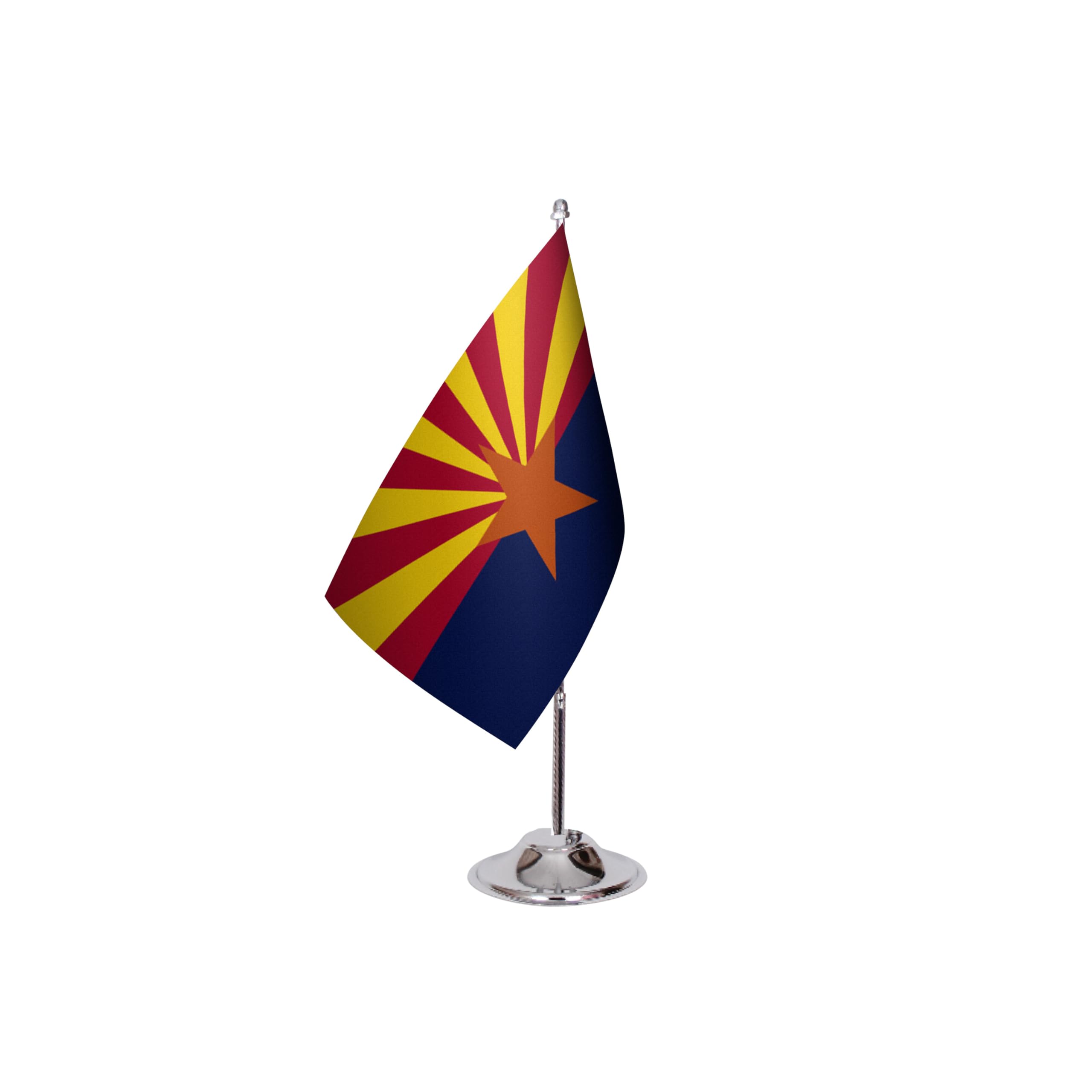
For corporate buyers looking to outfit multiple locations, our Flags collection offers a range of sizes suited to both interior lobbies and exterior poles. As of 2026, many municipalities also require that any flag flown on public property be made in the USA — verify local ordinances before placing a bulk order.
What About Indoor Displays?
Indoor flags are not subject to the half-staff requirement because most interior poles cannot be adjusted. Instead, the flag may be displayed at full-staff in a stand or on a wall mount. When displayed flat against a wall, the union (the blue field of stars) must appear in the upper-left position as viewed by the observer facing the flag.
What Condition Must the Flag Be In?
The U.S. Flag Code is direct: the flag should never be displayed in a torn, dirty, or tattered condition. Memorial Day is one of the most visible flag-flying days of the year, which makes it an excellent time to inspect your current flag and replace it if needed.
Common signs that a flag should be retired:
- Fraying or unraveling along the fly end (the free edge opposite the pole)
- Fading that obscures the red stripes or stars
- Tears longer than one inch
- Staining that cannot be removed by washing
- Missing grommets or damaged header
The USA Flag Collection includes nylon and polyester options rated for high-wind environments, making them durable choices for spring conditions across most U.S. regions.
How Do You Properly Retire a Worn American Flag?
Retiring a worn flag with dignity is as important as displaying it correctly. The U.S. Flag Code §176(k) states that a flag that is no longer fit for display should be destroyed in a dignified way, preferably by burning. The American Legion, VFW posts, and many fire departments host formal flag retirement ceremonies, particularly around Memorial Day and Flag Day.
If you are conducting a private retirement:
- Fold the flag into the traditional triangle before placing it in the fire.
- Allow it to burn completely in a controlled, respectful setting.
- Bury the ashes or scatter them in a meaningful location.
Some organizations accept worn flags year-round for group retirement ceremonies — contact your nearest American Legion post to confirm current 2026 drop-off schedules.
Can You Fly Other Flags Alongside the American Flag?
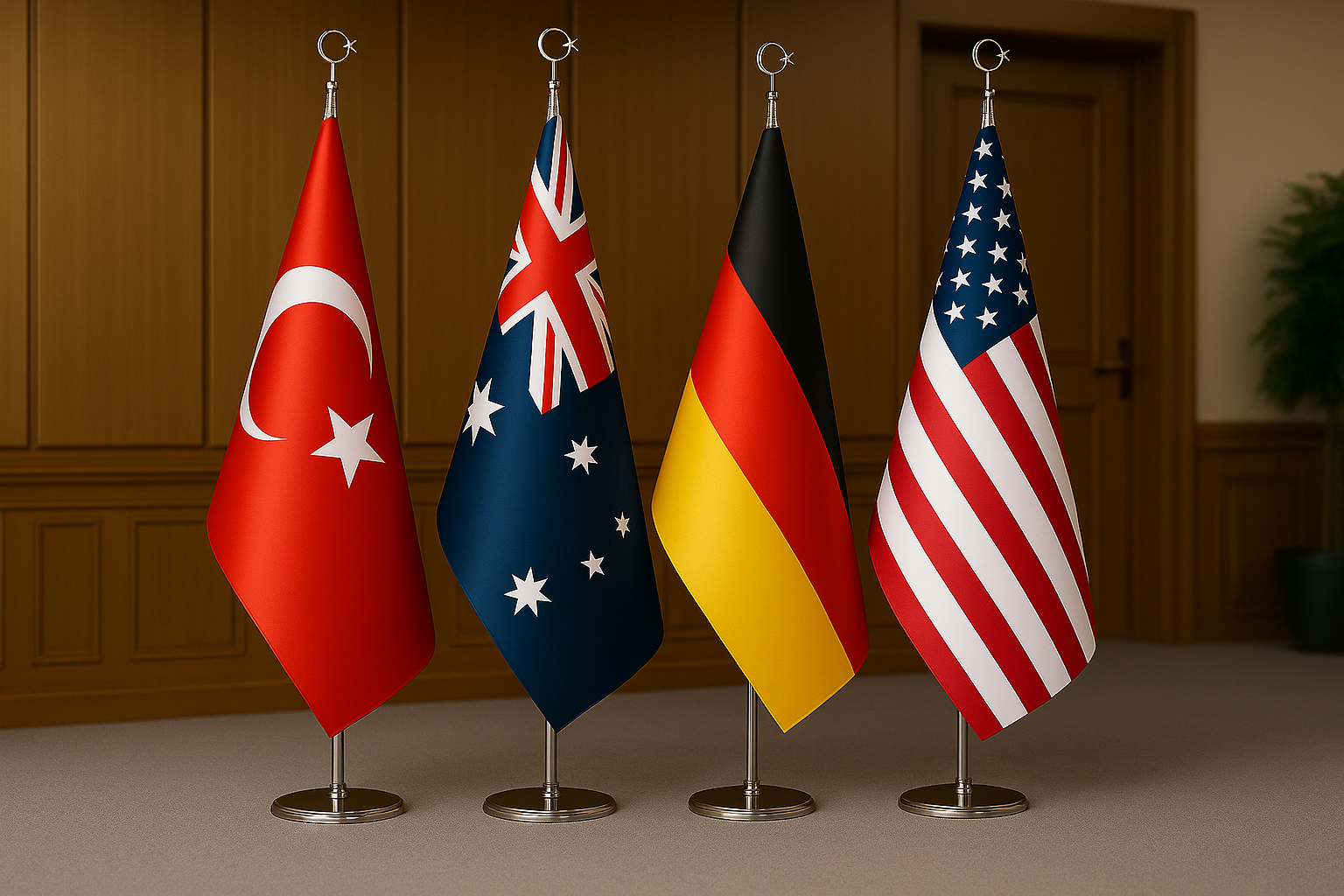
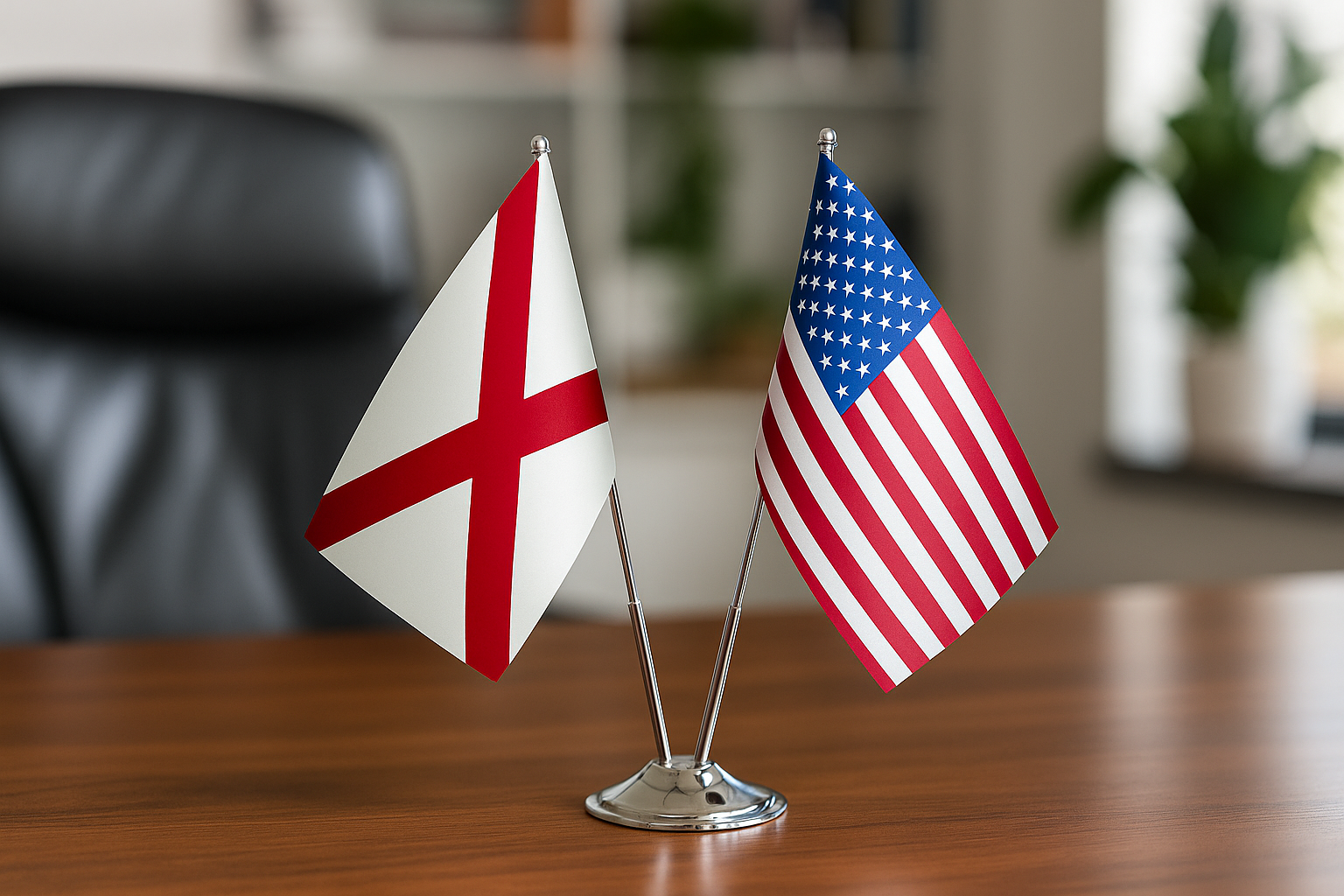
Yes, but the U.S. Flag Code establishes a strict hierarchy. The American flag must always be at the peak when flown on the same pole with any other flag. When displayed on separate poles of equal height, the American flag is positioned to its own right — which appears on the left from the viewer’s perspective.
State flags, organizational flags, and decorative banners may all be flown below or to the left of the U.S. flag. On Memorial Day, many municipalities and corporate campuses fly POW/MIA flags directly below the U.S. flag as a secondary honor — this is federally recognized per the POW/MIA Flag Act.
If you are outfitting an event or campus with multiple flag sets, the USA Flag Collection and our broader Flags inventory can help you build a compliant, visually cohesive display.