
When buying a flag of Ghana, the three things that matter most are color accuracy, fabric quality, and correct proportions — get any one of these wrong and the flag loses its meaning and lifespan. Whether you're displaying the Ghana African flag at a cultural event, an embassy, a school, or a business, knowing what separates a quality flag from a cheap imitation will save you money and embarrassment. Our African Countries Flags collection covers every format — from full-size outdoor flags to handheld parade versions — so you can find the right fit without guessing.
Quick Verdict: Who Needs Which Ghana Flag Format
If you need a flag of Ghana Africa for permanent outdoor display, choose a heavyweight polyester outdoor flag; if you need it for events, parades, or desktop diplomacy, a handheld or desk flag is the smarter buy. The use case determines everything: fabric weight, mounting hardware, size, and even the finishing style on the edges. Outdoor flags endure wind, rain, and UV radiation for 6 months to 2 years depending on exposure, while event and desk flags are optimized for indoor longevity and portability. Understanding this split up front prevents the single most common buying mistake — ordering an indoor flag for a flagpole or an oversized outdoor flag for a trade-show table.
What Makes the Ghana Flag Design Accurate (and Why It Matters)
An accurate flag of Ghana Africa displays three equal horizontal bands — red on top, gold in the middle, and green on the bottom — with a solid five-pointed black star centered in the gold band. These colors carry constitutional weight: red represents the blood of those who died for independence, gold symbolizes the country's mineral wealth, green stands for its forests and natural resources, and the black star honors African freedom. Ghana adopted this design on March 6, 1957, upon independence, making it one of the earliest post-colonial African flags and a direct inspiration for several others on the continent.
Color fidelity is the first checkpoint. Poorly made versions often substitute a muddy olive for the deep forest green, or use a washed-out yellow instead of the rich golden shade specified by Ghana's national standards. Under the FIAV (Fédération Internationale des Associations Vexillologiques) framework, the green should read as a strong, saturated tone — not lime, not khaki. The red band should be a true crimson, not orange-red. Request a color reference card or digital proof from any manufacturer before placing a bulk order, and view the flag under both natural and artificial light to catch any drift.
 The star proportions matter as much as the colors. On a properly produced flag, the five-pointed black star sits perfectly centered in the gold band — not slightly high, not tilted, not undersized relative to the band width. A misaligned or shrunken star is a common quality shortcut that's easy to spot once you know to look for it. For outdoor applications where the flag will fly at height and be seen from a distance, the star's contrast against the gold band is what gives the flag its visual impact. The Ghana Outdoor Flag is produced with screen-printed or dye-sublimated graphics that maintain crisp star edges even after repeated washing cycles and prolonged sun exposure of up to 80% UV resistance over the flag's rated lifespan.
Fabric and Construction: The Strengths and Weaknesses of Different Materials
Outdoor Ghana flags are strongest when made from 100-denier or 150-denier woven polyester, which resists fraying, holds color under UV exposure, and dries quickly after rain. The primary weakness of heavy polyester is that it's stiffer in calm conditions — if your location gets consistent wind of at least 8–10 mph, that's actually an advantage, but in sheltered courtyards or indoor atriums the flag may hang limp. Nylon is a lighter alternative that flies in gentler breezes but typically fades faster, averaging 4–8 months of continuous outdoor life versus 12–24 months for quality polyester in comparable conditions.
For handheld and event flags, lightweight polyester or a polyester-cotton blend is the right call. These fabrics are less rigid, making the flag easy to wave without fatigue, and they fold flat for transport without permanent creasing. The trade-off is durability: handheld flags are not designed to face wind and weather for months at a time. Always check the header construction — the reinforced sleeve or strip at the hoist edge. A double-stitched canvas header with brass grommets is the mark of a quality outdoor flag, while a heat-sealed plastic staff sleeve is appropriate for handheld use. Mixing up these finishing styles is a common sourcing error that leads to flags tearing at the hoist within weeks.
Strengths and Weaknesses of Handheld Ghana Flag Formats
 Handheld flags excel in controlled environments — cultural festivals, independence day parades, classroom geography lessons, diplomatic receptions, and sports events where visibility and portability are the priority. The Ghana Handheld Flag is mounted on a lightweight wooden or plastic staff and typically measures around 4 in × 6 in (10 cm × 15 cm) up to 8 in × 12 in (20 cm × 30 cm), making it easy to hand out in quantity. The main strength is cost-effectiveness at scale: handheld flags can be ordered in bulk for events without the per-unit cost of a full-size outdoor flag. The weakness is display permanence — these flags are not meant for prolonged exhibition and should be stored flat when not in use to prevent the staff from warping the printed fabric over time.
One quality signal specific to handheld flags is double-sided printing versus single-sided. A single-sided flag shows the design correctly on one face but appears mirrored or ghost-printed on the reverse. For Ghana's triband design with the centered star, a mirrored reverse is easily noticed, especially when held against light. Double-sided handheld flags use two printed layers bonded together with a liner, producing a correct image on both faces. If your event involves the flag being seen from both sides — marching in a parade, for instance — double-sided is worth the small price premium.
Choosing by Use Case: Outdoor, Ceremonial, and Desk Display
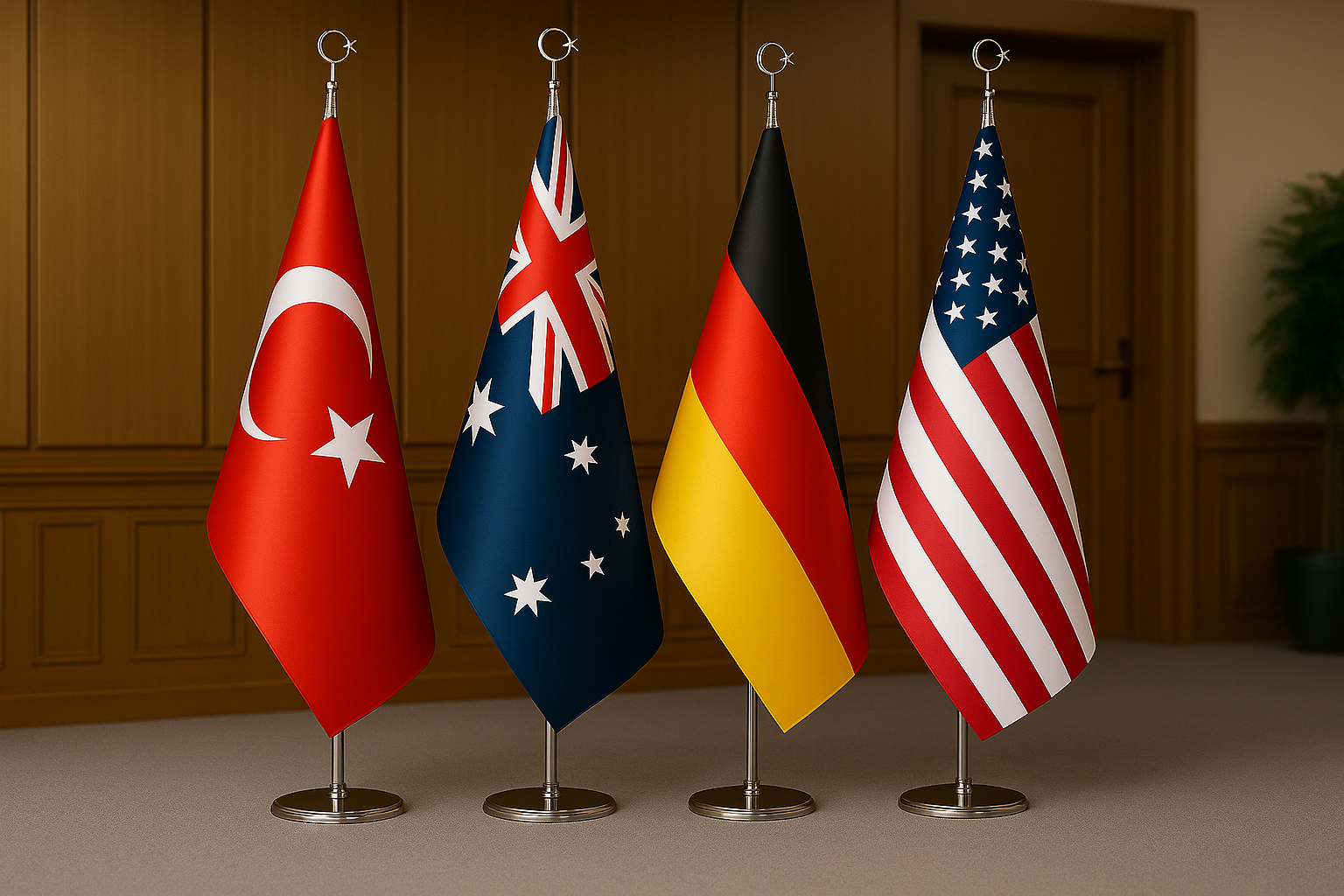
Match the flag format to the mounting situation before you match it to your budget. For outdoor flagpoles ranging from 15 ft to 25 ft (4.5 m to 7.6 m), a 3 ft × 5 ft (0.9 m × 1.5 m) outdoor flag is the standard pairing; for poles of 25 ft to 40 ft (7.6 m to 12.2 m), step up to 4 ft × 6 ft (1.2 m × 1.8 m). These proportions follow widely recognized commercial flagpole guidelines used across US municipal and institutional settings. Flying a flag that is too small for the pole makes the display look neglected; a flag that is too large creates excessive wind load that accelerates wear at the hoist.
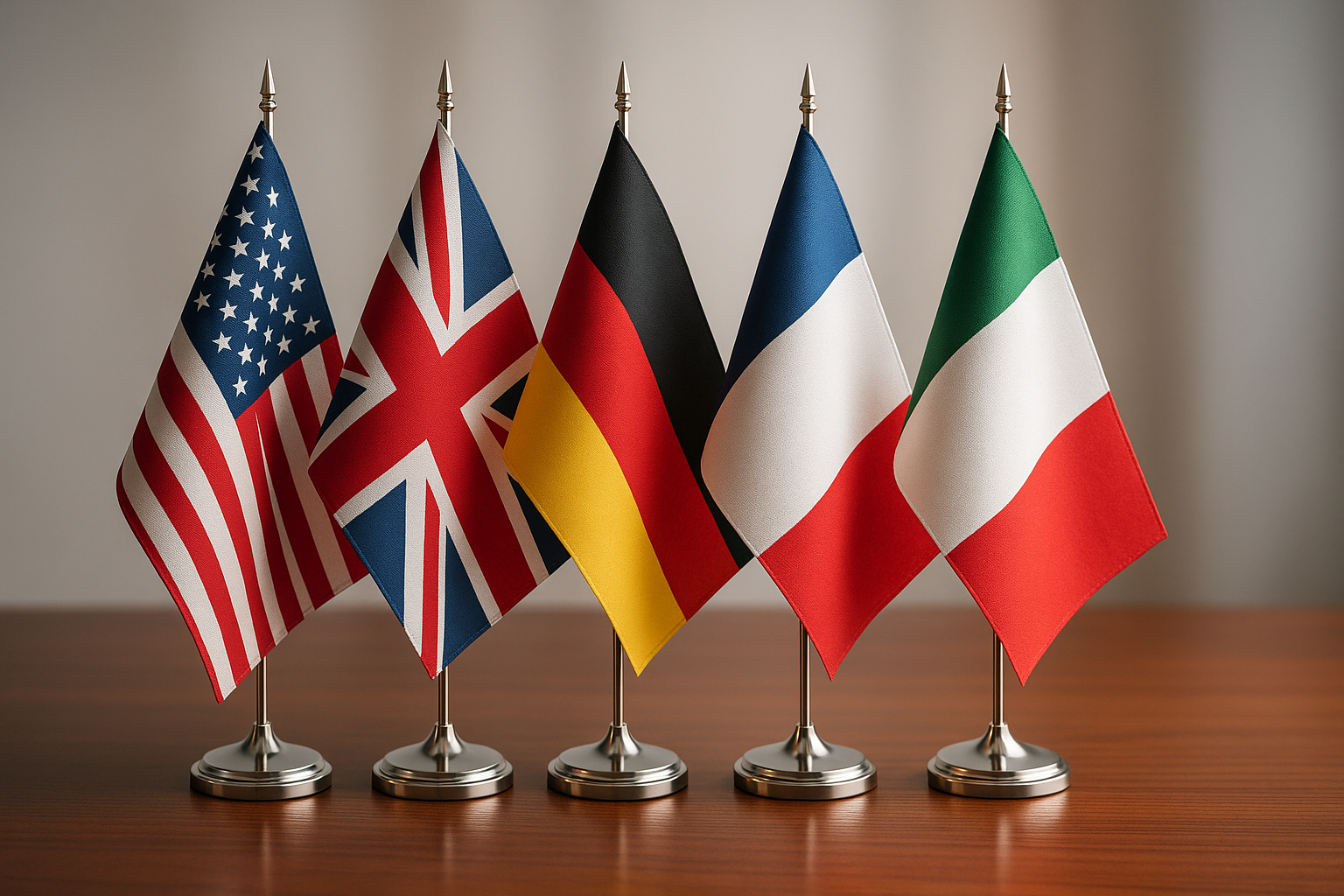
For ceremonial indoor use — boardrooms, consulate lobbies, cultural centers — a desk flag on a weighted base projects the right level of formality at close range. Our Country Desk Flags collection includes the Ghana desk format, which typically measures 4 in × 6 in (10 cm × 15 cm) on a chrome or wooden stand. For events combining multiple African nations — pan-African conferences, African union celebrations, community cultural festivals — buying within a coordinated set from our Country Flags collection ensures consistent sizing and print quality across all displayed flags, which matters more than most buyers realize until they see mismatched flags side by side.

African Countries Flags Collection
Every African nation's flag in multiple formats — outdoor, handheld, and desk — with consistent color standards and construction quality across the entire continent.
Browse Collection →Lifespan and Total Cost Compared
A quality outdoor Ghana flag rated for 12–24 months of continuous display will outlast a budget version — which typically fades and frays within 3–4 months — by a ratio of 4:1 or better, making the higher upfront price the lower total cost. This math becomes even clearer in high-exposure environments: coastal locations with salt air and strong prevailing winds, or sun-belt states like Florida, Texas, and Arizona where UV index regularly exceeds 10. In those conditions, even a good polyester flag may need replacement at 6–9 months, while a cheap one can fail within 6–8 weeks.
When calculating total cost of ownership, factor in replacement labor, not just material cost. A flagpole that requires a lift or climbing equipment to service makes each flag change expensive in time and safety risk. In those installations, buying the best-quality flag available is straightforwardly the cheaper decision over a 2–3 year horizon. For handheld and desk flags used indoors, lifespan is largely irrelevant — indoor display away from direct sunlight can extend a printed fabric flag's life to 5 years or more with minimal care. The investment calculus for indoor formats is therefore almost entirely about color accuracy and first impressions rather than durability.
If you are researching flags from other countries for comparison or for multi-nation display needs, our articles on Argentina flag sizes and how to pick one and which United Kingdom flag is right for you cover the same buyer checklist approach for those respective flags and are worth reviewing before placing a multi-flag order.
Five Checks to Make Before You Buy
Run through these five checkpoints on any Ghana flag before committing to a purchase, whether for a single unit or a bulk institutional order. First, verify color accuracy against a reference image from Ghana's official government sources — the three bands should be clearly distinct, with no color bleeding at the seams. Second, check the star: it must be solid black, five-pointed, and perfectly centered in the gold band with no visible off-registration. Third, examine the hoist edge: brass grommets for outdoor flags, properly welded and rust-resistant; a clean staff sleeve for handheld formats. Fourth, confirm the fabric weight matches the application — 100D polyester minimum for outdoor, lighter weave acceptable for indoor and event use. Fifth, ask about print method: dye sublimation and screen printing both produce durable results on polyester, while heat-transfer vinyl tends to peel after repeated wind cycling and should be avoided for outdoor applications.
What are the official colors of the Ghana African flag? +
What flag looks similar to the Ghana flag? +
What was the Kingdom of Ghana flag? +
What size Ghana flag should I order for a standard outdoor flagpole? +
How do I tell if a Ghana flag is double-sided or single-sided? +
Can I fly the Ghana flag alongside the US flag? +
How long does an outdoor Ghana flag last? +
Buying a Ghana flag with confidence comes down to four priorities: accurate colors, correct proportions, fabric matched to the application, and proper hoist construction. Whether you are outfitting a single flagpole, equipping a parade delegation, or adding a desk display to a professional office, the right product exists in our lineup. Start with the Ghana Outdoor Flag for permanent pole display, the Ghana Handheld Flag for events and parades, or explore the full African Countries Flags collection for coordinated multi-nation displays. Bulk pricing is available for corporate, institutional, and event orders — contact us directly for volume quotes and custom sizing options.