
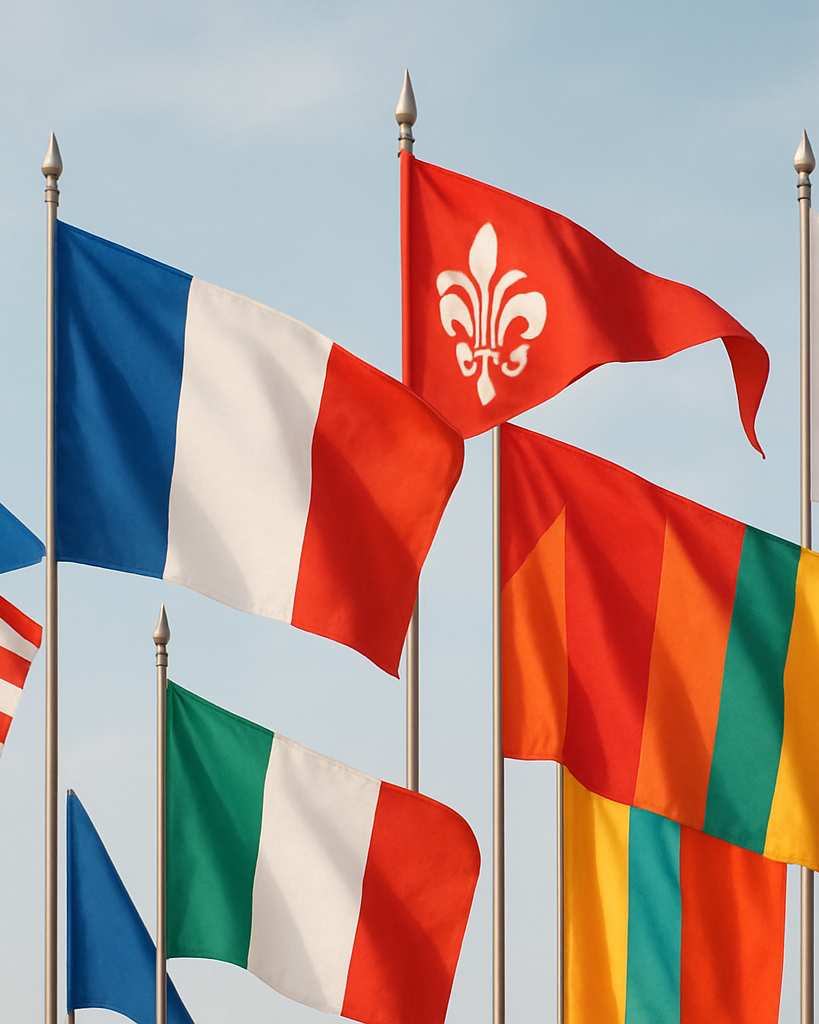
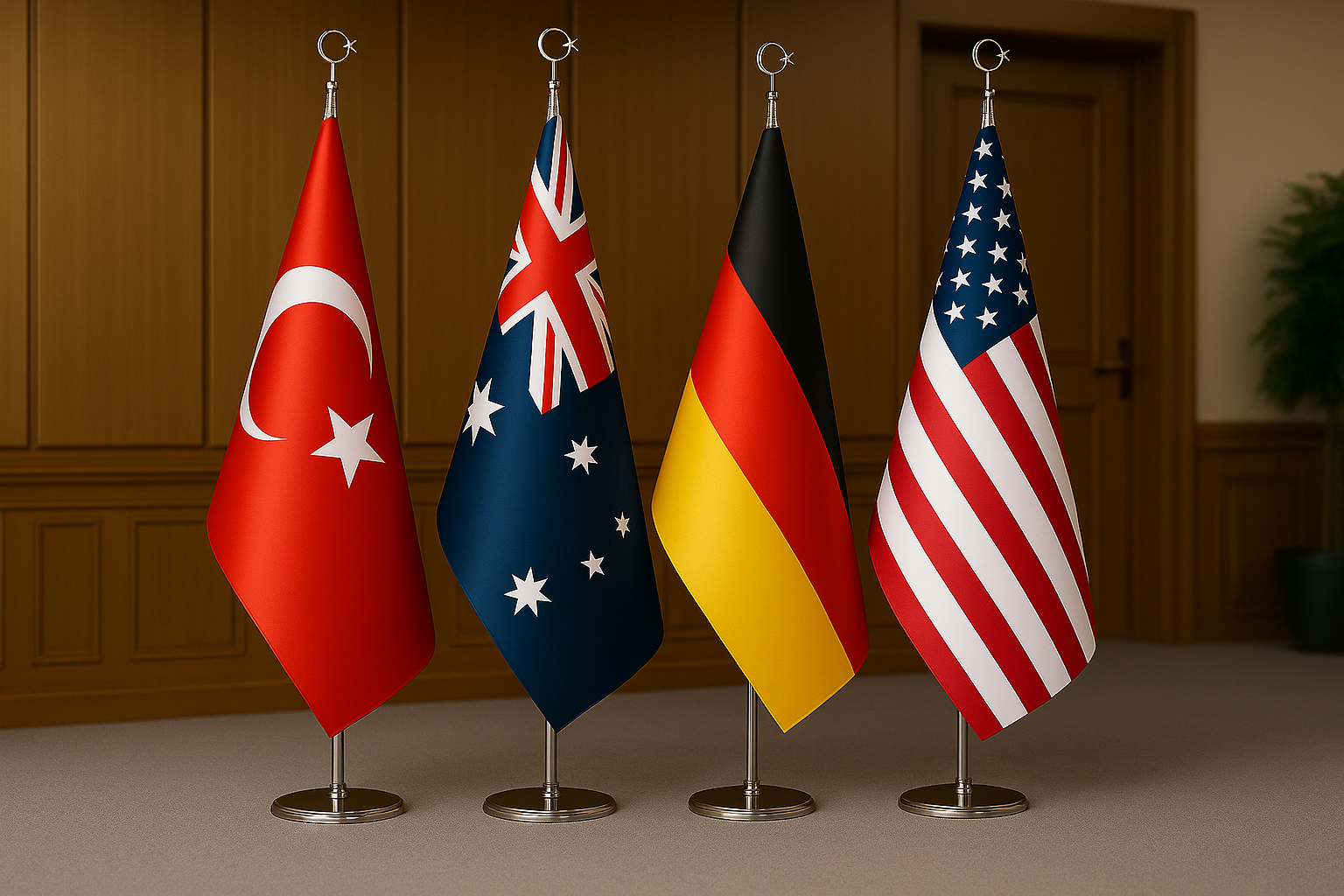
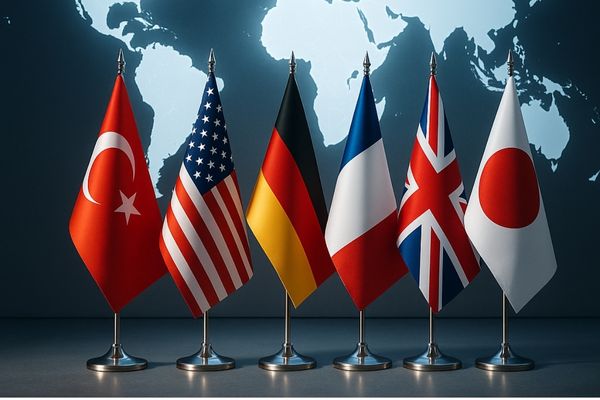

Beach flags and sail flags are among the most effective outdoor advertising tools available for brand activations, delivering high-visibility signage at a fraction of the cost of traditional displays. Whether you are outfitting a single pop-up event or placing a feather flags bulk order for a national retail rollout, understanding styles, sizes, and production options will help you get the most impact from every dollar spent. Brands across the United States rely on custom sail flags and outdoor promotional flags to stand out at festivals, storefronts, trade shows, and beach activations—and with the right manufacturer, ordering at scale is straightforward and cost-effective.
Why Outdoor Promotional Flags Outperform Other Signage Formats
Outdoor promotional flags consistently outperform static banners and sandwich boards because they move, catching the eye at distances exceeding 100 ft (30 m) even in moderate foot traffic. Studies on ambient advertising show that motion-based displays generate up to 2.5× more visual attention than flat signage of equivalent size. For brands activating at outdoor events—beach festivals, farmers markets, grand openings, or sports sponsorships—that motion advantage translates directly into more foot traffic and stronger brand recall. Sail flags outdoor advertising formats are also modular: one printing investment can be reused across dozens of events, dropping your per-impression cost dramatically over a season. Compared to tent wraps or portable LED displays, quality polyester sail flags are lightweight, easy to pack into carry bags, and require no electricity, making them ideal for remote or beach-side activations where power access is limited.
The Main Styles: Feather, Teardrop, Blade, and Sail Flags Explained
Each flag style has a distinct silhouette, structural behavior in wind, and ideal use case—choosing the right one depends on your venue, brand aesthetic, and messaging goals. Here is a breakdown of the four primary formats used in professional brand activations across the United States.
Feather Flags — Named for their curved, tapered top edge, feather flags are the most widely recognized format for beach flags for business. The curved leading edge keeps the graphic visible even in light wind, and the standard height range of 8 ft to 15 ft (2.4 m to 4.6 m) makes them visible above crowd lines. Feather flags are frequently ordered in bulk for franchise rollouts, auto dealerships, and sporting goods retailers. Hardware options typically include ground stake, cross base, and water-fillable base, giving them versatility across sand, grass, and concrete surfaces.
Teardrop Flags — Teardrop flags for events are distinguished by their rounded teardrop silhouette, which holds the fabric taut at both the top and bottom of the frame. This means your logo and message remain fully legible even in calm conditions—a critical advantage for indoor-adjacent or sheltered event spaces. The height range typically runs from 7 ft to 13 ft (2.1 m to 4 m). Because the graphic does not flutter as aggressively as a feather flag, teardrop formats work especially well for logos with fine typographic detail.
Blade Flags — Blade flags for trade shows feature a tall, narrow rectangular profile that maximizes vertical space. The blade format is the go-to choice for trade show floors and exhibition halls because it occupies minimal horizontal footprint while delivering a prominent visual presence. Blade flags typically measure 2 ft × 8 ft to 2.5 ft × 11 ft (0.6 m × 2.4 m to 0.76 m × 3.4 m) and pair well with booth environments where aisle width is regulated.
Sail Flags (Wing Flags) — The broadest category, custom sail flags wholesale orders often include asymmetric or wing-shaped formats that maximize printable surface area. Sail flags are popular for large outdoor perimeters—think motorsport events, air shows, and stadium concourses—where you need branding visible from hundreds of feet away. Their generous print area, often 15 sq ft to 30 sq ft (1.4 m² to 2.8 m²), makes them ideal for complex multi-color artwork.
Size Guide: Matching Flag Dimensions to Your Activation Environment
The right size flag is determined by three factors: viewing distance, mounting surface, and the height of surrounding visual noise (crowds, vehicles, competing signage). As a general rule, every 10 ft (3 m) of viewing distance requires approximately 1 in (2.5 cm) of letter height, which means a flag serving a 50 ft (15 m) sightline should carry text no smaller than 5 in (12.7 cm) tall.
- Small (6–8 ft / 1.8–2.4 m): Ideal for tabletop perimeter marking, indoor event aisles, and retail checkout zones. Works best with blade or teardrop formats.
- Medium (9–11 ft / 2.7–3.4 m): The most popular size for outdoor brand activations, farmers markets, and storefront placement. Compatible with all four flag styles.
- Large (12–15 ft / 3.7–4.6 m): Best for high-traffic outdoor venues—beach boardwalks, parking lots, stadium concourses—where the flag must compete with significant visual noise.
- Extra-Large (16+ ft / 4.9+ m): Used for landmark placements, highway-adjacent signage, and major sports sponsorship activations. Requires heavy-duty ground anchoring and wind-load engineering.
For beach flags for business specifically, medium to large sizes (10–13 ft / 3–4 m) are the sweet spot. Sand bases with water-fill reservoirs of 2–4 gallons (7.6–15.1 L) are recommended to prevent tipping in coastal wind conditions, which can easily reach 20–30 mph (32–48 km/h) during peak beach hours.
 Selecting the correct hardware kit is just as important as choosing the right flag size, because even the best-printed flag will underperform if it tips over or collapses mid-event. For outdoor activations on grass and packed earth, a ground spike kit is the most stable solution, driving 18–24 in (45–60 cm) into the ground to withstand winds up to 35 mph (56 km/h). On hard surfaces like concrete and asphalt, a cross base combined with a sand or water bag ballast provides the necessary stability without drilling. Brands running multi-city activations often carry both hardware types per flag unit, since venue surfaces vary unpredictably across a tour. Our sail flags collection includes bundled hardware options so you can configure each order for the exact surface conditions at your activation site.
Materials and Print Technology: What to Specify for Maximum Durability
For outdoor advertising flags, 110 gsm to 115 gsm knitted polyester is the industry benchmark material, offering the optimal balance of wind resistance, color vibrancy, and UV stability. This weight class is rated for 80% UV resistance and delivers a lifespan of 6 months to 2 years under continuous outdoor use, depending on sun exposure and wind frequency in your market.
Dye sublimation printing is the preferred production method for outdoor promotional flags because the ink is thermally bonded into the fabric fibers rather than sitting on the surface. This means colors do not crack, peel, or fade after repeated furling and unfurling—critical for flags that are deployed and packed dozens of times per season. Full-bleed dye sublimation also supports CMYK color matching within 95% accuracy of Pantone standards, ensuring your brand colors remain consistent across a large batch of flags. Single-sided printing with visible reverse (a mirror image shows through) is standard; double-sided printing with an opaque liner layer is available at a premium and is recommended when brand guidelines require identical front and back visibility.
For the flag pole itself, fiberglass is the preferred material for beach and outdoor activations because it is corrosion-resistant, lightweight at 2.5–4 lbs (1.1–1.8 kg) per section, and will flex rather than snap in strong gusts. Aluminum poles are an economical alternative but are more susceptible to corrosion in salt-air coastal environments, making them a poor long-term choice for permanent beach-side installations.
Bulk Ordering for Brand Activations: Minimums, Lead Times, and Cost Structures
For corporate events and national campaigns, a feather flags bulk order starting at 10–25 units typically unlocks the first pricing tier, while orders of 50+ units qualify for wholesale pricing that can reduce per-unit costs by 30–45% compared to single-unit retail. Planning your procurement with lead times in mind is essential: standard production runs take 7–10 business days, while rush orders (3–5 business days) carry a 20–30% surcharge and should only be used when campaign timelines genuinely require it.
When structuring a custom sail flags wholesale order, consider the following cost-influencing variables: flag size (larger flags require more material and longer print passes), print complexity (full-bleed all-over graphics cost more than spot designs), hardware configuration (ground spike vs. cross base vs. water base), and whether you need carrying bags for transport and storage. For brands activating at multiple simultaneous locations, ordering a centralized inventory with standardized hardware kits and then shipping regionally reduces per-unit logistics costs significantly.
Corporate Flags Collection
Everything your brand needs for professional outdoor and indoor flag displays—custom-printed, bulk-ready, and built for repeat activations.
Browse Collection →Compliance, Placement, and Event Regulations for Outdoor Flags
Before deploying promotional flags at any public venue, check local municipal signage ordinances, which vary significantly by city and state—some jurisdictions cap temporary outdoor signage height at 8 ft (2.4 m) or restrict flag placement within 10–15 ft (3–4.6 m) of roadways. The US Flag Code (4 USC §§ 1–10) governs the display of the American flag but does not restrict commercial promotional flags; however, flags that incorporate the US flag design as a decorative element must comply with code provisions to avoid misuse violations.
For trade shows and convention centers, blade flags for trade shows must comply with the venue's own exhibitor guidelines, which often specify maximum height clearances (typically 8–12 ft / 2.4–3.7 m for inline booths) and prohibit ground penetration anchoring on finished floors. Always request the exhibitor services manual from the venue prior to ordering, as ordering flags that exceed permitted dimensions creates costly last-minute logistics problems. Beach activations on public shorelines typically require a temporary event permit from the local parks or coastal commission authority, and some coastal municipalities in California, Florida, and the Carolinas limit flag count per linear foot of beach frontage.
Setting Up Your Brand Activation: Placement Strategy and Visual Impact
Effective flag placement follows a deliberate spatial strategy: flags should create a visual corridor that draws attendees toward your activation zone rather than simply marking its boundary. Place your tallest flags (12–15 ft / 3.7–4.6 m) at the activation perimeter as landmark anchors, then use medium flags (9–11 ft / 2.7–3.4 m) to guide foot traffic along the approach path. This layered height strategy creates depth and dimension in the brand environment, producing a more professional, campaign-quality appearance. For a standard 20 ft × 20 ft (6 m × 6 m) activation footprint, 4–6 flags placed at corners and approach midpoints is typically sufficient for 360-degree visibility.
Color sequencing matters as well: alternating your brand's primary and secondary colors across adjacent flags creates visual rhythm that is more engaging than a row of identical flags. If your brand uses a single primary color, introduce a complementary neutral (white or black) flag between branded units to prevent visual fatigue. For outdoor promotional flags at beach activations specifically, high-contrast color combinations—navy and white, red and yellow, black and orange—perform best against the bright ambient light and pale sand background typical of coastal environments. Brands investing in logo-printed outdoor pole flags should ensure their artwork files are prepared at a minimum 150 DPI at final print size to maintain crisp edge definition across large-format dye-sublimation output.
Frequently Asked Questions
What is the minimum order quantity for a feather flags bulk order? +
What is the difference between teardrop flags and feather flags for outdoor events? +
How long do outdoor promotional flags last under continuous use? +
What hardware base should I use for beach flags on sand? +
Can I use blade flags for trade shows indoors? +
What file format and resolution should I submit for custom sail flag printing? +
Are there local permit requirements for placing promotional flags at beach events? +
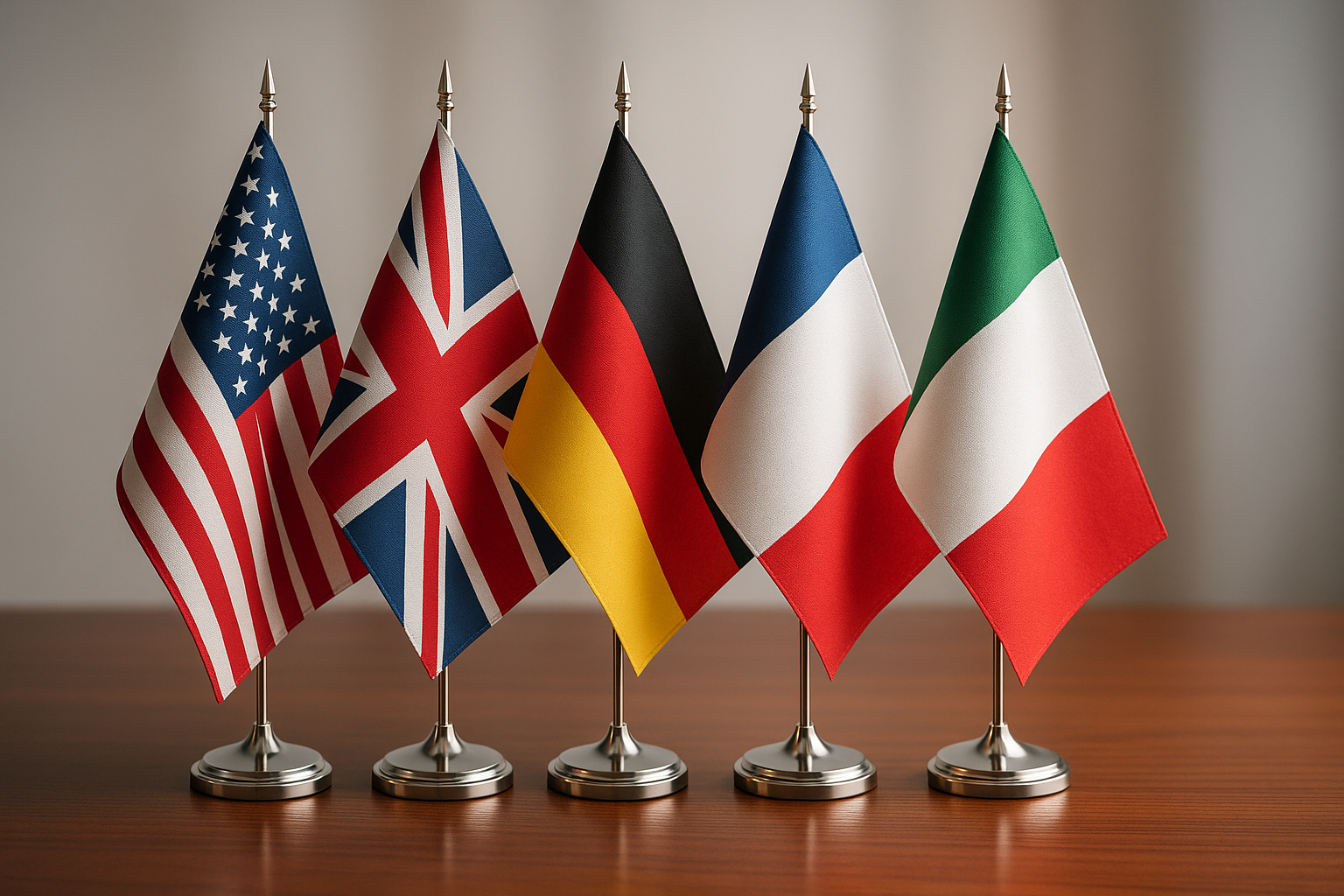
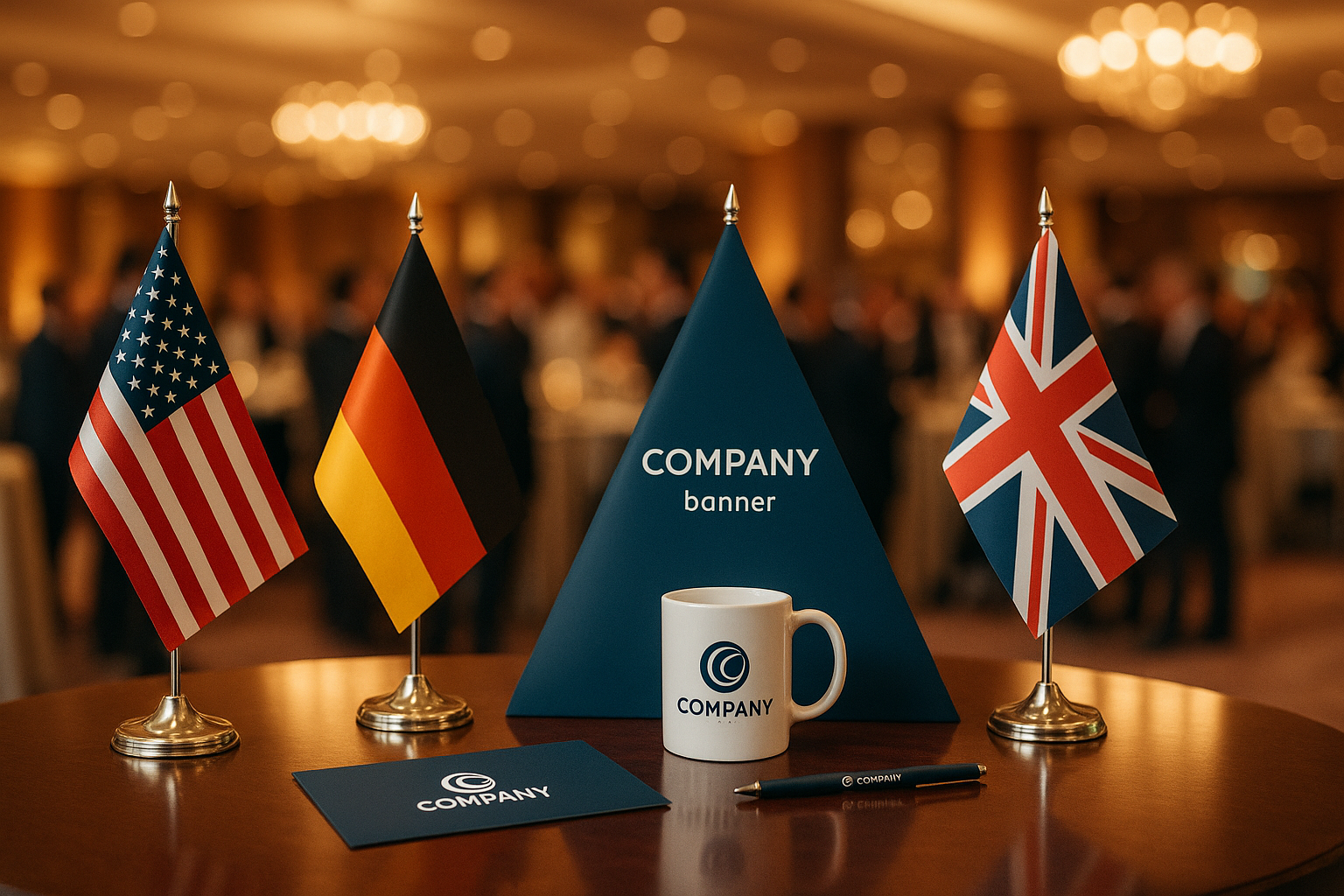
Whether you are planning a single beachside pop-up or coordinating a 50-city brand activation campaign, the right combination of flag style, size, material, and hardware makes all the difference in delivering a professional, high-impact visual presence. Explore our full range of custom sail flags and outdoor promotional flags, browse the complete logo-printed outdoor pole flags collection for brand-ready options, or review our corporate flags collection for enterprise-grade display solutions. For teams managing multi-location activations that also require interior or desk-level brand presence, our premium chrome desk flag stands deliver the same attention to quality in conference room and booth settings. Bulk pricing is available for corporate orders—contact our team with your quantities, deployment timeline, and artwork files to receive a custom quote within one business day.


