

Folding an American flag correctly is a time-honored tradition governed by military protocol and deeply rooted in patriotic respect — and the process involves exactly 13 deliberate triangular folds, each carrying its own symbolic meaning. Whether you are participating in a formal flag folding ceremony, retiring an old flag, or simply storing your flag between displays, understanding the 13 fold flag sequence ensures you honor the Stars and Stripes with the dignity it deserves. You can explore the full range of American flags available at the Asya Bayrak flags collection to find the right flag for your home, business, or ceremonial needs.
Why the 13 Folds Matter: History and Symbolism
The 13 folds of the American flag are not arbitrary — each fold carries a distinct symbolic meaning tied to faith, patriotism, and honor for those who served. The tradition emerged from military funeral ceremonies and has been formalized through decades of Armed Forces practice, though it is worth noting that the US Flag Code (4 USC §§ 1–10) mandates respectful handling but does not officially codify the symbolic meanings of each fold. That symbolism comes from military custom and ceremonial tradition, most widely attributed to the United States Air Force's ceremonial guide. The result is a tight, triangular bundle that resembles a tricorn hat — a direct tribute to the hats worn by soldiers during the Revolutionary War — and the blue star-studded field remains visible on the outside, representing the nation's sky and the fallen heroes who rest beneath it.
What You Need Before You Begin
Before you attempt to fold an American flag, gather at least two people and ensure you have a clean, flat surface nearby. A single person physically cannot execute a proper ceremonial fold — the flag must remain taut and parallel to the ground throughout the entire process, which requires two sets of hands holding opposite ends. You will also want to make sure the flag is clean and free of damage; displaying or folding a tattered flag is considered disrespectful under US Flag Code guidelines. If your flag is wet, allow it to dry completely before folding to prevent mildew and fabric degradation. Standard outdoor flags — typically 3 ft × 5 ft (91 cm × 152 cm) or 4 ft × 6 ft (122 cm × 183 cm) — fold most easily when two folders stand at opposite short ends.
The Complete 13-Fold Flag Folding Sequence
The proper flag folding ceremony sequence begins with the flag held waist-high, parallel to the ground, and ends with a neat triangle showing only the blue union field. Follow each fold carefully and keep the flag taut throughout every step.
 The folding process begins simply: two holders grip the flag along the long edges and fold it in half lengthwise, so the lower striped half meets the upper half, with the blue union field on the outside facing up. Next, fold it lengthwise a second time so the union field remains on the outside — the flag is now folded into a long, narrow rectangle approximately 12 inches (30 cm) wide. At this point the folder at the striped end begins making triangular folds by bringing the striped corner diagonally up to meet the open edge, forming a perfect right triangle. This triangular fold is then folded over again in the same manner, continuing the diagonal pattern all the way down the length of the flag. It takes steady hands and coordinated movement to keep the flag from sagging, so communication between the two folders is essential. You can browse a wide selection of American flags suited for both ceremonial and everyday use at the Asya Bayrak flags collection, where options range from heavy-duty nylon to printed polyester blends.
Here is a step-by-step breakdown of all 13 folds and their traditional symbolic meanings:
- Fold 1: Fold the flag in half lengthwise. Symbolizes life.
- Fold 2: Fold in half lengthwise again. Symbolizes belief in eternal life.
- Fold 3: First triangular fold — striped corner brought up to meet the open edge. Honors veterans departing the ranks to answer the final call.
- Fold 4: Second triangle. Represents our weaker nature as citizens trusting in God during times of peace.
- Fold 5: Third triangle. Tribute to our country, right or wrong.
- Fold 6: Fourth triangle. Where people's hearts lie — pledge of allegiance to the flag.
- Fold 7: Fifth triangle. Tribute to the Armed Forces, which protect the country against all enemies.
- Fold 8: Sixth triangle. Tribute to the one who entered the valley of the shadow of death.
- Fold 9: Seventh triangle. Tribute to womanhood, whose faith and love has shaped the country.
- Fold 10: Eighth triangle. Tribute to fathers, who have given their sons and daughters for defense of the country.
- Fold 11: Ninth triangle. Honors the lower portion of the seal of King David and King Solomon, glorifying the God of Abraham, Isaac, and Jacob.
- Fold 12: Tenth triangle. Represents an emblem of eternity and glorifies God the Father, Son, and Holy Spirit.
- Fold 13: Final tuck — the remaining portion is tucked into the fold to form a compact triangle. The motto "In God We Trust" is honored as the stars face upward, reminding us of the national motto.
When the sequence is completed correctly, only the blue field bearing white stars is visible on the outside, forming a tight triangle. This finished shape is specifically what military and VFW honor guards present to the next of kin at military funeral services.
Common Mistakes to Avoid When Folding
The most frequent errors during the proper flag folding process include letting the flag touch the ground, making uneven triangles, and failing to keep the flag taut between folds. Under US Flag Code (4 USC § 8(b)), allowing the flag to touch the ground is expressly considered disrespectful — even a momentary brush against the floor should prompt you to restart if this is a formal ceremony. Uneven triangles are usually caused by misaligned lengthwise folds in steps one and two; if the long edges are even a few inches off, every subsequent triangular fold compounds the error. Practice the lengthwise folds slowly and deliberately before attempting the triangular sequence. Another common issue is folding too loosely — the finished triangle should be firm enough to hold its shape without any rubber band or clip, which are never used in ceremonial settings. Finally, ensure the tuck on fold 13 is snug so the triangle does not unravel during presentation or storage.
Flag Folding in Different Ceremonial Contexts
The flag folding ceremony appears in several formal settings, each with slightly different protocols depending on the organizing body. Military funeral services conducted by the Army, Navy, Marine Corps, Air Force, Coast Guard, and Space Force all follow the same 13-fold sequence, but the accompanying narration — if any — varies by branch. Veterans of Foreign Wars (VFW) and American Legion posts use the ceremony during flag retirement events, where flags that are no longer fit for display are respectfully destroyed, usually by burning. Schools and civic organizations sometimes incorporate a simplified version of the ceremony during patriotic events, particularly around Veterans Day (November 11), Memorial Day, and Independence Day (July 4). Flag Day, celebrated on June 14 to commemorate the adoption of the flag in 1777, is another prime occasion for public flag folding demonstrations.
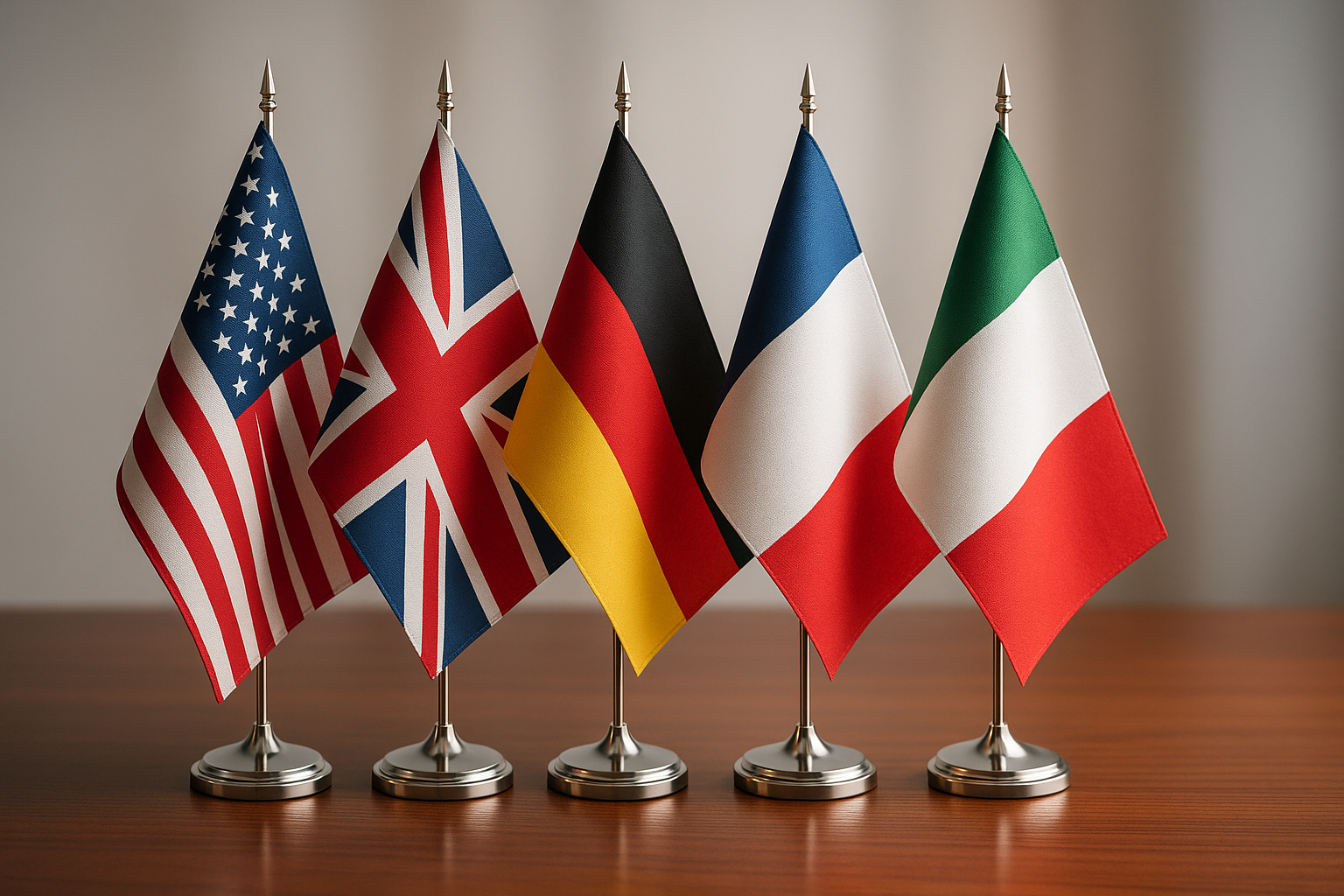
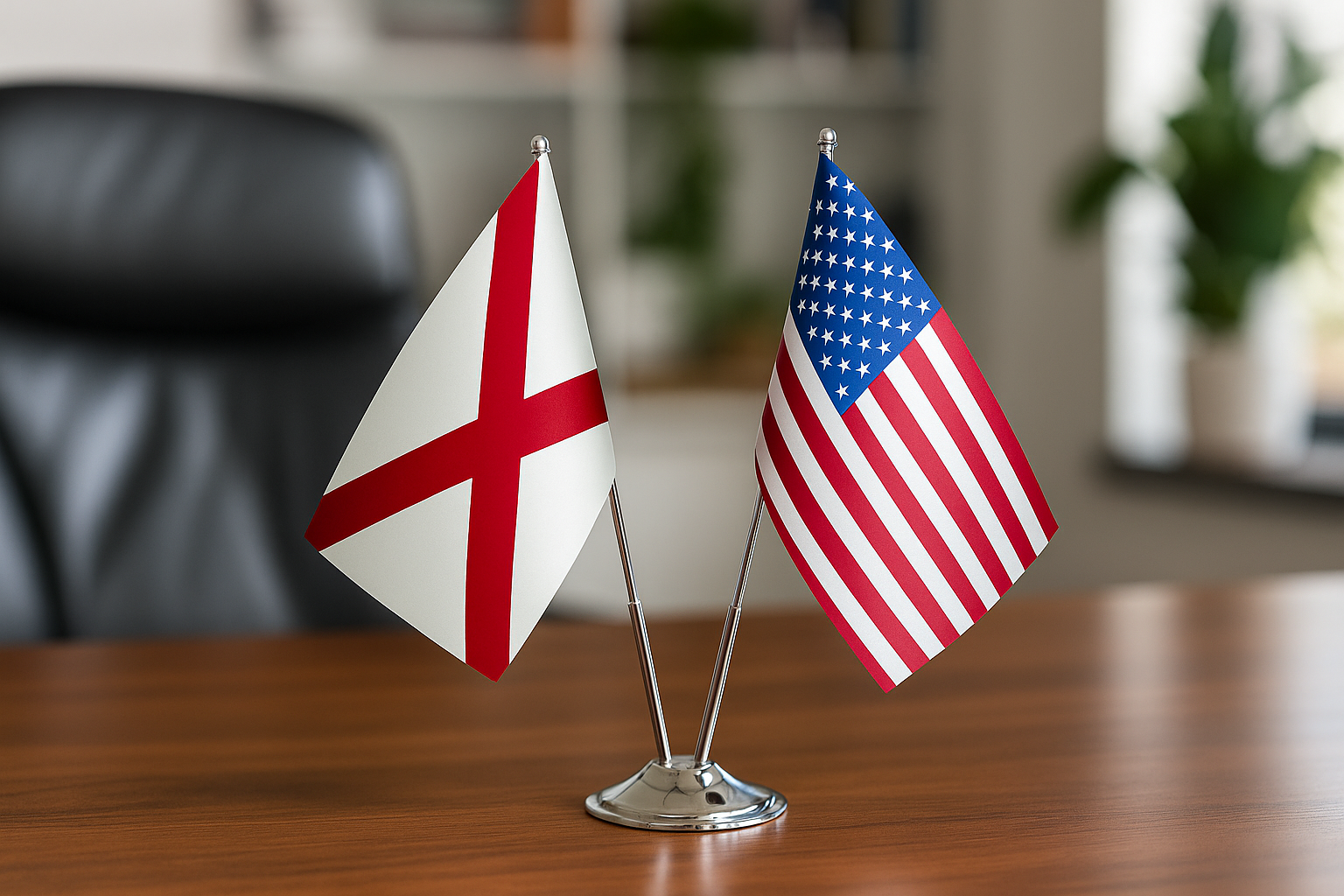
For classroom settings, scout troops, or civic presentations, a smaller flag can be just as meaningful as a full-sized ceremonial flag. The USA desk flag is an excellent choice for tabletop demonstrations, allowing students or participants to practice the 13-fold technique without requiring a large open space. Desk flags typically measure 4 in × 6 in (10 cm × 15 cm) up to 6 in × 9 in (15 cm × 23 cm) and are ideal for educational environments where space is limited. The fabric weight of desk flags is generally lighter than outdoor nylon or polyester flags, so expect a slightly looser finished triangle — but the sequence of folds and the symbolism remain identical. For organizations that regularly conduct flag ceremonies, keeping a dedicated ceremonial flag separate from everyday display flags helps preserve its condition and ensures it is always ready for formal use.
Storing and Displaying a Properly Folded Flag
Once folded, a properly triangulated flag should be stored in a display case or a clean, breathable cotton bag — never in a sealed plastic container, which can trap moisture and promote mildew. Wooden or acrylic flag display cases are the most common presentation method, especially for flags that have been flown over the US Capitol or carried in military service, which hold significant sentimental and monetary value. When displaying a folded flag in a case, position it so the blue union field with stars faces outward and upward, consistent with how it appears at the conclusion of the folding ceremony. Keep the case away from direct sunlight; UV exposure degrades fabric dye at a measurable rate — most flag manufacturers rate outdoor nylon flags at 80% UV resistance for 6 months to 2 years depending on sun exposure, and even stored flags can fade through case glass over time. If you plan to refold the flag periodically, always unfold it fully first, inspect for damage, and re-execute the full 13-fold sequence rather than attempting to re-crease an existing fold.
American Flags Collection
Explore Asya Bayrak's full range of American flags — from durable outdoor nylon to ceremonial and desk options — crafted for display, ceremony, and long-lasting patriotic pride.
Browse Collection →Frequently Asked Questions
How many folds does it take to properly fold an American flag? +
Does the US Flag Code officially define the meaning of each of the 13 folds? +
Can one person fold an American flag alone? +
What shape should a correctly folded American flag be? +
What happens if the flag touches the ground during folding? +
How should a folded American flag be stored? +
Is the flag folding ceremony used outside of military funerals? +
Can a desk flag be used to practice the 13-fold technique? +
Mastering the art of the 13 fold flag ceremony is one of the most tangible ways to express respect for the American flag and the service members it represents. Whether you are a veteran, an educator, a scout leader, or simply a patriotic citizen, practicing and sharing this tradition keeps an important piece of American military heritage alive. For high-quality flags suited for both ceremonial folding and everyday display, explore the Asya Bayrak flags collection — featuring durable outdoor nylon, printed polyester, and specialty options in a variety of sizes. If you need a compact flag for classroom demonstrations or desk presentations, the USA desk flag is the perfect starting point for learning and teaching proper flag folding technique. Bulk pricing is available for corporate, government, and organizational orders — contact Asya Bayrak directly to discuss volume pricing and custom specifications for your next patriotic event or memorial ceremony.