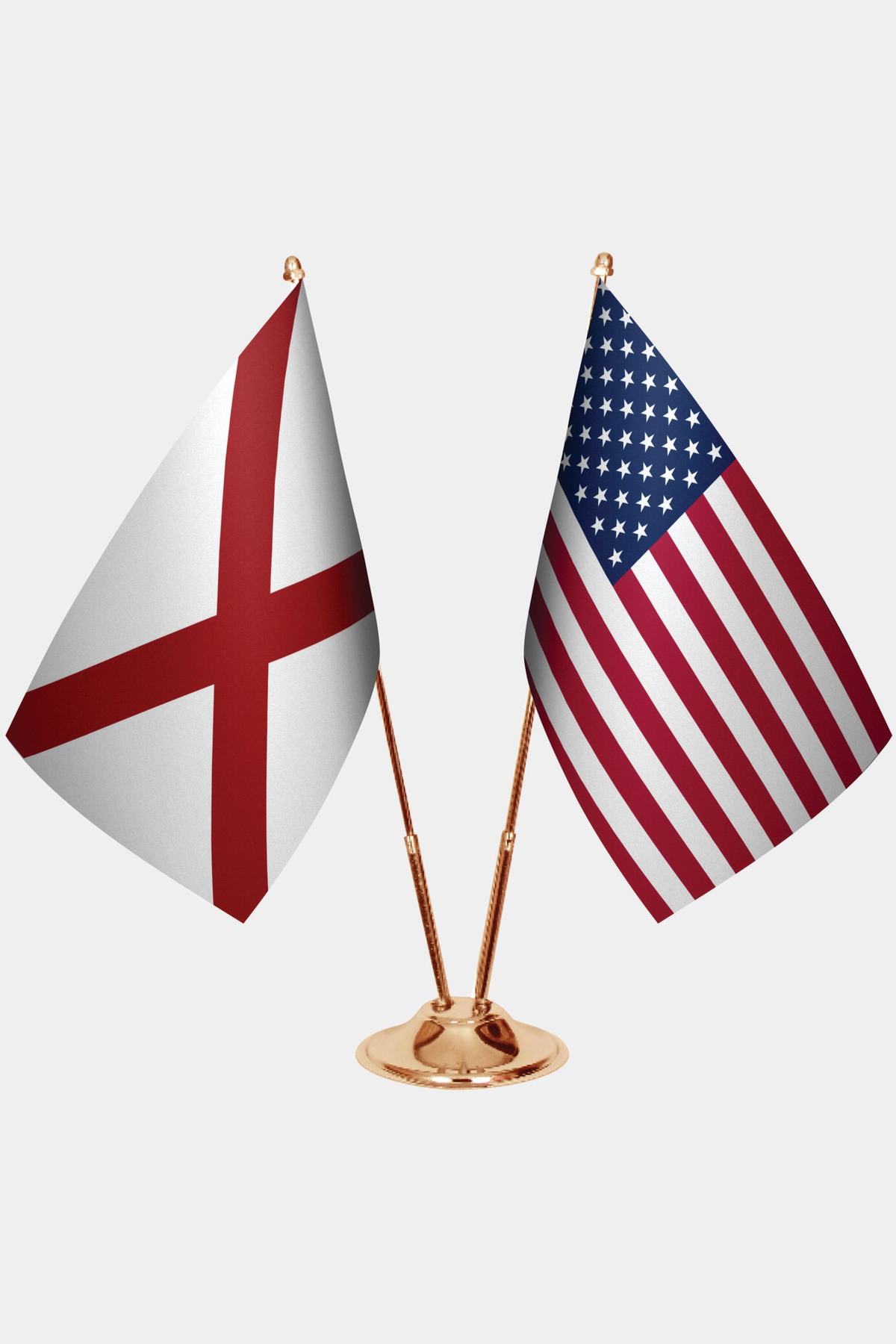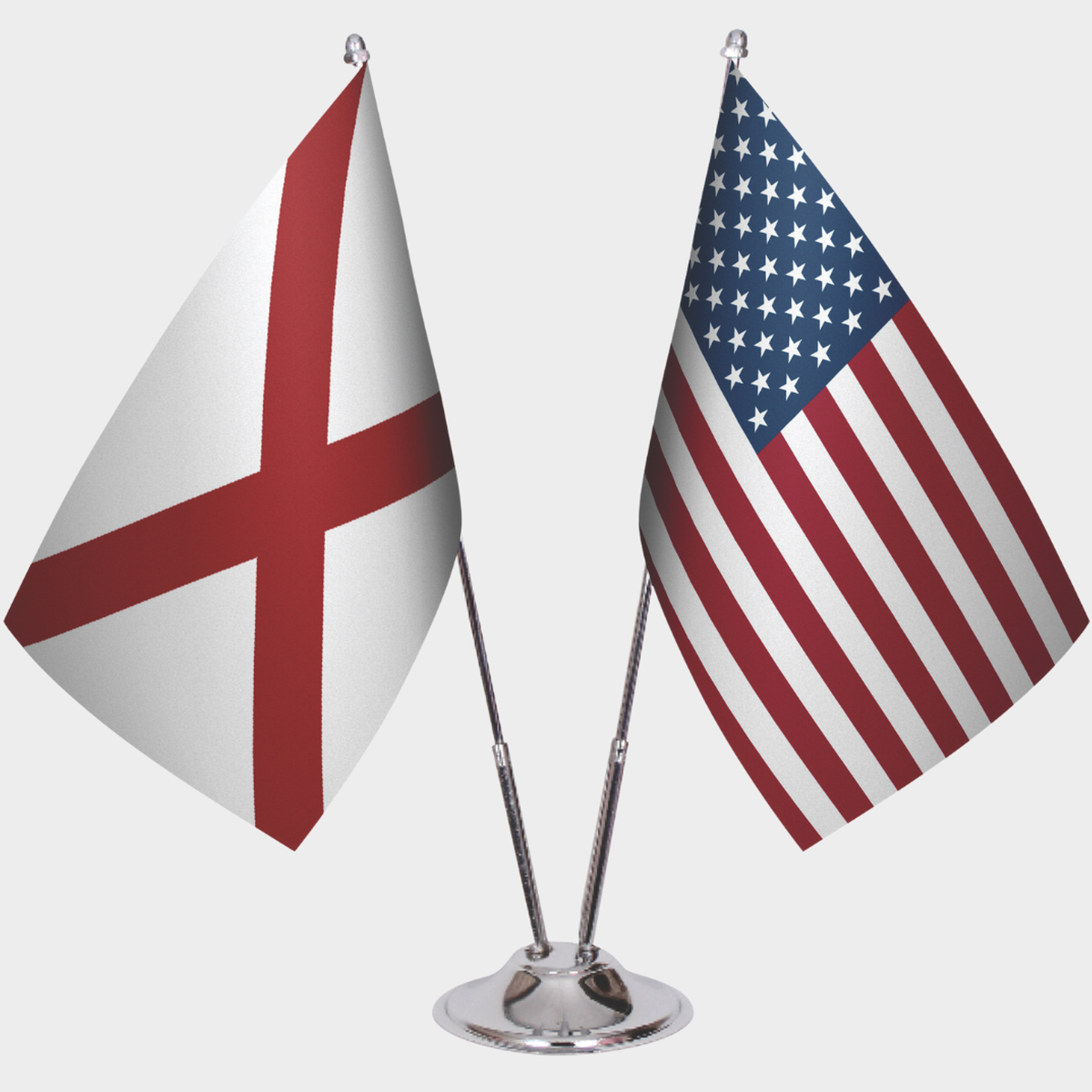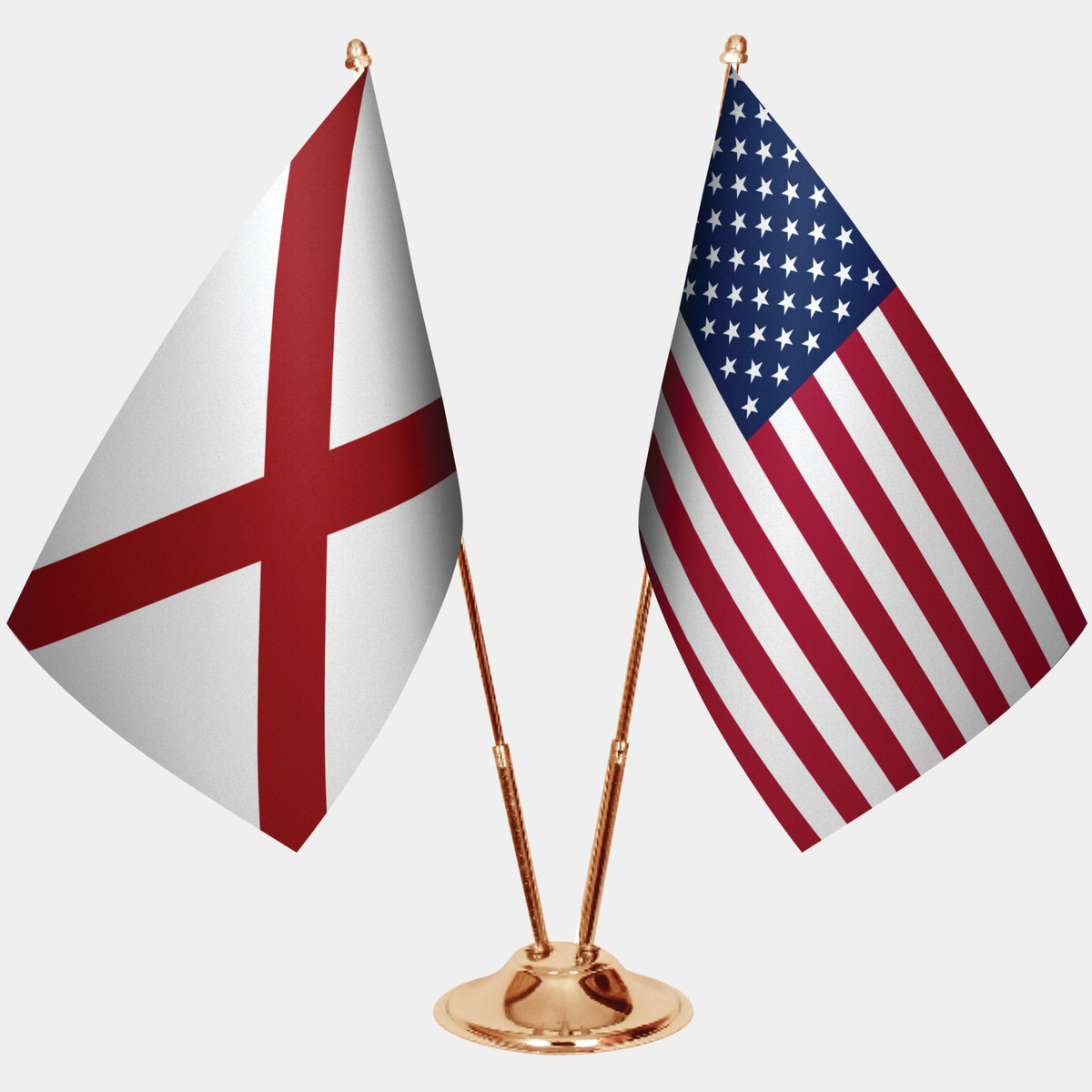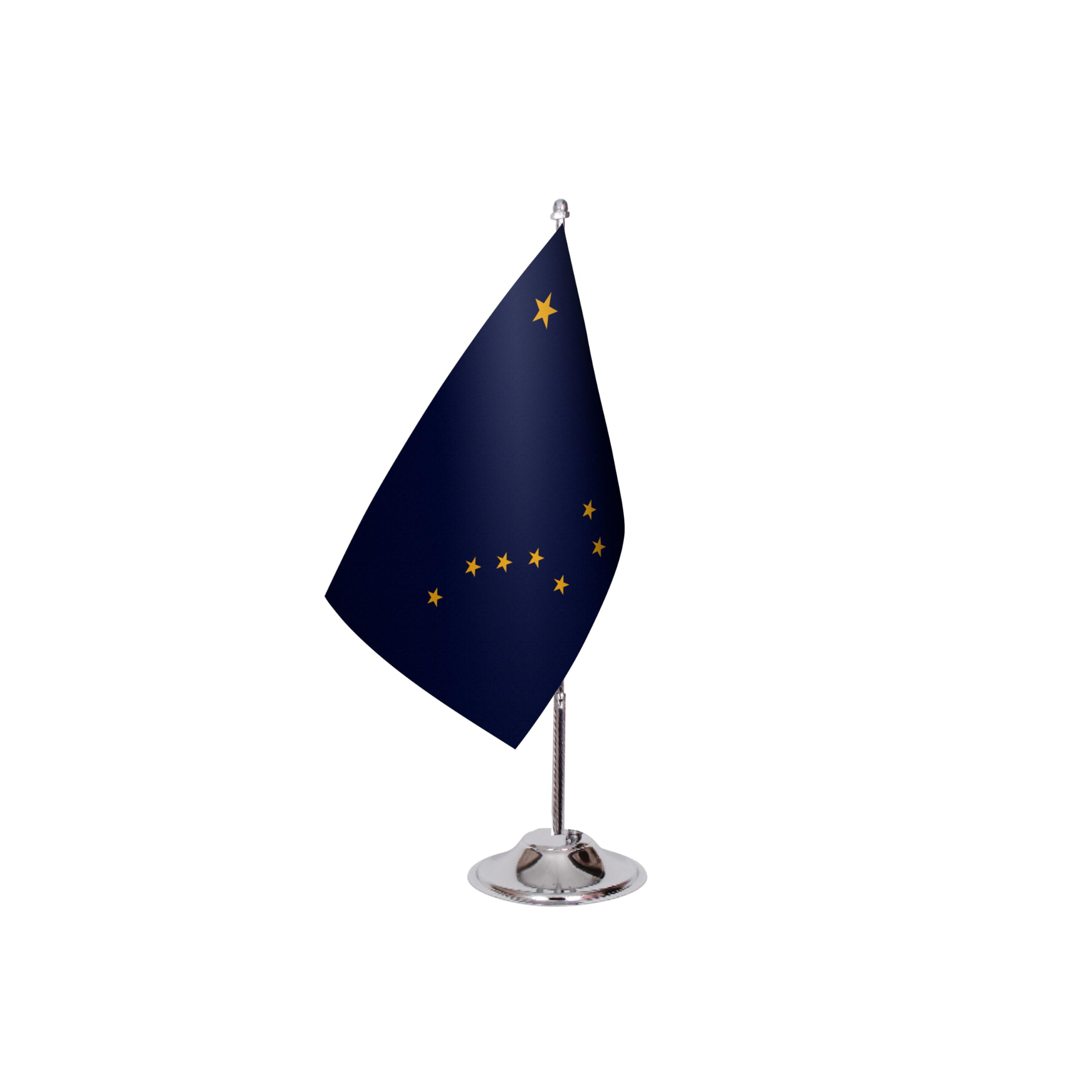









Setting up indoor flag sets for city hall, county courtrooms, and municipal council chambers requires more than simply buying a flag and pole — federal protocol, state regulations, and professional presentation standards all determine what goes where and why. Whether you are a city clerk outfitting a new chamber, a county administrator replacing worn flags, or a facilities manager handling bulk indoor flags for government buildings across multiple departments, this guide covers every dimension of protocol, sizing, hardware, and ordering strategy you need to make confident purchasing decisions.
Federal and State Flag Protocol for Government Indoor Spaces
The US Flag Code (4 USC §§ 1-10) establishes the foundational rules for displaying the American flag indoors: when displayed on a staff in a room, the US flag must occupy the position of honor to the speaker's or audience's right — that is, the flag's own right — and all other flags are placed to its left. This rule applies directly to municipal council chamber flags, courtroom arrangements, and any formal government setting where multiple flags share the same platform or display area.
In a typical county courtroom flag display, three flags are standard: the US flag, the state flag, and sometimes the county or court seal flag. The US flag stands at the judge's right (audience's left when facing the bench), while the state flag flanks the judge's left. If a third flag — such as a county seal or a branch-specific flag — is added, it takes the outermost position on the left side. Most state legislatures mirror this arrangement for their own chambers, and local governments generally follow the same hierarchy as a matter of professional courtesy and legal consistency. Violating placement conventions in a courtroom or council chamber, while not always prosecuted, can draw procedural objections and reflect poorly on the jurisdiction's professionalism.
For municipal council chambers specifically, many states have codified their own flag display rules beyond the federal code. California, Texas, New York, and Florida, for example, each publish administrative guidelines that specify flag placement in public buildings. Before purchasing any US flag and state flag indoor set, the city clerk or administrator should verify whether the state has adopted specific sizing, material, or placement standards — some states require that the state flag be a particular size relative to the US flag, or that it be displayed on a matching pole style.
Standard Sizing Guidelines for Council Chambers and Courtrooms
The correct flag size for an indoor government setting depends on ceiling height, room dimensions, and the number of flags displayed together. For rooms with 8–10 ft (2.4–3.0 m) ceilings — common in smaller municipal offices — a 3 ft × 5 ft (91 cm × 152 cm) flag on a 7 ft (2.1 m) pole is the standard choice. Larger courtrooms and full council chambers with 12–16 ft (3.7–4.9 m) ceilings typically require 4 ft × 6 ft (122 cm × 183 cm) flags on 8–9 ft (2.4–2.7 m) poles to maintain proportional visual authority.
The general rule used by professional flag suppliers and government procurement officers is that the top of the flag staff should reach approximately 80–85% of the ceiling height, allowing the eagle or ornamental finial to clear the ceiling comfortably while keeping the flag at eye level for standing audiences. Flag width (the horizontal dimension) should never exceed half the width of the room's front wall — a flag that dominates the visual space can actually distract from official proceedings rather than dignify them. When two or three flags are displayed side by side, as is typical for indoor flag protocol local government arrangements, each flag should be identical in size and mounted on matching poles and bases to present a unified, professional appearance.
Pole diameter also matters. Standard indoor government poles range from 1 in (2.5 cm) to 1.25 in (3.2 cm) in diameter, with chrome or gold-finish hardware being the most common choice for formal settings. Bases typically weigh between 5 lb (2.3 kg) and 10 lb (4.5 kg) to prevent tipping, especially when doors open and create drafts. Browse the full range of indoor flag poles and holders to find the diameter and finish that matches your chamber's existing decor and meets your jurisdiction's procurement specifications.
Choosing the Right Flag Materials for Government Interiors
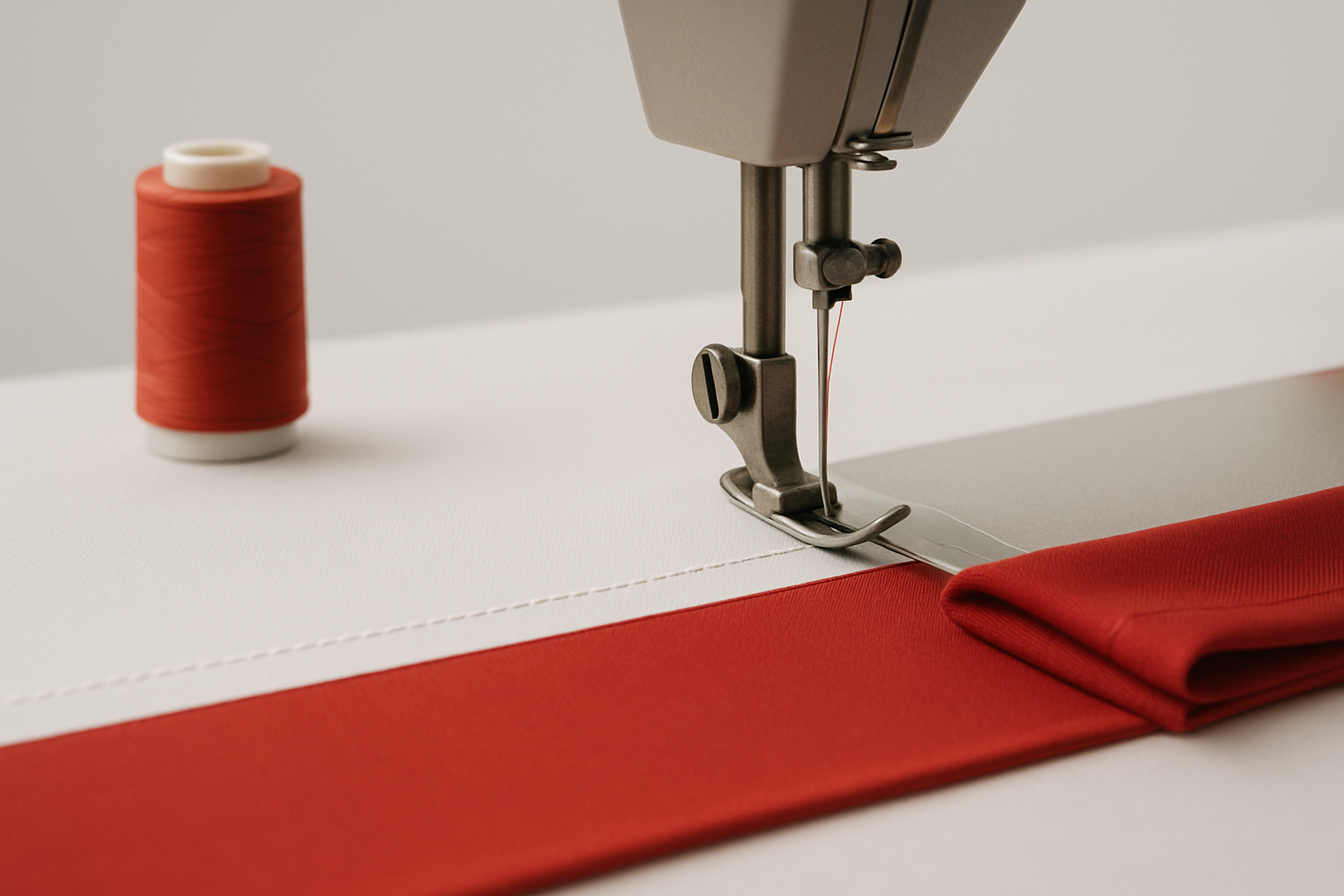
 Indoor government flags are not exposed to sunlight or weather the way outdoor flags are, but they face a different set of durability challenges: frequent handling during ceremonial events, close-up visual scrutiny by officials and the public, and the need to hold their shape elegantly when hanging stationary on a staff. The most widely specified material for indoor flag sets for city hall is 2-ply polyester or nylon with a woven finish — these fabrics drape naturally, resist wrinkling, and hold color vibrancy for 6 months to 2 years under normal interior conditions. Many premium government-grade flags also use rayon or a rayon-polyester blend, which produces a rich, lustrous sheen that photographs well and presents professionally under fluorescent or LED lighting. Embroidered stars and sewn stripes, as specified in FIAV quality standards for formal indoor display flags, add both durability and visual crispness that printed flags cannot always achieve at close inspection distances. Explore the complete indoor flags collection to compare material grades, finishes, and construction details side by side before placing your order.
Beyond the US flag itself, the state flag used in a county courtroom or council chamber should match or exceed the quality standard of the national flag. A premium US flag displayed alongside a faded or low-quality state flag creates an unintentional visual hierarchy that can reflect poorly on state representation. Most procurement officers specify that all flags in a multi-flag indoor set share the same material grade and construction method. The state and city indoor flags collection offers matching-grade options for all 50 states and hundreds of city flags, making it straightforward to order a cohesive, protocol-compliant set from a single supplier.
Hardware and Bases: Completing the Professional Display
The hardware that supports a government indoor flag set is as important as the flag itself — mismatched or lightweight stands undermine the visual authority that formal display settings require. For council chambers and courtrooms, cast-iron or weighted marble-finish bases are the standard choice, offering both stability and an appearance of institutional permanence that lighter plastic bases cannot replicate.
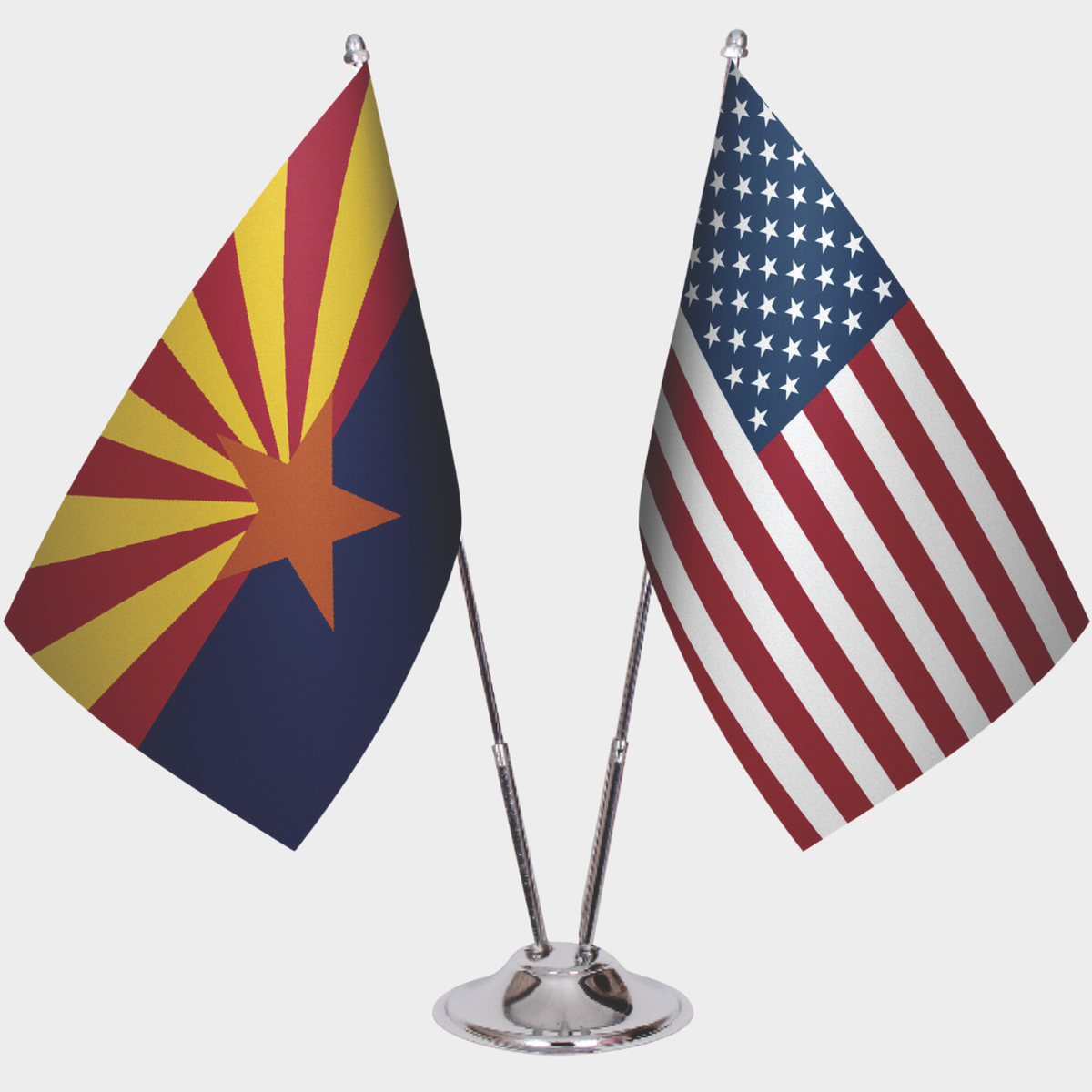
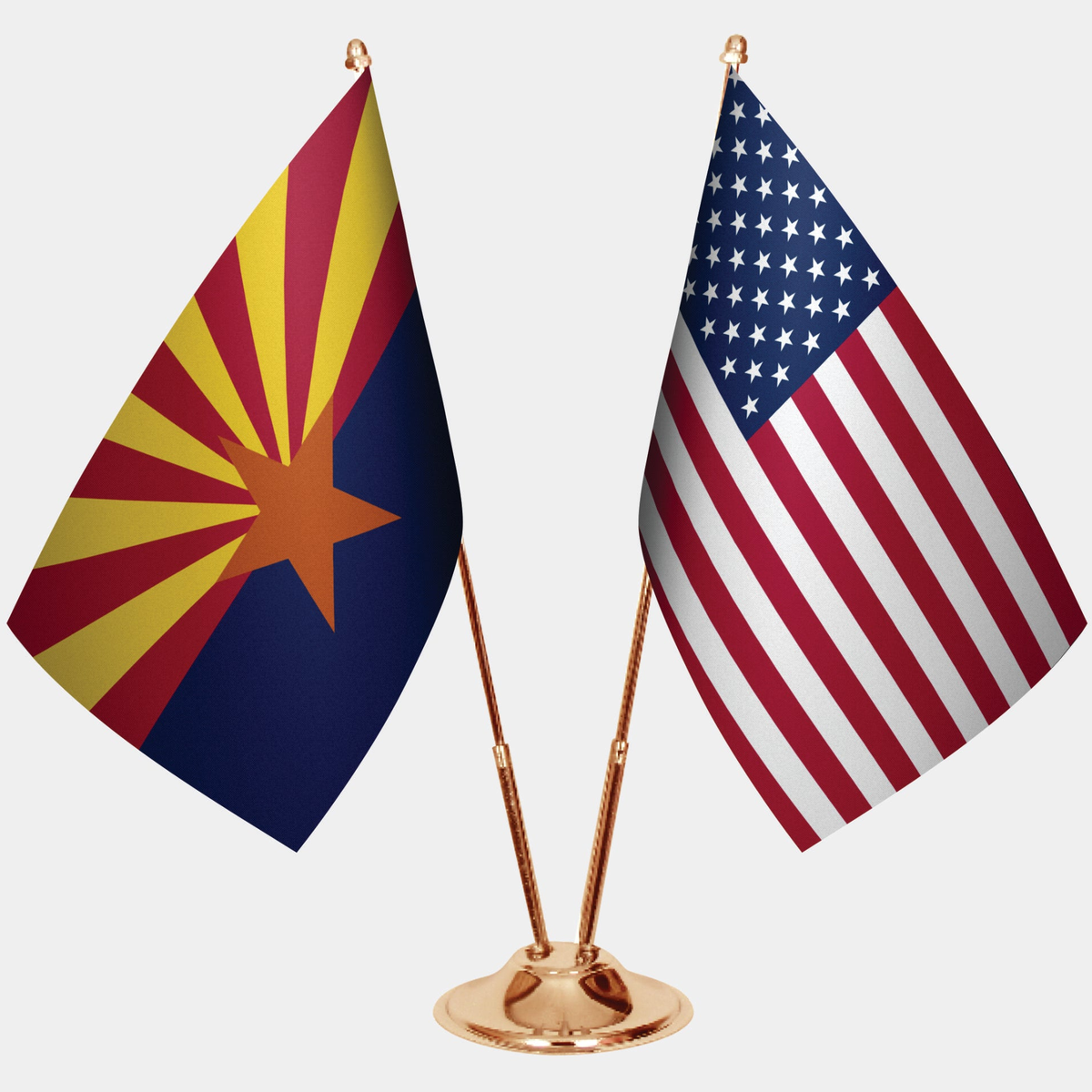
Chrome and gold finishes remain the two dominant hardware styles for municipal government settings. Chrome finishes work well in modern, minimalist chambers with stainless steel or glass design elements, while gold finishes complement traditional wood-paneled courtrooms and classic municipal hall interiors. Both finishes are available across the flag bases and stands collection, with options in various base weights from 5 lb (2.3 kg) standard to 10 lb (4.5 kg) heavy-duty, the latter recommended for high-traffic areas where the flag stand may be moved frequently for events or ceremonial proceedings. Eagle finials — the gold eagle ornament on top of the pole — are required by many state and federal protocols for indoor US flag display; verify whether your jurisdiction's procurement guidelines specify finial type before ordering.
For desk or table applications — such as a mayor's desk, a council president's podium, or a county judge's bench — a high-quality desk flag stand presents the flag at a smaller scale without compromising the formal aesthetic. The luxury chrome-gold desk flag stand is a popular choice for exactly these settings, combining a heavy base with a polished dual-tone finish that complements both chrome and gold pole hardware used in the same room.
Bulk Ordering Strategies for Government Procurement
Buying bulk indoor flags for government requires attention to standardization, lead times, and procurement compliance — especially when outfitting multiple buildings, departments, or branch offices under a single municipal or county budget. The most cost-effective approach is to standardize on a single flag size, pole specification, and hardware finish across all locations, which reduces per-unit costs, simplifies replacement ordering, and ensures visual consistency at all public-facing government facilities.
Typical bulk orders for municipal governments range from 10 to 100+ sets, depending on the jurisdiction's size. A county government outfitting its main courthouse, three branch courthouses, and several administrative offices might order 25–40 complete indoor flag sets in a single procurement cycle. At this volume, unit prices drop significantly — bulk pricing on indoor government flag sets can reduce per-set cost by 20–40% compared to single-set retail pricing. Delivery lead times for custom or embroidered flags run 10–21 business days for standard orders, while stock-specification flags on standard poles can often ship within 3–5 business days.
When writing a Request for Proposal (RFP) or procurement specification for indoor government flags, include the following in your technical specifications: flag dimensions (length × width in inches), material type and weight (oz per sq yd), pole diameter and length, base weight and finish, finial type, and any state-specific construction requirements. Providing these specs upfront reduces back-and-forth with suppliers and ensures the delivered product complies with your jurisdiction's standards.
Indoor Flags Collection
Complete indoor flag sets for city halls, council chambers, courtrooms, and government offices — available in all standard sizes and materials with matching hardware options.
Browse Collection →Custom and Logo Flags for Council Chambers and Municipal Branding
Beyond the standard US flag and state flag pairing, many city councils and county boards also display a custom logo or seal flag representing their specific municipality or jurisdiction. These custom flags — bearing the city seal, county emblem, or departmental insignia — are increasingly common in municipal council chamber flags arrangements and require the same quality standards as the national and state flags they accompany.
Custom logo indoor flags are typically produced using dye-sublimation printing on woven polyester, which delivers photographic-quality reproduction of complex seals, crests, and multi-color logos with sharp edge definition. For indoor display, where the flag is viewed at close range under good lighting, print resolution of at least 150 DPI is recommended, with some premium suppliers offering 300 DPI output for ceremonial or media-facing chambers. The logo-printed indoor flags collection includes options for full-color seal reproduction, custom sizing, and double-sided printing — the latter being especially useful when flags are displayed near windows or in rooms where they may be viewed from both sides.
When ordering custom logo flags alongside standard US and state flags for a council chamber, plan for a 2–3 week additional lead time for artwork approval, color matching, and production. Most professional flag manufacturers require vector artwork (AI, EPS, or SVG format) for the sharpest reproduction of municipal seals, which typically contain fine line work and detailed heraldic elements that bitmap images cannot reproduce accurately at large scales.
Maintaining and Replacing Indoor Government Flags
A proactive replacement schedule protects a government body's professional image and ensures ongoing compliance with display standards. Indoor flags in active government settings — chambers in daily use, courtrooms with ongoing proceedings — typically require replacement every 12 to 18 months, while flags in less-trafficked offices may last 2 years or more before showing visible fading or fraying.
The most common signs that an indoor government flag needs replacement include visible fading along the hoist edge (where the flag contacts the pole most frequently), fraying at the fly end, yellowing of white field areas under fluorescent lighting, and loss of shape or drape caused by fabric fatigue. Many facility managers set up annual procurement cycles aligned with fiscal year budgets, ordering replacement flags in Q3 or Q4 to ensure fresh, sharp-looking flags are in place for the next calendar year's public meetings, judicial proceedings, and ceremonial events. Keeping one spare set on hand per chamber or courtroom is a best practice that prevents gaps in display compliance when a flag is damaged unexpectedly before the next procurement cycle. Bulk indoor flags for government ordered in advance can typically be stored flat or lightly rolled in acid-free packaging for up to 12 months without quality degradation.
Frequently Asked Questions
Where should the US flag be placed in a city council chamber or courtroom? +
What size flag is appropriate for a standard municipal council chamber? +
What material is best for indoor government flags? +
How much does a complete indoor flag set for a government building cost? +
Can I order a custom city seal or county emblem flag for a council chamber? +
How often should indoor government flags be replaced? +
Do state laws add requirements beyond the federal Flag Code for indoor display? +
What hardware finish should I choose for a traditional wood-paneled courtroom versus a modern chamber? +
Outfitting city halls, county courtrooms, and municipal council chambers with protocol-compliant, professionally presented flag sets is a straightforward process when you have the right supplier and clear specifications in place. Whether you need a single replacement set or a large-volume procurement order for dozens of government facilities, Asya Bayrak offers the full range of options: browse the indoor flags collection for standard US flag and state flag sets, explore matching hardware through the bases and stands collection, or add custom municipal branding via the logo-printed indoor flags collection. Bulk pricing is available for corporate and government orders — contact the procurement team with your flag count, size specifications, and delivery timeline for a dedicated quote tailored to your jurisdiction's needs.