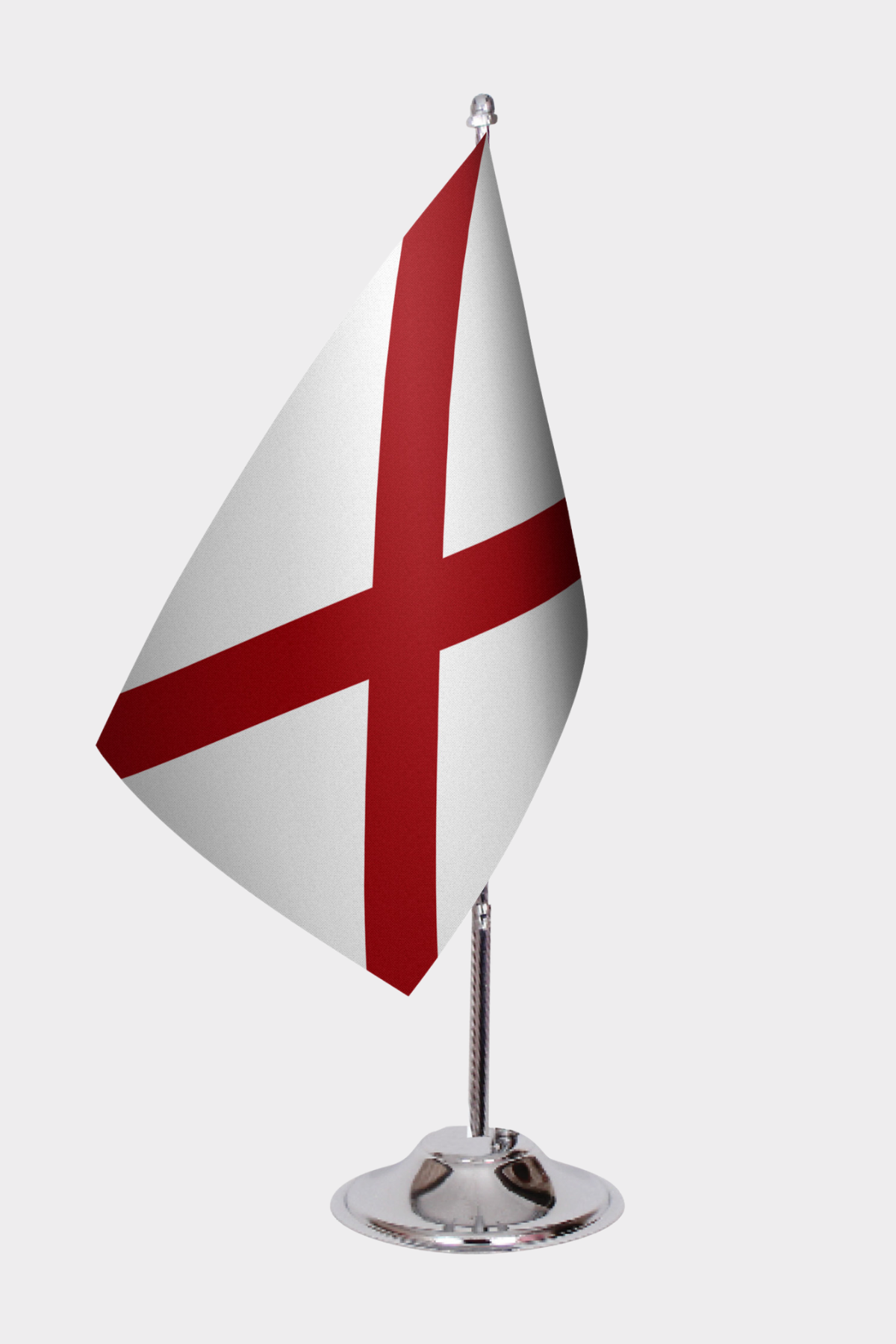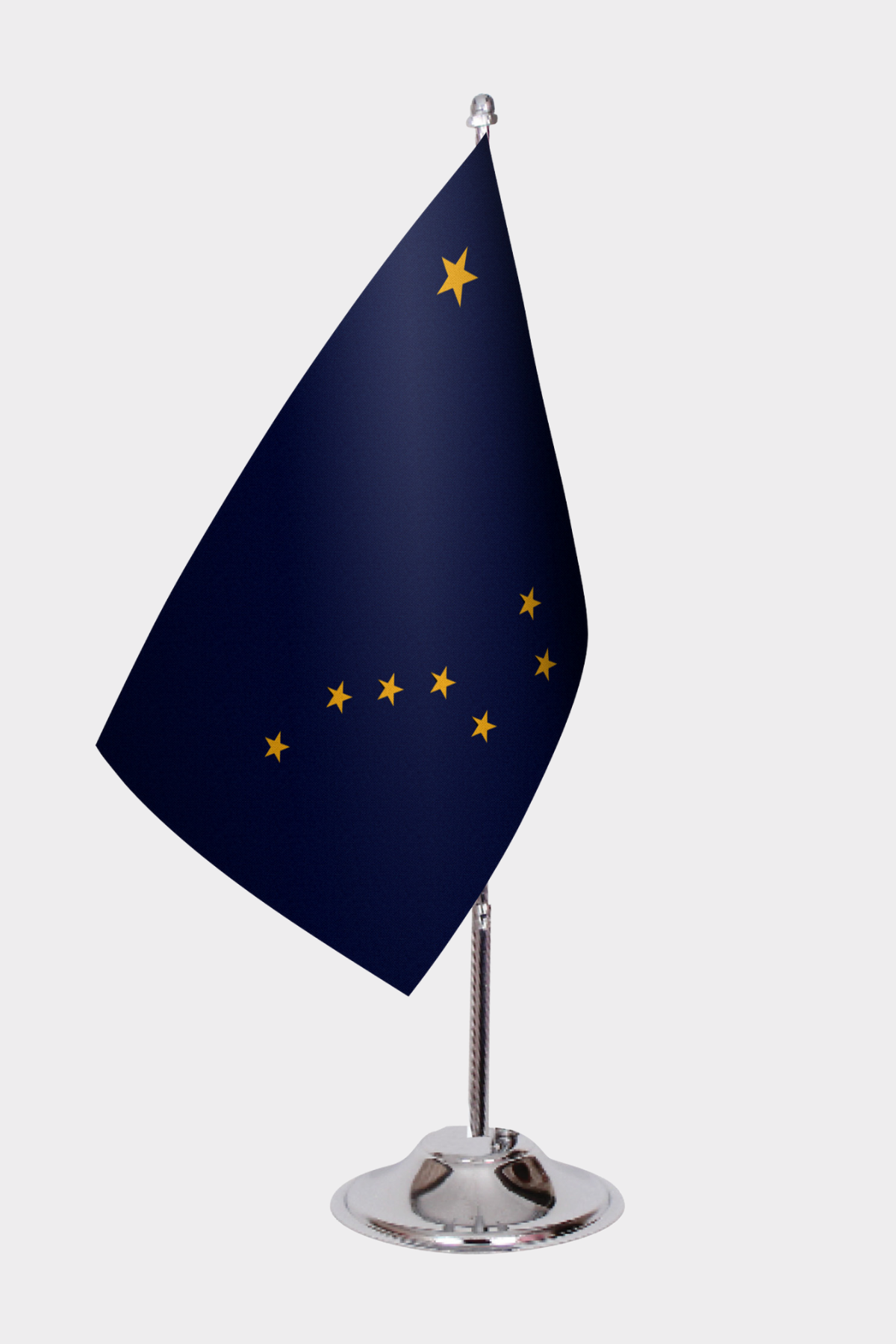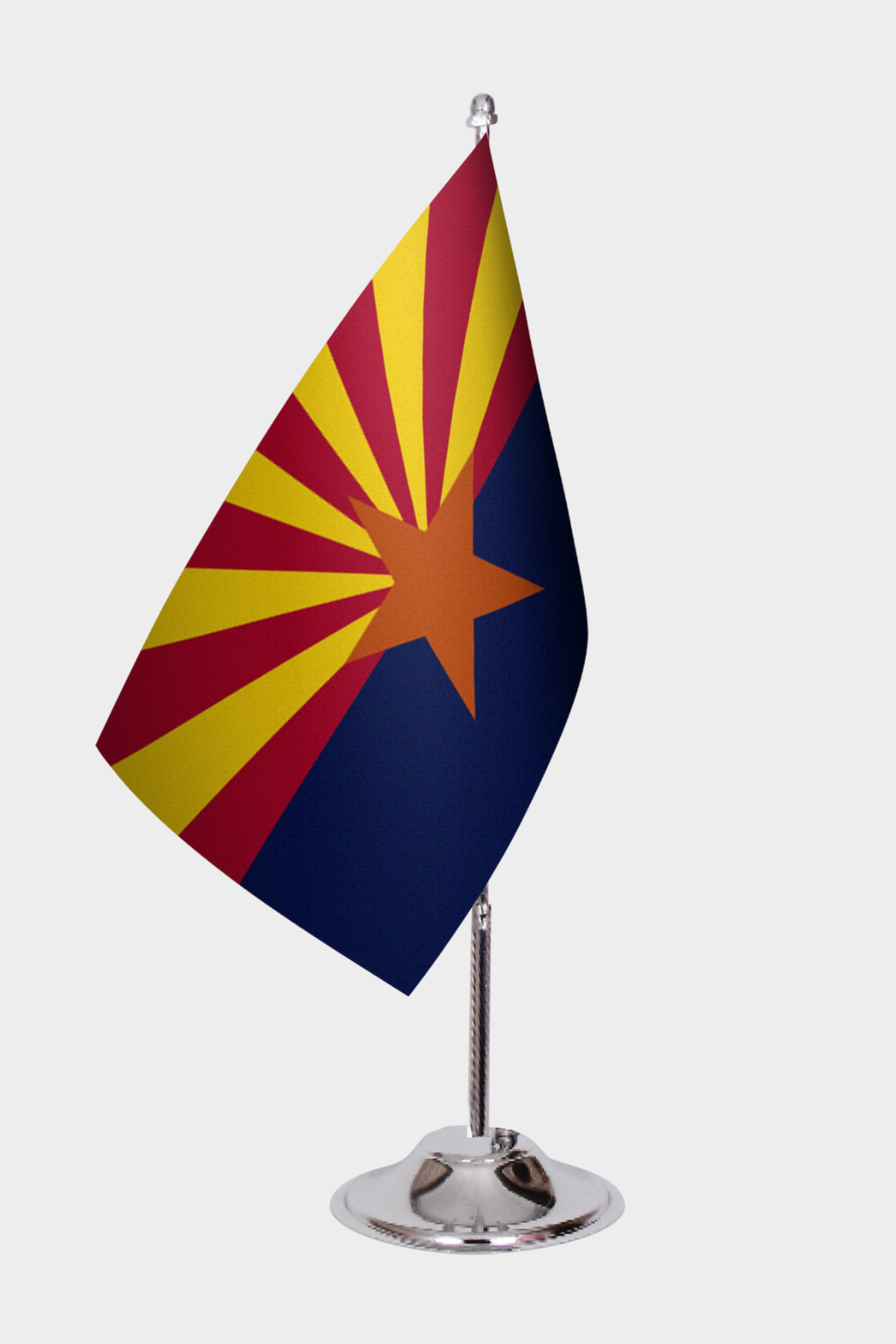






Universities, study abroad offices, and multicultural schools can build a professional, welcoming international flag display by ordering country flags in standardized sizes — typically 3 ft × 5 ft (91 cm × 152 cm) for indoor poles and 4 ft × 6 ft (122 cm × 183 cm) for outdoor installations — from a wholesale supplier that offers bulk pricing, consistent color accuracy, and durable materials. Choosing the right supplier for your campus flag program wholesale order means balancing quality, lead times, and the sheer variety of nations you need to represent. Whether you're outfitting a single study abroad office or equipping an entire multicultural campus, this guide walks you through every decision — from flag sizing and material selection to bulk ordering logistics and display best practices. Explore the full country flags collection at Asya Bayrak to see how many nations are available in ready-to-ship stock.
Why International Flag Displays Matter on Campus
A well-executed international flag display signals to prospective students, faculty, and visitors that your institution genuinely values global diversity — and that signal has measurable impact on enrollment and campus culture. Studies consistently show that first-generation international students select institutions partly based on visible indicators of inclusion, and a row of accurately rendered multicultural school flags in an admissions lobby is one of the most immediate visual cues available. Beyond aesthetics, flag programs support cultural programming calendars, international orientation weeks, Model UN clubs, and study abroad fairs, giving student organizations a tangible focal point for national pride and cross-cultural dialogue. Institutions that invest in a comprehensive college international flag set also report stronger engagement from alumni donor communities tied to specific countries, because donors from abroad appreciate seeing their home nation's colors displayed with accuracy and respect.
Flag displays are also a low-maintenance, high-impact infrastructure investment. Once the hardware — flagpoles, wall-mount brackets, or ceiling cable systems — is in place, updating or expanding the display is as simple as adding new flags from the same supplier, maintaining visual consistency across the entire installation. Schools that establish a relationship with a reliable wholesale manufacturer can reorder replacements quickly when outdoor flags fade after 6 to 12 months of sun exposure, or when a new student cohort brings nationalities that weren't previously represented. This scalability makes a campus flag program wholesale approach far more cost-effective than purchasing flags one at a time from retail sources.
Choosing the Right Flag Size for Every Campus Setting
The correct flag size depends entirely on where and how the flag will be displayed — indoor ceiling mounts, outdoor flagpoles, and interior wall brackets each call for different dimensions. As a general rule, indoor display flags for lobbies, hallways, and study abroad offices are ordered at 3 ft × 5 ft (91 cm × 152 cm), while outdoor pole flags for campus grounds or building exteriors should be 4 ft × 6 ft (122 cm × 183 cm) or larger, scaled to the pole height using the standard 1:4 to 1:5 pole-to-flag ratio recommended by FIAV (Fédération internationale des associations vexillologiques).
For a 20 ft (6 m) outdoor flagpole, a 3 ft × 5 ft flag is the minimum acceptable size, but a 4 ft × 6 ft flag reads far better from a distance and conveys the prestige appropriate for an institutional setting. Taller poles — 25 ft to 30 ft (7.6 m to 9.1 m) — common on larger university quads should be paired with 5 ft × 8 ft (152 cm × 244 cm) flags. Desk flags and table displays used during international fairs or admissions events typically run 4 in × 6 in (10 cm × 15 cm) on a plastic or wooden stick, and many suppliers offer these as inexpensive add-ons to bulk orders. When planning a study abroad office flag display, it is worth ordering a mix of sizes: large flags for the main lobby, medium flags for individual office interiors, and small desk flags for student advisor stations.
Material Selection: Indoor Polyester vs. Outdoor Nylon and SolarMax
The two materials most commonly used for international flags for universities are polyester (best for indoor use) and nylon or SolarMax-style woven polyester (best for outdoor continuous exposure). Indoor polyester flags offer vibrant, print-rich colors and a smooth drape that photographs beautifully for promotional materials, but they are not UV-stabilized and will fade within weeks if placed near sunny windows or used outdoors. Outdoor-grade nylon flags, by contrast, are lightweight enough to fly in light breezes (as low as 5 mph / 8 km/h), are treated with 80% UV resistance coatings, and typically last 6 months to 2 years depending on wind exposure and climate.
 For schools in high-wind or coastal regions — where gusts regularly exceed 30 mph (48 km/h) — a perforated mesh flag fabric reduces wind load by approximately 30%, dramatically extending the flag's usable lifespan and reducing stress on pole hardware. When placing an outdoor country flags bulk order, always specify the climate conditions to your supplier so they can recommend the appropriate weight and weave. For a campus in a mild, temperate climate, standard 100-denier nylon is the most popular choice for its balance of durability and color vibrancy. Schools in the American Southwest, Florida, or Hawaii — high UV index regions — should strongly consider requesting SolarMax or equivalent 200-denier polyester, which carries an extended UV-resistance treatment that can push the outdoor lifespan to 18 to 24 months. Asya Bayrak's full flags collection includes outdoor-grade options across all major country flag designs, making it easy to build a complete campus set from a single source.
How to Select Which Countries to Include in Your Flag Set
The most effective approach to curating a college international flag set is to pull three data sources: current international student enrollment by country, active study abroad partner institution countries, and historical applicant countries from the past three admissions cycles. Combining these three lists typically produces a core set of 40 to 80 nations that represent the true global footprint of your institution, and that set should be the foundation of any bulk order.
Beyond enrollment data, consider your institution's geographic coverage gaps. Many universities find they over-represent Western Europe and underrepresent Southeast Asia, Sub-Saharan Africa, or Central and South America — a gap that is both statistically inaccurate and visually apparent to students from those regions. Asya Bayrak's regional collections make it straightforward to fill these gaps: browse the Asian countries flags collection, the European countries flags collection, the Americas countries flags collection, and the MENA countries flags collection to quickly identify which nations are available in stock and ready to ship. Flag accuracy — correct Pantone color matching, proper coat-of-arms rendering, and accurate proportions — is especially important for flags of nations where students and faculty may immediately notice deviations from official specifications. Always verify that your supplier sources flag designs from official government heraldic references rather than approximate recreations.
Country Flags Collection
Browse hundreds of accurately rendered country flags available in multiple sizes — ideal for building a complete international flag display for any university or multicultural school.
Browse Collection →Sizing and Planning Your Bulk Order: Quantities, Lead Times, and Logistics
Placing a well-organized bulk country flags for schools order starts with a clear inventory list that includes the country name, quantity per country, size, material type, and any finishing specifications such as header-and-grommet versus sleeve-and-fringe. Most wholesale suppliers require a minimum order quantity (MOQ) of 10 to 25 units per order to qualify for bulk pricing, though larger institutions ordering 50 to 200+ flags total can often negotiate per-unit pricing reductions of 20% to 40% compared to retail rates.
Lead times for outdoor country flags bulk orders typically range from 5 to 15 business days for in-stock designs and 3 to 6 weeks for custom or less common national flags that require special production runs. Universities planning to display flags for international orientation week, a study abroad fair, or an annual cultural festival should submit orders at least 6 to 8 weeks in advance to allow time for production, quality inspection, shipping, and any corrections. It is also worth ordering 10% to 15% overage on your most-flown flags — typically USA, UK, China, India, and South Korea for most American institutions — since these will rotate outdoors more frequently and require earlier replacement. When using the USA outdoor flag alongside international flags, ensure all flags on a multi-pole display are the same size to comply with standard flag etiquette protocols and present a uniform visual appearance.
Installation and Display Best Practices for Campus Flag Programs
Proper installation is just as important as flag quality for a professional-looking campus display — poorly hung or improperly sized flags undermine the visual message your institution is trying to send. For outdoor multi-pole installations, all poles should be the same height and flags should be the same size; no single nation's flag should fly higher than another's, a principle supported both by standard international diplomatic courtesy and, in the case of the U.S. flag, by the US Flag Code (4 USC §§ 1–10), which specifies that the American flag may not be subordinated to any other nation's flag on U.S. soil during peacetime.
Indoor ceiling-hung displays using cable suspension systems should space flags evenly — typically 18 in to 24 in (46 cm to 61 cm) apart — and use consistent mounting hardware for a clean, cohesive look. Study abroad offices often opt for a "world map wall" approach, mounting flags in geographic clusters (Europe, Asia, Americas, MENA, Africa, Oceania) that help students visually orient partner program locations. For lobby displays with high foot traffic, consider placing flags behind a protective barrier or at a height of at least 7 ft (2.1 m) to prevent handling damage. Lightweight indoor polyester flags require periodic dusting and can be spot-cleaned with a damp cloth; outdoor nylon flags should be brought indoors during severe weather events to extend their lifespan. Campus facilities teams should establish a flag inspection schedule — quarterly for outdoor flags and semi-annually for indoor — and maintain a standing replacement order with their supplier to minimize turnaround time when flags need to be swapped out.
Working With a Wholesale Supplier: What to Ask Before You Order
Before finalizing any wholesale contract for international flags for universities, there are six key questions every procurement office should ask: What is the color matching standard (Pantone, CMYK, or screen-printed approximate)? Are coat-of-arms and emblem flags produced with embroidery, screen printing, or digital sublimation? What is the return policy for color-inaccurate or damaged flags? Can you provide a sample flag before a full bulk run? What are the shipping options and estimated freight costs for orders over 100 units? And finally, is institutional or purchase-order invoicing available for public universities that cannot pay by credit card?
A reputable flag manufacturer will answer all six questions clearly and offer documentation — such as a production spec sheet or flag design reference — that confirms accuracy before production begins. Digital sublimation printing, which bonds dye directly into the fabric at the molecular level, is the gold standard for color vibrancy and wash resistance, and it is the production method most appropriate for flags that will be rotated, laundered, and reused across multiple events. Ask specifically whether the supplier's digital sublimation process uses UV-stable inks, as this single specification significantly affects how long indoor display flags maintain their color before fading under artificial lighting. Suppliers who offer institutional accounts, NET-30 payment terms, and dedicated account managers are particularly valuable for university procurement departments that must work within structured purchasing cycles and budget approval timelines. Bulk pricing is available for corporate and institutional orders through Asya Bayrak, making it straightforward to scale your campus flag program as enrollment and international partnerships grow.
What is the best flag size for a university study abroad office display? +
How many flags should a university order when starting a campus flag program? +
What material is best for outdoor country flags on a university campus? +
Does the US Flag Code affect how universities display international flags alongside the American flag? +
How long does it take to receive a bulk country flag order for a university? +
Can universities get institutional or purchase-order invoicing for flag orders? +
How should universities maintain and replace outdoor international flags? +
Building a comprehensive, visually consistent international flag display is one of the most impactful investments a university, study abroad office, or multicultural school can make in its global identity. Whether you need a starter set of 20 flags or a full college international flag set covering 150 nations, Asya Bayrak offers the regional depth, material quality, and bulk pricing your institution needs. Browse the complete country flags collection for available designs, explore the full flags collection for outdoor-grade options in multiple materials and sizes, and add the USA outdoor flag to ensure your American flag matches the quality of every international flag in your display. Bulk pricing is available for corporate and institutional orders — contact Asya Bayrak's B2B team to discuss purchase-order invoicing, institutional account setup, and volume discounts tailored to your campus flag program.