


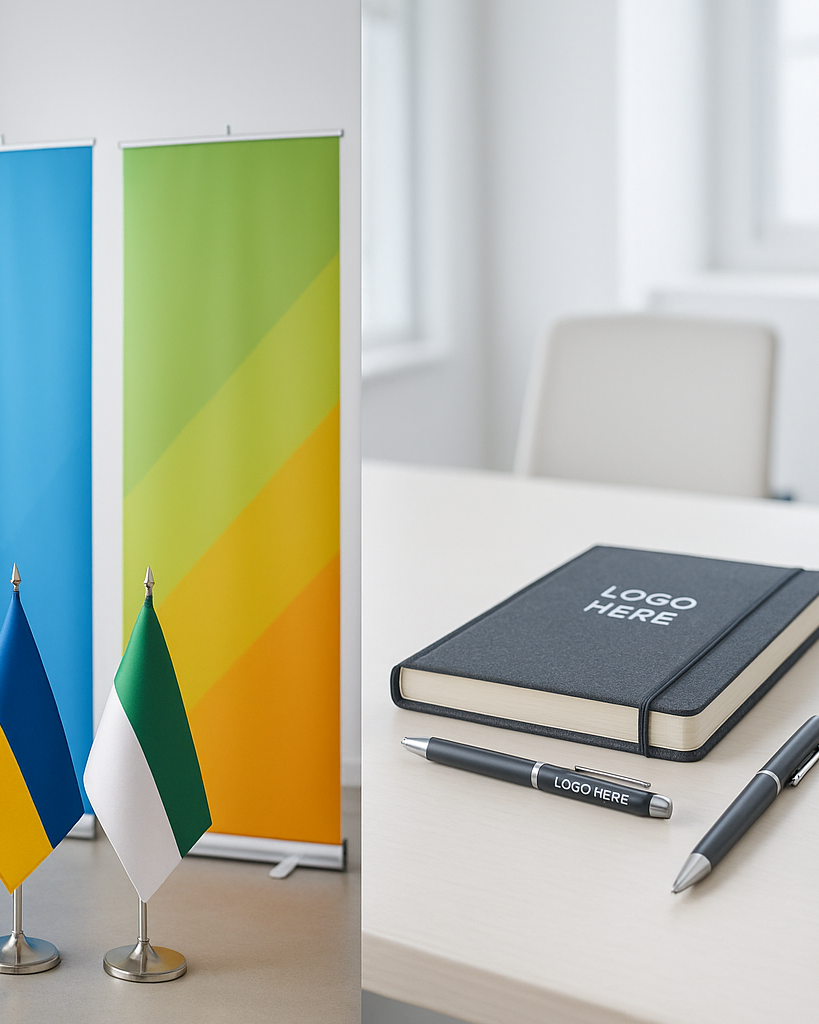


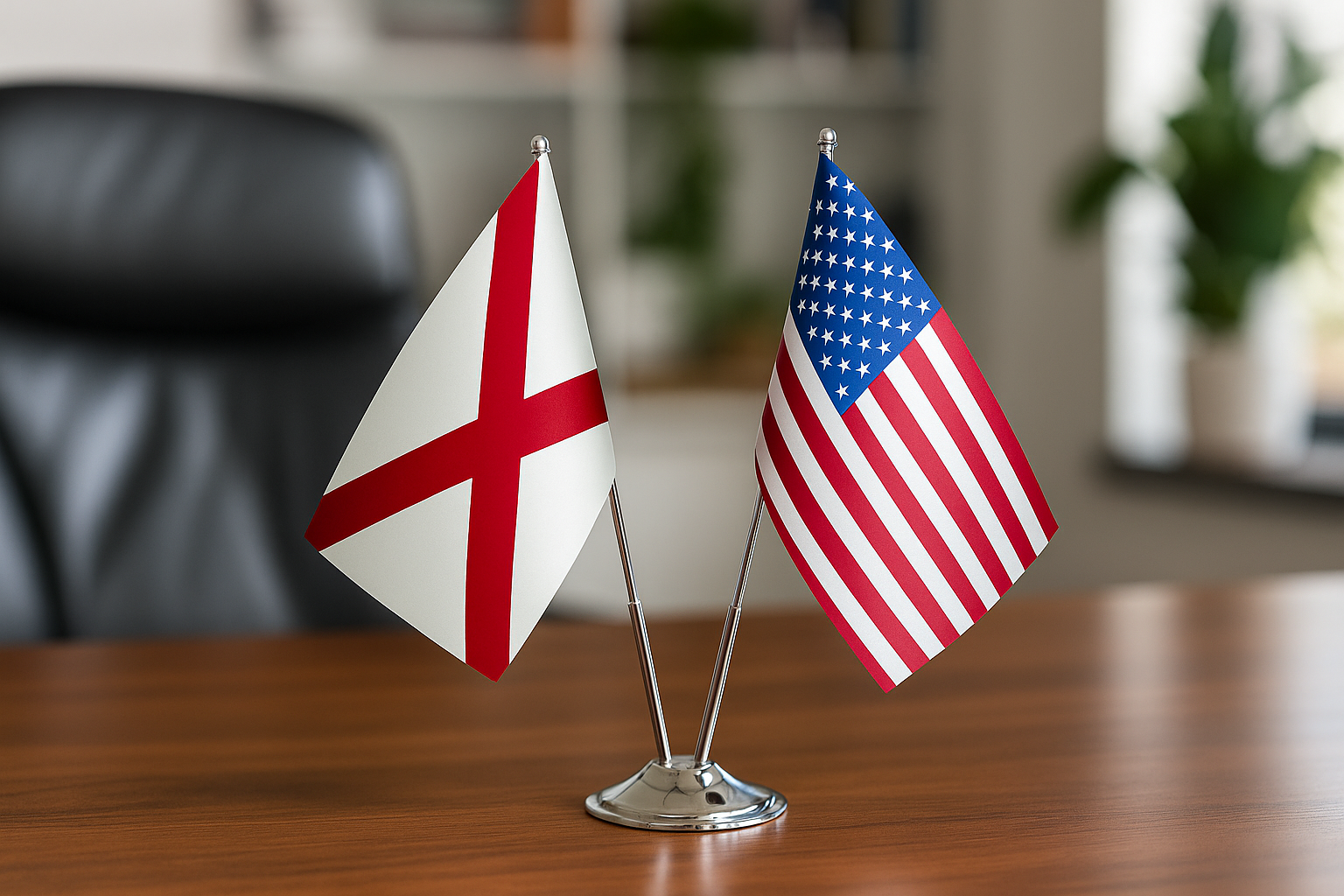



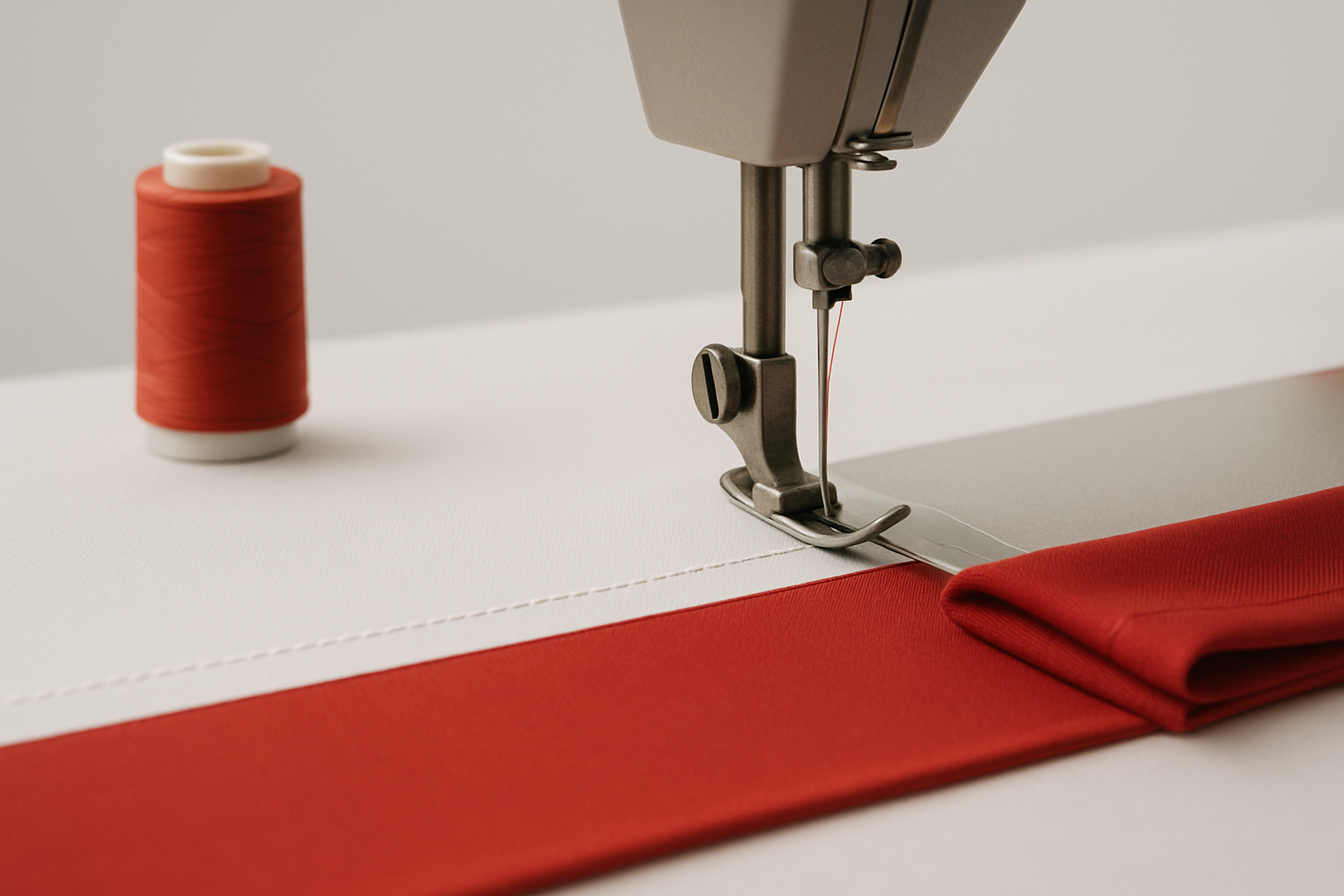

A well-maintained desk flag lasts between 1 and 3 years of regular indoor display — but with proper cleaning, careful storage, and attention to placement, many office desk flags and custom desk flags stay presentation-ready for considerably longer. Whether you have a single desk flags collection piece on a reception counter or a full row of country flags in a boardroom, the same practical principles apply: clean gently, store flat or rolled, and keep fabric away from the conditions that accelerate wear. This guide walks through every stage of a desk flag's life — from routine washing to proper retirement — so you get maximum value from every flag you own.
Can You Wash a Desk Flag, and What Is the Safest Method?
Yes, desk flags can be washed — hand-washing in cool water with a mild, dye-free detergent is the safest method for virtually every desk flag fabric, from polyester to nylon to woven cotton blends. Machine washing is not recommended because the agitation cycle stresses the stitched hem, can distort the weave, and may cause color bleeding between printed areas, particularly on flags with fine linework or corporate logos.
Before you introduce any moisture, separate the flag fabric from its pole and base. Most mini desk flags use a simple friction-fit or screw-socket pole connection; gently twist or pull the fabric sleeve free. Submerge the flag in a basin of cool water — never hot, which sets stains and shrinks polyester — with a small amount of pH-neutral detergent. Agitate by hand for one to two minutes, focusing on any soiled areas with your fingertips rather than a brush. Rinse thoroughly under cool running water until no soap residue remains, because residual detergent attracts dust and dulls color over time. Roll the flag loosely in a clean white towel (colored towels risk dye transfer) and press gently to remove excess water; do not wring or twist the fabric. Lay the flag flat to air-dry on a clean surface away from direct sunlight — heat from a dryer or a sunny windowsill can cause printed inks to crack and polyester fibers to pill.
For spot cleaning between full washes — the smudge from a pen, a coffee splash, or fingerprints on a plain desk flag — a damp white cloth with a tiny amount of isopropyl alcohol (70%) lifts most surface soils without saturating the fabric. Test any cleaning agent on an inconspicuous corner first. Once dry, the flag can be re-mounted on its stand and will look nearly new.
 Printed desk flags like the USA Desk Flag use high-definition dye-sublimation printing on heavyweight knitted polyester, which holds color well through repeated gentle hand-washing but will fade prematurely if exposed to harsh detergents or high heat. Dye-sublimated inks bond directly into the fiber rather than sitting on top, so they don't crack or peel the way screen-printed surface inks can — a meaningful durability advantage when you need to clean a flag regularly in a high-traffic office environment. The key is to treat the fabric with the same care you'd give a fine dress shirt: cool water, mild soap, no wringing. When dry, a light press through a cotton cloth with a low-heat iron restores a crisp appearance if creases have developed during drying; always keep the iron moving and never apply it directly to a printed face.
How to Store Desk Flags Between Uses Without Damaging Them
Store desk flags disassembled, with the fabric either rolled loosely around acid-free tissue or folded with tissue between layers, in a clean, dry container away from UV light and humidity. This single practice prevents the two most common storage-related problems: permanent crease lines in the fabric and corrosion of metal pole components that then stains the flag itself.
For a small number of flags — a handful of custom desk flags kept in a credenza after an event, for example — a clean ziplock bag with the air pressed out is acceptable short-term storage. For larger quantities, such as the rows of country desk flags used in conference facilities between summits, a shallow flat drawer or a dedicated storage box lined with archival tissue is far better. Roll each flag around a cardboard tube (the kind from gift wrap works well) rather than folding, because repeated folding at the same crease lines eventually weakens the fabric and can crack printed inks along the fold. If folding is unavoidable, vary the fold direction each time you store the flag so stress is distributed across different fiber lines.
Metal poles and chrome or gold-tone bases should be wiped dry before storage and can be wrapped individually in a soft cloth to prevent scratching. Chrome bases in particular benefit from a very light application of paste wax, which resists fingerprints and retards oxidation during storage. Keep poles and bases stored vertically or lying flat — leaning them at an angle against a drawer wall risks a permanent bend in aluminum shafts.
What Shortens a Desk Flag's Life: UV, Heat, Handling, and Environment
The four primary life-shorteners for indoor desk flags are cumulative UV exposure from sunlight or fluorescent lighting, ambient heat from nearby HVAC vents or electronics, rough daily handling, and airborne pollutants such as cigarette smoke, cooking oils, or construction dust. Understanding which of these applies to your environment lets you take targeted preventive steps.
 UV degradation is often underestimated for indoor flags. A desk placed within 3 ft (0.9 m) of a south- or west-facing window receives enough ultraviolet radiation to measurably fade printed colors within six months. Polyester offers better UV resistance than natural fibers — quality outdoor-grade polyester achieves 80% UV resistance ratings — but even high-performance polyester used in a custom desk flag will show color shift if left in direct sun year-round. The solution is straightforward: move the flag away from direct sunlight, apply UV-filtering window film, or rotate the flag 180° periodically so both sides age evenly. Heat from a nearby desktop lamp or a heating vent compounds UV damage by accelerating the photochemical breakdown of dye molecules; flags placed within 12 in (30 cm) of a heat source will fade two to three times faster than those in ambient-temperature office conditions.
Handling stress accumulates invisibly. A flag that is touched, straightened, folded back, or removed and replaced several times a day — common with flags on reception desks or in active conference rooms — experiences micro-abrasion at the hem, sleeve, and any embroidered details. The fabric itself develops a worn, slightly fuzzy appearance at high-contact points. A simple mitigation: handle the pole rather than the flag fabric when repositioning, and brief staff to do the same. Airborne contamination — particularly grease particles from nearby kitchen areas or adhesive dust from construction — coats fibers at a microscopic level, making colors appear duller and providing a substrate for mildew if humidity ever rises. Regular light dusting with a soft brush (a clean makeup brush works well) removes surface deposits before they bond.
How to Know When It Is Time to Replace a Desk Flag
Replace a desk flag when any of these three conditions appear: visible color fading that makes the design unrecognizable or unprofessional, physical fraying or holes in the fabric, or a permanently stained area that does not respond to cleaning. In formal settings — government offices, diplomatic receptions, corporate boardrooms — a flag that looks worn projects the wrong message regardless of its technical serviceability.
A practical inspection checklist: hold the flag up to a diffuse light source and look for thinning areas, pinholes, or runs in the weave. Check the sleeve and hem stitching for unraveling threads, which indicate the flag has reached the end of its structural life even if the face looks acceptable. Examine printed colors against a reference image of the original design — if reds have shifted orange, blues have turned gray, or text has lost crispness, the flag has faded beyond an acceptable display standard. For country desk flags used in diplomatic or official contexts, accurate color representation is not merely aesthetic; some flag protocols treat a faded or damaged flag as a mark of disrespect to the represented nation.
In standard office conditions with no direct sunlight and weekly light dusting, a quality polyester desk flag realistically lasts 2 to 3 years. In harsher indoor environments — high-traffic retail counters, windows with direct sun, kitchens or industrial settings — expect to replace flags every 6 to 12 months. For bulk purchasing contexts such as conference facilities or municipal offices, it is worth establishing a documented replacement cycle; the guide on bulk flag procurement for government buildings covers lifecycle cost planning in detail.

Desk Flags Collection
Browse the full range of desk flags — from standard country flags to custom logo-printed options — available in multiple sizes with matching stands for every professional setting.
Browse Collection →How to Retire a Worn Desk Flag Properly
Under the US Flag Code (4 USC §§ 1–10), the American flag — including miniature versions — should be retired in a dignified manner, most commonly by burning, when it is no longer in a condition suitable for display. The same respectful standard, though not legally mandated, is widely applied to other national flags out of diplomatic courtesy.
For a worn USA Desk Flag, the most appropriate retirement method is to bring it to a local American Legion post, Veterans of Foreign Wars post, or Boy Scouts of America troop — all of which conduct periodic dignified flag-disposal ceremonies, typically on Flag Day (June 14) or Veterans Day. These organizations accept flags of all sizes, including mini desk flags, at no charge. If you prefer to conduct a private retirement, the flag should be folded in the traditional triangular pattern (as specified by flag protocol) and then burned completely in a controlled fire, not simply placed in a trash receptacle. The US Flag Code is unambiguous that disposal by trash is not considered dignified.
For non-American national flags and custom logo-printed desk flags that carry no official flag-code obligations, the same spirit of respect applies. Many organizations simply cut worn custom or logo flags into strips before disposal to ensure they cannot be mistaken for intact flags; this is also a reasonable security practice for flags bearing confidential corporate insignia. If your organization places large recurring orders of desk flags with stands — as conference centers and government offices typically do — build a formal retirement policy into your flag management procedure alongside your replacement cycle. The article on country desk flags for international conferences discusses storage and handling between events, which pairs naturally with this retirement guidance.
 One underappreciated option when a custom-printed flag has faded beyond acceptable display quality — but the fabric itself is still structurally sound — is repurposing the plain desk flag format as a replacement blank. Plain solid-color desk flags are widely used as bases for in-house embroidery projects, craft applications, or as rehearsal props where a flag shape is needed without a specific design. They extend the useful life of your existing poles and bases, since hardware typically outlasts the fabric by a ratio of 3:1 or better when stored correctly. Replacing only the flag fabric rather than the entire desk flag assembly is a meaningfully more cost-effective approach for organizations managing dozens of units.
Practical Maintenance Schedule for Office Desk Flags
Establishing a simple recurring maintenance schedule — rather than reacting to visible damage — is the single most effective way to extend the lifespan of office desk flags. A flag inspected and lightly maintained every month will consistently last longer than one ignored for a year and then subjected to emergency cleaning.
A recommended schedule looks like this: Weekly — dust lightly with a soft brush; check that the pole is seated securely in the base and that no fabric is caught under the base edge. Monthly — remove the flag from its pole and inspect the sleeve, hem stitching, and print face under good light; spot-clean any soiling immediately. Quarterly — full hand-wash as described above; wipe down the pole and base with a dry microfiber cloth; apply paste wax to chrome or metal bases. Annually — conduct a formal condition assessment against the original design reference; document the flag's condition in writing if you are managing a fleet of flags for a government or corporate facility; order replacements for any flags showing fading, fraying, or distortion.
For organizations managing logo-printed desk flags across multiple departments or locations, a centralized tracking spreadsheet noting each flag's purchase date, cleaning history, and inspection results transforms flag management from a reactive chore into a predictable budget line. If you are also considering different pole styles — including L-shaped options that display differently when mounted — the detailed comparison in L-Shaped Desk Flags: What They Are covers construction differences that affect both maintenance needs and display life.
FAQ
How long do custom desk flags typically last? +
Can desk flags with stands be fully disassembled for cleaning? +
What is the standard size for a mini desk flag? +
Are office desk flags machine washable? +
How should miniature desk flags be stored between events? +
Can I order replacement flag fabric without buying a new stand? +
How is a worn USA desk flag supposed to be retired? +
Do outdoor flag care rules apply to desk flags too? +
Caring for a desk flag is genuinely simple once you have a system in place: hand-wash gently, dry flat, store rolled and disassembled, keep the flag away from direct sunlight and heat sources, and inspect it monthly. A flag maintained this way will remain a credible, professional piece of décor — whether it is a single USA Desk Flag on an executive's desk, a set of country desk flags in a conference room, or a fleet of logo-printed desk flags representing your brand across multiple offices. When it is time to replace aging flags, explore the full range at Asya Bayrak for quality construction and print accuracy that starts the lifespan clock in your favor. Bulk pricing is available for corporate, government, and institutional orders — contact us for a quote tailored to your volume and specifications.


