
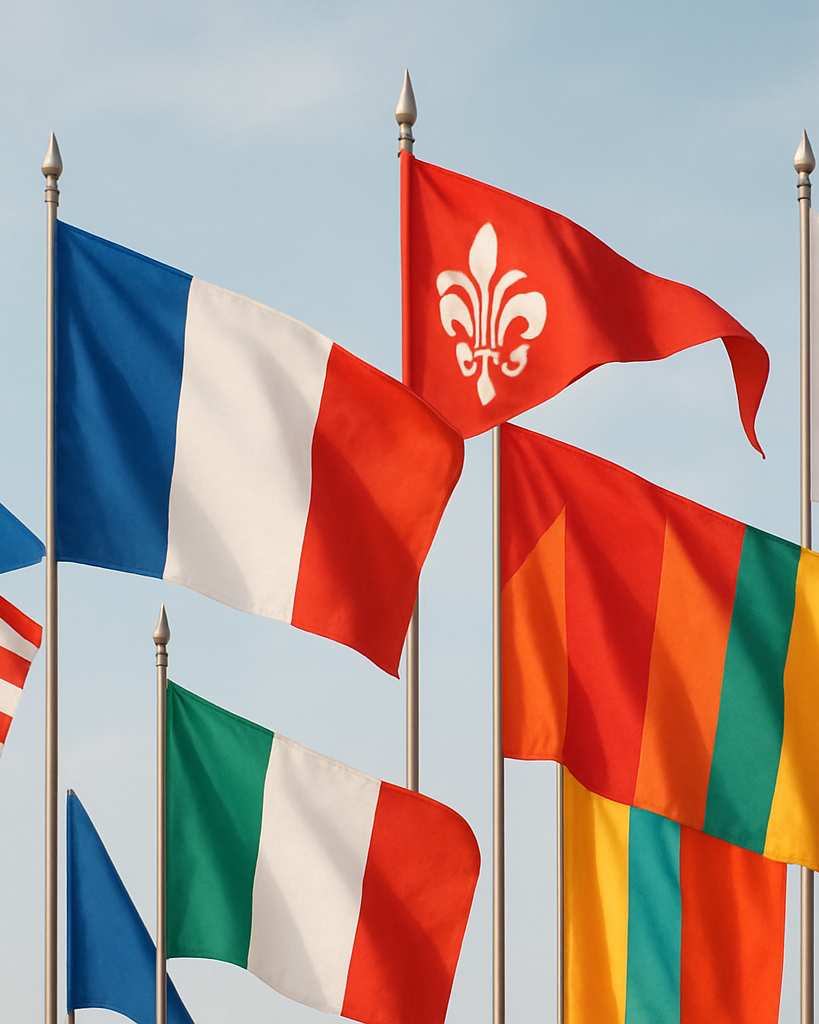
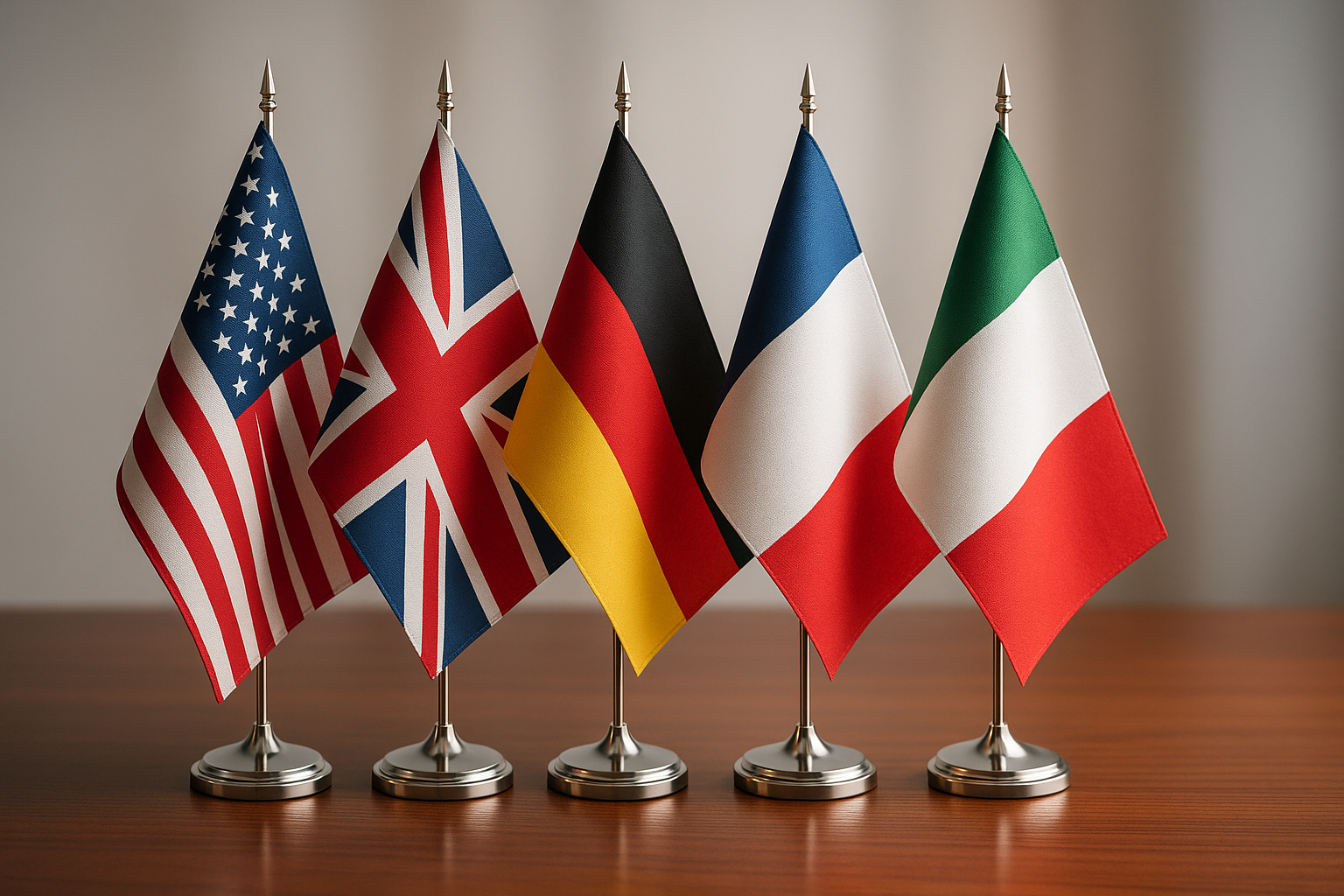
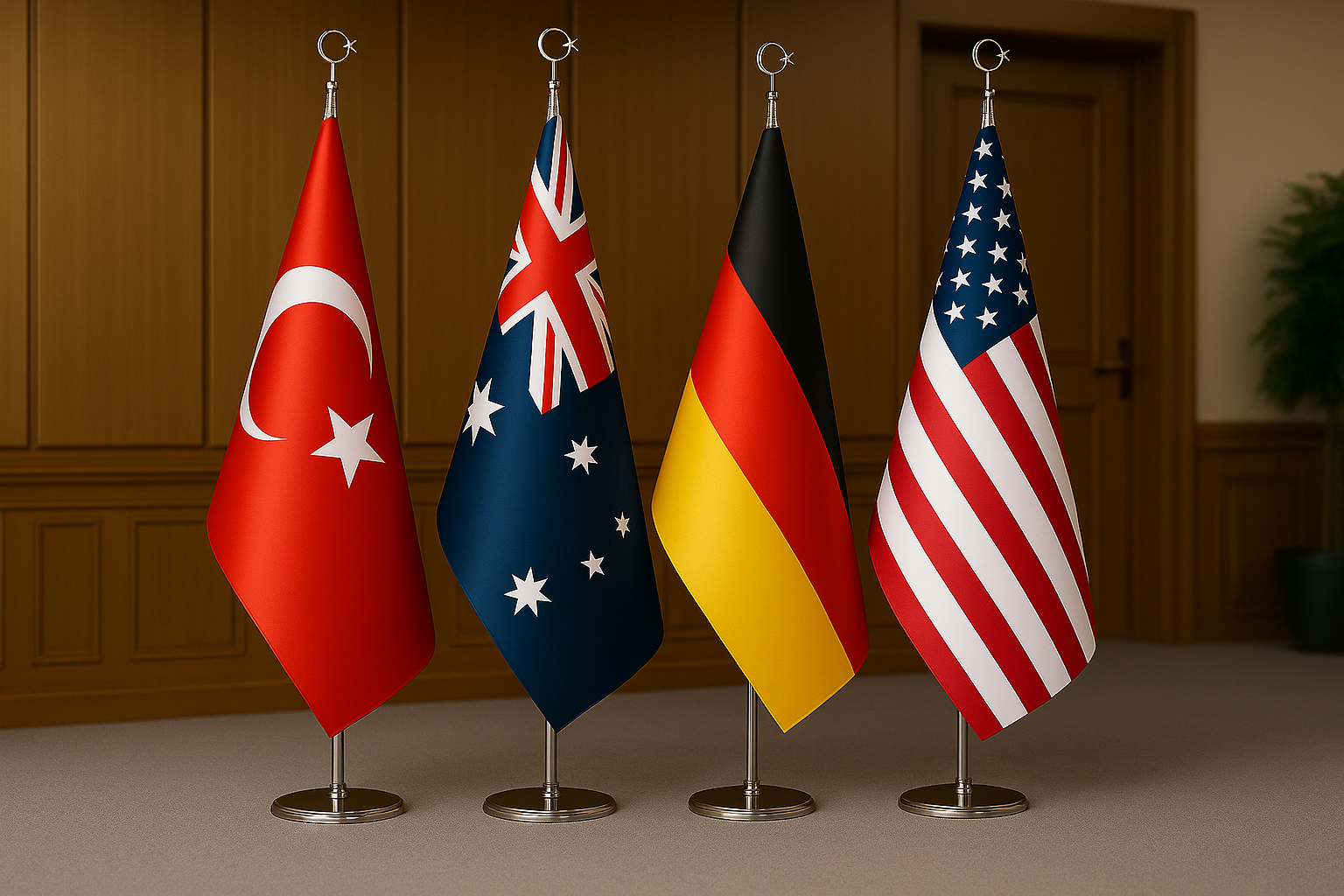



Real estate open house flags, feather banners, and directional signs are among the highest-ROI marketing tools an agent or brokerage can deploy — a single well-placed flag can pull drive-by traffic directly to a showing without a single digital ad dollar spent. Whether you need a set of bright feather flags for real estate along a busy corridor, open house sign flags staked at intersections, or custom logo flags for real estate branding at every listing, choosing the right style, size, and material makes all the difference between a sign that gets noticed and one that gets ignored. This guide walks real estate professionals through every major flag format, measurement standard, durability consideration, and bulk ordering strategy available today.
Why Outdoor Flags Outperform Traditional Open House Signs
Outdoor promotional flags for realtors consistently outperform static yard signs in foot traffic generation because they move — the visual motion created by a feather flag or teardrop banner in a light breeze draws the human eye from over 200 ft (61 m) away, something a flat corrugated sign physically cannot do. Studies in outdoor advertising consistently show that animated or movement-based signage increases recall rates by 40–60% compared to static alternatives, making flags a measurable upgrade to any open house marketing kit.
Traditional A-frame signs and yard stakes are still useful for close-range directional cues, but they offer zero visibility from a moving vehicle traveling at 30–45 mph. A 15 ft (4.6 m) feather flag, by contrast, is visible at highway off-ramp distances, works in rain (provided it uses a water-resistant polyester), and can be repositioned in under two minutes. For agents running multiple open houses on the same weekend, that speed of setup and teardown is itself a competitive advantage. The cost-per-impression of a quality flag set, when amortized over 50–100 uses, often drops below $0.10 per view — dramatically lower than boosted social posts or print flyers.
Feather Flags vs. Teardrop Banners vs. Rectangular Pole Flags: Choosing Your Format
The right flag format depends on your display environment, wind conditions, and branding goals — feather flags dominate open-field and street-side visibility, teardrop banners excel at entranceways and indoor/outdoor hybrid venues, and rectangular pole flags are the gold standard for permanent brokerage branding. Understanding each format prevents costly mismatches between the sign and the site.
 Feather flags — sometimes called sail flags or blade flags — are the most popular choice for directional flags for open house events because their tall, narrow profile creates maximum height-to-footprint ratio. A standard feather flag system typically measures 8 ft to 15 ft (2.4 m to 4.6 m) in total height depending on the pole kit selected, while the printed fabric panel spans roughly 2 ft × 7 ft (0.6 m × 2.1 m) on a medium unit. The curved top edge keeps the flag in a semi-taut position even in low wind, preventing the "drooping" problem that plagues some rectangular formats. Browse the full range of outdoor sail flags and feather banner options to compare hardware configurations including ground spike, cross base, and water-fill base — each suited to different surface types from lawn to concrete forecourts. For agents setting up at model homes, new developments, or weekend open houses in suburban subdivisions, a set of three to five feather flags deployed 20–50 ft (6–15 m) apart creates a visual corridor that funnels buyers directly to the front door.
Teardrop banners share many of the same hardware options as feather flags but use a rounder, teardrop-shaped canopy that retains its shape even in still air — making them the better pick for covered driveways, lobbies, and event tents where wind is minimal. Rectangular pole flags on traditional horizontal poles project the most authoritative brand presence and are the default for brokerage offices, model home centers, and commercial property listings where permanence signals credibility. For most agents building a portable open house marketing kit, a mixed set — two feather flags for roadside directional use and one rectangular banner for the property entrance — covers every scenario efficiently.
Standard Sizes for Real Estate Agent Flags and What Each Is Best For
Real estate agent flags bulk orders almost always standardize around three size tiers — small (6–8 ft / 1.8–2.4 m), medium (10–12 ft / 3–3.7 m), and large (14–16 ft / 4.3–4.9 m) — with each tier suited to a distinct deployment distance and property scale. Matching size to context avoids the common mistake of oversizing flags at intimate residential listings or undersizing them at high-visibility commercial corridors.
Small flags in the 6–8 ft range are ideal for interior model home staging, foyer displays, and open house check-in stations where the goal is brand reinforcement rather than street-level attraction. They pair well with tabletop cross bases and require no tools to assemble, making them perfect for listing agents who set up alone. Medium flags at 10–12 ft are the all-purpose workhorse for residential open houses: tall enough to clear most parked SUVs and shrubs when mounted on a ground spike, compact enough to fit in a sedan's trunk without disassembly. Large flags at 14–16 ft are reserved for high-traffic arterials, new construction development entrances, and commercial property events where the viewing distance exceeds 150 ft (46 m). It is worth noting that most municipalities regulate signage height — always verify local ordinances before deploying anything above 10 ft (3 m), particularly in HOA-governed communities.
Printing and Branding: Custom Logo Flags for Real Estate Identity
Custom logo flags for real estate branding require full-color dye-sublimation printing on 110–115 gsm knitted polyester to achieve the color accuracy and wash-fastness that brand standards demand — a brokerage's trademarked pantone colors must reproduce consistently across every flag in a fleet. Poor printing choices — especially screen-printed or digitally printed vinyl — fade within 60–90 days of outdoor UV exposure, while quality dye-sub polyester holds color for 6–18 months depending on sun intensity and washing frequency.
When submitting artwork for beach flags real estate branding or any outdoor promotional flag, use vector files (AI, EPS, or high-resolution PDF at 150 dpi minimum at final print size) to prevent pixelation at scale. Most professional flag manufacturers offer single-sided printing with bleed-through (visible mirror image on the back) or double-sided printing with a block-out liner that produces two clean faces — double-sided units cost 30–40% more but are mandatory when the flag is visible from both directions, such as at a road median or entrance gate. Agents affiliated with national franchises like RE/MAX, Keller Williams, or Coldwell Banker must confirm that their artwork complies with franchisor brand guidelines before ordering; many franchisors have pre-approved templates on file with licensed flag manufacturers. For brokerage-level orders, explore the logo-printed outdoor pole flags collection which supports full custom artwork across a range of hardware configurations.
Corporate & Brokerage Flags Collection
Custom-branded flags built for real estate brokerages, franchise agents, and commercial property teams who need consistent, professional brand presence at every location.
Browse Collection →Directional Flag Strategies: How to Route Buyers From the Street to the Door
Effective directional flags for open house events follow a simple routing logic: plant the first flag at the highest-traffic intersection you can legally access, then maintain flag-to-flag visual continuity — each subsequent flag should be visible from the previous one, typically spaced 100–300 ft (30–90 m) apart depending on road geometry and speed limit. Breaking visual continuity, even by one gap, causes buyer dropout because drivers lose confidence they are on the right path.
Color coding is a powerful directional tool that many agents underuse. A consistent color-per-agent system — for example, one agent always deploys yellow flags, another always uses red — helps buyers navigate when multiple open houses share the same neighborhood on a weekend. Numbering flags ("Stop 1," "Stop 2") printed directly on the fabric works equally well for multi-property tour events. Arrow-shaped feather flag variants, available with printed directional arrows on the fabric panel, remove all ambiguity and are especially valuable at confusing T-intersections or multi-entry developments. Always use a ground spike on grass medians and a cross base on pavement; never anchor flags to utility poles, traffic signs, or mailboxes — most municipalities issue fines and the flag will be removed. Outdoor promotional flags for realtors should also include your brokerage name or agent name in a secondary print zone so the directional flag doubles as a brand impression even when the buyer has already found the address.
Bulk Ordering Guide: Pricing, MOQs, and Logistics for Brokerages and Teams
Real estate agent flags bulk orders typically unlock significant per-unit savings starting at quantities of 10–12 units, with pricing tiers commonly structured at 10, 25, 50, and 100+ units — a single flag that retails at $45–$65 can drop to $22–$35 per unit at a 50-piece order, meaning a team of 10 agents can each receive five flags for roughly the same budget as buying 10 retail. Understanding MOQs (minimum order quantities), lead times, and reorder logistics is essential for brokerages managing quarterly marketing budgets.
For franchise brokerages or large independent teams, the smartest bulk ordering approach is a fleet kit model: standardize one hardware configuration (pole type, base type, bag size) across the entire office so that poles and bases become interchangeable assets. Only the printed fabric panels need to be individualized per agent. This reduces per-agent cost because each agent only needs 1–2 hardware sets plus a set of printed canopies, rather than complete flag systems. Lead times for custom-printed flags typically run 7–14 business days for standard orders and 3–5 business days for rush production — always build in buffer time before a major launch weekend. Shipping weight is a real budget factor: a 10-unit order of complete feather flag kits can weigh 30–50 lbs (13.6–22.7 kg), so ground freight is usually more economical than air for bulk domestic orders. For vertical banner formats suited to office interiors and lobby branding, the logo-printed vertical pole flags collection offers complementary indoor branding options that complete a brokerage's full signage ecosystem.
Durability, Maintenance, and Storage: Making Your Flag Investment Last
A properly maintained dye-sublimation polyester flag used in typical US residential market conditions — 4–6 weekend deployments per month — should deliver a usable lifespan of 12–24 months before color fading or fabric wear requires replacement. Extending that lifespan through simple maintenance practices can push the replacement cycle out by 30–40%, meaningfully reducing your per-open-house marketing cost over a selling season.
After each deployment, shake loose any debris, allow the flag to dry completely before folding, and store it in the carry bag provided rather than compressed in a vehicle trunk. Machine washing on a gentle cycle with cold water and no bleach is safe for most dye-sub polyester flags and removes road dust, bird droppings, and UV-accelerating particulates that degrade fabric fibers over time. Inspect aluminum or fiberglass pole sections for stress cracks after every 10–15 uses, particularly at the joint connectors, since a pole failure during a high-wind event can damage the printed panel. UV resistance is the primary durability variable: quality 110 gsm knitted polyester with UV-inhibitor treatment typically tests at 80%+ UV resistance on the standard AATCC 16 test, while cheaper woven fabrics without treatment may measure as low as 40–50%. If your open houses run in high-sun markets like Florida, Arizona, or Southern California, opt explicitly for UV-treated fabric and budget for a replacement cycle closer to 12 months rather than 24. For general outdoor flag durability standards, the same care principles apply as those governing USA outdoor flag construction — weather resistance, UV coating, and reinforced hems are non-negotiable for any flag exposed year-round to the elements.
Frequently Asked Questions
What size feather flag works best for a standard residential open house? +
How many directional flags do I need for a typical open house route? +
Can I use open house flags on public sidewalks or street medians? +
What is the minimum order quantity for custom-printed real estate flags? +
How long do outdoor real estate flags last with regular weekly use? +
What file format should I submit for custom logo flag artwork? +
Is double-sided printing necessary for open house feather flags? +
Can the same feather flag hardware kit be used with replacement canopies? +
Building a professional open house flag system is one of the smartest per-dollar marketing investments available to individual agents and brokerages alike — and the right supplier makes the difference between flags that last one season and flags that become durable brand assets. Explore the full range of feather and sail flags for real estate open house marketing, browse custom logo-printed outdoor pole flags for brokerage branding, or review the complete corporate flags collection for large-team and franchise-level ordering. Bulk pricing is available for corporate and brokerage orders — contact the Asya Bayrak team directly with your logo files, quantity requirements, and target deployment date to receive a custom quote that fits your marketing budget and timeline.


