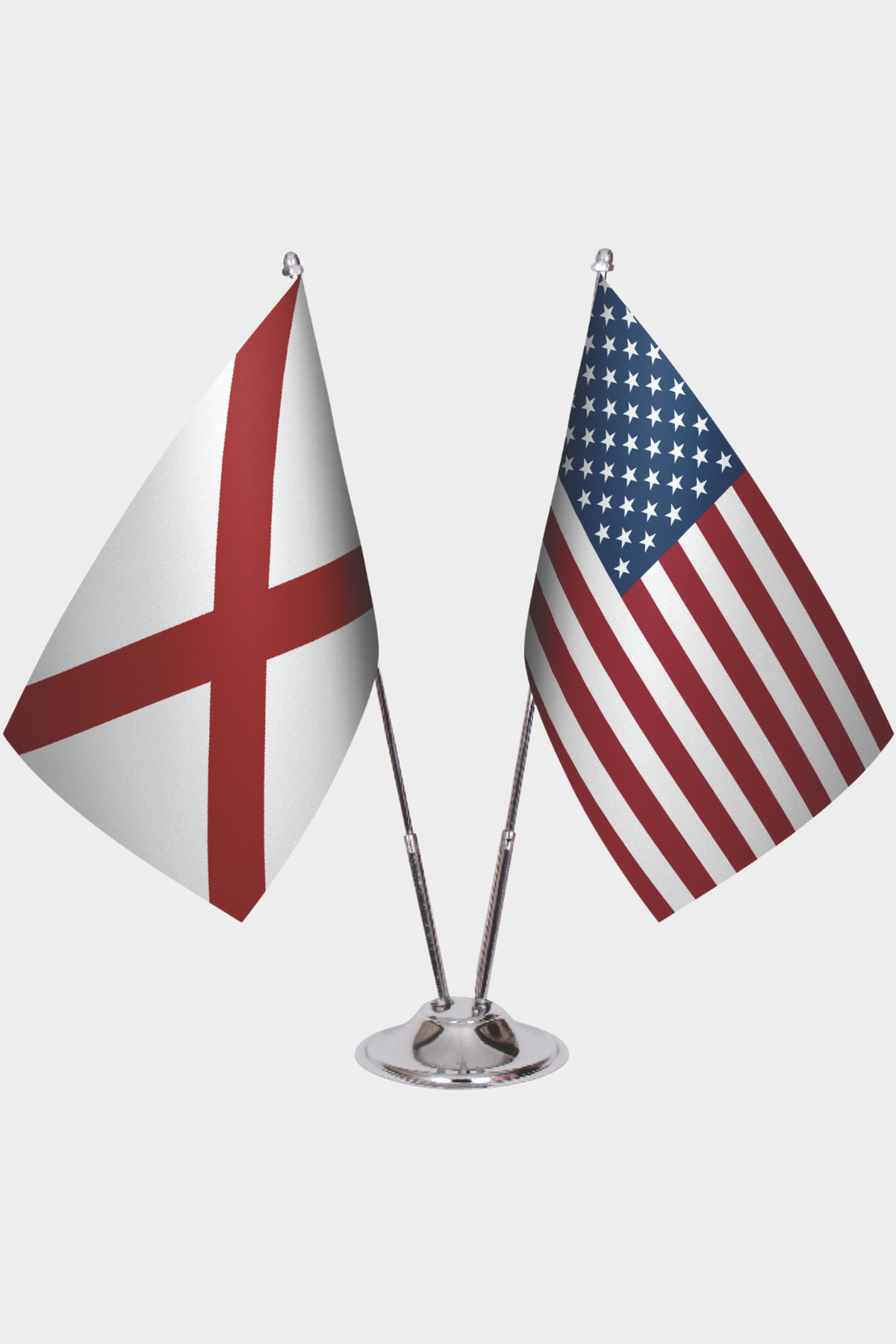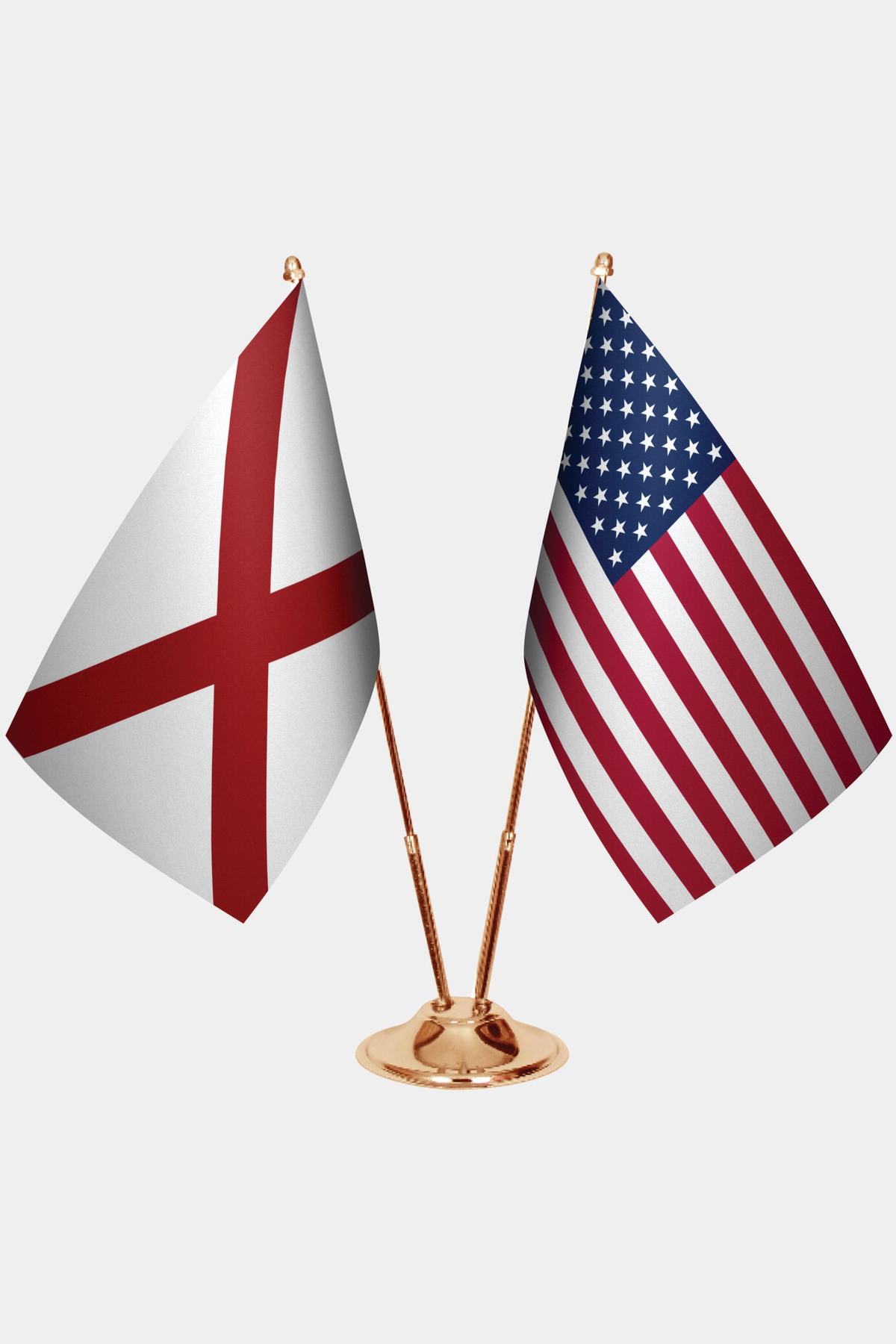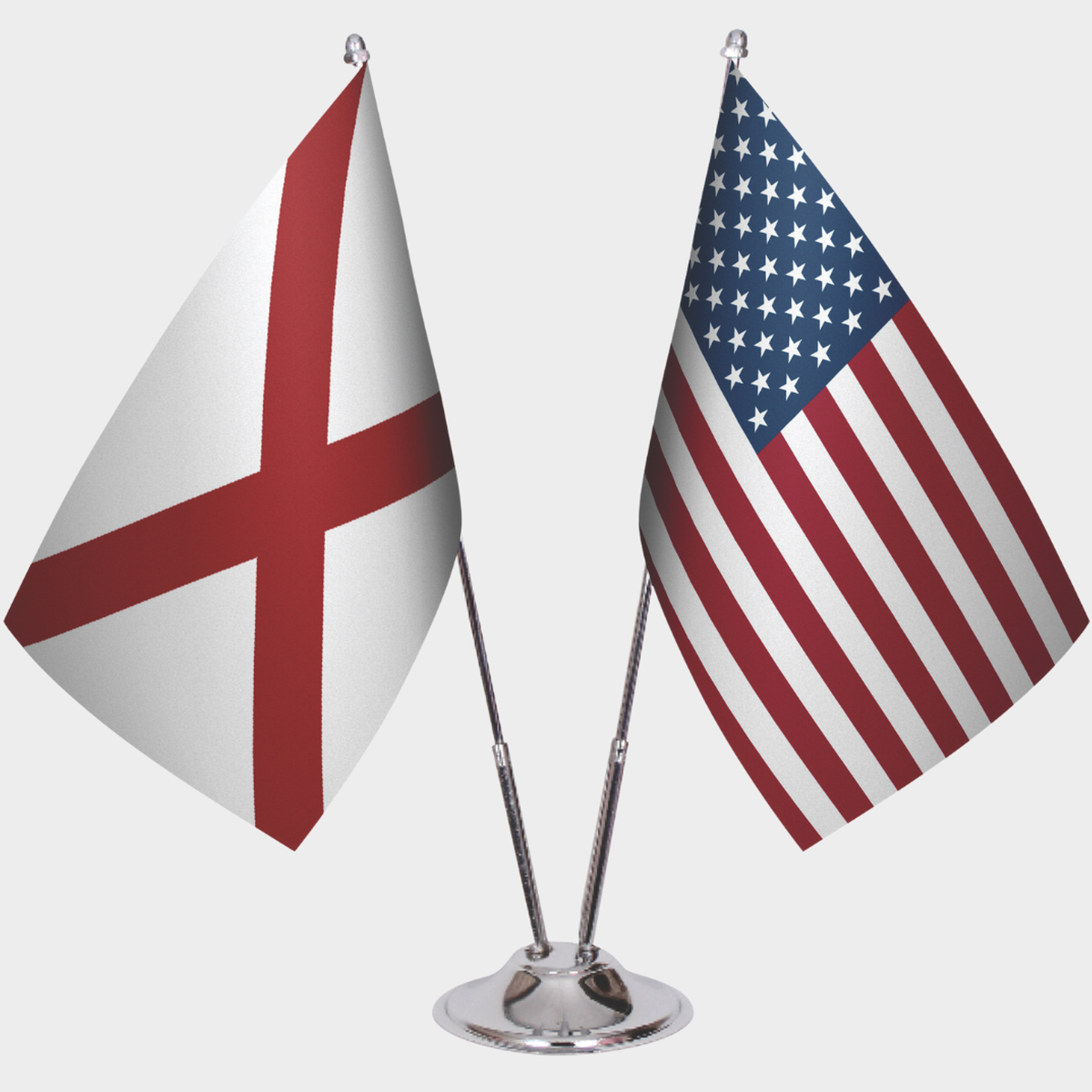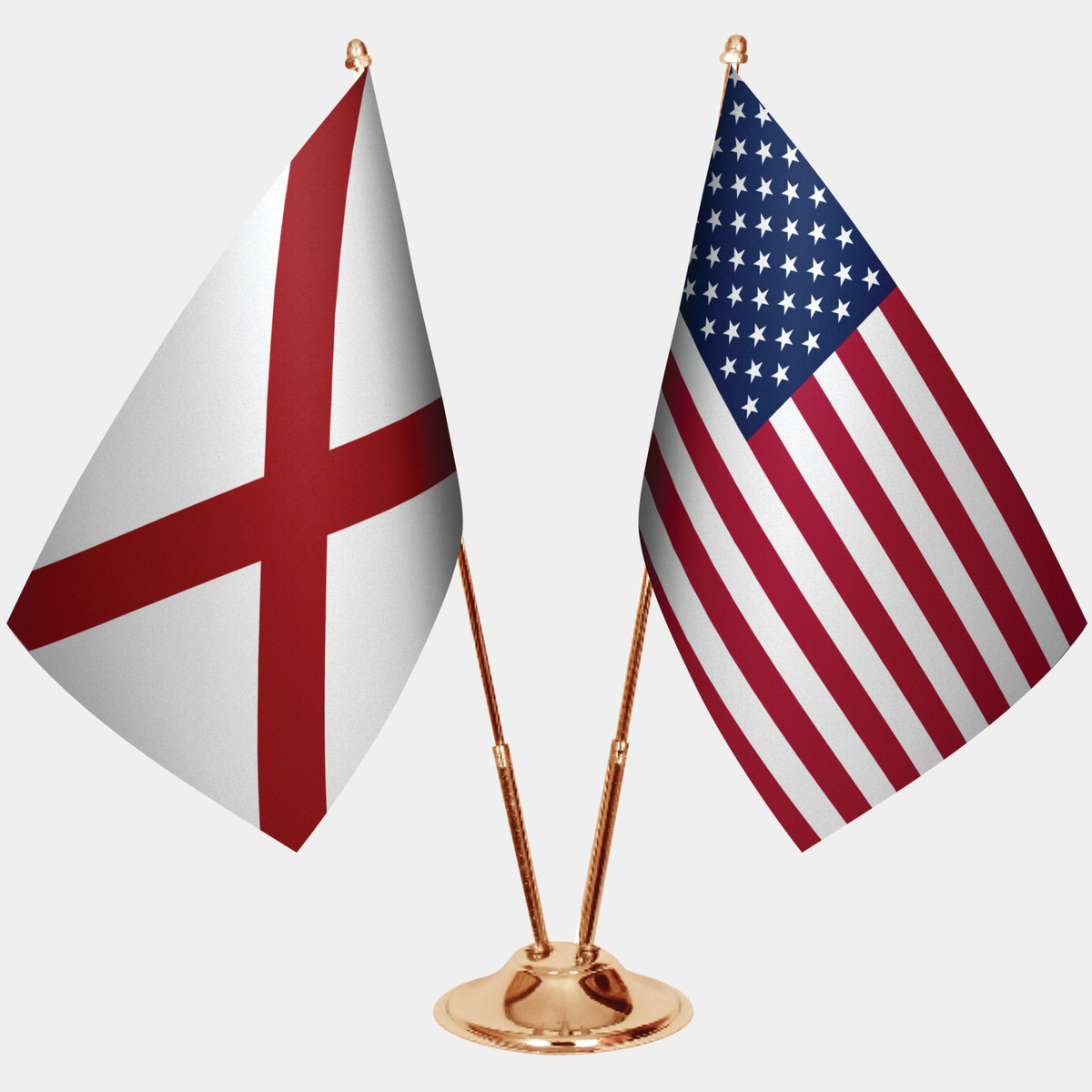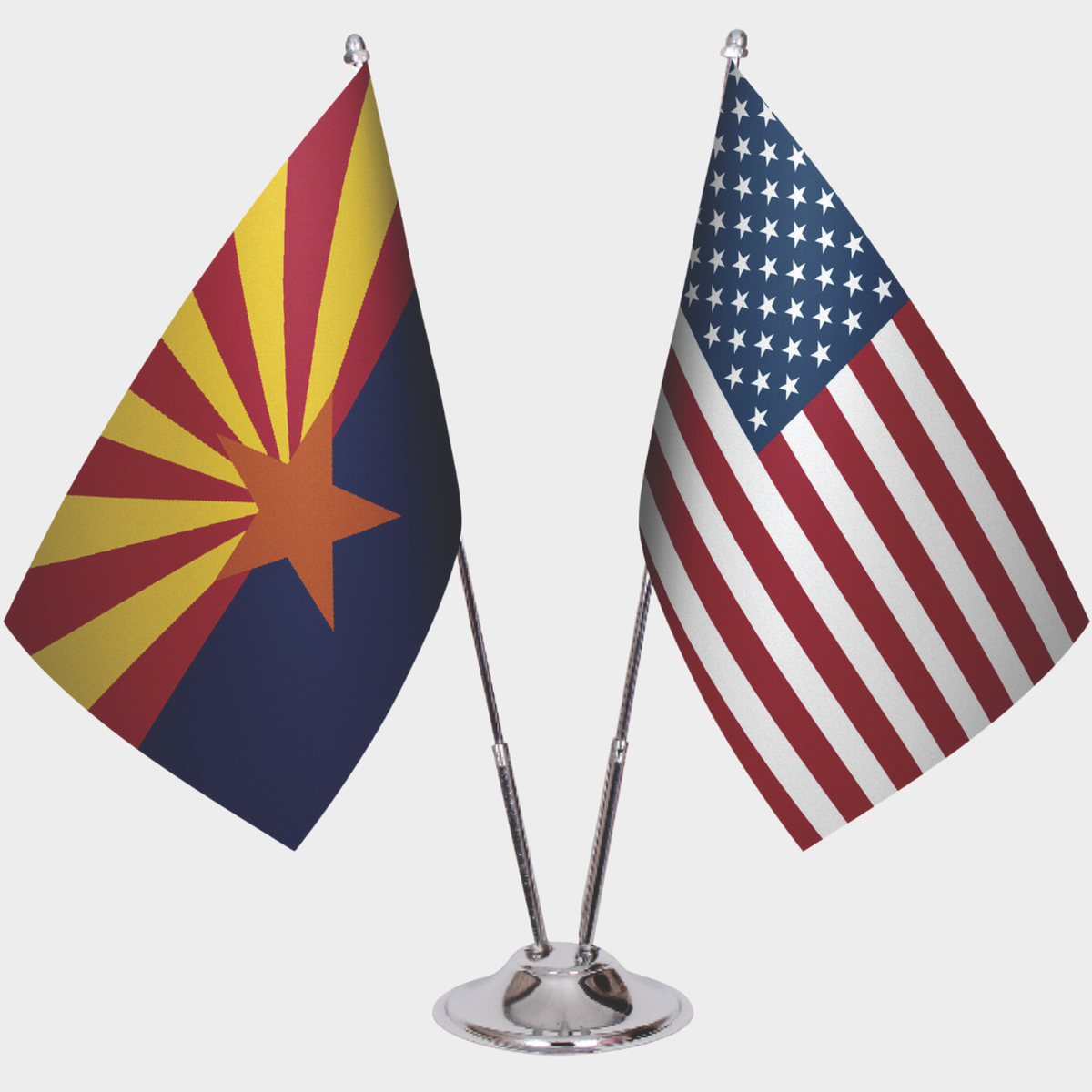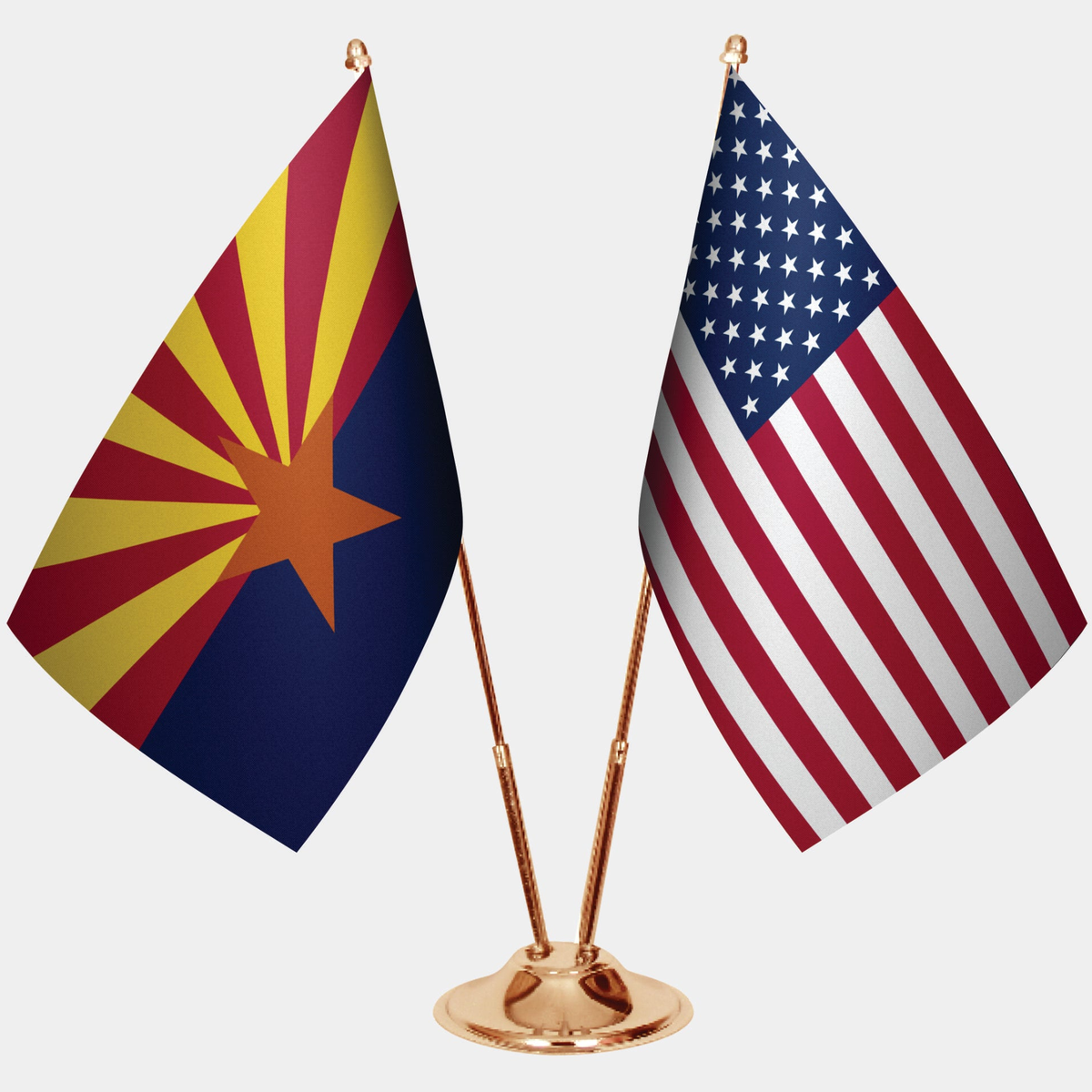
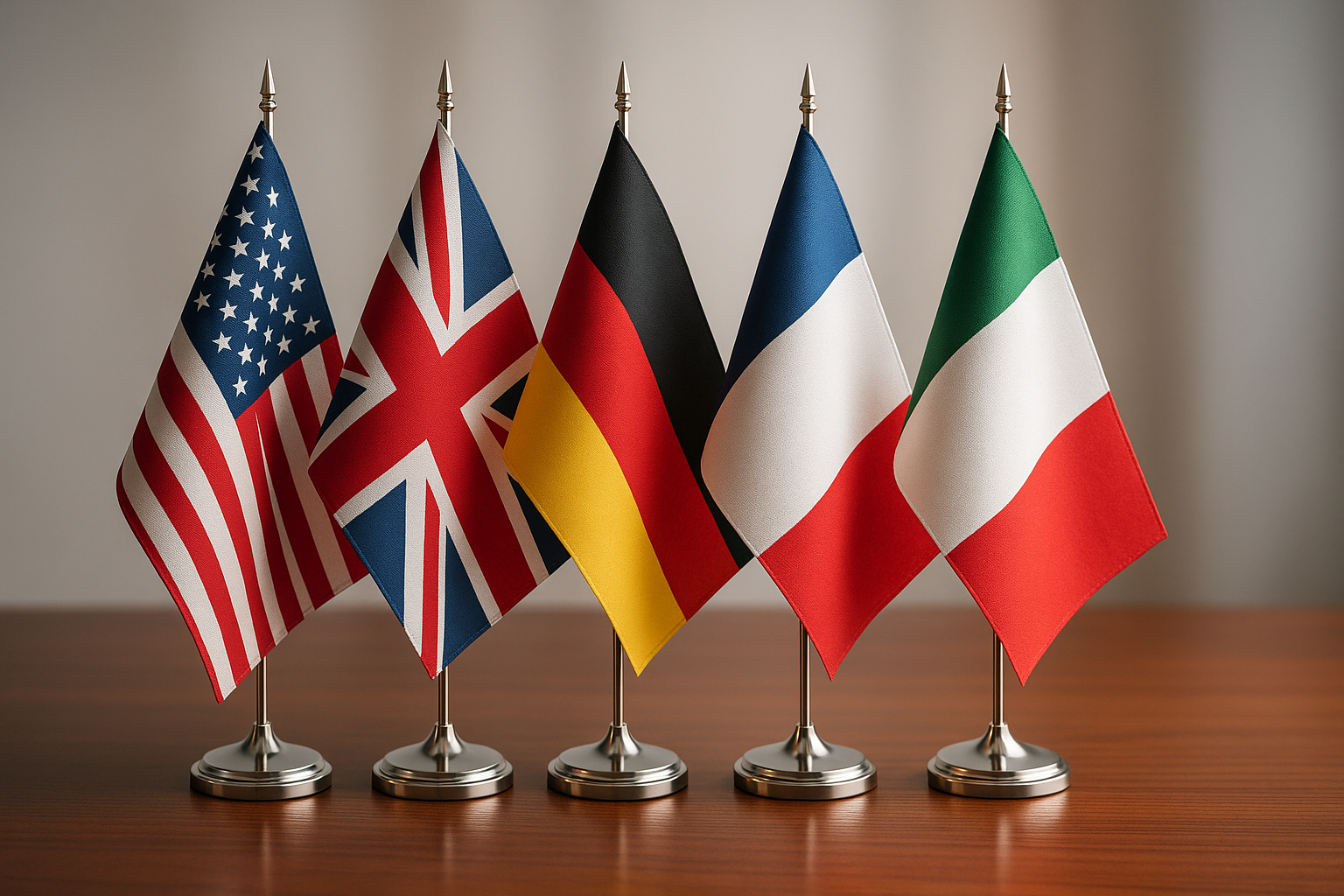
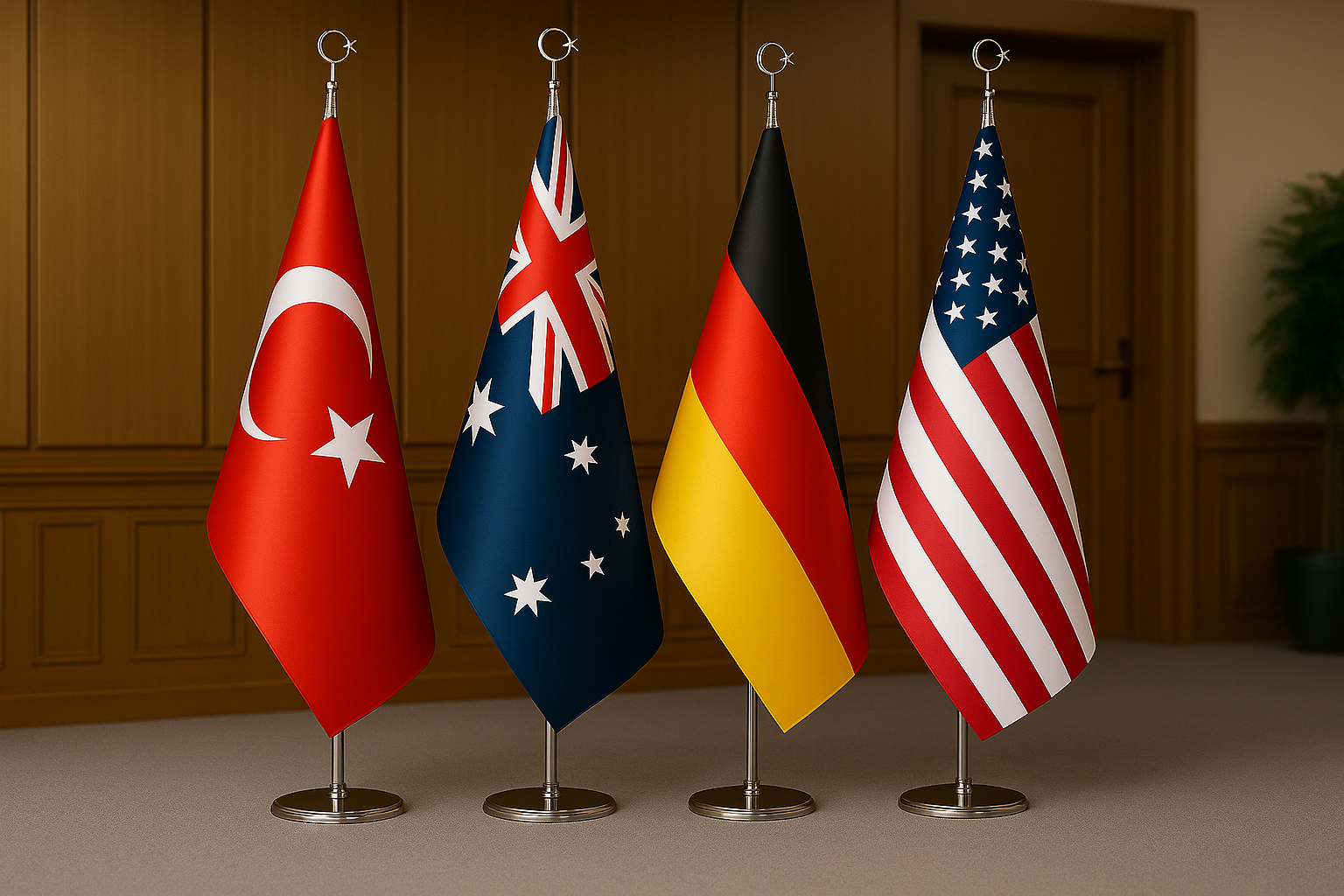


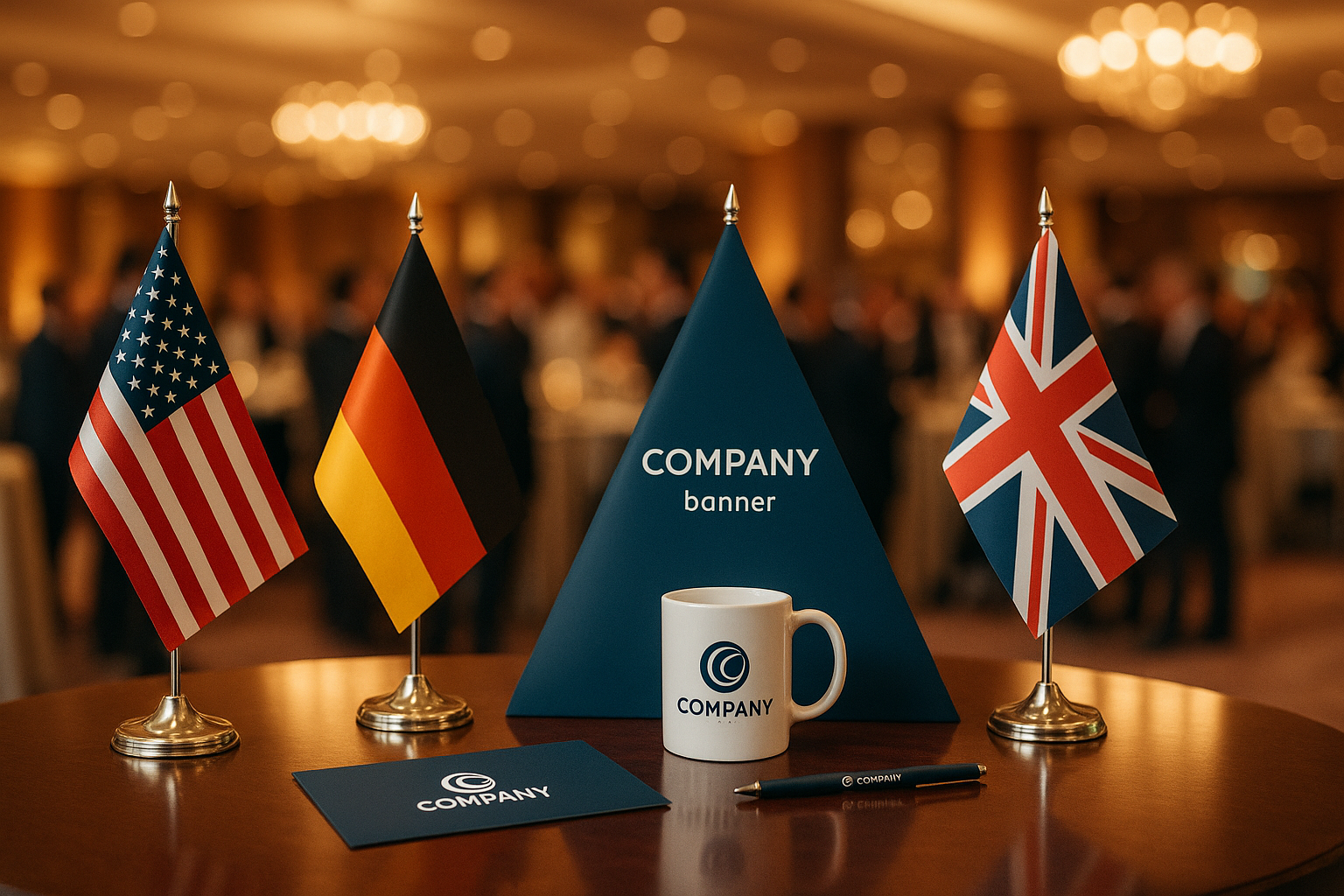

A professional event flag display transforms any grand opening from a simple storefront reveal into a memorable brand moment that draws attention from across the street. Whether you are launching a retail location, hosting a corporate showcase, or organizing an outdoor promotional event, the right combination of flags, banners, and placement strategy communicates credibility and excitement before a single word is spoken. For businesses ready to make a lasting first impression, premium banners and event flags designed for high-visibility display are the single most cost-effective marketing investment available at the point of launch.
Why Event Flag Displays Drive Foot Traffic at Grand Openings
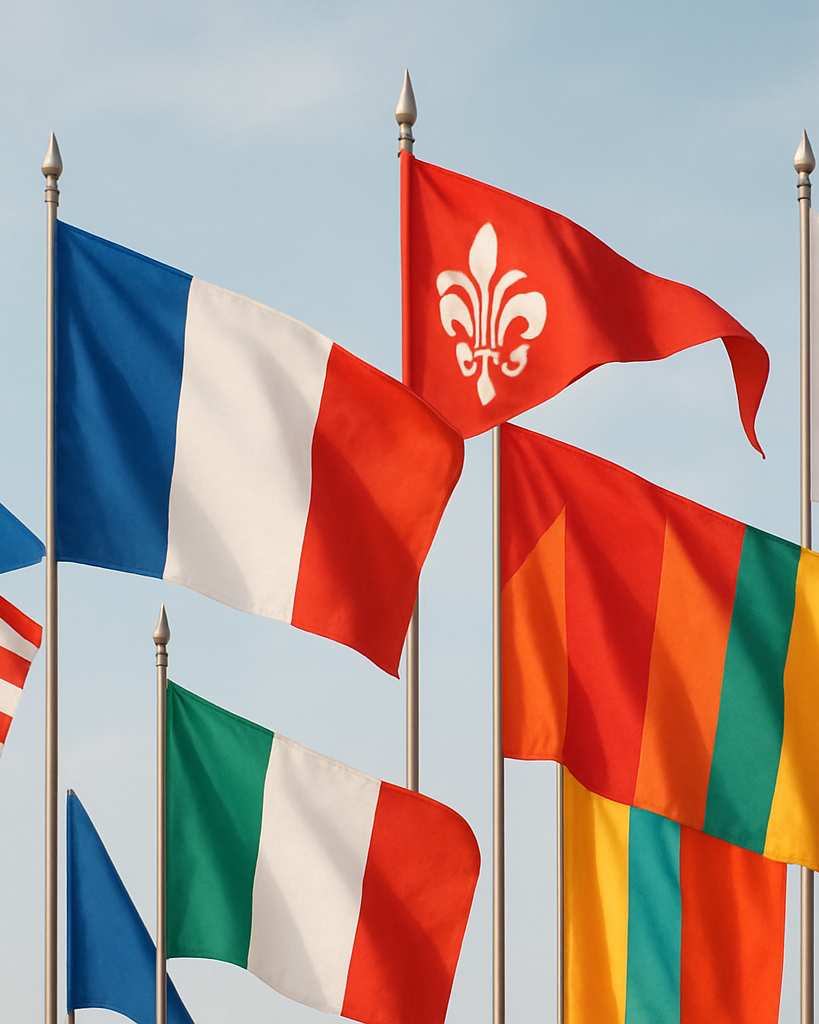
Event flag displays are proven foot-traffic generators because movement catches the human eye instinctively — a feather flag or swooper banner waving at 15–20 mph wind speeds is visible from up to 150 ft (45 m) away, dramatically outperforming static signage. Retail studies consistently show that exterior visual cues, including flags and banners, influence up to 60% of impulse visits to new businesses. A grand opening is a one-time opportunity to anchor your brand identity in the minds of your local community, and a well-executed professional flag setup signals permanence, investment, and confidence to every passerby. Unlike digital advertising that disappears when a budget runs out, physical flag displays continue working all day, every day, without recurring costs. The combination of height, motion, and bold color makes corporate event flags uniquely suited to the outdoor environment where grand openings typically take place.
Choosing the Right Flag Types for Your Grand Opening
The best grand opening flag choice depends on your venue size, wind conditions, and branding requirements — feather flags suit narrow footpaths, while teardrop and rectangular flags perform better in open parking lots or wide boulevard frontages. Understanding the distinctions between flag formats will save you significant setup time and prevent costly mismatches between your display goals and the physical environment.
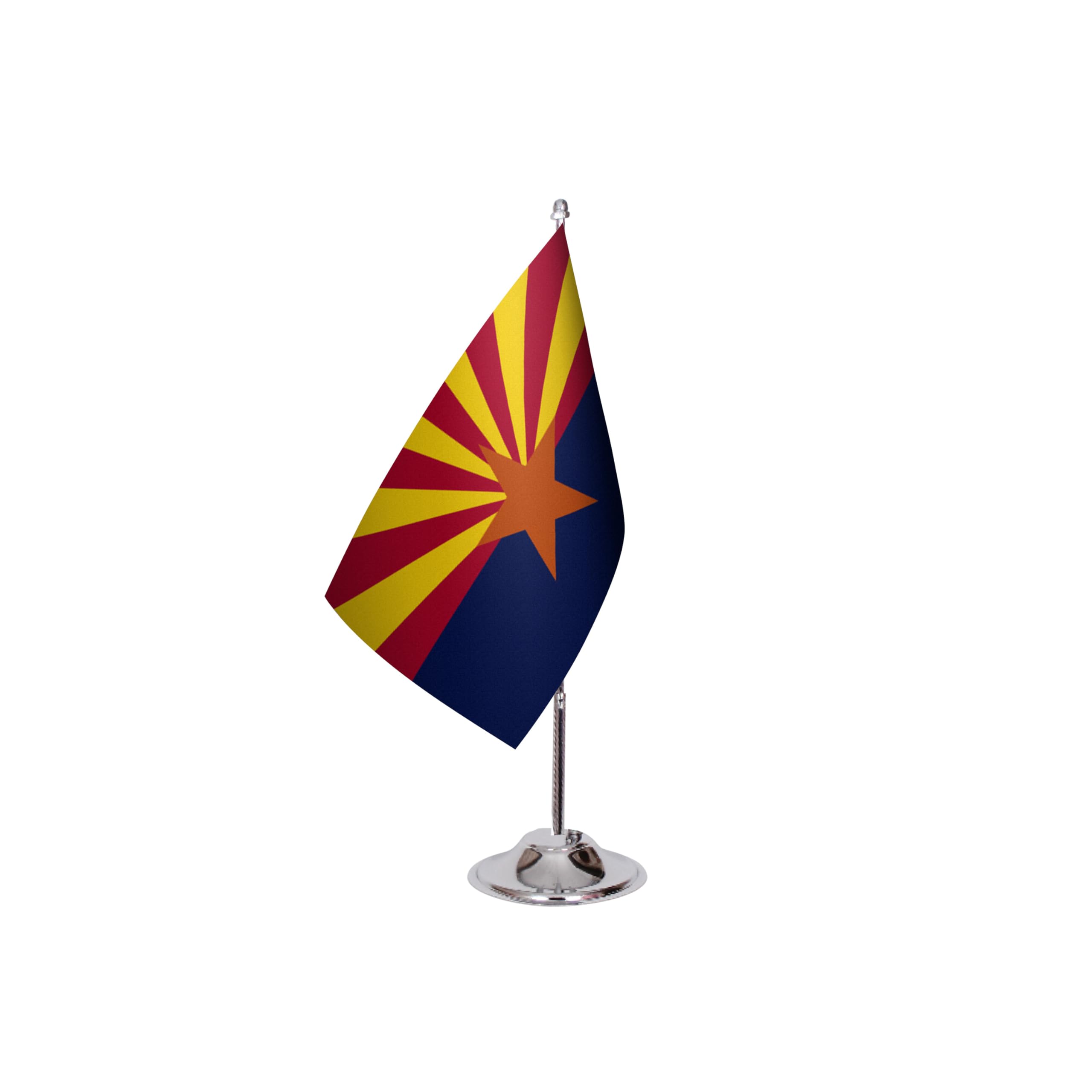
Feather flags, also called blade flags, typically stand between 8 ft and 20 ft (2.4 m–6.1 m) tall and are ideal for single-file frontage arrangements. Teardrop flags carry their fabric closer to the pole, making them more stable in gusty conditions above 20 mph (32 km/h), which is critical for outdoor grand openings in coastal or open-plain regions. Rectangular event flags mounted on sectional fiberglass or aluminum poles offer the largest printable surface area — often up to 36 × 72 in (91 × 183 cm) — giving maximum real estate for logos, taglines, and promotional messaging. For indoor venues like convention halls or hotel ballrooms hosting corporate event flags, retractable banner stands and tabletop displays replace pole-mounted options entirely, providing a polished, damage-free solution for finished floors and low ceilings.
Professional Flag Setup: Hardware, Anchoring, and Safety
A professional flag setup requires matching the right hardware to both the flag type and the surface — grass, concrete, asphalt, and indoor flooring each demand a different anchoring solution. Choosing incorrectly risks flag collapse during peak event hours, which is both a safety hazard and a brand embarrassment.
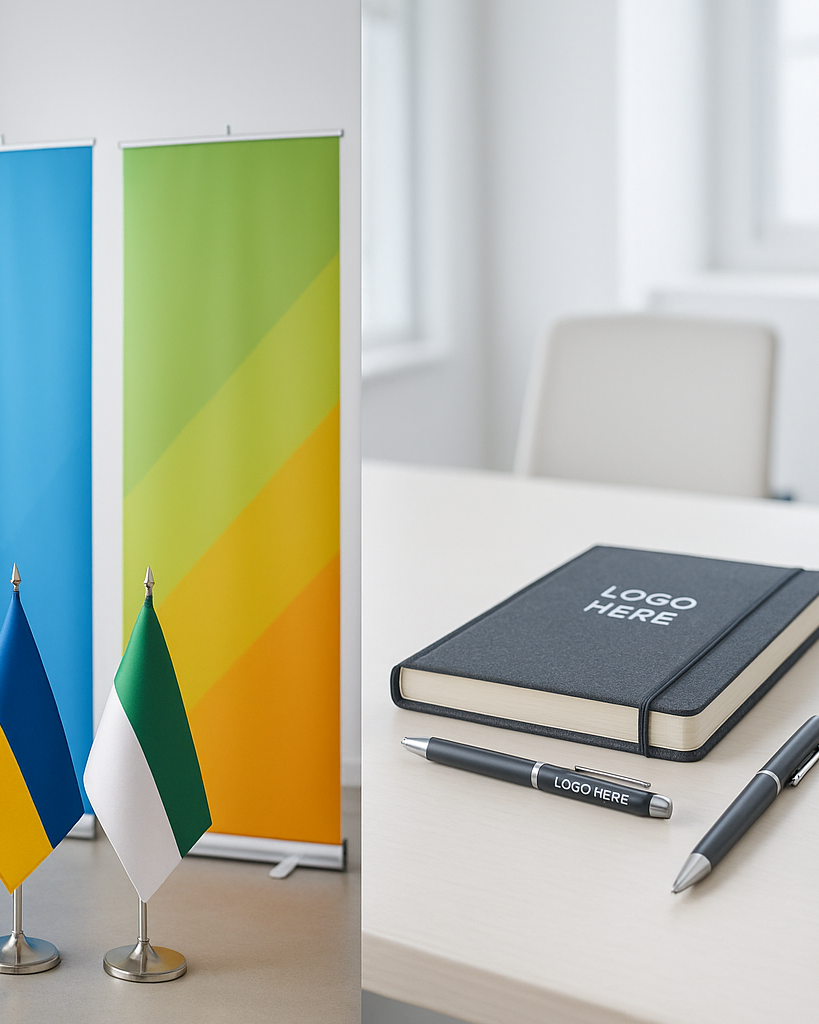
 For indoor grand openings, corporate showrooms, or any venue where ground stakes are not permitted, a portable roll-up banner stand delivers a self-contained, freestanding display that assembles in under three minutes without tools. The retractable mechanism protects the printed graphic between events, extending the usable life of the banner to 2–4 years under normal rotation, compared to 6–12 months for unprotected outdoor prints. Roll-up stands are available in standard widths of 31.5 in (80 cm) and 47 in (120 cm), making them compatible with most corporate event flag graphics produced at standard trade show sizes. Weighted cross-base feet distribute the load evenly across 360°, keeping displays stable even in high-traffic event corridors where accidental contact is common. When positioned flanking an entrance — one on each side — two roll-up banner stands create a branded gateway effect that guides guests and reinforces messaging at the exact moment they transition from outdoors to indoors.
For outdoor grass installations, spike-base ground anchors (12–18 in / 30–46 cm steel spikes) are the safest and most affordable choice, each holding pole assemblies rated for winds up to 35 mph (56 km/h) when properly driven. Concrete and asphalt surfaces require either x-cross weighted bases filled with water or sand (typically 40–50 lb / 18–23 kg when loaded) or drill-in anchor sleeves for permanent installations. All outdoor flag hardware must comply with local municipal codes — many US cities require that freestanding event signage not exceed 8 ft (2.4 m) in height without a temporary sign permit, so always verify your jurisdiction's requirements before installation day. Safety best practices also call for inspecting all pole connections and ground anchors every 4 hours during extended outdoor events, particularly if wind conditions change throughout the day.
Designing Grand Opening Flags That Represent Your Brand
Effective grand opening flag design follows a simple rule: one primary message, one dominant color, and one logo — all legible from at least 50 ft (15 m) away. Cluttered flag graphics defeat the purpose of high-visibility display, so every element that cannot be read from a moving vehicle should be removed.
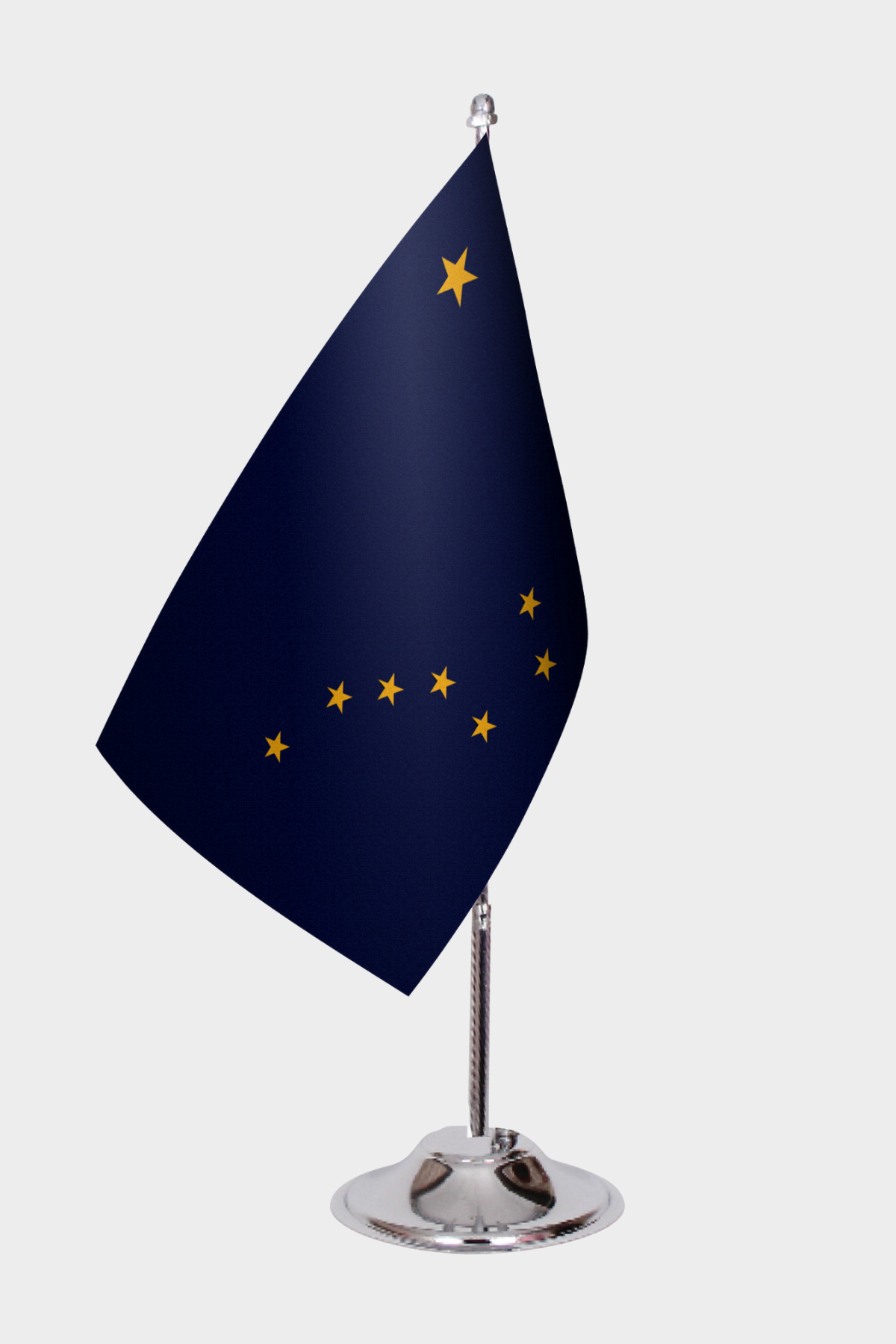
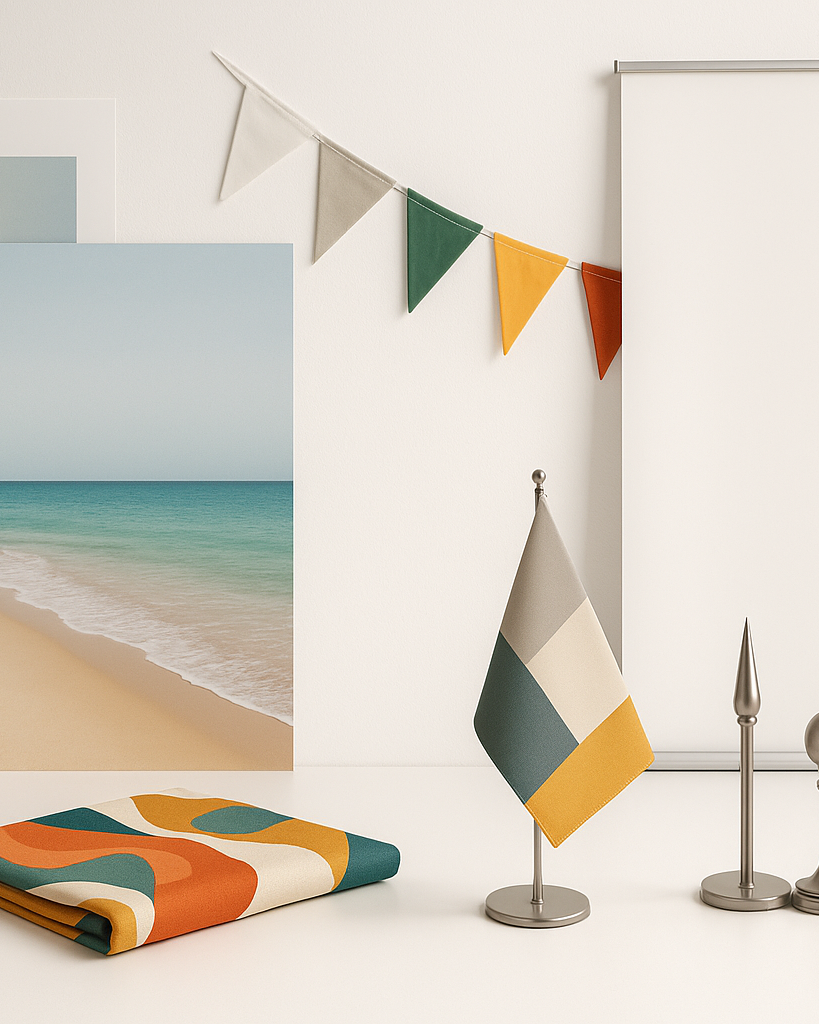
 For venues where both sides of a banner are visible — think centerpiece lobby displays or outdoor island installations — a premium double-sided crystal satin pennant banner ensures your branding reads clearly from every angle without the washed-out reverse image that plagues single-layer flag fabrics. Crystal satin material achieves a color gamut approximately 20–25% wider than standard polyester, producing vivid reds, deep blues, and sharp whites that align precisely with Pantone-matched corporate palettes. The double-sided construction uses a light-blocking inner layer that prevents bleed-through, which is a common quality complaint about budget event flags printed on single-ply fabric. For grand opening events with media coverage or social media photo opportunities, this color fidelity matters enormously — a flag that photographs true to brand colors reinforces visual consistency across every channel where event images are shared. When used as pennant-string banners strung between poles or across a storefront canopy, crystal satin pennants add a celebratory, festive dimension to the professional flag setup that plain rectangular banners cannot replicate.
Typography on event flag displays should use bold sans-serif fonts with a minimum letter height of 4 in (10 cm) for every 50 ft (15 m) of intended viewing distance. Contrast ratios of at least 7:1 between text and background are recommended by accessibility standards and also happen to produce the most readable outdoor signage in mixed lighting conditions. Dark text on light backgrounds consistently outperforms light-on-dark in full sunlight, while light-on-dark reads better in dusk and evening event settings — consider your event's time window when finalizing designs. File submissions for flag printing should always be vector-based (AI, EPS, or PDF) at the actual print size to avoid pixelation, with all fonts converted to outlines and bleed marks set at a minimum of 0.25 in (6 mm).
Strategic Placement for Maximum Event Flag Impact
Optimal event flag placement follows the three-zone principle: attract zone (50–150 ft / 15–45 m from the venue), engage zone (15–50 ft / 4.5–15 m), and convert zone (0–15 ft / 0–4.5 m at the entrance). Each zone requires different flag heights, densities, and messaging to guide potential visitors progressively toward the entrance.
In the attract zone, tall feather flags of 15–20 ft (4.6–6.1 m) in high-contrast colors like red, yellow, or royal blue serve as long-range beacons, especially in commercial corridors where competing signage is dense. The engage zone benefits from branded teardrop flags or rectangular event flags featuring your logo, the words "Grand Opening," and a concise call to action such as "Free Gift Today Only." The convert zone — your actual doorway — is where roll-up banner stands, pennant banners, and branded stanchion covers close the loop by confirming what guests are about to experience. For large-scale corporate event flags at multi-building campuses or convention centers, wayfinding flag clusters at every decision point (parking lot entrances, elevator banks, escalator landings) reduce guest confusion and improve the overall event experience measurably. Asymmetric placement — slightly more flags on the right side of an entrance than the left — aligns with natural pedestrian rightward drift and subtly guides foot traffic more efficiently than perfectly mirrored layouts.
Decorative Items Collection
Explore a curated range of decorative flags, pennants, and display accessories perfectly suited for grand openings, corporate events, and seasonal promotions.
Browse Collection →Corporate Event Flags: Compliance, Permits, and Protocol
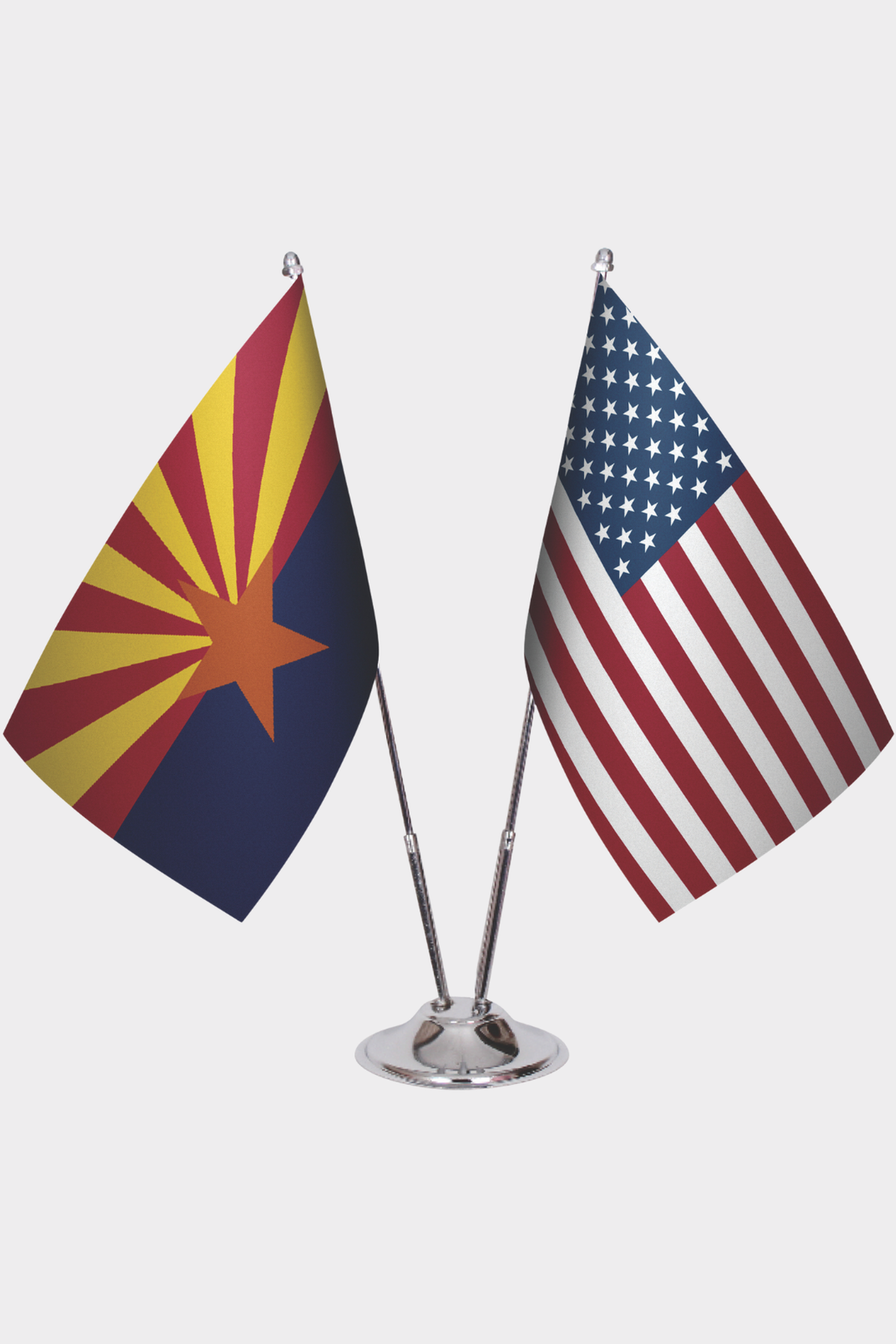
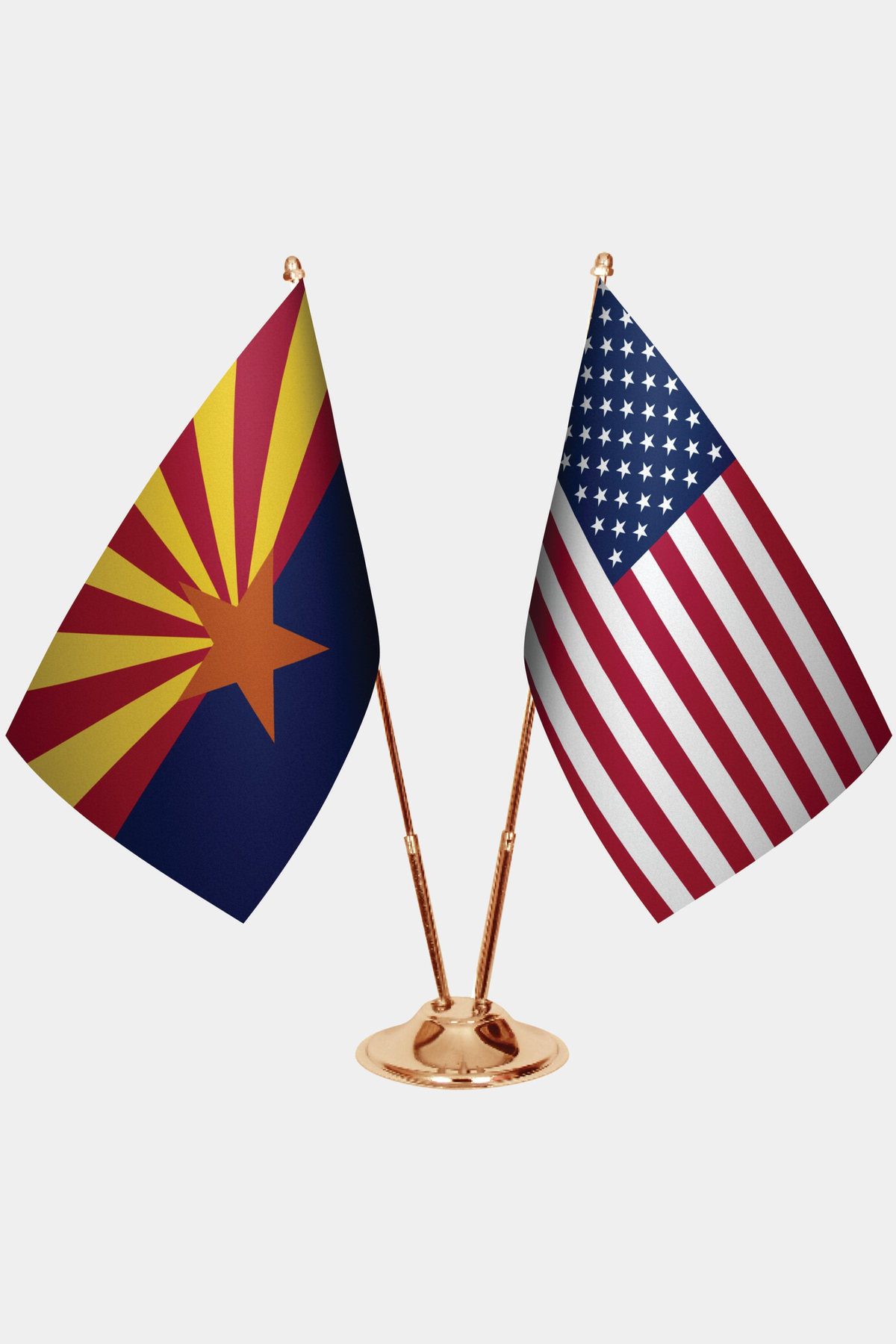
Corporate event flags used alongside the US national flag must follow the US Flag Code (4 USC §§ 1–10), which requires the American flag to be displayed at the highest point and positioned to its own right (the viewer's left) when flown with other flags. Ignoring flag protocol at a public-facing grand opening risks negative press and community backlash, particularly in markets with strong civic pride.
Beyond federal flag code, most municipalities in the United States treat temporary promotional flags as portable signage subject to local sign ordinances. Common restrictions include maximum display height of 15 ft (4.6 m) without a permit, mandatory 10 ft (3 m) setback from the curb, and time-limited display windows of 30–90 days for temporary commercial signage. Many cities exempt flags from sign ordinance restrictions entirely when they bear no advertising text — only a logo or abstract design — so working with a professional flag printer who understands these distinctions can save you from costly compliance issues. For multi-location grand openings or franchise rollouts, preparing a standardized compliance checklist covering each municipality's rules is strongly recommended before any professional flag setup is deployed across locations. International events should additionally reference FIAV (Fédération Internationale des Associations Vexillologiques) guidelines on flag proportions and display standards, particularly when corporate event flags will be displayed alongside national or regional flags of non-US countries.
Budgeting and Ordering Timeline for Grand Opening Flags
Most professional event flag setups for a standard retail grand opening can be completed for between $300 and $1,500 USD depending on quantity, fabric quality, and hardware complexity — with bulk orders of 10+ flags typically unlocking per-unit savings of 20–40%. Planning your order 3–4 weeks ahead of the event date is the minimum recommended lead time for custom-printed flags with hardware.
Rush production (7–10 business days) is available from most professional flag manufacturers but typically carries a 15–30% premium over standard pricing, making advance planning the most economical strategy. A typical single-location grand opening flag kit includes: 4–6 feather or teardrop flags for attract-zone placement, 2 roll-up banner stands for the entrance convert zone, and 1–2 double-sided pennant banners for the storefront or lobby centerpiece. Fabric lifespans to factor into your budget projections are: 6–12 months for constant outdoor exposure in UV-heavy climates, 12–24 months for seasonal or rotated outdoor use, and 2–4 years for indoor or protected display. Ordering 10–15% extra flags as replacement stock for weather-damaged or stolen units is a standard contingency practice used by event logistics professionals. When sourcing from a domestic US manufacturer or US-based importer, verify that printing inks carry at least 80% UV resistance ratings for outdoor-grade durability.
Frequently Asked Questions
How many flags do I need for a grand opening event? +
What is the best fabric for outdoor event flag displays? +
Do I need a permit to display promotional flags at a grand opening? +
How long does it take to produce custom event flags? +
Can I display a US flag alongside my corporate event flags? +
What file format should I submit for custom flag printing? +
How do I anchor event flags on concrete or asphalt surfaces? +
Are double-sided flags worth the extra cost for grand opening displays? +
Executing a flawless grand opening flag display comes down to three pillars: the right flag types for your environment, hardware matched to your surface and wind conditions, and a design strategy that communicates your brand clearly from 150 ft (45 m) away. Whether you need a complete outdoor corporate event flag system or a compact indoor professional flag setup for a lobby unveiling, Asya Bayrak offers the full spectrum of solutions — from the portable roll-up banner stand perfect for polished indoor entrances to the premium double-sided crystal satin pennant banner that delivers vivid, camera-ready color for every angle. Explore the complete banners and posters collection to find the exact combination of products that fits your event scale and budget. Bulk pricing is available for corporate orders of 10 or more units — contact our team for a custom quote tailored to your grand opening or multi-location rollout.