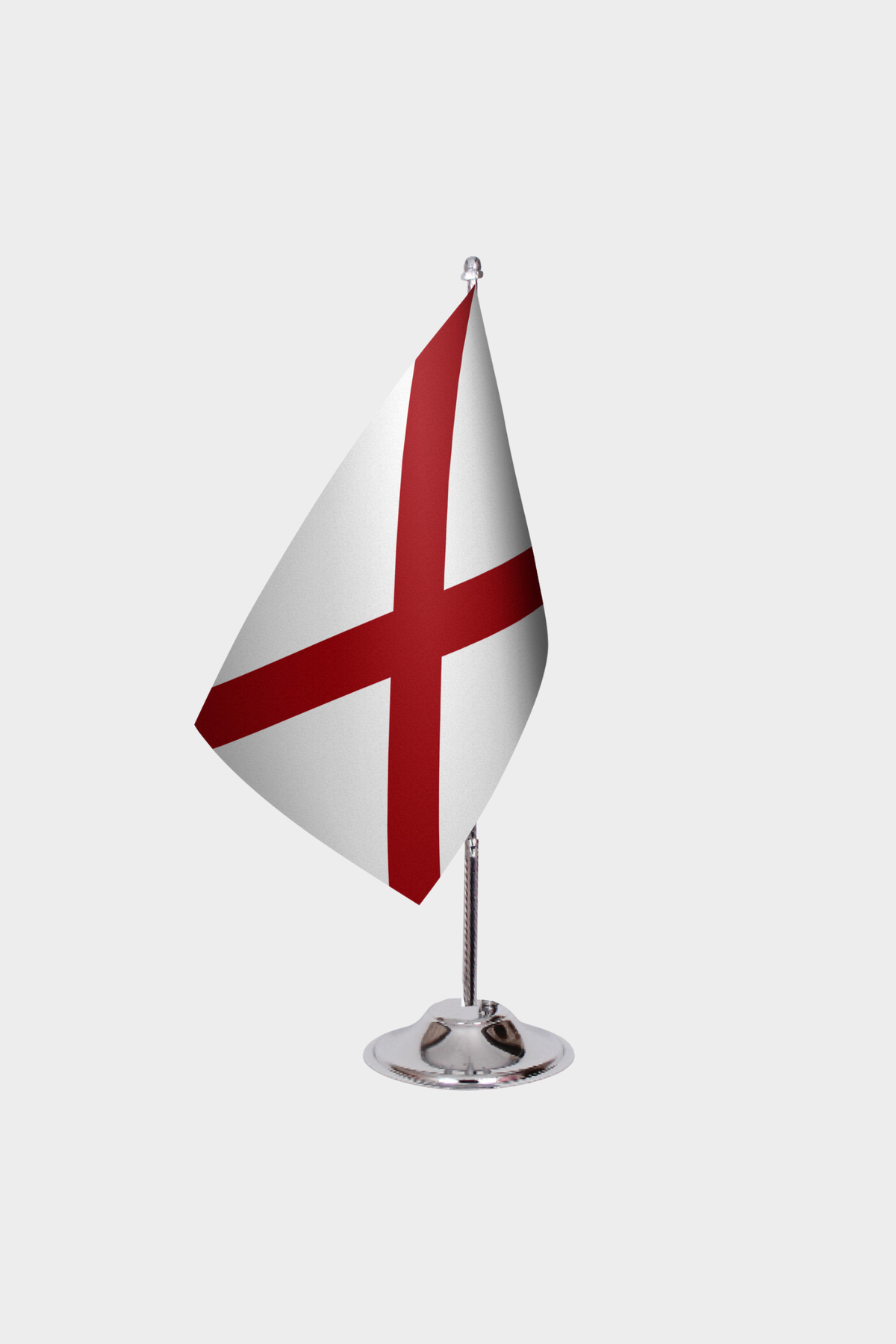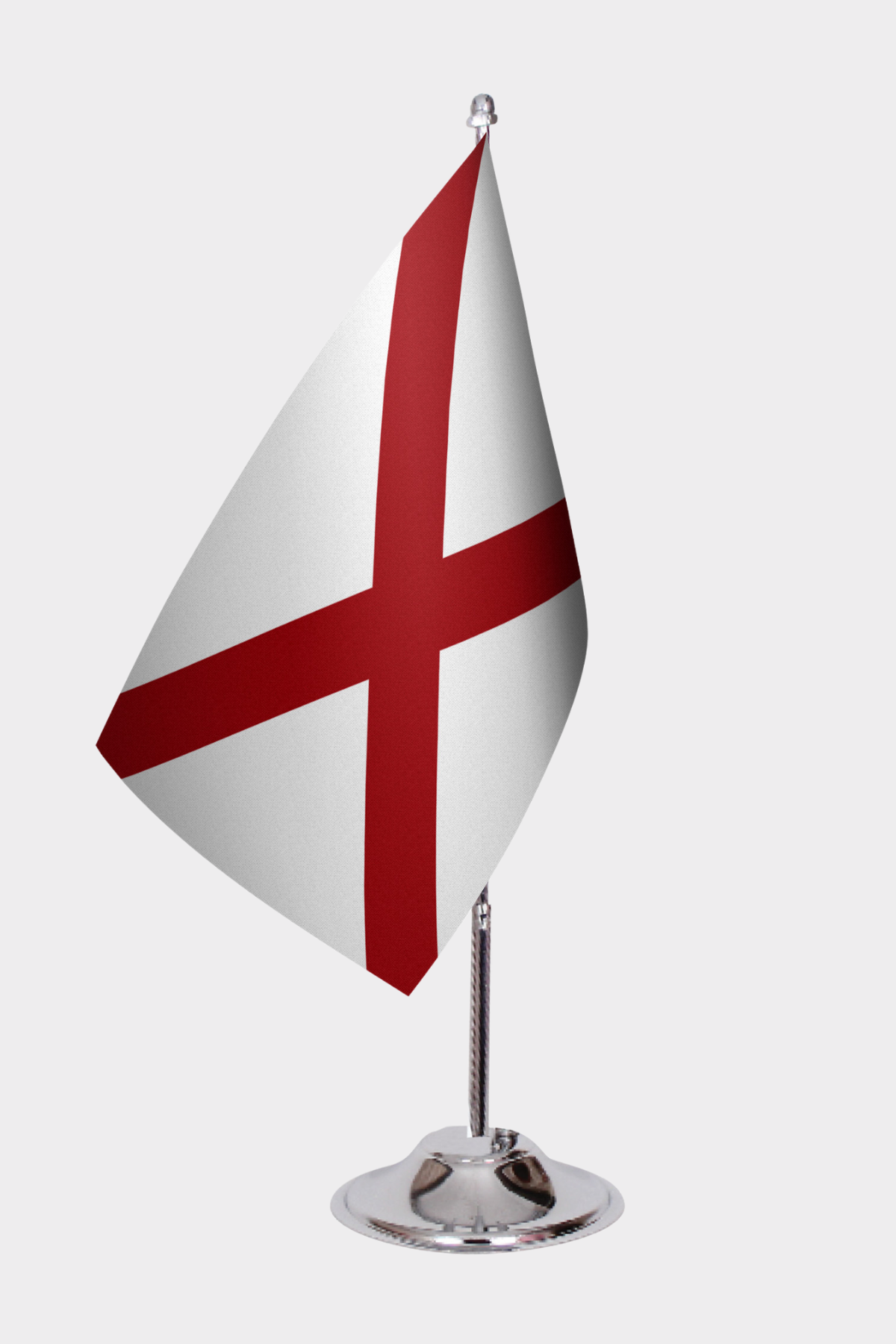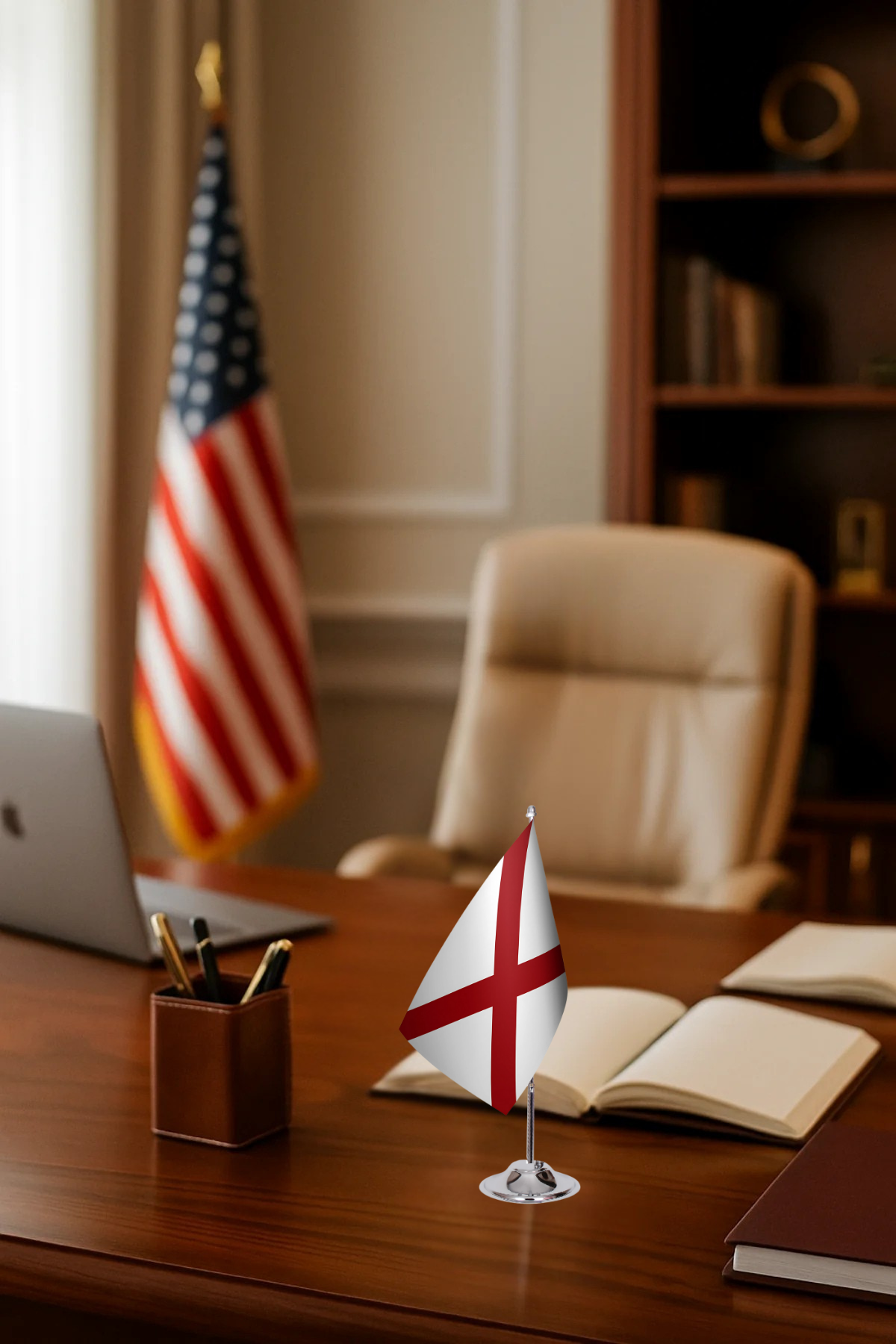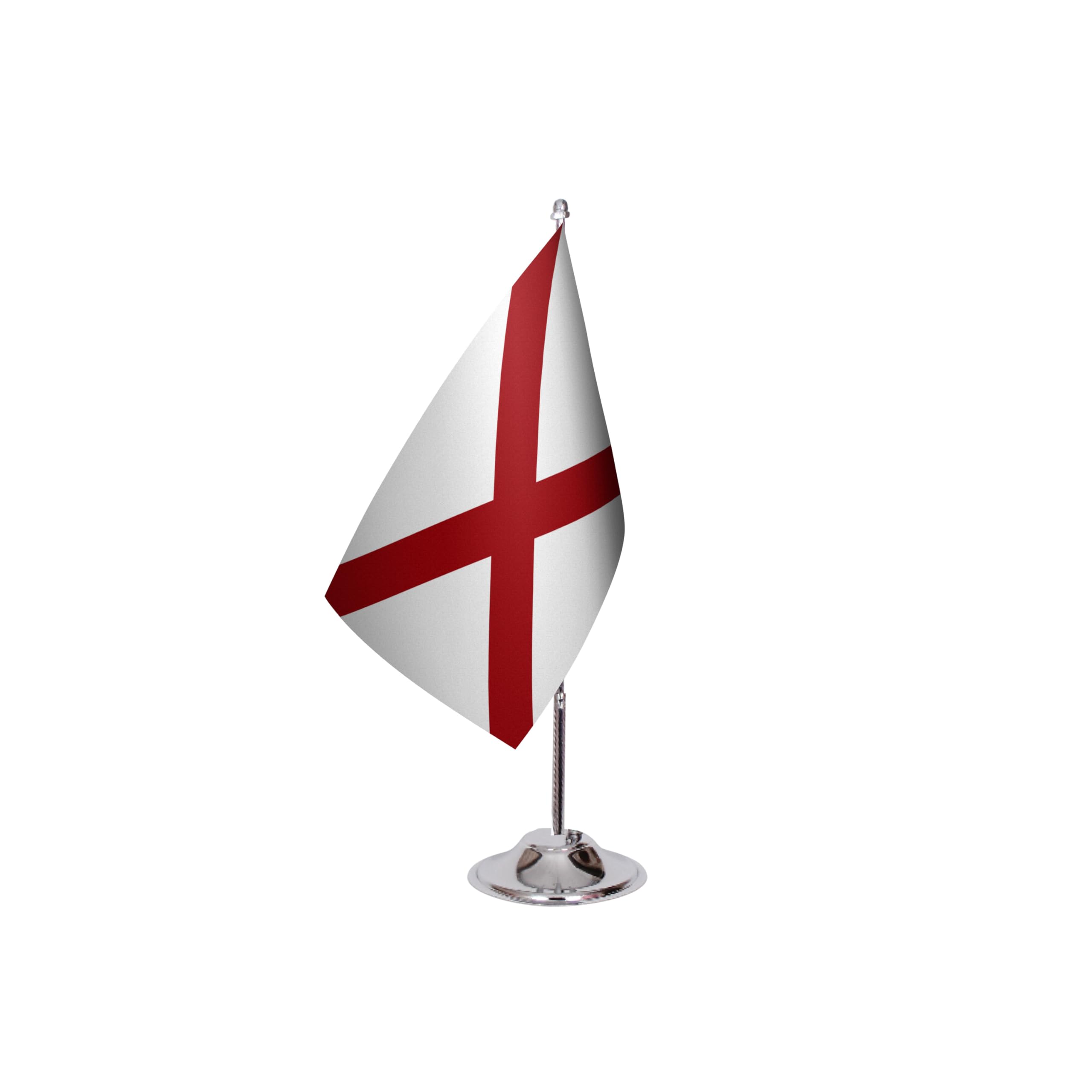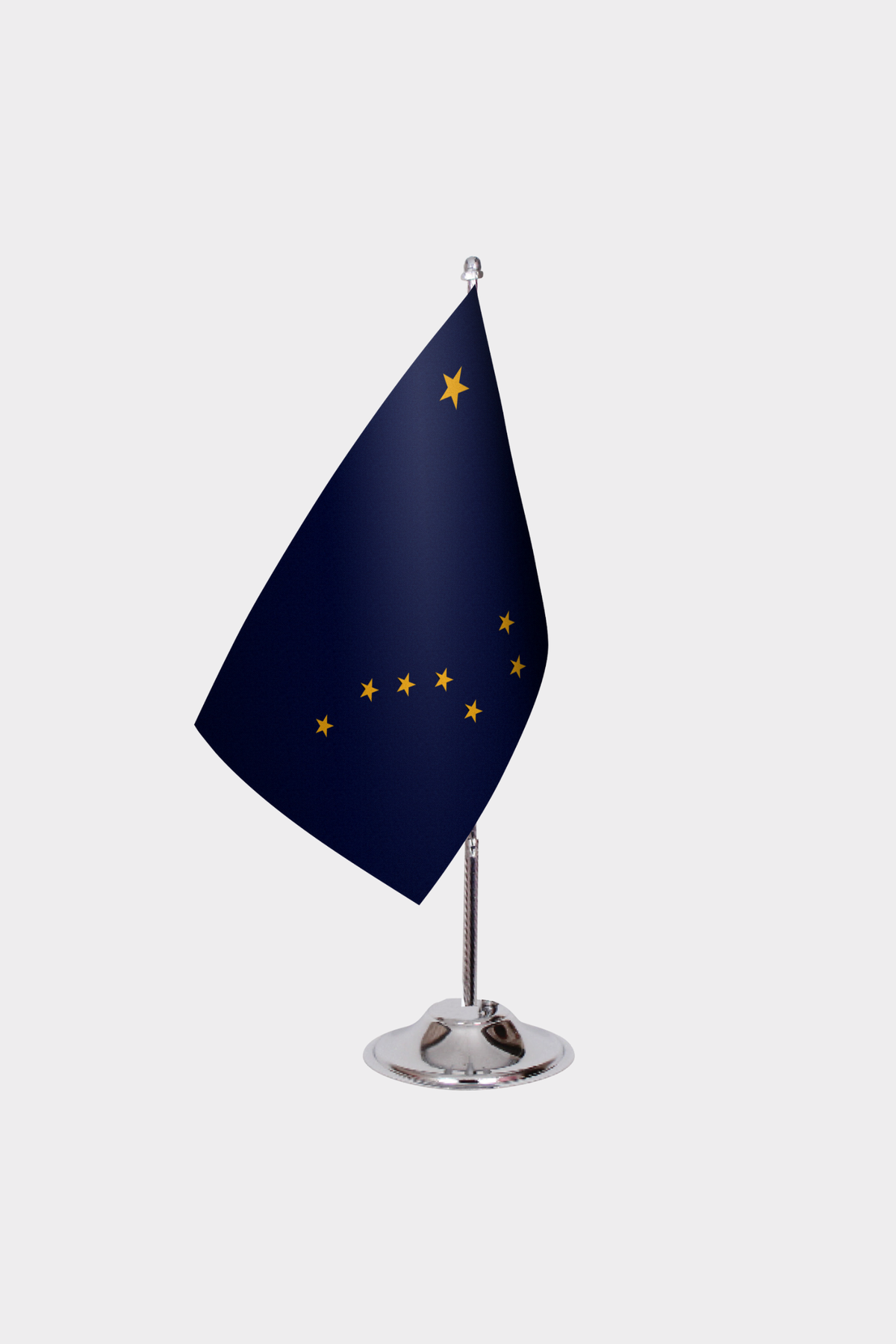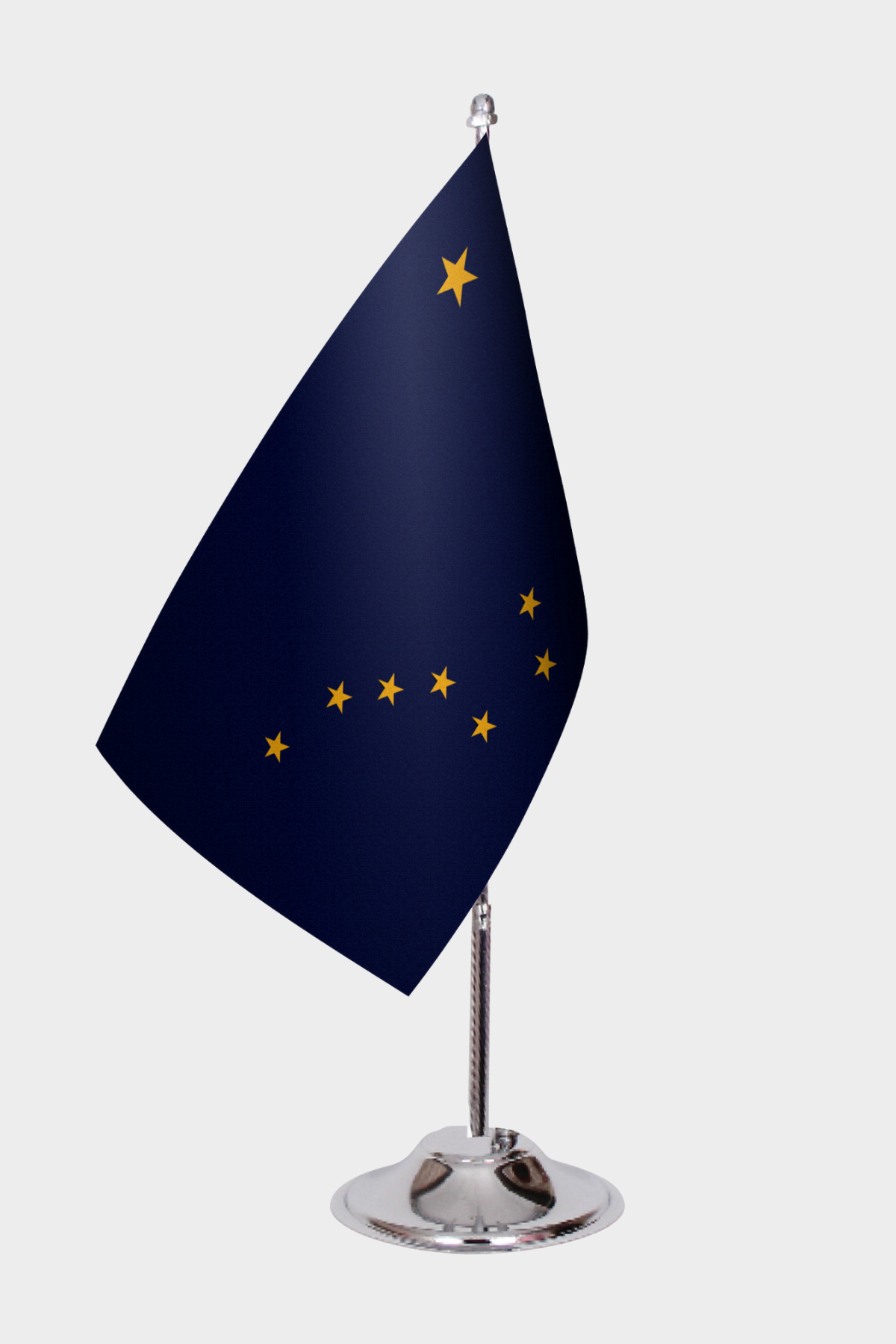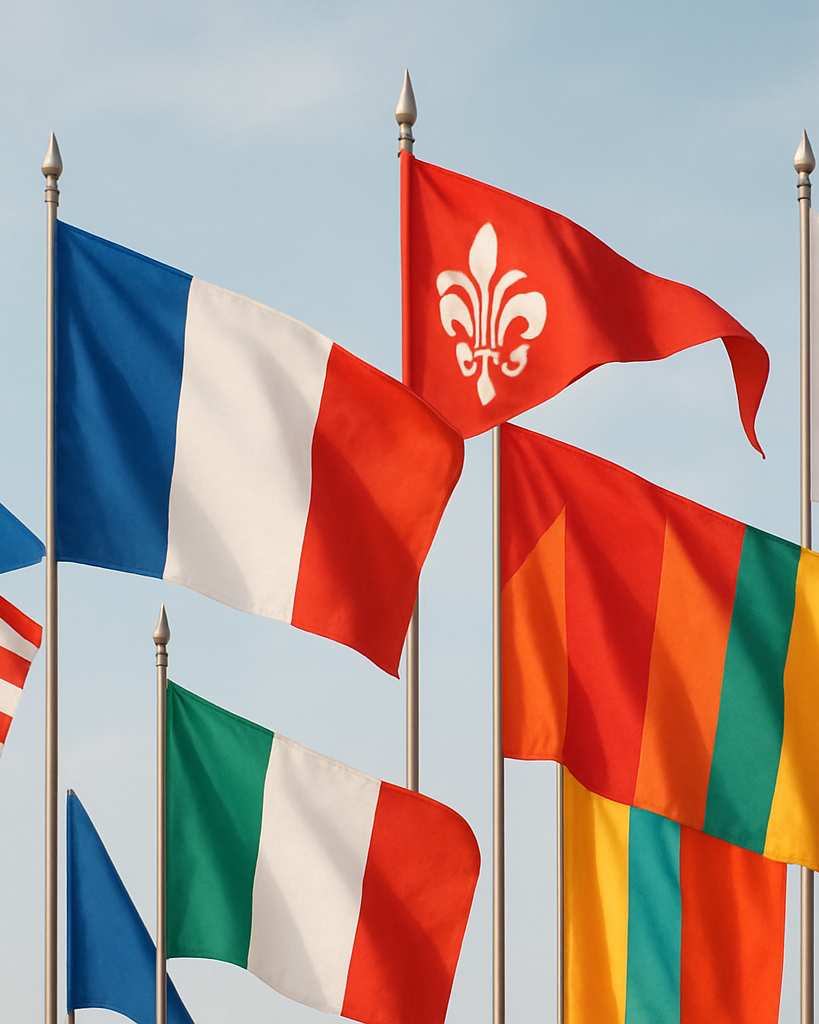
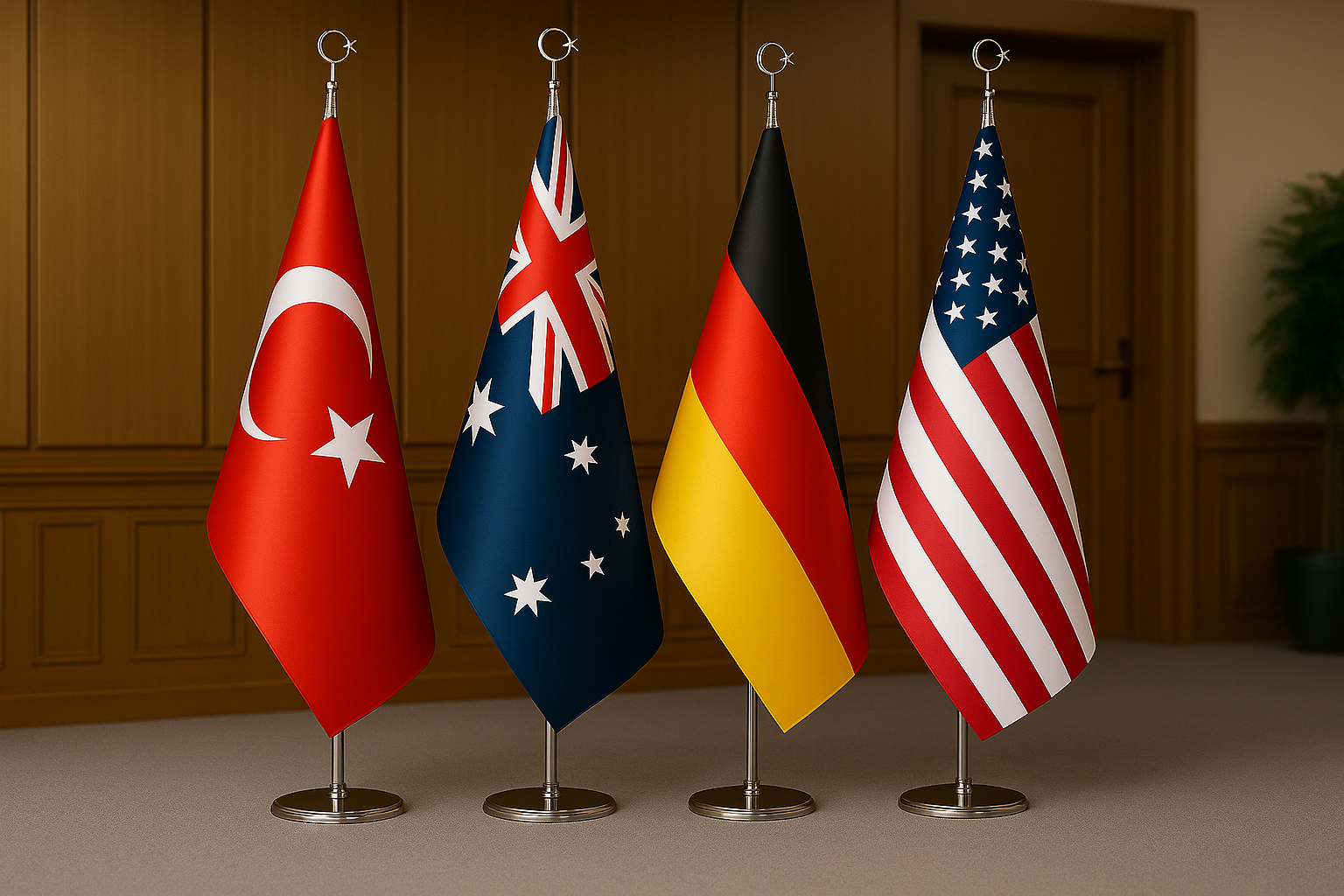
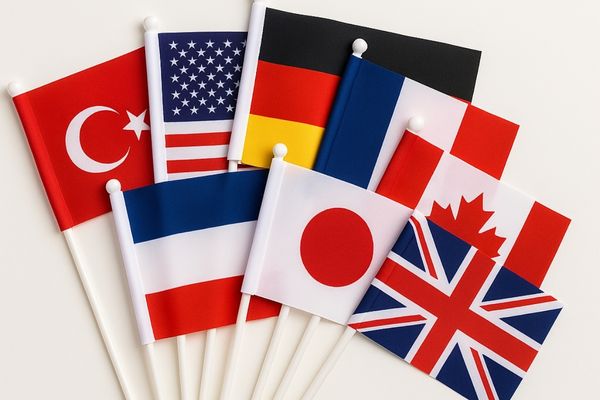
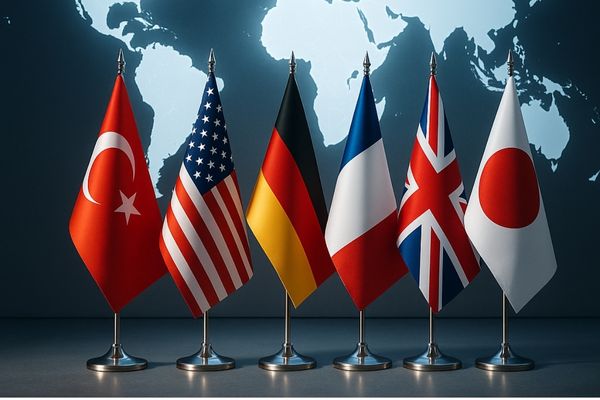

The most common handheld flag size is 4 in × 6 in (10 cm × 15 cm) for small giveaway flags and 8 in × 12 in (20 cm × 30 cm) for standard event flags — both mounted on sticks ranging from 10 in to 24 in (25 cm to 61 cm) long. If you need a country flag for waving at sporting events, parades, or cultural celebrations, the Handheld Country Flags collection covers dozens of nations in both of these popular sizes. Understanding which size actually fits your event — and why stick length matters just as much as flag dimensions — is what this guide is about.
Standard Handheld Flag Sizes and Where Each One Is Used
The four most widely used handheld flag sizes are 4×6 in, 8×12 in, 11×18 in, and 12×18 in, each suited to a specific context. Knowing which size belongs where prevents the two most common purchasing mistakes: flags too small to see from ten feet away and flags so large they become exhausting to wave for more than a few minutes.
- 4 in × 6 in (10 cm × 15 cm) on a 10 in (25 cm) stick — The classic table-top and giveaway flag. Used at trade shows, political rallies, classroom desks, and welcome-basket kits. Its low material cost makes it the dominant choice for bulk distribution of 500+ units.
- 8 in × 12 in (20 cm × 30 cm) on a 15–18 in (38–46 cm) stick — The most popular true "waving" flag. Visible from roughly 30 ft (9 m) in direct sunlight and light enough to wave continuously for an hour without arm fatigue. This is the go-to size for sports fans, parades, and naturalization ceremonies.
- 11 in × 18 in (28 cm × 46 cm) on an 18–21 in (46–53 cm) stick — A step up for outdoor stadiums, street parades, and political rallies where crowds are dense and competitors are also waving flags. Color blocks and emblems remain legible at 50–60 ft (15–18 m).
- 12 in × 18 in (30 cm × 46 cm) on a 21–24 in (53–61 cm) stick — The largest practical handheld format. Common at professional sports events, international summits, and broadcast-facing demonstrations where on-camera visibility is required.
Flag-to-stick proportions generally follow a 1:1.5 to 1:2 ratio (flag width to stick length), which keeps the flag flying above the waver's hand without excessive drooping. Ratios outside this range — too short a stick or too long — reduce visual impact significantly.
 The Abkhazia Handheld Flag is a good example of how a flag's design complexity affects size selection: the green-and-white striped field with the hand emblem needs at least the 8×12 in format to render the central motif clearly from a parade crowd's distance. Flags with dense emblems, seals, or fine Arabic or Cyrillic script almost always read better at 8×12 in or larger. The 4×6 in version remains viable for these designs only at close-range desk or table-top use, where a viewer is within 1–2 ft (30–60 cm). Printing quality, thread count, and color-fast inks all play a role in how well a smaller flag represents a complex national design, which is why material selection matters even at the smallest stick-flag scale.
How to Choose a Handheld Flag Size Based on Viewing Distance and Event Type
The right handheld flag size is determined primarily by your farthest viewer: if someone 30 ft (9 m) away should be able to identify the flag, you need at least 8×12 in. This single rule eliminates most sizing confusion before you place an order.
Here is a practical distance-to-size reference table used by event coordinators:
- 0–10 ft (0–3 m): 4×6 in — handshake giveaways, table settings, welcome kits
- 10–35 ft (3–11 m): 8×12 in — sports fan sections, ceremony aisles, small parade routes
- 35–60 ft (11–18 m): 11×18 in — outdoor stadiums, street festivals, large rallies
- 60 ft+ (18 m+): 12×18 in or transition to pole-mounted flags — broadcast events, open-air concerts
Event duration also matters. An 8×12 in polyester flag on an 18 in (46 cm) wooden dowel weighs roughly 1.2–1.5 oz (35–43 g) complete. A 12×18 in version can exceed 2.5 oz (70 g), which feels light initially but causes arm fatigue after 20–30 minutes of continuous waving. For events longer than one hour — think full baseball games or four-hour parades — the 8×12 in format is the practical ceiling for sustained waving. If maximum visibility is needed at a long event, consider distributing the larger size to a front row or camera-facing section only, and the 8×12 in to the broader crowd.
Event type also influences material selection. Outdoor parades benefit from 100% polyester fabric, which is 80–90% UV-resistant and handles wind without tearing. Indoor ceremonies — such as citizenship events or school graduations — can use lighter satin-finish materials that photograph well under artificial lighting.
The Ratio Between Stick Length and Flag Dimensions
Stick length should be 1.5× to 2× the width (hoist) of the flag — this is the industry standard ratio that keeps a handheld flag fully extended and visible during waving. A stick that is too short buries the flag in the waver's fist; a stick that is too long makes the flag difficult to control in wind.
 The USA Outdoor Flag illustrates a well-proportioned stick-to-flag setup: the flag's hoist (4 in / 10 cm on the mini version, or 8 in / 20 cm on the standard) paired with a stick that extends well above the grip gives the waver full control without covering the design. Stick materials also vary by intended use: wooden dowels are the traditional choice, offering a natural feel and biodegradability for eco-conscious event organizers, while plastic sticks are lighter, water-resistant, and typically 20–30% cheaper at bulk quantities. Metal rods are rarely used for handheld flags because of weight and safety concerns in crowd settings. At parades and children's events in particular, wooden dowels under 24 in (61 cm) are often preferred by event coordinators precisely because they splinter rather than bend into a sharp edge — though many venues now specifically request round-tipped plastic as a safety measure. Always confirm venue safety requirements before your bulk order is finalized.
Standard stick diameters run between 5/32 in and 3/16 in (4–5 mm). Thinner than 5/32 in and the stick flexes too much under a large flag; thicker than 3/16 in and it becomes uncomfortable to grip for extended periods. The attachment method — staple-and-tape on budget flags, sewn sleeve on premium flags — also affects how cleanly the flag flies from its stick and whether it will detach under vigorous waving.
Indoor, Outdoor, and Desk Handheld Flag Sizes Compared
Indoor and outdoor handheld flags share the same nominal dimensions but differ in material weight, UV treatment, and how the flag is attached to its stick. The 4×6 in size dominates indoor desk and display use, while 8×12 in and larger sizes are almost exclusively outdoor waving formats.
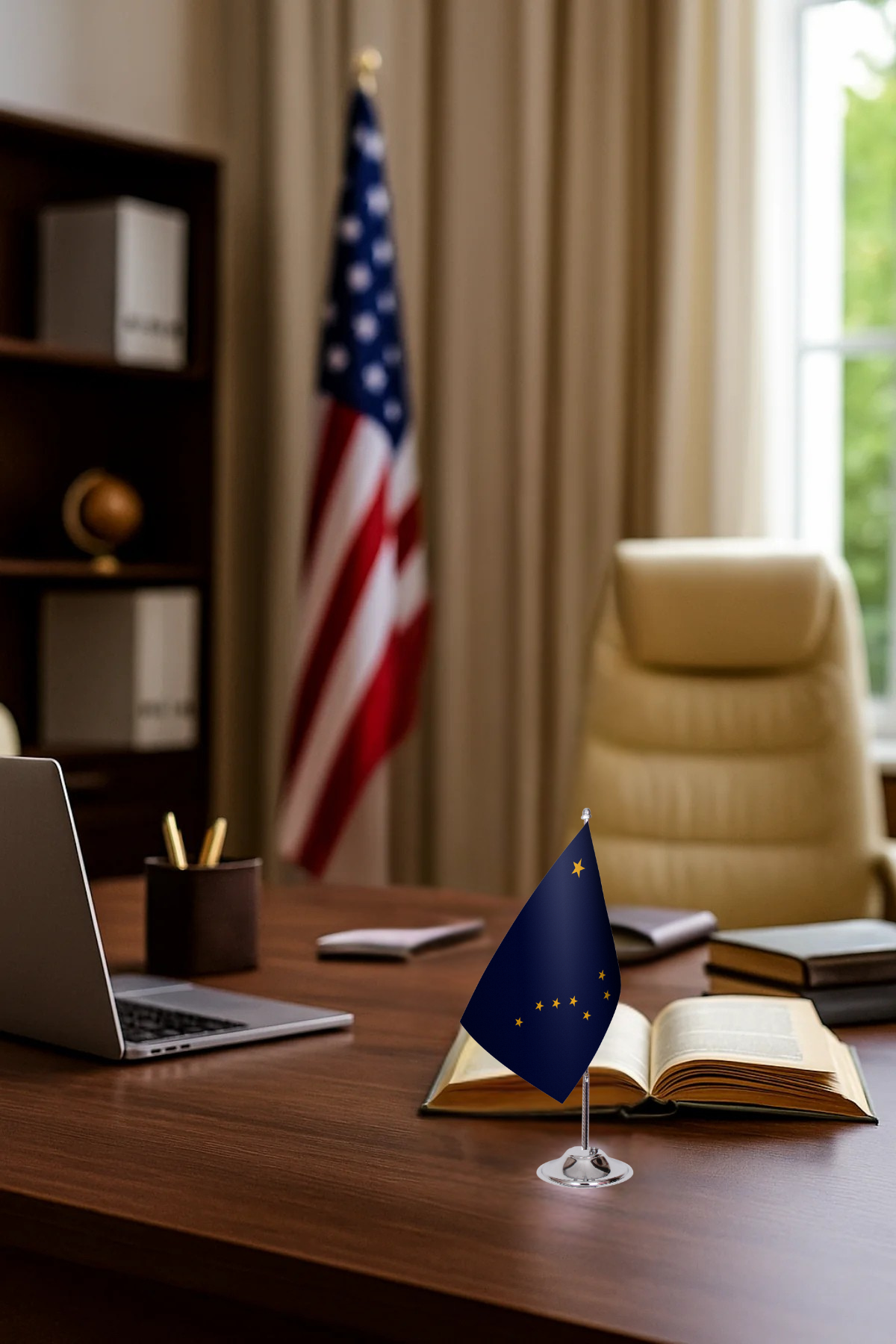
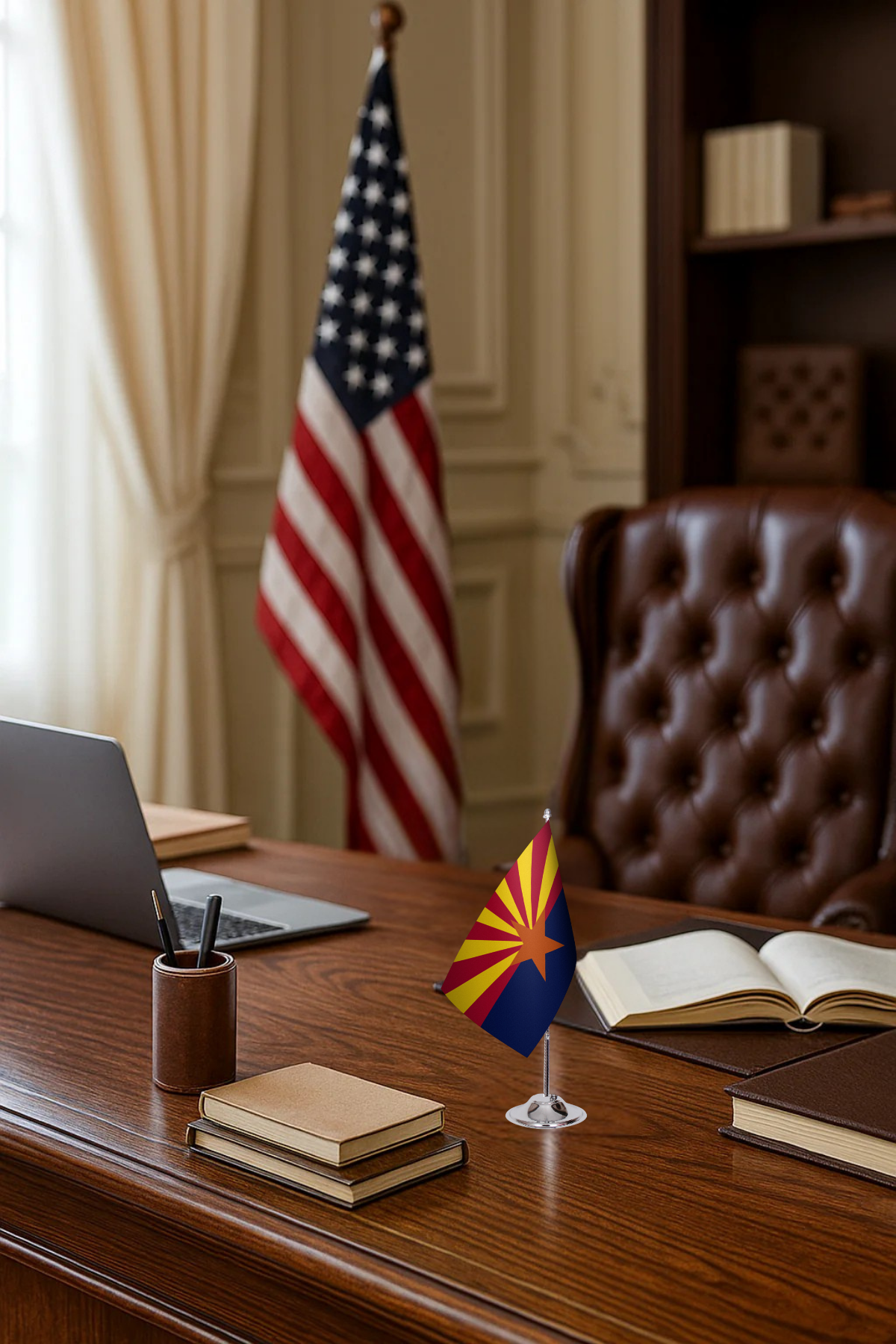
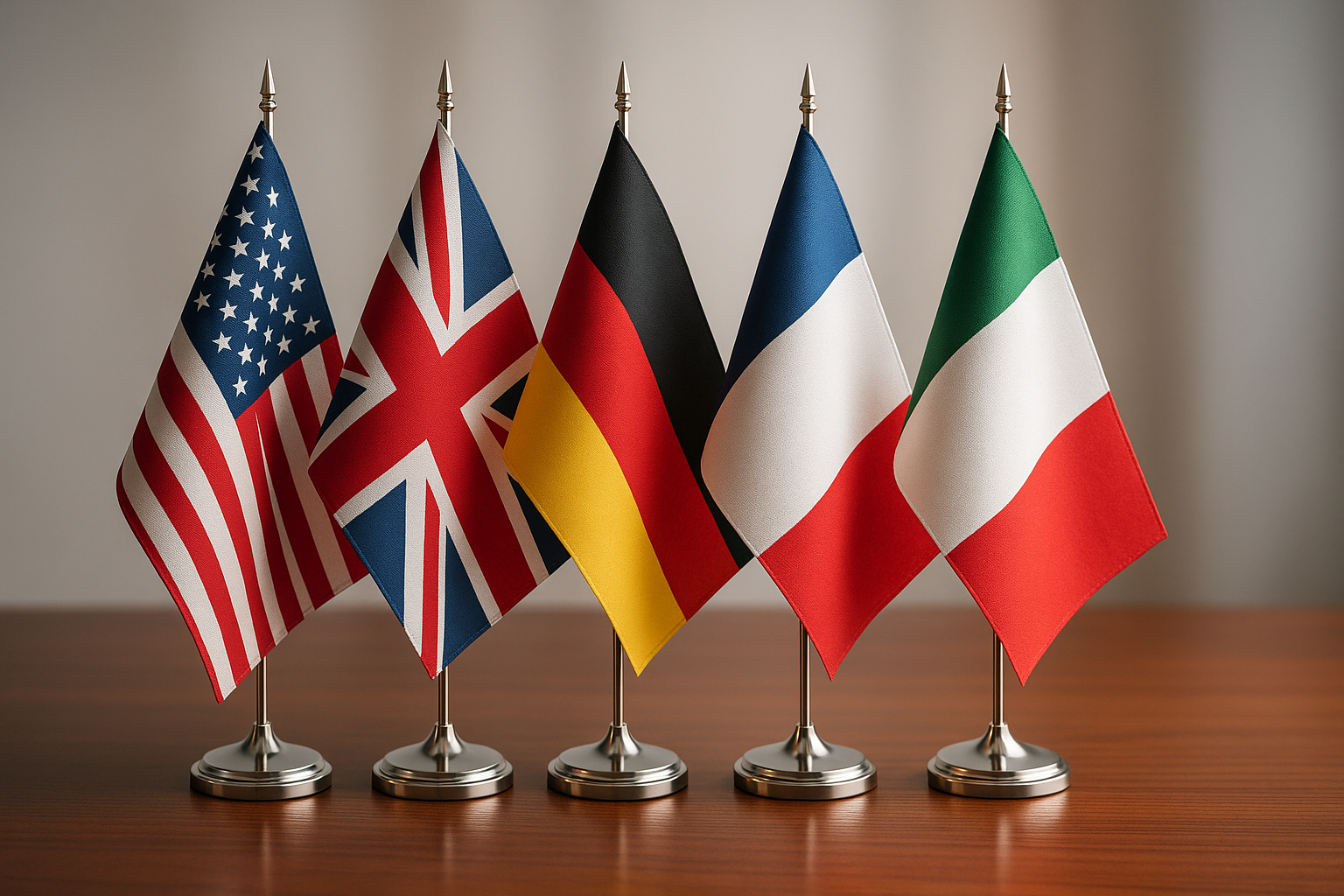
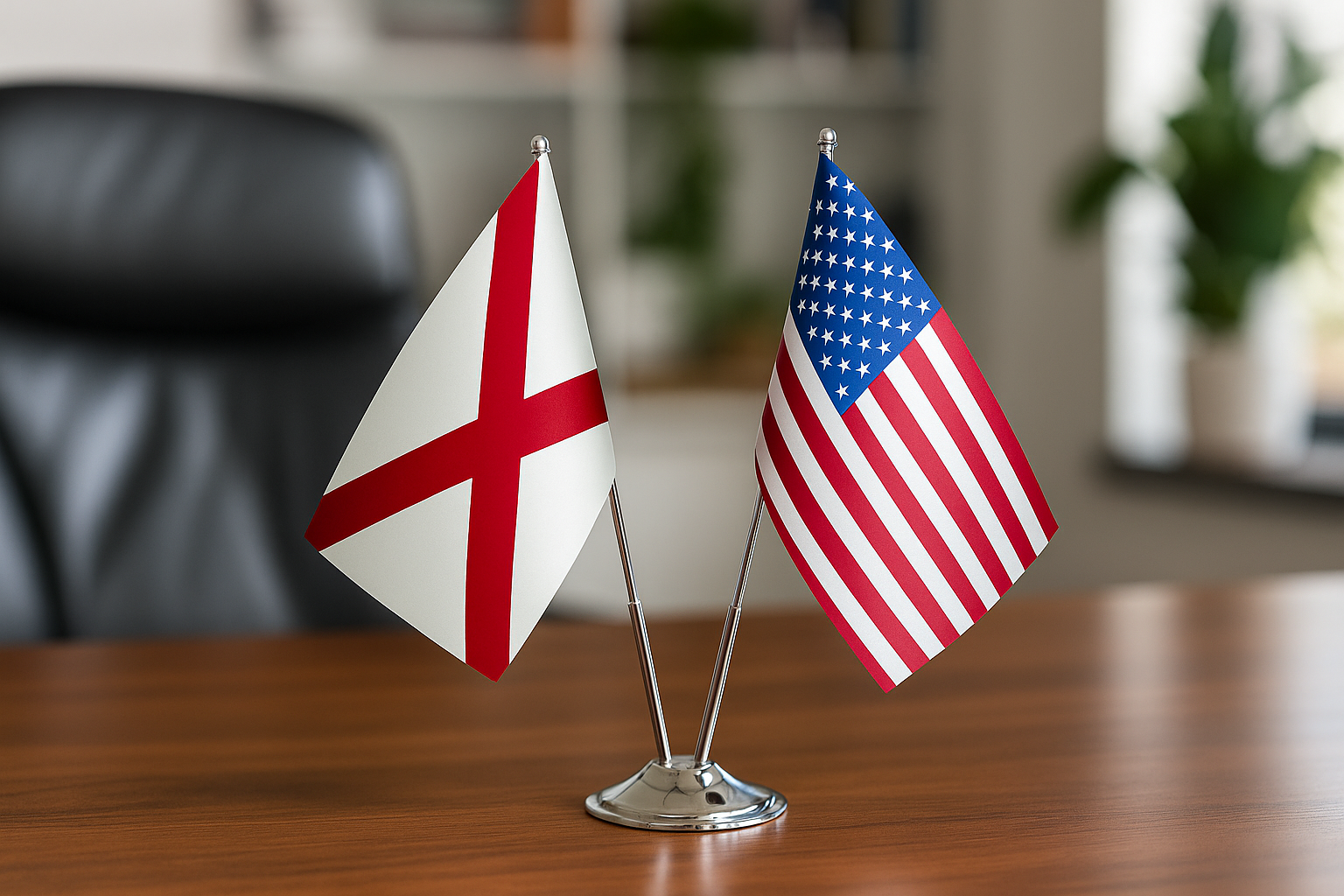
For desk display specifically, the 4×6 in flag on a 10 in (25 cm) stick is typically placed in a small base stand rather than held — this is the "desk flag" format you see at diplomatic offices, reception desks, and conference tables. If you want more detail on desk flag conventions and base dimensions, the article What Size Are Desk Flags? Standard Dimensions Explained covers that topic thoroughly, including FIAV display standards.
Outdoor waving flags should be made from 100% woven polyester (not printed paper or non-woven polypropylene, which tear within minutes in wind). The 8×12 in and 12×18 in polyester flags typically have a lifespan of 6 months to 2 years depending on UV exposure and frequency of use. Paper flags — still sold as novelty items — are appropriate only for single-event indoor use and should never be confused with the fabric formats described here. Indoor ceremony flags, such as those used at naturalization events, benefit from a finer weave that photographs well under fluorescent or LED lighting without the matte dullness of outdoor-grade polyester. For a deeper look at how those event-specific buying decisions differ from general size choices, the guide on US Citizenship Ceremony Flags and Patriotic Bundles is a useful companion read.

Handheld Country Flags
The full collection of country handheld flags in standard waving sizes — ideal for events, parades, ceremonies, and bulk diplomatic orders worldwide.
Browse Collection →Common Handheld Flag Sizing Mistakes and How to Avoid Them
The most frequent handheld flag sizing mistake is ordering the 4×6 in size for an outdoor parade crowd, resulting in flags that are invisible beyond the first two rows. The second most common error is ordering a stick length mismatched to the flag — either too short (the flag covers the waver's hand) or disproportionately long (the flag whips uncontrollably in breeze).
Here are the five mistakes event organizers and bulk buyers most often report:
- Choosing size by cost, not visibility. The 4×6 in flag costs roughly 40–60% less per unit than 8×12 in at equivalent quantities. That savings is worthless if the flag cannot be seen by the target audience at the actual event distance.
- Ignoring stick material for outdoor events. Paper stick flags purchased for outdoor parades will wilt, tear, or become paper-maché within 30 minutes in humid or drizzly conditions. Always specify weatherproof materials for outdoor use.
- Ordering without confirming venue safety rules. Many indoor arenas, sports facilities, and government buildings restrict stick length, material type, or both. Confirm restrictions with the venue at least 3 weeks before a large event order ships.
- Neglecting aspect ratio. National flags have official aspect ratios set by each government (e.g., US flag at 1:1.9, UK at 1:2, Switzerland's square 1:1). A manufacturer who distorts these ratios to fit a non-standard stick size is producing a flag that technically violates that country's flag protocol. This matters especially for diplomatic events and official government use.
- Underestimating bulk quantity for large events. A good rule of thumb: order 10–15% more flags than your confirmed attendee count, as flags are lost, damaged, or taken as souvenirs. For school spirit and sports bulk ordering strategy, the School Spirit Pennants and Handheld Flags Bulk Buying Guide covers quantity calculation in detail.
One additional note on safety flags specifically: high-visibility safety flags used in traffic control, construction sites, and cycling are a separate category governed by ANSI/ISEA 107 standards. These are typically 18×18 in (46×46 cm) square or 12×18 in (30×46 cm) rectangular, made from fluorescent orange or yellow fabric with reflective striping, and are not interchangeable with the decorative handheld flags described throughout this article.
Frequently Asked Questions
What is the standard flag size in feet for a handheld flag? +
How is a handheld banner size different from a handheld flag size? +
Can I mix stick lengths within a single bulk order of the same flag size? +
What size is a standard safety flag, and is it the same as a waving flag? +
Does the US Flag Code regulate how handheld American flags should be sized or displayed? +
How do I know if a handheld flag's colors will stay accurate after printing at a small size? +
What is the minimum order quantity for custom handheld flags, and does size affect the MOQ? +
Are handheld flag sizes the same worldwide, or do they vary by country? +
Choosing the right handheld flag size — whether for a parade crowd, a diplomatic desk, or a stadium full of fans — comes down to three variables: viewing distance, event duration, and stick proportion. The 8×12 in format on an 18 in (46 cm) stick covers the majority of real-world waving needs, while the 4×6 in remains the gold standard for giveaways and desk display. Browse the full Handheld Country Flags collection to find the exact size and country you need, or explore specific options like the USA Handheld Flag and the USA Outdoor Flag for side-by-side size comparison. If you are sizing flags for a flagpole rather than hand-waving, the guide on What Size Flag for Your Flagpole? is the right next read. Bulk pricing is available for corporate, government, and event organizer orders — contact us with your quantity and required delivery date for a custom quote.