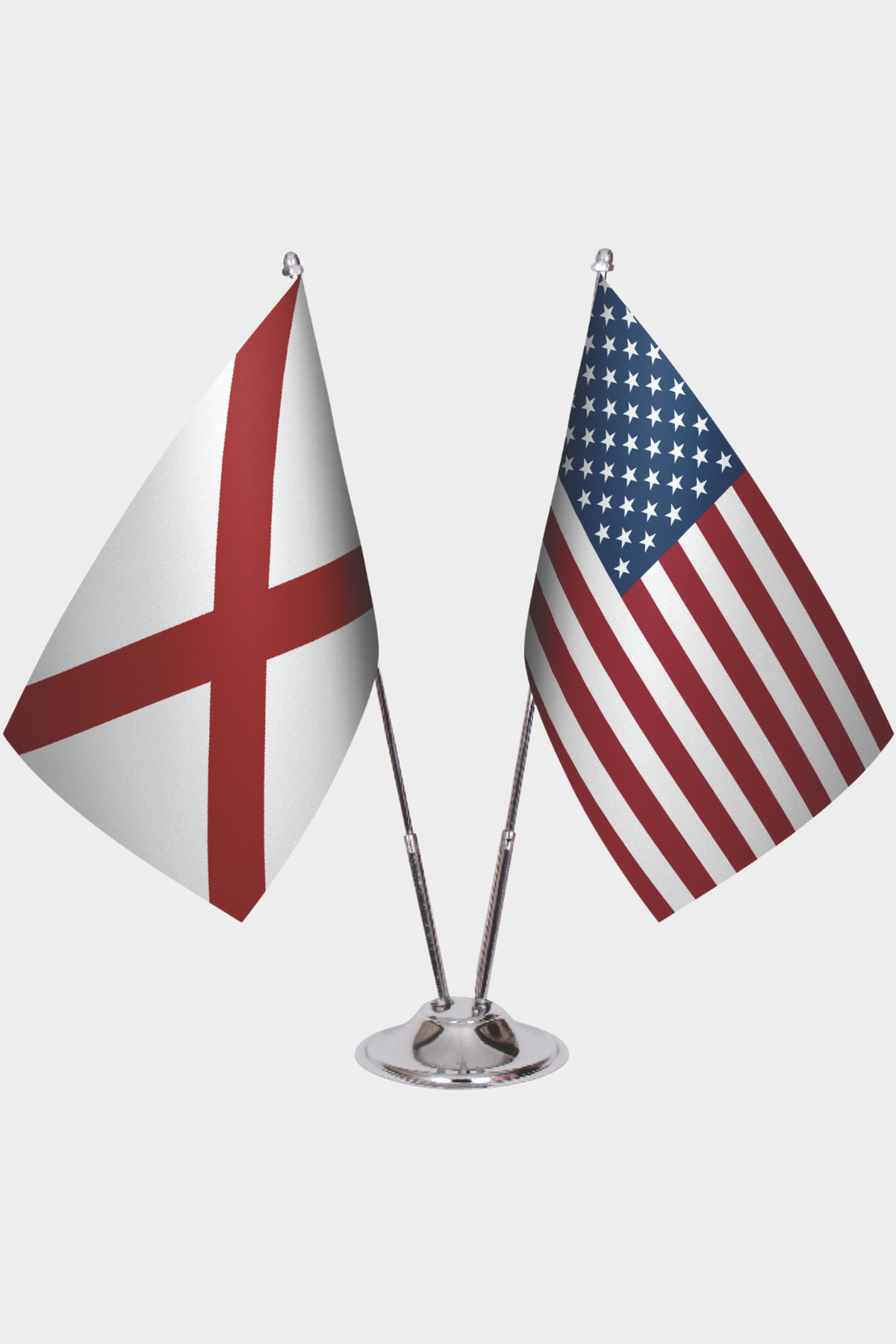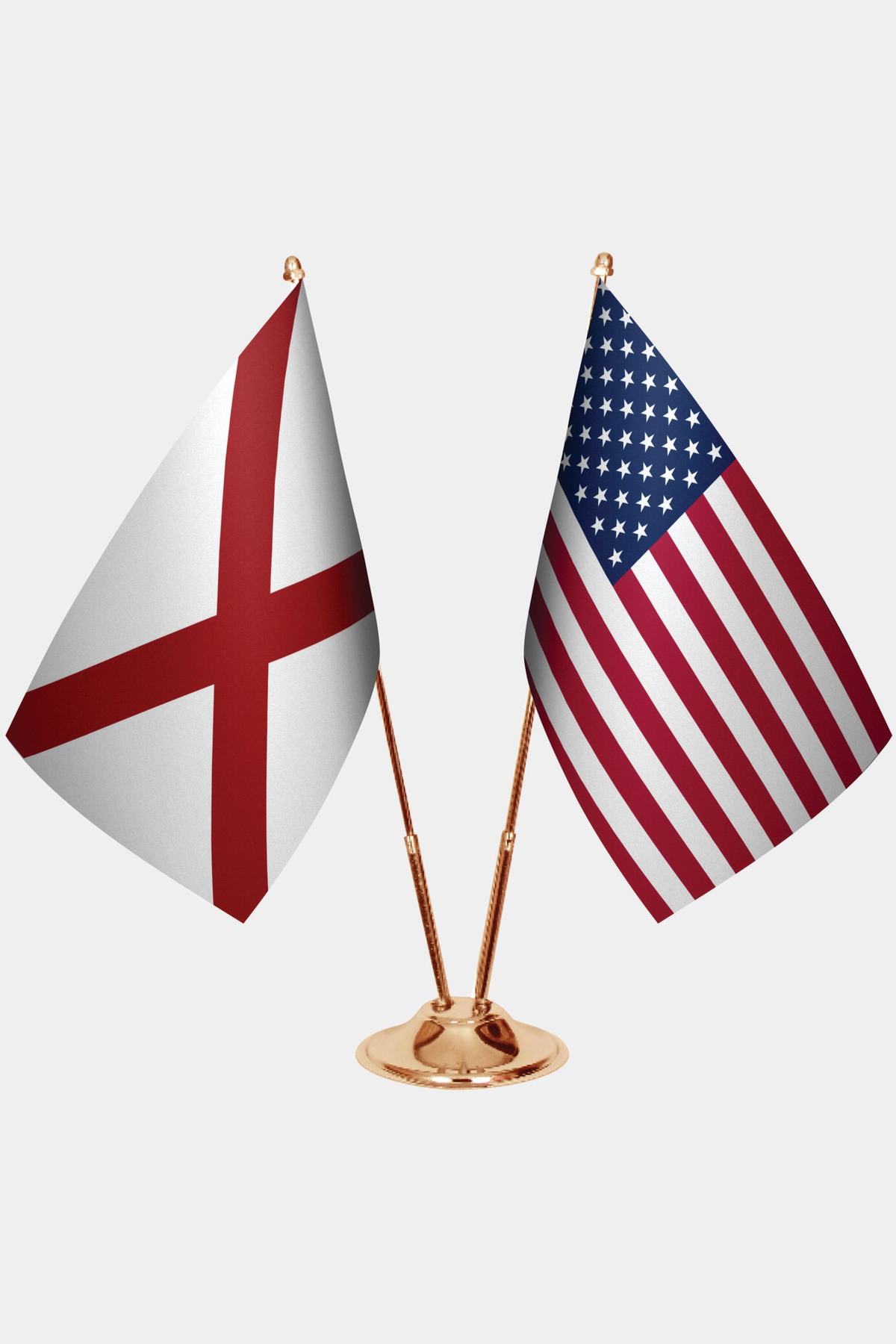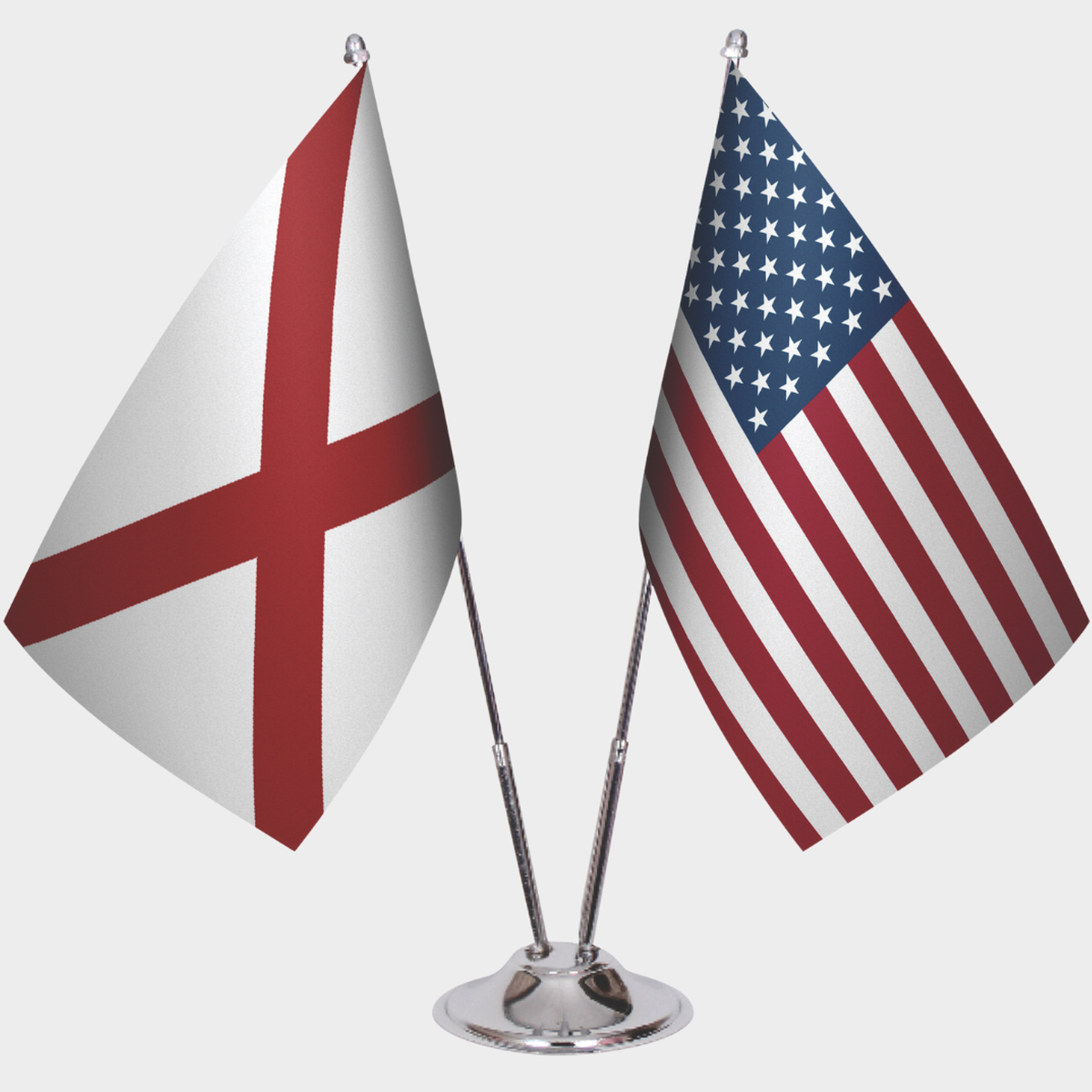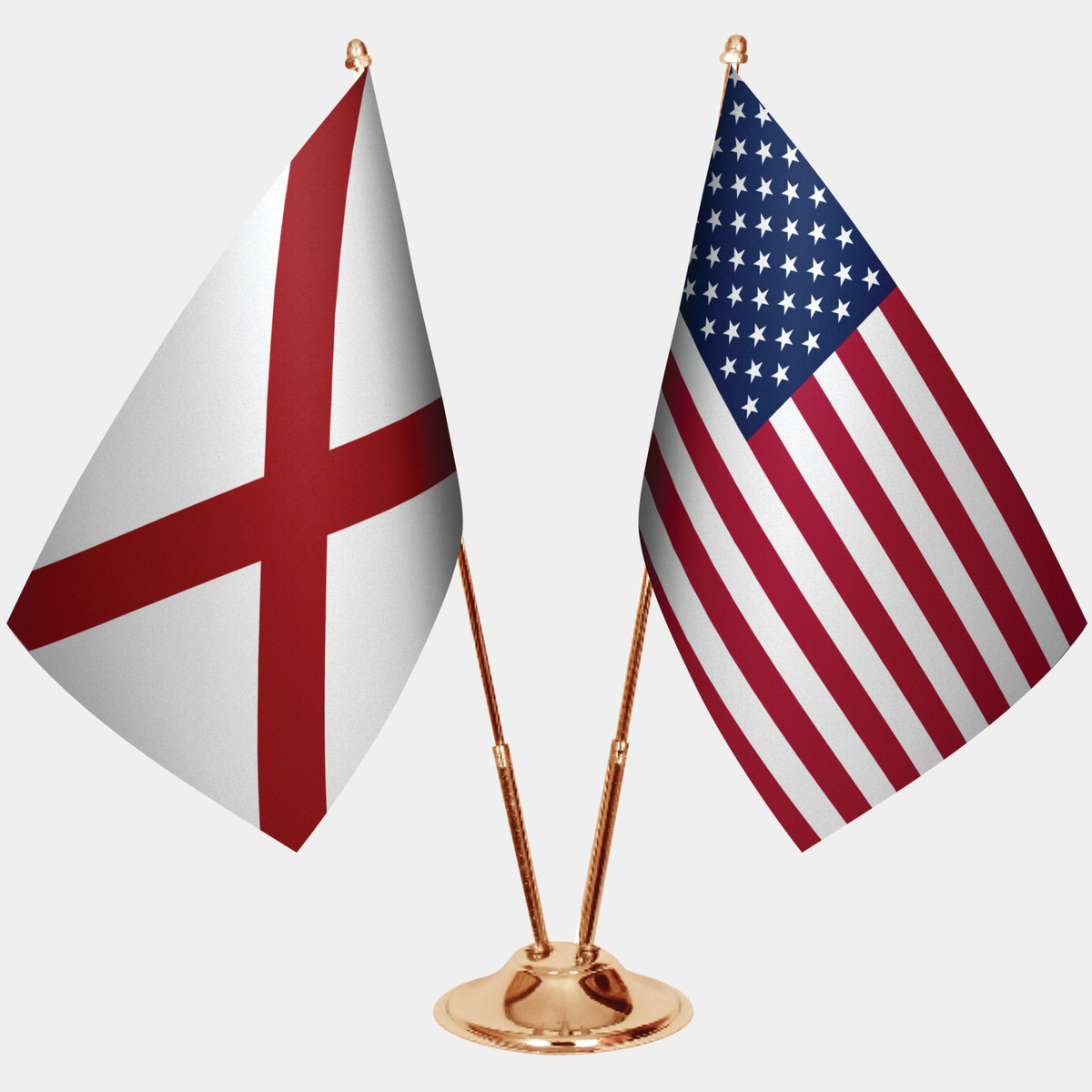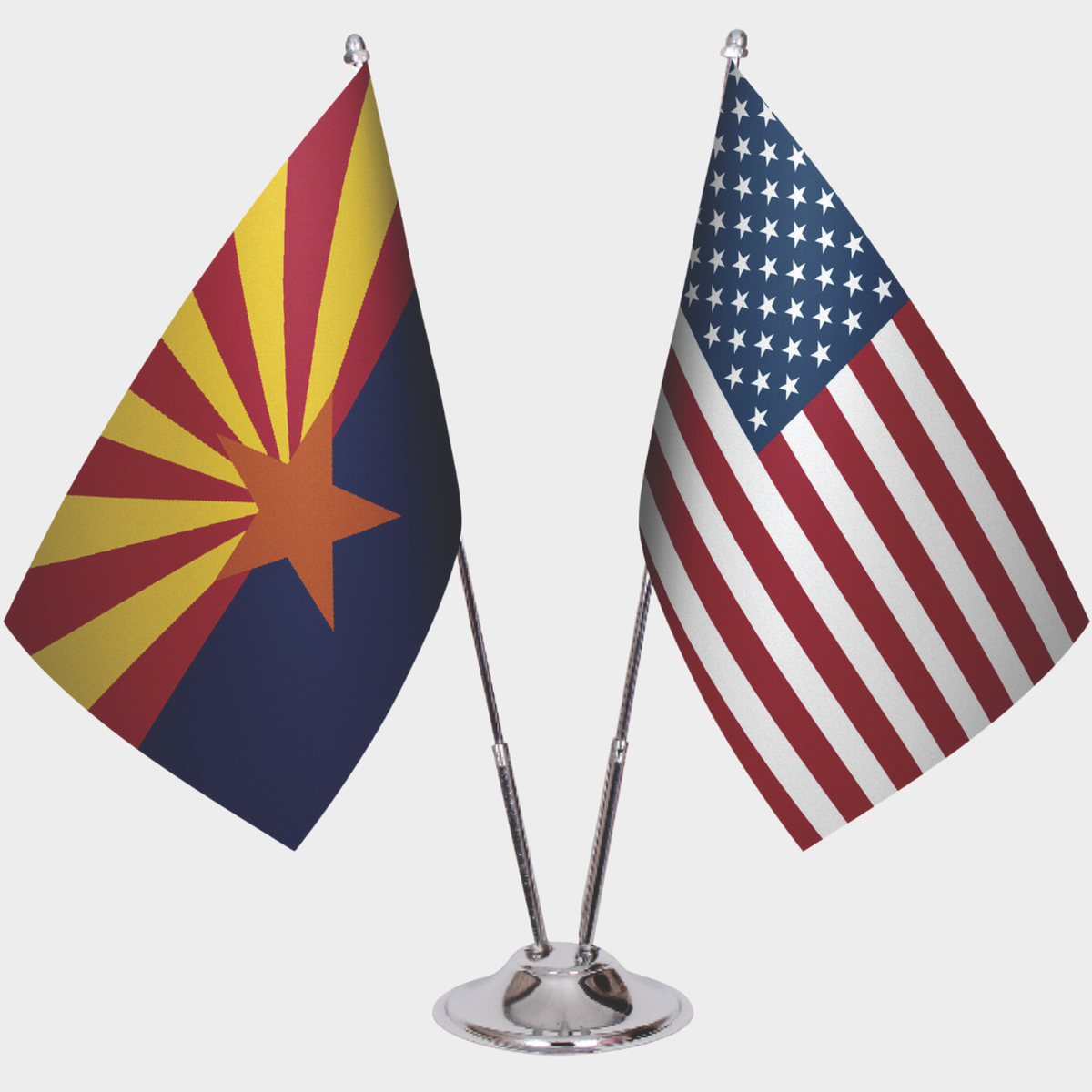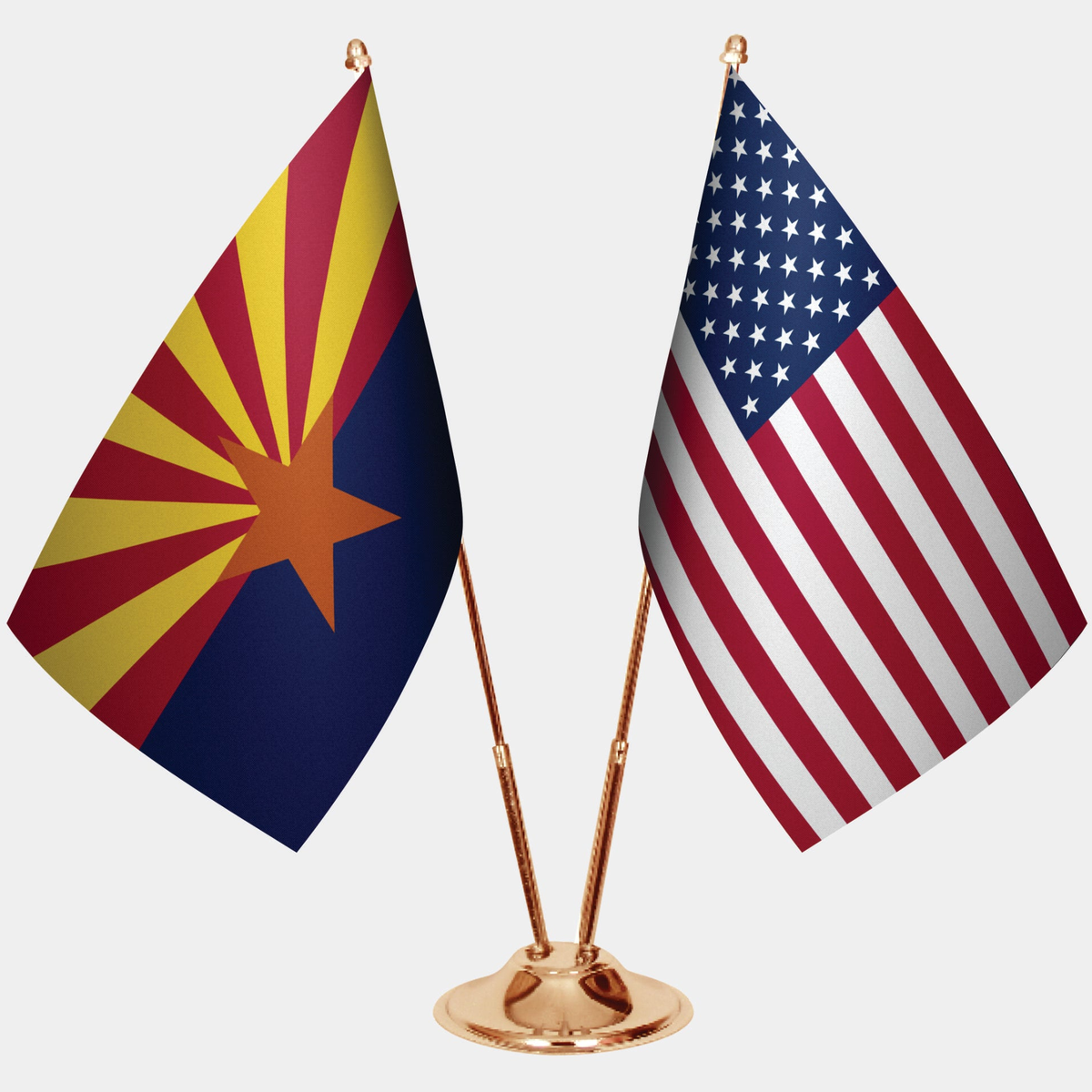

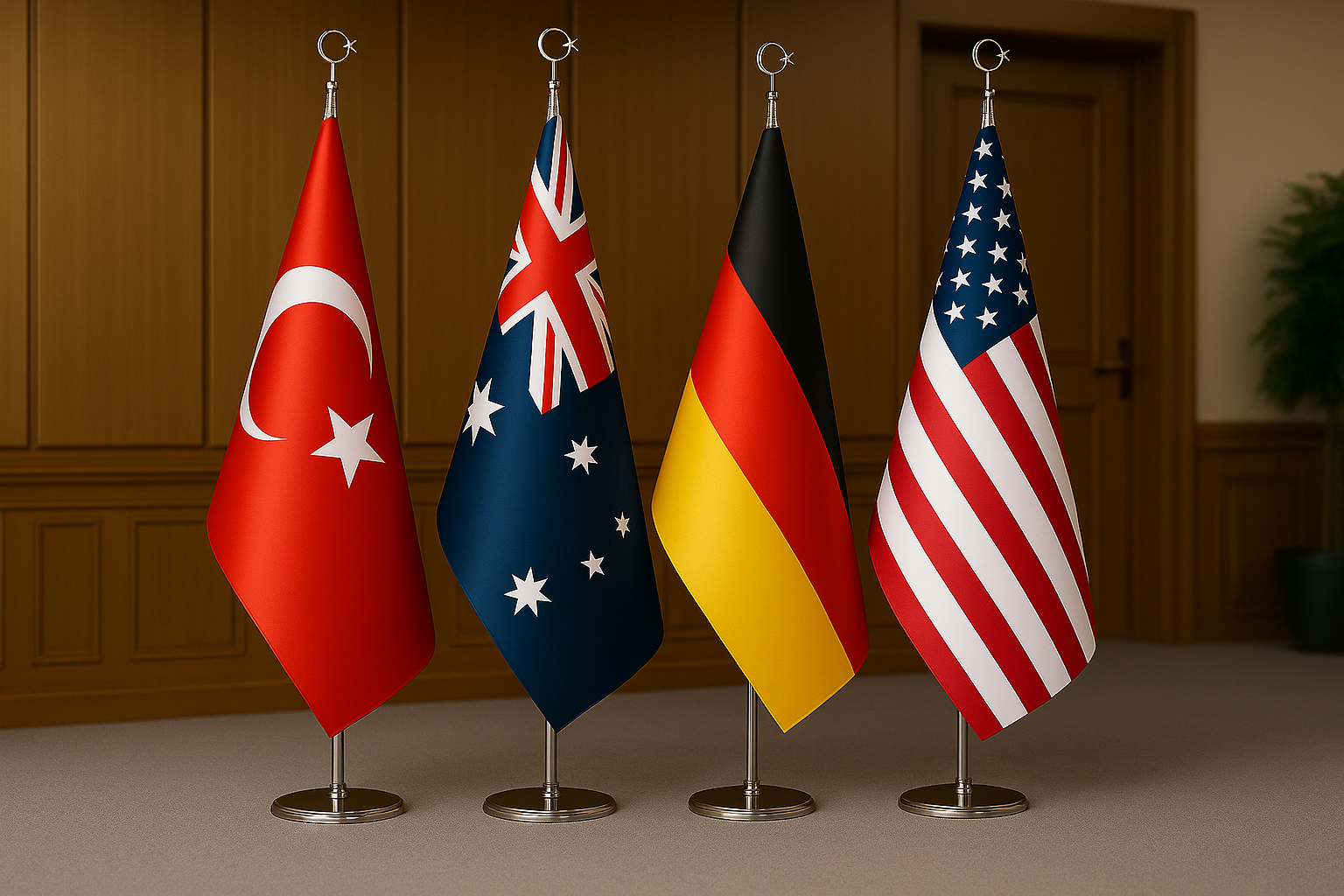



Flag fading prevention starts with choosing the right material, positioning your flag correctly, and following a consistent maintenance routine — most quality outdoor flags last 6 months to 2 years when properly cared for, compared to just weeks without protection. Whether you display a single residential flag or manage a large commercial installation, the practical flag care tips in this guide will help you preserve flag color, extend lifespan, and keep your display looking sharp through every season. If you're starting fresh, explore the full Flags Collection at Asya Bayrak to find fade-resistant options built for outdoor endurance.
Why Flags Fade: Understanding the Root Causes
Flag fading is primarily caused by prolonged UV exposure, wind abrasion, moisture retention, and improper washing — each factor compounds the others, accelerating color degradation faster than any single cause alone. Understanding what damages your flag is the first step toward preventing it.
Ultraviolet radiation is the single biggest enemy of flag color. The sun's UV-A and UV-B rays break down the molecular bonds in synthetic dyes, causing reds, blues, and yellows to bleach out unevenly over time. A flag flying in full sun for 12 hours a day in a southern U.S. climate can show visible fading within 60–90 days without UV-resistant treatment. Wind abrasion is the second major factor: constant flapping creates friction along the fly end of the flag, thinning the fabric and exposing raw fiber that absorbs more moisture and dirt. Rain and humidity add a third layer of stress — wet fabric stretches, pulls at the stitching, and creates conditions where mildew and mineral deposits from hard water dull the surface colors. Finally, harsh detergents and machine washing on high heat are responsible for a surprising amount of preventable fade, stripping protective coatings and weakening dye bonds in nylon and polyester fibers.
Choosing Fade-Resistant Flag Materials
The best fade-resistant flags are made from solution-dyed nylon or 200-denier polyester, both of which lock color into the fiber during manufacturing rather than applying it as a surface coating. Material choice alone can double or triple the effective outdoor lifespan of a flag.
 Solution-dyed nylon is widely regarded as the gold standard for outdoor flags in the United States, offering approximately 80% UV resistance compared to surface-printed alternatives. In this manufacturing process, color pigments are introduced while the nylon is still in liquid form, meaning the dye becomes part of the fiber's molecular structure rather than sitting on top. Polyester flags, particularly those woven at 200 denier or higher, offer excellent durability in high-wind environments and resist pilling and fraying better than lighter fabrics. Canvas and cotton flags, while visually rich and traditionally favored, absorb significantly more moisture and UV radiation, making them better suited for indoor display or ceremonial use rather than permanent outdoor flying. When comparing fabrics for flag fading prevention, always ask manufacturers whether color is solution-dyed or screen-printed, as the difference in longevity is dramatic. The USA Outdoor Flag from Asya Bayrak uses premium materials specifically engineered for prolonged outdoor display in North American weather conditions.
For reference, FIAV (Fédération internationale des associations vexillologiques) standards recommend that flags intended for permanent outdoor display be made from materials rated for a minimum of 1,000 hours of direct UV exposure before showing significant color degradation. Always request UV resistance ratings when ordering custom or commercial flags in bulk.
Optimal Flag Placement to Minimize UV and Wind Damage
Strategic positioning of your flagpole and flag significantly reduces fading — placing a flag where it receives morning light but is shaded during peak UV hours (10 a.m.–4 p.m.) can extend its color life by up to 40%. Smart placement costs nothing and is one of the most underused flag care tips available.
If you have flexibility in where your flagpole is installed, consider orienting it so the flag naturally points away from the harshest afternoon sun. In most of the continental United States, this means positioning the pole on the west or northwest side of a building where a wall or roof overhang provides partial afternoon shade. Wind management is equally important: flags that whip violently in sustained winds above 25 mph (40 km/h) suffer accelerated fly-end fraying and abrasion fading. Installing a spinning pole mount — which allows the flag to rotate freely rather than wrapping and unwrapping — dramatically reduces friction wear. For residential installations, the US Flag Code (4 USC §§ 1–10) permits and in some cases recommends bringing the flag indoors during inclement weather, not merely as a matter of respect but as a practical preservation measure. Commercial operators flying flags 24/7 should budget for replacement cycles of 3–6 months in high-UV or coastal environments regardless of material quality.
Regular Cleaning and Washing Best Practices
Washing your flag correctly is essential for flag maintenance — use cold water, mild detergent, and a gentle cycle, then air-dry completely before re-hanging to prevent both color bleed and mildew. Incorrect washing is one of the top five causes of premature flag fading.
Start by shaking the flag outdoors to remove loose dirt, pollen, and debris before it has a chance to grind into the fibers during washing. For nylon and polyester flags, a gentle machine wash in cold water (below 85°F / 30°C) with a color-safe, pH-neutral detergent is safe and effective. Avoid bleach entirely — even oxygen-based bleaches will strip dye over time, particularly from red and blue fields. Never use hot water or high-heat drying cycles, as heat causes synthetic fibers to relax and dye molecules to migrate, producing a washed-out appearance. For heavily soiled flags, pre-soak in cold water with a small amount of mild dish soap for 30 minutes before washing. After the wash cycle, roll the flag loosely in a clean towel to absorb excess water, then hang it flat to air-dry in a shaded area — direct sunlight during the drying process can set in blotchy fading patterns, especially on nylon. Most flags should be cleaned every 4–6 weeks during active outdoor display to prevent dirt and pollutant buildup from dulling the colors gradually.
Protective Treatments and UV Sprays
Applying a UV-protectant fabric spray to your flag every 3–4 months can extend color vibrancy by an additional 20–30% beyond what the base material provides on its own. These treatments are inexpensive and easy to apply, making them a smart part of any flag maintenance routine.
UV-inhibitor sprays designed for outdoor textiles — such as those used on marine canvas, awnings, and outdoor furniture — work equally well on flags. Products containing UV absorbers and fabric-bonding polymers create a thin invisible barrier that reflects UV radiation before it reaches the dye layer. For best results, apply the spray to a clean, dry flag laid flat on a non-porous surface, using smooth overlapping passes at a distance of about 8–10 in (20–25 cm). Allow it to dry fully for at least 2 hours before re-hanging. Silicone-based water repellents provide an additional layer of protection by preventing moisture from soaking into the fabric, reducing the mineral staining and dye dilution that occur when rain-soaked flags dry in the sun. Reapply these treatments after every third or fourth washing to maintain effectiveness. It is worth noting that some UV sprays may slightly alter the texture or sheen of very fine nylon flags, so test on a small corner section first before treating the entire flag surface.
Proper Storage to Preserve Flag Color During Off-Season
Storing flags correctly during winter or extended periods of non-use is one of the most impactful flag care tips for preserving long-term color quality — improper storage causes irreversible creasing, color transfer, and mildew damage. A flag stored well will look almost new when you reinstall it months later.
Before storing, always ensure the flag is completely clean and bone dry — even slight residual moisture trapped in a storage bag or box can cause mildew within 2–3 weeks, producing permanent gray or green staining. Roll flags rather than folding them to avoid sharp crease lines that weaken fibers and can cause dye cracking along fold edges. Store rolled flags inside an acid-free tube or loosely inside a breathable cotton bag — never in a sealed plastic bag, which traps moisture and off-gases that degrade synthetic fabrics. Keep storage containers in a cool, dark location between 50–70°F (10–21°C) and away from fluorescent lighting, which emits low-level UV radiation capable of fading stored flags over months. Avoid placing heavy objects on top of stored flags, as compression distorts the weave and creates permanent pressure marks. If you're storing a historic or ceremonially significant flag, consider consulting the preservation guidelines published by the Smithsonian Institution or the American Institute for Conservation, both of which offer detailed textile storage standards. For everyday residential and commercial flags, a clean storage tube in a closet or dry garage shelf is entirely sufficient.
Flags Collection — Built for Outdoor Endurance
Explore Asya Bayrak's full range of fade-resistant outdoor flags manufactured with premium UV-stable materials for residential, commercial, and government use.
Browse Collection →When to Retire a Flag: Recognizing the End of Useful Life
A flag should be retired and replaced when it shows fraying longer than 1 in (2.5 cm) along the fly end, significant tearing, or fading so severe that colors are no longer clearly distinguishable — flying a visibly deteriorated flag actually detracts from the dignified display it is meant to represent. Knowing when to replace is as much a part of flag maintenance as knowing how to clean.
The US Flag Code (4 USC § 8k) specifically states that the American flag should be retired in a dignified manner, typically by burning, when it is no longer in a fit condition for display. Many VFW posts, American Legion chapters, and Boy Scout troops hold formal flag retirement ceremonies and will accept donated worn flags — this is a respectful and community-minded way to handle retirement. For non-national flags, commercial and municipal operators typically set a scheduled replacement cycle based on display hours rather than visual inspection: flags in high-UV coastal environments are often replaced every 90–120 days, while flags in moderate inland climates may serve 12–18 months before retirement. Keeping a flag maintenance log that records installation date, washing dates, treatment applications, and observed wear allows you to spot patterns and optimize your replacement budget over time. Proactive replacement before a flag reaches a truly tattered state preserves the professional appearance of your building or institution.
By combining proper material selection, smart positioning, regular gentle washing, UV protectant treatments, and careful storage, you can dramatically extend the life of every flag in your display program and preserve flag color through multiple seasons. Explore the USA Outdoor Flag for a premium fade-resistant option, or browse the entire Asya Bayrak Flags Collection to find the right flag for your specific environment and application. Bulk pricing is available for corporate, government, and institutional orders — contact the Asya Bayrak team for volume quotes and custom fade-resistance specifications.