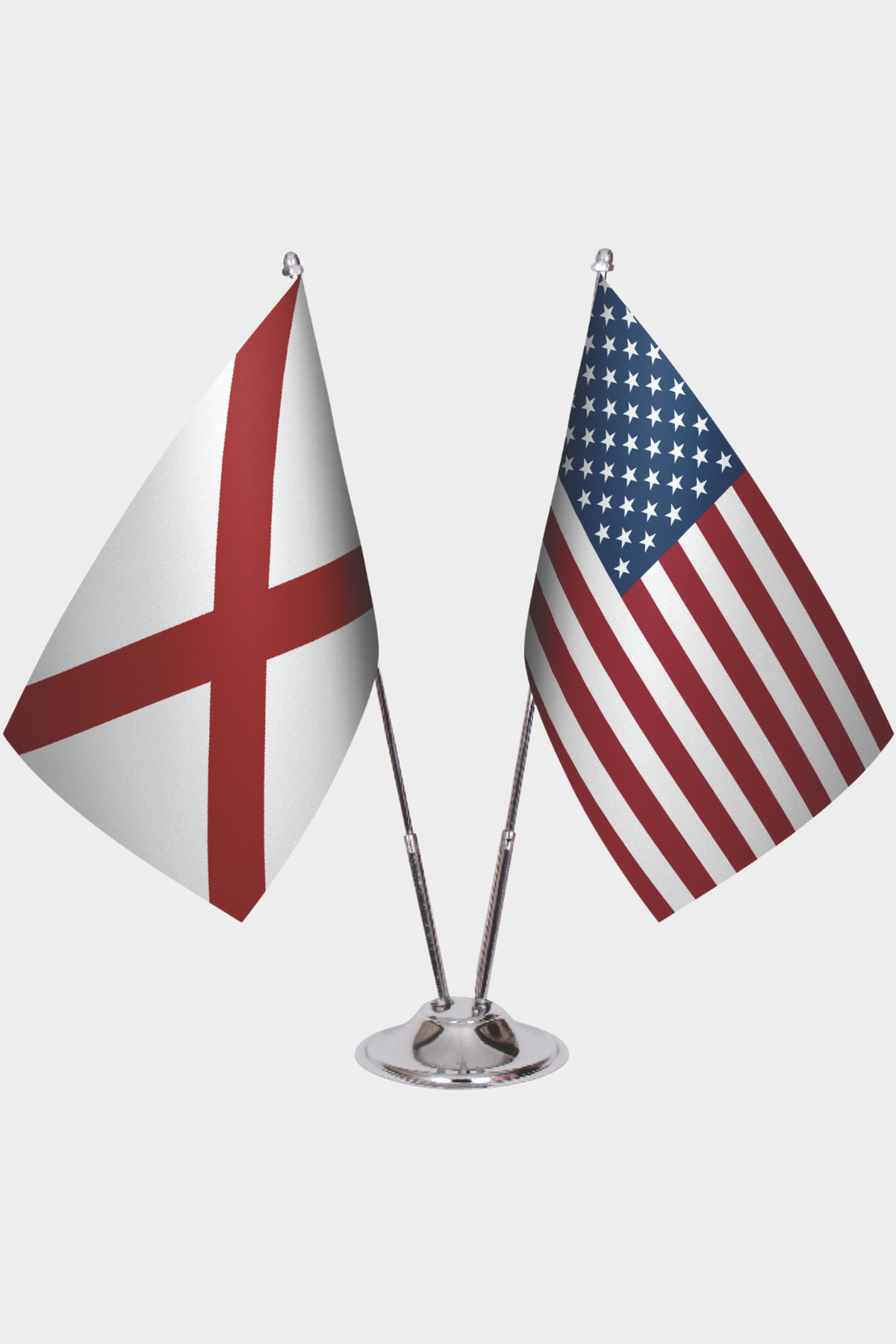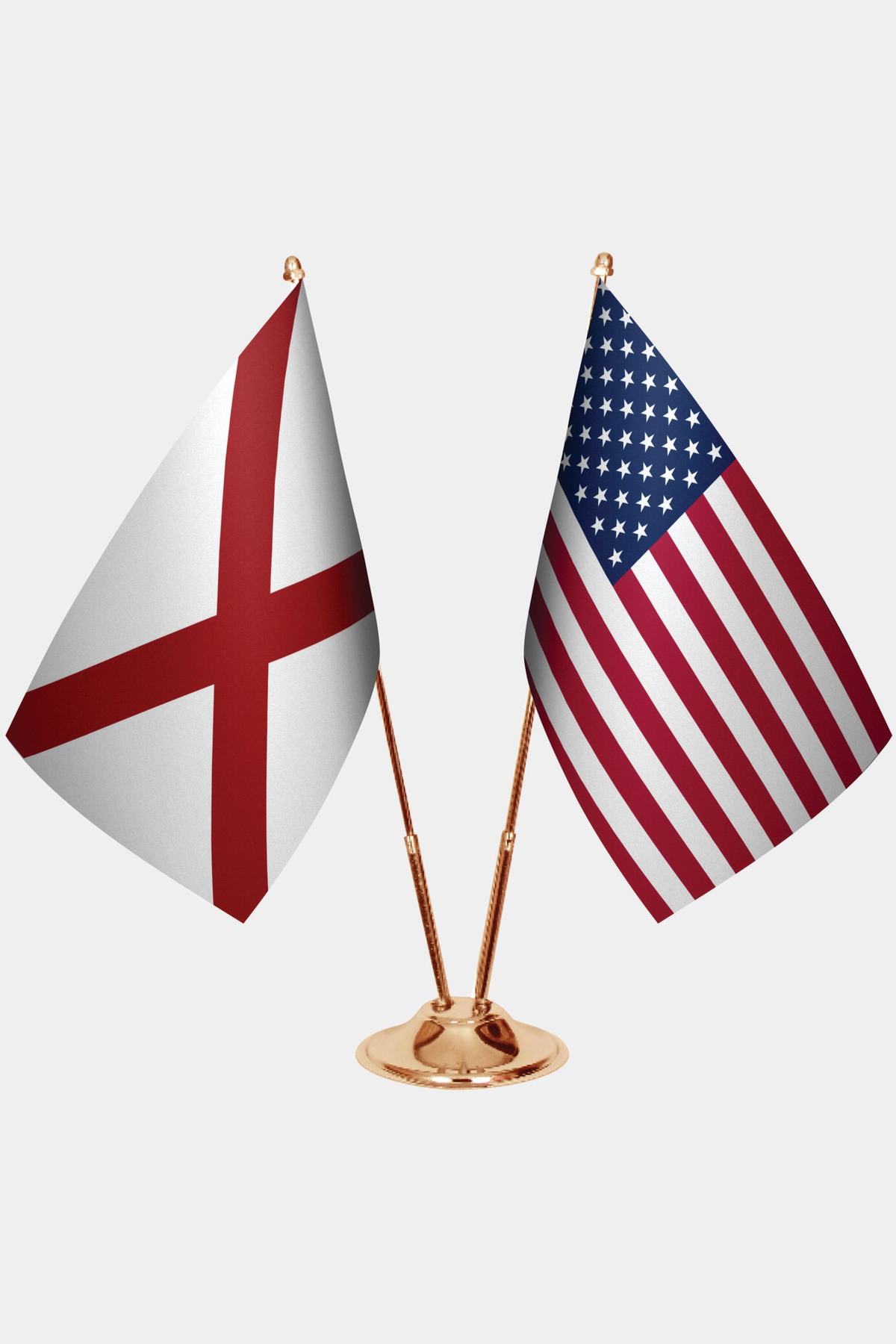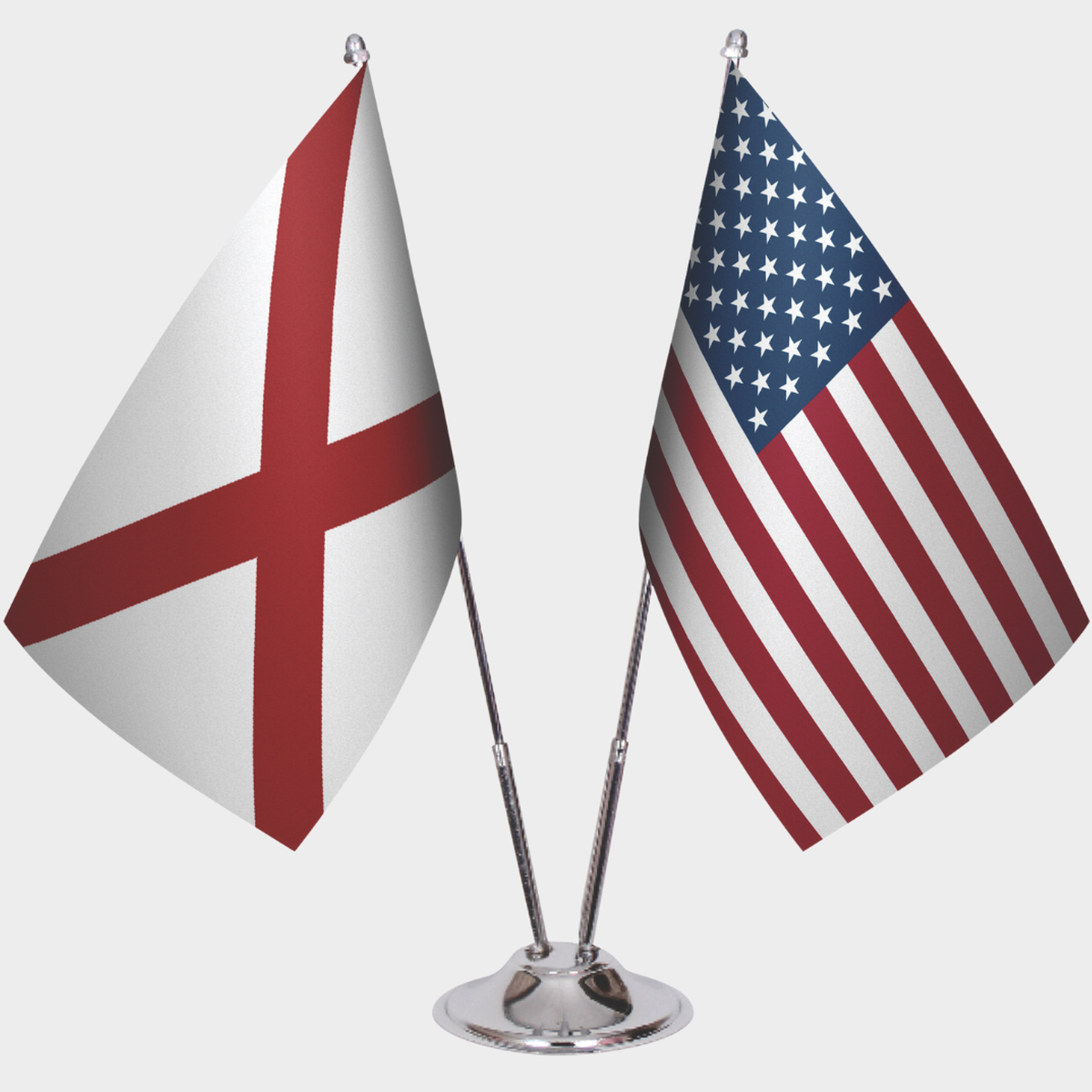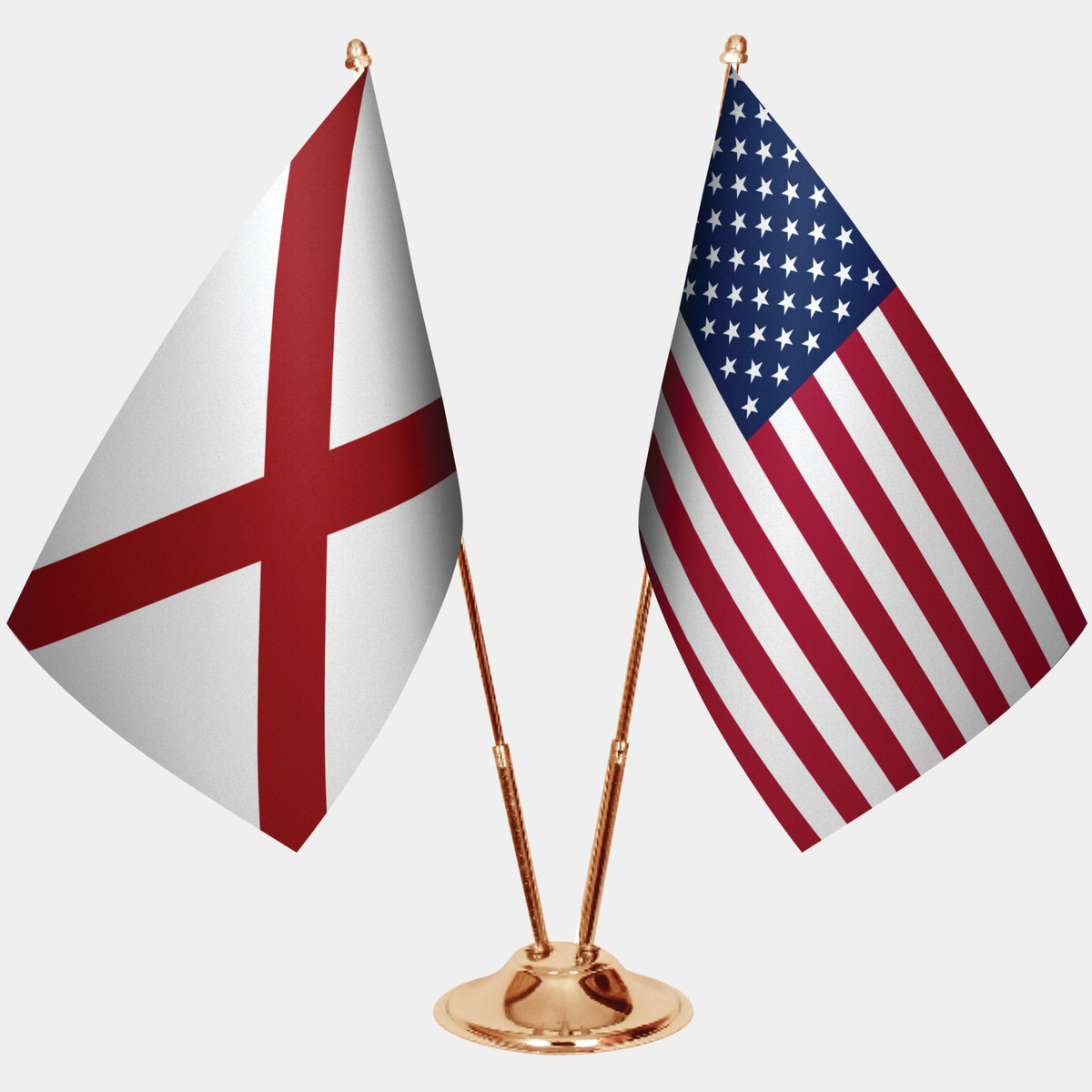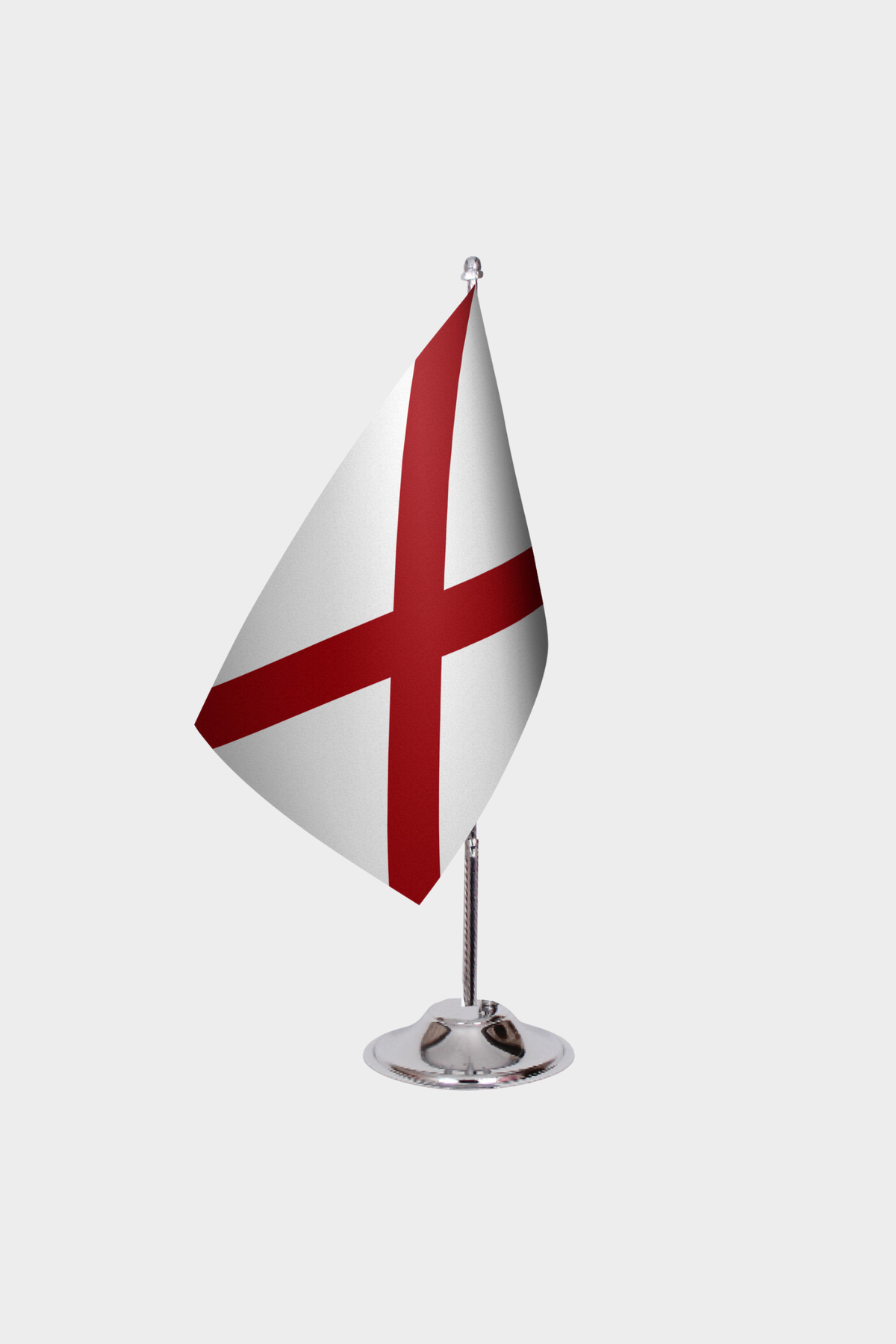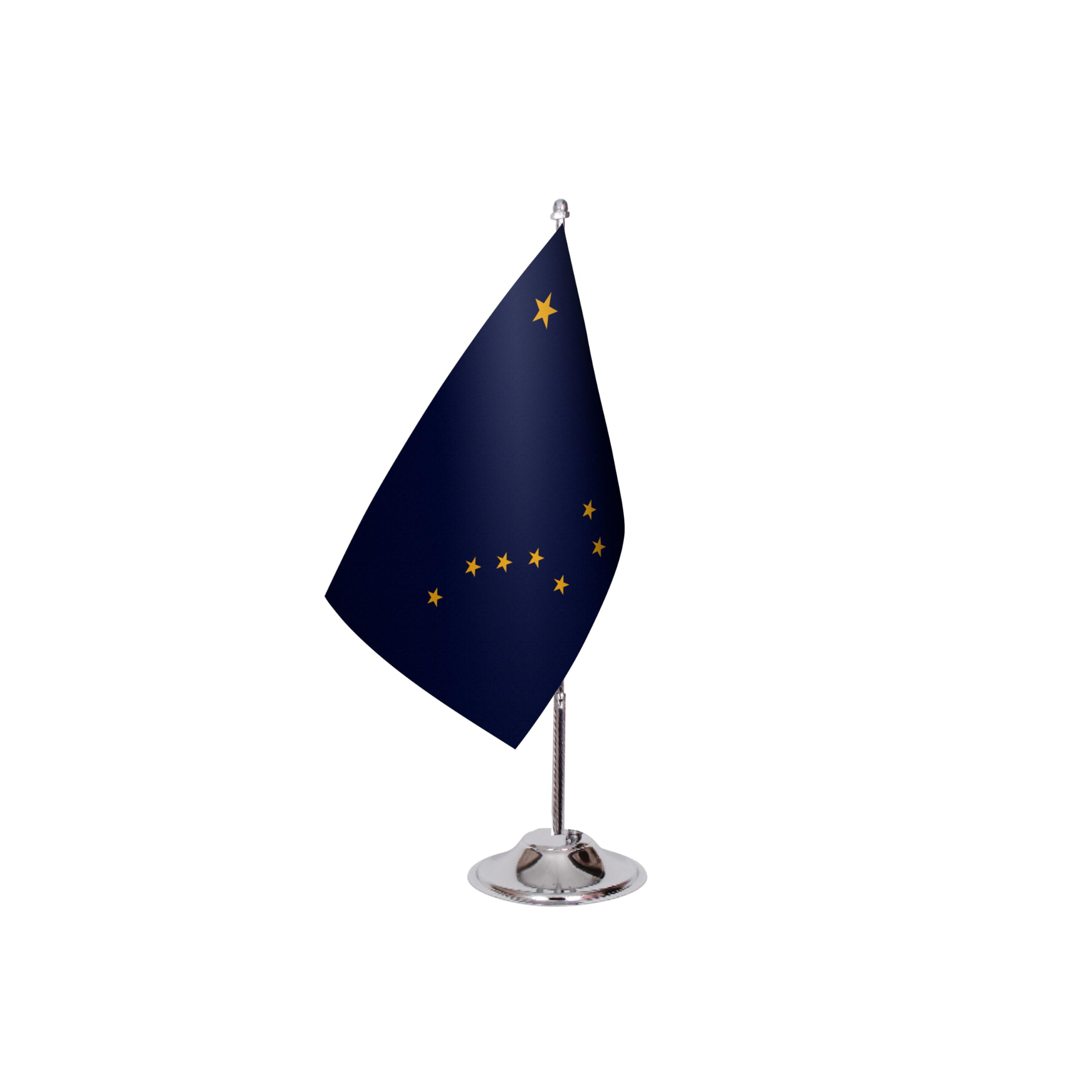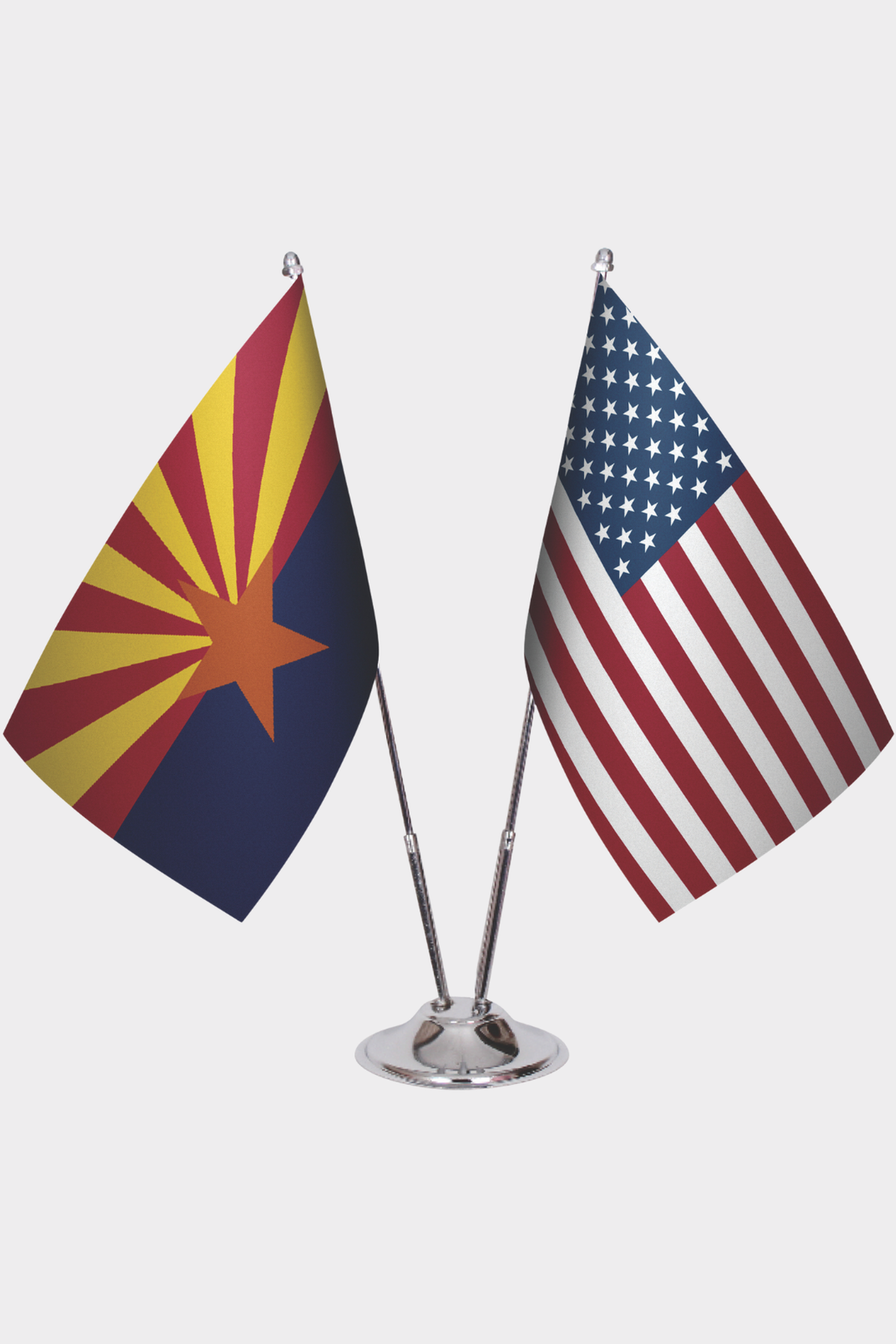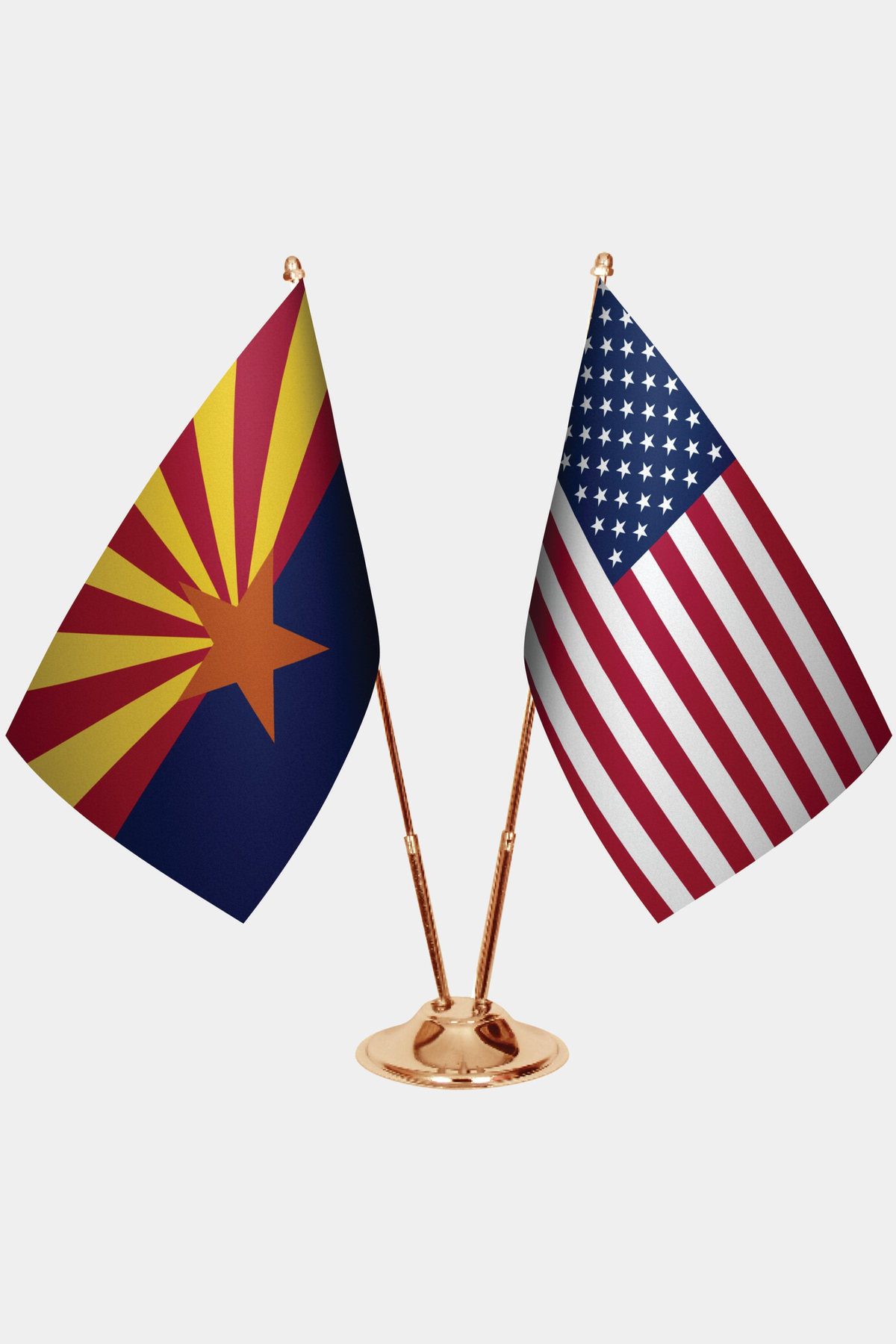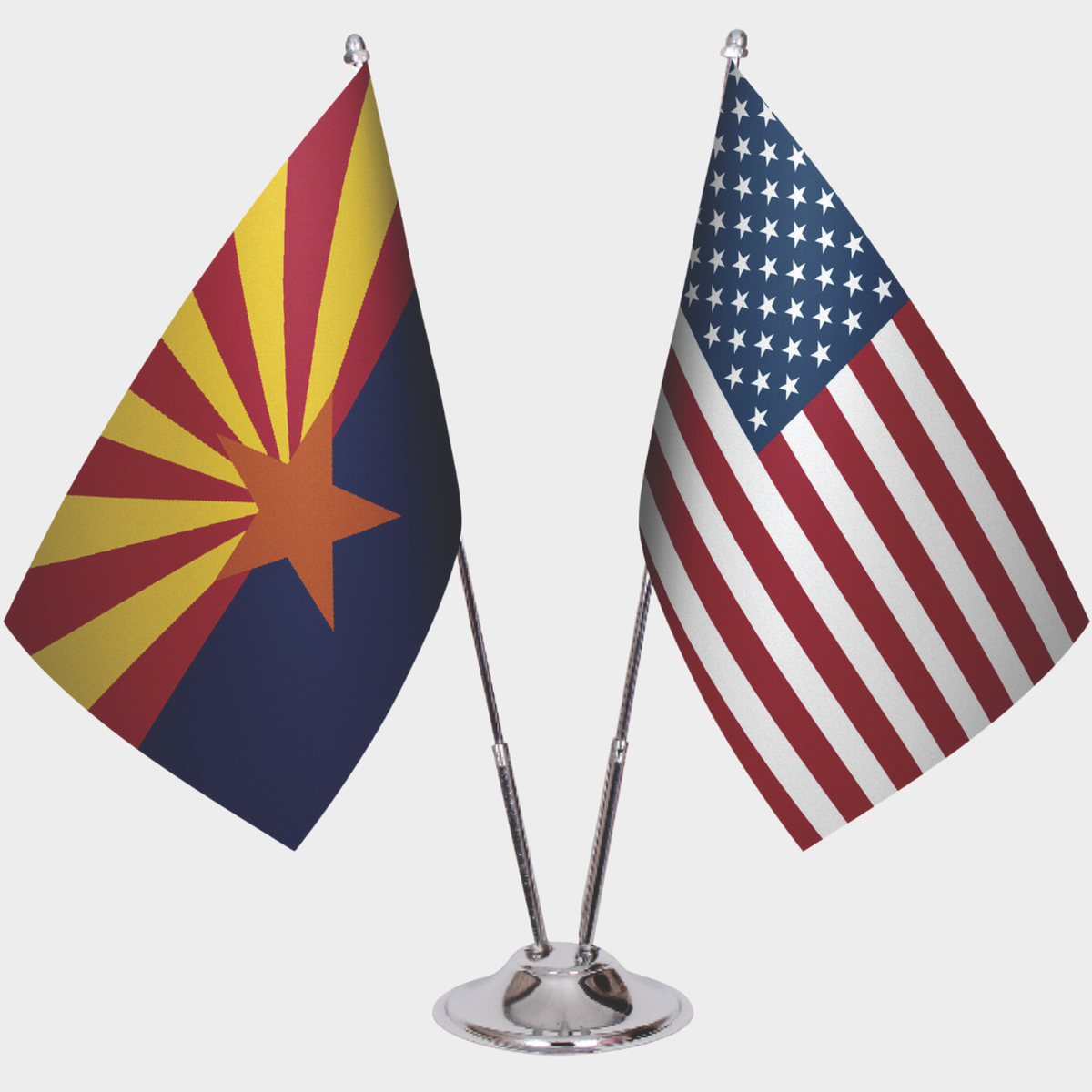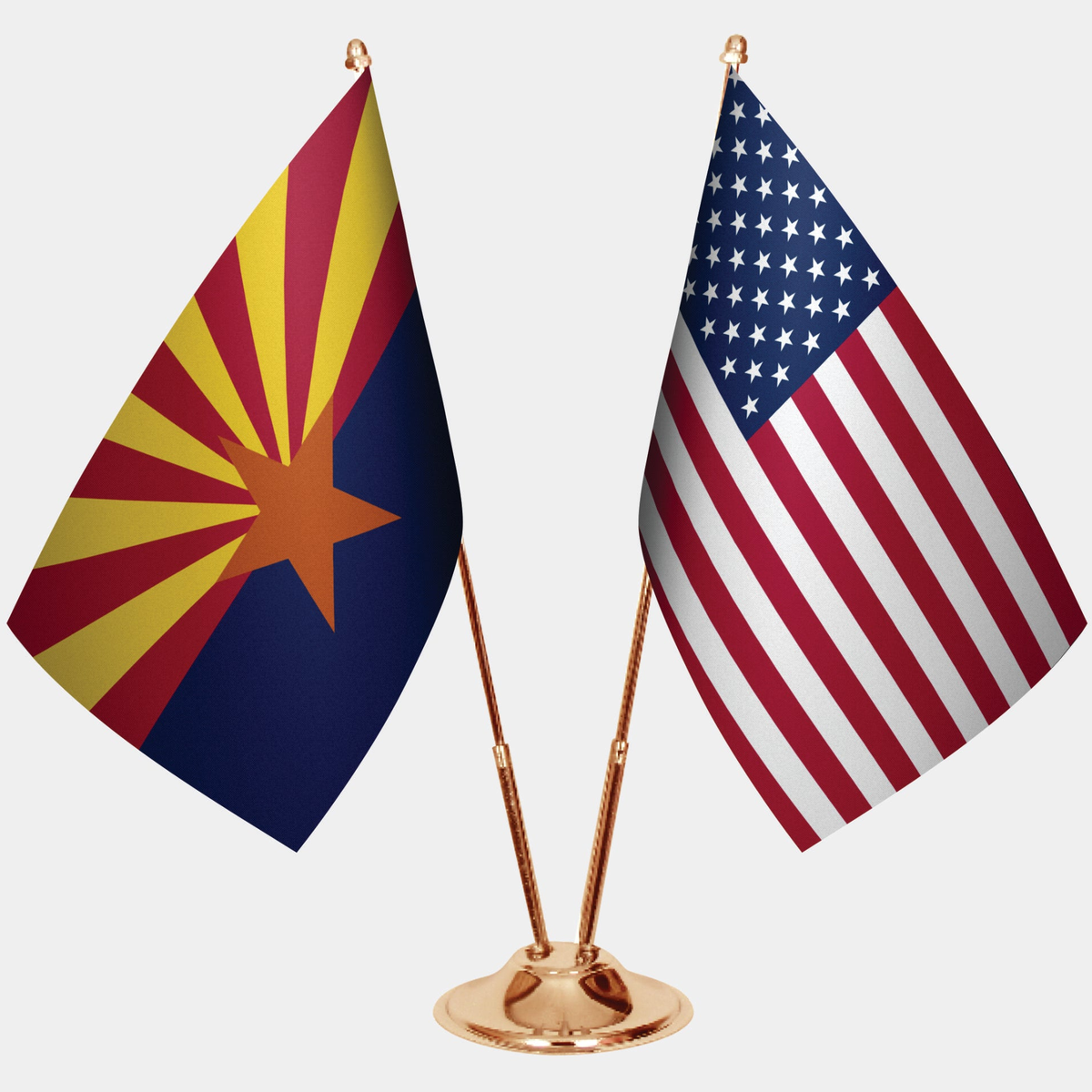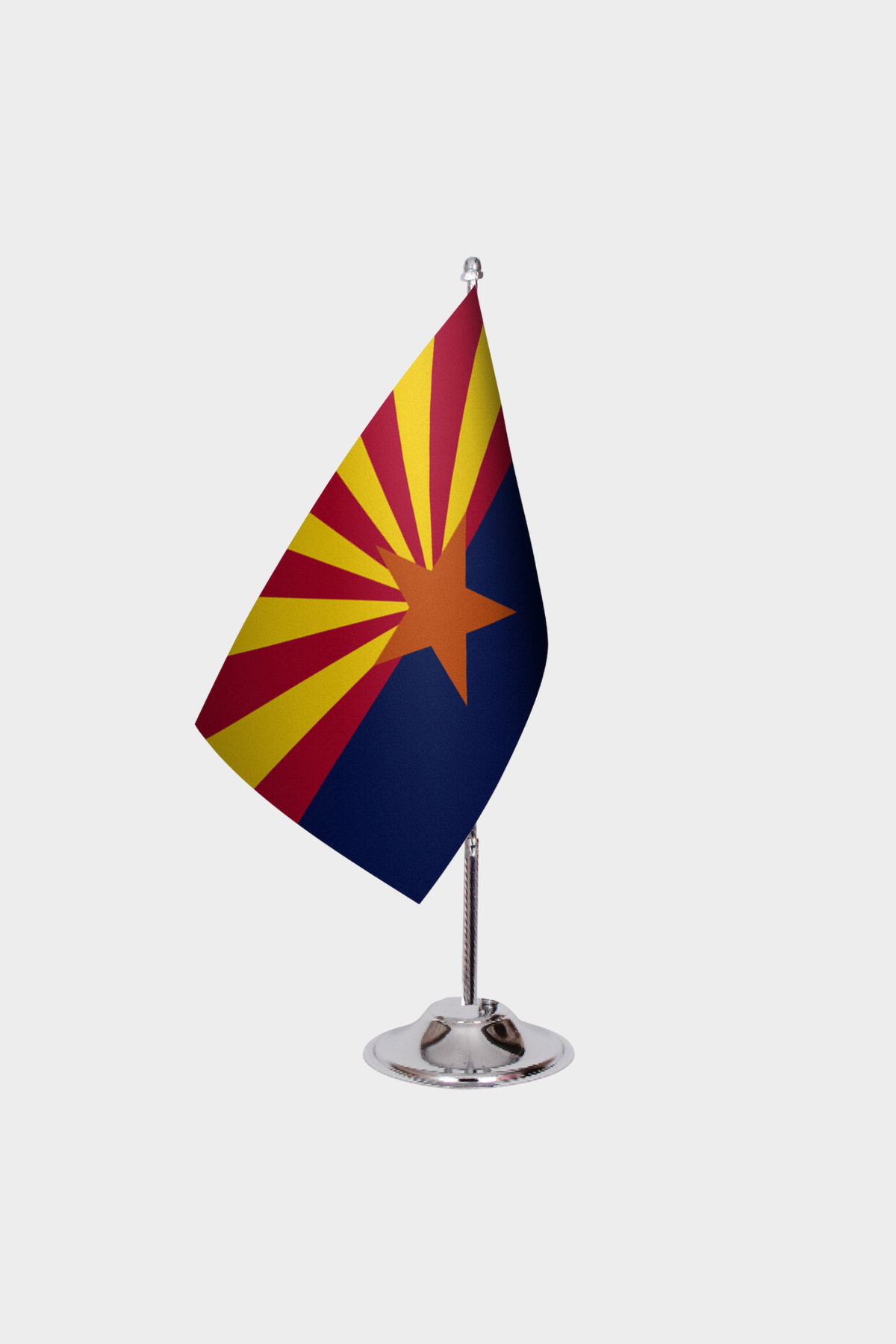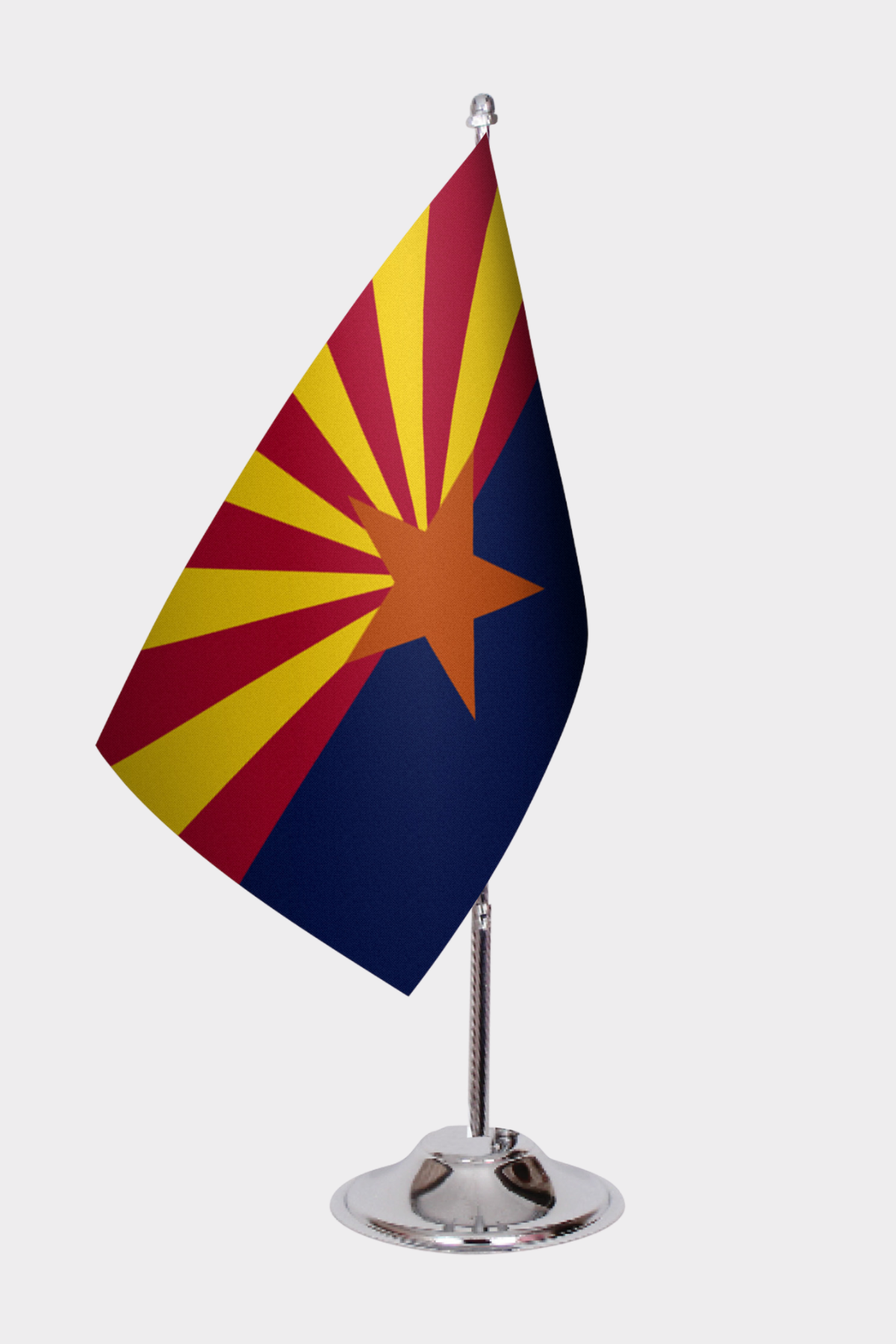




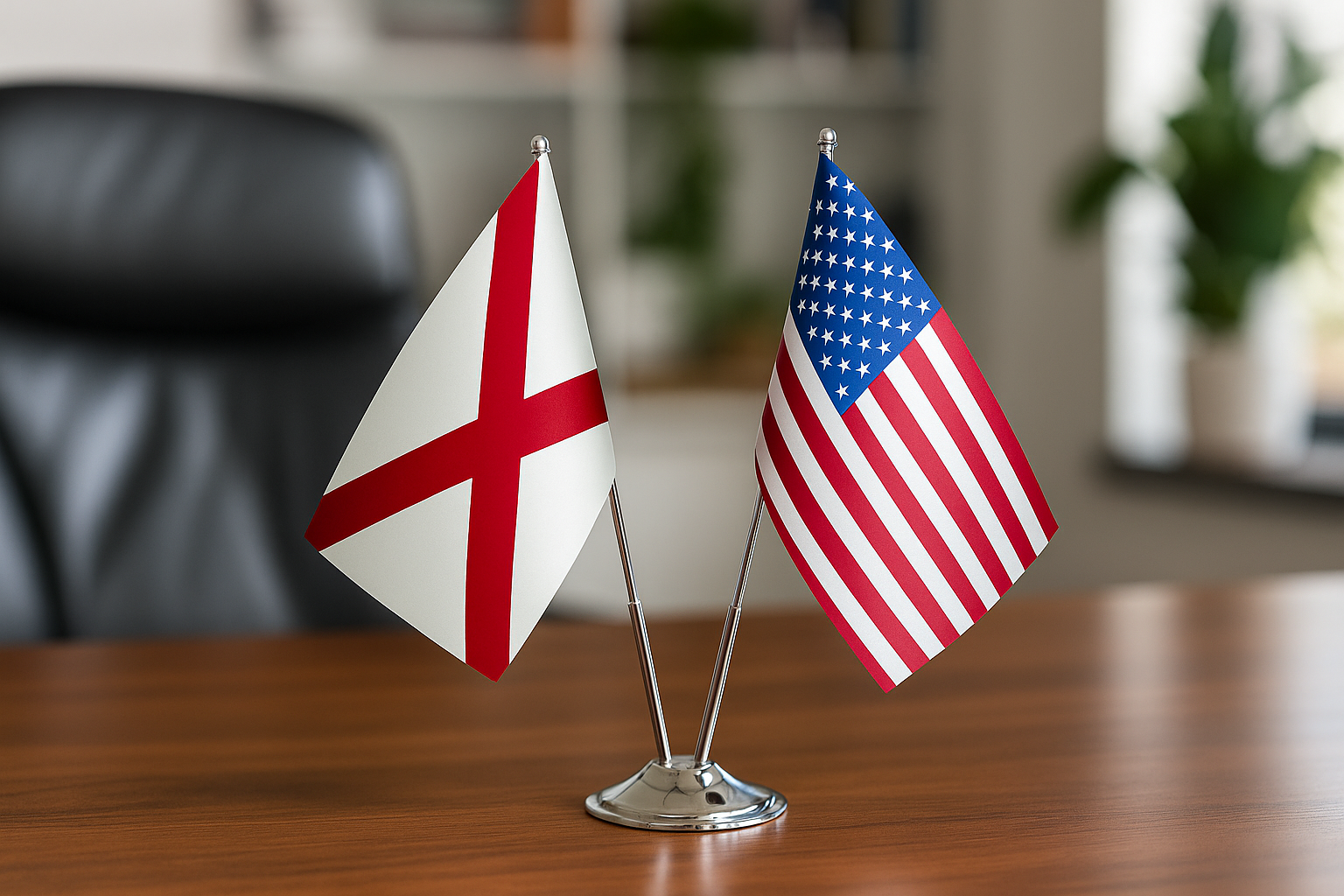




Indoor flag sets for city halls, public libraries, and nonprofit organizations should include a 3 ft × 5 ft (91 cm × 152 cm) or 4 ft × 6 ft (122 cm × 183 cm) American flag paired with the appropriate state flag, displayed on matching floor stands in a dedicated lobby or ceremonial space. Following correct indoor flag protocol for municipal offices is not just a matter of aesthetics — it reflects institutional respect, legal compliance, and community identity. Whether you are equipping a single council chamber or sourcing wholesale indoor flags USA-wide for a network of branch libraries, this guide covers sizing, positioning rules, hardware selection, and bulk ordering logistics from start to finish. Explore our full indoor flags collection to see compliant, display-ready options for every public-facing venue.
Why Indoor Flag Protocol Matters for Government and Civic Institutions
The U.S. Flag Code (4 USC §§ 1–10) establishes binding display standards that every government building — and, by strong convention, every civic nonprofit — should observe. Proper protocol signals institutional credibility and ensures that visitors, elected officials, and staff all receive a consistent, respectful visual cue. For city halls and public libraries especially, the flag display is often the first thing a constituent sees when entering the building, making it a visible statement of civic values.
Under 4 USC § 7(k), when the American flag is displayed indoors alongside other flags, it must occupy the position of honor — to its own right (the viewer's left as they face the display). When a state flag or organizational flag is placed to the American flag's left, the arrangement complies with both federal guidance and the National Flag Foundation's recommended practices. Nonprofits receiving federal or state funding are strongly encouraged to follow the same standards, particularly when hosting government partners or applying for public grants where compliance may be reviewed.
Failure to observe these conventions — mismatched stands, incorrect flag order, or undersized flags in oversized rooms — can undermine institutional credibility and even trigger corrective requirements during facility audits. Investing in a properly configured indoor American flag set for government buildings from the outset eliminates these risks entirely.
Choosing the Right Flag Size for Your Venue
The standard indoor flag size for most civic lobbies and council chambers is 4 ft × 6 ft (122 cm × 183 cm), displayed on a 9 ft (274 cm) pole; smaller meeting rooms or branch library reference areas typically use 3 ft × 5 ft (91 cm × 152 cm) flags on 8 ft (244 cm) poles. Matching the flag to the room is a critical step that many institutions overlook, leading to flags that either overwhelm a small reception desk or disappear in a large ceremonial hall.
As a practical guideline, the flag's fly (horizontal length) should not exceed one-quarter the height of the ceiling. In a standard 10 ft (305 cm) ceiling room, a 4 ft × 6 ft flag is appropriate; in rooms with 12 ft (366 cm) or higher ceilings — common in historic city hall buildings — a 5 ft × 8 ft (152 cm × 244 cm) flag on a 10.5 ft (320 cm) pole creates proper visual proportion. Public libraries with reading rooms that feature lower 8–9 ft (244–274 cm) ceilings benefit most from the 3 ft × 5 ft configuration, which maintains scale without crowding the space.
For indoor flag sets for city halls that include both the US flag and a state flag, always order matching sizes and matching hardware finishes — a gold eagle finial on the American flag pole should be mirrored by a matching finial (often a spear or ball, depending on state tradition) on the state flag pole. Our state and city indoor flags collection includes size-matched sets specifically designed for these paired display configurations.
Indoor Flag Stand and Hardware Selection for Lobbies
 Selecting the right indoor flag stand for lobby environments is just as important as the flag itself, because institutional settings demand hardware that conveys permanence, authority, and visual consistency. Cast-iron or heavy-gauge steel bases with chrome or gold finishes are the most widely used in government and civic settings, providing the weighted stability necessary to prevent tipping in high-traffic corridors. A base weight of at least 7 lbs (3.2 kg) is recommended for 4 ft × 6 ft flag assemblies in open lobby environments where foot traffic and HVAC airflow can create unexpected movement. For desk or counter-top ceremonial displays — common in mayors' offices, library director suites, and nonprofit boardrooms — a polished option like the luxury chrome gold desk flag stand provides a refined, professional presence. Hardware durability also affects total cost of ownership: chrome and brass-plated stands resist corrosion and maintain their finish for 5–10 years in interior conditions, far outlasting painted alternatives that chip and oxidize within 12–18 months of use. Matching your floor stands, desk stands, and finials across a facility creates a cohesive institutional aesthetic that reflects well on the organization as a whole.
For floor-standing pole assemblies, two-piece jointed poles in gold or silver anodized aluminum are the industry standard for government buildings. They are lightweight enough for staff to assemble and reposition without tools, yet rigid enough to hold a 4 ft × 6 ft nylon flag at a proper presentation angle. Browse our full bases and stands collection and poles and holders collection to find hardware that matches your existing décor and institutional requirements.
Indoor Flag Protocol for Public Libraries and Nonprofit Offices
Public libraries and nonprofits should display the American flag at the front of any meeting room, reading room, or lobby where public gatherings occur, following the same positioning rules that apply to government buildings. While the Flag Code does not legally compel private nonprofits, organizations with 501(c)(3) status that receive government grants, host civic events, or operate under public charters are expected to observe these conventions as a condition of community trust.
For a standard public library flag display, the recommended configuration is a two-flag set: the US flag on a floor stand to stage right (from the audience's perspective, on the left), and the state flag on a matching stand to the left of the podium or circulation desk. In states with strong flag traditions — such as Texas, California, and New York — the state flag carries specific display requirements governed by state codes (e.g., Texas Government Code § 3100.051), so libraries in those states should verify local rules before finalizing their display arrangement.
Nonprofits serving specific communities may also add a third stand for an organizational or mission flag, placed to the furthest left in the lineup. The FIAV (Fédération Internationale des Associations Vexillologiques) standards recommend that no organizational flag exceed the dimensions of the national flag in a multi-flag indoor display. For bulk indoor flags for nonprofits operating across multiple chapters or branch locations, standardizing the flag size and hardware specification in a single purchase order is the most efficient path to system-wide compliance.
Indoor Flags Collection
Complete indoor flag sets for city halls, libraries, nonprofits, and corporate lobbies — available in multiple sizes with matching hardware options.
Browse Collection →Fabric and Construction Standards for Long-Term Institutional Use
For indoor government and civic use, heavyweight nylon (200-denier or higher) and two-ply polyester are the two most reliable fabric choices, each offering 18 months to 3 years of service life under normal interior display conditions. Nylon's light weight makes it ideal for low-airflow indoor environments where the flag must drape attractively rather than fly; polyester's heavier weave is preferred in air-conditioned spaces where HVAC vents create consistent airflow that animates the flag naturally.
Color fidelity is critical for institutional flags because elected officials, inspectors, and visiting dignitaries will notice immediately if the flag's red, white, and blue have faded or shifted. Look for flags that carry a minimum 80% UV-resistance rating even for indoor use — fluorescent lighting degrades dye faster than most buyers expect, with noticeable fading occurring in as little as 6 months on unrated fabrics. Embroidered stars and stitched stripes (rather than printed) provide the highest visual quality and are considered the appropriate specification for ceremonial government display.
Header construction also matters: a brass grommet or canvas heading with pole sleeve both work for indoor display, but the canvas pole sleeve is generally preferred for ceremonial sets because it creates a cleaner, more finished look with gold fringe. Gold fringe itself, while not required by the Flag Code, is the universally accepted convention for indoor ceremonial flags in U.S. government and institutional settings and signals a formal, deliberate display rather than a utilitarian one.
Bulk Ordering for Municipal Networks and Nonprofit Chapters
Bulk ordering of wholesale indoor flags USA-wide is the most cost-effective approach for any organization managing multiple locations, such as a county library system, a city with several community centers, or a nonprofit with regional chapter offices. Orders of 10 or more flag sets typically unlock volume pricing of 15–30% below single-unit retail, and standardized purchase orders ensure visual consistency across all facilities.
When preparing a bulk order specification for an institution, include the following details in your RFQ (Request for Quote): flag size, fabric type, heading style (grommet or sleeve), fringe requirement (yes/no), pole length, pole finish (gold or silver), base style, base weight, and finial type. Providing a complete spec sheet eliminates back-and-forth revisions and speeds up the fulfillment timeline significantly — most standard indoor flag set orders in quantities of 10–50 units can be fulfilled within 7–14 business days when specifications are complete at the time of order.
For city procurement offices operating under competitive bidding requirements, it is worth noting that custom purchase orders with itemized SKUs, unit pricing, and compliance certificates (country of origin, material composition) are available upon request. Nonprofits with grant-funded procurement cycles can request pro forma invoices in advance of funding approval. Organizations ordering indoor flag sets for city halls across multiple departments may also benefit from a phased delivery schedule, receiving flags in batches aligned with facilities' renovation or opening timelines rather than all at once.
Maintenance, Storage, and Replacement Scheduling
Indoor flags in government and public-facing environments should be inspected quarterly and replaced when fringe becomes frayed, colors fade noticeably, or fabric develops tears or runs — typically every 12 to 24 months depending on use intensity. A proactive replacement schedule is far more cost-effective than reactive purchasing, which often results in mismatched replacement flags that disrupt the visual consistency of a multi-flag display.
When retiring an American flag, 4 USC § 8(k) specifies that a flag no longer fit for display should be "destroyed in a dignified way, preferably by burning." The American Legion and Veterans of Foreign Wars (VFW) organizations in most cities hold periodic flag retirement ceremonies and will accept retired flags from government institutions. Public libraries and nonprofits are encouraged to partner with these organizations as part of their civic engagement programming, turning a routine maintenance task into a meaningful community moment.
For storage between seasonal or event-based uses, indoor flags should be loosely rolled (never folded over a sharp crease) and stored in acid-free fabric bags away from direct sunlight and moisture. Pole sections should be stored horizontally to prevent warping, and bases should be wiped down with a dry cloth before storage to prevent tarnish on chrome and brass finishes. Keeping a simple inventory log — flag size, purchase date, location assigned, and last inspection date — allows facilities managers to plan replacement budgets accurately and avoid emergency procurement scenarios.
Frequently Asked Questions
What is the correct positioning of the American flag in an indoor government building display? +
What size indoor flag set is recommended for a city hall lobby or council chamber? +
Are nonprofit organizations legally required to follow the U.S. Flag Code? +
How often should indoor flags in government buildings be replaced? +
What is the minimum order quantity for bulk indoor flag sets for nonprofits or municipal networks? +
Should indoor ceremonial flags have gold fringe? +
What type of base or stand is best for a public library or city hall lobby display? +
Can I order an indoor US flag and state flag set together, already matched in size and hardware finish? +
Equipping your city hall, public library, or nonprofit headquarters with a properly specified indoor flag set is one of the most visible investments you can make in institutional credibility and civic identity. Whether you need a single ceremonial assembly for a mayor's office or a standardized bulk order for an entire county library system, Asya Bayrak has the products, specifications, and wholesale pricing to meet your procurement requirements. Start with our indoor flags collection for a full overview of American and state flag options, visit our state and city indoor flags collection for size-matched paired sets, or browse our bases and stands collection for the hardware that completes every professional display. Bulk pricing is available for corporate and municipal orders — contact our team with your facility specifications and we will prepare a custom quote with itemized pricing, delivery timeline, and compliance documentation for your procurement office.