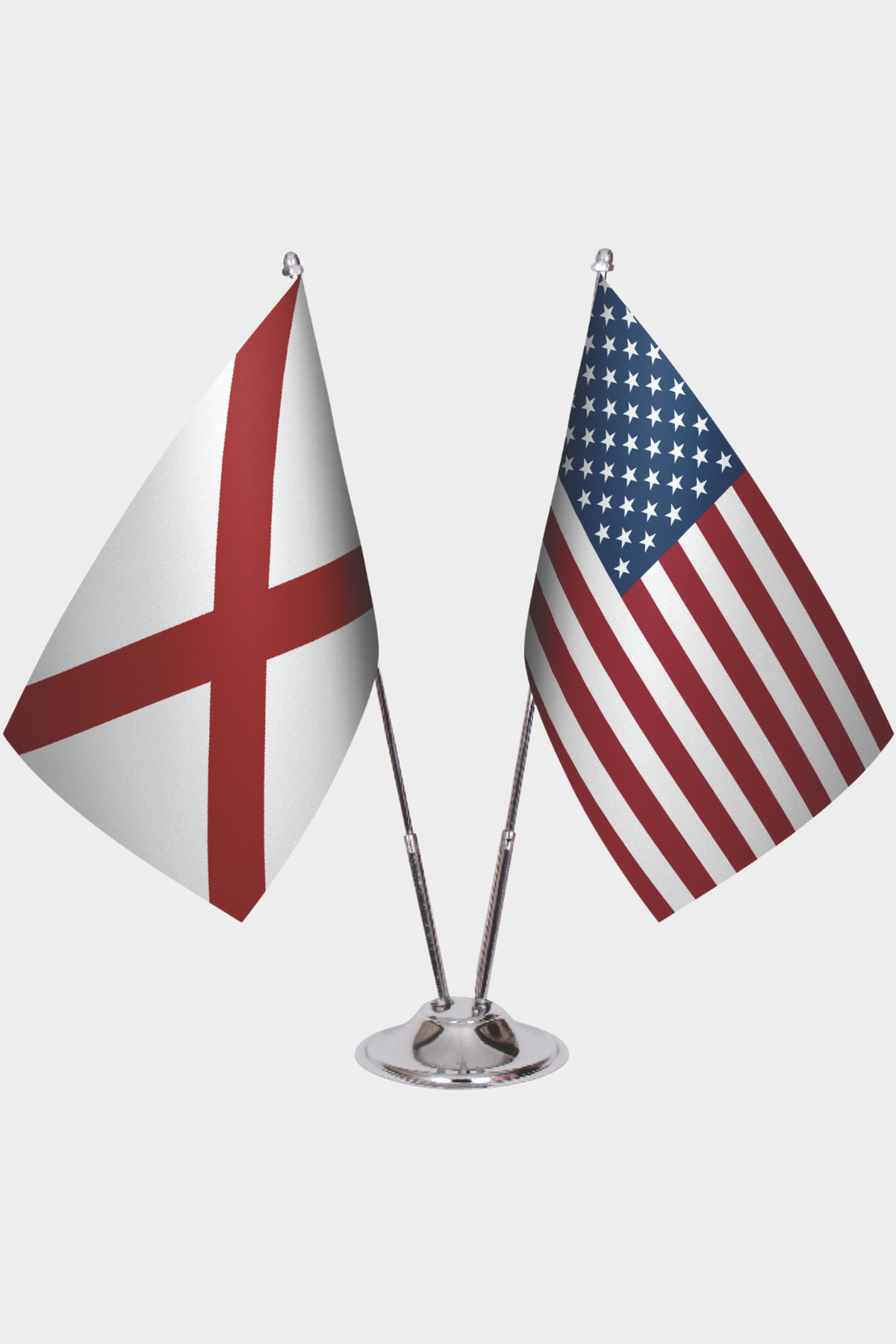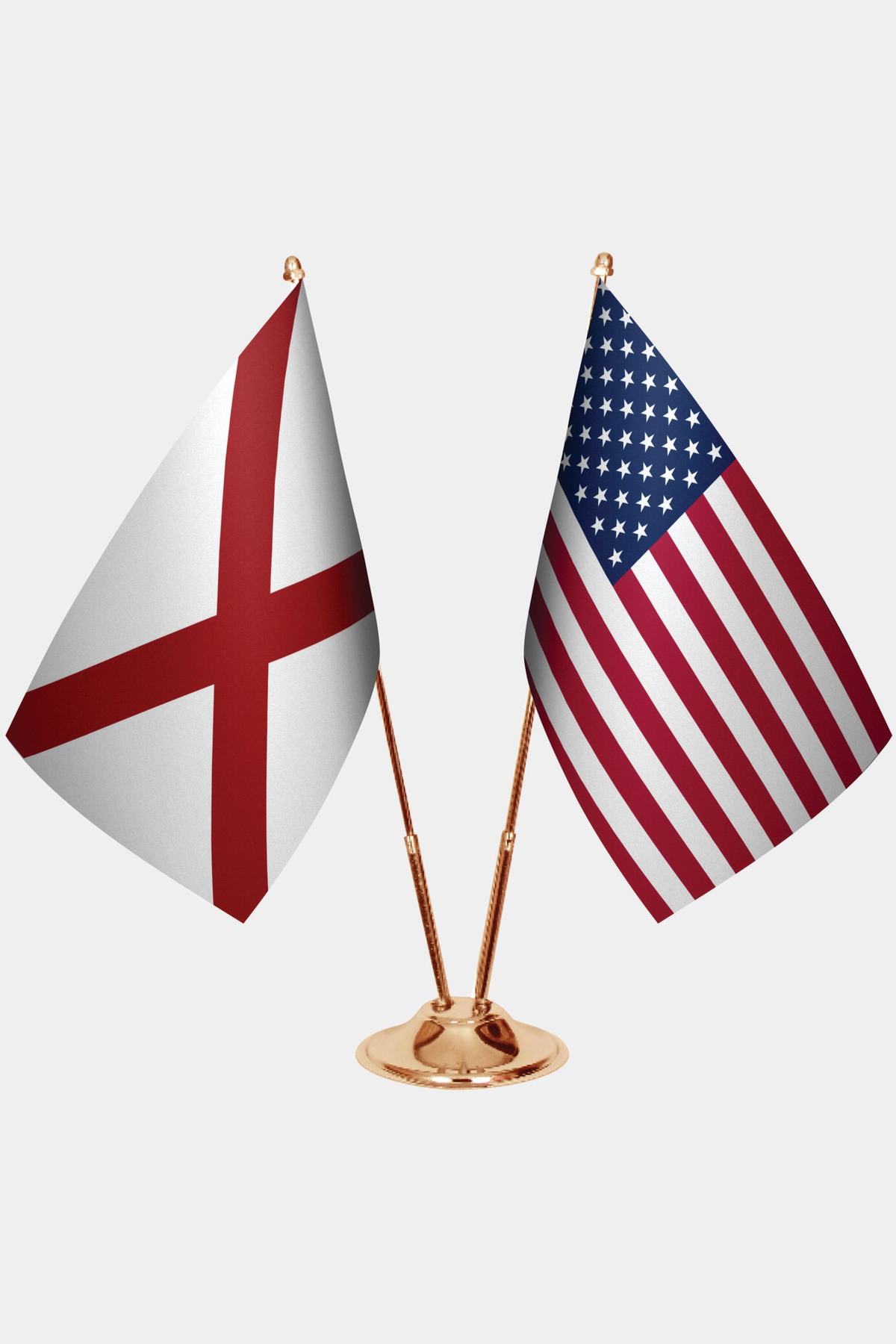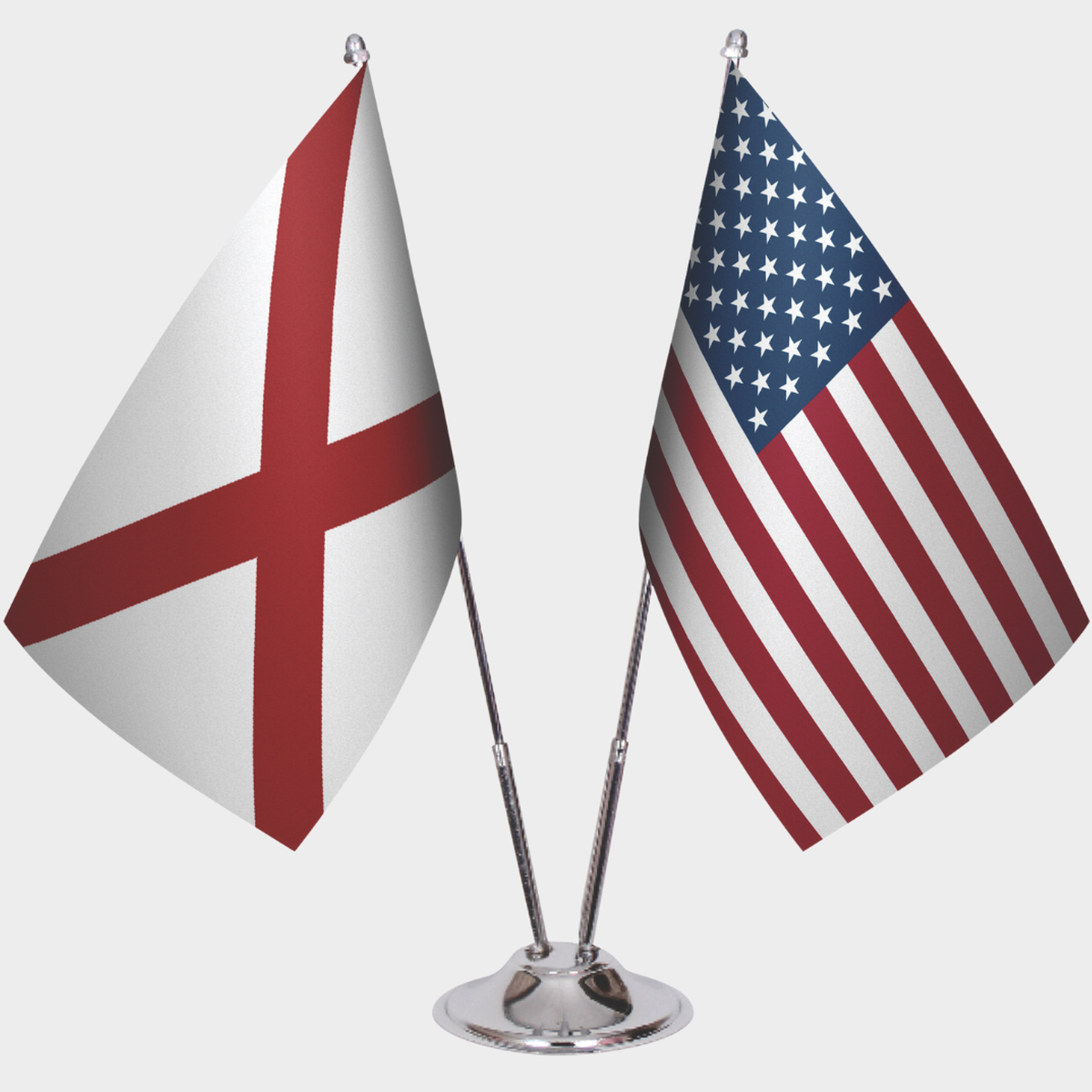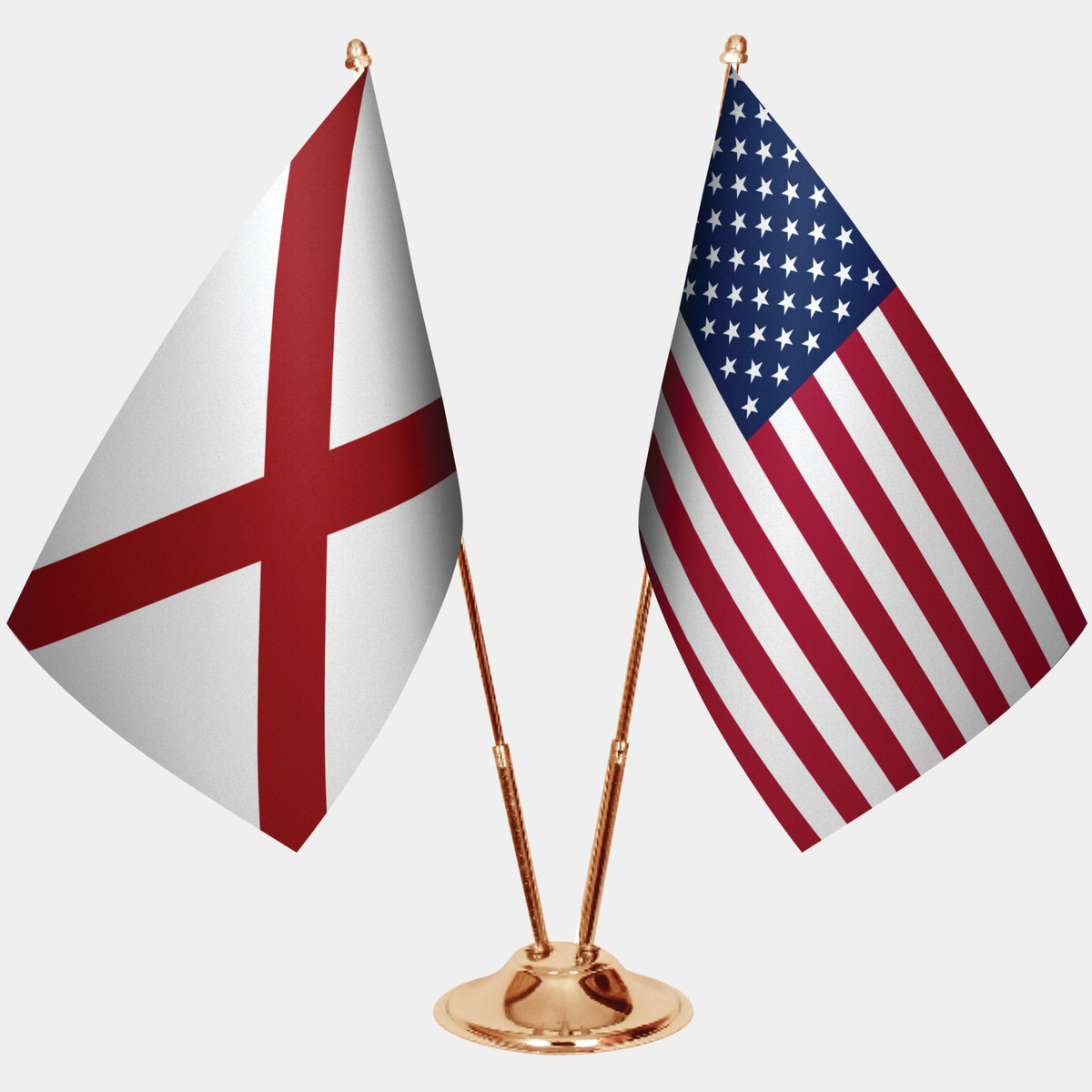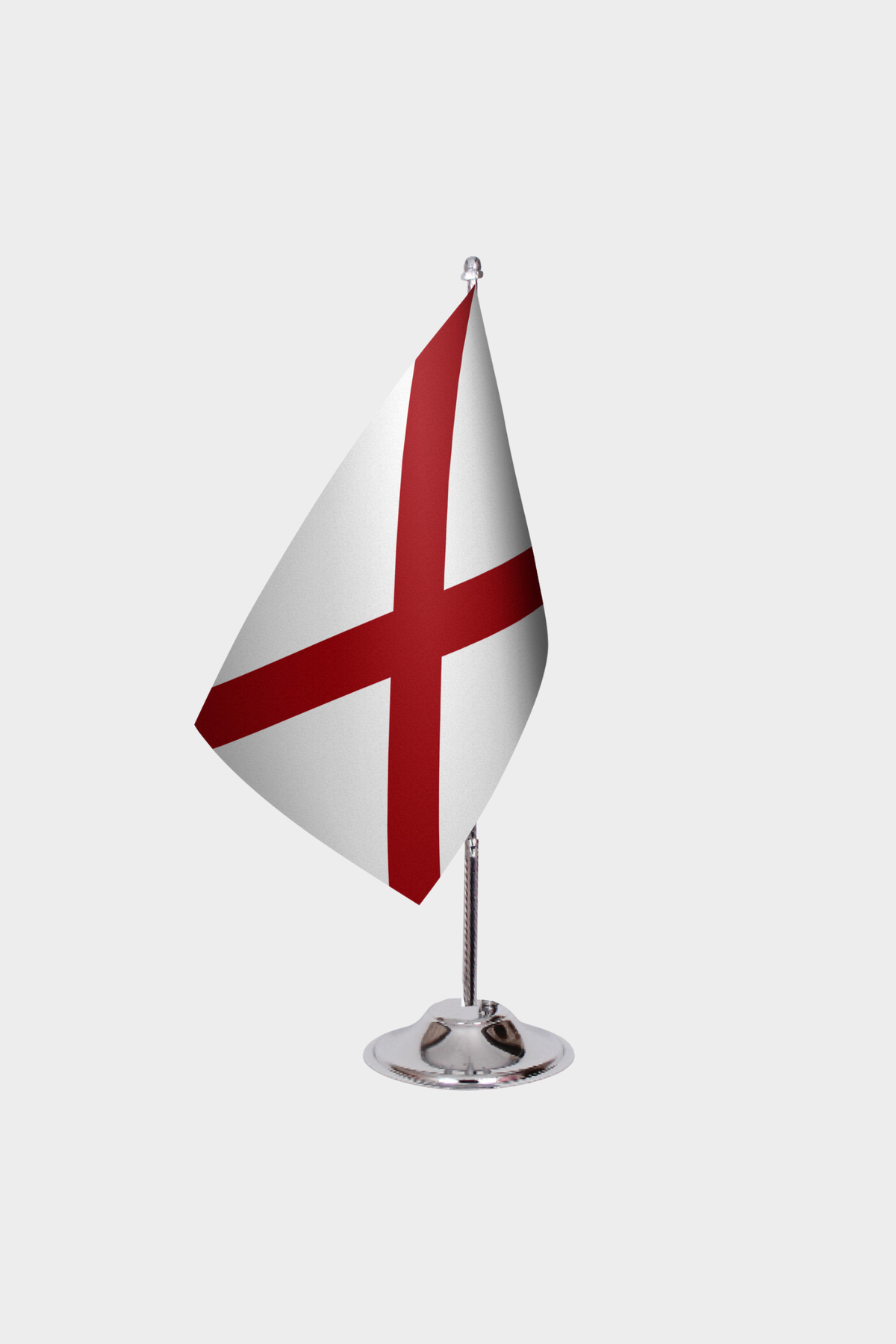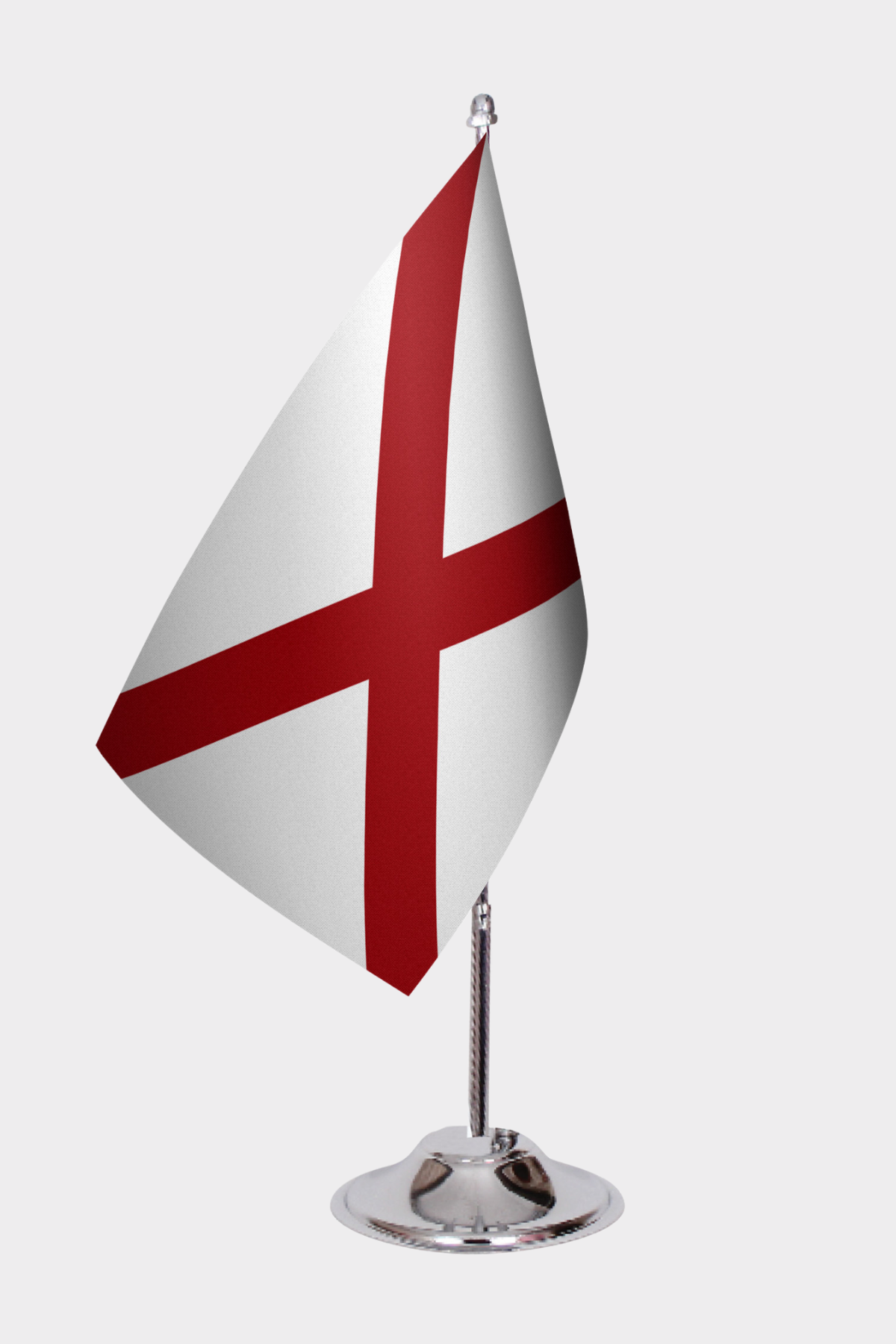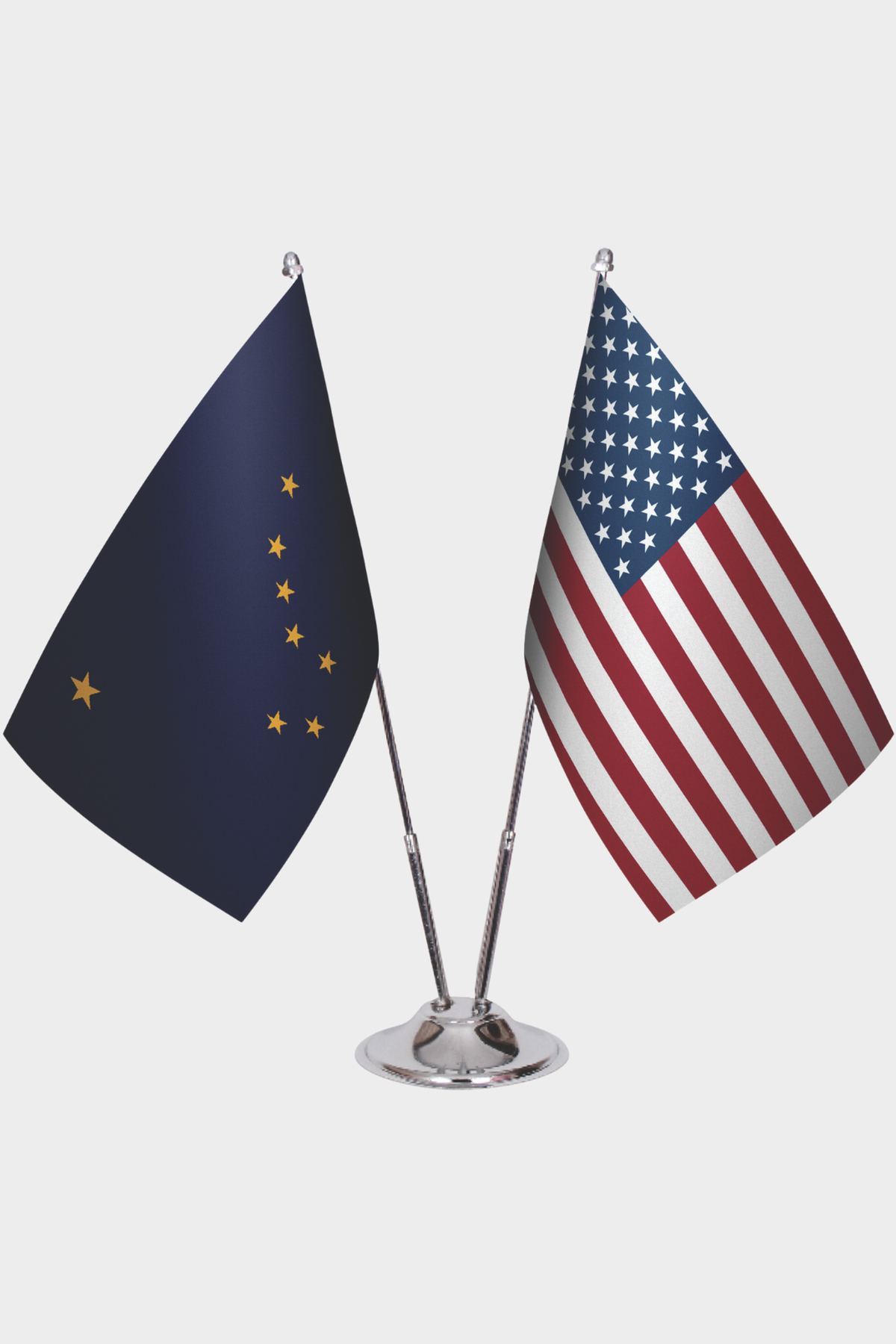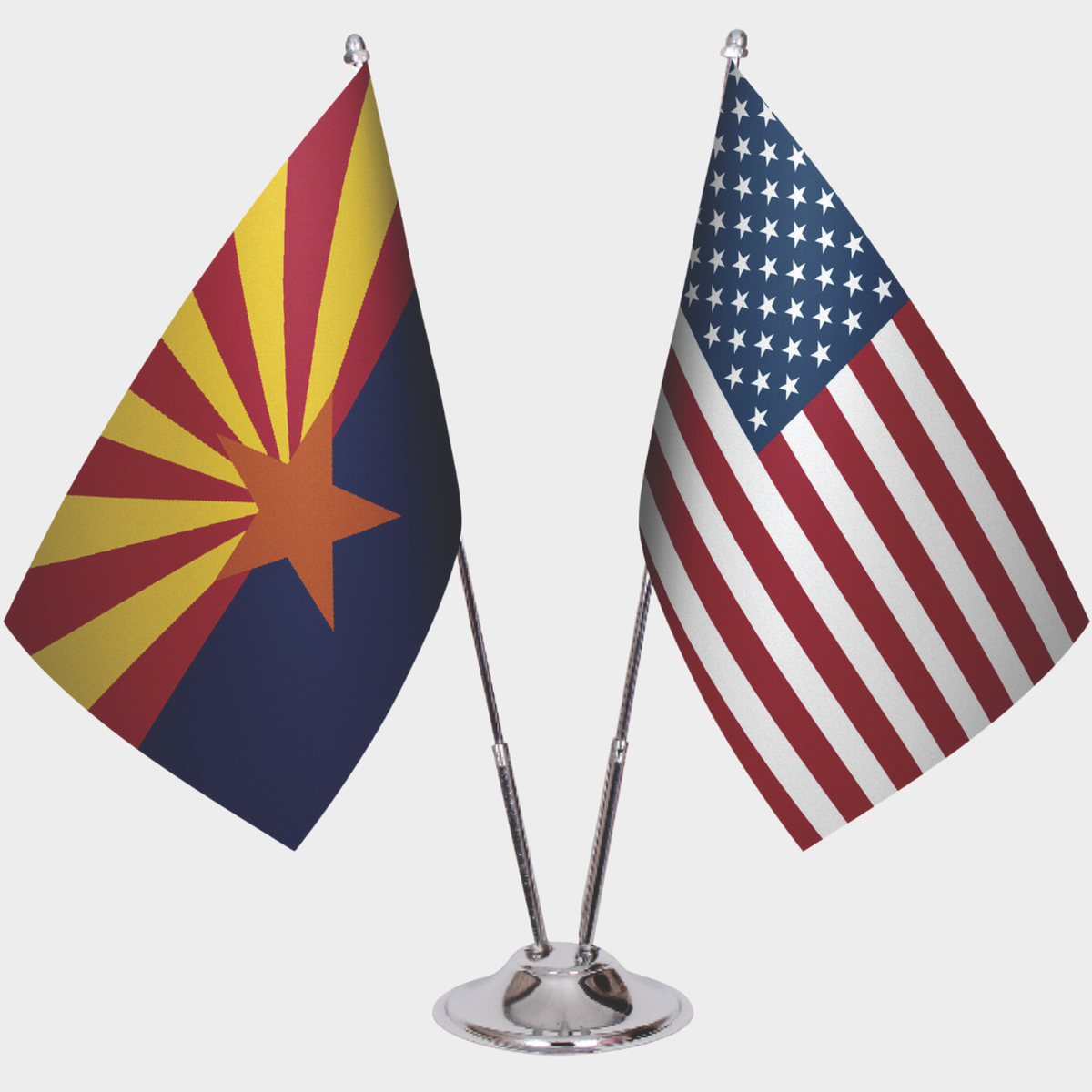
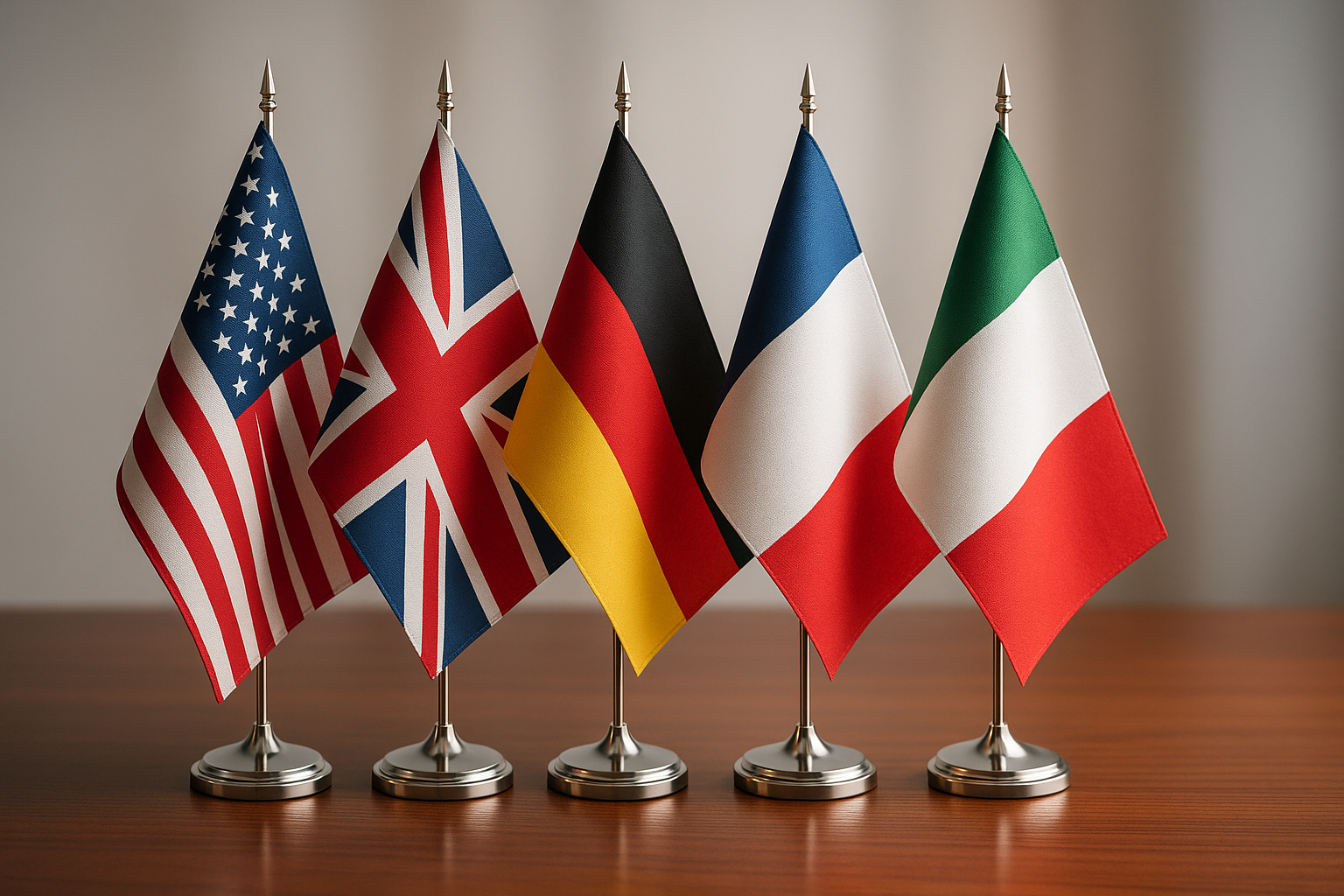
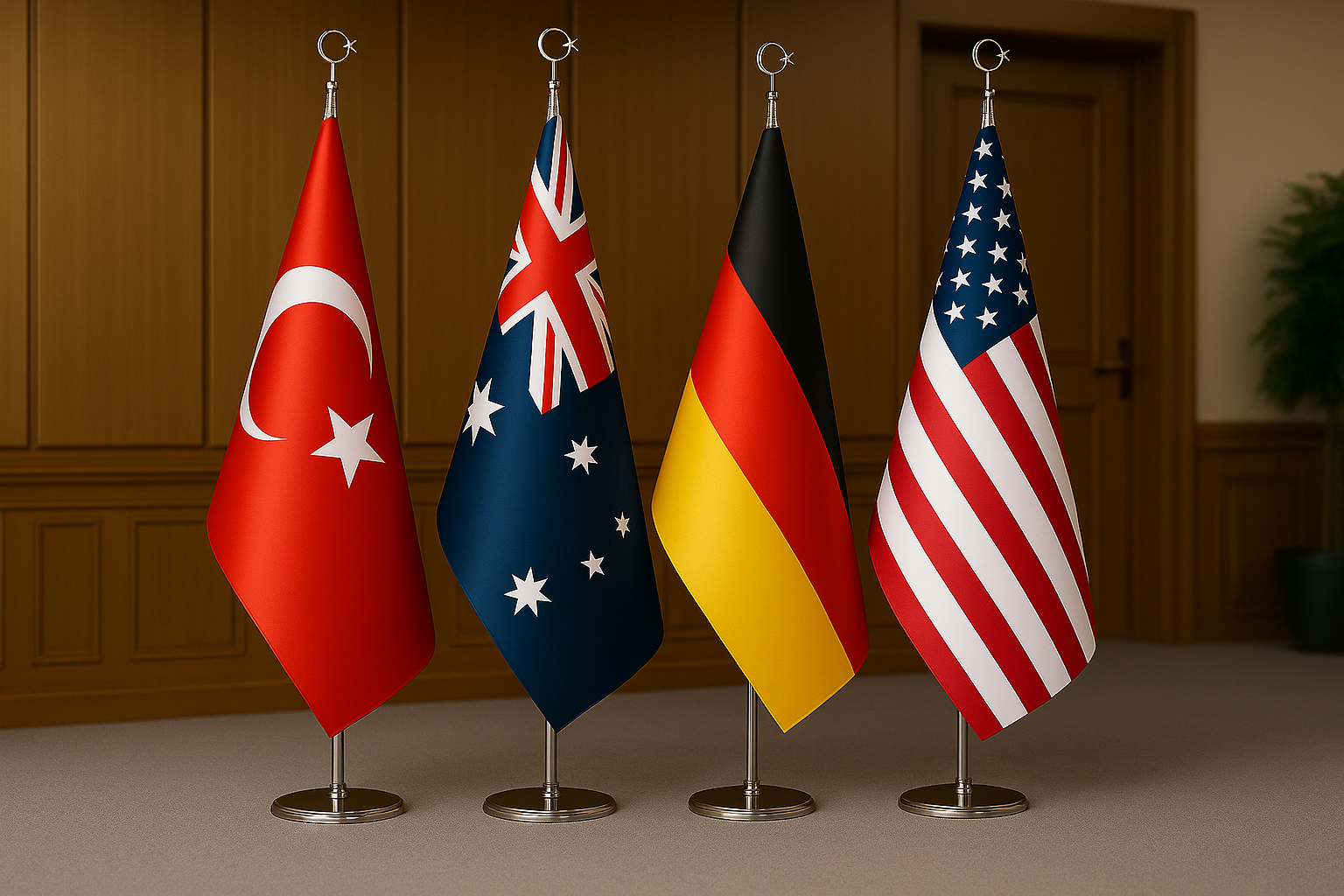

When it comes to choosing the best outdoor flag material, the answer depends on your environment: nylon flags perform better in light-wind, high-UV coastal or inland climates, while polyester flags are the go-to choice for high-wind, heavy-weather regions. Both materials are widely used for commercial, government, and residential flagging applications, but understanding the differences in weave, weight, colorfastness, and durability will help you make the right investment. If you're shopping for a flag that will fly proudly month after month, exploring the full flags collection at Asya Bayrak is a great starting point.
Understanding the Core Differences in Flag Fabric Composition
Nylon and polyester are both synthetic polymers, but their molecular structure and fiber construction give each material a distinct performance profile for outdoor use. Nylon (polyamide) fibers are lighter, more elastic, and absorb slightly more moisture than polyester — which means they fly beautifully in light breezes of 5–15 mph (8–24 km/h) but can hold dampness against the pole in wetter climates. Polyester (PET) fibers, on the other hand, are denser, heavier, and inherently more resistant to moisture absorption, making them dimensionally stable even when soaked. From a flag fabric comparison standpoint, polyester woven flags typically weigh between 2.5 and 5 oz per square yard (85–170 g/m²), while standard nylon flag fabric falls in the 1.9–2.5 oz per square yard (64–85 g/m²) range — a meaningful difference when wind loads and pole stress are factored in. Both materials are available in woven and knitted constructions, with woven fabrics offering greater tear resistance and knitted fabrics allowing better color penetration for vibrant dye-sublimated prints. FIAV (Fédération Internationale des Associations Vexillologiques) standards for national flags favor heavy woven fabrics for ceremonial purposes, but for general outdoor commercial use, both materials meet accepted quality benchmarks when properly manufactured.
Weather Resistance and UV Performance: Which Material Wins?
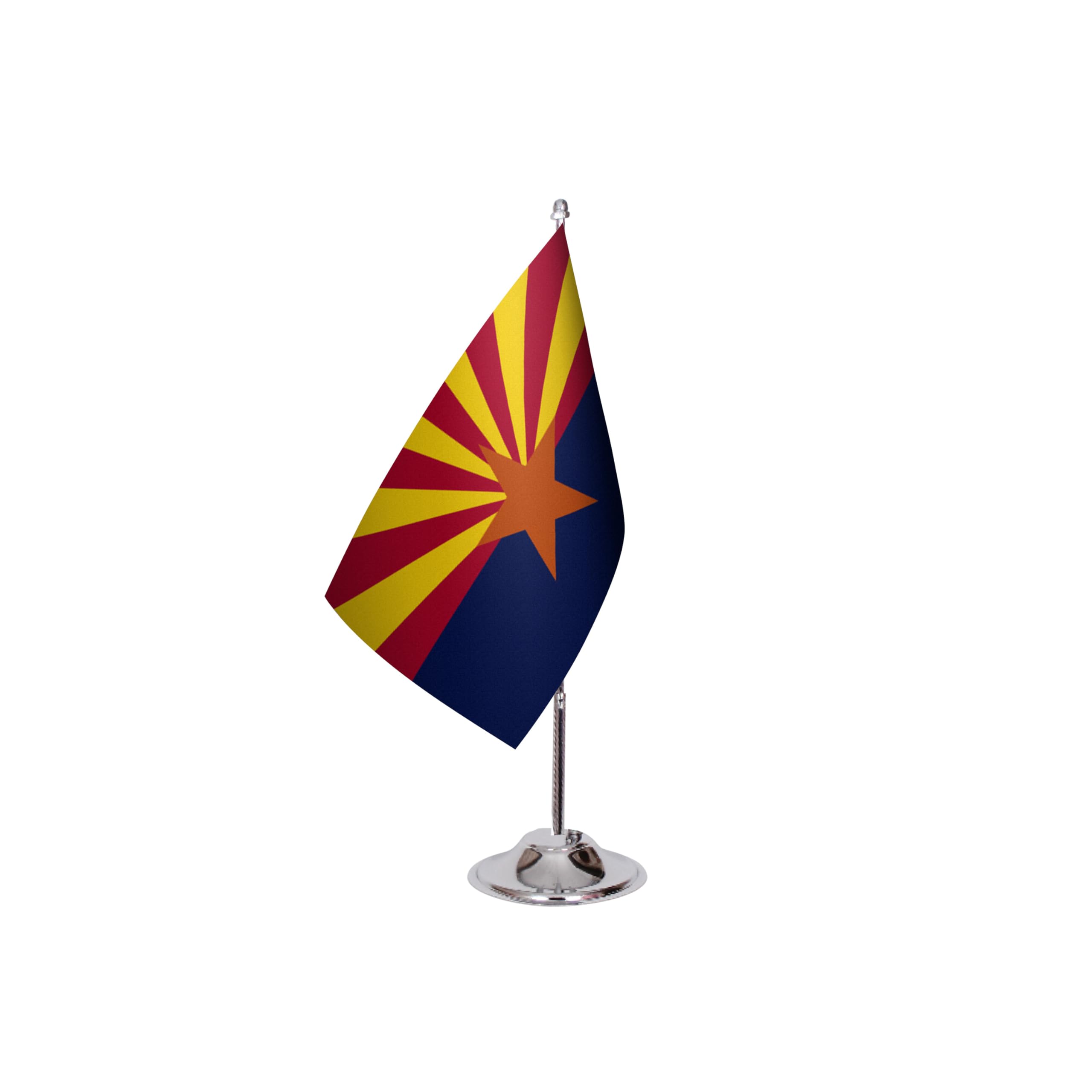
Polyester edges out nylon in raw UV and weather resistance, with quality outdoor polyester flags rated at 80–90% UV resistance compared to nylon's 65–75% UV resistance before fading becomes visible. This matters enormously for flags flying in the Sun Belt states — Arizona, Florida, Texas, and California — where flags can receive 2,000+ hours of direct sunlight per year. Nylon is more prone to UV degradation over time because its amide bonds are more susceptible to photochemical breakdown than polyester's ester linkages. However, modern nylon flags treated with UV-inhibiting finishes can extend their effective outdoor lifespan considerably, narrowing the gap. In rainy, humid climates like the Pacific Northwest or Gulf Coast, polyester's near-zero moisture absorption (0.4% vs. nylon's 4–8%) means a polyester flag will dry faster after storms, reducing the mildew, fading, and fiber degradation that comes with prolonged dampness. For flags flying 24/7 in accordance with the US Flag Code (4 USC § 6(a), which permits continuous display only with proper illumination), the increased weather resistance of polyester translates directly to lower replacement frequency.
Wind Strength and Durability in High-Exposure Locations
 For locations exposed to sustained winds above 20 mph (32 km/h) — think rooftop poles, coastal properties, open plains, or mountain installations — a polyester flag is the clear winner for longevity. Polyester's heavier weight and tighter weave resist tearing along the fly end, which is the first place any flag fails under stress. Heavy-duty polyester flags rated for high-wind conditions typically feature reinforced canvas headers, double-stitched fly ends, and brass grommets sized at a minimum of 3/8 in (9.5 mm) to accommodate standard snap hooks without tearing. Nylon flags, while extremely popular and beautiful in flight, are more susceptible to fraying and "fly-end failure" in persistent strong winds because the lighter, more elastic fabric flexes more aggressively with each gust cycle. A well-constructed USA outdoor flag from Asya Bayrak incorporates exactly these reinforced construction details, giving you extended service life whether you choose nylon or polyester. As a practical benchmark: in moderate wind environments (10–20 mph / 16–32 km/h average), a quality nylon flag typically lasts 6–12 months of continuous outdoor display, while a comparable polyester flag in the same conditions lasts 12–24 months before replacement is needed.
It is also worth noting that flag size plays a role in how material choice interacts with wind load. A standard 3 ft × 5 ft (0.9 m × 1.5 m) residential flag exerts very different stress on its heading than a 5 ft × 8 ft (1.5 m × 2.4 m) commercial flag or a 10 ft × 15 ft (3 m × 4.6 m) government installation flag. As flag area increases, the wind load increases exponentially — which is why large commercial and government flags are almost universally made from heavy-duty polyester or heavyweight nylon with densities above 200 threads per inch. For residential use with a 20 ft (6 m) aluminum pole in average US Midwest winds, either material performs acceptably, but polyester remains the safer long-term investment.
Color Vibrancy, Print Quality, and Appearance Over Time
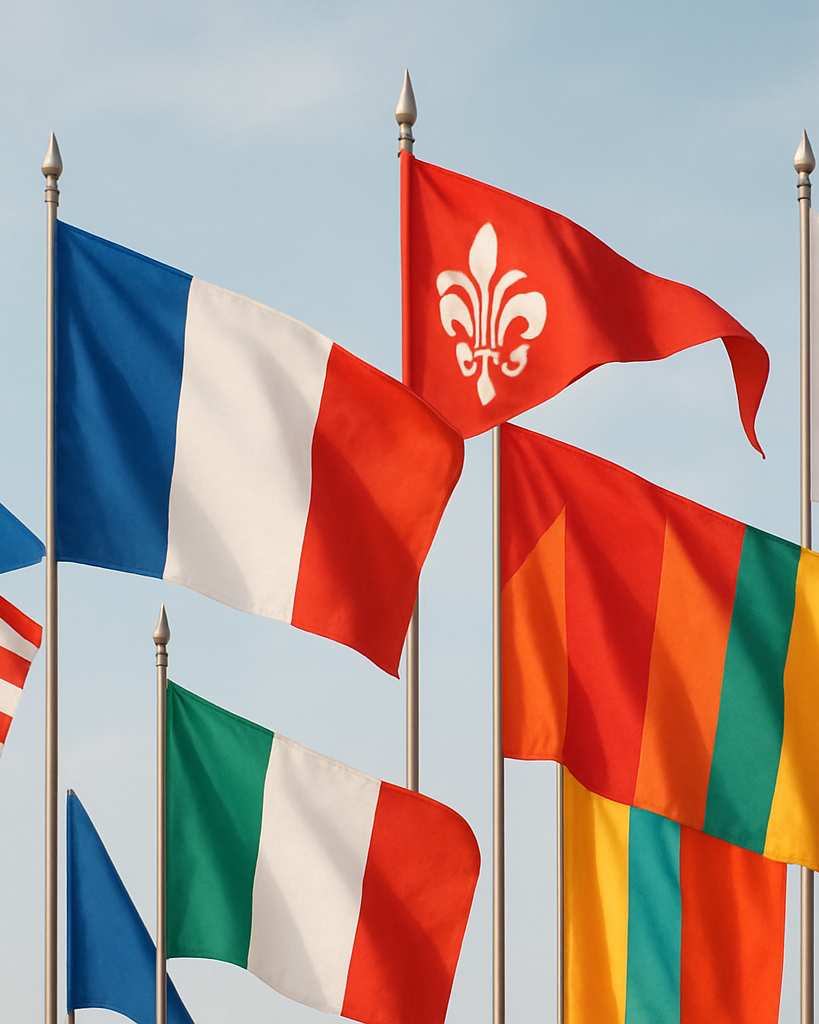
Nylon holds a genuine edge in color vibrancy and visual appeal, particularly for flags viewed at close range or in commercial display settings. Because nylon fibers are slightly more absorbent, dyes penetrate deeper into the fiber structure during manufacturing, resulting in richer, more saturated colors that pop even in low-light conditions. This is why nylon remains the preferred flag fabric for ceremonial, parade, and indoor display uses where appearance is paramount. Polyester, being less absorbent, historically required screen printing or heat-transfer methods that sat more on the fiber surface — making early polyester flags more prone to color cracking or peeling after extended outdoor exposure. Modern dye-sublimation technology has largely closed this gap: today's dye-sublimated polyester flags deliver color densities that rival nylon, with the added advantage that the dye is thermally bonded into the polyester matrix rather than sitting on top. Both materials meet the Pantone color matching requirements used for official national flags, including the specific red (PMS 193 C) and blue (PMS 281 C) specified for US flag production under federal procurement guidelines. For custom corporate or organizational flags where brand color accuracy matters, request a pre-production color proof regardless of material choice.
Cost Comparison and Long-Term Value
Nylon flags are generally 10–25% less expensive to manufacture than equivalent polyester flags, making them attractive for budget-conscious buyers, short-term seasonal displays, or high-volume event use. However, when you calculate total cost of ownership over a 3–5 year period, polyester often proves more economical for permanent outdoor installations because its longer service life — averaging 18–24 months vs. nylon's 9–12 months in comparable conditions — means fewer replacement purchases. For a business flying a 3 ft × 5 ft flag on a storefront pole 365 days a year, replacing a nylon flag twice yearly at $25 each costs $250 over five years, while a polyester flag replaced annually at $30 each costs only $150 over the same period — a 40% saving. Government and municipal buyers operating under General Services Administration (GSA) procurement schedules typically specify polyester for this exact reason. That said, nylon remains entirely appropriate and cost-effective for seasonal residential use (spring through fall), indoor display, parade flags, and any application where the flag is stored during extreme weather periods.
Outdoor Flags Collection
Browse Asya Bayrak's full range of outdoor flags in both polyester and nylon — available in standard and custom sizes for residential, commercial, and government use.
Browse Collection →Care, Maintenance, and Storage Best Practices
Proper maintenance dramatically extends the life of both polyester and nylon flags, sometimes doubling their effective outdoor service life. Both materials can be machine washed in cold water on a gentle cycle without bleach — bleach degrades the polymer chains in both nylon and polyester and will accelerate fading and fiber breakdown. For nylon flags, air-dry flat or hang to drip-dry rather than using a clothes dryer, since high heat can distort nylon's dimensional stability; polyester is slightly more heat-tolerant but still benefits from low-heat or air-drying. Inspect your flag monthly for fraying at the fly end and heading seams — catching a small fray early and having it re-stitched can add 3–6 additional months of service life. Under the US Flag Code (4 USC § 8(k)), a flag that is so worn as to be "no longer a fitting emblem for display" should be retired respectfully, typically through a ceremonial burning — the American Legion and VFW chapters nationwide offer flag retirement ceremonies. For storage, both materials should be loosely folded (not tightly compressed) and stored in a cool, dry place away from direct light to prevent set-in creases and UV degradation even during storage.
Making the Right Choice for Your Specific Application
The best outdoor flag material ultimately comes down to three factors: your local wind environment, your display schedule, and your budget horizon. Choose a nylon flag if you are in a low-to-moderate wind zone (under 20 mph / 32 km/h average), value vibrant colors and a lively flag movement in light breezes, operate on a tighter per-unit budget, or plan to take the flag down during severe weather. Choose a polyester flag if you are in a high-wind or coastal zone, display your flag continuously day and night, prioritize maximum lifespan and UV resistance, or are purchasing in bulk for commercial or government installations. For many buyers — particularly businesses and municipalities — a hybrid approach works well: nylon flags for spring and summer display when conditions are milder, rotated with heavier polyester flags through fall and winter storm season. Regardless of material, always look for double-stitched fly ends, reinforced canvas headers at least 1.5 in (38 mm) wide, and solid brass or stainless steel grommets as indicators of quality construction that will outlast cheaper alternatives.
Whether you need a single residential flag or hundreds of flags for a corporate campus, Asya Bayrak manufactures both polyester and nylon flags to exacting standards with bulk pricing available for corporate and government orders. Explore the complete flags collection to compare options, or go directly to the USA Outdoor Flag product page for specifications, size charts, and material options. Bulk pricing is available for corporate orders of 12 units or more — contact the Asya Bayrak team for a custom quote tailored to your installation requirements.