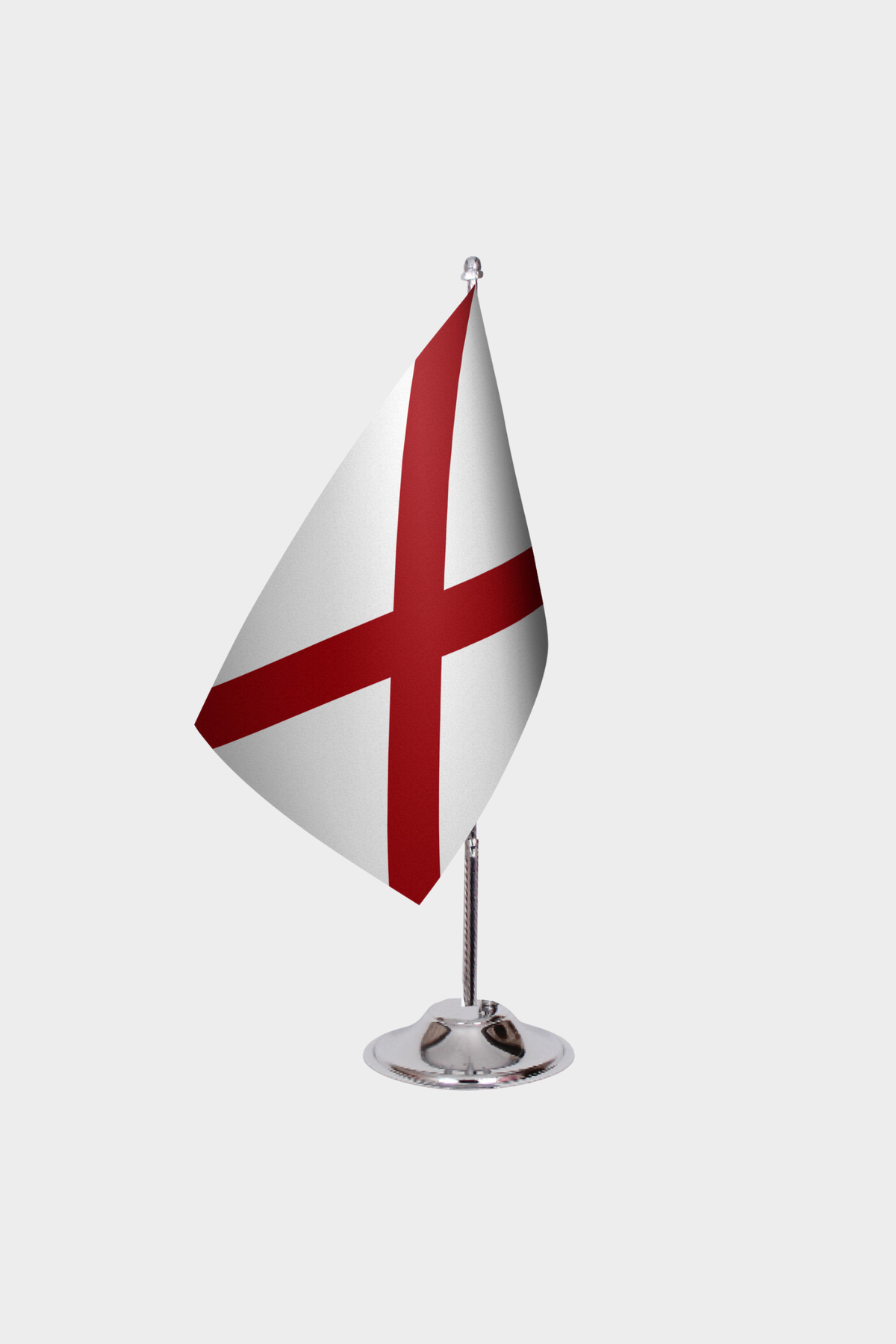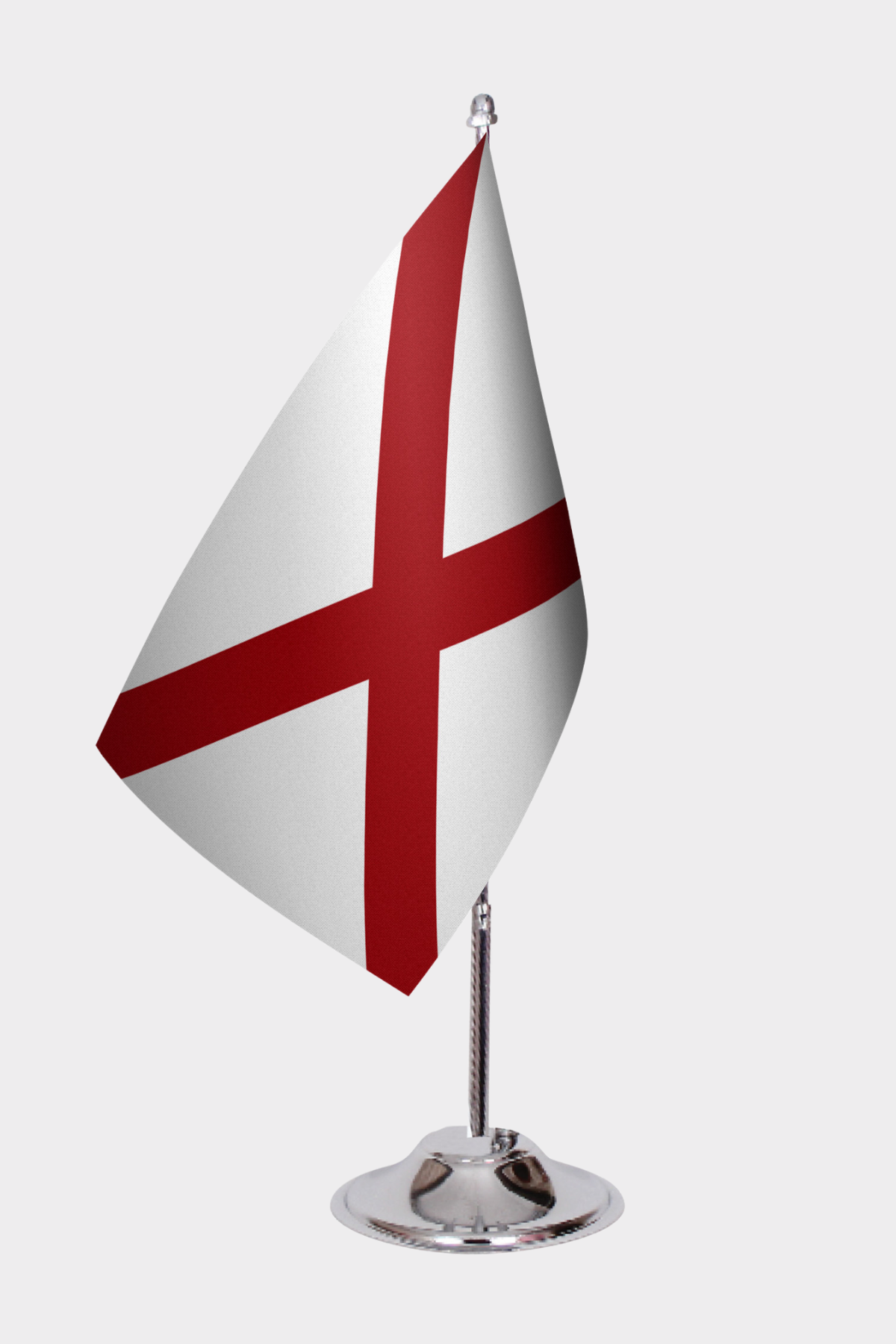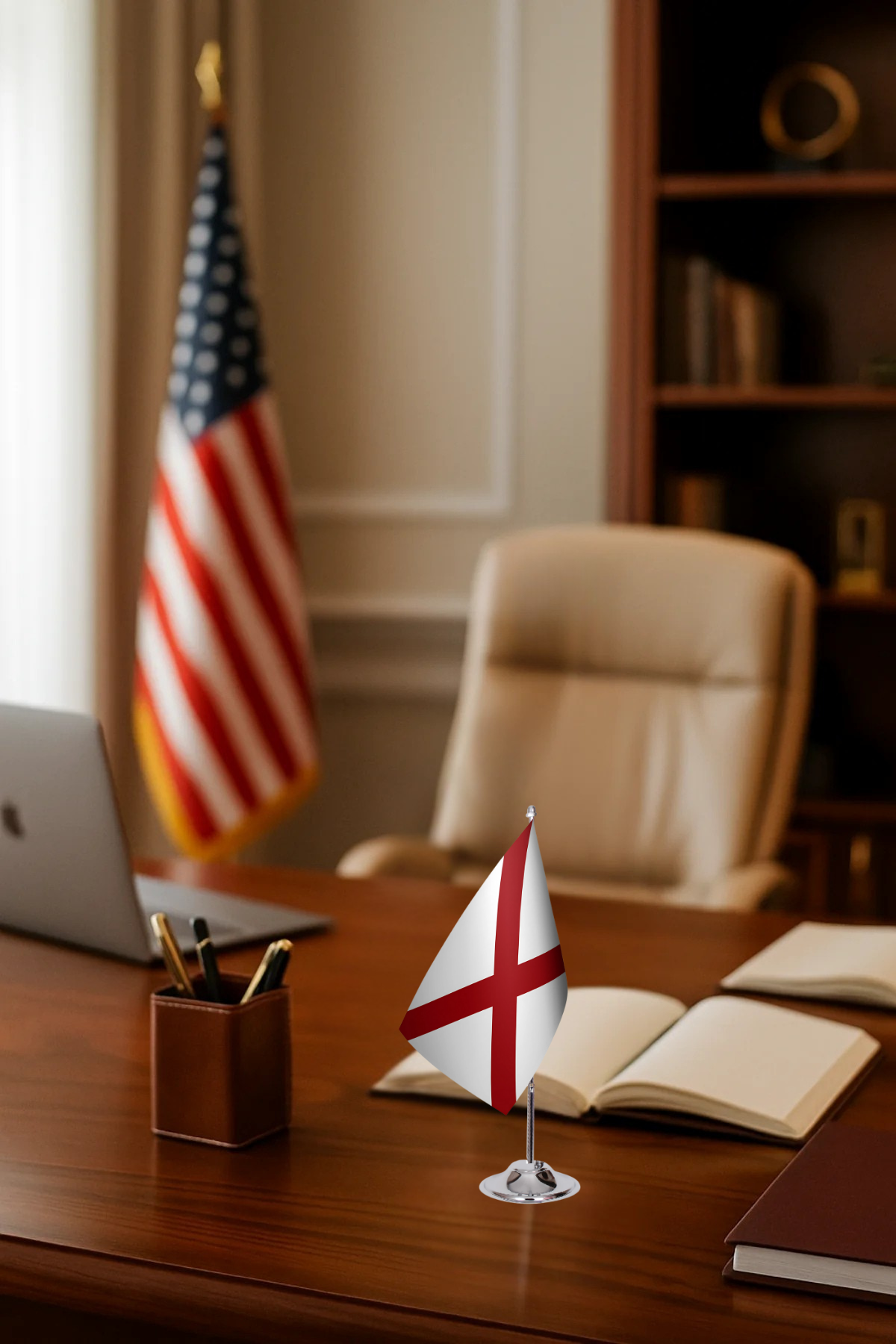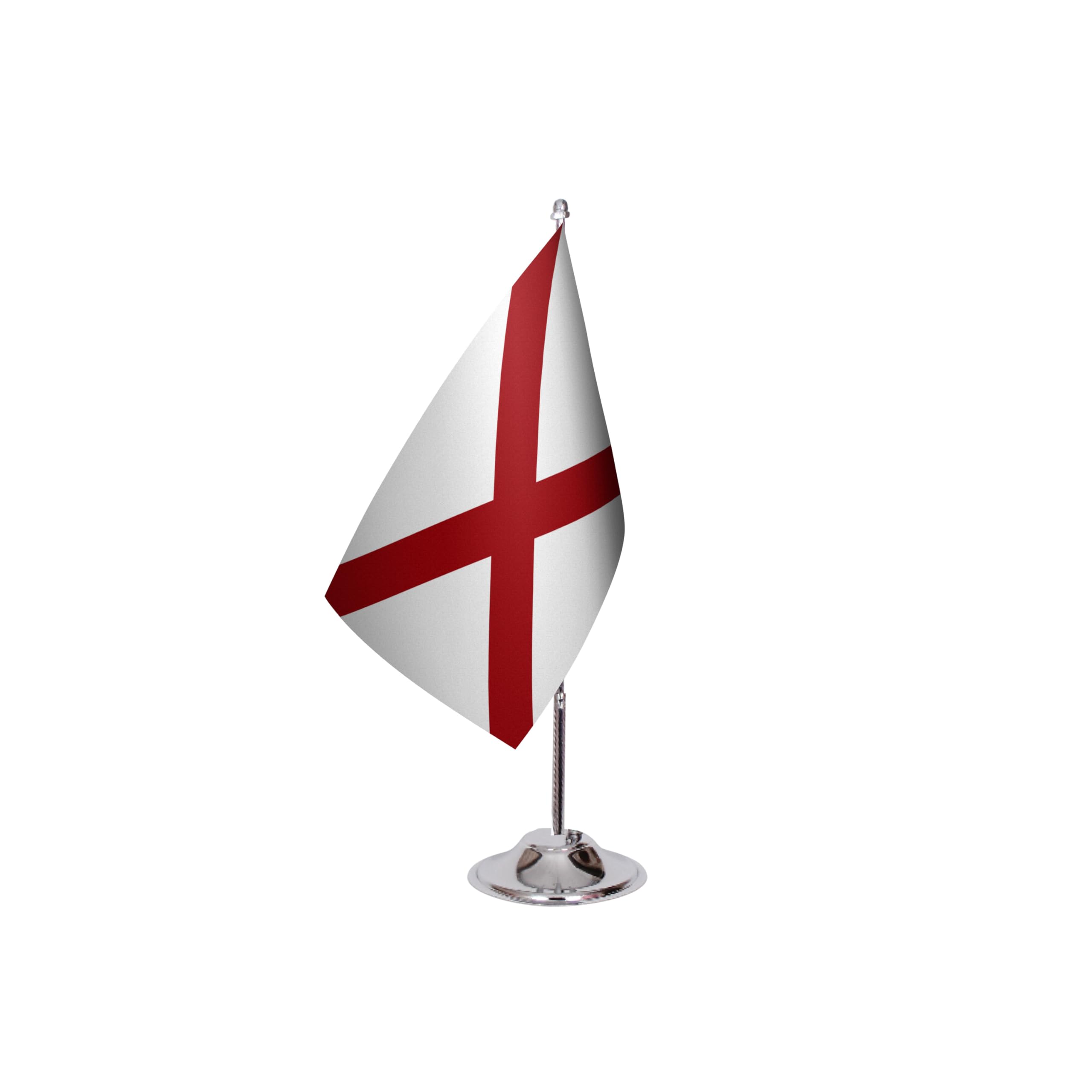

The Chile South America flag comes in two primary formats for everyday use — a full-size outdoor flag designed for flagpoles and a compact handheld flag built for events and displays — and choosing the wrong type means the wrong durability, wrong visibility, and wrong application. If you're sourcing either format, the America Countries Flags collection is the right starting point, covering both options with professionally manufactured specifications. Understanding the differences between these two flag types — from materials and construction to lifespan and total cost — helps you make a confident, informed choice whether you're a government buyer, event coordinator, or heritage enthusiast.
Quick Verdict: Which Chile Flag Format Is Right for You?
The outdoor flag is the right choice for permanent or semi-permanent pole display, while the handheld flag is best for parades, desktops, classrooms, and short-duration events. Both feature the same authentic Chilean design — the horizontal bicolor of red and white with the blue canton and white five-pointed star — but they are engineered for entirely different environments and use cases. If you need something that survives wind, rain, and UV exposure for months at a time, the outdoor format wins without question. If you need portability, affordability, and ease of handling for a crowd or a shelf, the handheld format is the practical answer.
Chile's flag, adopted in its current form in 1817, closely resembles the Texas state flag — a coincidence that sparks frequent conversation at international events. The blue canton represents the sky and Pacific Ocean, white symbolizes the snow-capped Andes, and red honors the blood of Chilean patriots. Any flag you purchase should reproduce these colors accurately using the correct Pantone or FIAV-referenced standards: blue (Pantone 286), red (Pantone 186), and white. Color accuracy matters not just for aesthetics but for official use, particularly in diplomatic, governmental, or ceremonial settings. Both the outdoor and handheld versions from a quality manufacturer will maintain color fidelity — but the method of color application differs significantly between the two types.
Outdoor Chile Flag: Strengths and Weaknesses
 The Chile Outdoor Flag is constructed from heavyweight nylon or polyester — typically 100D or 150D polyester for maximum wind resistance — with reinforced fly-end stitching and solid brass grommets sized for standard 1-inch (2.5 cm) flagpole snaps. These construction details are not optional extras; they are the engineering baseline that allows a flag to survive sustained winds of 30–45 mph (48–72 km/h) without fraying or tearing at the header. Most quality outdoor flags are rated 80% UV resistant, which translates to a useful outdoor lifespan of 6 months to 2 years depending on geographic location, local wind conditions, and whether the flag is taken in overnight. In high-UV zones like the US Southwest or coastal South American environments, even UV-resistant fabric will show fading by the 6-month mark under constant sun, while shaded or northerly locations may yield 18–24 months of presentable display. Standard outdoor sizes run from 2 ft × 3 ft (61 × 91 cm) up to 5 ft × 8 ft (152 × 244 cm), with the most popular being 3 ft × 5 ft (91 × 152 cm) — the size that best fits a standard residential or commercial pole.
The primary weakness of the outdoor flag is that it is not portable in any meaningful sense. Once installed on a pole, it requires hardware, a fixed mounting point, and periodic maintenance — re-tying, checking grommets, and rotating the flag to prevent one-sided UV damage. It is also the more expensive format, reflecting the heavier materials, more complex construction, and longer production time. For buyers who need a flag for a single afternoon event or a desktop reference display, the outdoor flag is overbuilt and unnecessarily expensive. It is genuinely the right tool only when the application calls for long-duration, weather-exposed, high-visibility display.
Chile Handheld Flag: Strengths and Weaknesses
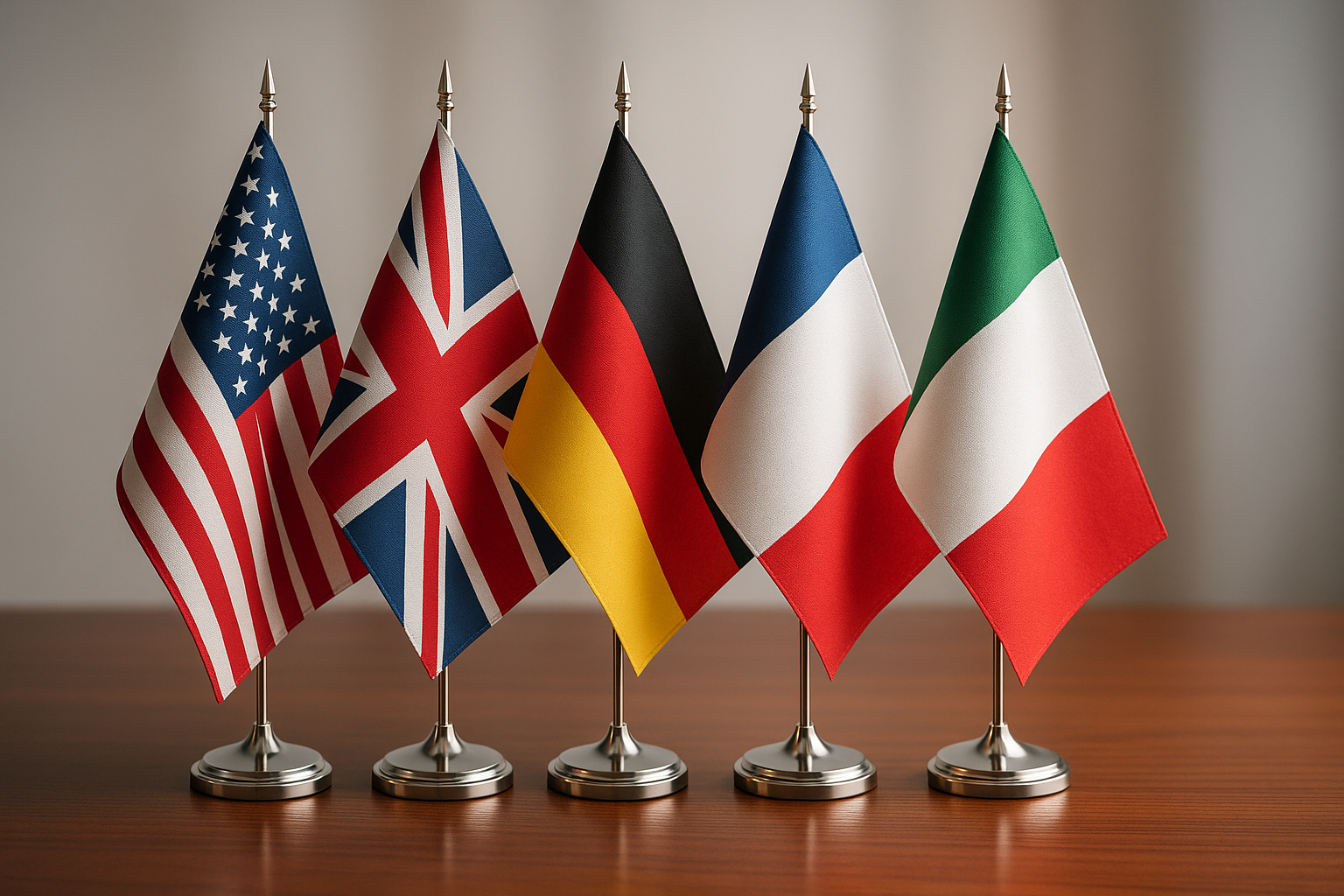
 The Chile Handheld Flag is designed for maximum portability and ease of use — typically measuring 4 in × 6 in (10 × 15 cm) or 8 in × 12 in (20 × 30 cm) mounted on a wooden or plastic stick, making it equally at home in a parade crowd, on a classroom desk, or at a diplomatic reception table. The fabric used is typically lightweight polyester or treated paper, which keeps the unit cost low and the weight negligible — an important factor when ordering in bulk for events where hundreds or thousands of units are distributed. Color is applied via screen printing or digital printing directly onto the fabric, which is appropriate for short-duration use but will not withstand prolonged outdoor exposure the way a dye-sublimated or sewn outdoor flag will. The handheld format is also the go-to option for desk flag sets, where a small flag is mounted in a base and displayed as a reference piece in offices, consulates, classrooms, or hotel lobbies — for that application, browse the Country Desk Flags collection for compatible formats.
The main weakness of the handheld flag is its limited durability. Lightweight printed fabric exposed to outdoor wind or moisture will show wear within days, not months. It is not appropriate for permanent pole mounting, diplomatic ceremony, or any setting where a flag is expected to look pristine over an extended period. That said, for bulk event orders — Chilean Independence Day parades on September 18th, cultural festivals, sports viewing parties — the handheld format delivers enormous value precisely because longevity is not the priority; immediate, high-volume visual impact is.
Choosing by Use Case: Outdoor, High Wind, and Ceremonial Settings
The right Chile flag format is determined almost entirely by the physical environment and duration of display. For permanent outdoor flagpole use — government buildings, schools, embassies, commercial properties — the outdoor polyester or nylon flag is the only appropriate choice, and within that category, nylon is generally preferred for lighter wind conditions while heavier polyester handles sustained high wind better. In coastal or high-altitude settings common across Chile's own geography and reflected in diaspora communities in South American countries, wind load is a serious engineering consideration: a flag that is too lightweight will tatter at the fly end within weeks. Reinforced double-stitching along the fly hem and a robust header panel are non-negotiable specifications in these environments.
For ceremonial indoor use — a flag stand beside a podium or behind a conference table — the outdoor flag in a 3 ft × 5 ft (91 × 152 cm) format placed on an indoor display pole is the standard. The US Flag Code (4 USC §§ 1-10), while technically governing the American flag, has established ceremonial display conventions that many organizations apply to all national flags: the flag of a foreign nation displayed alongside the US flag should be of equivalent size and height. This means a single-size outdoor format works across virtually all formal indoor and outdoor ceremonial contexts. For parades, cultural events, and educational use, the handheld flag is sufficient and economically sensible. If you're planning a large event and need guidance on comparable formats from neighboring countries, the Argentina Flag Sizes and How to Pick One article covers the same decision framework for a closely related South American national flag.

America Countries Flags
Browse the full range of South and North American national flags — both outdoor and handheld formats — manufactured to accurate specifications for display, ceremony, and events.
Browse Collection →Lifespan and Total Cost of Ownership Compared
The outdoor flag and the handheld flag differ dramatically in lifespan, and understanding the total cost of ownership — not just the unit cost — changes how you should budget. The outdoor Chile flag has a lifespan of 6 months to 2 years under continuous outdoor exposure, with nylon typically lasting longer in moderate-wind, moderate-UV environments than polyester, while polyester outperforms nylon in harsh sun or salt-air conditions. What drives the cost of an outdoor flag higher is the material weight, the hardware (brass grommets, reinforced header), and the more labor-intensive construction — all of which are justified by the extended service life. The handheld flag, by contrast, has a service life measured in days to weeks under outdoor conditions, but its lightweight materials and simple construction keep the per-unit cost far lower. For large-quantity event orders, the total spend on handheld flags for a single occasion can be significantly less than a single outdoor flag, making them the economically rational choice for one-time events.
When comparing total cost of ownership over a 12-month period, a single outdoor flag that lasts the full year represents better value than multiple replacement cycles of cheaper but shorter-lived alternatives. Conversely, buying a heavy-duty outdoor flag for a one-day event is wasteful. The decision framework is straightforward: if the display duration is less than one week, choose the handheld format; if it is longer than one month, the outdoor flag pays for itself in reduced replacement frequency. For buyers managing multiple international flag displays across an organization, it's worth reviewing how neighboring country flags are spec'd — the Spain flag sizing guide offers comparable cost-and-size reasoning that applies directly to multi-flag institutional purchasing decisions.
Construction Details That Separate Quality Chile Flags from Inferior Ones
Regardless of which format you choose, specific construction benchmarks separate a flag that will perform well from one that won't. For outdoor flags, look for: lock-stitched double rows along the fly hem (at minimum), a canvas header panel at least 1.5 in (3.8 cm) wide, solid brass grommets (not aluminum or plated zinc, which corrode quickly in outdoor environments), and dye-sublimated color application — where ink is thermally embedded into the fabric fibers rather than printed on top — which yields the longest color retention. For the Chilean flag specifically, color accuracy is critical: the blue of the canton must be a true royal blue (Pantone 286), not navy, and the red must be a vivid flag red (Pantone 186), not burgundy. A flag that fades or starts with misrepresented colors fails its primary purpose as a national symbol.
For handheld flags, quality indicators include: polyester fabric (rather than paper or thin polypropylene), screen-printed color with clean edge registration, a securely attached wooden stick with no splinters or sharp points (important for event safety), and a flag panel that is heat-sealed or hemmed rather than raw-cut at the edges. You can browse additional national flag options with consistent quality standards across the full Country Flags collection to compare construction specs across different national flags before committing to a large order.
What does the Chile South America flag look like, and what do its colors mean? +
What size Chile flag should I order for a standard residential flagpole? +
Is the Chile flag the same as the Texas flag? +
How long will a Chile outdoor flag last if flown every day? +
Can I order Chile handheld flags in bulk for an event? +
What material is best for a Chile flag in a high-wind location? +
Is the Chile flag appropriate for indoor ceremonial display alongside the US flag? +
Whether you're mounting a Chile flag on a commercial pole for a long-term display or distributing handheld flags at a Chilean Independence Day celebration, selecting the right format from the start saves time, money, and repeated procurement effort. For pole display needs, the Chile Outdoor Flag delivers the durability and visibility that permanent installation demands. For events, desks, and classrooms, the Chile Handheld Flag is the practical, portable choice. You can browse both alongside flags from every South and North American nation in the America Countries Flags collection. Bulk pricing is available for corporate, institutional, and government orders — contact us directly to discuss volume requirements and lead times.