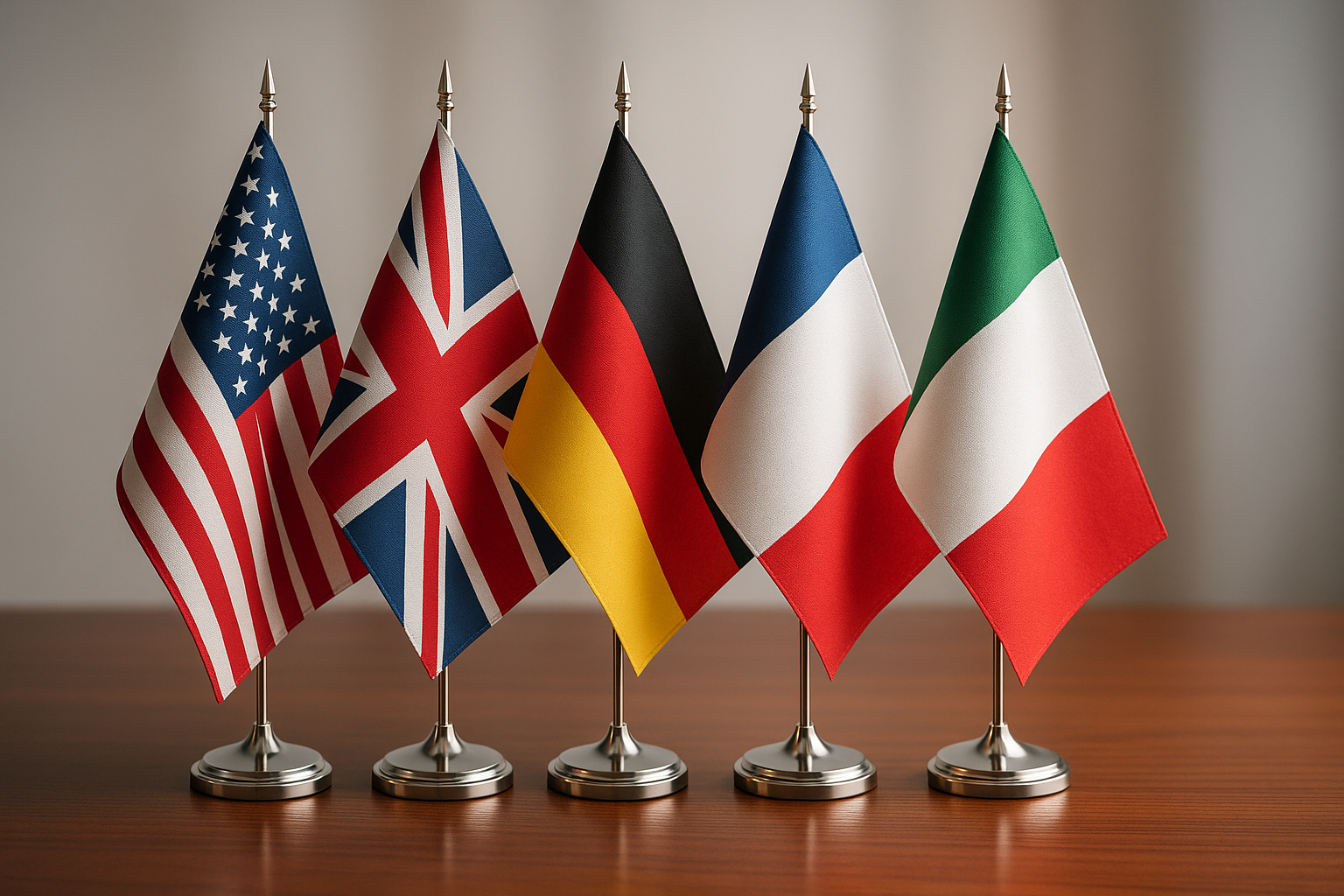
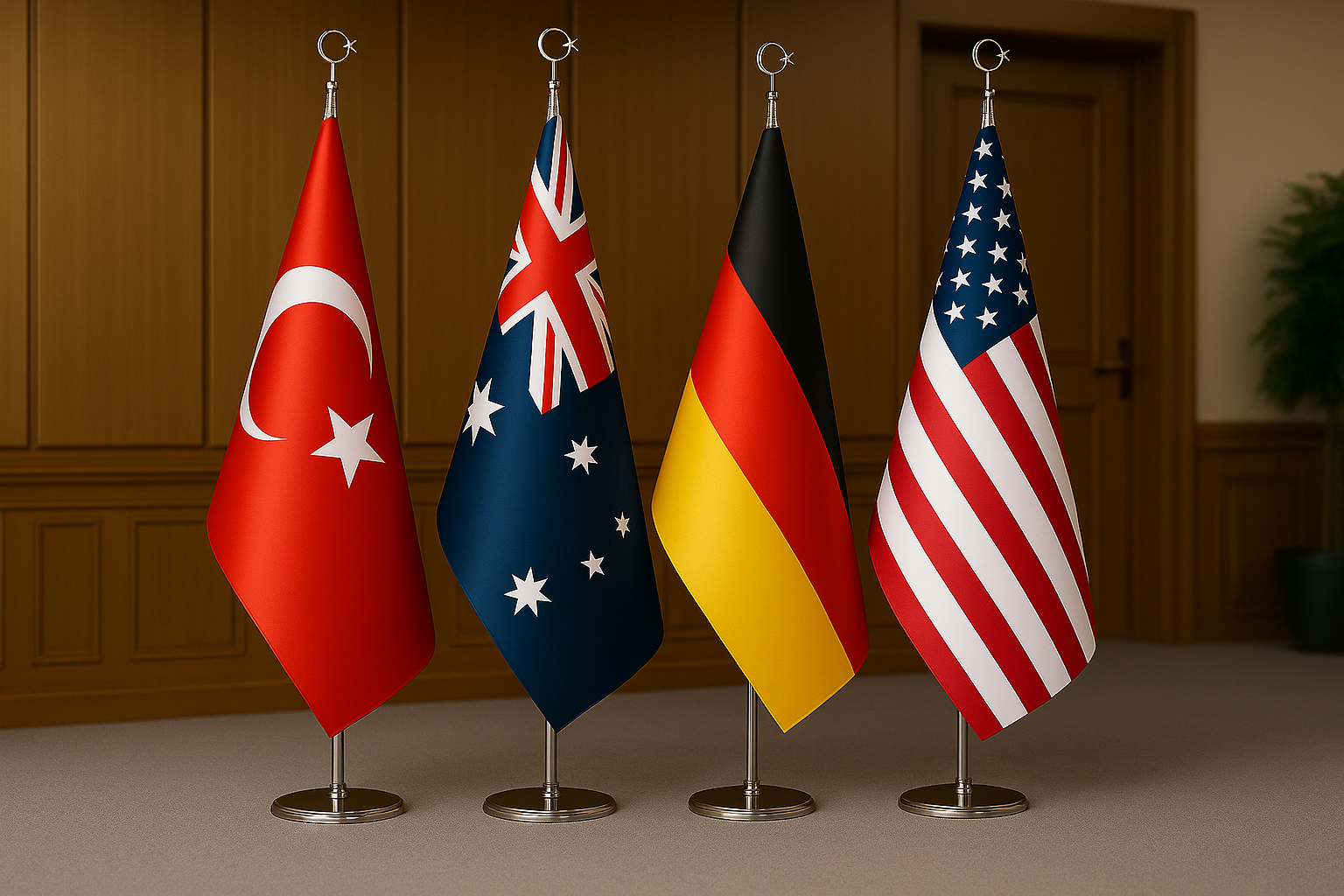
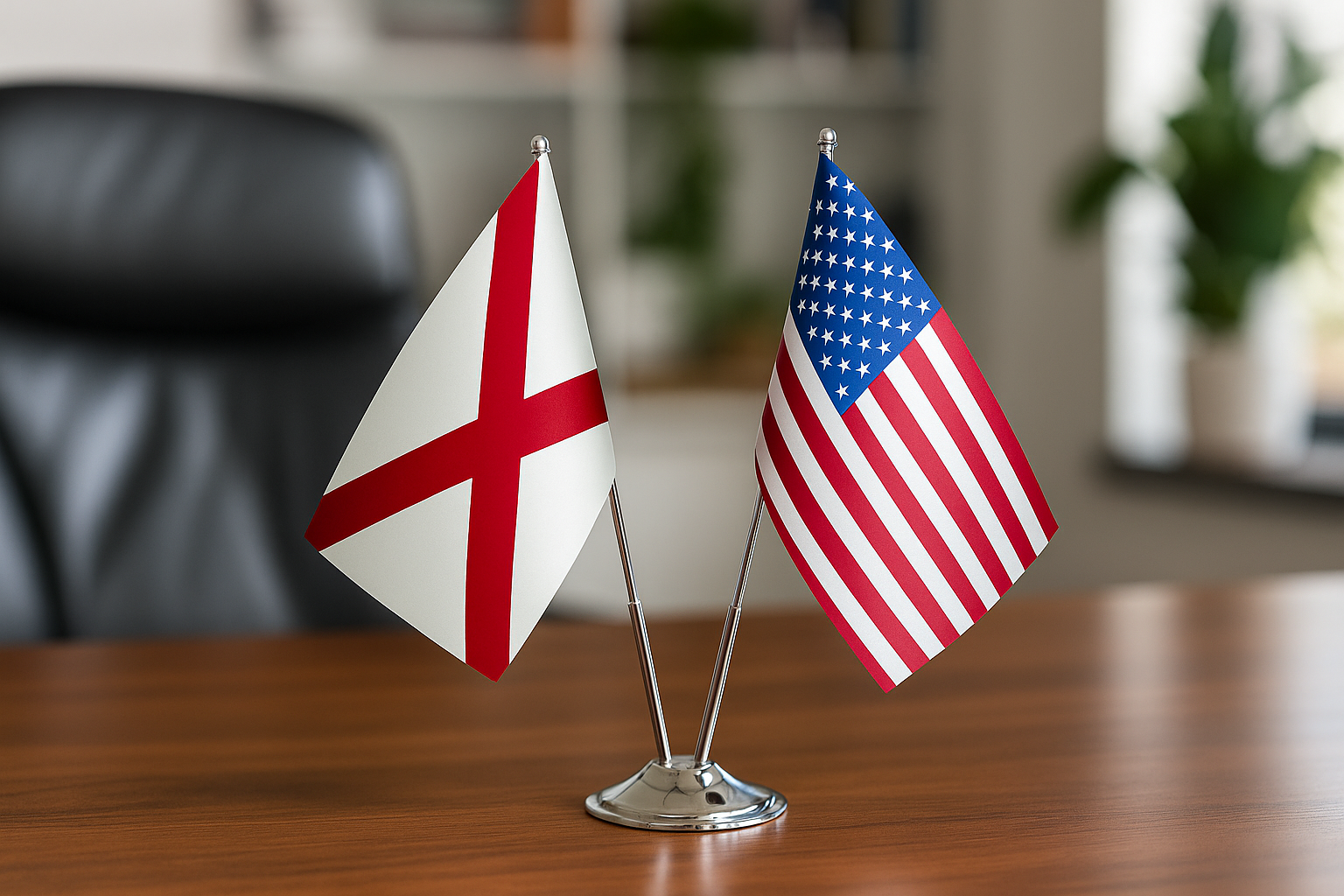
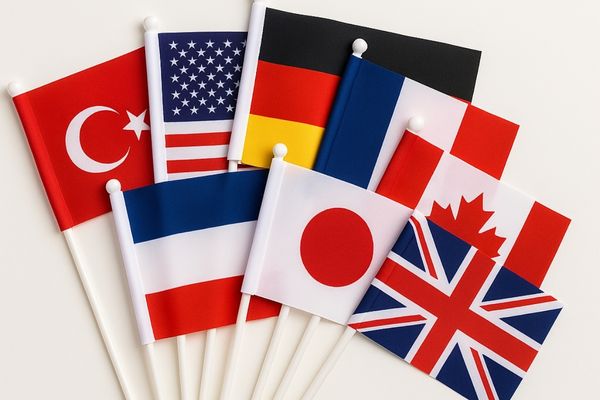
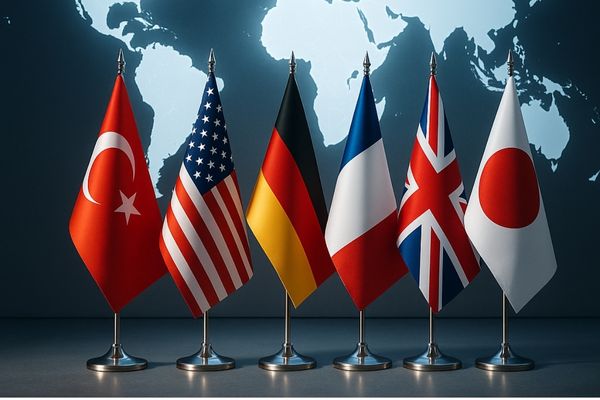

Many of the world's similar country flags are so visually close that even experienced vexillologists pause before identifying them — yet each carries distinct proportions, shades, or emblems that set it apart from its look-alike neighbors. If you need to display any of these flags accurately, the Country Flags collection at Asya Bayrak offers professionally manufactured, color-accurate flags built to international FIAV standards.
Quick Verdict: Which Flag Pairs Confuse People Most — and Why It Matters
The flag pairs that generate the most real-world confusion are Chad/Romania, Colombia/Ecuador/Venezuela, Belgium/Germany, Ireland/Ivory Coast, New Zealand/Australia, and Monaco/Indonesia. Each pairing has a "guilty" variable — either an identical color arrangement at small scale, a shared tricolor tradition, or a similar emblem — that disappears only when you examine the flags side by side at full size with verified Pantone-matched colors.
Understanding why flags look alike matters far beyond pub quizzes. Conference organizers, government agencies, event planners, and schools must display the correct flag for a specific nation; using the wrong one is a diplomatic misstep under international protocol. The US Flag Code (4 USC §§ 1–10) establishes respectful display rules for foreign flags alongside the Stars and Stripes, and those rules presuppose you are flying the correct national flag in the first place. For venues displaying multiple countries, our guide on international flag display kits for conference centers covers protocol in detail — so this article focuses entirely on identifying and distinguishing the flags themselves.
The Chad–Romania and Belgium–Germany Problem: Vertical Tricolors That Fool Everyone
Chad and Romania share an almost identical vertical tricolor of blue, yellow, and red — the only reliably measurable difference is the exact Pantone shade of blue (Chad uses a slightly deeper cobalt, Romania a brighter azure), plus a marginal difference in official proportions (both use 2:3 ratios, making size no help at all). At typical flag-pole distance, they are functionally indistinguishable without lab-grade color verification; the United Nations has formally noted this problem since Chad's 1960 independence.
 Belgium and Germany offer an equally famous pairing in a different color family: both use black, red, and yellow/gold. The critical difference is stripe orientation — Belgium's tricolor runs vertically (black–yellow–red from hoist to fly), while Germany's runs horizontally (black–red–gold from top to bottom). Belgium also uses a narrower official proportion of roughly 13:15, making the flag nearly square, whereas Germany's is the standard 3:5 landscape rectangle. Pantone shades differ too: Belgium's yellow is a warm golden tone (PMS 116), while Germany's gold leans slightly darker (PMS 7549). At a sporting event or embassy row, the vertical versus horizontal orientation is the fastest visual cue — but only when the flag is fully unfurled in a breeze. The Belgium Outdoor Flag from Asya Bayrak is manufactured to the correct near-square ratio and color specification, so it reads unmistakably Belgian from across a field.
The broader lesson from these vertical tricolor pairings is that stripe direction is the single most reliable differentiator at a glance. For a deeper look at how vertical orientation changes the way a flag should be displayed and mounted, see our dedicated article on vertical country flags and how to use them.
Colombia, Ecuador, and Venezuela: The Yellow–Blue–Red Trio
Colombia, Ecuador, and Venezuela all share horizontal yellow, blue, and red stripes in that top-to-bottom order — a legacy of their shared history as Gran Colombia — yet each flag carries specific distinguishing features that make accurate identification straightforward once you know what to look for. Colombia's flag is the cleanest of the three: no emblem, just three horizontal stripes with yellow occupying exactly half the flag's height, blue one quarter, and red one quarter.
 Ecuador's version adds a prominent coat of arms centered on the flag — a condor perched above Mount Chimborazo — and uses equal-width stripes rather than Colombia's unequal distribution. Venezuela places a centered arc of eight white stars on its blue stripe and features the national coat of arms in the upper hoist corner on the state flag variant. In practice, the presence or absence of a central emblem is the fastest sorting rule: no emblem means Colombia; condor means Ecuador; stars-in-an-arc means Venezuela. Stripe width is the secondary check when no emblem is visible (unusual in official use, but common on simplified decorative flags). The Colombia Outdoor Flag is produced with the correct 2:3 ratio and unequal stripe proportions, ensuring it won't be mistaken for its South American neighbors.
Choosing by Use Case: Outdoor, Ceremonial, and High-Visibility Settings
For outdoor pole display — especially in windy coastal or urban environments — color fastness and correct proportions are your two non-negotiable requirements when working with look-alike flags. A flag that fades from its specified Pantone shade toward a generic "red" or "blue" within a season will quickly become unidentifiable, which is precisely the problem you're trying to avoid with easily confused designs.
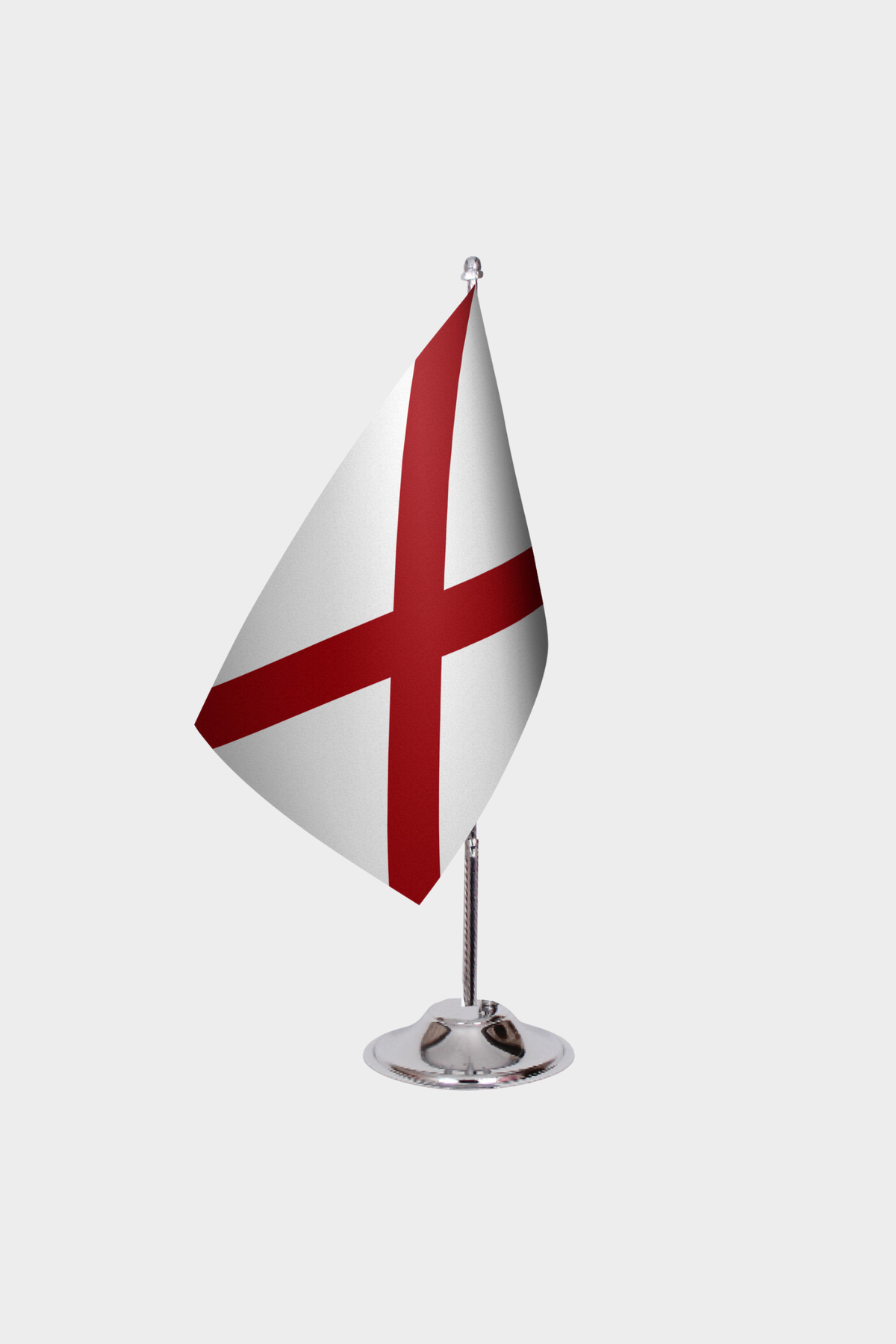
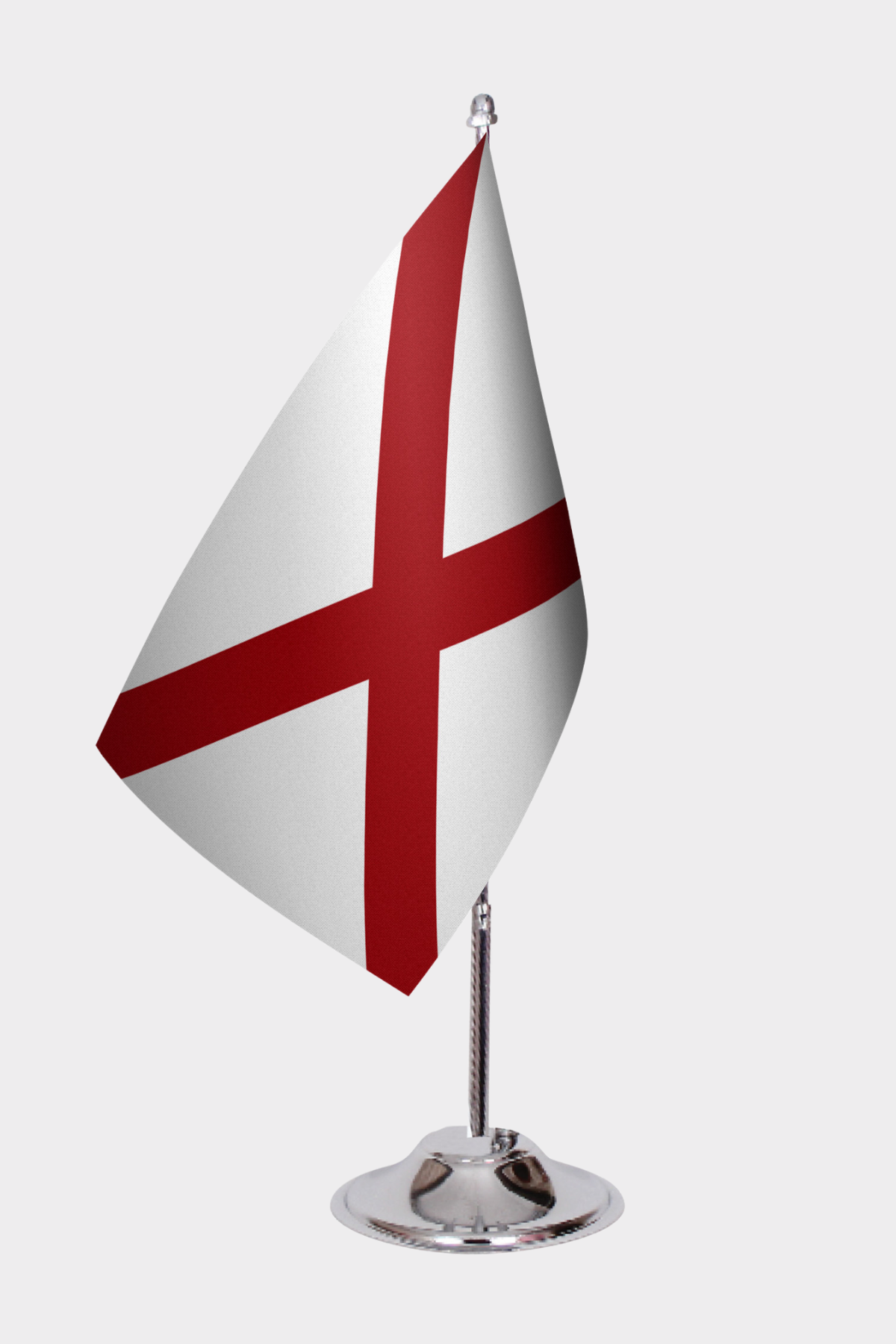
For ceremonial indoor settings such as embassies, government offices, and conference halls, the priority shifts to emblem sharpness and fabric weight. The coat of arms on Ecuador's flag, the stars on Venezuela's, or the cross detail on similar Nordic flags (Denmark, Norway, Finland, Sweden — another famous look-alike cluster) must be legible at close range. Printed-polyester flags with at least 150D fabric density hold fine emblem detail far better than lightweight 75D alternatives. For the Nordic cluster specifically — where Denmark (red with white cross), Switzerland (square red with white cross), and England's St. George Cross (white with red cross) cause persistent confusion — the cross proportions and flag shape are decisive: Switzerland is the only square national flag in the world, and Denmark's cross is offset toward the hoist per Scandinavian cross convention.
High-wind outdoor environments introduce a third factor: reinforced headers and double-lock stitching. A torn or furled flag cannot display its distinguishing emblem or color proportions, making confusion far more likely. Our European Countries Flags collection covers the full range of Nordic and continental European designs, each built with UV-resistant ink rated for 80% UV protection and 6 months to 2 years of outdoor lifespan depending on exposure conditions.

Country Flags Collection
Color-accurate, FIAV-compliant national flags for every display setting — from diplomatic ceremonies to outdoor events — including all the look-alike pairs covered in this guide.
Browse Collection →Lifespan, Accuracy, and Total Cost: What Matters When You Need the Right Flag
When flags look nearly identical, the total cost of a mistake is higher than the price of the flag itself — replacing a misidentified flag, reprinting event signage, or fielding a diplomatic complaint costs far more than paying for a precision-manufactured flag from the outset. Quality outdoor flags made from 100% woven polyester (150D or heavier) carry a realistic outdoor lifespan of 6 to 12 months in moderate climates or 3 to 6 months in high-UV, high-wind coastal zones; indoor ceremonial flags last 2 to 5 years under typical conditions.
For look-alike flag pairs specifically, cost-per-correct-identification is the right metric. A flag that uses off-specification dyes might cost 20–30% less upfront but fade to an ambiguous color within one season, effectively becoming the wrong flag. Pantone-matched inks and double-stitched fly hems add marginally to the unit cost but eliminate the reorder cycle and the reputational risk. Bulk orders — common for schools, municipalities, and event companies that manage multiple country flags — bring per-unit costs down significantly and make color-accuracy investment even easier to justify. For color meanings across the European flag family (which accounts for many of the most-confused pairs), the article on European country flags: colors and meanings provides additional context on why each shade was chosen historically.
Two other look-alike situations worth flagging for completeness: Monaco and Indonesia both use a horizontal red-over-white bicolor with a 2:3 ratio — the only formal difference is that Monaco's red is a brighter scarlet (PMS 186) while Indonesia's is a slightly deeper crimson (PMS 032), a distinction invisible at distance. Similarly, Ireland (green–white–orange) and Ivory Coast (orange–white–green) are mirror images of each other; the hoist-side color is the only differentiator and it requires knowing which end is attached to the pole. These edge cases reinforce why manufactured flags with correctly finished header and hoist construction are essential — the hoist edge itself is part of the flag's identity information. For context on crescent-bearing flags and their own identification challenges, the article on which countries have a crescent flag is a useful companion read.
Frequently Asked Questions
Which two country flags are most similar to each other? +
How do I tell Colombia's flag apart from Ecuador's and Venezuela's? +
What is the difference between Belgium's flag and Germany's flag? +
Are Monaco's and Indonesia's flags exactly the same? +
How can I tell Ireland's flag from Ivory Coast's flag? +
Does flag size or material affect how similar flags appear outdoors? +
Why do so many country flags look similar in the first place? +
Whether you are sourcing flags for a diplomatic reception, a school project, an international sporting event, or a corporate headquarters lobby, getting the color specification and proportions right is the only way to avoid misidentifying look-alike national flags. The Country Flags collection at Asya Bayrak covers every flag pair and group discussed in this article — including the Belgium Outdoor Flag and the Colombia Outdoor Flag — each manufactured to FIAV-compliant proportions with Pantone-matched, UV-resistant inks. The European Countries Flags collection is particularly useful for sourcing the full range of Nordic and continental European designs in a single order. Bulk pricing is available for corporate, government, and event orders — contact us for a volume quote tailored to your display requirements.